MonitorAEGTEST
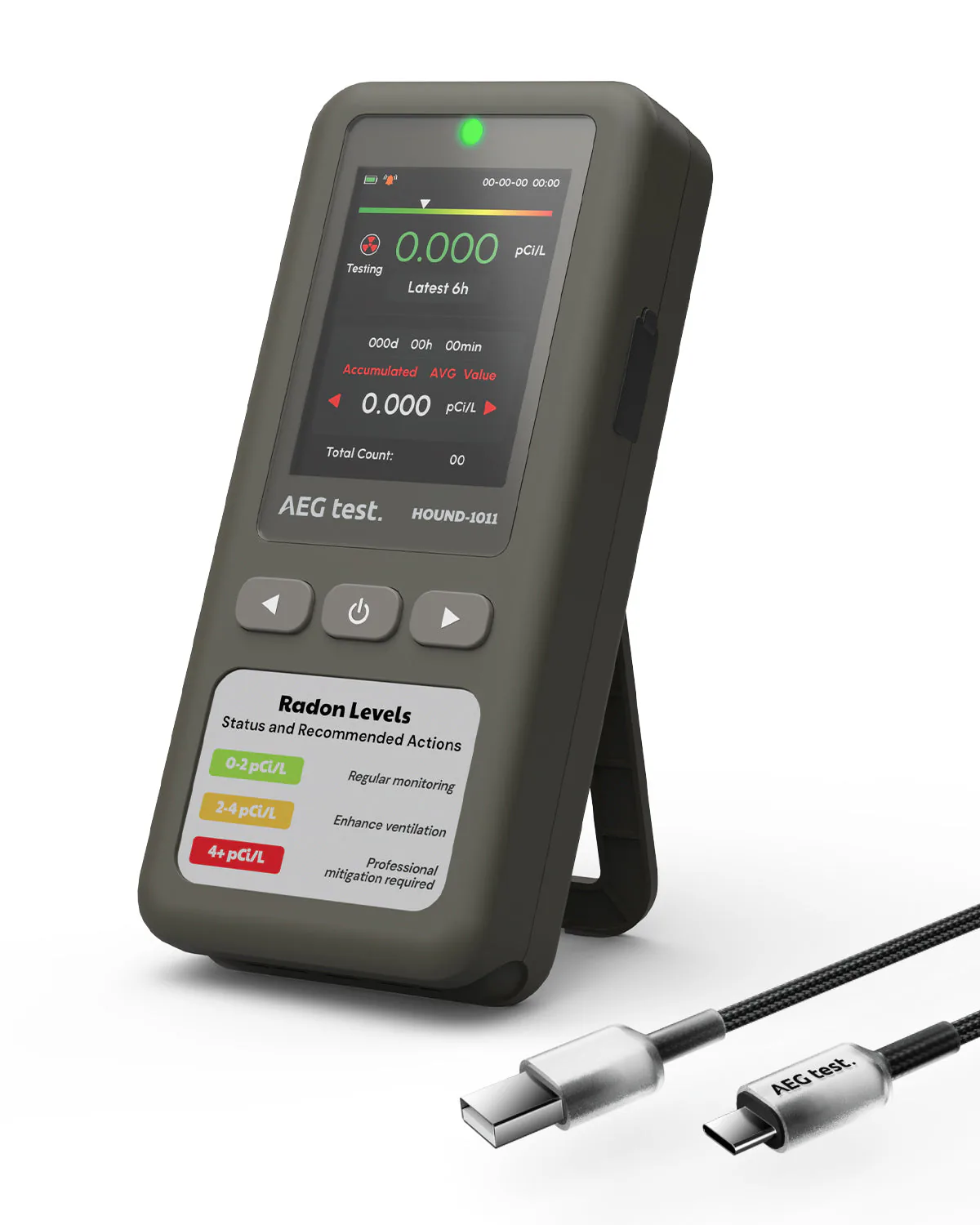
HOUND-1011 rechargeable radon detector with a screen
- C-NRPP 2024/25: Not included
- Battery
- Alarm
- Screen
Method: Semiconductor sensor
First reading: Within 6 hours
Testing
Short answer
Radon testing means leaving a small detector in the lowest lived-in level of a home for at least 48 hours, with windows and doors kept closed, then having a lab or a monitor report the average radon level in pCi/L. You can do the radon testing yourself with a kit from a store or a state program, or hire a qualified tester, which EPA recommends when you are buying or selling.
Next step: pick the right test for your home. Which test to use
Why test
Radon testing measures how much radon is in the air of a building, reported in
Location does not answer the question. Radon problems vary from area to area, but high levels have been found in every state, homes next to each other can have different levels, and a neighbor's result cannot stand in for yours. That is why EPA and the Surgeon General recommend testing all homes below the third floor, and testing in schools as well.
Testing is inexpensive and easy and should only take a few minutes of your time. This page covers every part of it, from choosing a test to reading the lab report. If you just want the short version, see how do I test for radon.
How to test

1Step 1: Take a short-term test.
2Step 2: Follow up with either a long-term test or a second short-term test.
3Step 3: Decide whether to fix your home.
Always follow the instructions that come with your kit as well, because some devices need longer than others. Answers to the most common follow-up questions are on how long does a radon test take, can I test for radon myself and can you be in the house during a radon test.
Choosing a test
There are two general ways to test.

| Test | How long it runs | What it is for |
|---|---|---|
| Short-term test | Stays in the home from 2 to 90 days, depending on the device, and for a minimum of 48 hours. | A faster screening result. Because radon levels vary from day to day and season to season, it is less likely than a long-term test to tell you the year-round average. |
| Long-term test | Stays in the home for more than 90 days. | It is more likely than a short-term test to tell you the home's year-round average radon level. |
| Continuous monitor | Logs readings for the whole test, run as a short-term or a long-term test under the same durations in EPA guidance. | Logs a graph over time, so you can see trends and spot anomalies rather than a single number. |
| Situation | What to use |
|---|---|
| A first test of the home you live in | A short-term test is the quickest start; a long-term test gives the better year-round picture |
| A first short-term result of 4 pCi/L or more | A follow-up test: long-term for a better year-round average, or a second short-term test if you need results quickly |
| A first result more than twice the action level | A second short-term test immediately |
| Buying or selling a home | One of the three short-term options for real estate, with steps to prevent or detect interference |
| Checking a new mitigation system | A two- to seven-day test, no sooner than 24 hours and within 30 days of start-up |
Whichever you pick, all radon tests should be taken for a minimum of 48 hours, and some devices need longer, such as a 7-day charcoal canister. The longer the test, the better the result reflects your home's radon level and your lifestyle. More on each: short-term radon test kits and long-term radon test kits.
Devices
Since radon cannot be seen or smelled, special equipment is needed to detect it, and that equipment falls into two groups. Passive devices need no power: they are exposed to the air for a set time and then sent to a laboratory for analysis, and both short- and long-term passive devices are generally inexpensive. Active devices need power, continuously measure and record radon or its decay products, and usually give hourly readings plus an average for the test period; they may cost more.
Passive
Passive
Passive
Passive
Active
Active
Use a device from a qualified laboratory. A state or local radon official can explain the differences between devices and recommend the ones that suit your needs and testing conditions. The active devices' reports can reveal unusual or abnormal swings in the level during the test, and some are built to deter and detect interference. Which device to buy is covered on radon test kits, radon detectors and continuous radon monitors.
MonitorAEGTEST
Method: Semiconductor sensor
First reading: Within 6 hours
MonitorAEGTEST
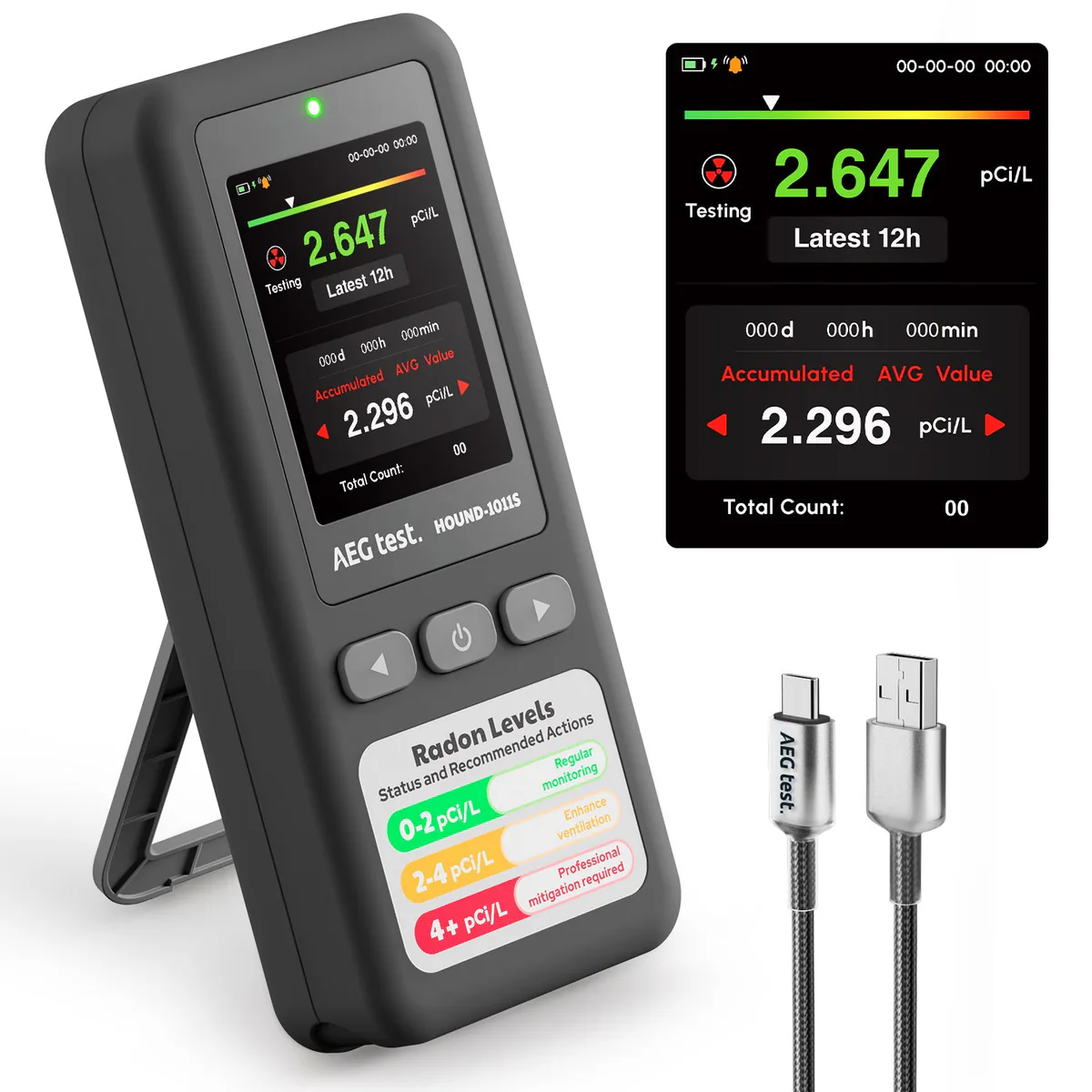
Method: Semiconductor sensor
First reading: Within 12 hours
MonitorAEGTEST
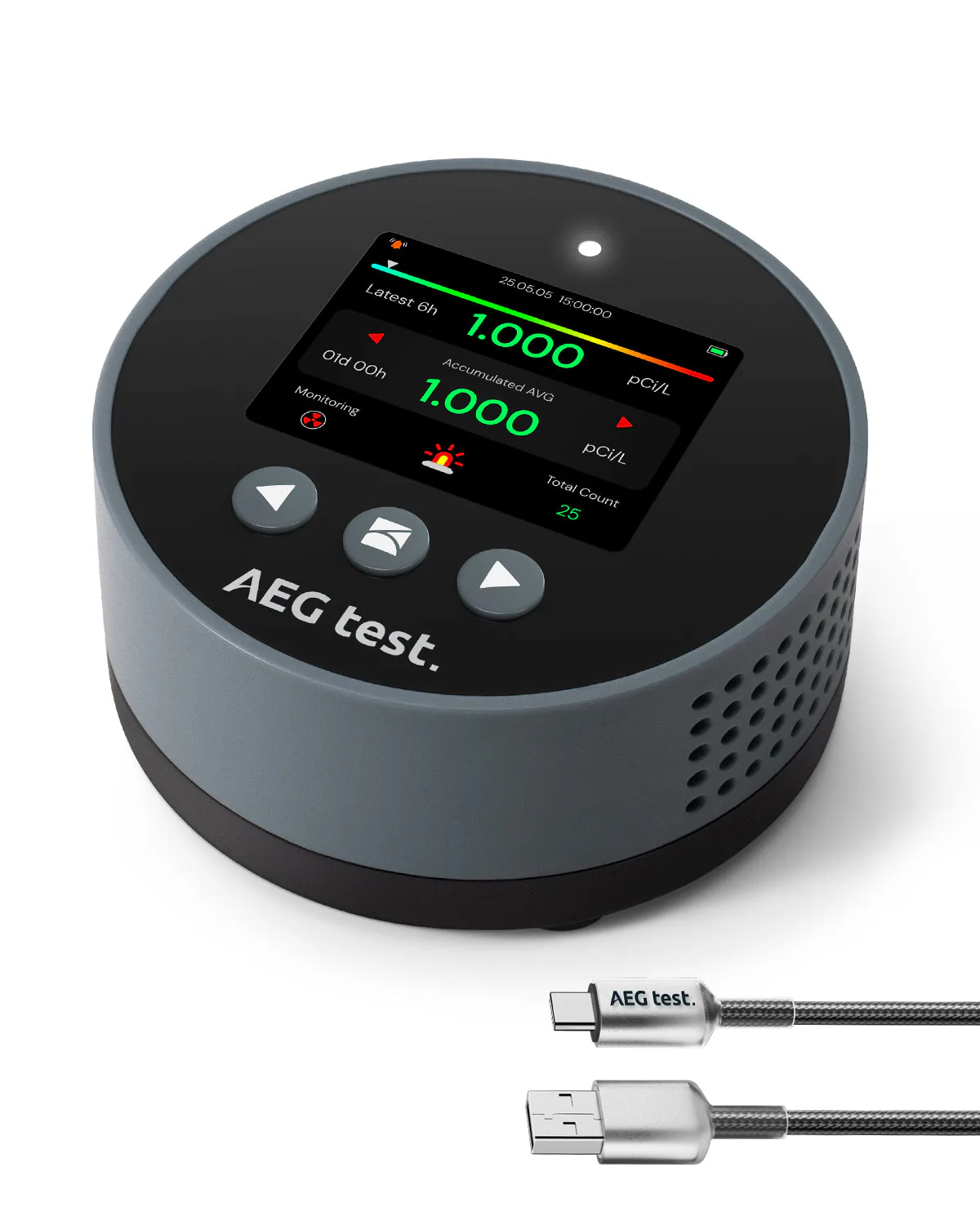
Method: Semiconductor sensor
First reading: Within 6 hours
MonitorAEGTEST
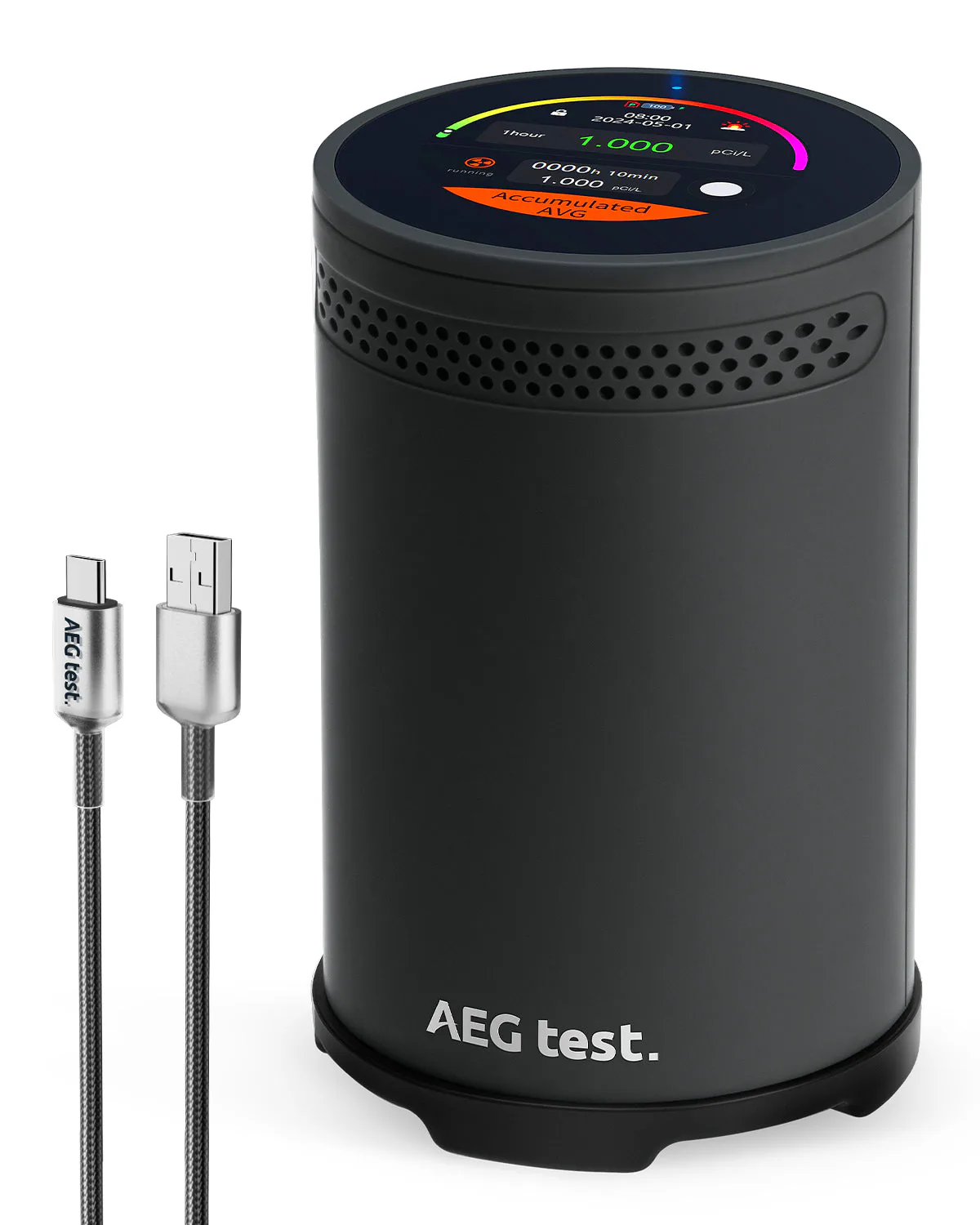
First reading: Within 1 hour
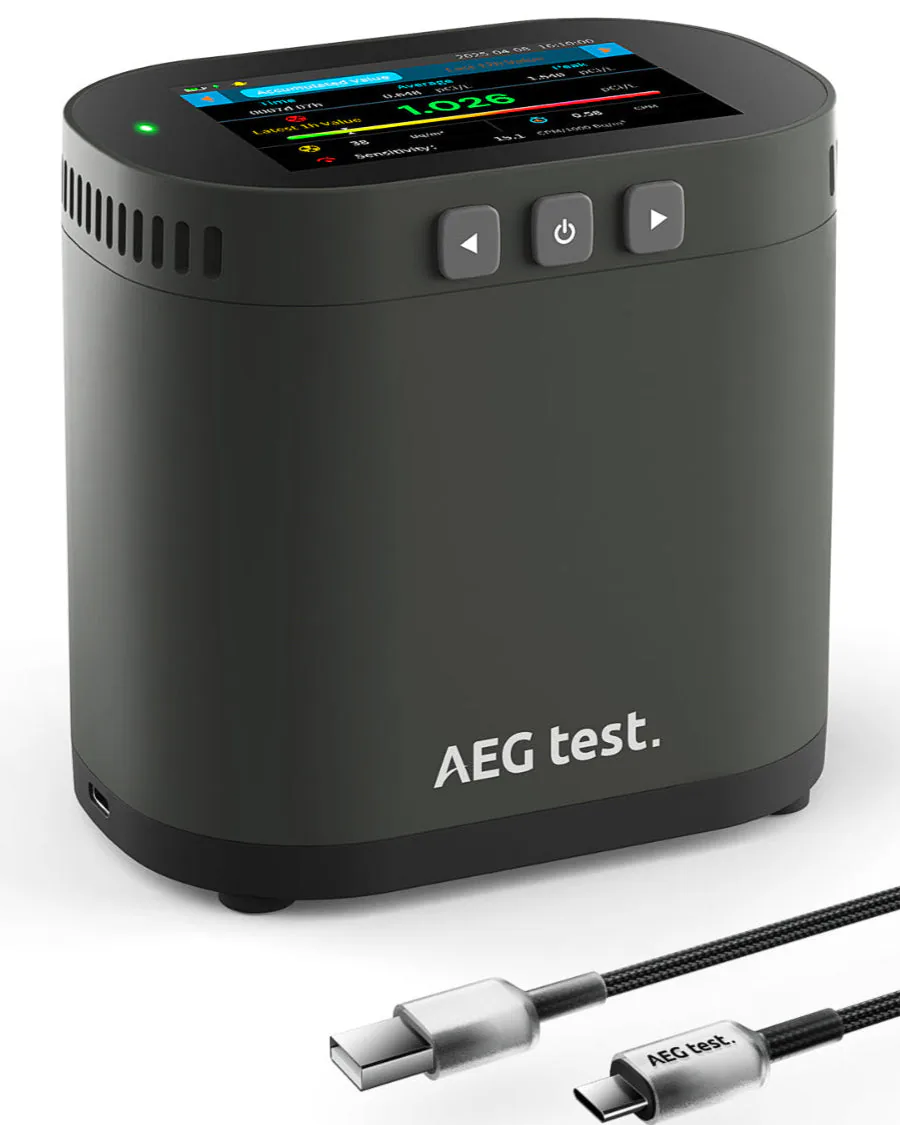
MonitorAEGTEST
Method: Ion chamber
First reading: Within 10 minutes
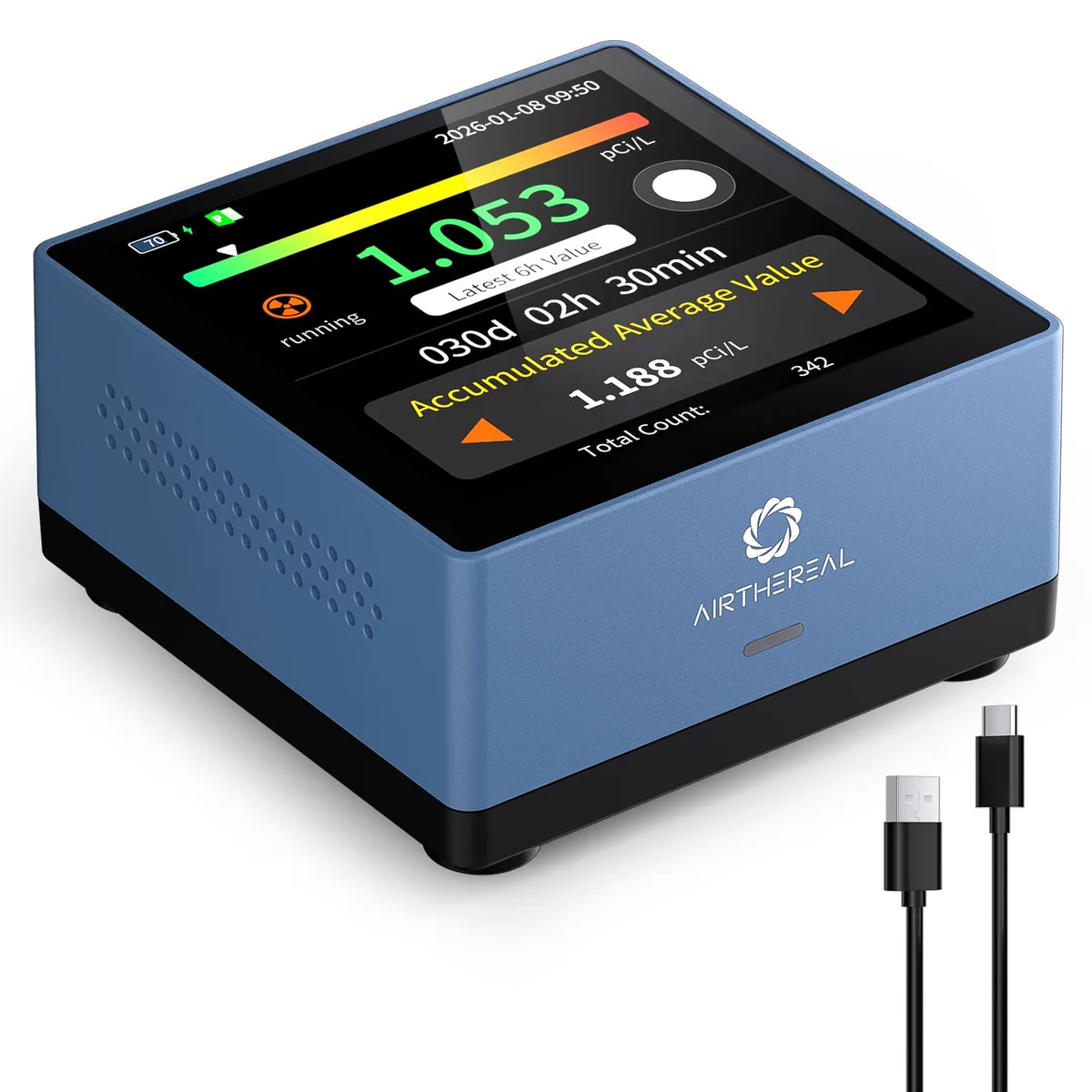
Monitor
Method: Semiconductor sensor
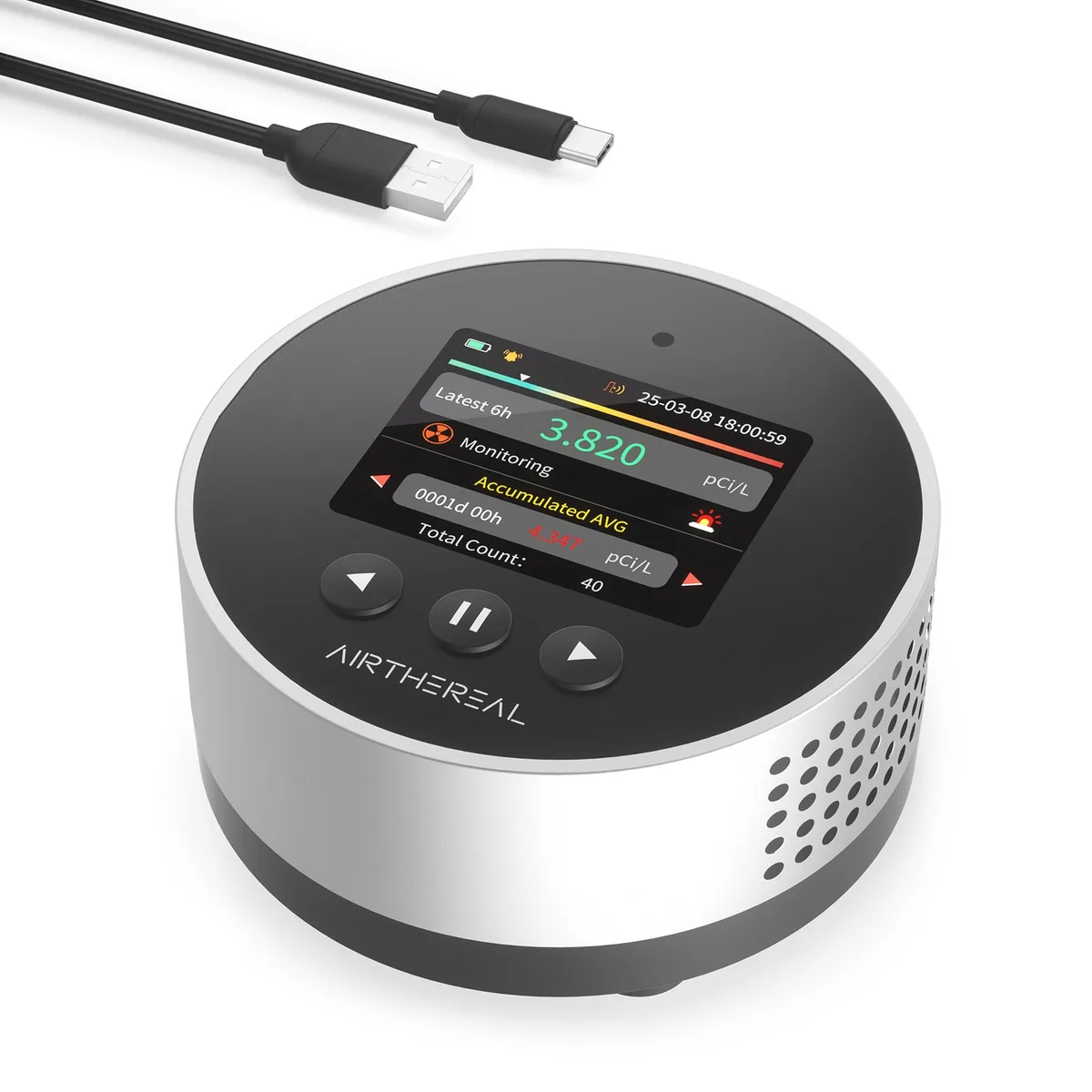
Monitor
Method: Semiconductor sensor
First reading: Within 6 hours
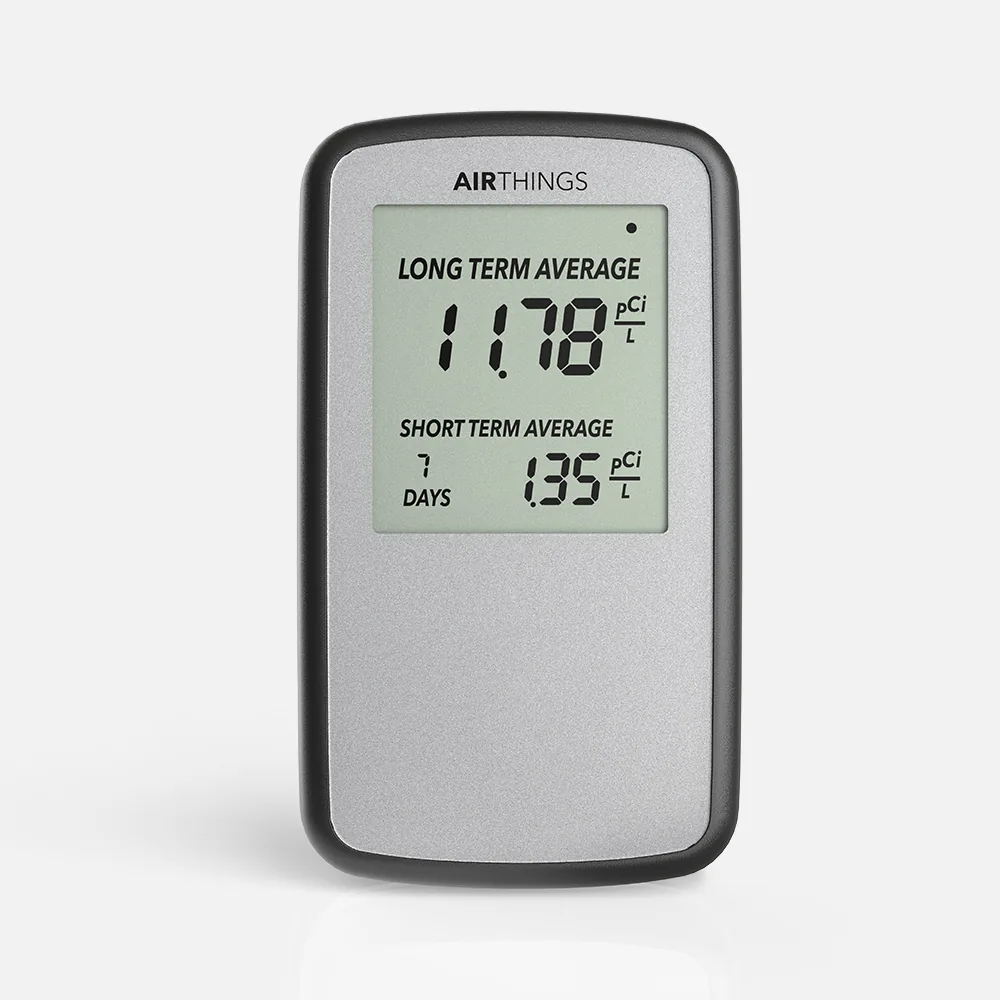
Monitor
Method: Alpha spectrometry
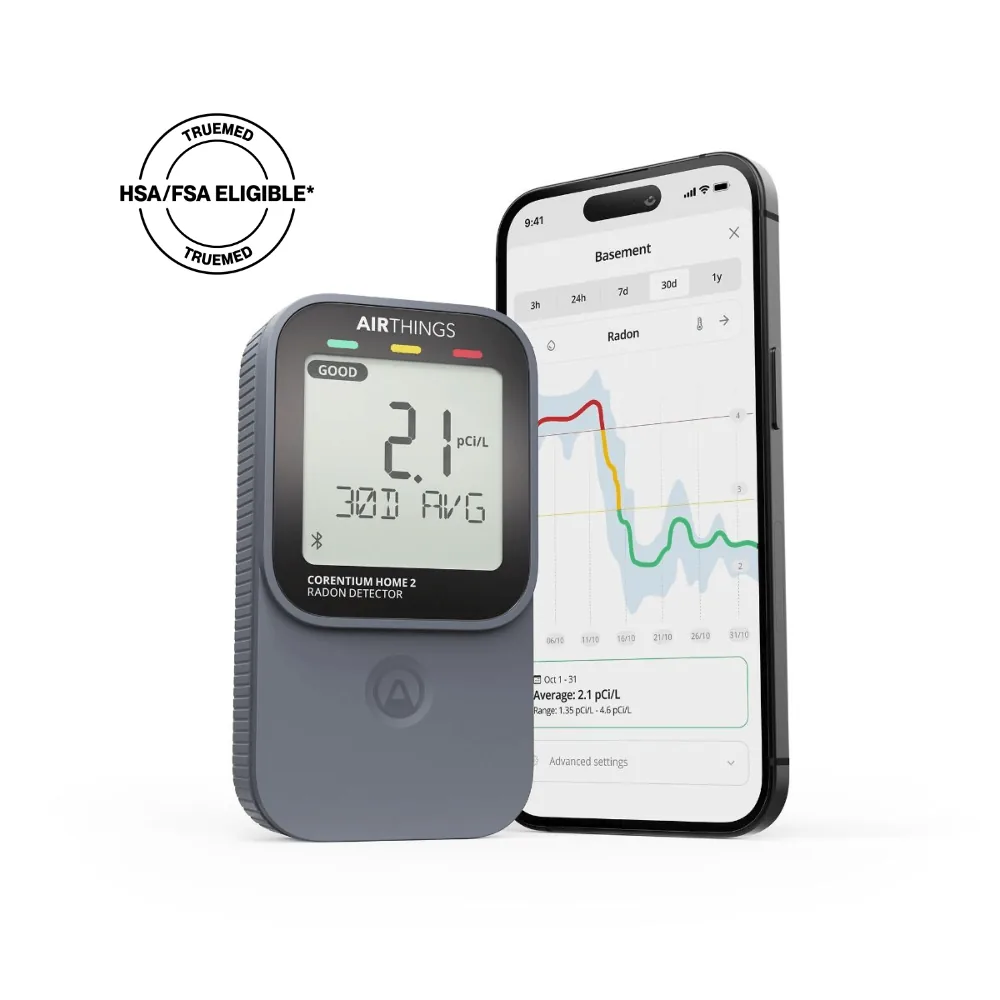
Monitor
Method: Alpha spectrometry
Readings: Every 60 minutes
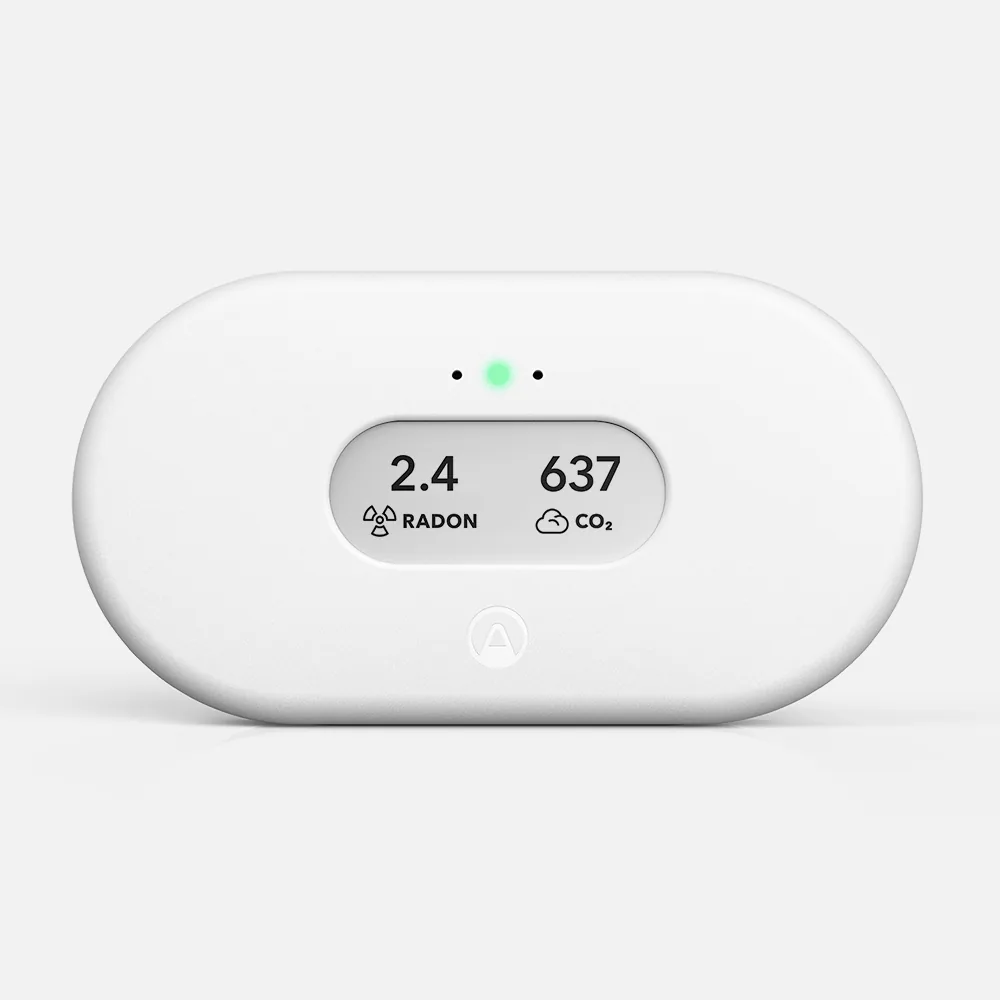
Monitor
Method: Alpha spectrometry
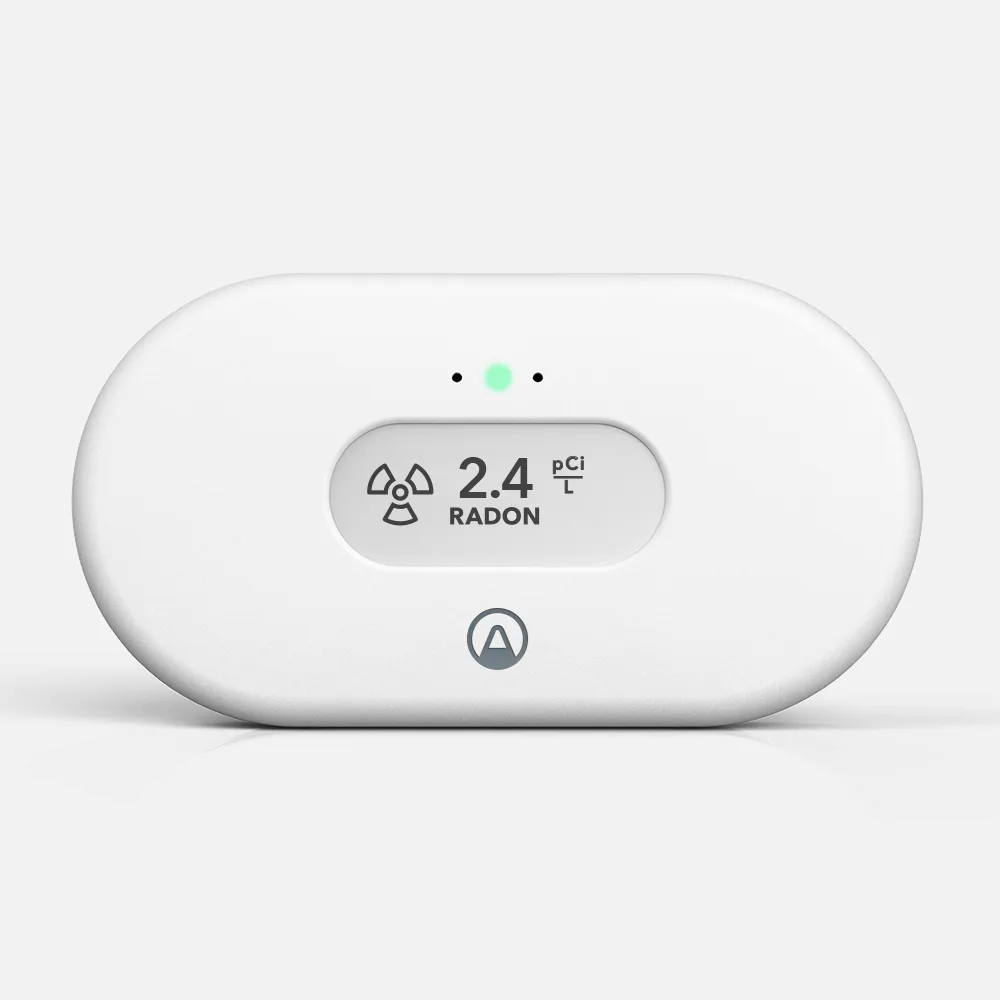
Monitor
Method: Alpha spectrometry
Readings: Every 60 minutes
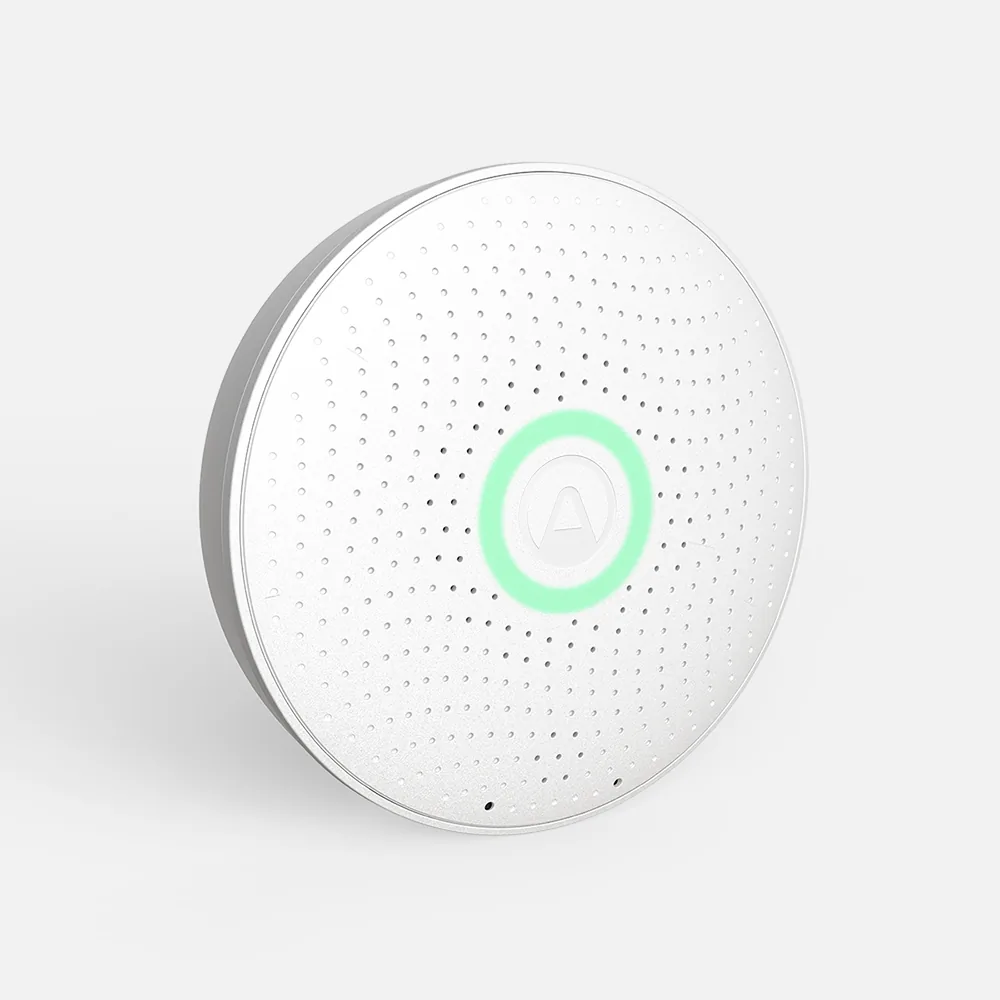
Monitor
Method: Alpha spectrometry
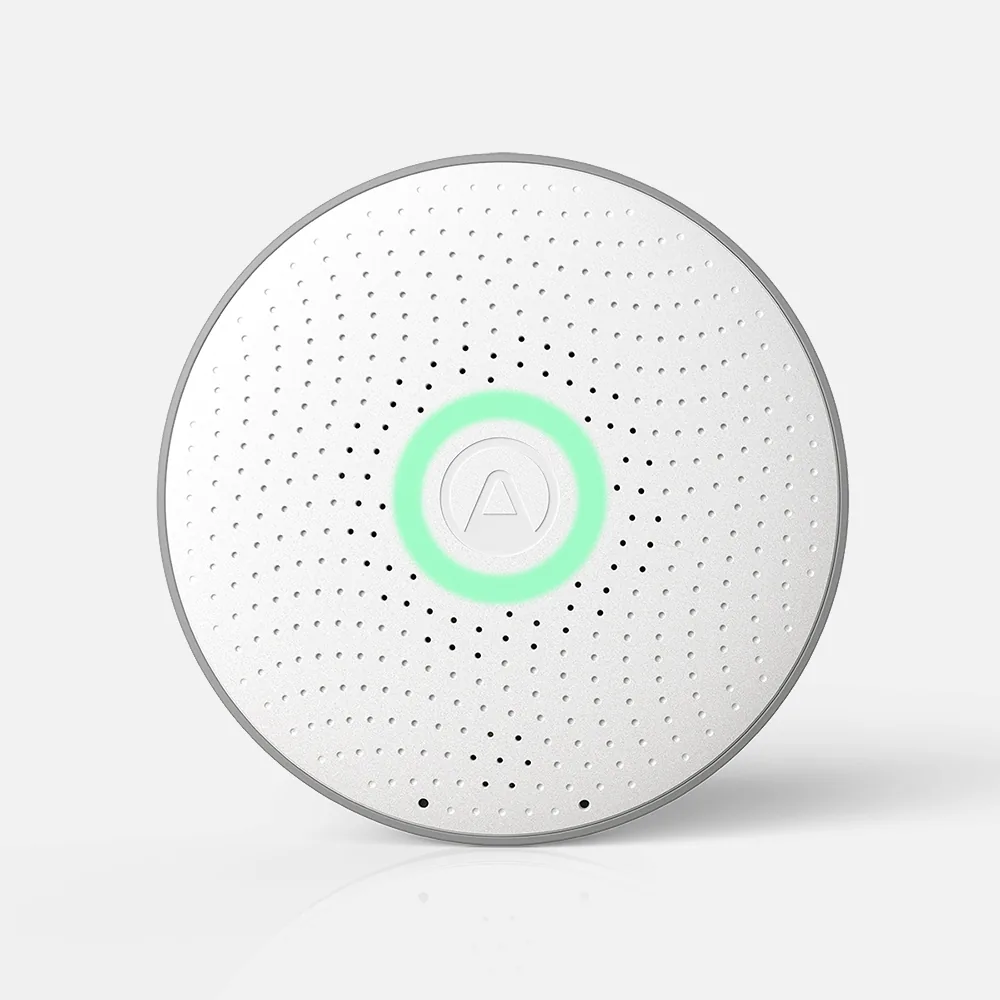
Monitor
Method: Alpha spectrometry
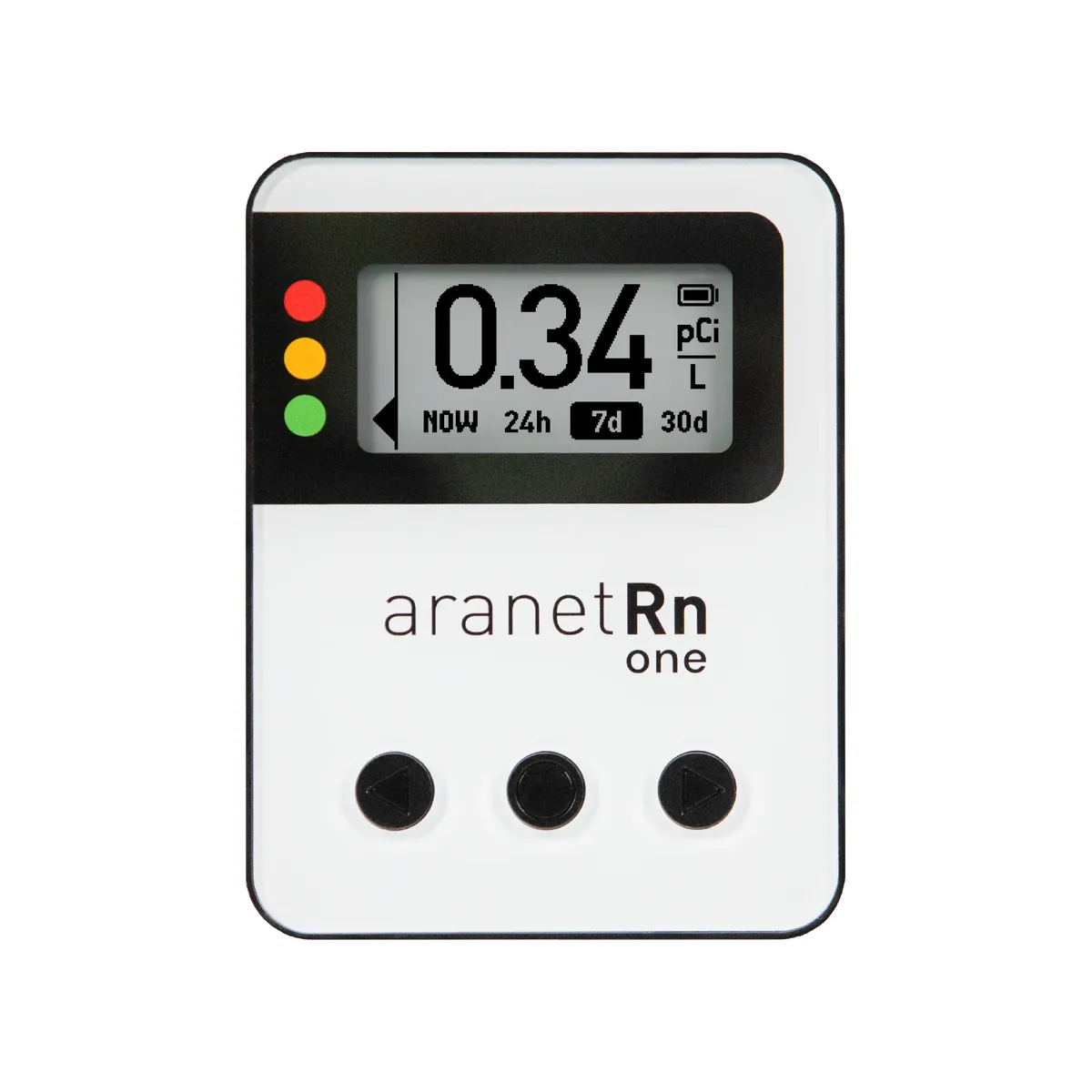
MonitorAranet
Method: Ion chamber
First reading: Within 10 minutes
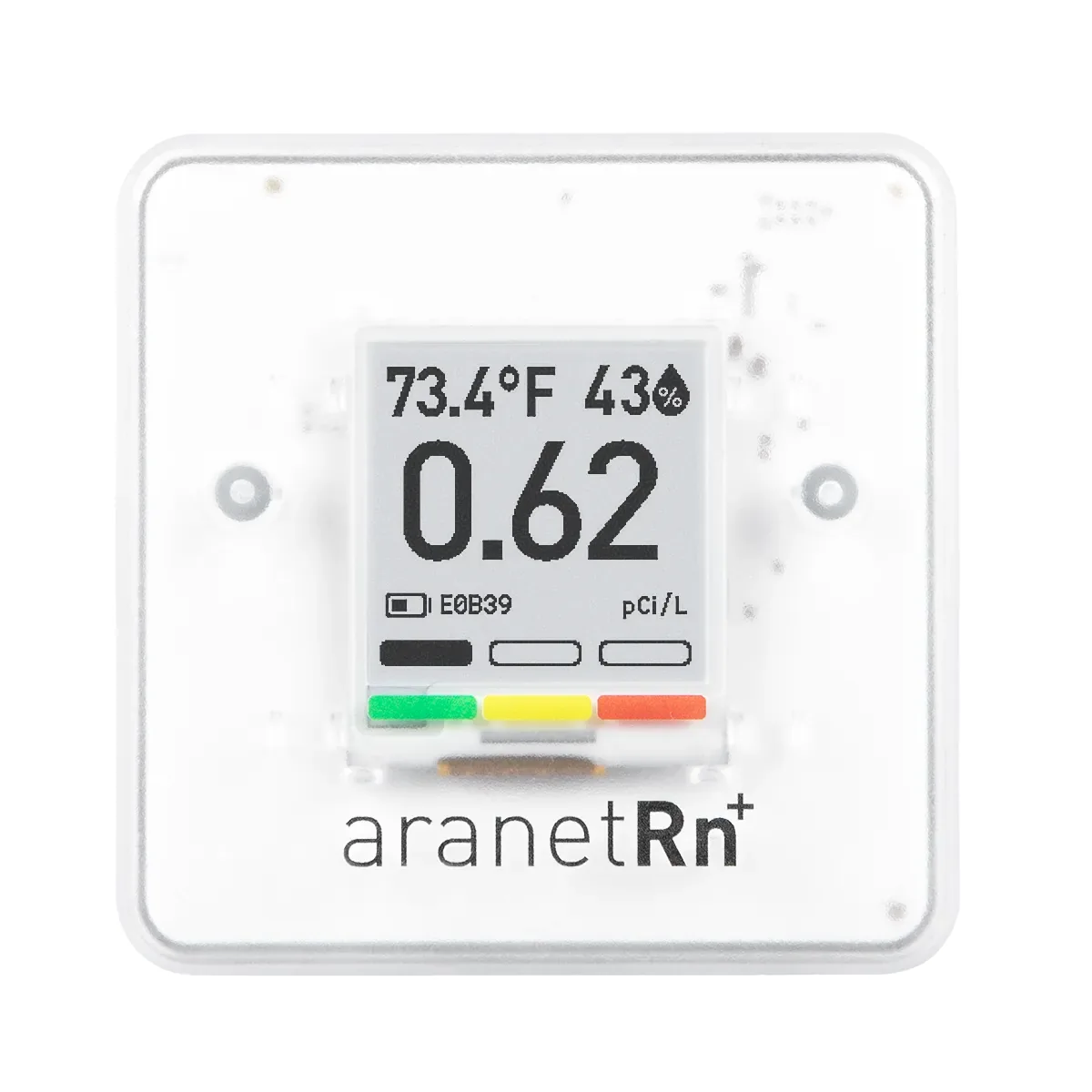
MonitorAranet
Method: Ion chamber
First reading: Within 10 minutes
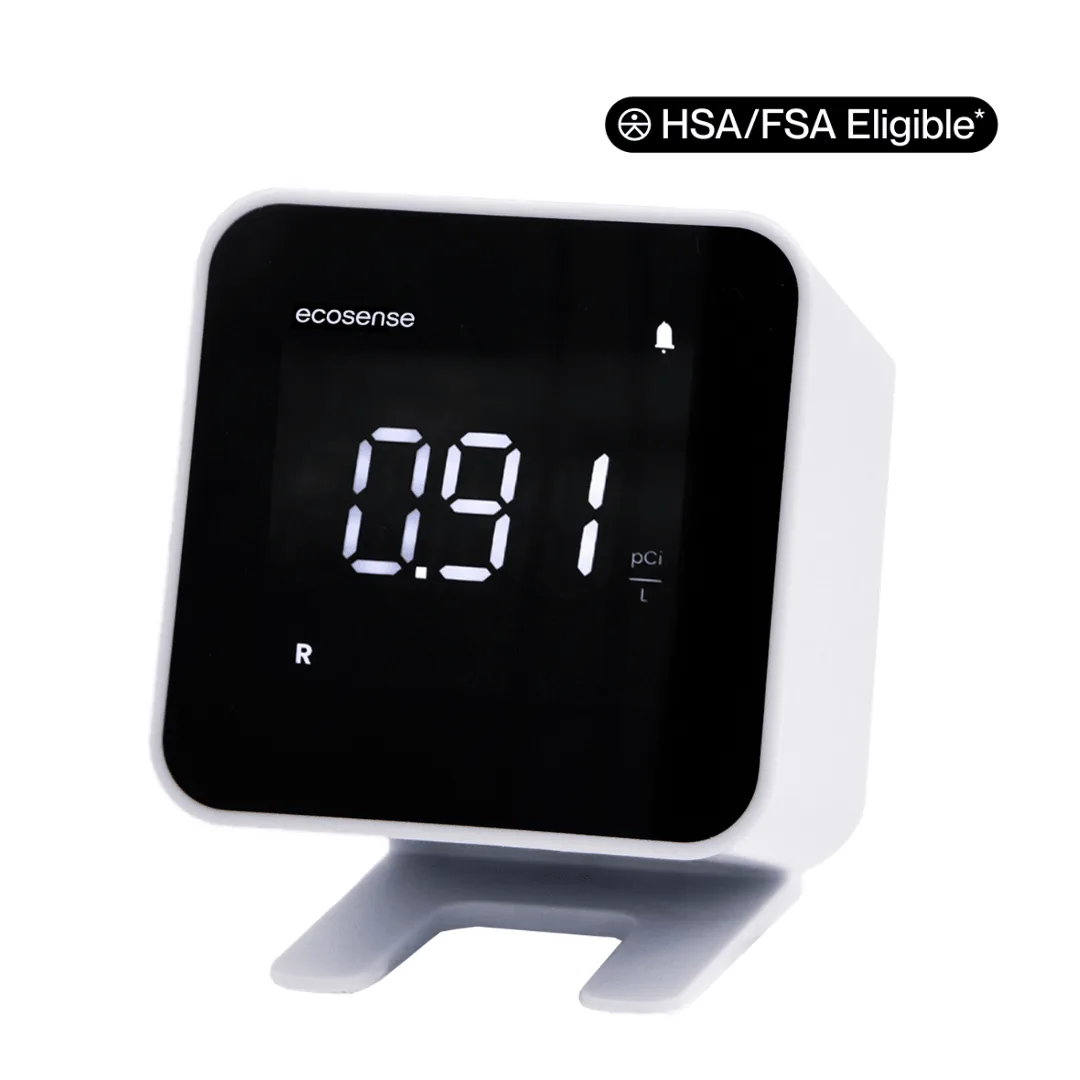
Monitor
Method: Ion chamber
First reading: Within 10 minutes
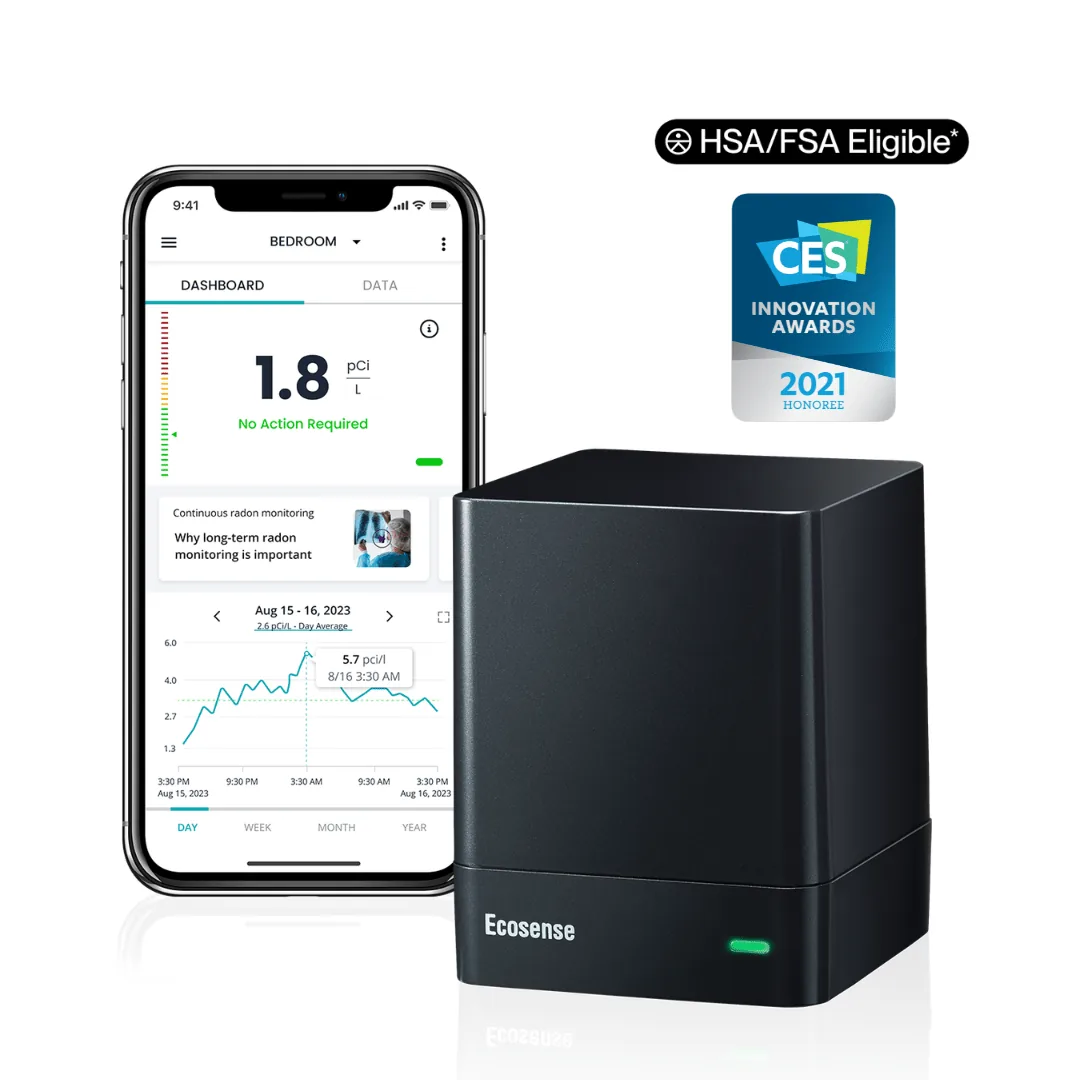
Monitor
Method: Ion chamber
First reading: Within 10 minutes
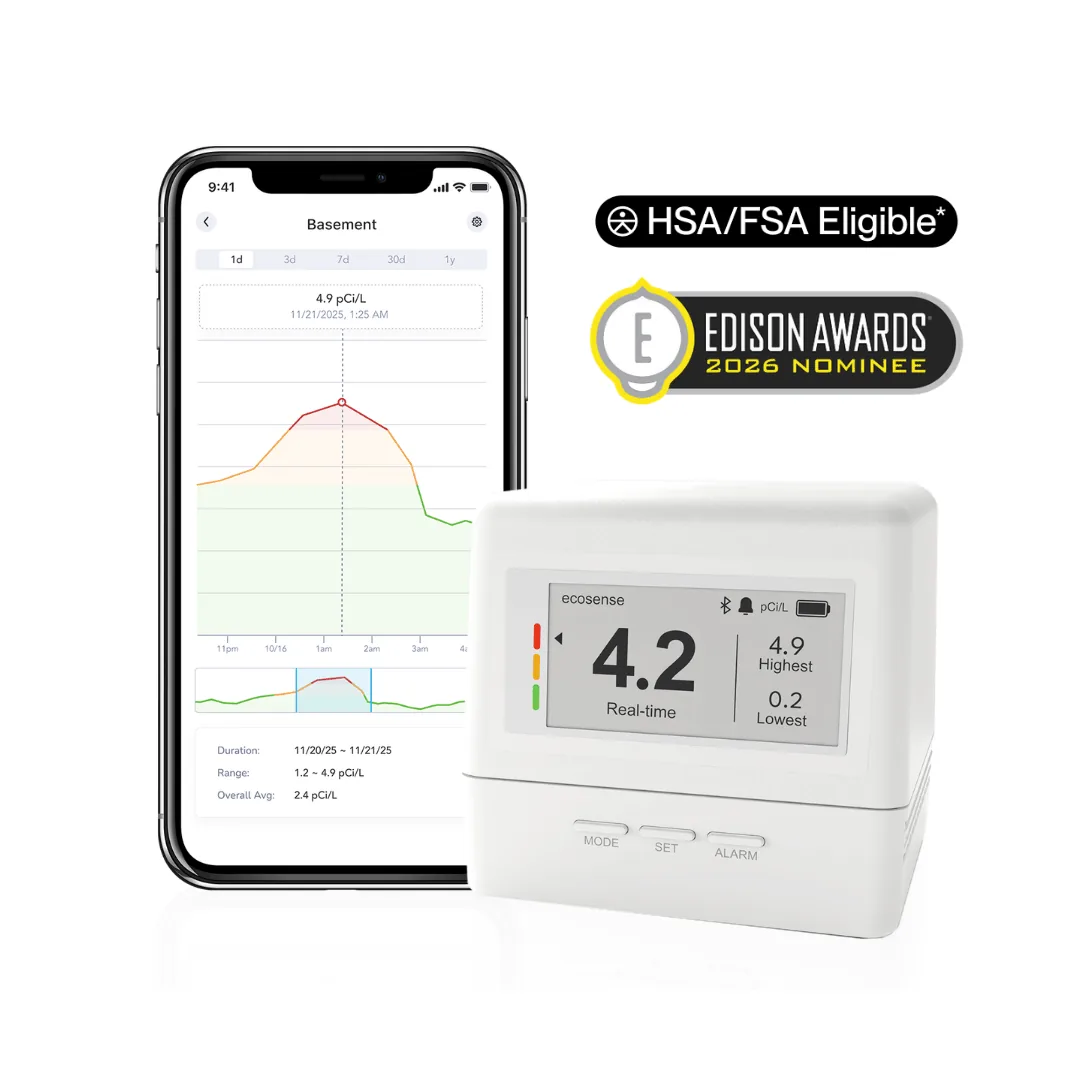
Monitor
Method: Ion chamber
First reading: Within 15 minutes
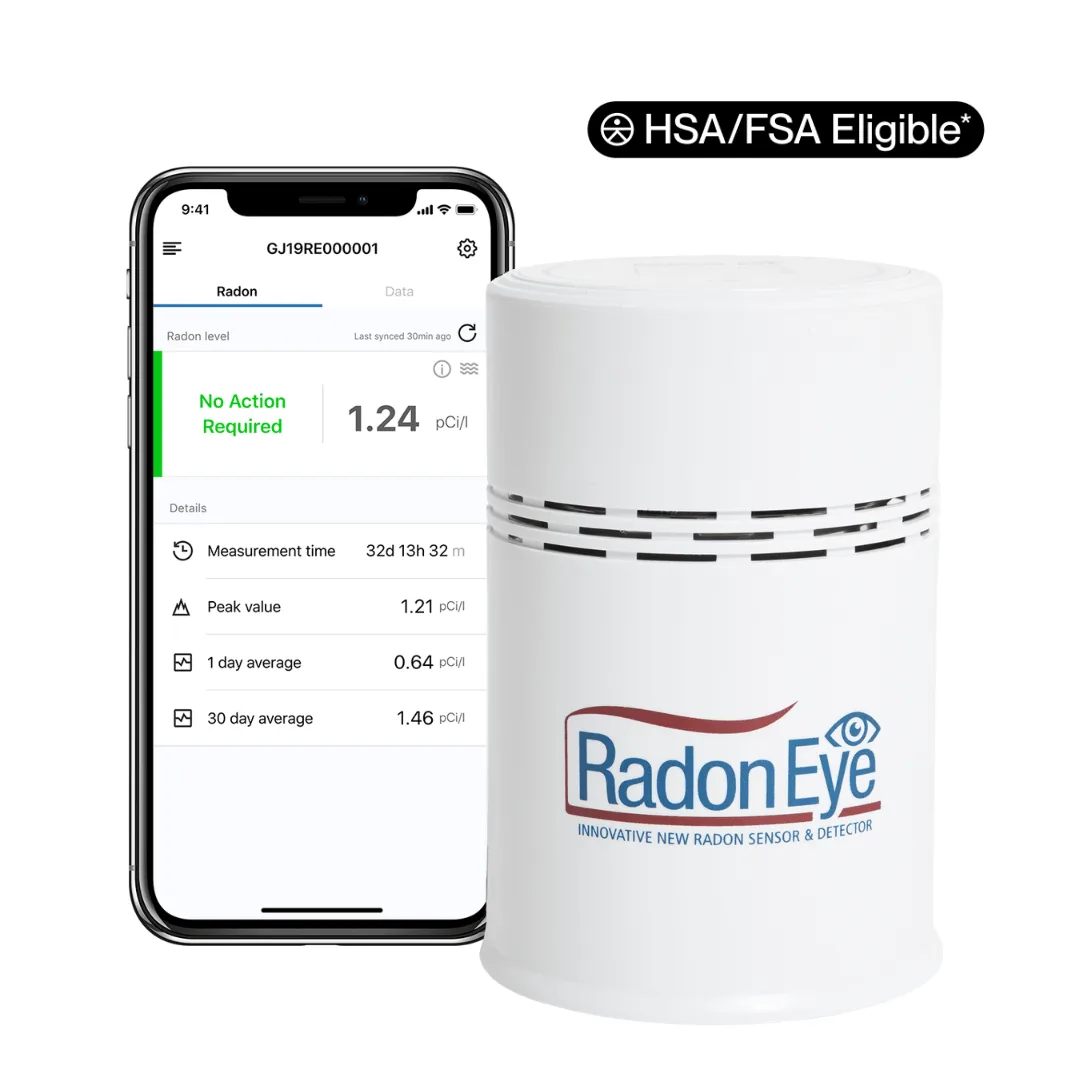
Monitor
Method: Ion chamber
First reading: Within 10 minutes
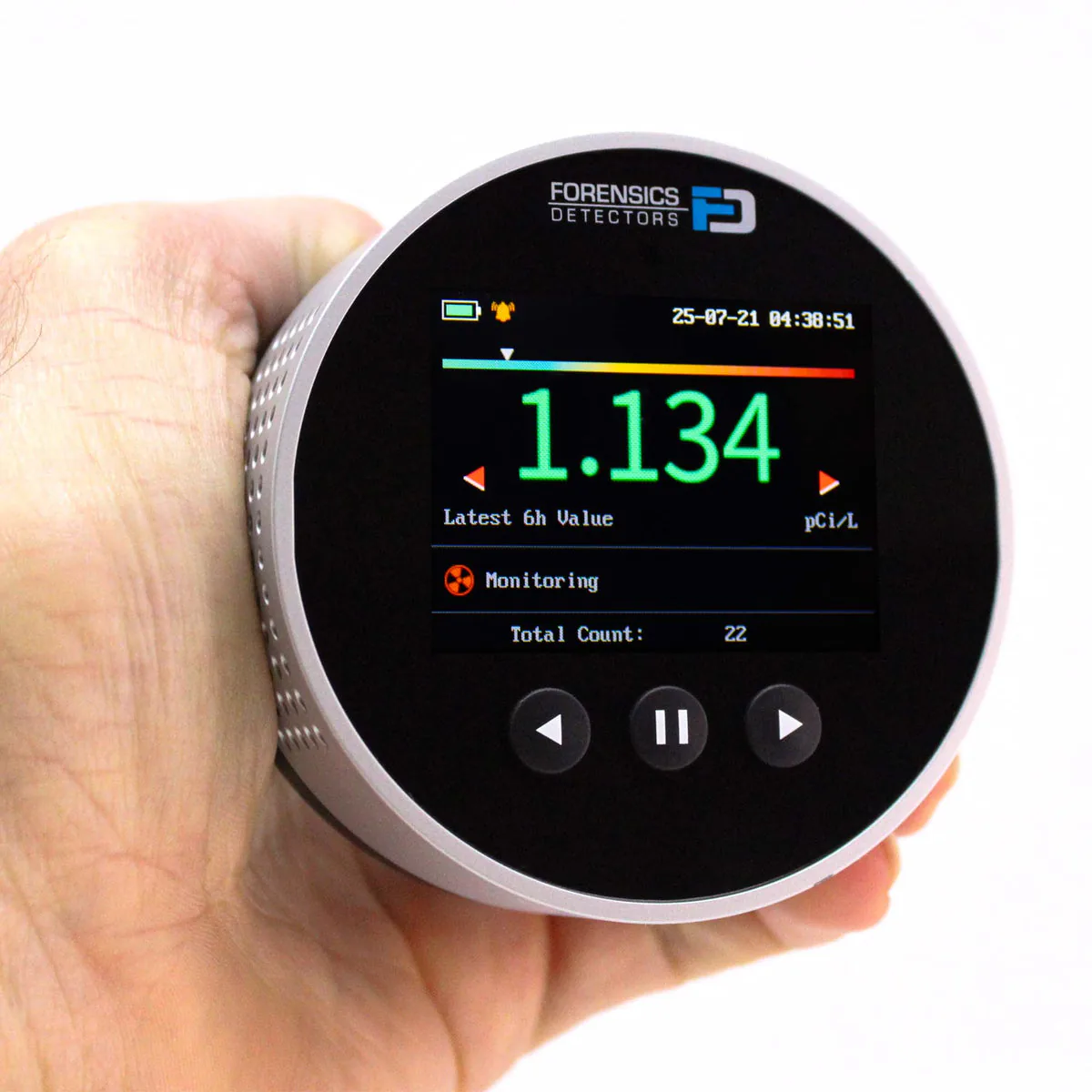
MonitorForensics Detectors
Method: Semiconductor sensor
First reading: Within 6 hours
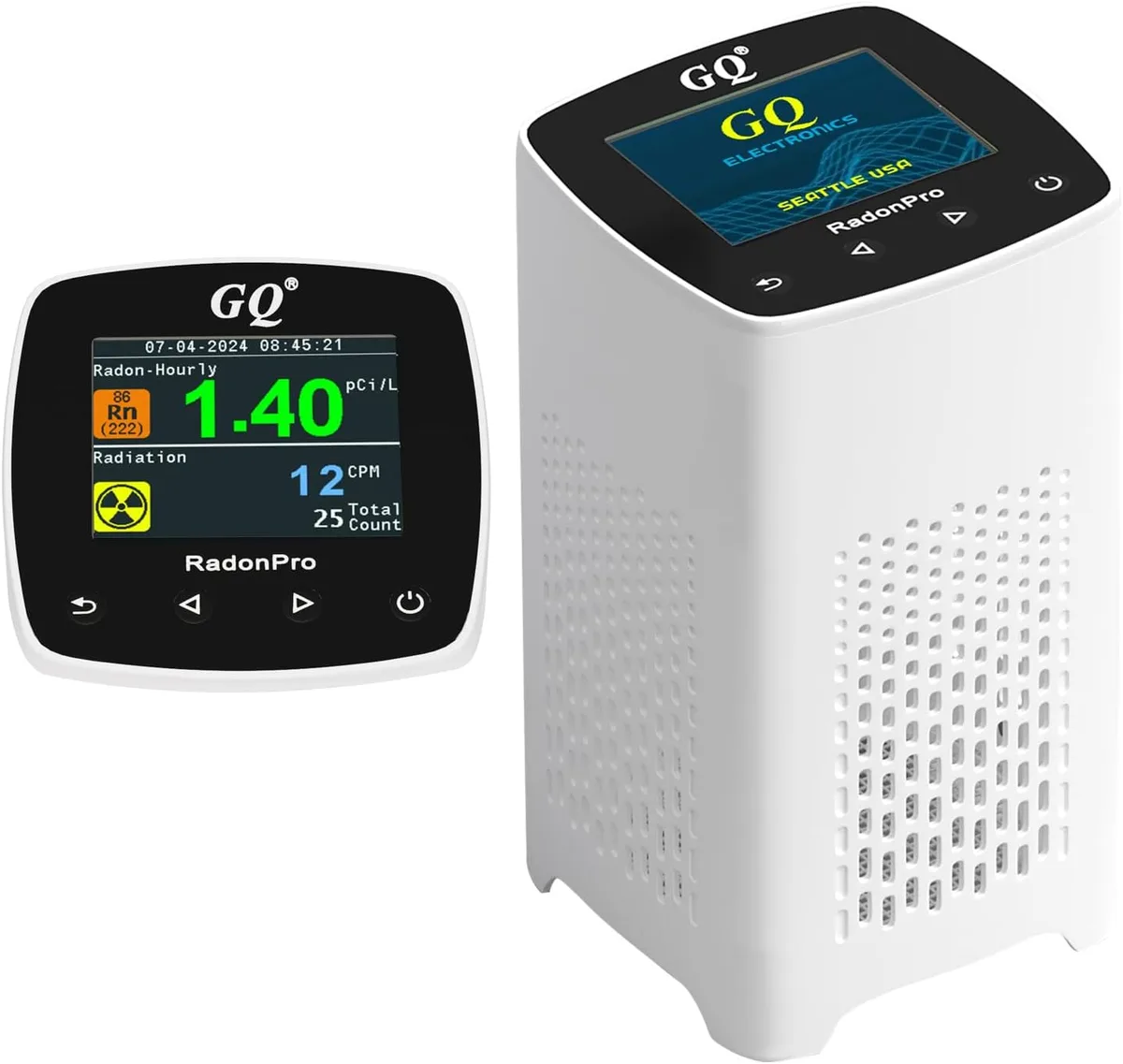
Monitor
First reading: Within 5 minutes
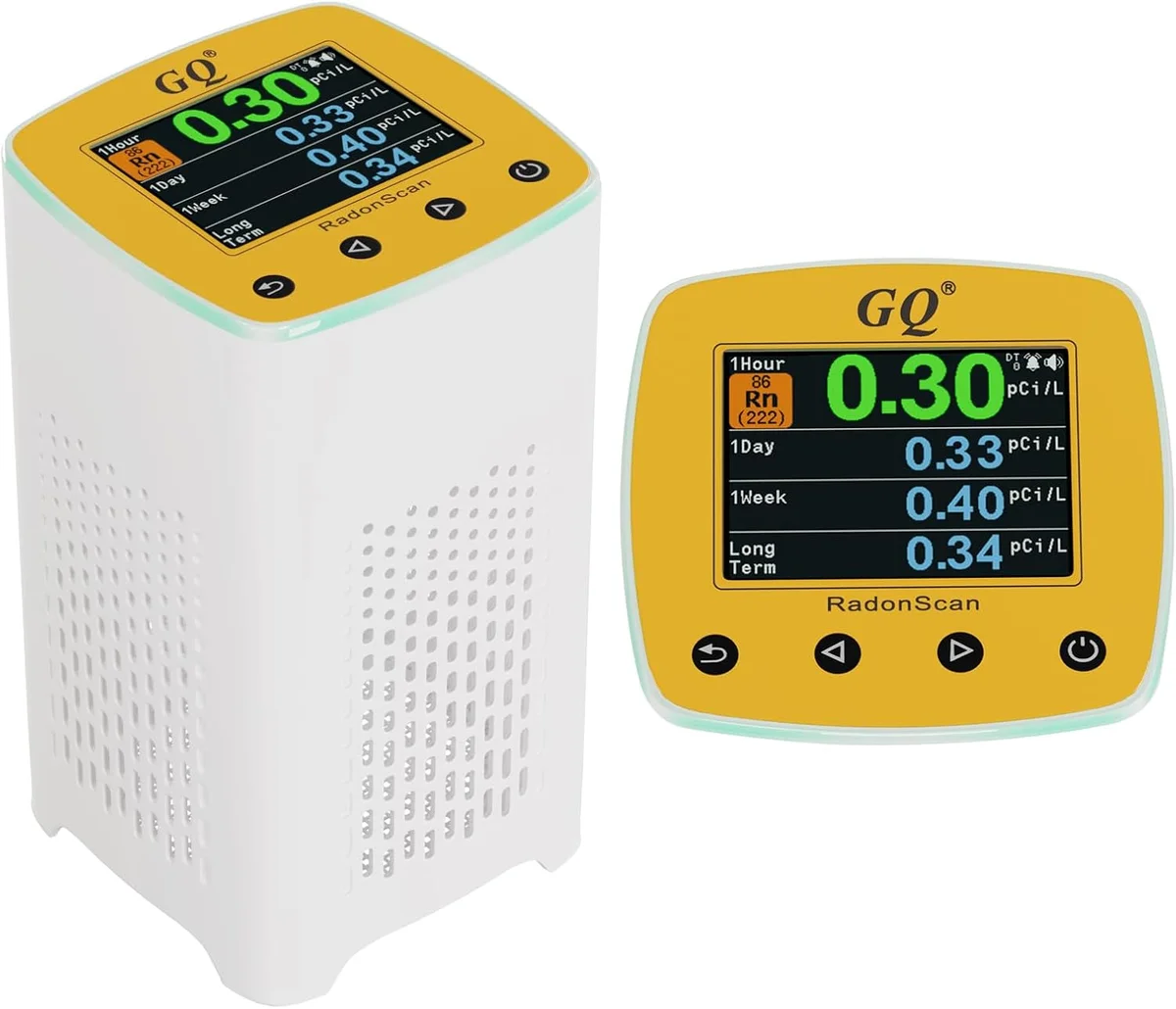
Monitor
First reading: Within 5 minutes
Monitor
First reading: Within 5 minutes
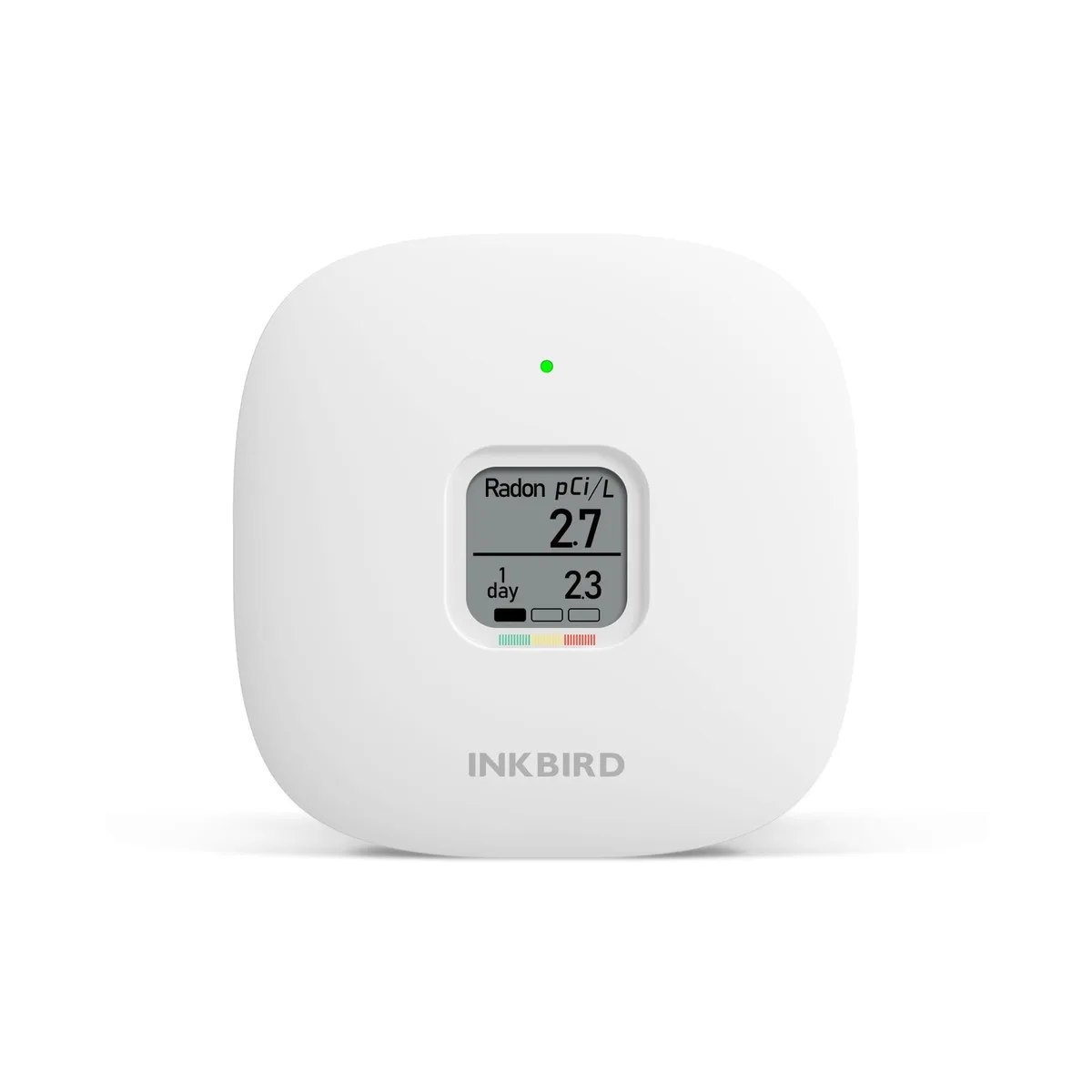
MonitorINKBIRD
First reading: Within 24 hours
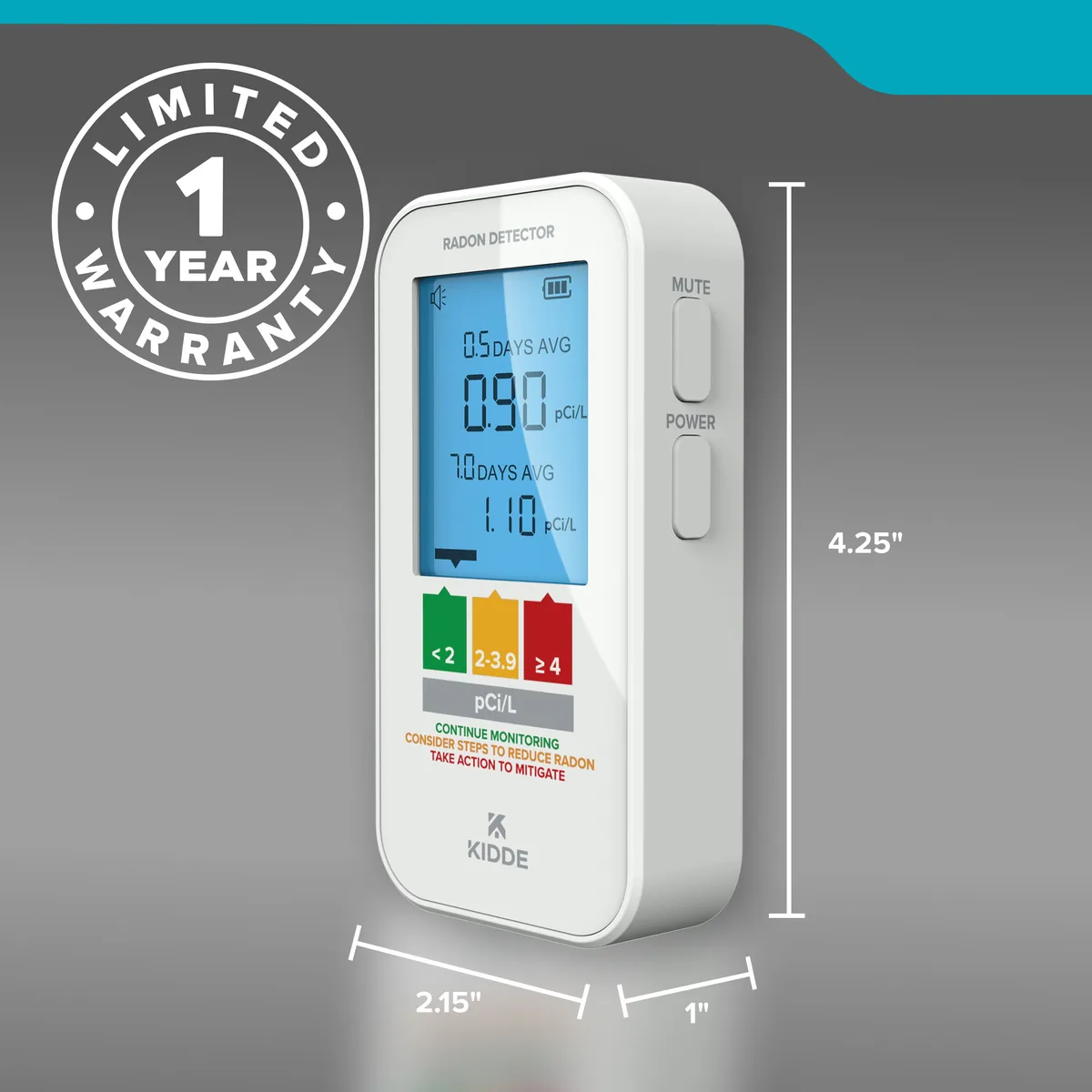
MonitorKidde
Method: Semiconductor sensor
First reading: Within 12 hours
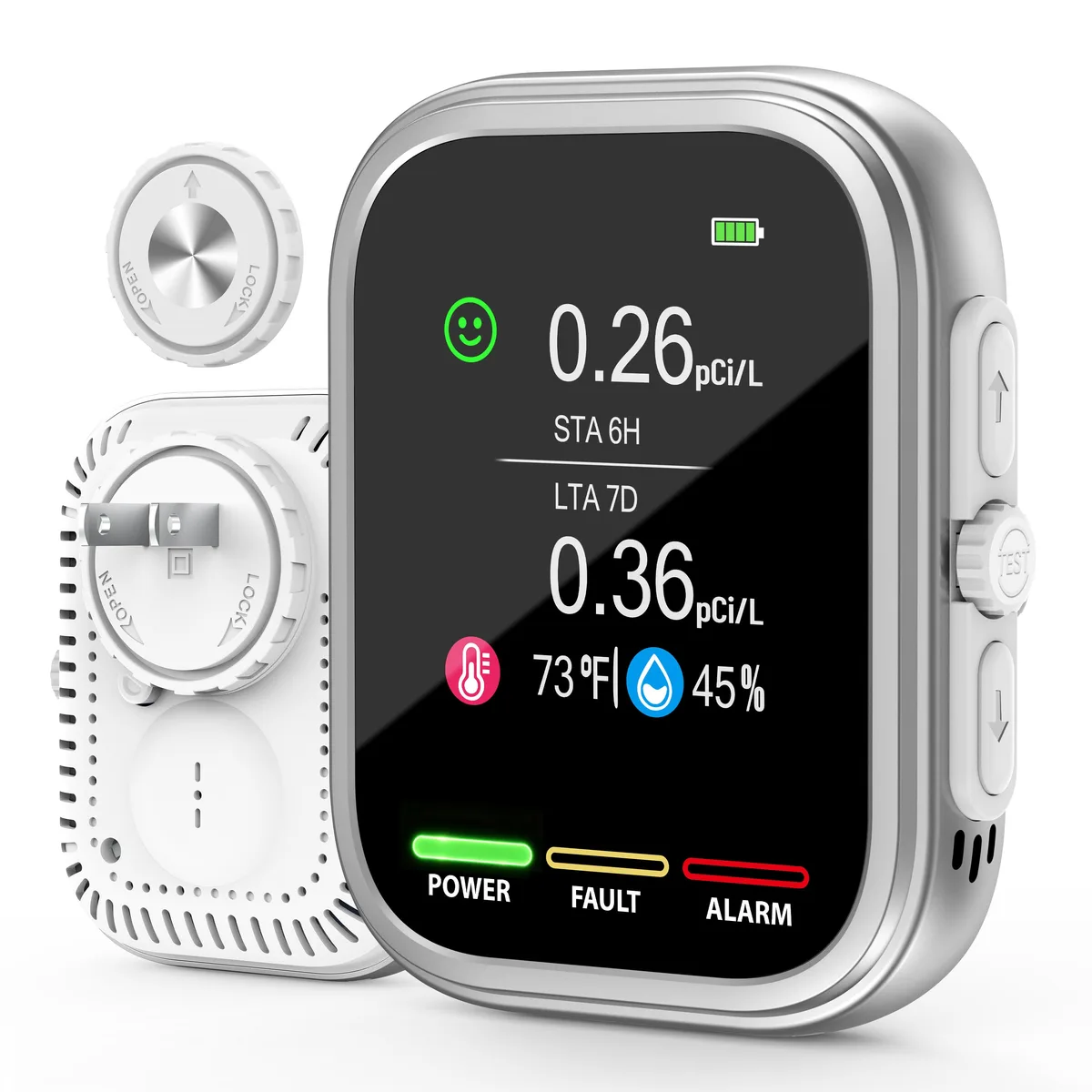
MonitorPYZYCKYH
Method: Semiconductor sensor
First reading: Within 6 hours
MonitorSafetySiren
First reading: Within 48 hours
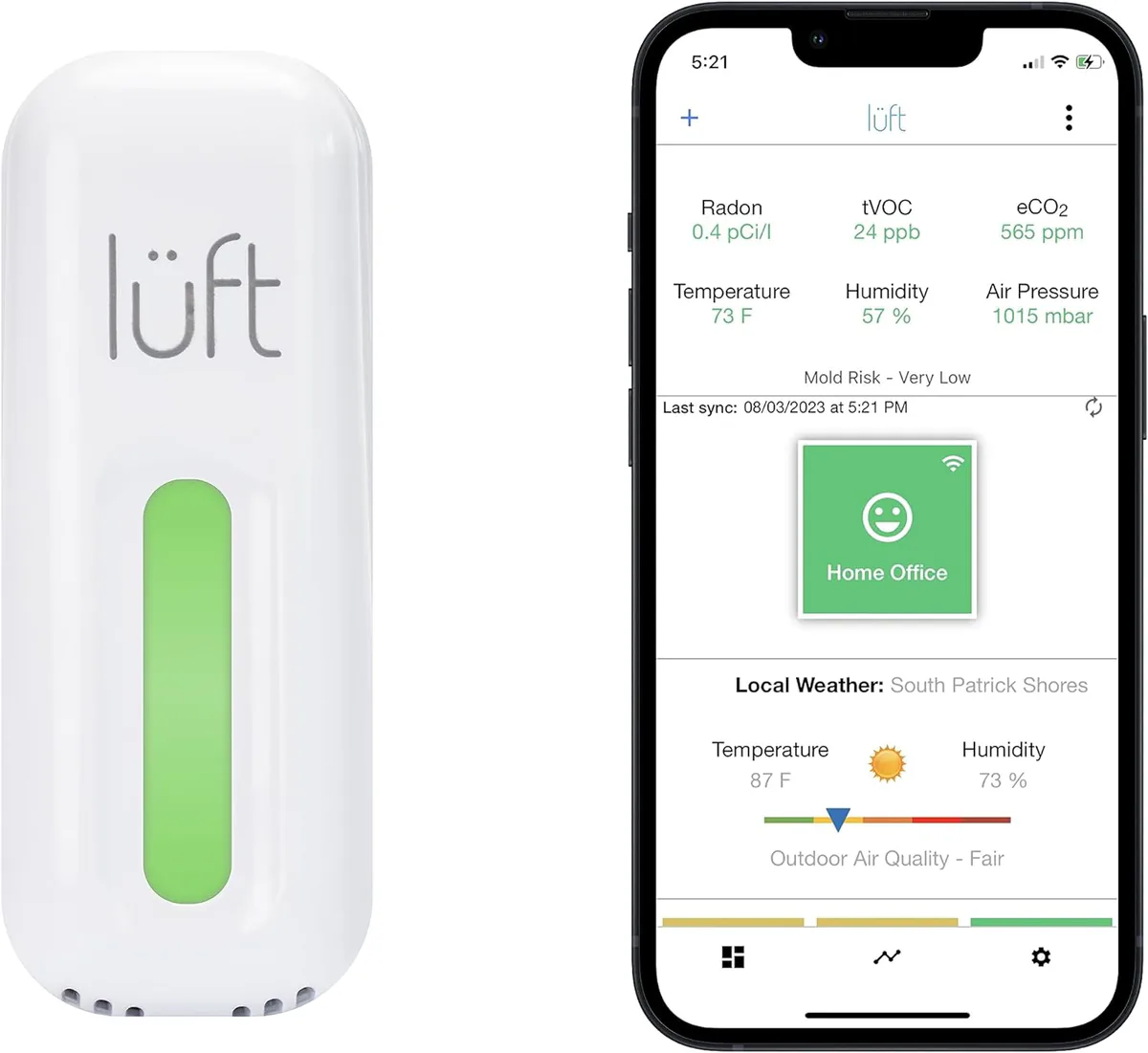
Monitor
First reading: Within 90 minutes
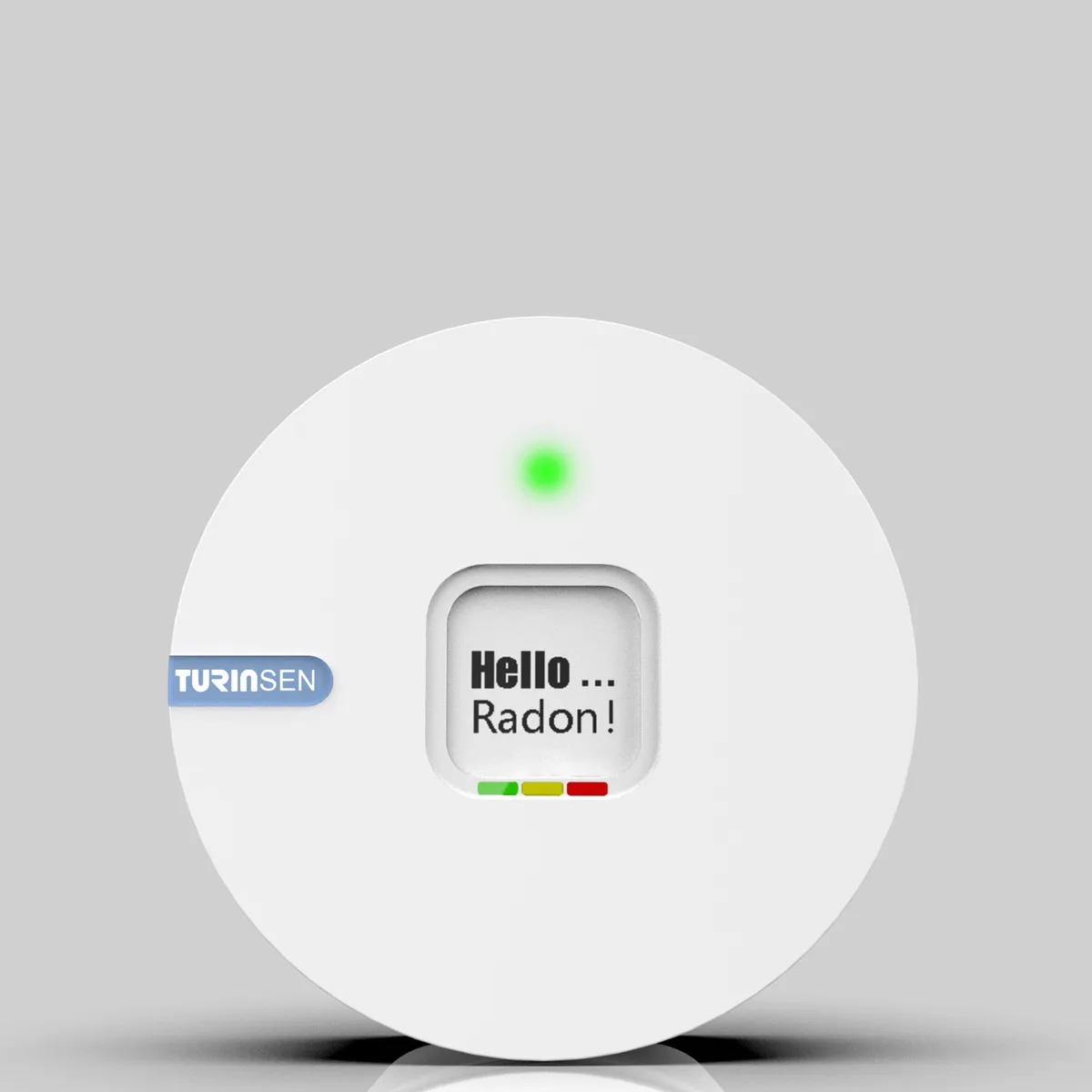
Monitor
Method: Alpha spectrometry
First reading: Within 24 hours
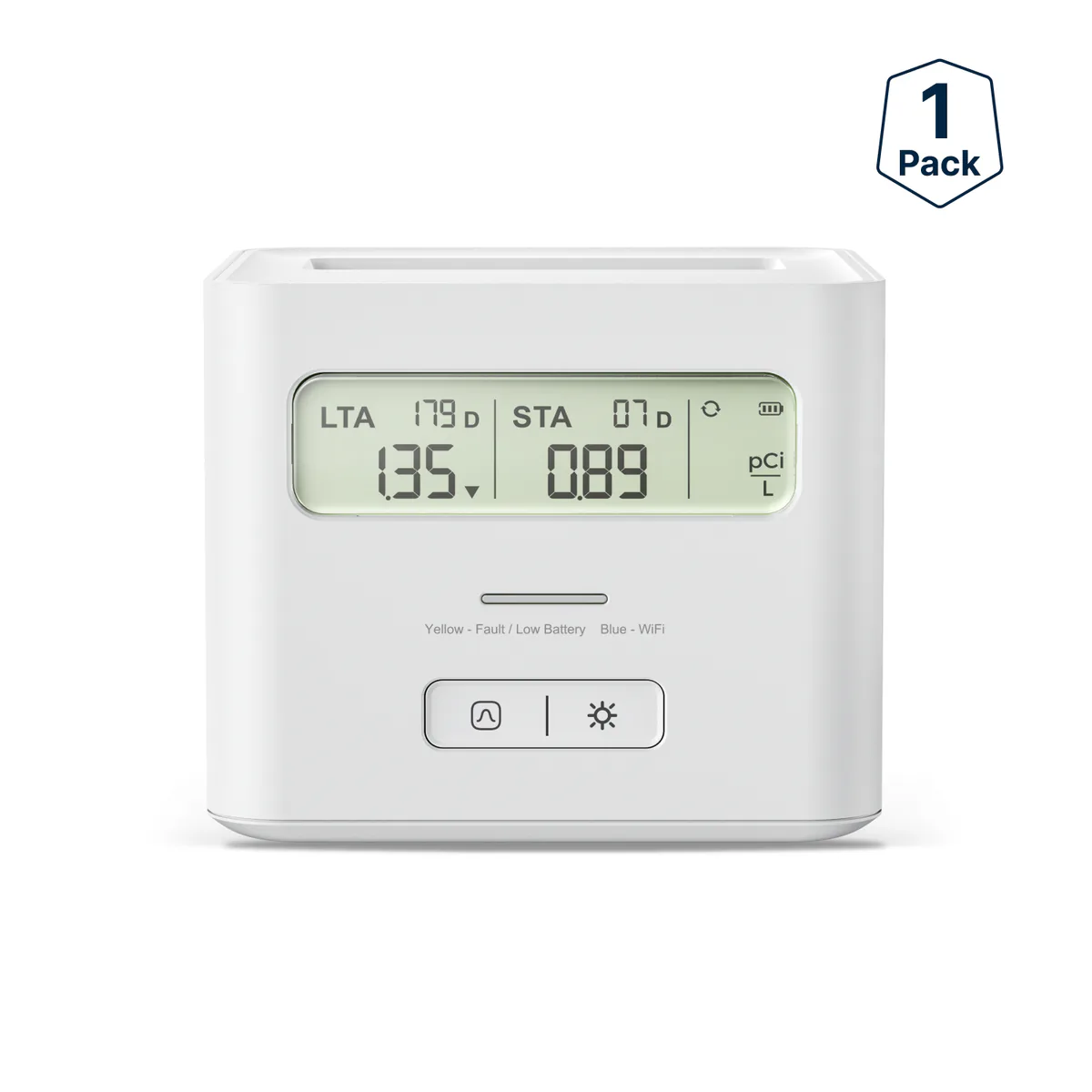
MonitorX-Sense
Method: Alpha spectrometry
First reading: Within 24 hours
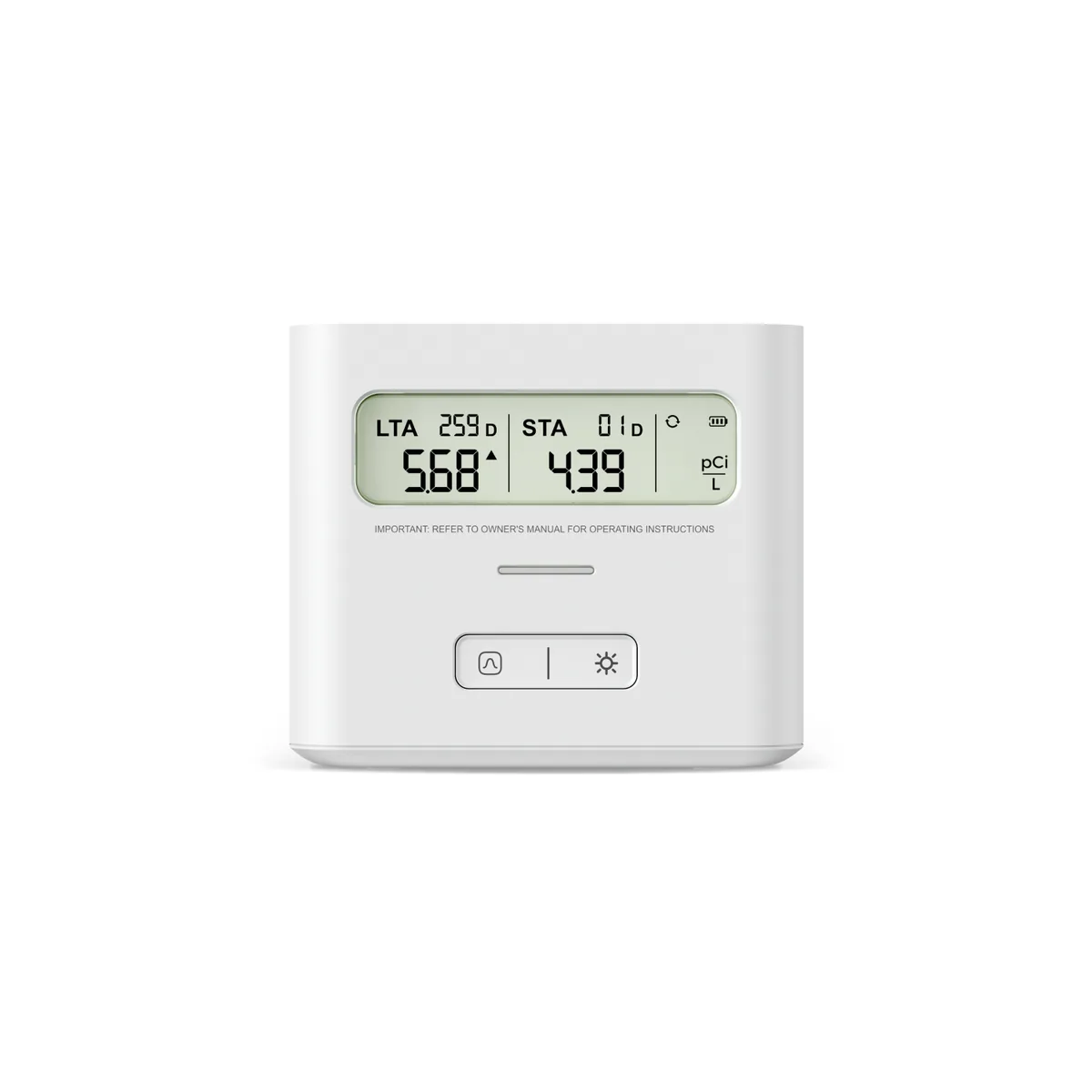
MonitorX-Sense
Method: Alpha spectrometry
First reading: Within 24 hours
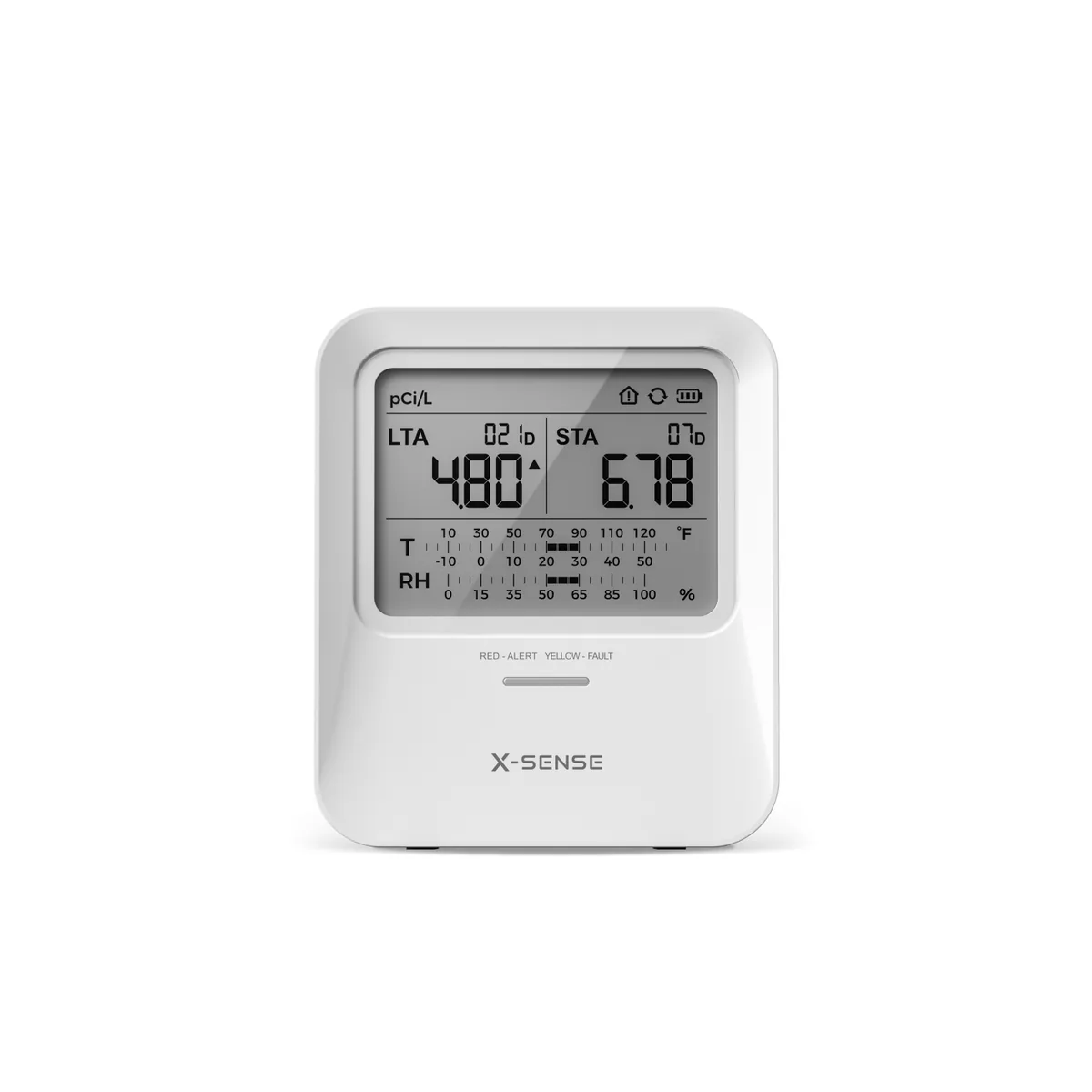
MonitorX-Sense
Method: Alpha spectrometry
First reading: Within 24 hours

Long-term kit
Method: Alpha track
In home: 90 days to 12 months

Long-term kit
Method: Alpha track
In home: 90 days to 12 months
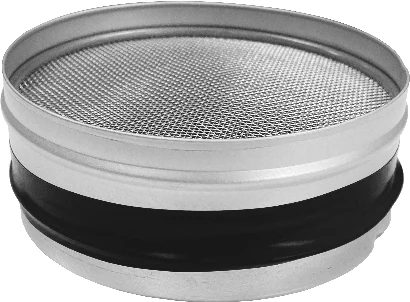
Short-term kit
Method: Charcoal
In home: 48 to 96 hours
No Amazon listing on file
See details of the AccuStar PicoCan
Short-term kit
Method: Charcoal
In home: 2 to 7 days
Short-term kitempowerDX
Method: Passive sampler
In home: 48 to 96 hours
Short-term kitFirst Alert
Method: Charcoal
In home: 2 to 4 days
Short-term kitKidde
Method: Charcoal
In home: 3 days
No Amazon listing on file
See details of the Kidde 442020
Short-term kit
Method: Liquid scintillation
In home: 48 to 96 hours
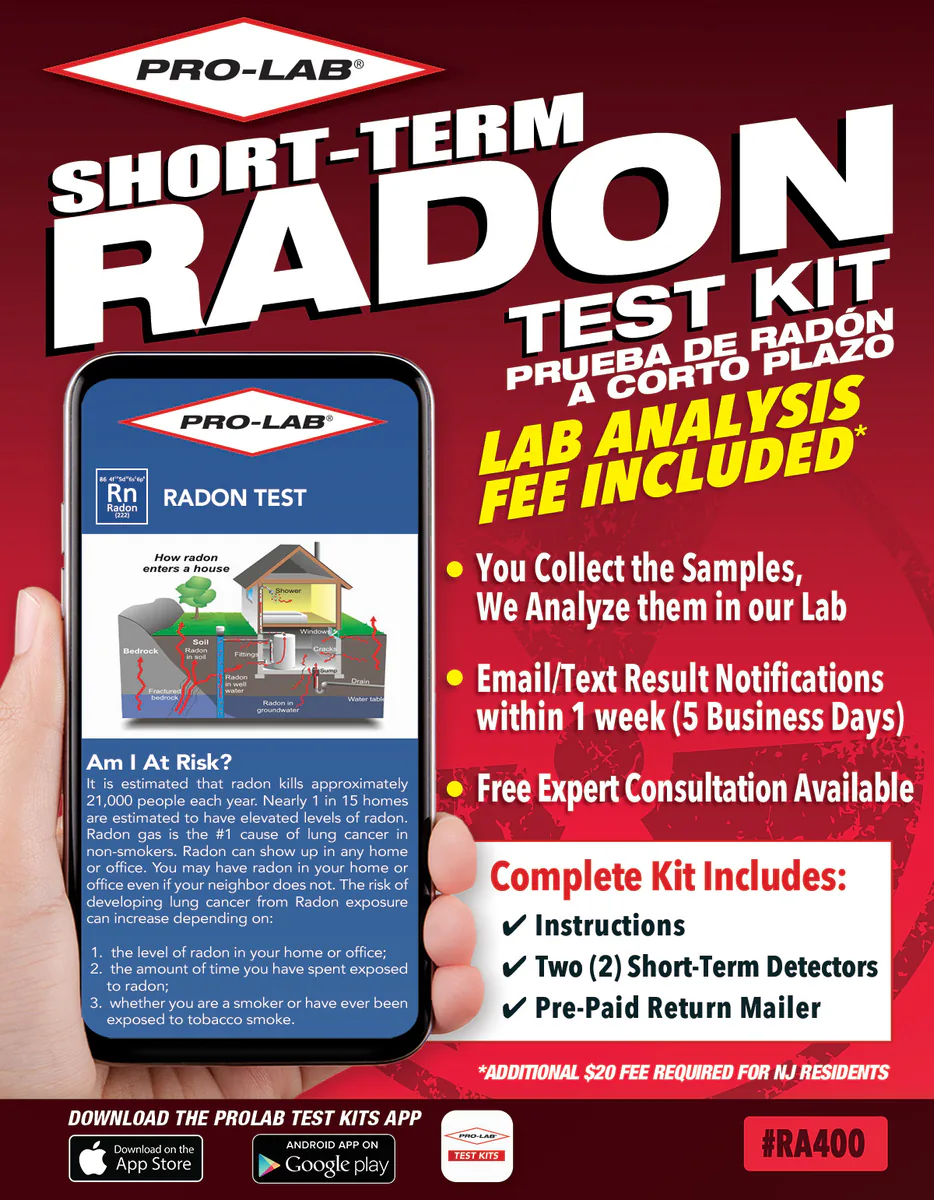
Short-term kit
Method: Liquid scintillation
In home: 48 to 96 hours
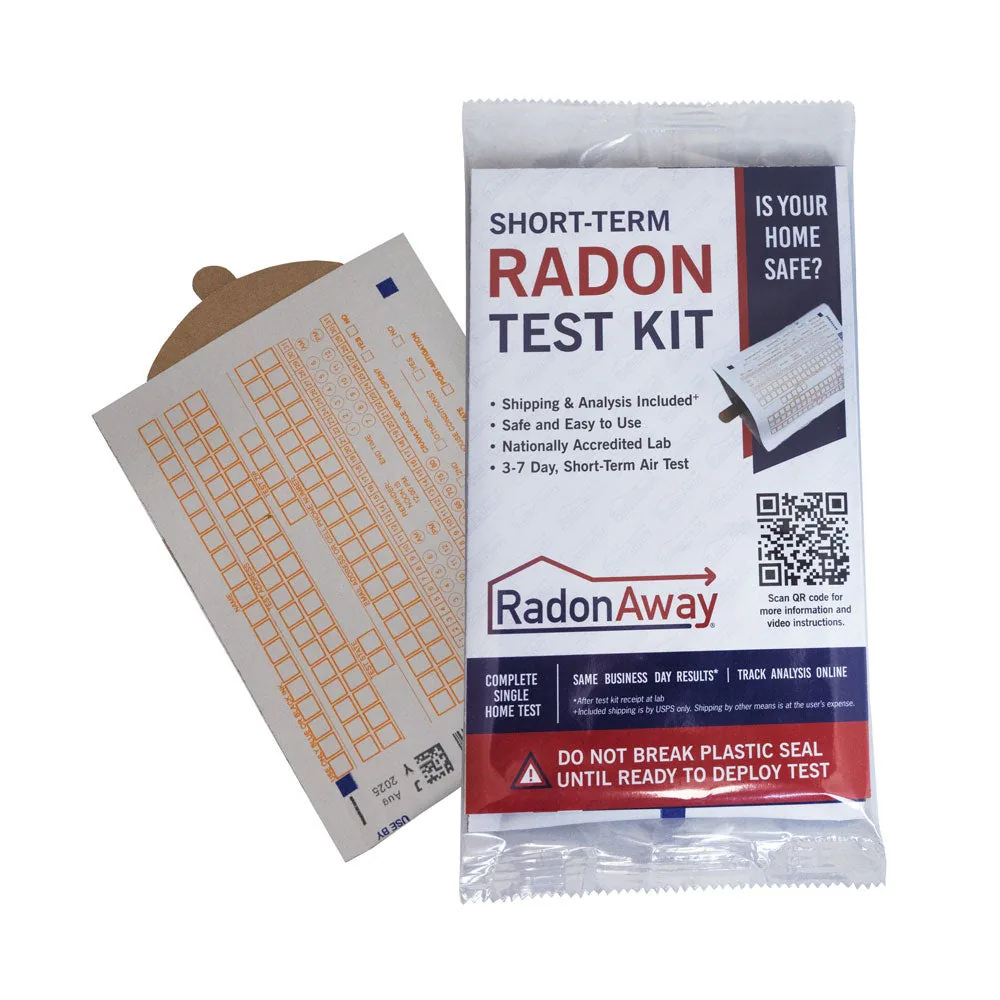
Short-term kit
In home: 72 to 168 hours
No Amazon listing on file
See details of the RadonAway Air Chek Short-TermTest kits and monitors we cover: 1 of 42
As an Amazon Associate, Radon411 earns from qualifying purchases.
Placement
Test the lowest level that is lived in. That is the basement if it is used often and otherwise the first floor, in a room used regularly such as a living room, playroom, den or bedroom. A home sale goes lower still: the lowest level that could be used regularly, finished or not, because a buyer may live in a level the seller does not use.
A simple rule is to raise the device three feet off the ground in the middle of the room, which also clears the 20-inch minimum. If you start using a lower floor later, such as a basement, retest on that level. More detail is in where should a radon test be placed and, for slab homes, do I need a radon test if I don't have a basement.
Closed house
A short-term test measures a house closed up, not a house airing out.
| Allowed | Not allowed |
|---|---|
| Normal entry and exit through outside doors | Leaving windows or outside doors open |
| Heating and air conditioning that recirculate indoor air, run normally | Fans or other machines that bring in air from outside |
| Fans that are part of a radon reduction system | For tests under a week, air conditioners that are not recirculating indoor air |
| Small exhaust fans run only for short periods | Short tests of 2 or 3 days during unusually severe storms or unusually high winds |
What affects it
Radon moves with the house and the weather, so a short test is a snapshot. Levels tend to vary from day to day and season to season, which is why long-term tests better reflect the year-round average. Short tests of 2 or 3 days should not be run during unusually severe storms or periods of unusually high winds. If you can, test in winter, when the heating system runs day and night, which is more likely to give an accurate result.
Improper testing may yield inaccurate results and require another test. Why readings jump within a test is covered on what causes radon spikes, humidity on how does humidity affect radon testing, and the full list on what can affect a radon test.
Your result
A lab report or monitor gives the average radon concentration over the test, in pCi/L. For scale, EPA estimates the average indoor level at about 1.3 pCi/L, and about 0.4 pCi/L is normally found in outdoor air. EPA recommends fixing a home when the radon level is 4 pCi/L or higher. EPA recommends considering a fix when the level is between 2 and 4 pCi/L.
Results close to 4 pCi/L are the least certain. An average of 4.1 pCi/L from two short-term tests gives about a 50 percent chance that the year-round average is somewhat below 4. Any radon exposure also carries some risk, and no level of radon is safe, so a result under 4 is not an all-clear. What each number means is on radon levels, and the result interpreter reads a specific result for you.
After the result
The steps are set. If a first short-term result is 4 pCi/L or more, take a follow-up test to be sure: a long-term test for a better sense of the year-round average, or a second short-term test if you need results quickly. The higher the first result, the more certain you can be that a short-term follow-up is the right choice, and a first result more than twice the
If the home needs fixing, radon mitigation covers the decision and the project, and radon mitigation systems the hardware.
Home sale
Real estate deals move fast, so they have testing rules of their own. Three short-term options are accepted, each at least 48 hours: two passive tests side by side at the same time, two passive tests one after the other, or a continuous monitor. Each has a trade-off: simultaneous tests improve precision, and sequential tests are more likely to represent the seasonal average.

If you are testing in a real estate transaction and you need results quickly, any of the following three options for short-term tests are acceptable in determining whether the home should be fixed.
Option 1. Two tests at the same time
PassiveTake two short-term tests at the same time in the same location for at least 48 hours.
What to do nextFix the home if the average of the two tests is 4 pCi/L or more.
Two tests taken at the same time (simultaneous) would improve the precision of this radon test.
Option 2. One test, then a second
PassiveTake an initial short-term test for at least 48 hours. Immediately upon completing the first test, do a second test using an identical device in the same location as the first test.
What to do nextFix the home if the average of the two tests is 4 pCi/L or more.
One test followed by another test (sequential) would most likely give a better representation of the seasonal average.
Option 3. A continuous monitor
ActiveTest the home with a continuous monitor for at least 48 hours.
What to do nextFix the home if the average radon level is 4 pCi/L or more.
Both active and passive devices may have features which help to prevent test interference.
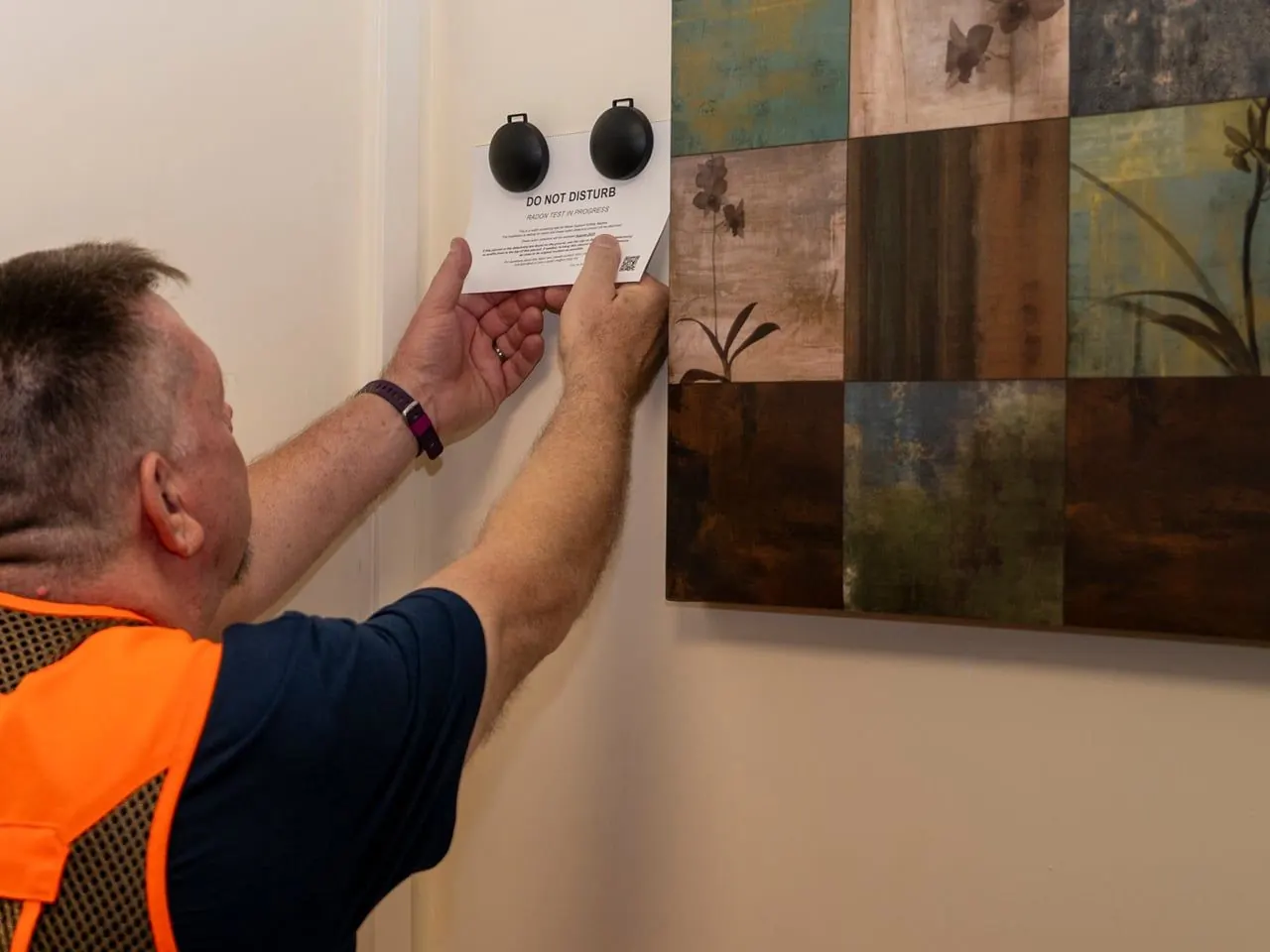
Any real estate test for radon should include steps to prevent or detect interference with the test device. Your state radon office can help you decide which option is best.
Any real estate test should include steps to prevent or detect interference: a device that records levels often enough to show unusual swings, motion and proximity detectors, and records of barometric pressure and temperature to show whether weather or open doors and windows affected the test. Disturbing the device or closed-house conditions may invalidate the result, and it is illegal in some states.
For buyers and sellers the details are in buying a house with radon, selling a house with radon, should I get a radon test with my home inspection and how to manipulate a radon test, which explains why tampering does not work.
DIY or hire
Either works: you can test your home yourself or hire a qualified radon test company, and either approach takes only a small amount of time and effort. EPA recommends hiring a qualified tester when you are buying or selling, and buyers often want a test made by someone not involved in the sale.
A qualified tester can also evaluate the home, recommend a testing approach, explain how to keep proper conditions, analyze the data and provide an independent result. Certified testers are listed by state in the measurement professionals directory.
How often
| Situation | What to do |
|---|---|
| The home has never been tested, or its level is unknown | Test now |
| Preparing to buy or sell | Test before the sale |
| Renovations, especially repairs to reduce radon | Test before and after |
| Someone will spend more time in the basement or lower level | Test before the move |
| A mitigation system was just installed | Test no sooner than 24 hours and within 30 days |
| A home with a mitigation system | Retest at least every two years |
| A home without a mitigation system | Retest every 5 years, the Minnesota health department's advice |
| A result below 4 pCi/L | Test again sometime in the future |
A buyer may also ask for a new test if the last one is not recent, meaning within two years, if the home was renovated or altered since, or if the buyer plans to use a lower level than was tested. The full answer is on how often should I test for radon and when should you test for radon.
After a fix
A
If a house already has a system when you test it for a sale, make sure the fan is working properly and runs for the whole test. The full timeline after a system goes in is on radon mitigation, and the waiting period in how long after radon mitigation can you retest.
Other buildings
Air comes first. Although radon gets into some homes through water, it is important to test the air first; if you find high levels and have a private well, have the water tested too, with devices and procedures that differ from air tests. How that is done is on radon water testing.
For new construction see new home radon testing.
Questions
A passive test collects radon from the air for a set time and is then analyzed by a lab; an active monitor measures continuously and reports hourly readings and an average. Both report the average concentration in pCi/L.
The lowest lived-in level: the basement if it is used often, otherwise the first floor. For a home sale, the lowest level that could be used regularly, finished or not.
Not during a short-term test. Keep windows closed and doors closed except for normal entry and exit; for a 2- to 4-day test, start 12 hours before.
At least 48 hours. Short-term tests run 2 to 90 days depending on the device, long-term tests more than 90 days, and lab results usually come back within a few weeks.
A test is only as good as how it was run: improper testing may give inaccurate results. Use a device from a qualified laboratory, follow the instructions and closed-house conditions, and confirm a high first result with a second test.
Open windows or fans pulling in outdoor air, severe storms or high winds during a short test, a device placed in the wrong spot or disturbed, and normal day-to-day and seasonal swings. A long-term test smooths out the swings.
Real estate tests are designed to catch it, with motion and proximity detectors, frequent readings and temperature and pressure records. Interference may invalidate the test and is illegal in some states.
Not to test your own home: you can do it yourself. Some states require testers to be licensed or certified, and EPA recommends a qualified tester for a home sale.
Home improvement and hardware stores, online, the National Radon Program Services at Kansas State University (1-800-SOS-RADON), and some American Lung Association offices. Some state and local health departments give kits free.
After any change that could affect it, such as a renovation or moving into the basement, and at least every two years with a mitigation system. Even after a low result, test again sometime in the future.
A decision to fix rests on a long-term result or the average of two short-term tests. One short-term result tells you whether a follow-up is needed.
No. Air tests measure radon in the air. Water is sampled separately with different devices and procedures; see radon water testing.