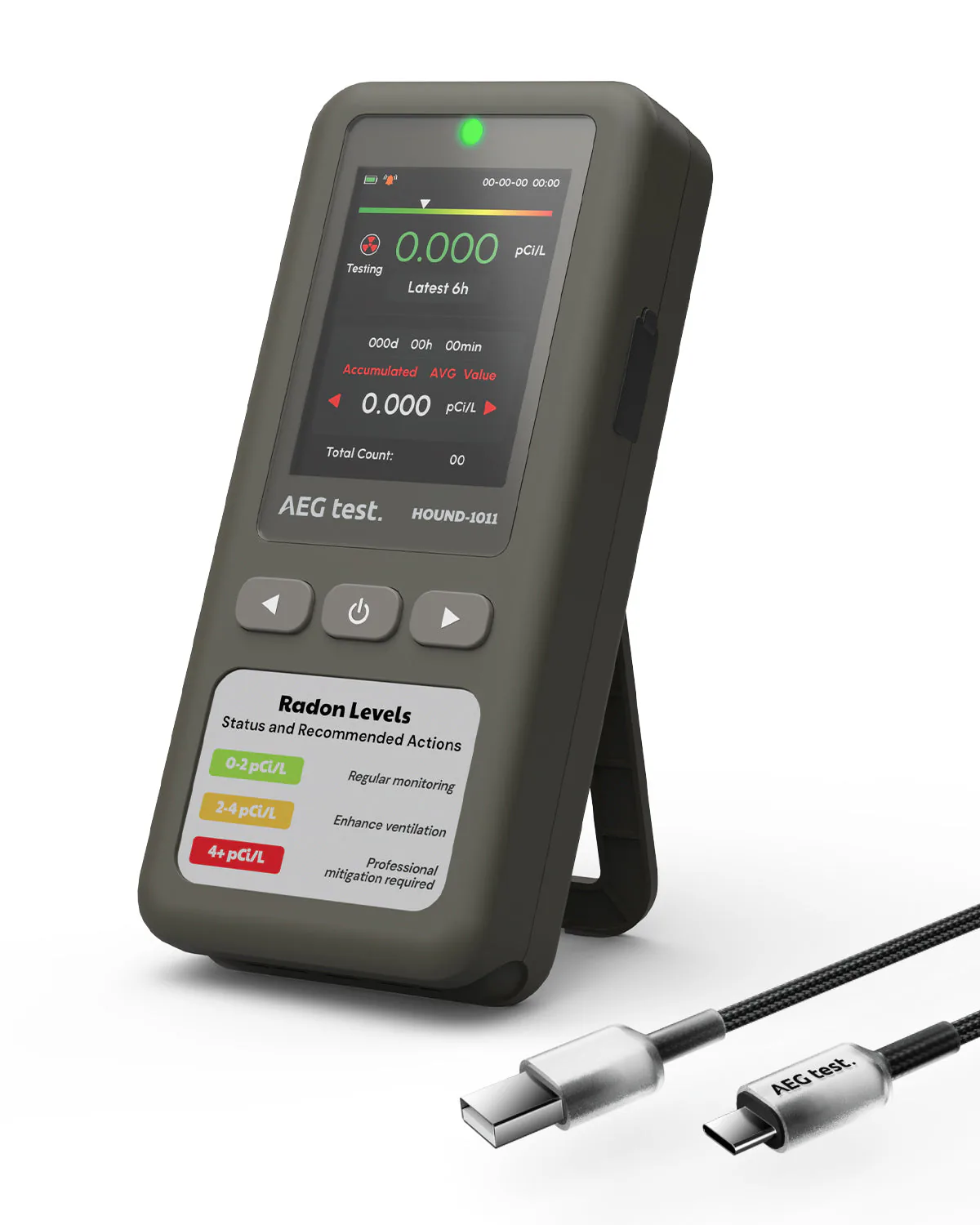
MonitorAEGTEST
HOUND-1011 rechargeable radon detector with a screen
- C-NRPP 2024/25: Not included
- Battery
- Alarm
- Screen
Method: Semiconductor sensor
First reading: Within 6 hours
Mitigation
Short answer
Radon mitigation is the work of lowering the radon level in a building, almost always by installing a vent pipe and fan that pull radon from under the foundation and release it outdoors. EPA recommends it when a confirmed test result reaches 4 pCi/L, recommends considering it between 2 and 4 pCi/L, and says a qualified contractor can bring most homes down to 2 pCi/L or below.
Next step: a certified professional designs and installs the fix. Find a mitigation professional
What it is
Radon mitigation is the work of reducing the radon in a home or other building. "
It works. Radon reduction systems work, they are not too costly, and even very high levels can be brought down to acceptable levels. Hundreds of thousands of homeowners have already fixed radon problems in their homes. This page covers the decision and the project; the hardware for each kind of house is on radon mitigation systems.
When to fix
EPA recommends fixing a home when the radon level is 4
How quickly to follow up depends on the first number. The higher the first short-term result, the more certain you can be that a short-term follow-up is the right choice, and a first result more than twice the 4 pCi/L
Below 4, the risk is still not zero: any radon exposure carries some risk, and lowering your radon level lowers your lung cancer risk. What a particular number means is on radon levels, and the question of when mitigation is required is answered in at what level does radon require mitigation.
How it works
Most mitigation stops radon at the foundation rather than chasing it once it is inside. The method used most is a vent pipe system and fan that pulls radon from beneath the house and vents it outside, called a soil suction radon reduction system, and it does not require major changes to the home. Sealing foundation cracks and other openings makes this kind of system more effective and cost-efficient, and similar systems can be installed in houses with crawl spaces.
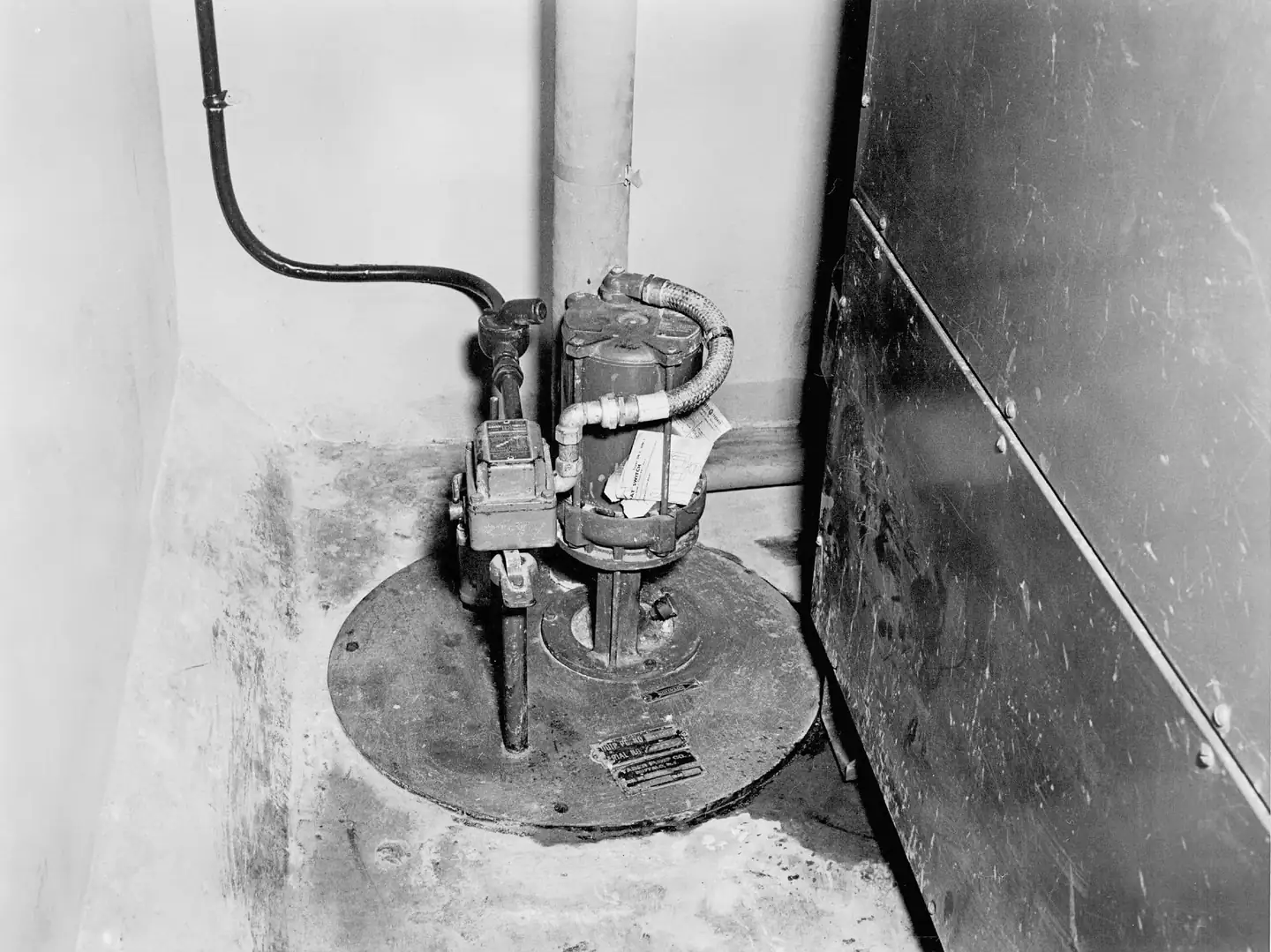

These systems keep radon from entering from below the concrete floor and from outside the foundation, and contractors may use other methods that suit a particular house. The right system depends on the design of the home and other factors. Each design, from sealed sumps to crawl space membranes, is explained on radon mitigation systems.
The process
A mitigation project runs in ten steps. In order:
Hiring
EPA recommends a certified or qualified radon mitigation contractor trained to fix radon problems. Start with your state radon office: many states require radon professionals to be licensed, certified or registered and to install systems that meet state rules, and most can provide a list of providers working in the state. States that receive federal indoor radon grants must give the public a list of only those providers credentialed either by the state or by one of the two national programs, the National Radon Proficiency Program (
Choose a contractor the way you would for any other home repair: get more than one estimate, ask for references and call some of them. Your county or state consumer protection office may also have information. Certified installers in each state are listed in the mitigation professionals directory.
The contract
Ask the contractor for a contract before any work starts, read it before you sign, and check that it matches the original proposal. It should describe exactly what work will be done before and during the installation, what the system consists of and how it will operate. Many contractors guarantee to adjust or modify the system until it reaches a negotiated radon level, such as 2 pCi/L or less, so read the conditions of that guarantee closely.
| Item | What to look for |
|---|---|
| Price | The total cost, including all taxes and permit fees; any deposit; when payment is due in full |
| Schedule | The time needed to complete the work |
| Permits and codes | An agreement to obtain necessary permits and follow required building codes |
| Insurance | A statement that the contractor carries liability insurance and is bonded and insured |
| Damage and cleanup | A guarantee that the contractor is responsible for damage during the job and cleanup after it |
| Radon guarantee | Details of any guarantee to reduce radon below a negotiated level |
| Hardware warranties | Details of warranties or optional features for the system's components |
| Transfer | Whether warranties or guarantees transfer if you sell the home |
| Your part | What the contractor expects you to do before work begins, such as clearing the work area |
Optional additions cost more up front but may be worth it, such as an extended warranty, a service plan or improved appearance. When comparing quotes, a less expensive system may cost more to operate and maintain or look worse, a more expensive one may be best for your home, and the quality of the materials affects how long a system lasts.
By foundation
The house's foundation decides the method. Homes are grouped as basement, slab-on-grade (concrete poured at ground level) or crawl space, and many combine two. Basements and slabs are usually fixed with one of four kinds of soil suction; crawl spaces with a plastic sheet over the earth floor and suction beneath it. Where a home has a basement under part of it and a slab or crawl space under the rest, a combination of techniques may be needed.

Basement
Slab-on-grade
Concrete poured at ground level.
Crawlspace
A shallow unfinished space under the first floor.
Any type of home
Some homes have more than one foundation design feature. In these situations, a combination of radon reduction techniques may be needed to reduce radon levels to below 4 pCi/L.
A finished basement can be mitigated, and timing helps. If you plan to finish or renovate an unfinished area, test before the project and after, because it is generally less expensive to install a radon-reduction system before or during renovations than afterwards. If test results show a problem, radon-resistant techniques can be inexpensively included as part of the renovation.
For a basement-specific walk-through, see how to reduce radon gas in a basement; for slab homes, can a house have radon without a basement.
Results
Radon levels in most homes can be reduced to 2 pCi/L or below with today's technology. Typical reductions run 50 to 99 percent for each of the active soil suction methods and for basement pressurization, 30 to 70 percent for a passive sub-slab system, and 0 to 50 percent for crawl space natural ventilation. Every system should get the level below 4 pCi/L, and a quality system may bring year-round levels below 2.
Typical radon reduction, EPA
Basement and slab-on-grade homes
Crawlspace homes
Any type of home
Congress set a long-term goal that indoor radon be no higher than outdoor air, where about 0.4 pCi/L is normally found; that is not yet technologically achievable in every case. Whether mitigation reliably works is answered in does radon mitigation work, and whether radon can be taken out entirely in can radon be removed.
DIY
EPA recommends a qualified contractor because lowering high radon levels takes specific technical knowledge and special skills; without the right equipment or knowledge you could raise your radon level or create other hazards and costs. Put plainly, contractors who do not specialize in radon reduction could make the problem worse. If you decide to do it yourself, start with your state radon office, for guidance and for training courses.
Whoever does the work, the same test applies afterwards. The trade-offs are set out in do it yourself radon mitigation, and the steps of a basement installation in how to install a radon mitigation system in a basement.
In the meantime
There is no quick substitute for a system, but some things help in the meantime: increase air flow by opening windows and using fans and vents to circulate air, and seal cracks in floors and walls with plaster, caulk or other materials made for the purpose, then test again after any change. Natural ventilation should not be considered radon mitigation, because it is only temporary.
Cost
Most homes can be fixed for about the same cost as other common home repairs, and the cost depends on how the home was built and the extent of the radon problem. In choosing a method, you and the contractor weigh how high the initial radon level is, the cost of installation and of running the system, the size of the home and its foundation type. The cost is much less if a passive system was installed during construction. Two published estimates give a sense of scale: in general $1,500 to $3,000 for a system in Minnesota, by the state health department's estimate, and around $200 to $350 to replace a fan, parts and labor included, by EPA's.
Financial assistance may be available in some states, depending on household income, location and funding. Every cost figure, and what makes one quote higher than another, is on radon mitigation cost.
Afterwards
A system is only finished when a test says so. Test within 30 days of installation, but no sooner than 24 hours after the system is running, with a two- to seven-day measurement under

Day of installation
The system goes in
Keep the fan running at all times: it must run continuously for the system to work correctly.
No sooner than 24 hours
Earliest post-mitigation test
Test no sooner than 24 hours after your system is in operation with the fan on, if it has one.
Within 30 days
Post-mitigation test done
A two- to seven-day measurement is recommended, and EPA recommends an independent follow-up radon measurement as well as any test the contractor runs.
At least every two years
Retest
Retest your home at least every two years to be sure radon levels remain low.
Test conditions: Windows and doors must be closed 12 hours before and during the test, except for normal entry and exit. Not drawn to scale.
After a remodel. After you remodel, retest in the lowest lived-in area to make sure the construction did not reduce the effectiveness of the radon reduction system.
After that, upkeep is light. Look at the warning device, usually a manometer, regularly; the fan should never be turned off; and retest at least every two years. Fans may last five years or more and may then need repair or replacement. Living with a system is covered in the radon system guide, and how soon to retest in how long after radon mitigation can you retest.
MonitorAEGTEST
Method: Semiconductor sensor
First reading: Within 6 hours
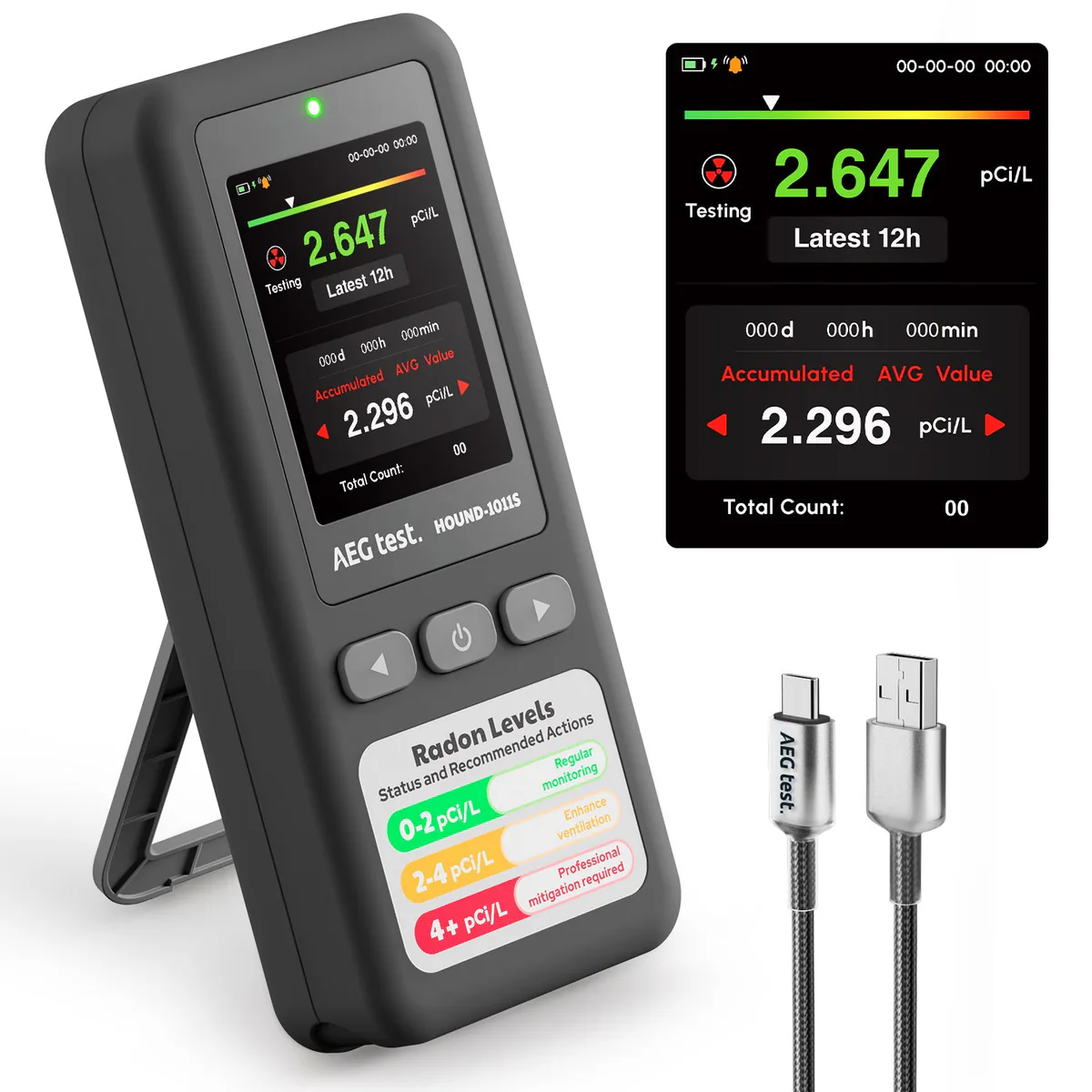
MonitorAEGTEST
Method: Semiconductor sensor
First reading: Within 12 hours
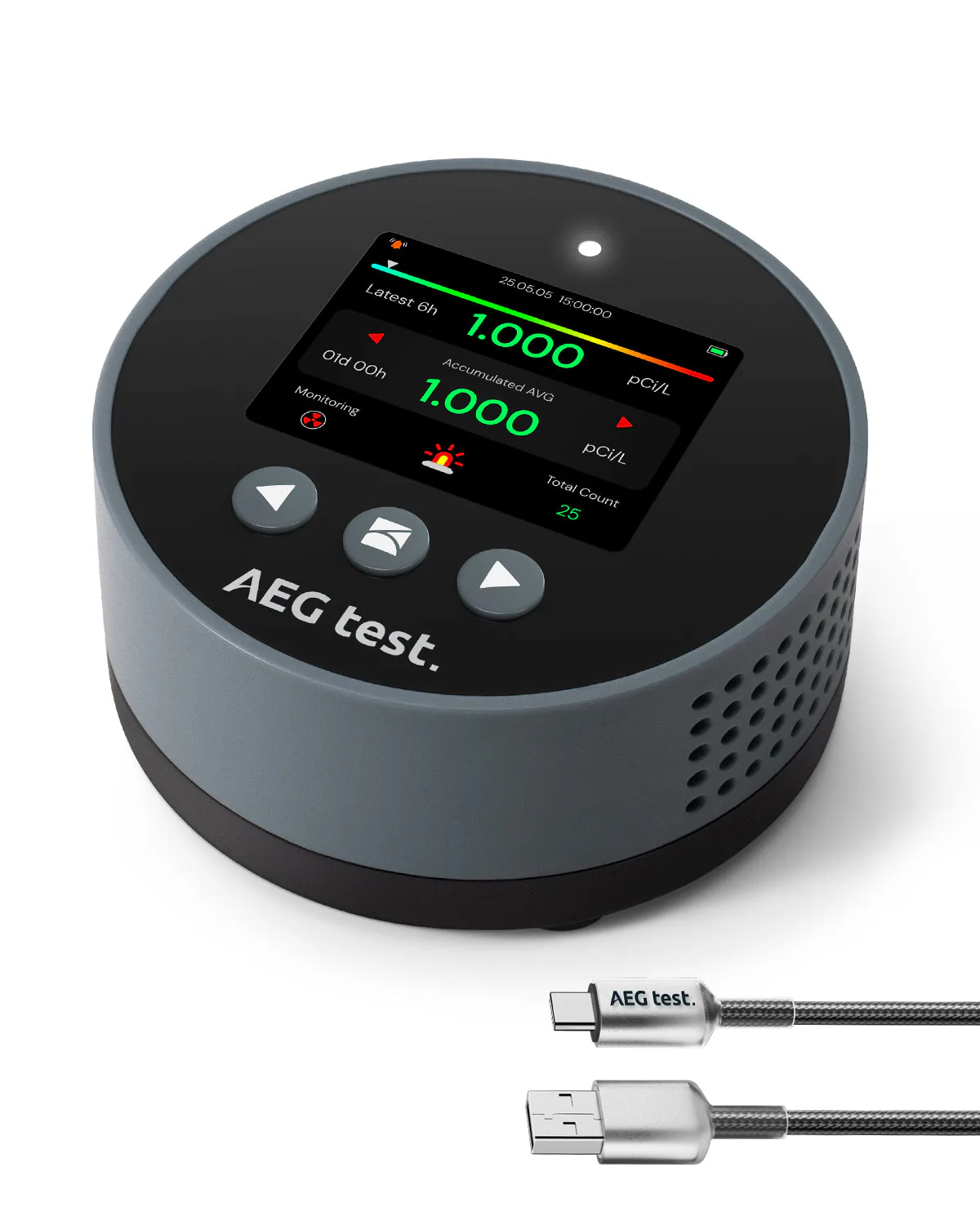
MonitorAEGTEST
Method: Semiconductor sensor
First reading: Within 6 hours
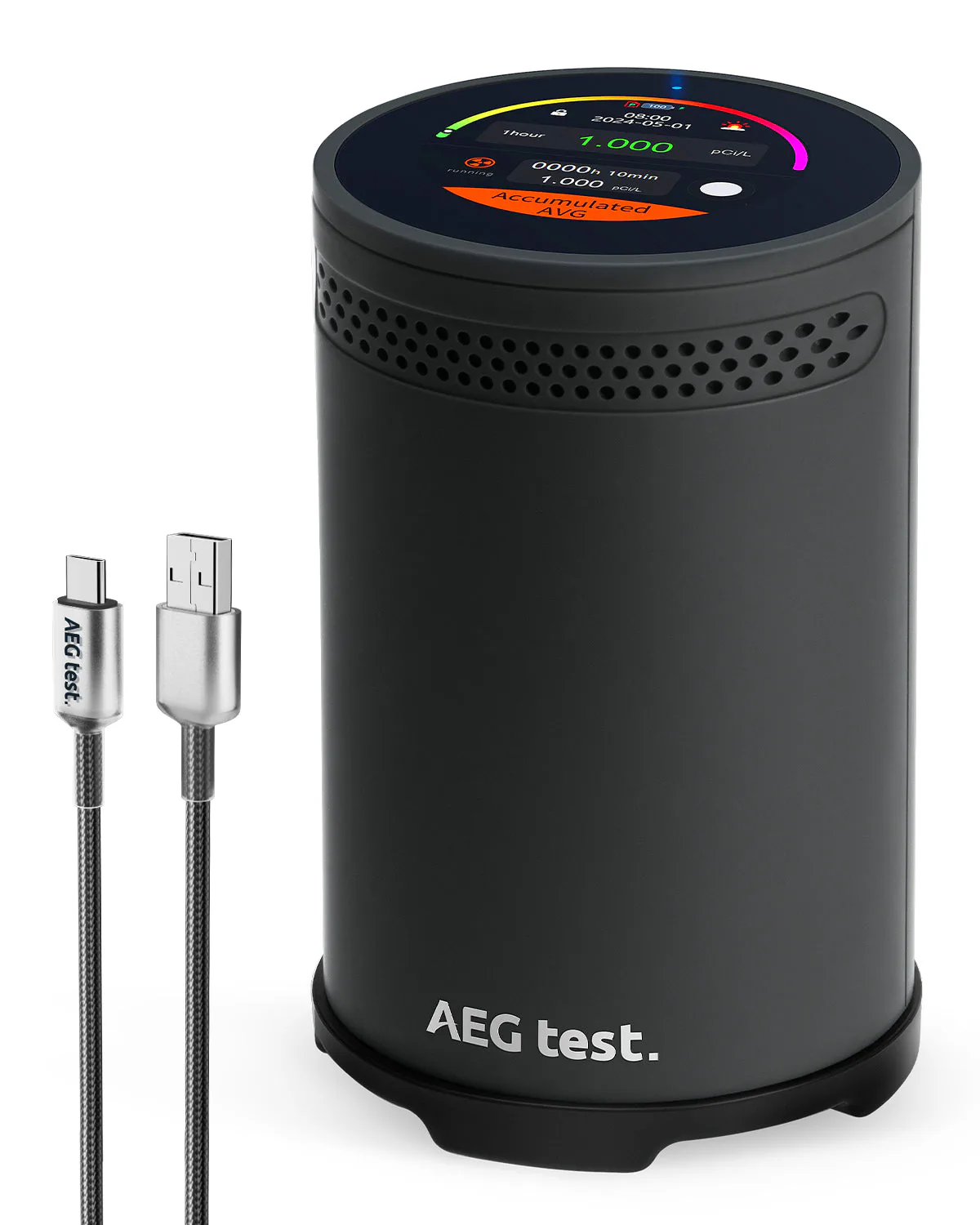
MonitorAEGTEST
First reading: Within 1 hour
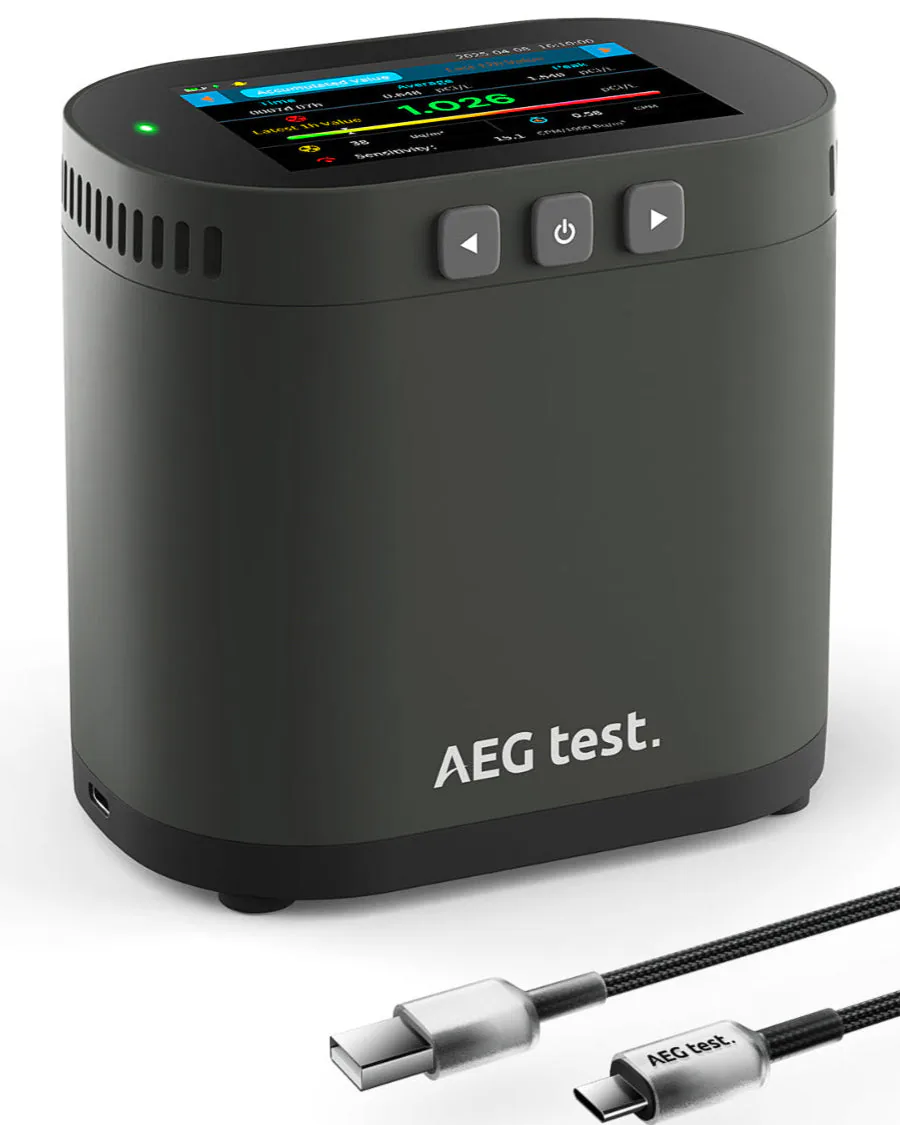
MonitorAEGTEST
Method: Ion chamber
First reading: Within 10 minutes
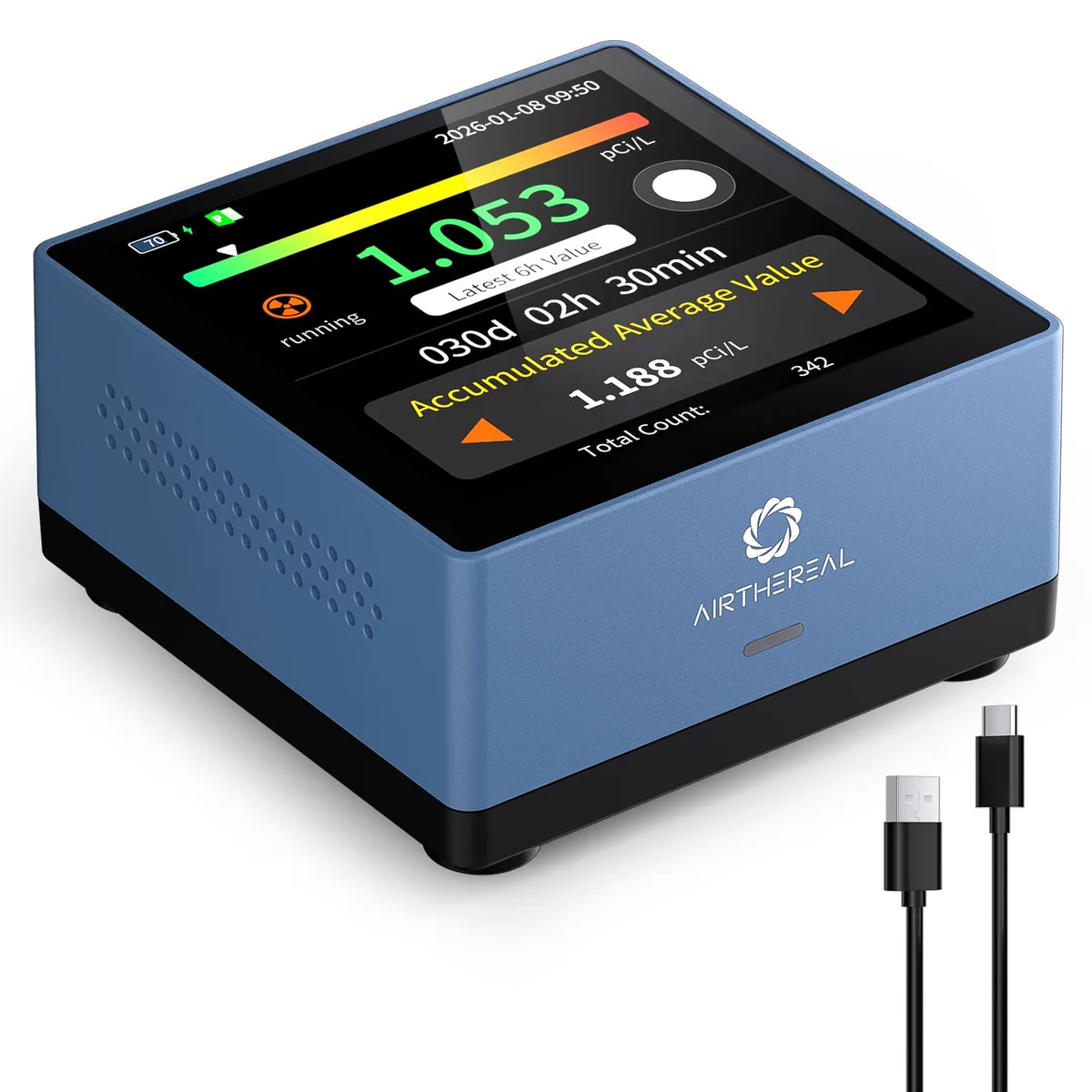
Monitor
Method: Semiconductor sensor
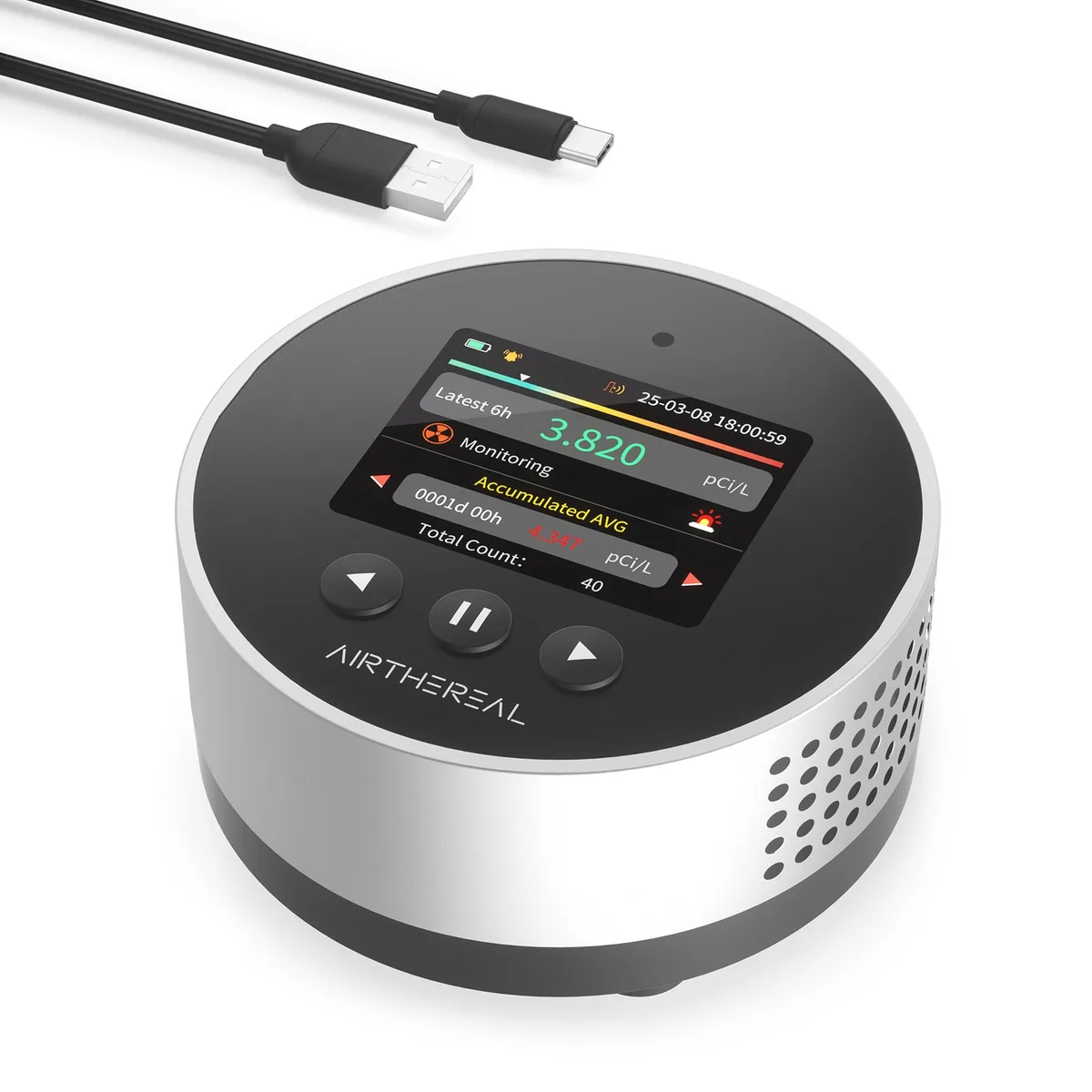
Monitor
Method: Semiconductor sensor
First reading: Within 6 hours
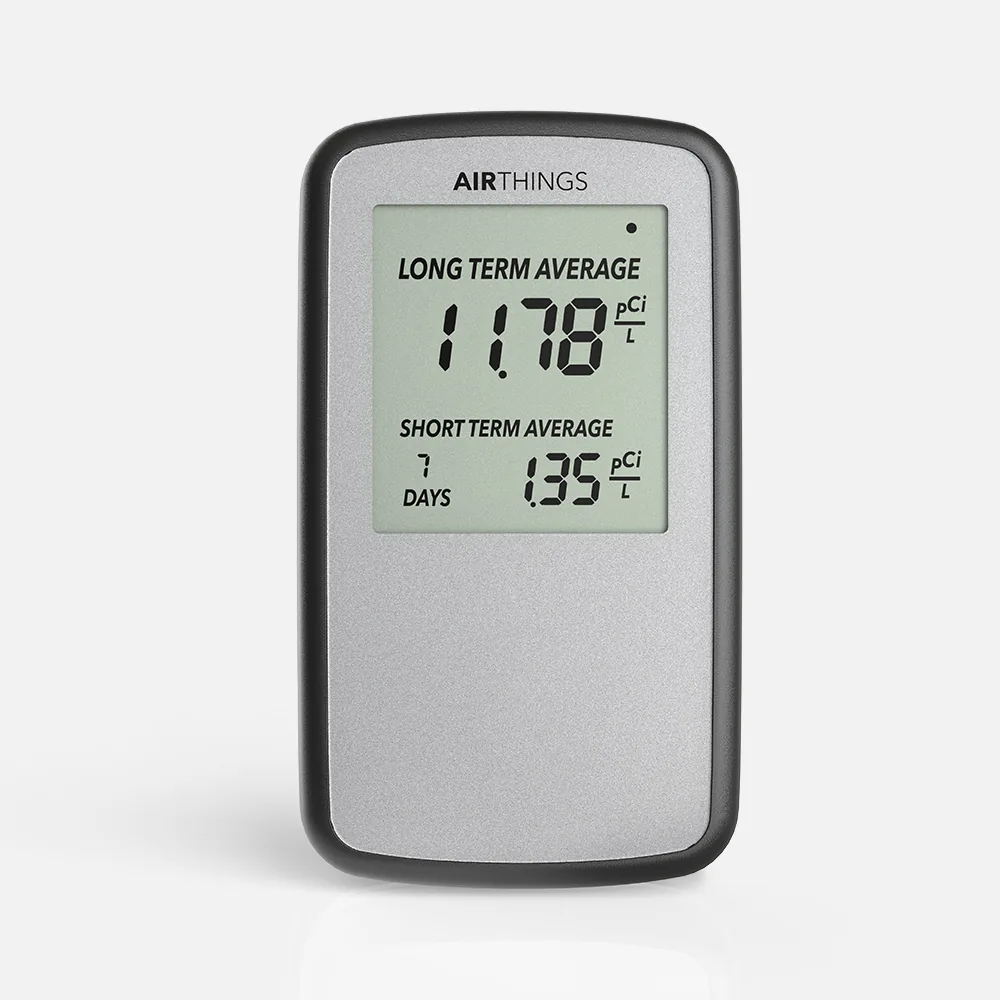
Monitor
Method: Alpha spectrometry
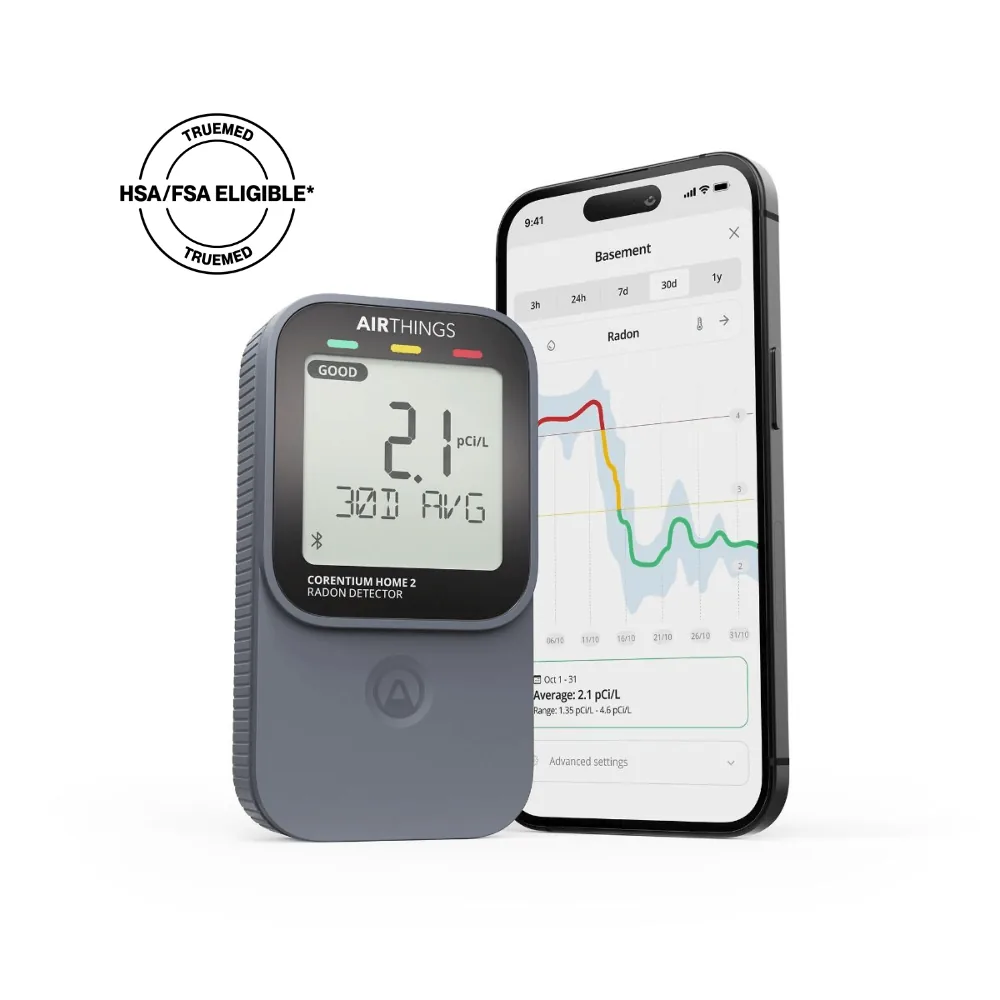
Monitor
Method: Alpha spectrometry
Readings: Every 60 minutes
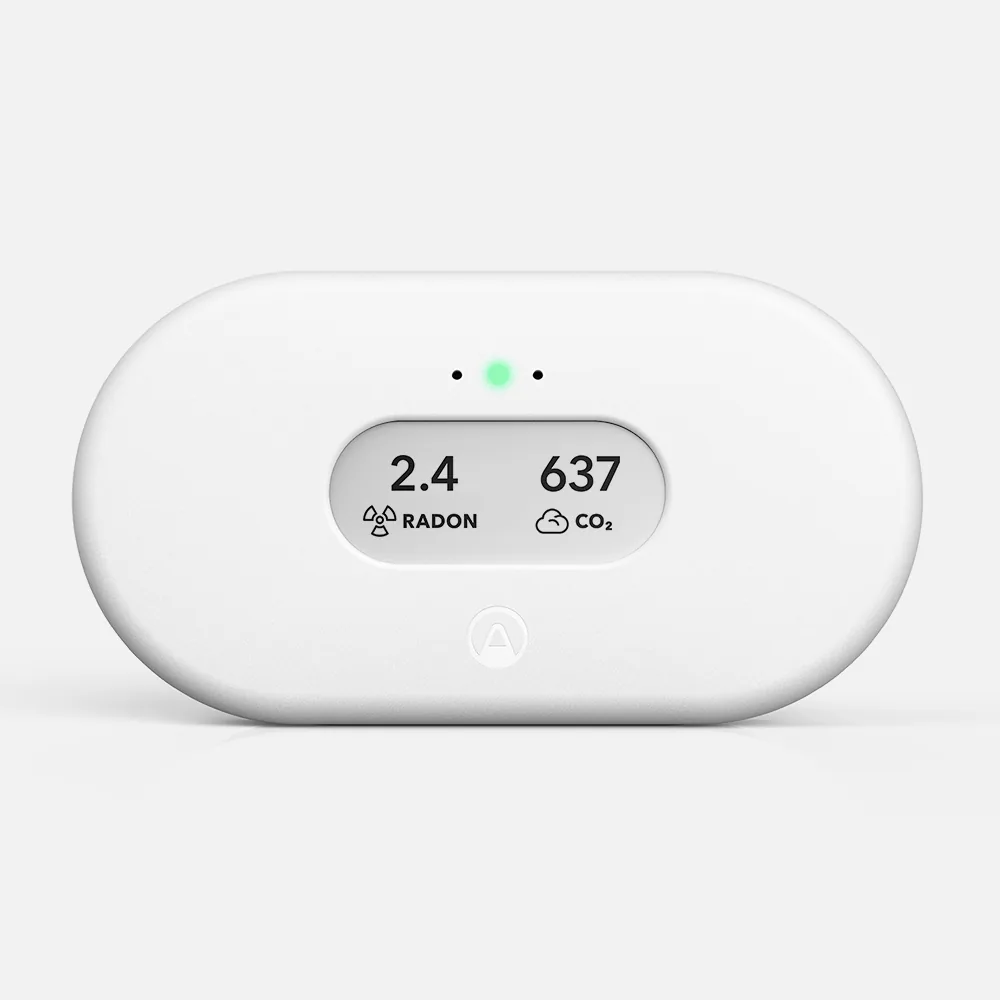
Monitor
Method: Alpha spectrometry
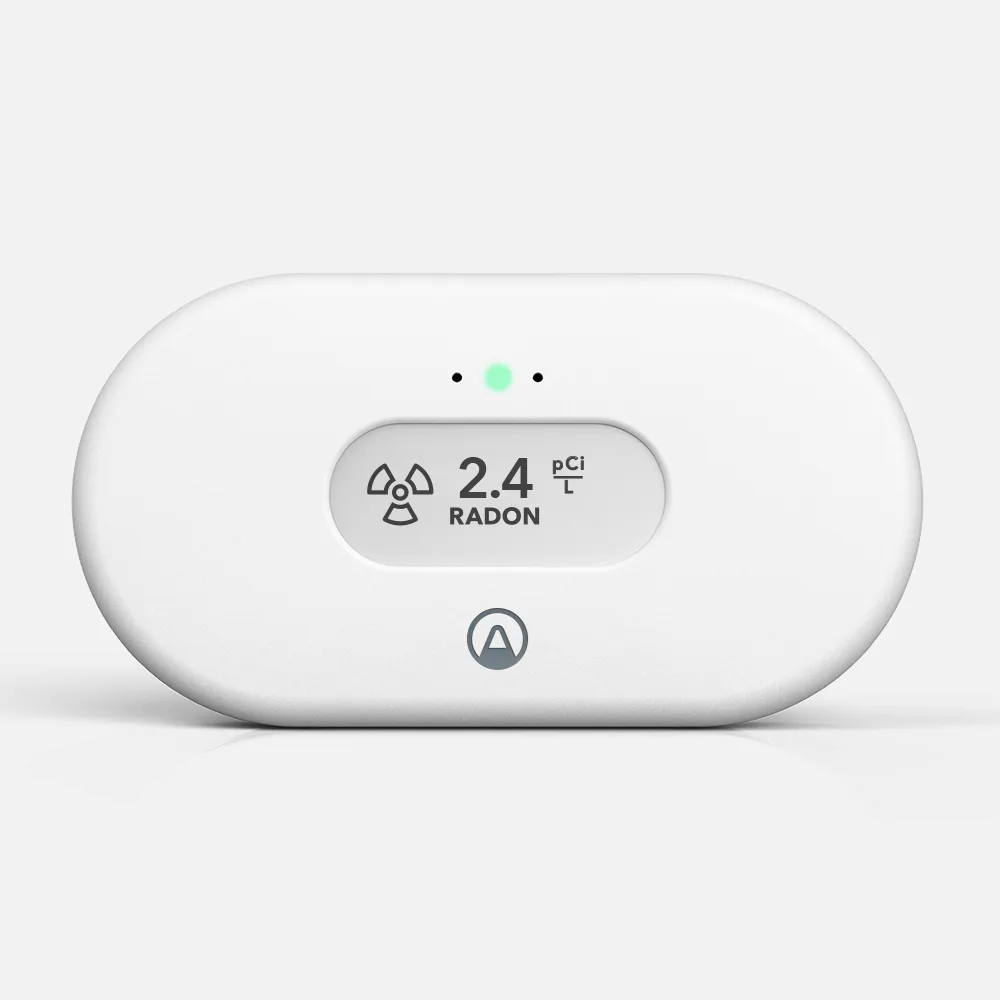
Monitor
Method: Alpha spectrometry
Readings: Every 60 minutes
Monitor
Method: Alpha spectrometry
Monitor
Method: Alpha spectrometry
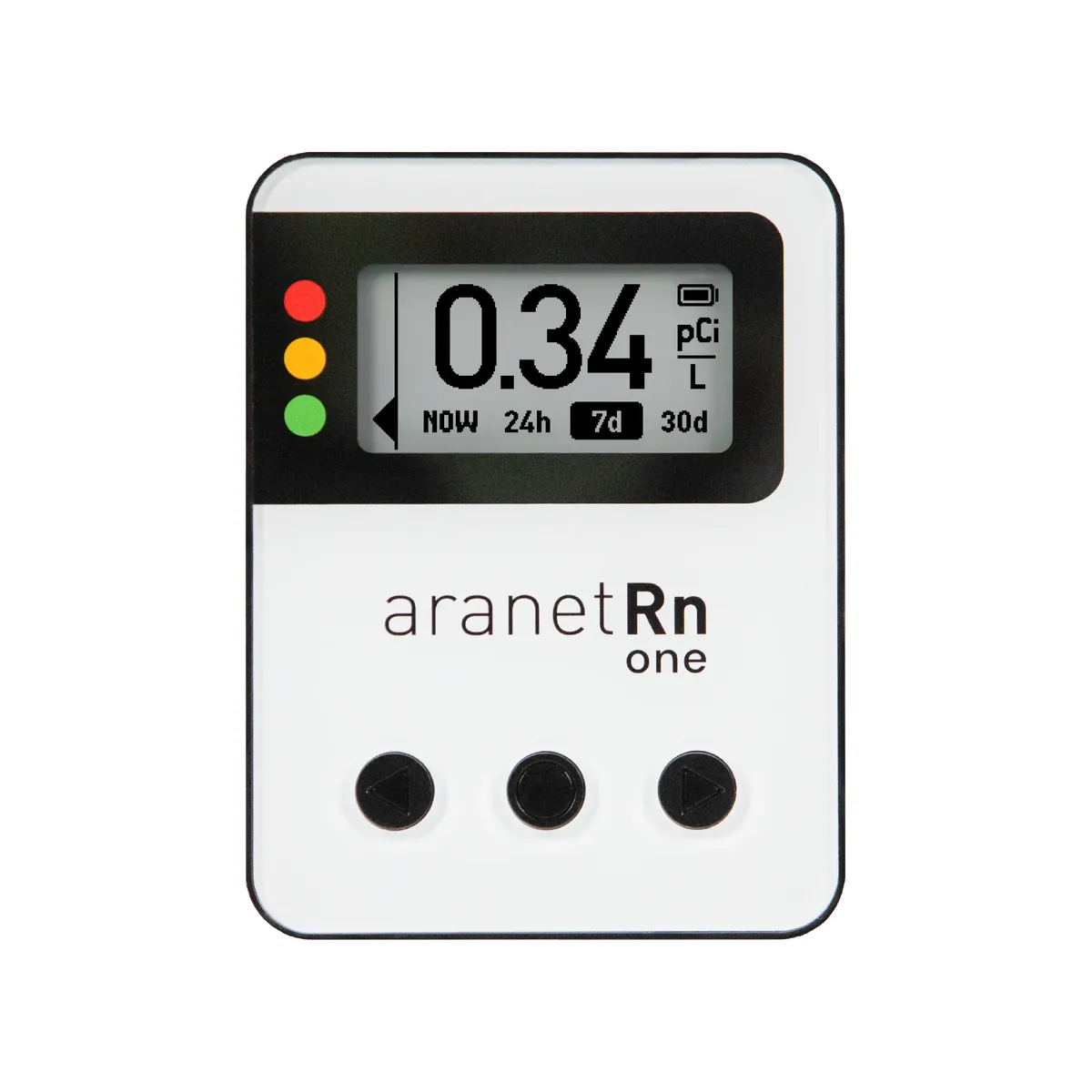
MonitorAranet
Method: Ion chamber
First reading: Within 10 minutes
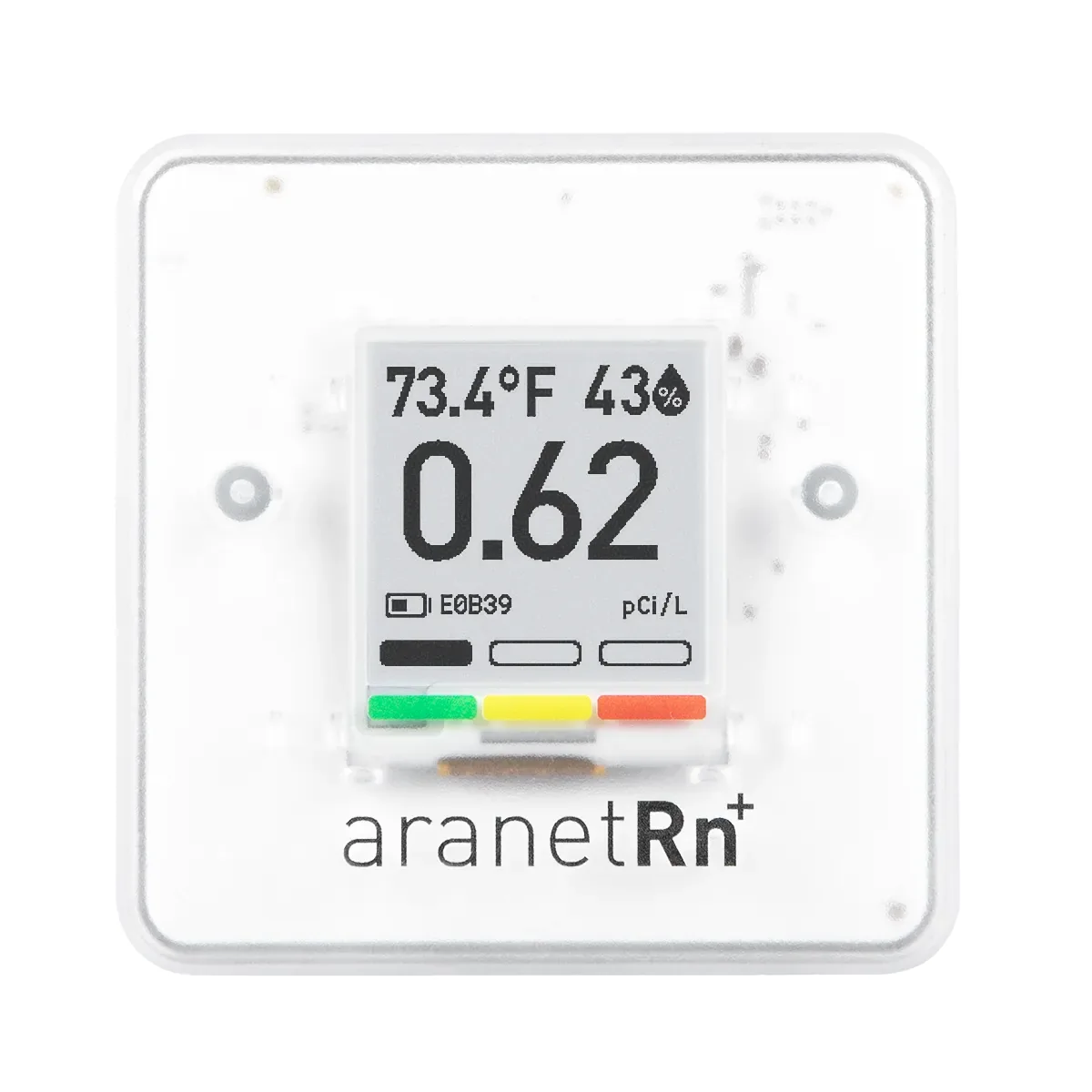
MonitorAranet
Method: Ion chamber
First reading: Within 10 minutes
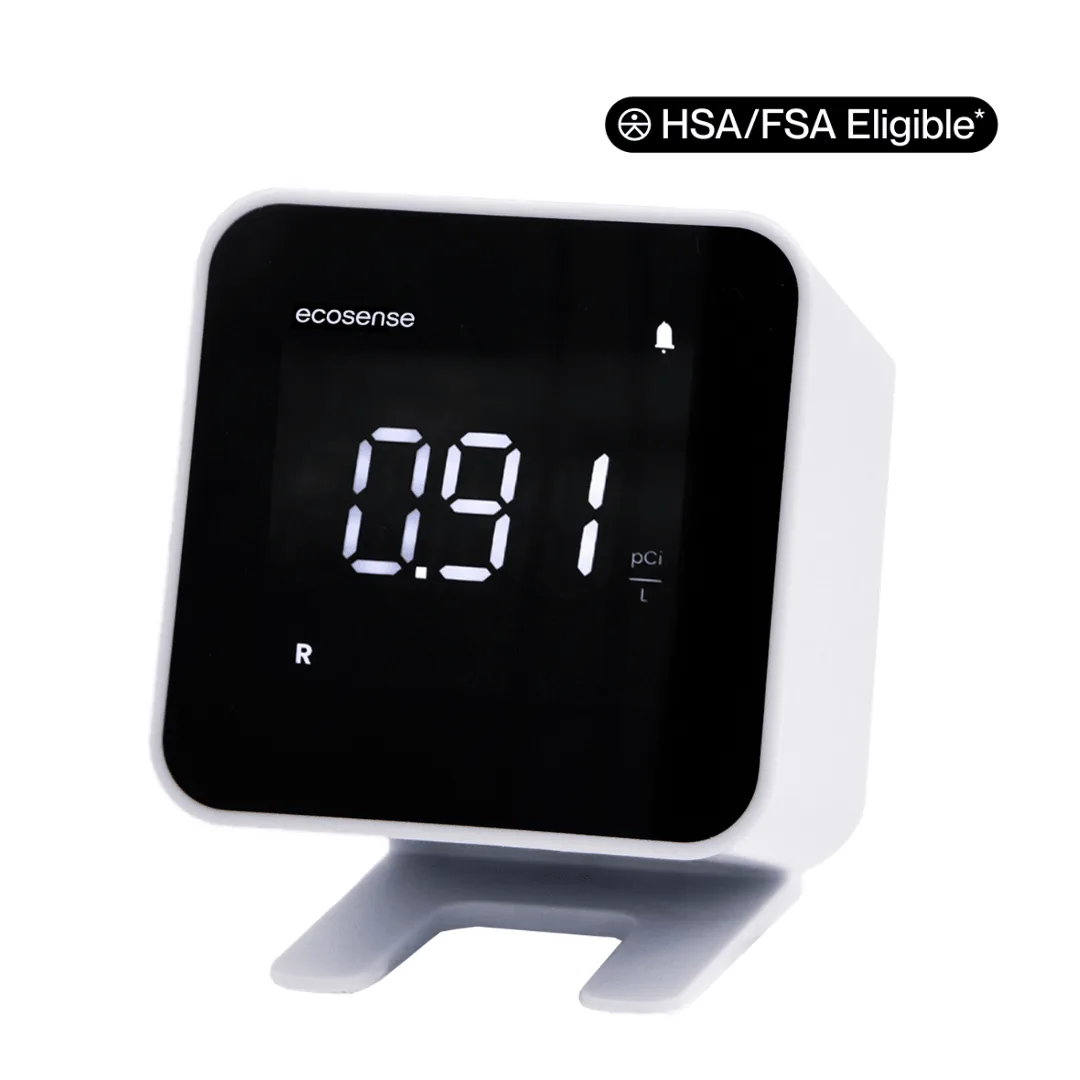
Monitor
Method: Ion chamber
First reading: Within 10 minutes
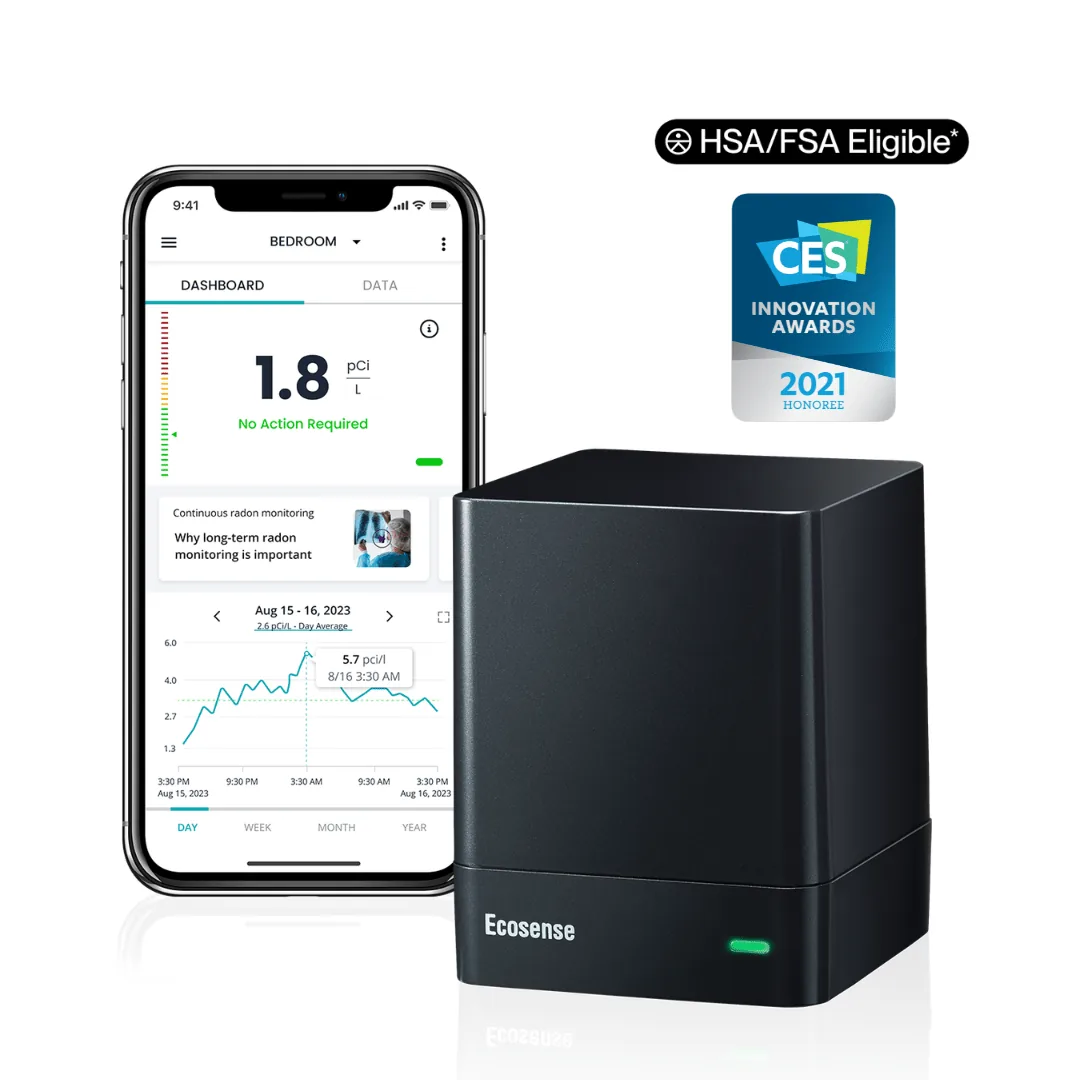
Monitor
Method: Ion chamber
First reading: Within 10 minutes
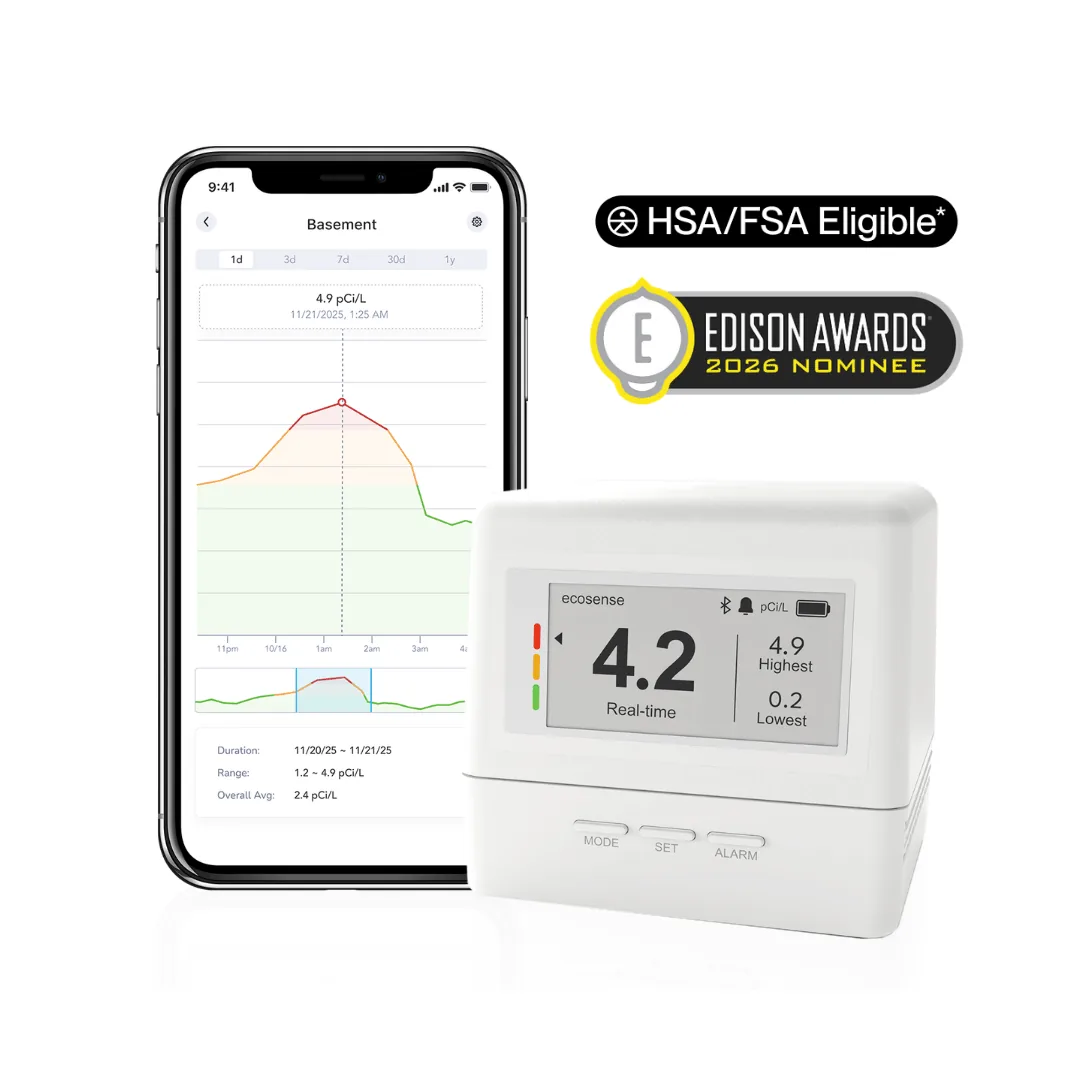
Monitor
Method: Ion chamber
First reading: Within 15 minutes
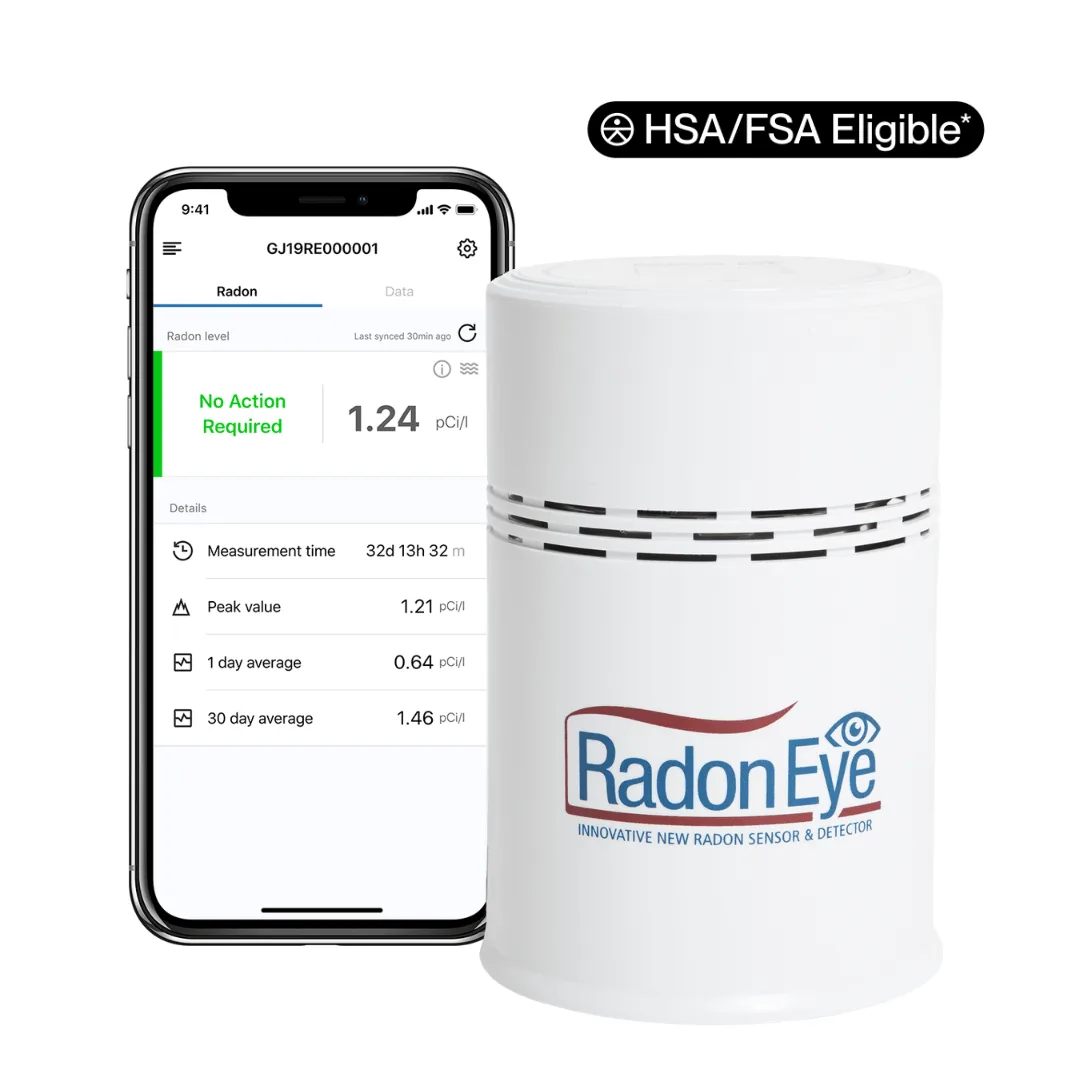
Monitor
Method: Ion chamber
First reading: Within 10 minutes
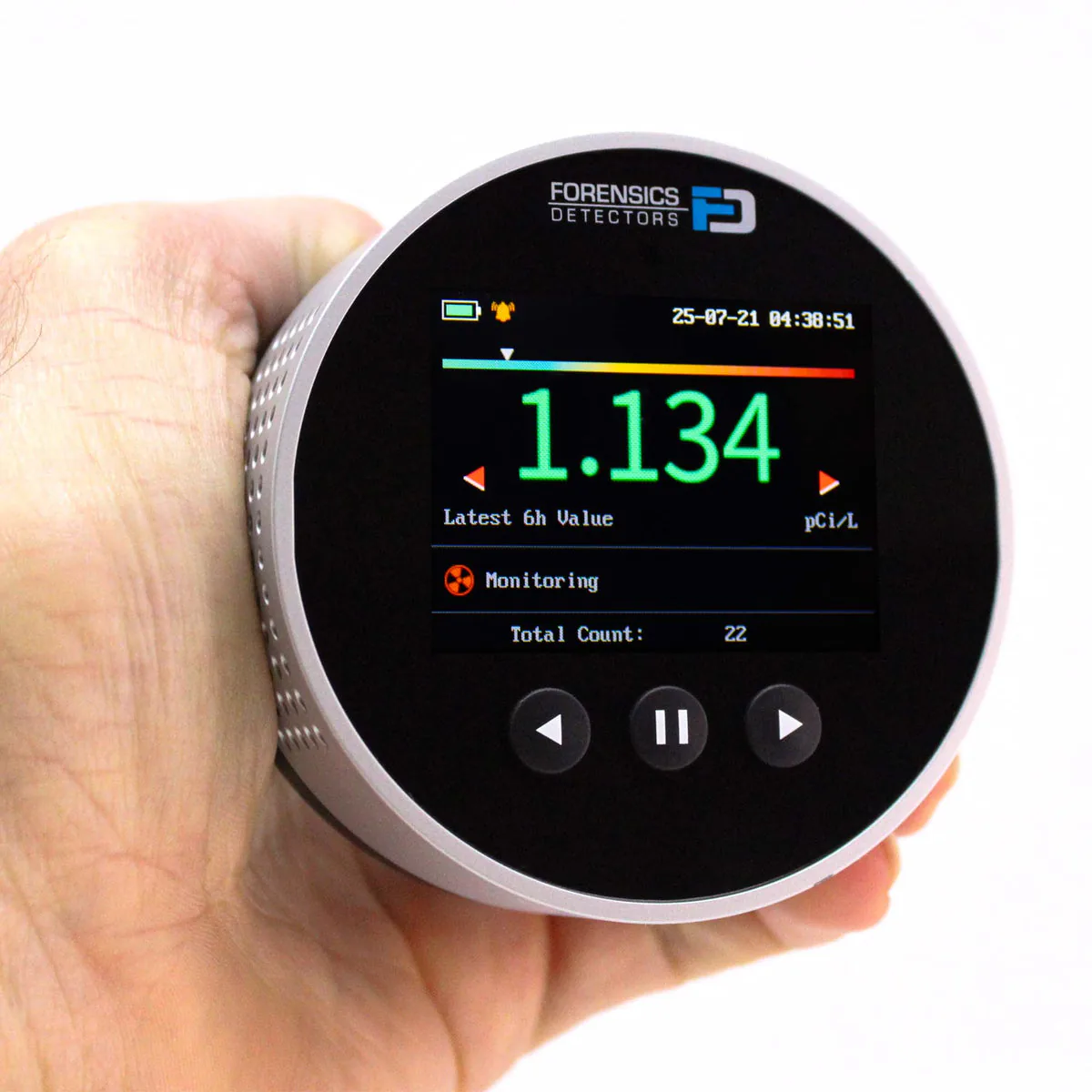
MonitorForensics Detectors
Method: Semiconductor sensor
First reading: Within 6 hours

Monitor
First reading: Within 5 minutes
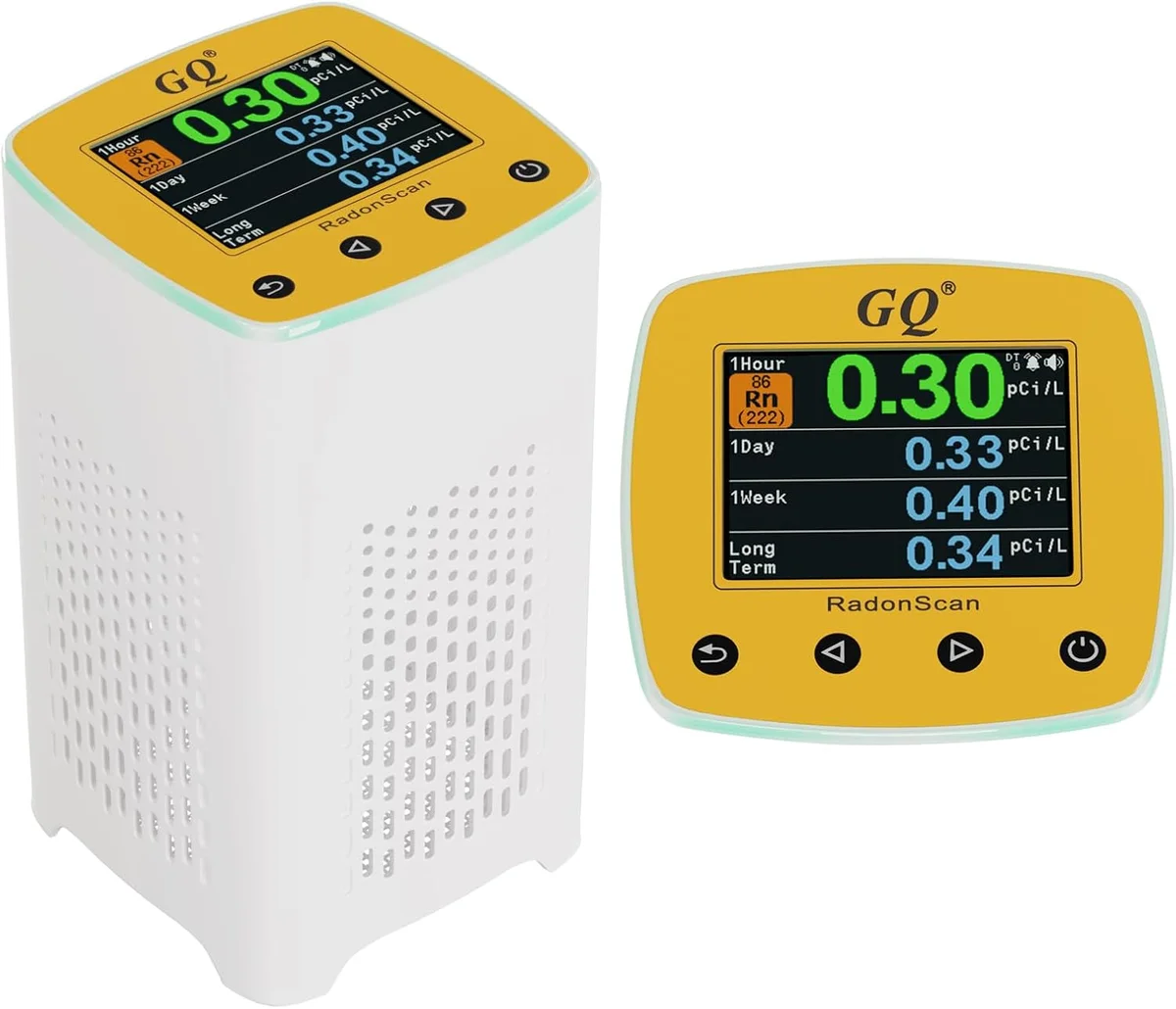
Monitor
First reading: Within 5 minutes
Monitor
First reading: Within 5 minutes
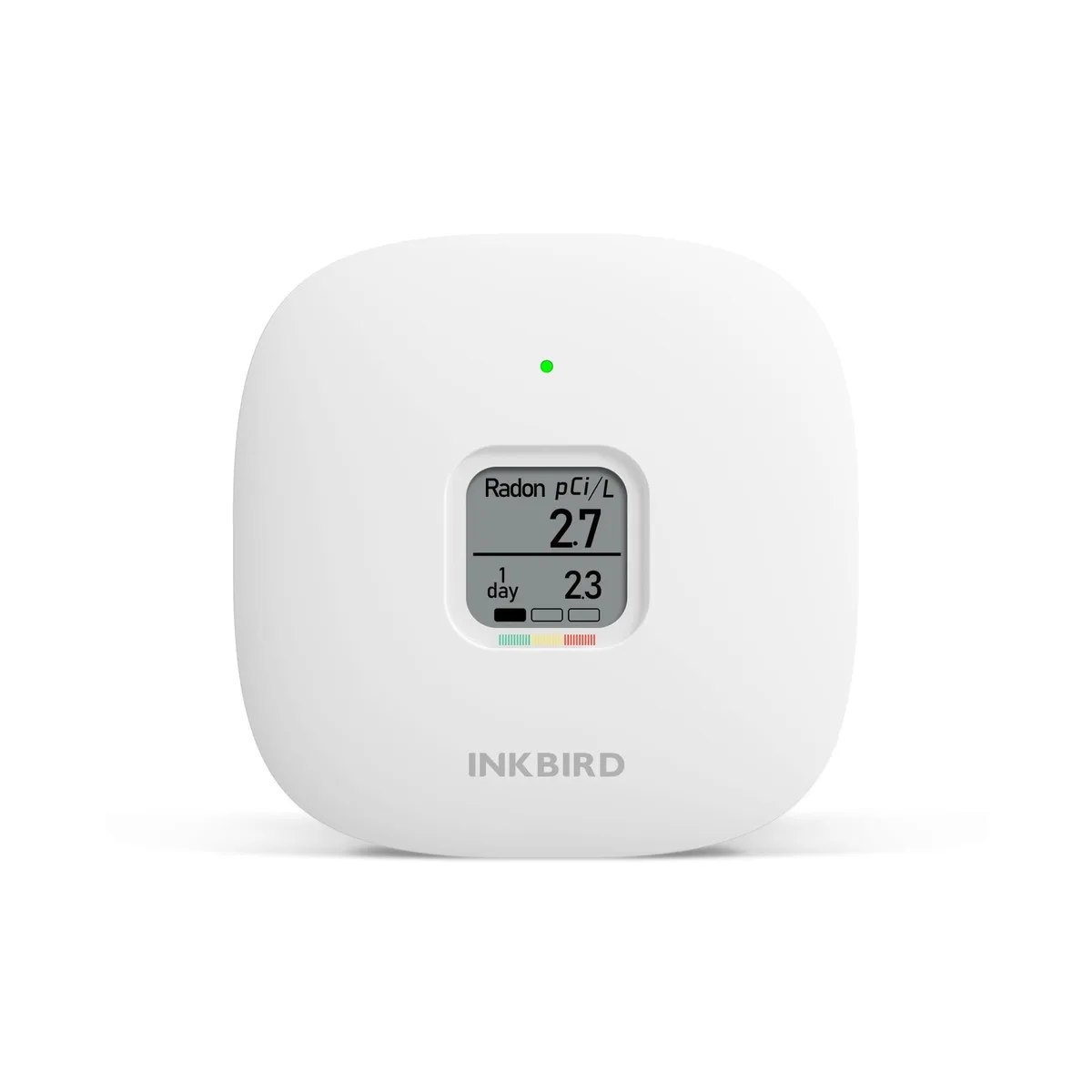
MonitorINKBIRD
First reading: Within 24 hours
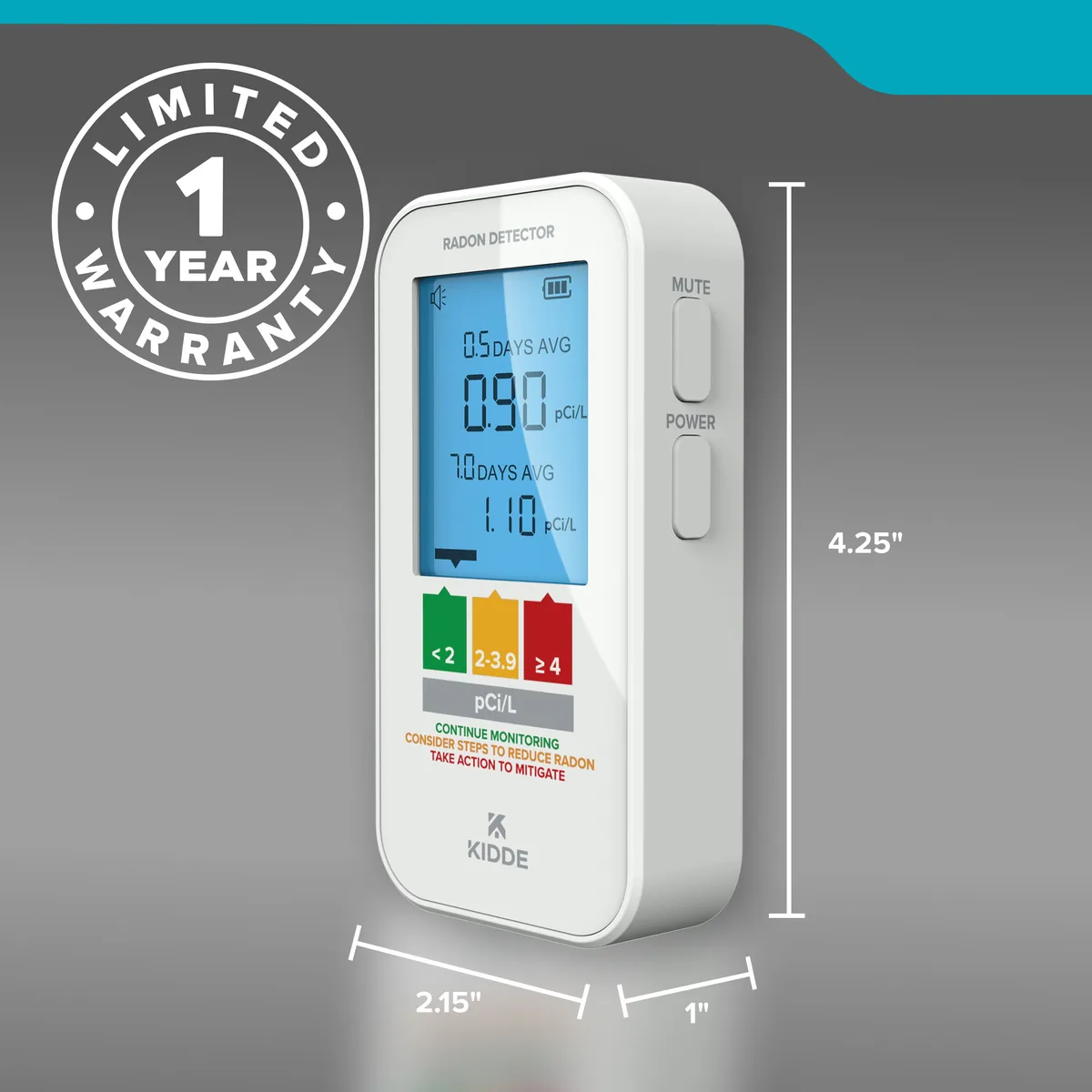
MonitorKidde
Method: Semiconductor sensor
First reading: Within 12 hours
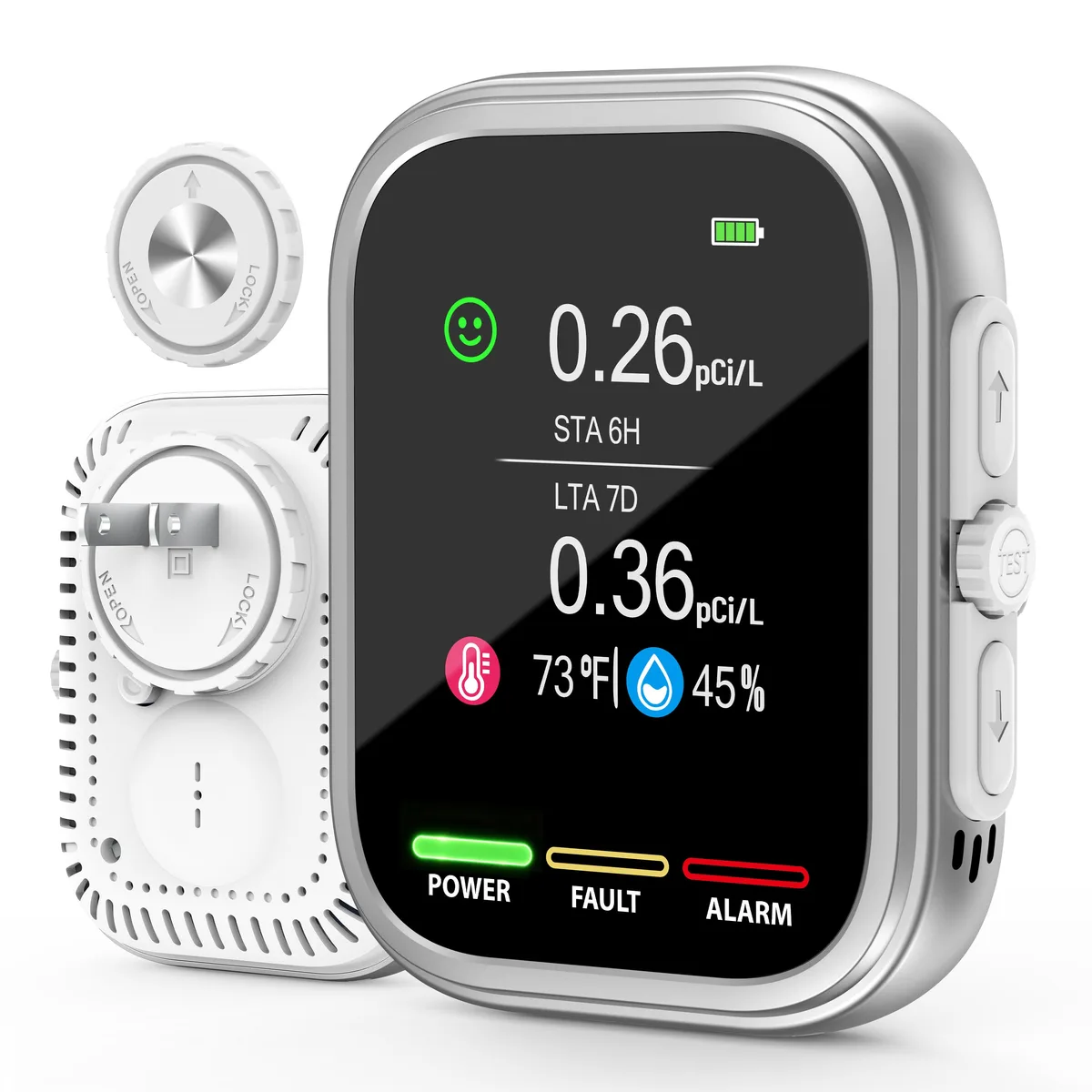
MonitorPYZYCKYH
Method: Semiconductor sensor
First reading: Within 6 hours
MonitorSafetySiren
First reading: Within 48 hours
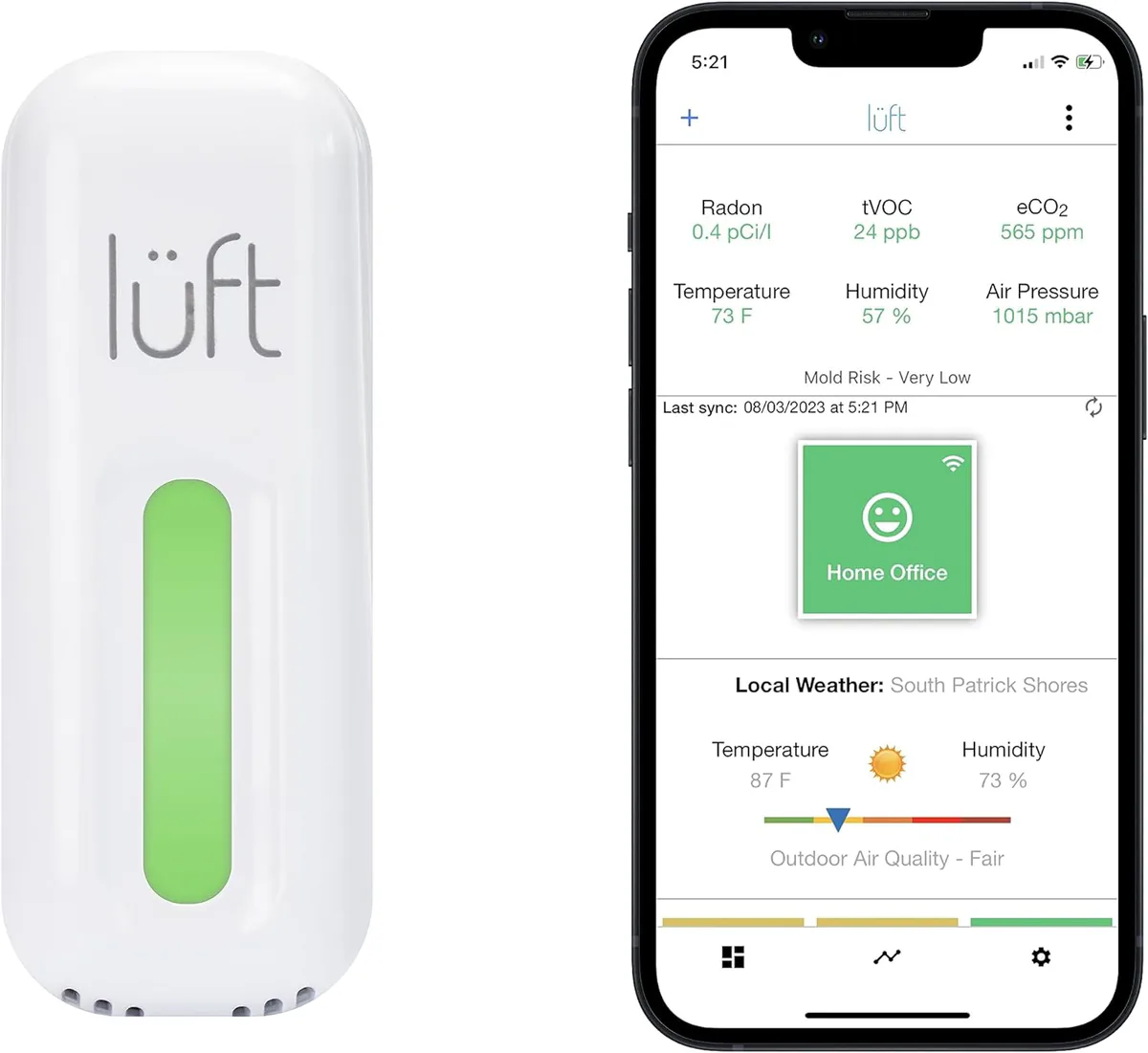
Monitor
First reading: Within 90 minutes
Monitor
Method: Alpha spectrometry
First reading: Within 24 hours
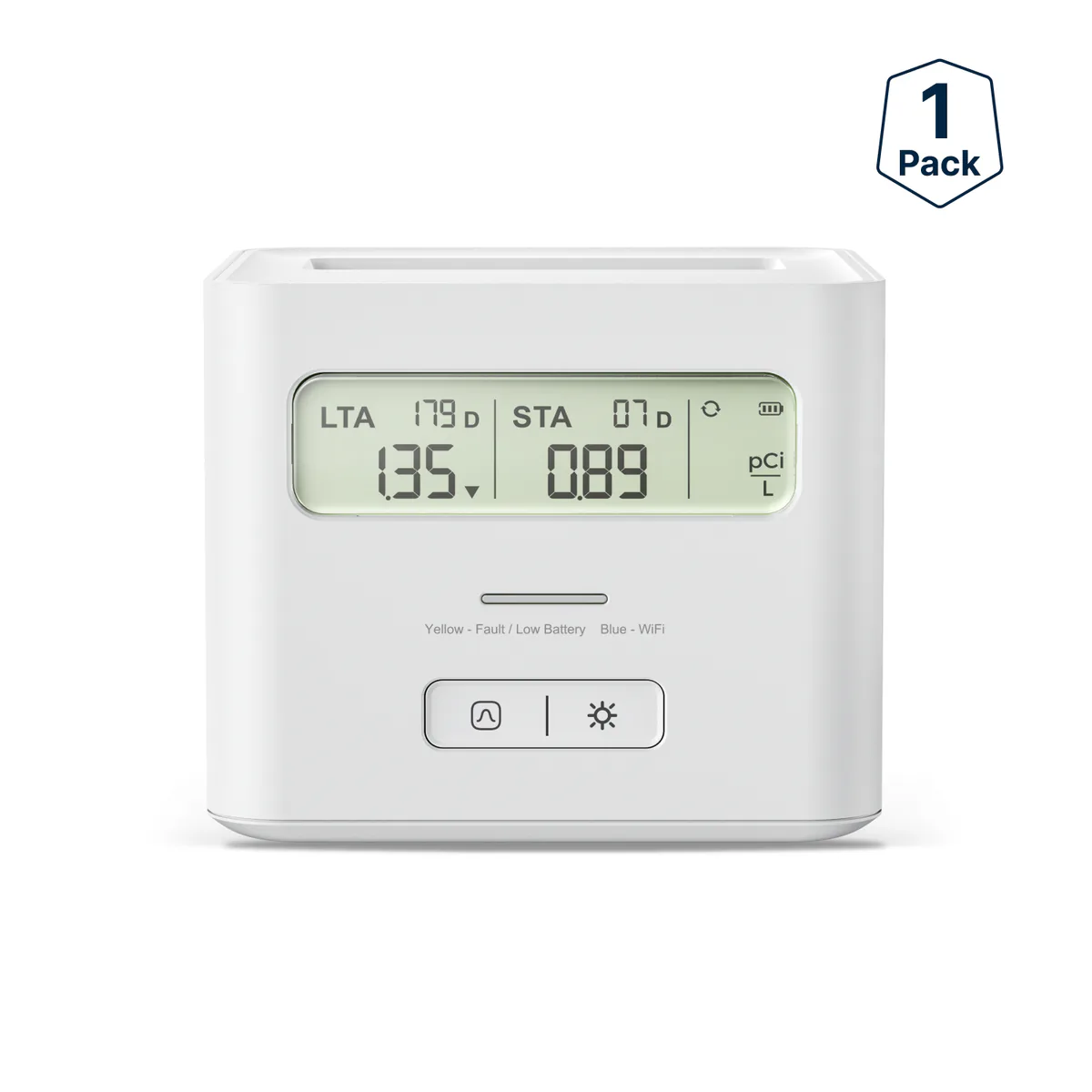
MonitorX-Sense
Method: Alpha spectrometry
First reading: Within 24 hours
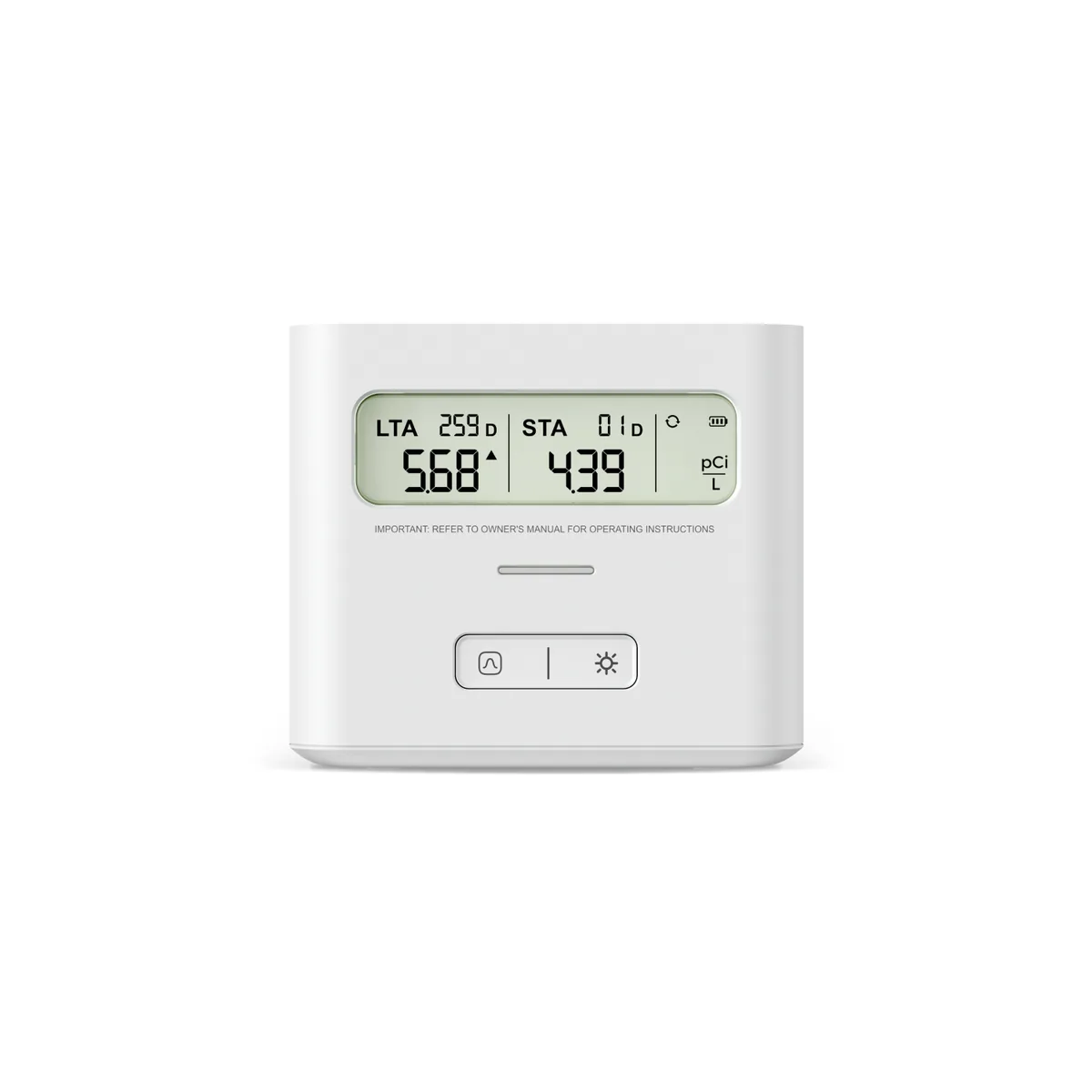
MonitorX-Sense
Method: Alpha spectrometry
First reading: Within 24 hours
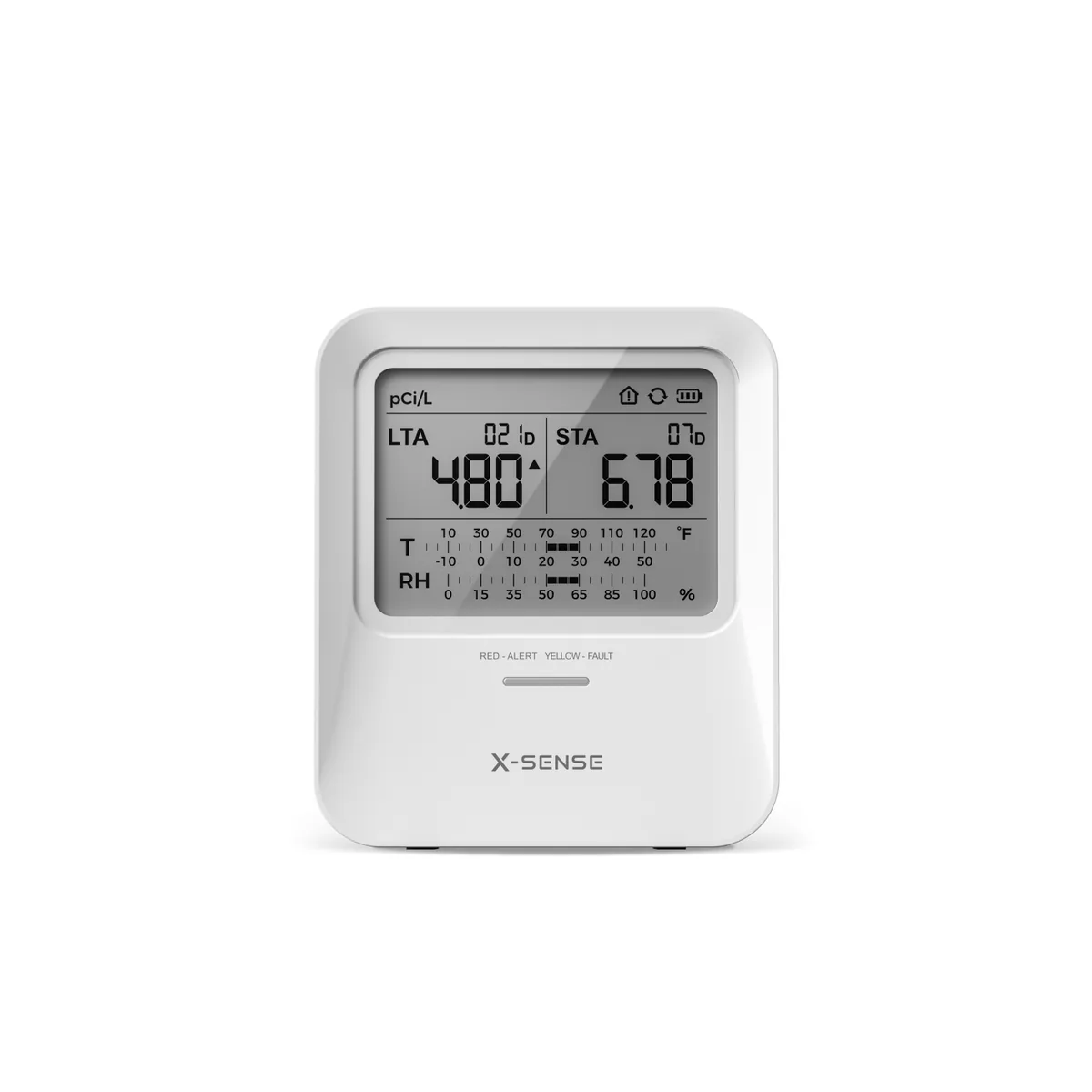
MonitorX-Sense
Method: Alpha spectrometry
First reading: Within 24 hours

Long-term kit
Method: Alpha track
In home: 90 days to 12 months

Long-term kit
Method: Alpha track
In home: 90 days to 12 months
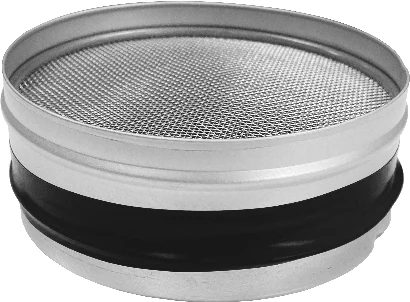
Short-term kit
Method: Charcoal
In home: 48 to 96 hours
No Amazon listing on file
See details of the AccuStar PicoCan
Short-term kit
Method: Charcoal
In home: 2 to 7 days
Short-term kitempowerDX
Method: Passive sampler
In home: 48 to 96 hours
Short-term kitFirst Alert
Method: Charcoal
In home: 2 to 4 days
Short-term kitKidde
Method: Charcoal
In home: 3 days
No Amazon listing on file
See details of the Kidde 442020
Short-term kit
Method: Liquid scintillation
In home: 48 to 96 hours
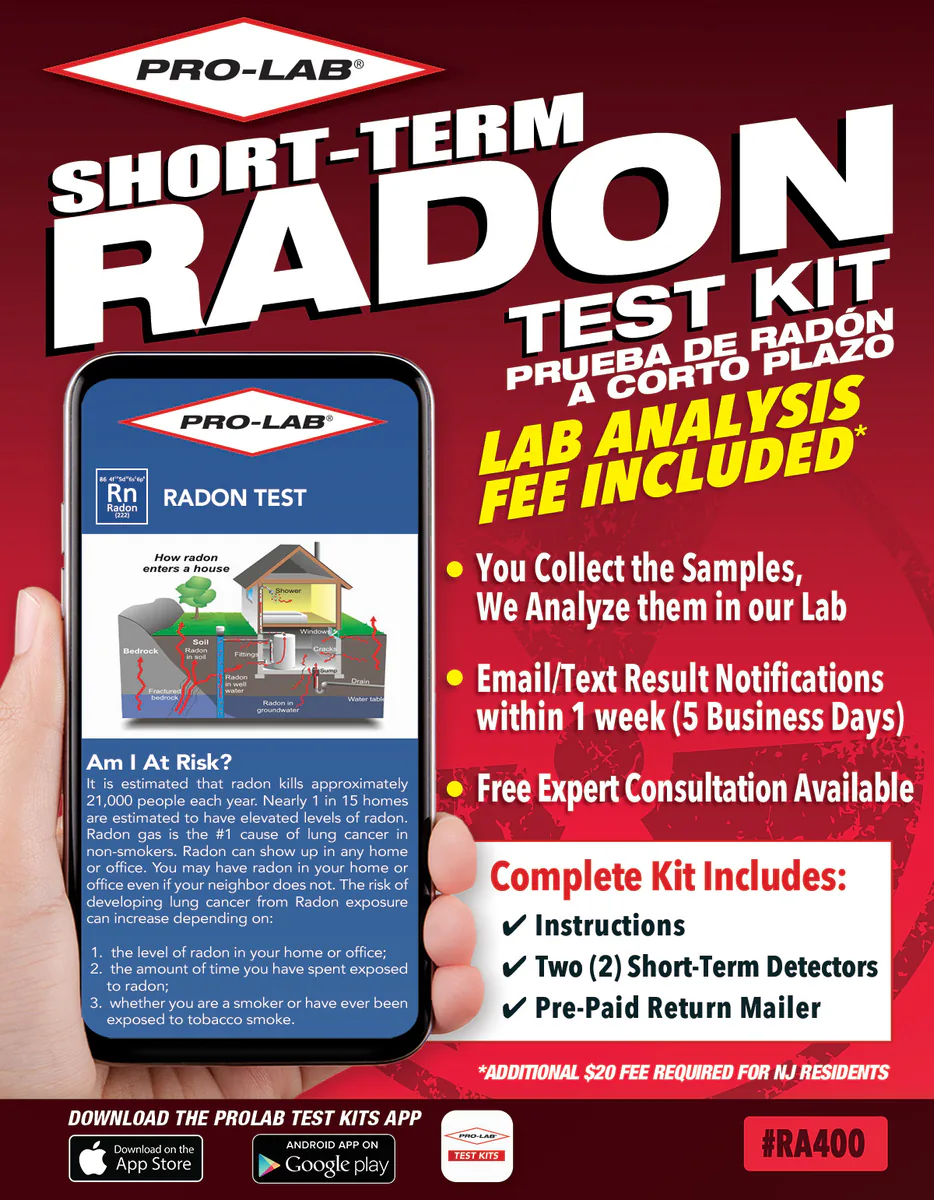
Short-term kit
Method: Liquid scintillation
In home: 48 to 96 hours
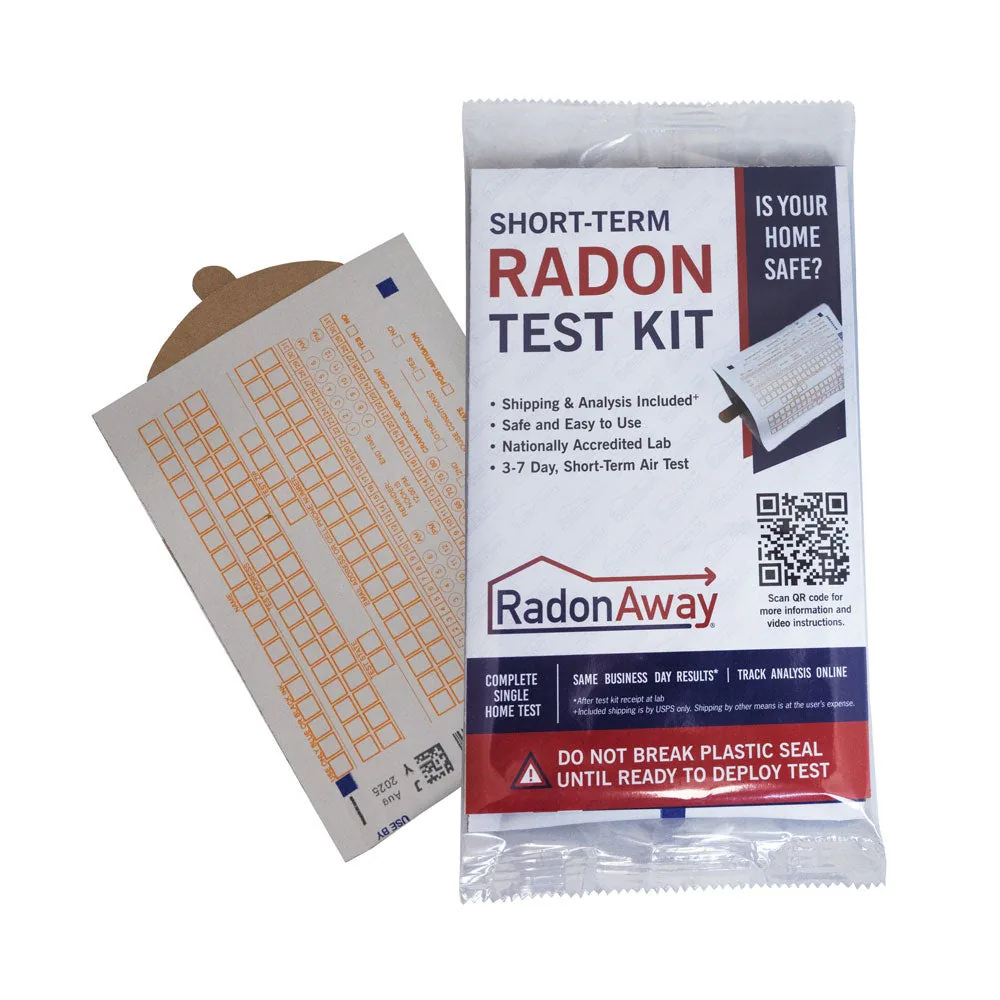
Short-term kit
In home: 72 to 168 hours
No Amazon listing on file
See details of the RadonAway Air Chek Short-TermTest kits and monitors for the retest: 1 of 42
As an Amazon Associate, Radon411 earns from qualifying purchases.
Home sale
It is better to correct a radon problem before a home goes on the market, because then there is more time to deal with it. If high levels turn up during a sale, the buyer and seller should discuss the timing and costs of radon reduction, and the purchase contract can say when mitigation will be done and who will pay for it.
A common worry has a reassuring answer: where radon problems have been fixed, home sales have not been blocked. More is in the buying a house with radon and selling a house with radon guides.
Renovations
Major renovations can change the radon level in any home, so test again when the work is done. If you plan big structural changes after a system is in, such as turning an unfinished basement into living space, ask your radon contractor whether the changes could void any warranties; if you plan a new foundation for an addition, ask what is needed to keep levels low throughout the home. After remodeling, retest in the lowest lived-in area.
Questions
A radon test gives a number, not a yes or no. If a first short-term test is at or above 4 pCi/L, confirm it with a long-term test or a second short-term test, then fix the house if the long-term result or the average of the two short-term tests is 4 pCi/L or more.
Yes. Remediation, abatement, reduction and mitigation all describe lowering a building's radon level; "radon reduction" and "mitigation" are the most common terms.
Yes. Radon reduction systems work, some reduce levels by up to 99 percent, and most homes can be brought to 2 pCi/L or below. A test after installation confirms it for your house.
Some states allow it; contact your state radon office first for guidance and training. EPA recommends a qualified contractor because a poorly built system can raise radon levels or create other hazards.
It depends on the state. Many require radon professionals to be licensed, certified or registered. Where a state does not, ask for a credential from a proficiency program such as NRPP or NRSB.
The total cost with taxes and permits, the schedule, permits and code compliance, insurance and bonding, responsibility for damage and cleanup, any radon-level guarantee, hardware warranties, whether they transfer on sale, and what you need to do before work starts.
It can, but it is a potential conflict of interest, and some states require a signed waiver. Either way, have an independent test done after the system is installed.
No sooner than 24 hours after the system starts running, and within 30 days of installation, using a two- to seven-day test with windows and doors closed.
Yes. It is generally cheaper to install a system before or during a renovation than after, so test before finishing a basement if you can.
More ventilation and sealing cracks help as interim steps; test again afterwards. Opened windows only help while they are open: radon most often returns to previous levels within about 12 hours of closing them.
That is for the buyer and seller to settle: discuss timing and costs, and write into the contract when mitigation will happen and who will pay.
Some states offer it, depending on household income, location and funding. Ask your state radon office.
No. Soil suction treats soil gas. If you have a private well, test the water separately and see radon in water for the treatment systems.