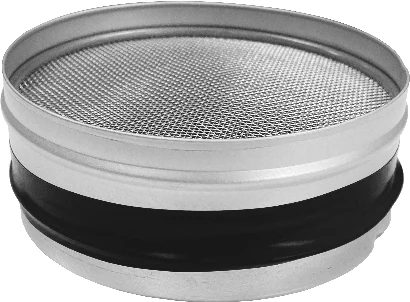
Short-term kit
PicoCan short-term charcoal canister radon test
- Lab fee included
Method: Charcoal
In home: 48 to 96 hours
No Amazon listing on file
See details of the AccuStar PicoCanA radon test kit is a passive device that sits in your home for a set time and is then mailed to a laboratory, which reports your average radon level. Use a short-term kit first for a quick answer, then a long-term kit or a second short-term kit to confirm a high result.
Short-term kit
Method: Charcoal
In home: 48 to 96 hours
No Amazon listing on file
See details of the AccuStar PicoCan
Short-term kit
Method: Charcoal
In home: 2 to 7 days

Short-term kitempowerDX
Method: Passive sampler
In home: 48 to 96 hours
Short-term kitFirst Alert
Method: Charcoal
In home: 2 to 4 days
Short-term kitKidde
Method: Charcoal
In home: 3 days
No Amazon listing on file
See details of the Kidde 442020
Short-term kit
Method: Liquid scintillation
In home: 48 to 96 hours
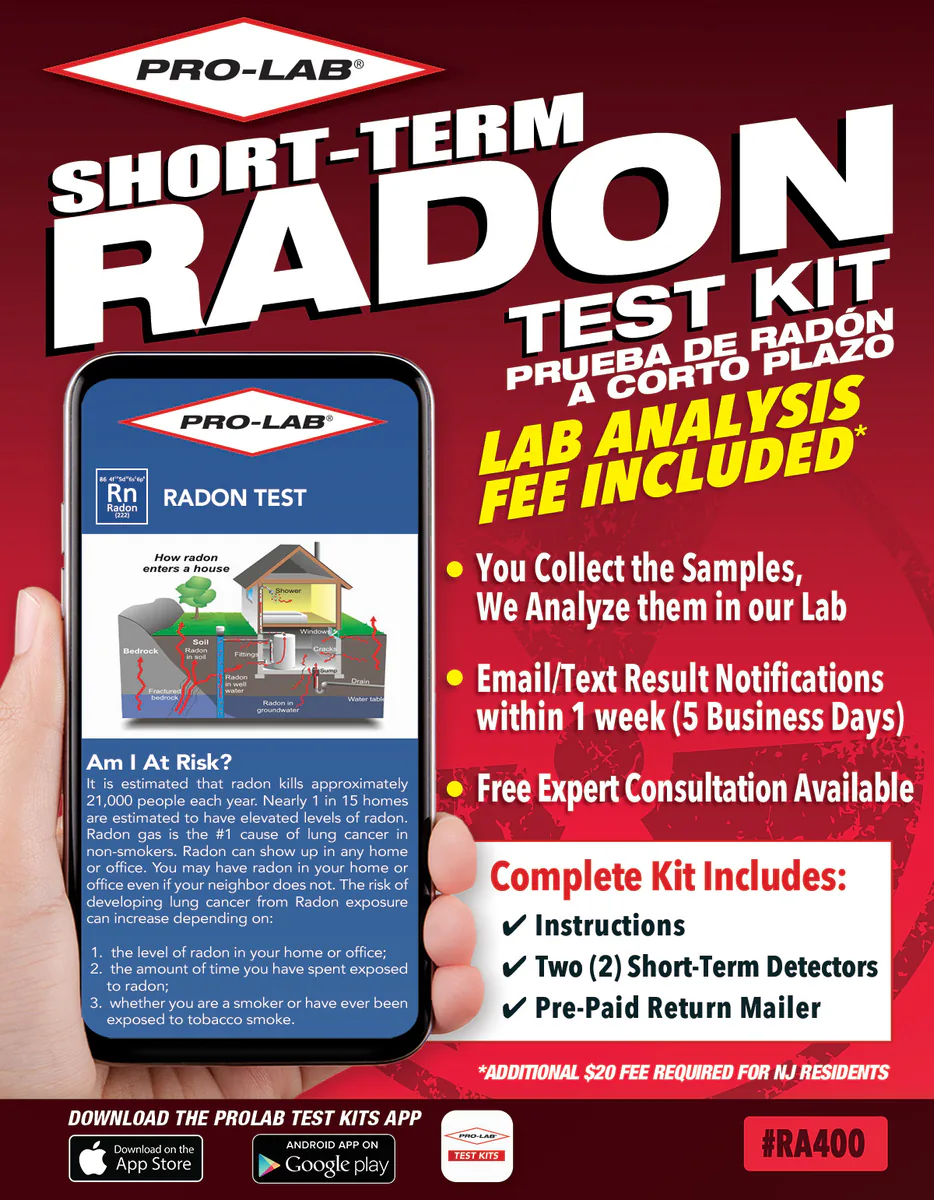
Short-term kit
Method: Liquid scintillation
In home: 48 to 96 hours
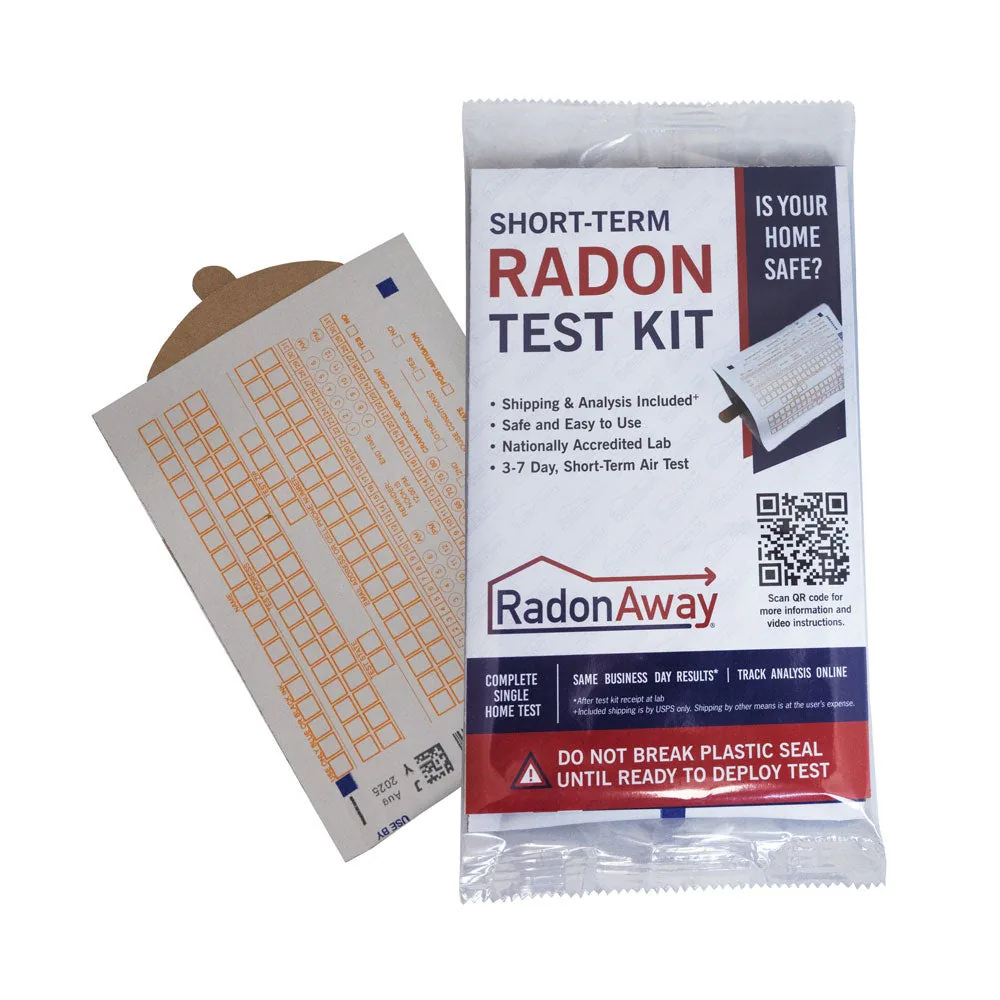
Short-term kit
In home: 72 to 168 hours
No Amazon listing on file
See details of the RadonAway Air Chek Short-Term
Long-term kit
Method: Alpha track
In home: 90 days to 12 months

Long-term kit
Method: Alpha track
In home: 90 days to 12 months
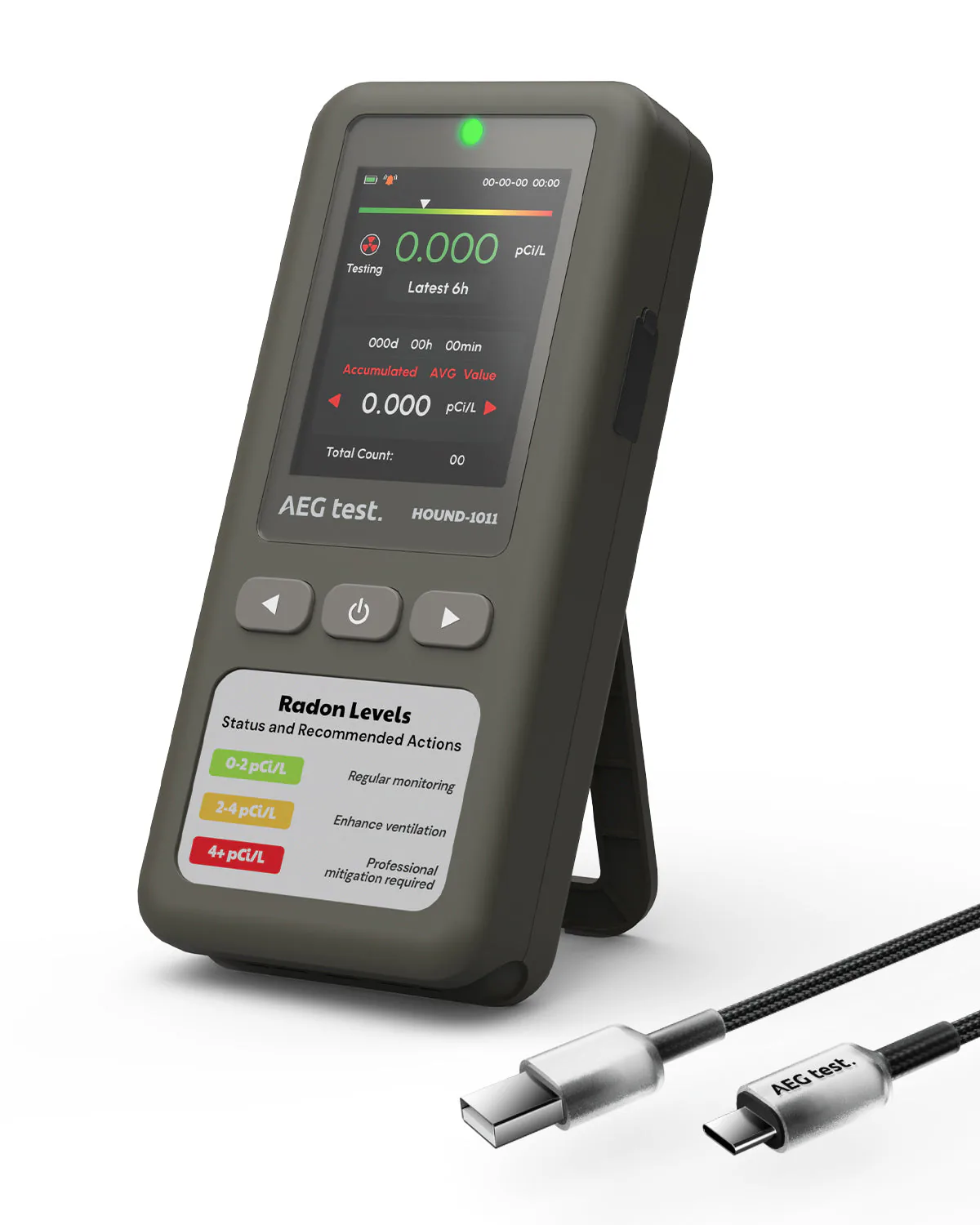
MonitorAEGTEST
Method: Semiconductor sensor
First reading: Within 6 hours
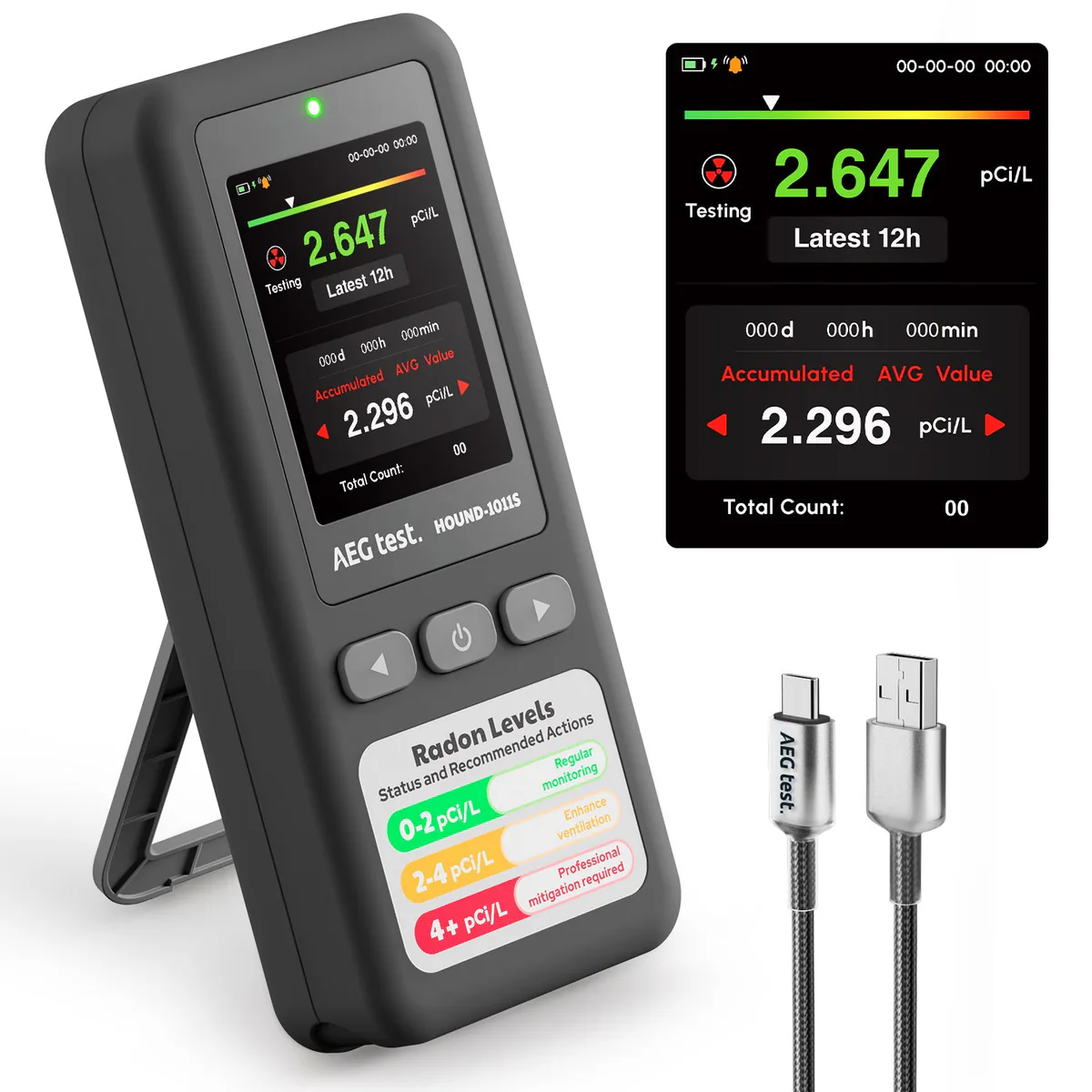
MonitorAEGTEST
Method: Semiconductor sensor
First reading: Within 12 hours
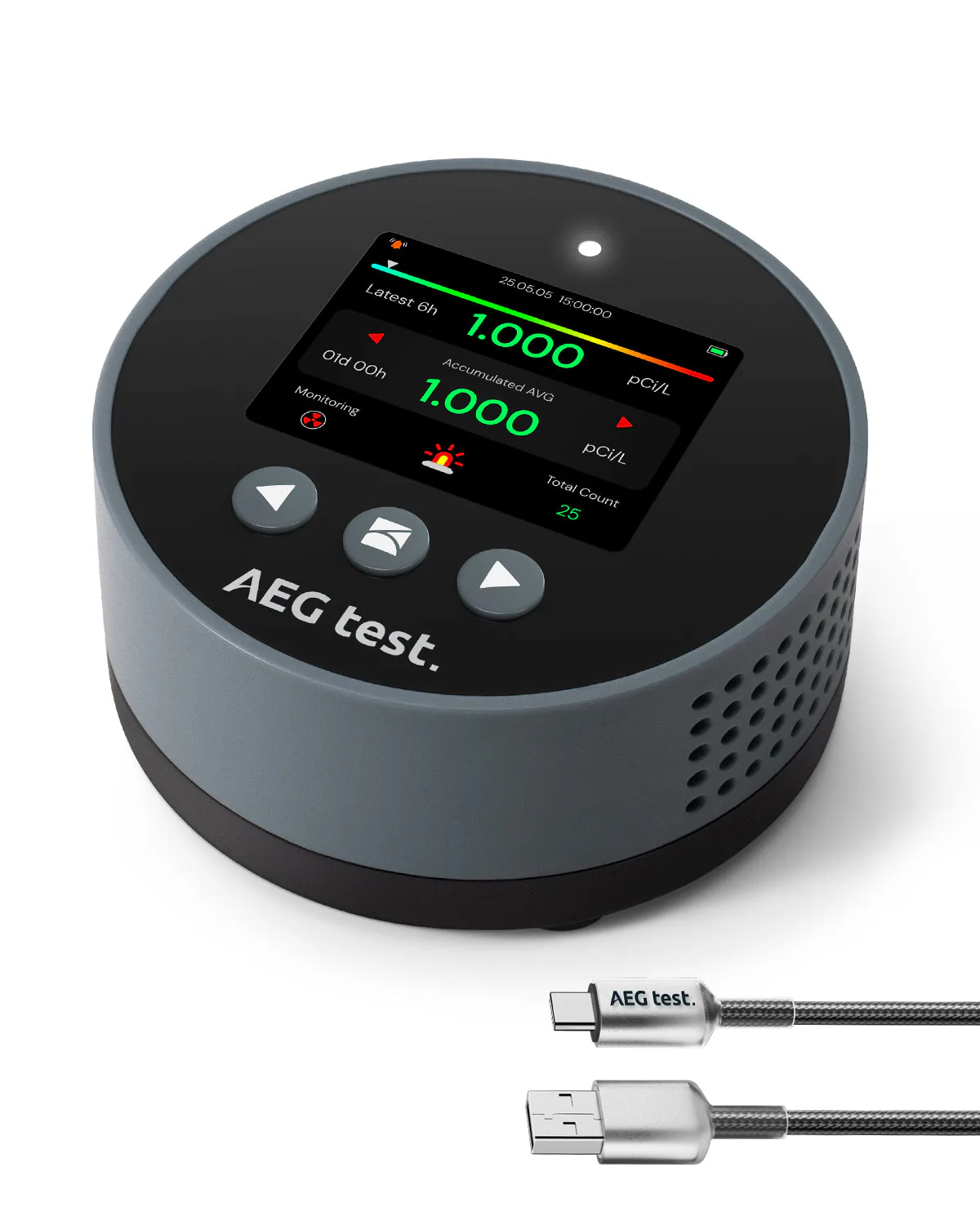
MonitorAEGTEST
Method: Semiconductor sensor
First reading: Within 6 hours
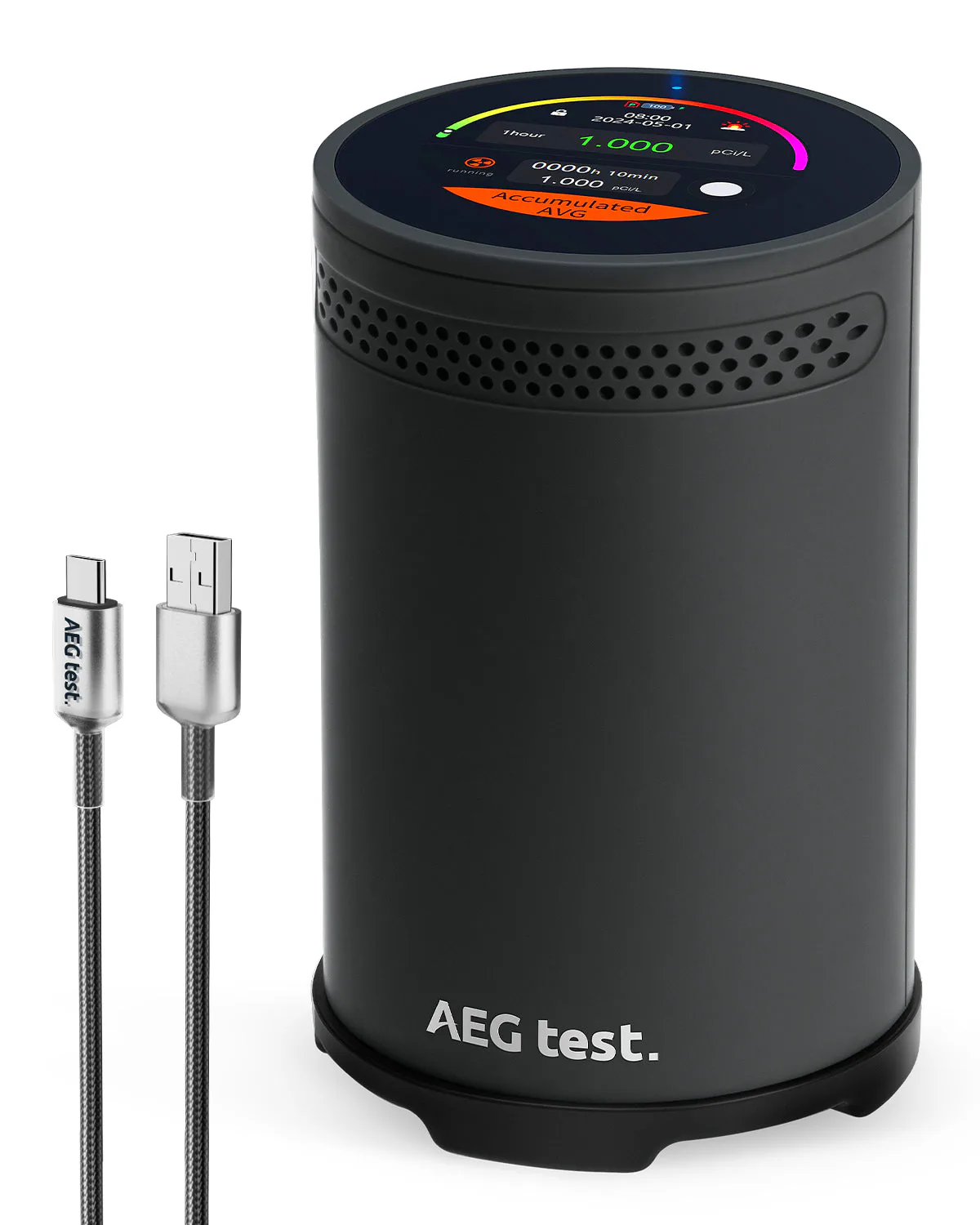
MonitorAEGTEST
First reading: Within 1 hour
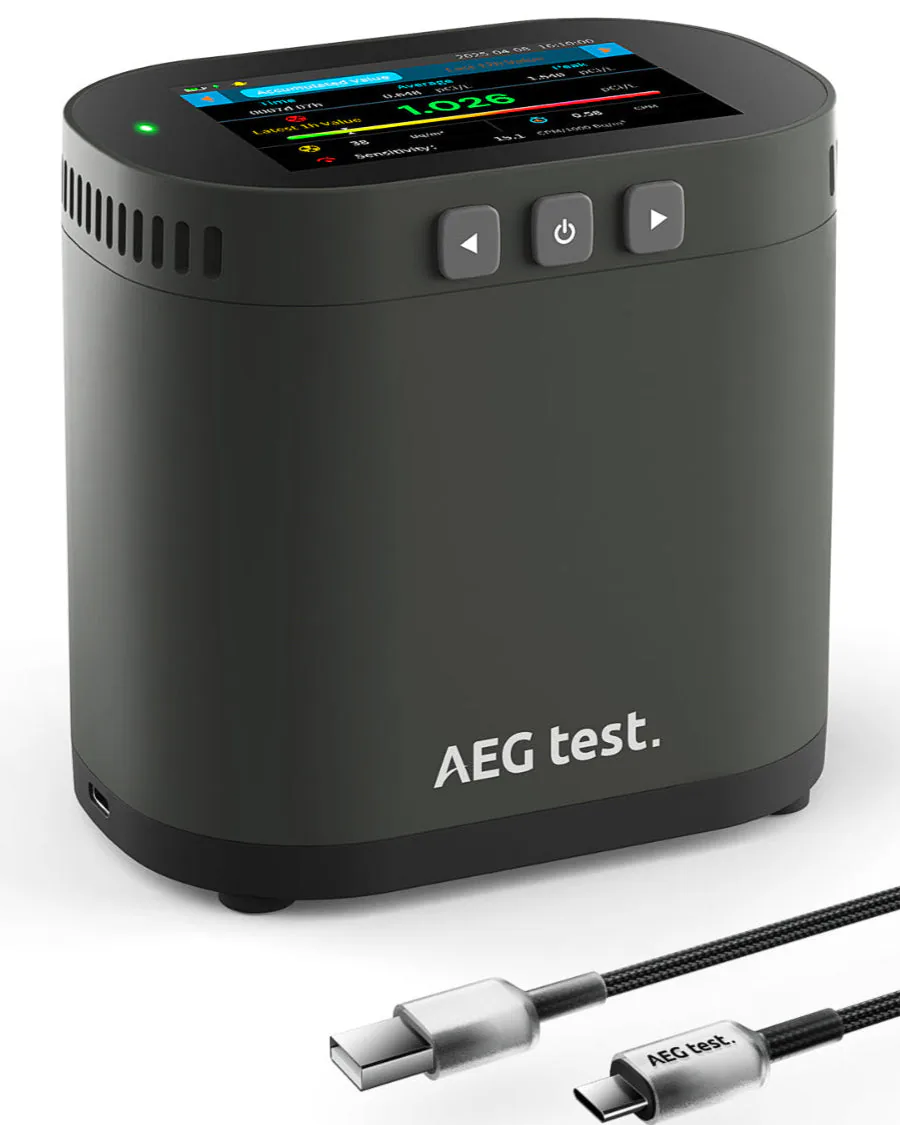
MonitorAEGTEST
Method: Ion chamber
First reading: Within 10 minutes
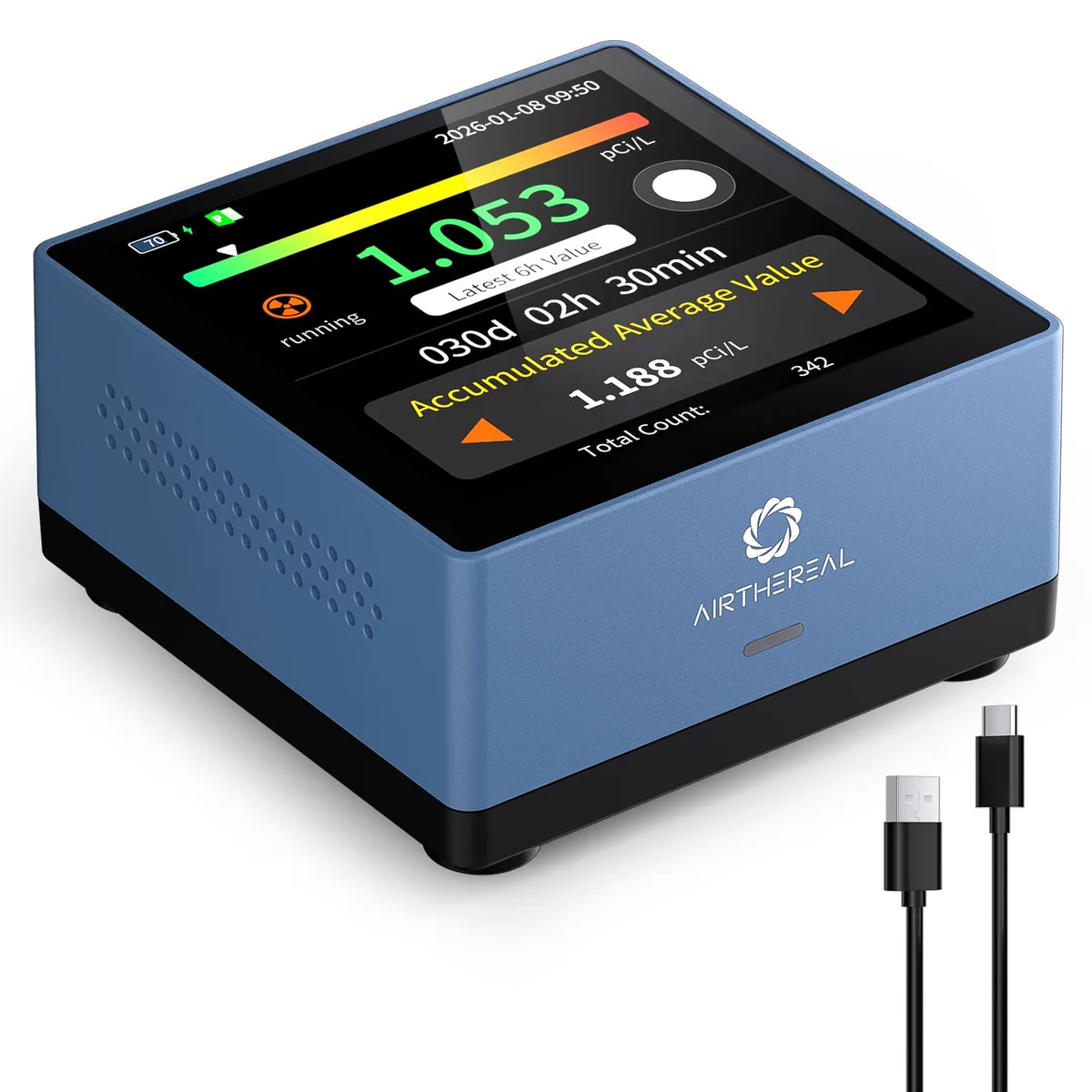
Monitor
Method: Semiconductor sensor
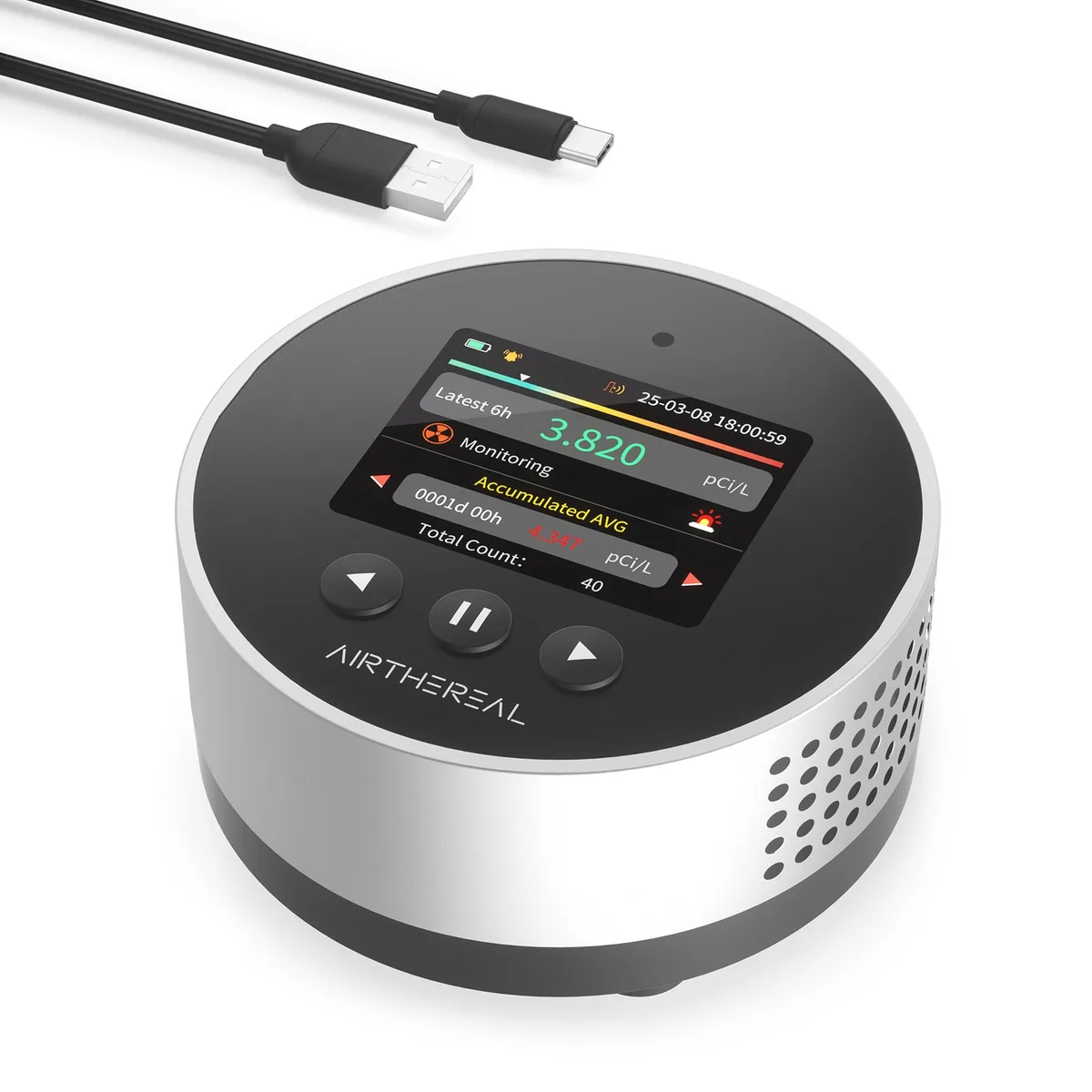
Monitor
Method: Semiconductor sensor
First reading: Within 6 hours
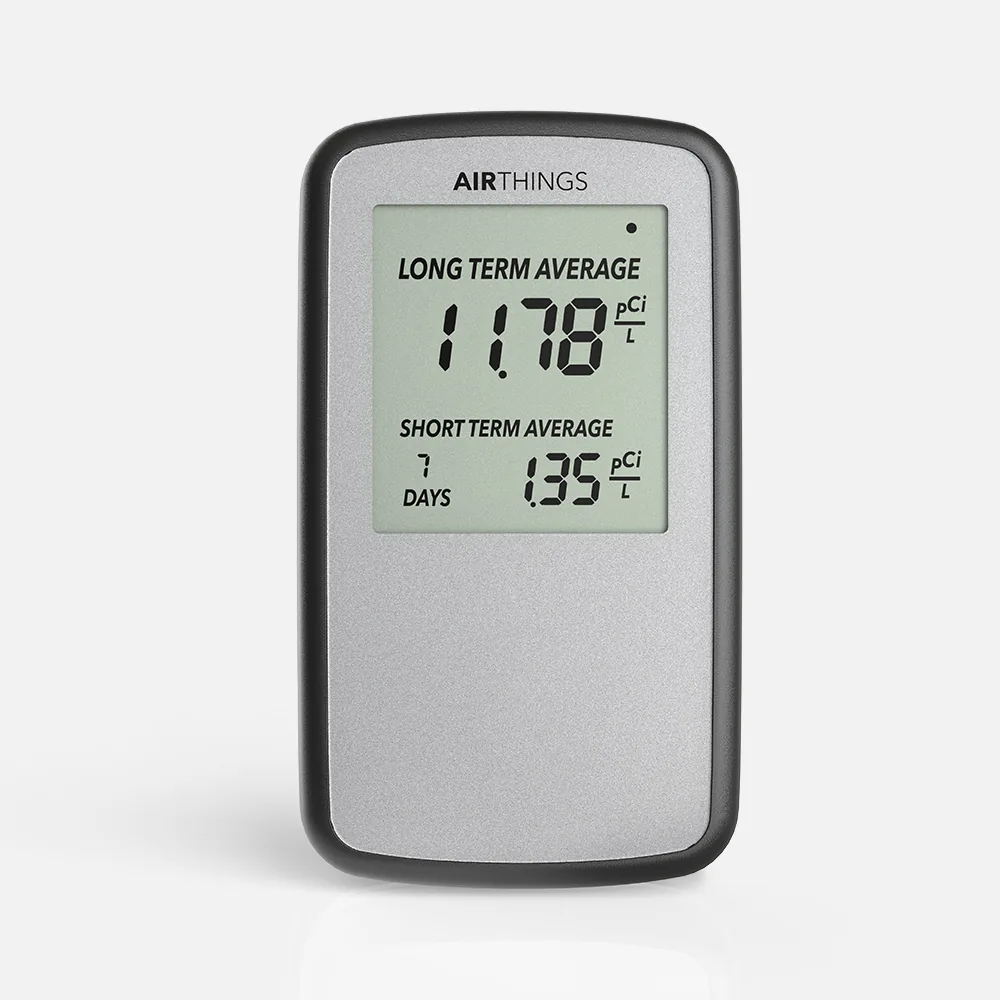
Monitor
Method: Alpha spectrometry
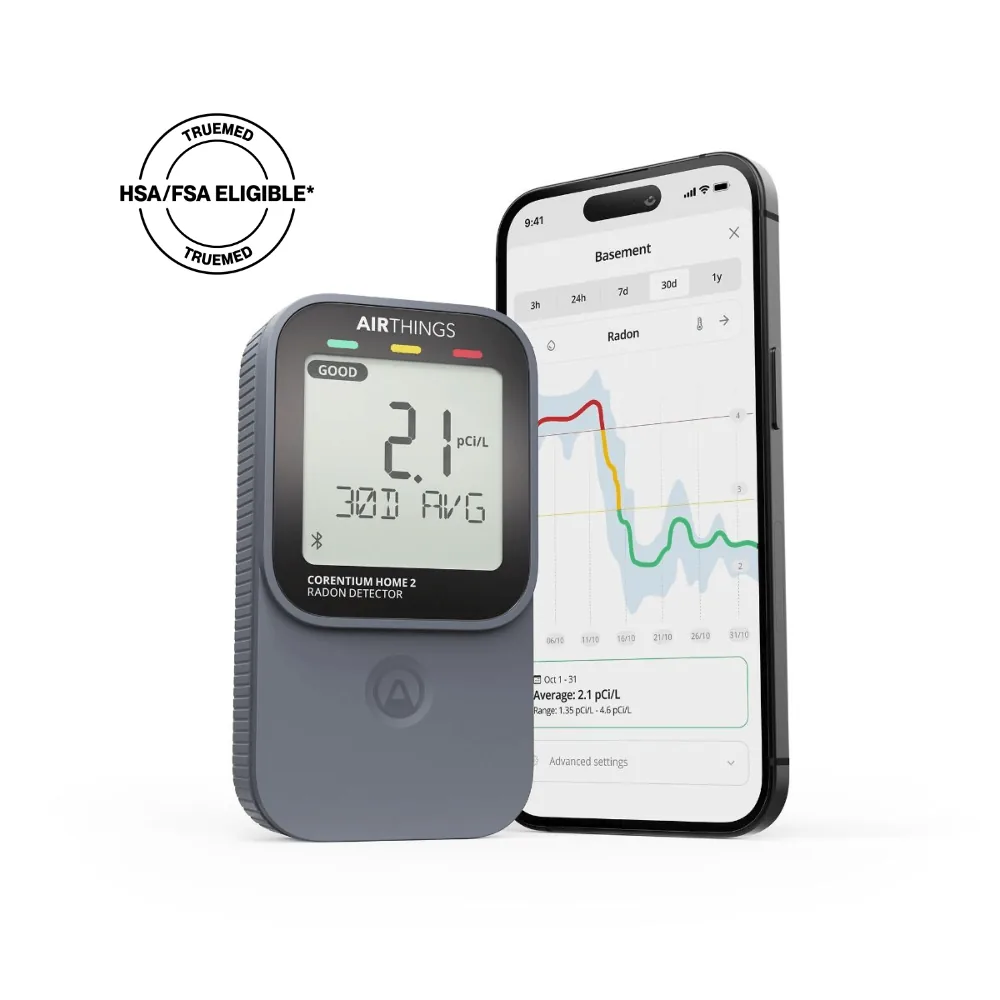
Monitor
Method: Alpha spectrometry
Readings: Every 60 minutes
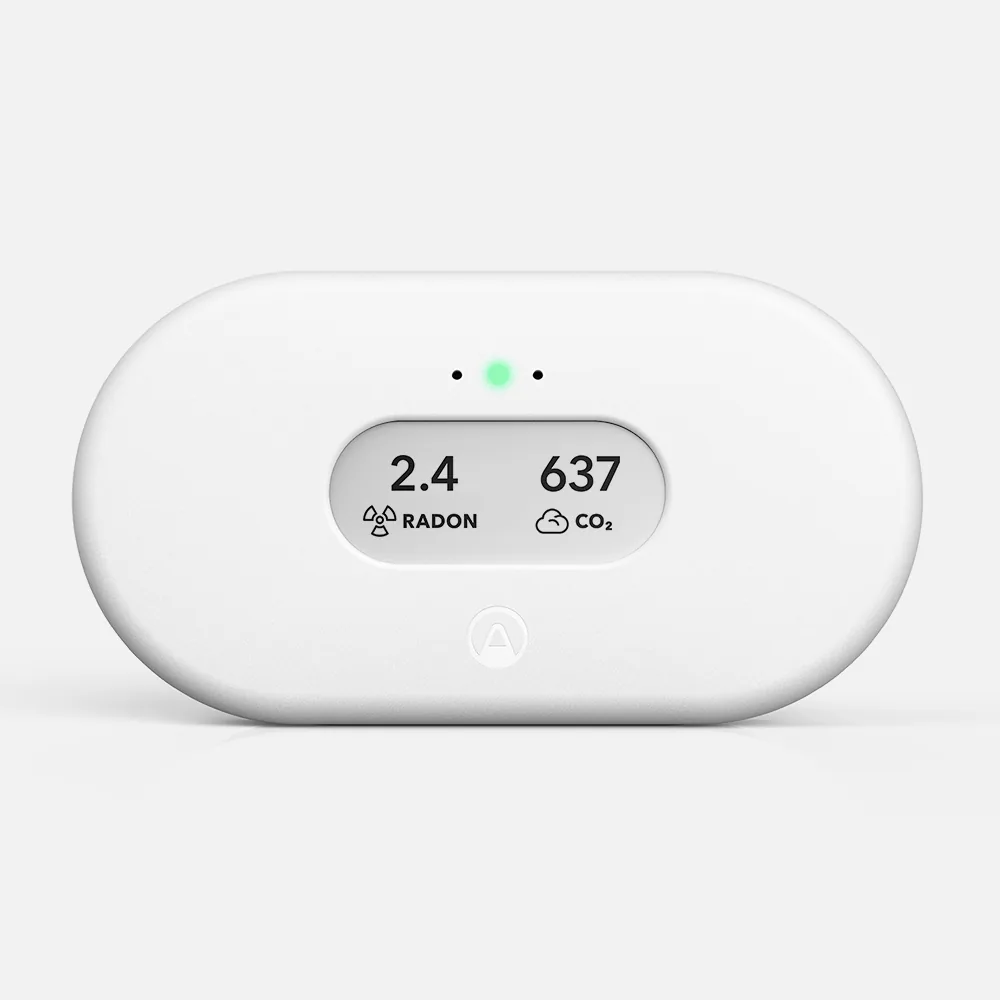
Monitor
Method: Alpha spectrometry
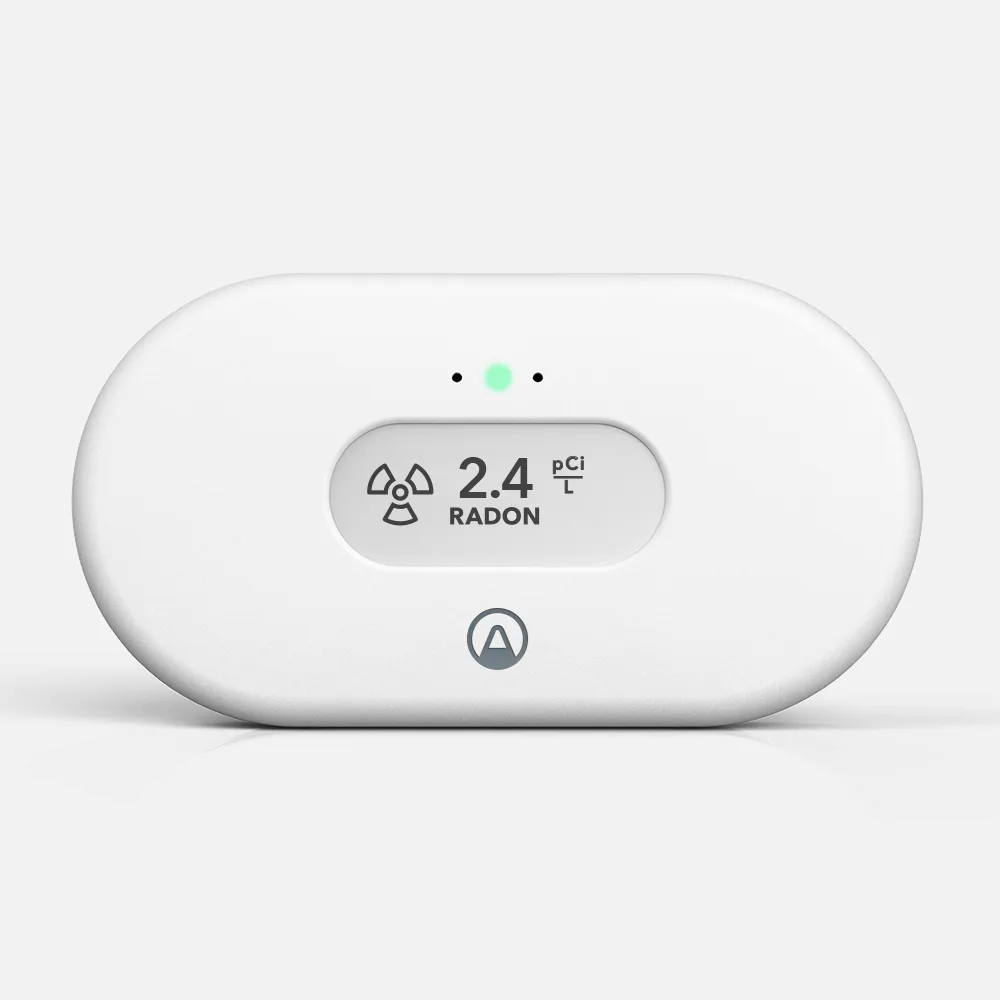
Monitor
Method: Alpha spectrometry
Readings: Every 60 minutes
Monitor
Method: Alpha spectrometry
Monitor
Method: Alpha spectrometry
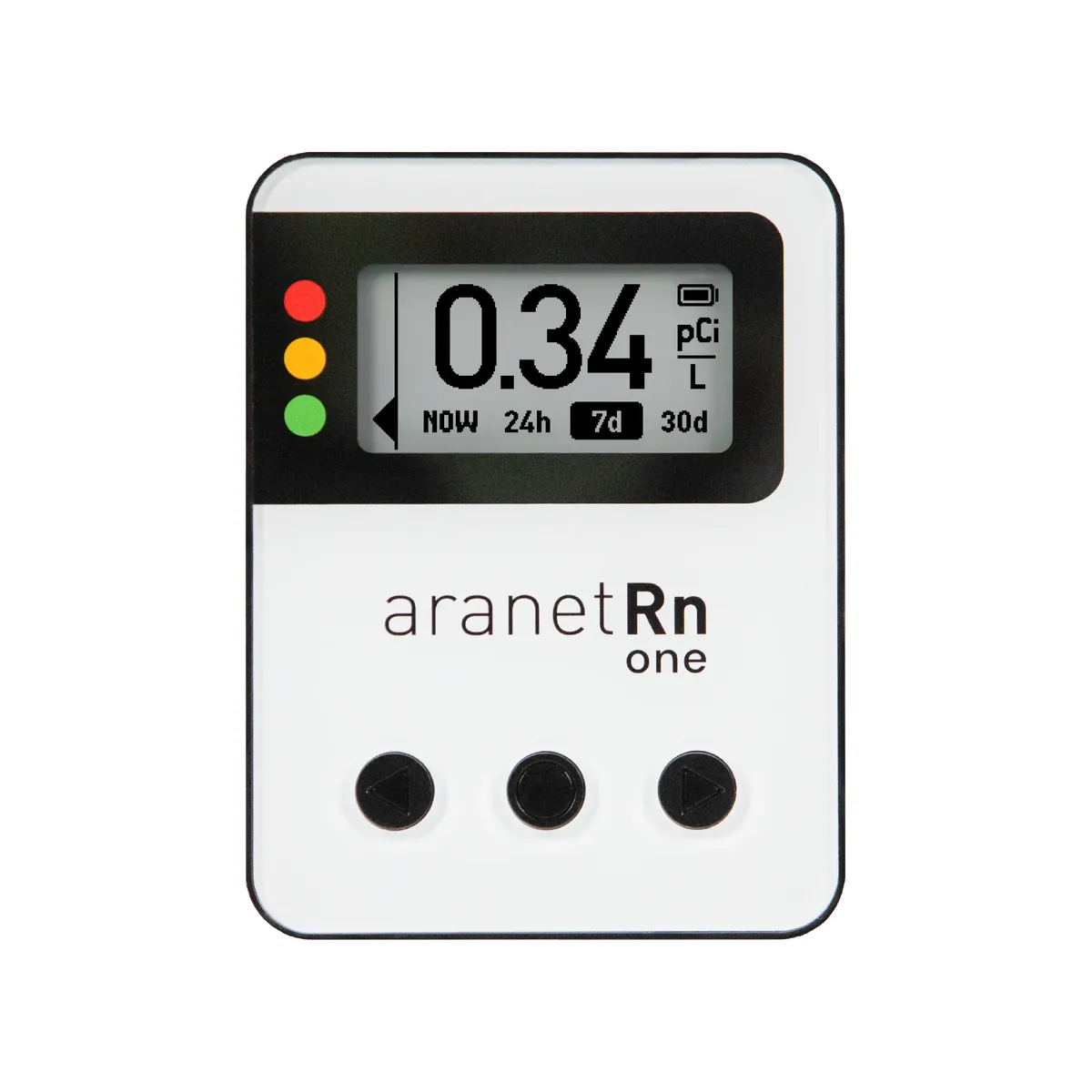
MonitorAranet
Method: Ion chamber
First reading: Within 10 minutes
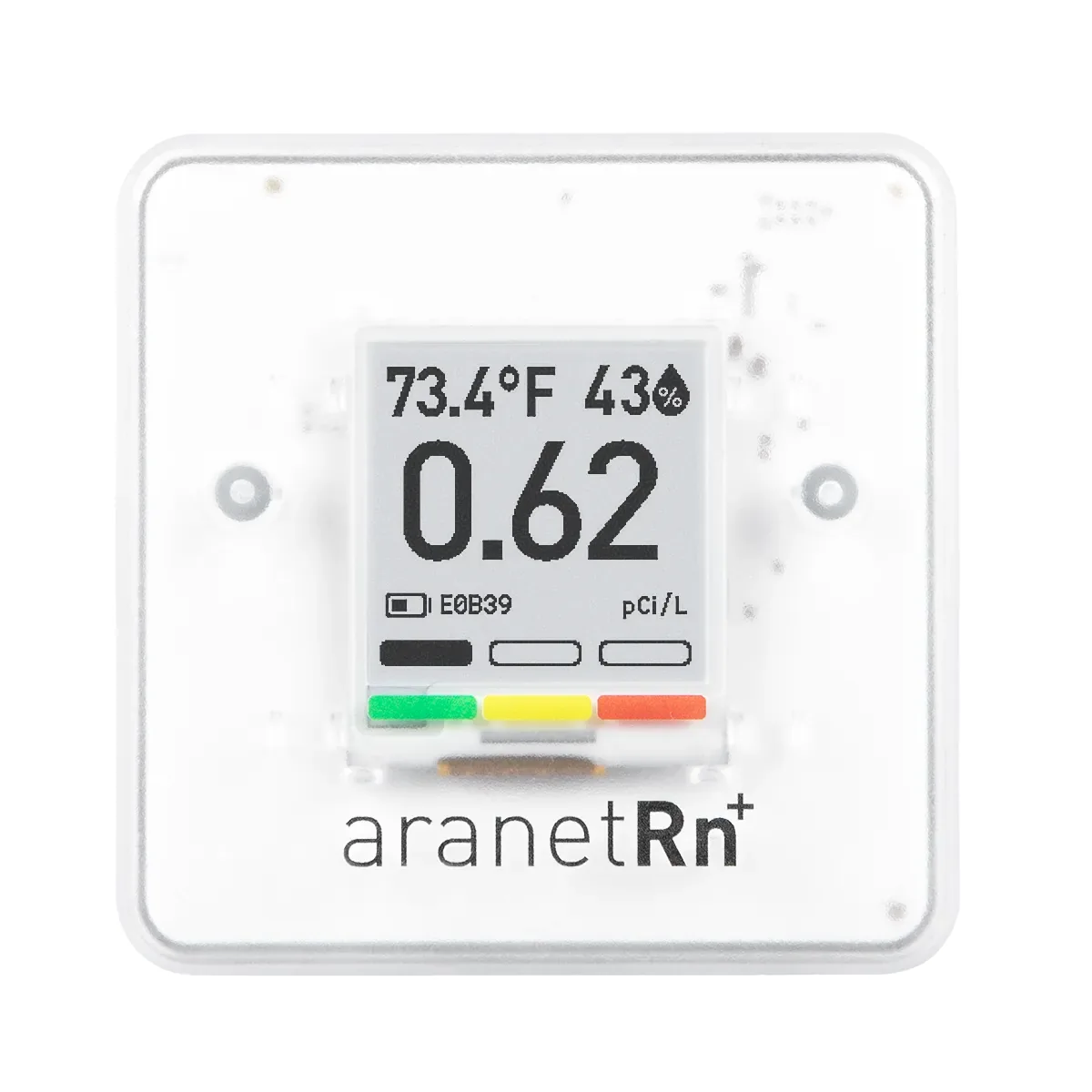
MonitorAranet
Method: Ion chamber
First reading: Within 10 minutes
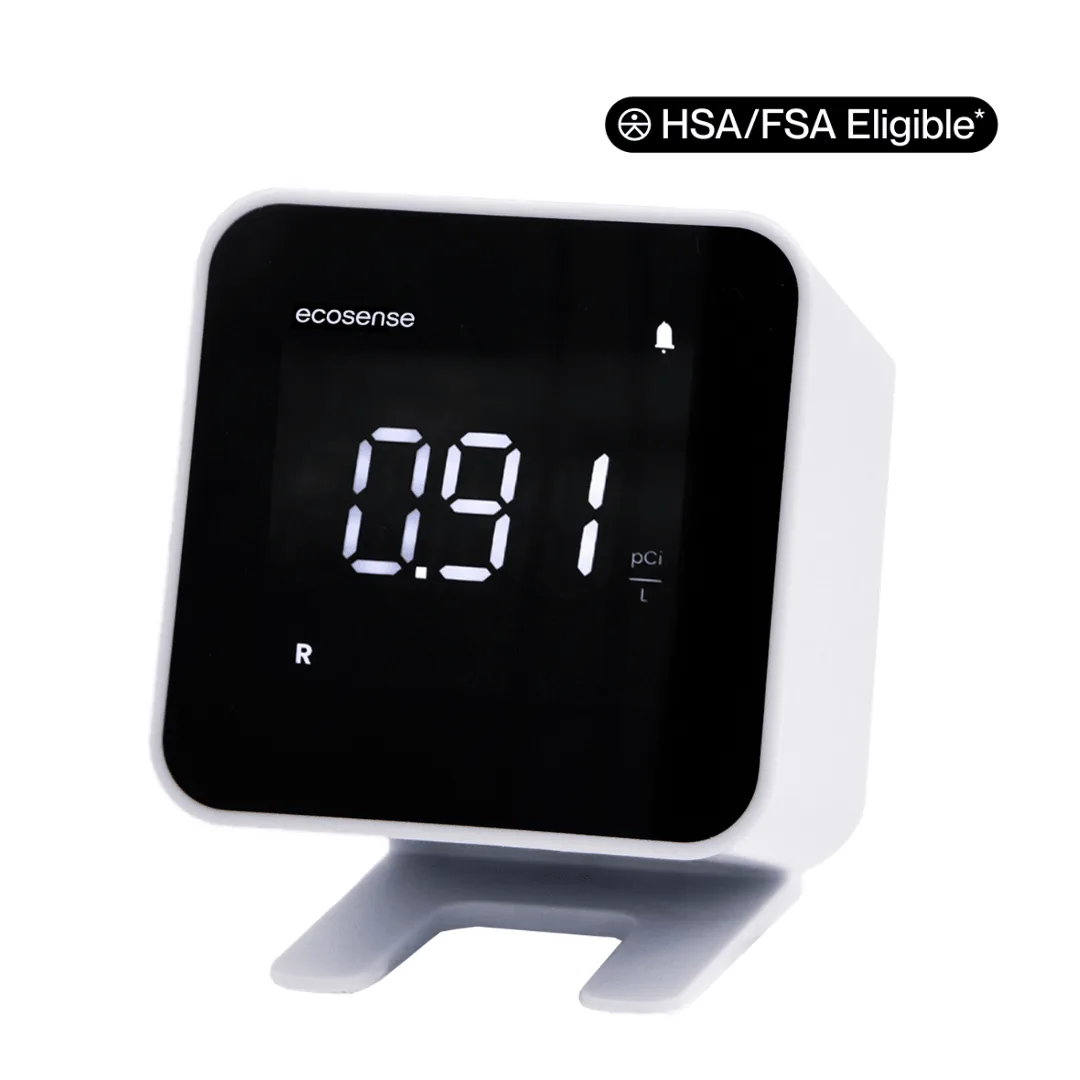
Monitor
Method: Ion chamber
First reading: Within 10 minutes
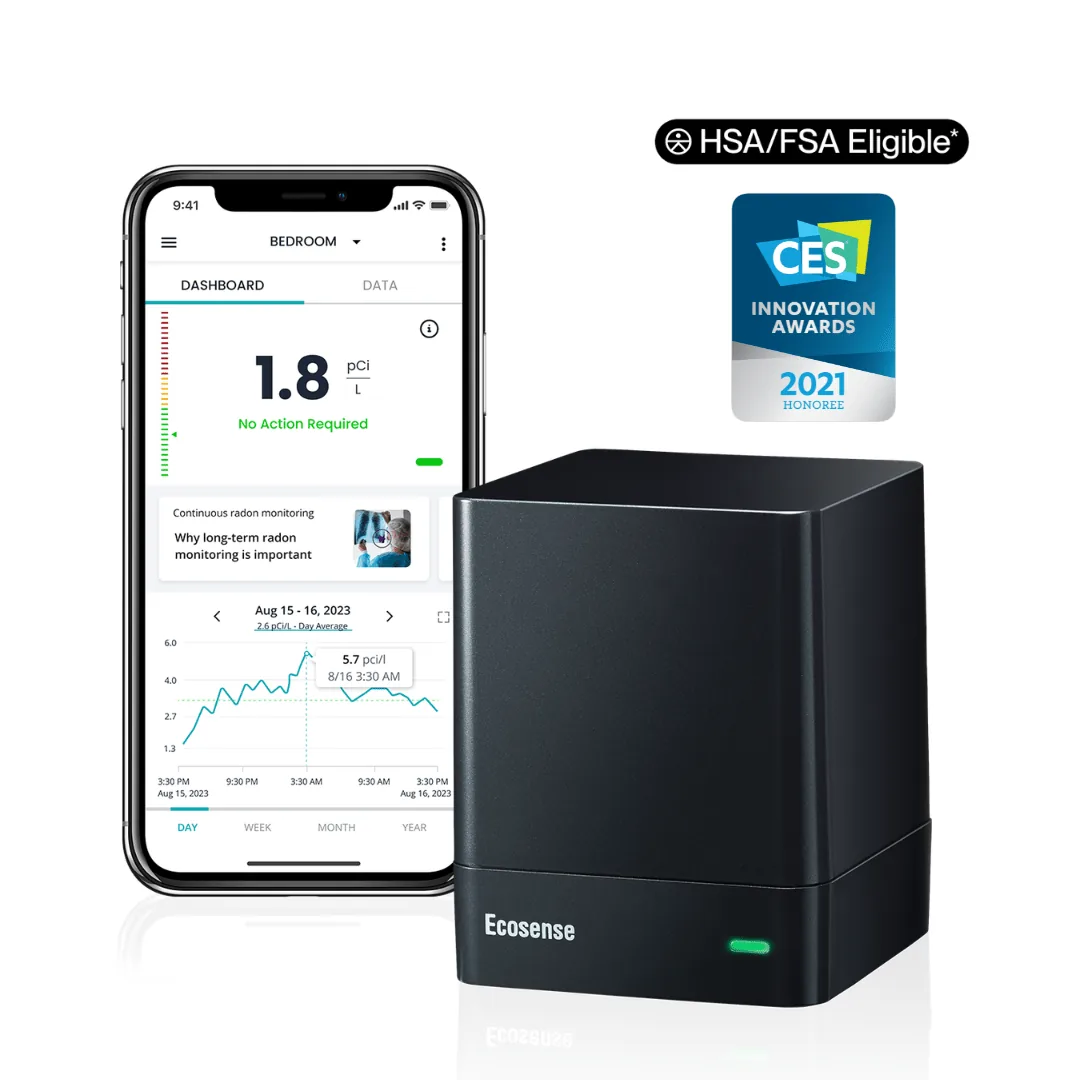
Monitor
Method: Ion chamber
First reading: Within 10 minutes
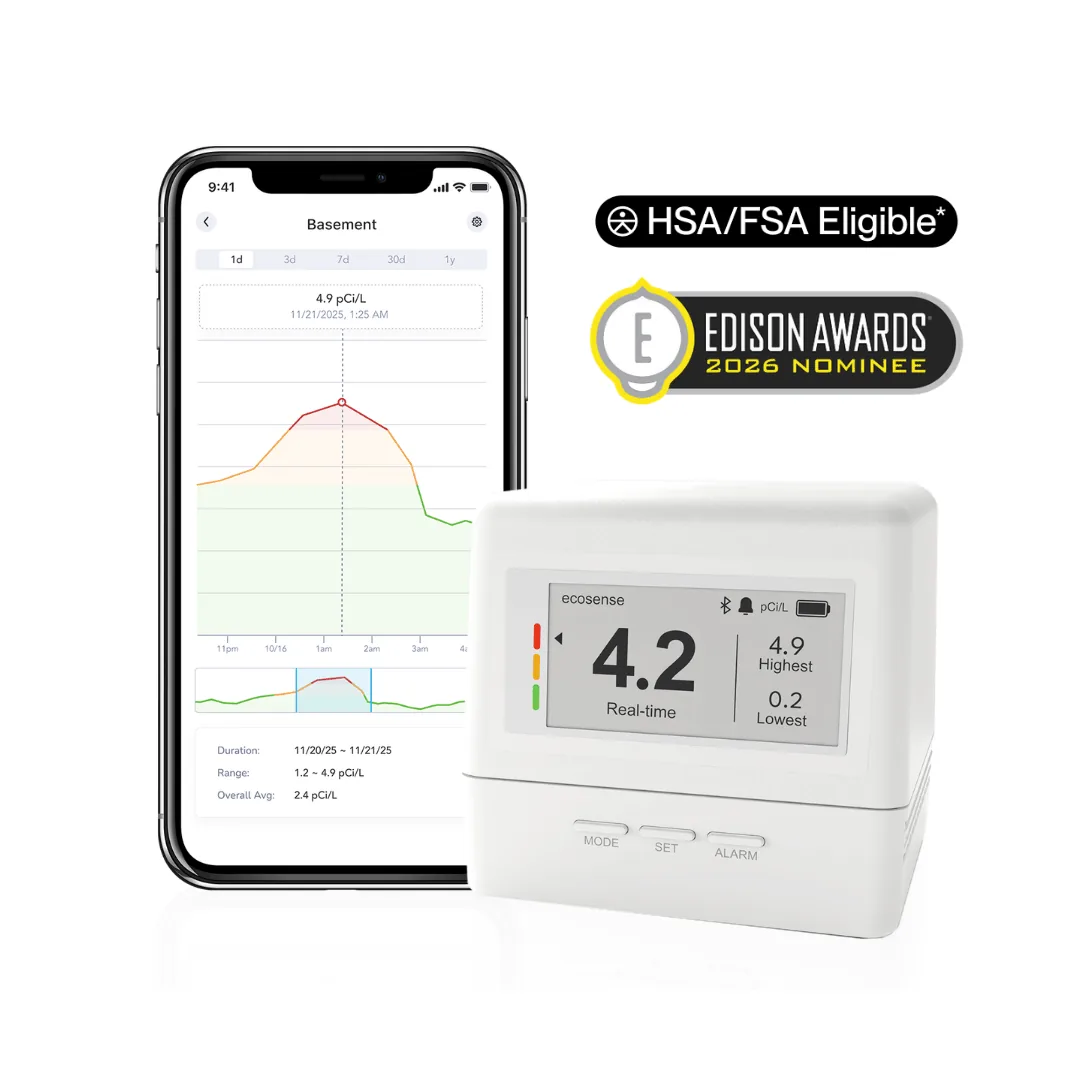
Monitor
Method: Ion chamber
First reading: Within 15 minutes
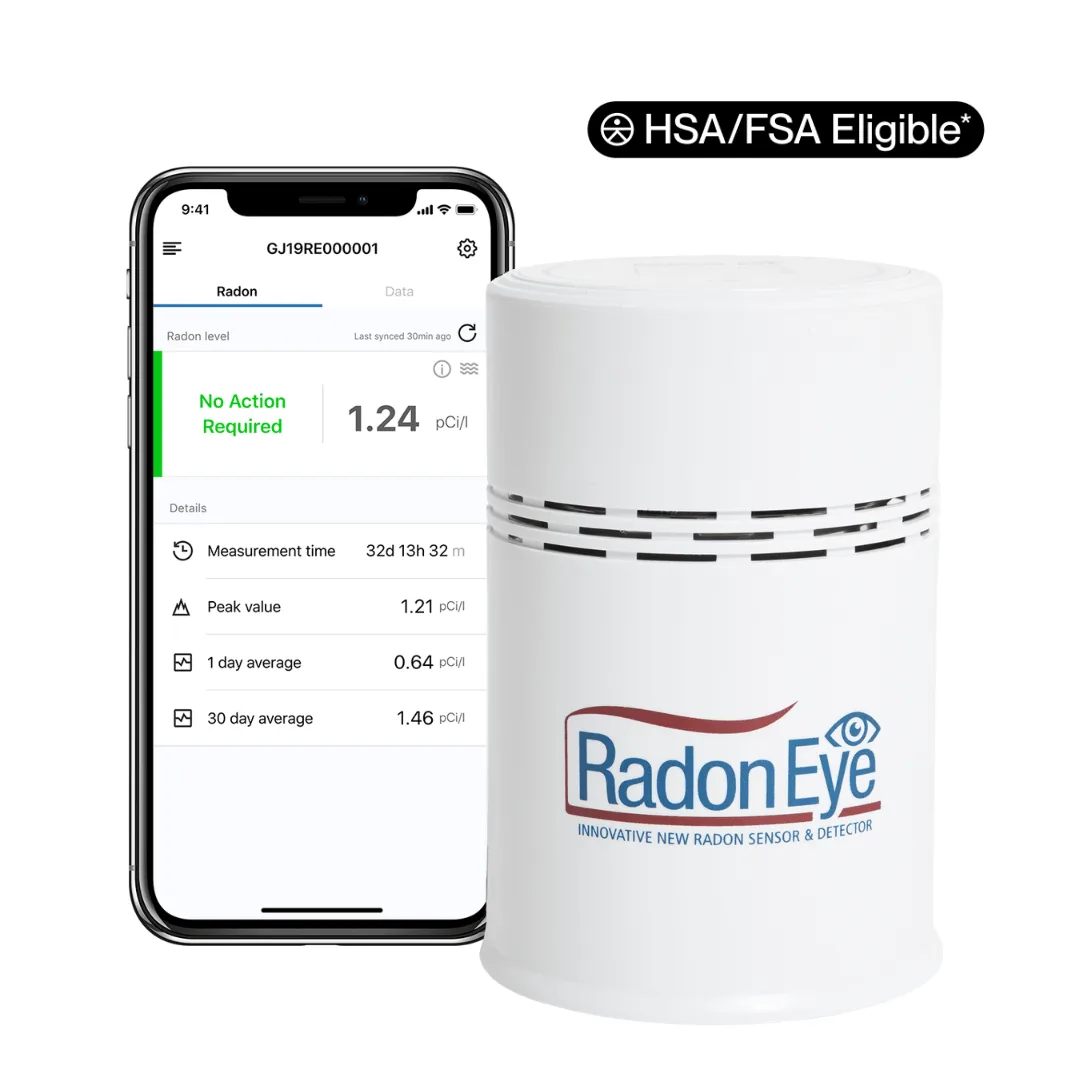
Monitor
Method: Ion chamber
First reading: Within 10 minutes
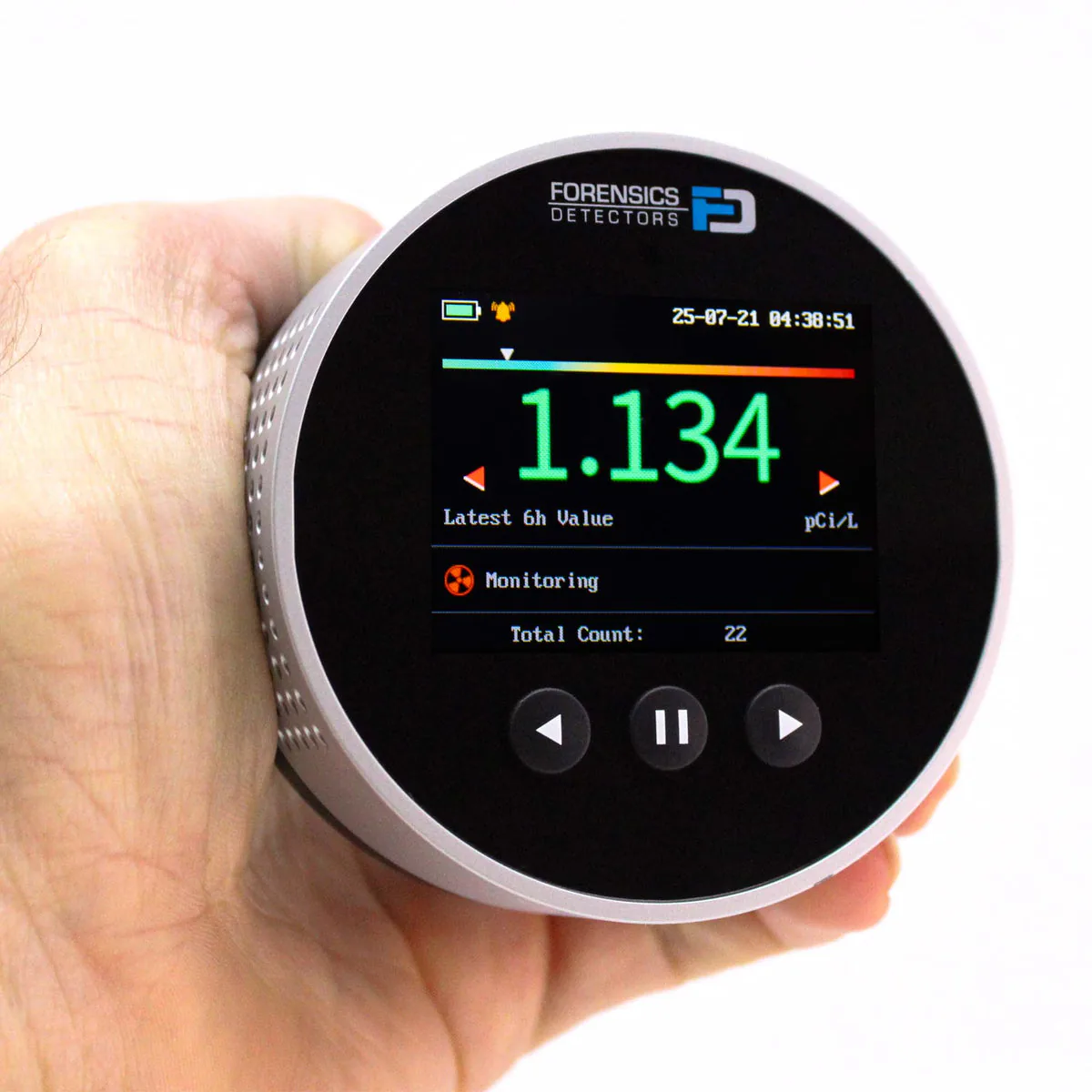
MonitorForensics Detectors
Method: Semiconductor sensor
First reading: Within 6 hours
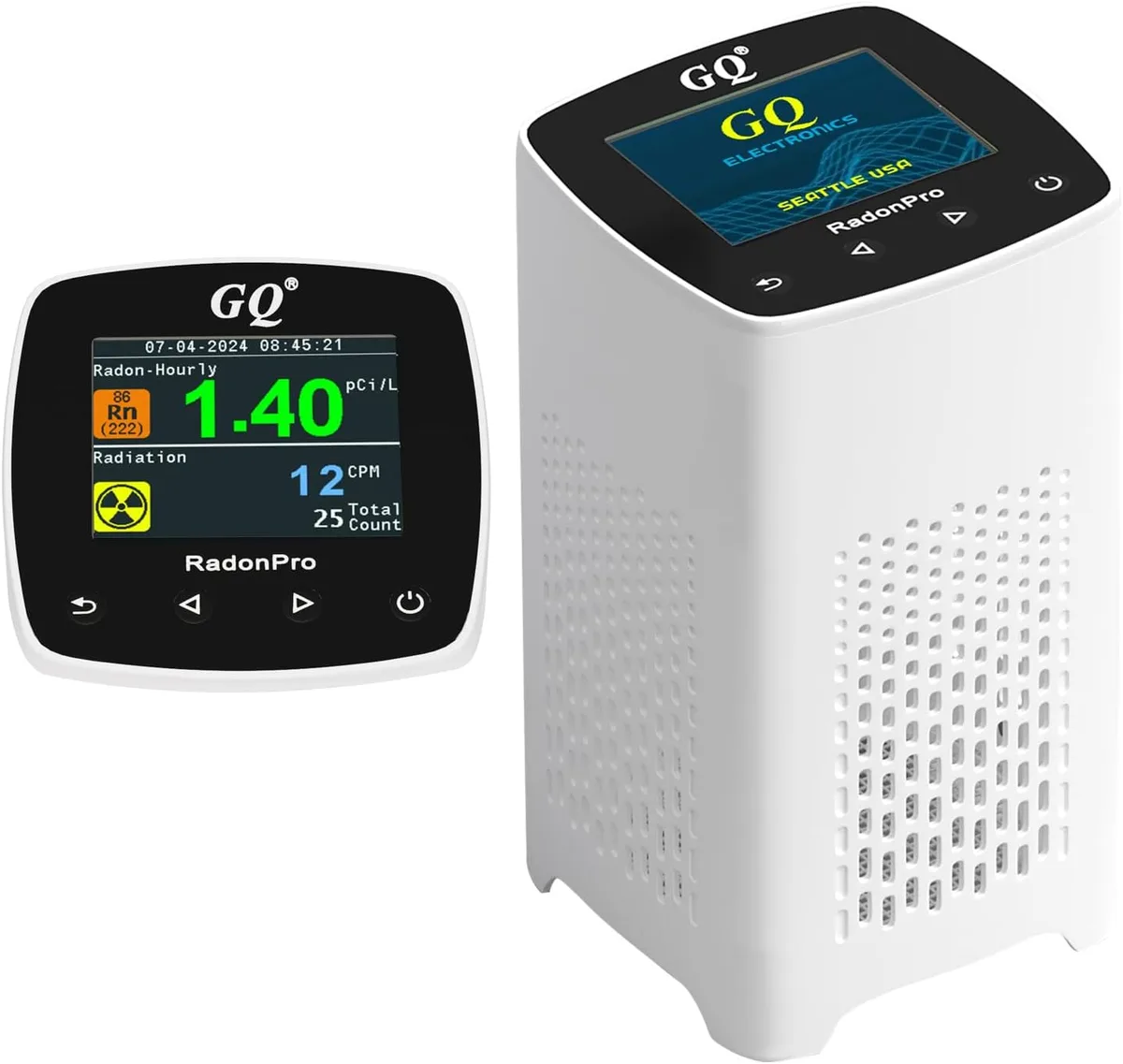
Monitor
First reading: Within 5 minutes
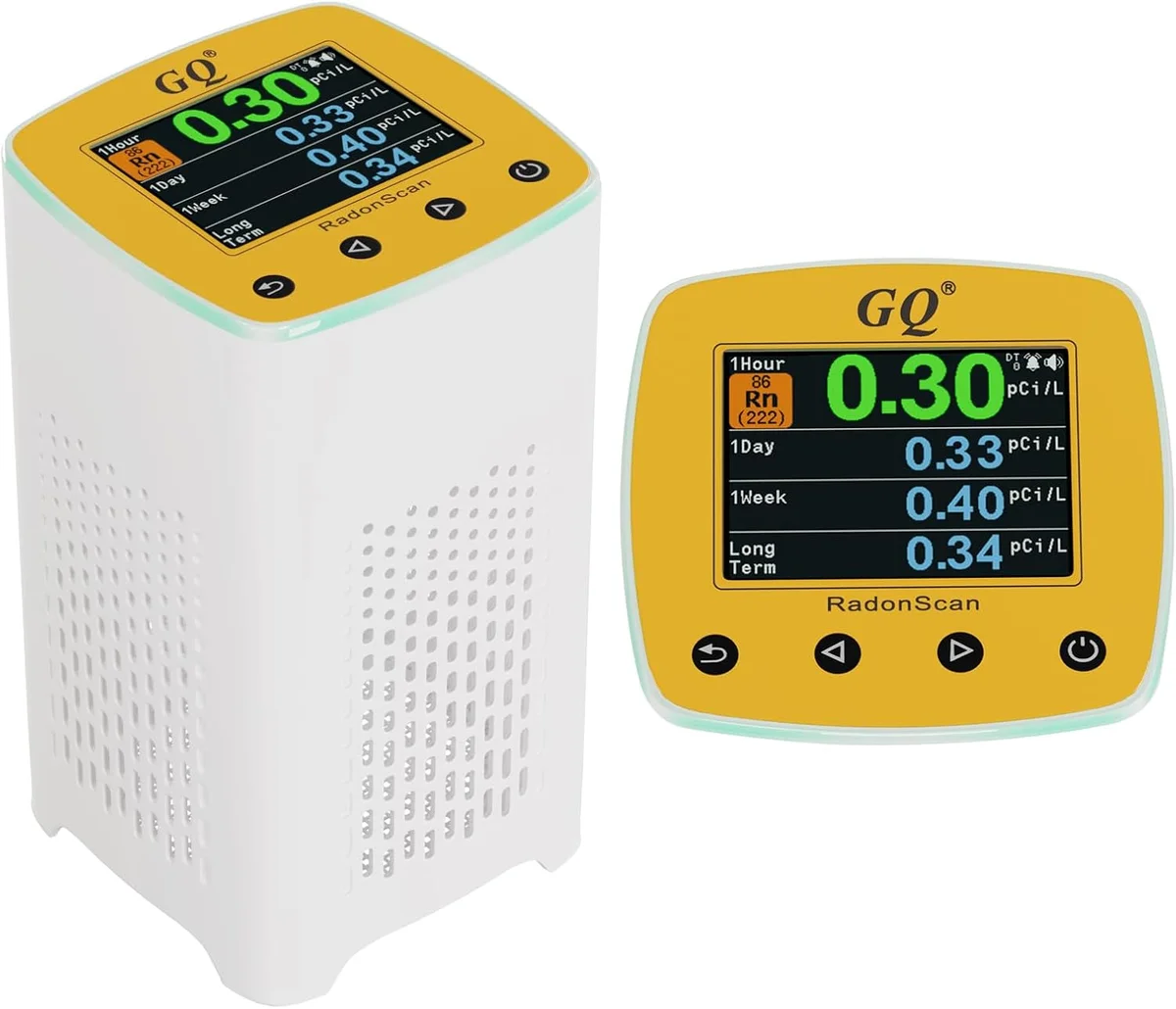
Monitor
First reading: Within 5 minutes
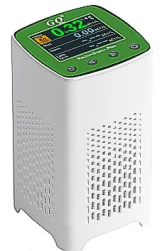
Monitor
First reading: Within 5 minutes
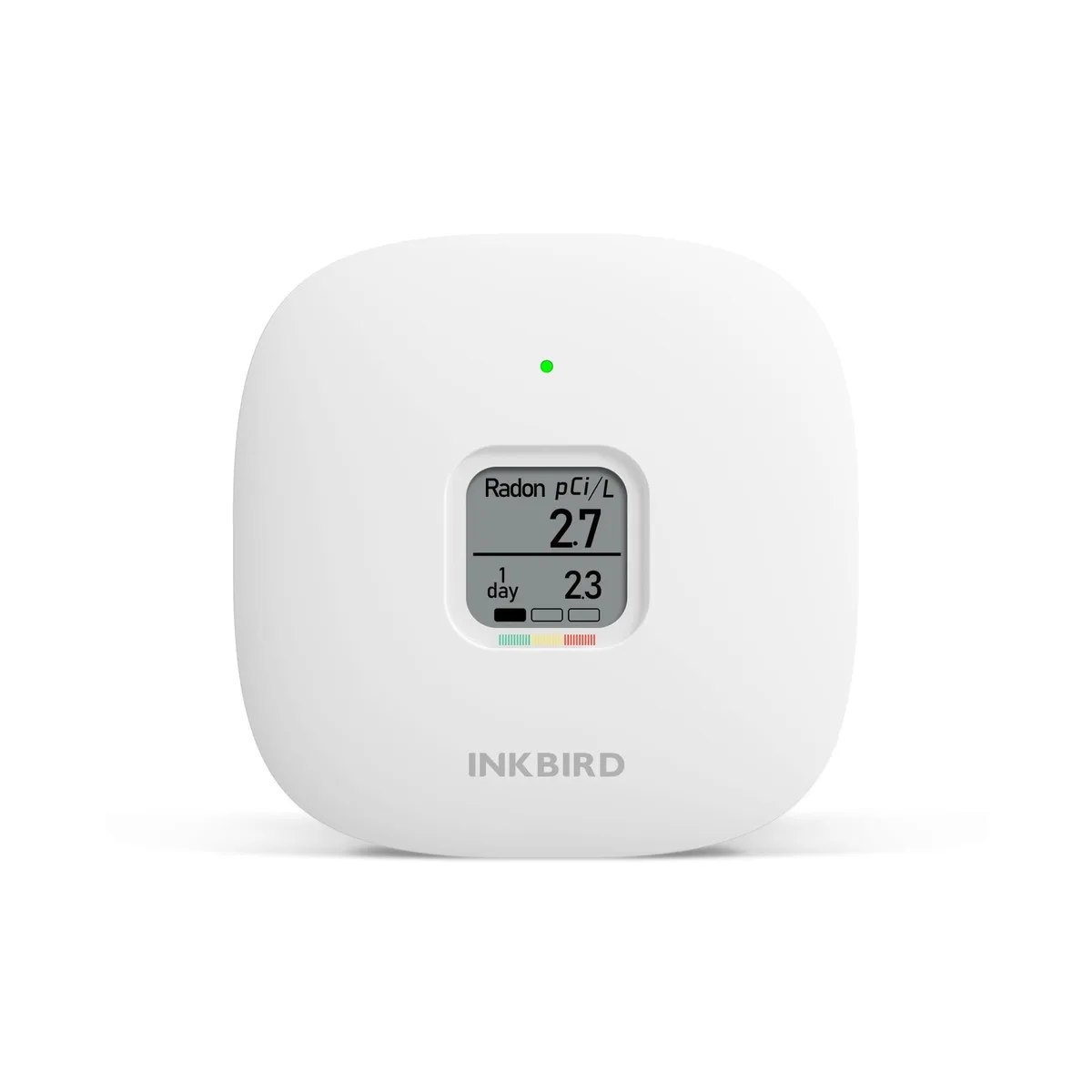
MonitorINKBIRD
First reading: Within 24 hours
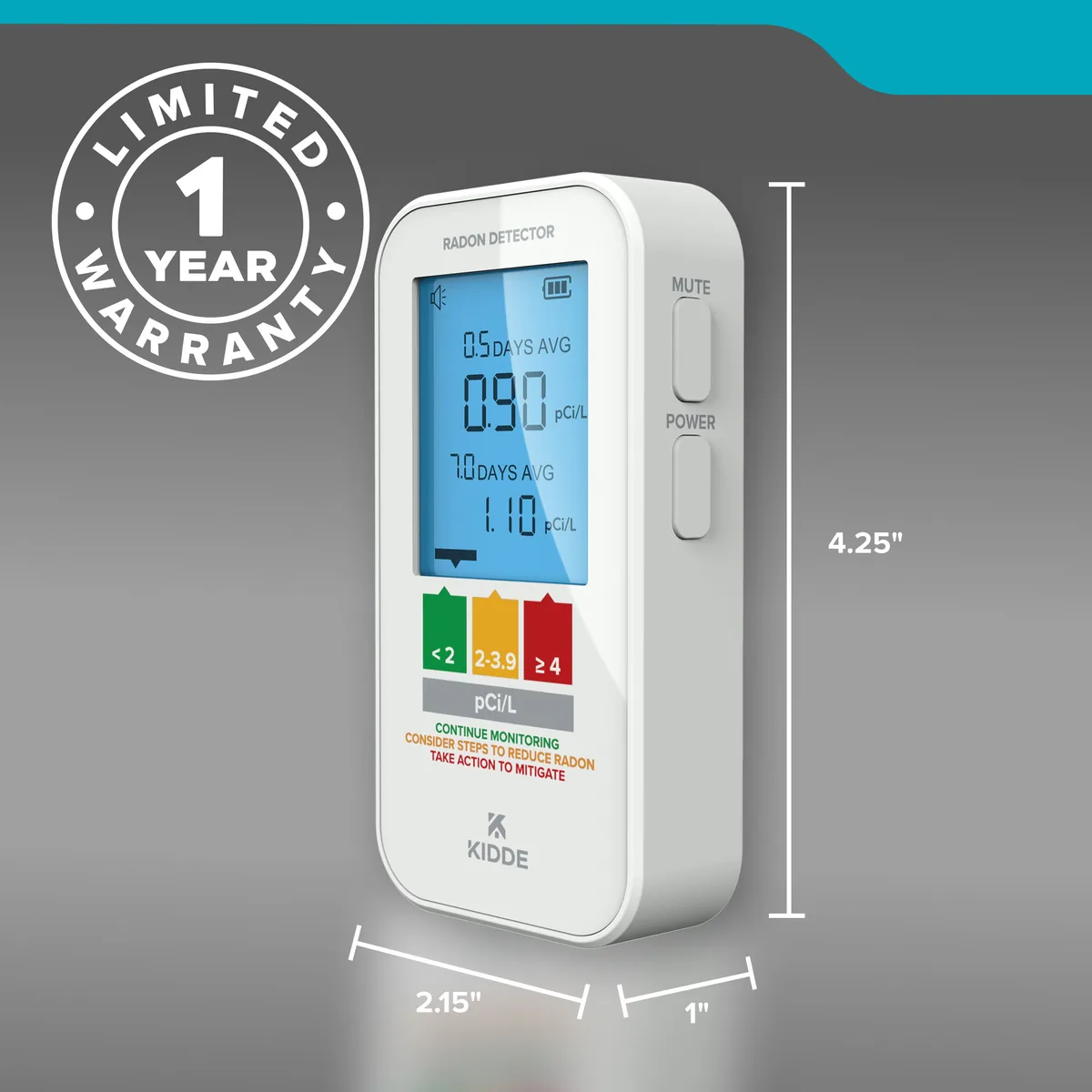
MonitorKidde
Method: Semiconductor sensor
First reading: Within 12 hours
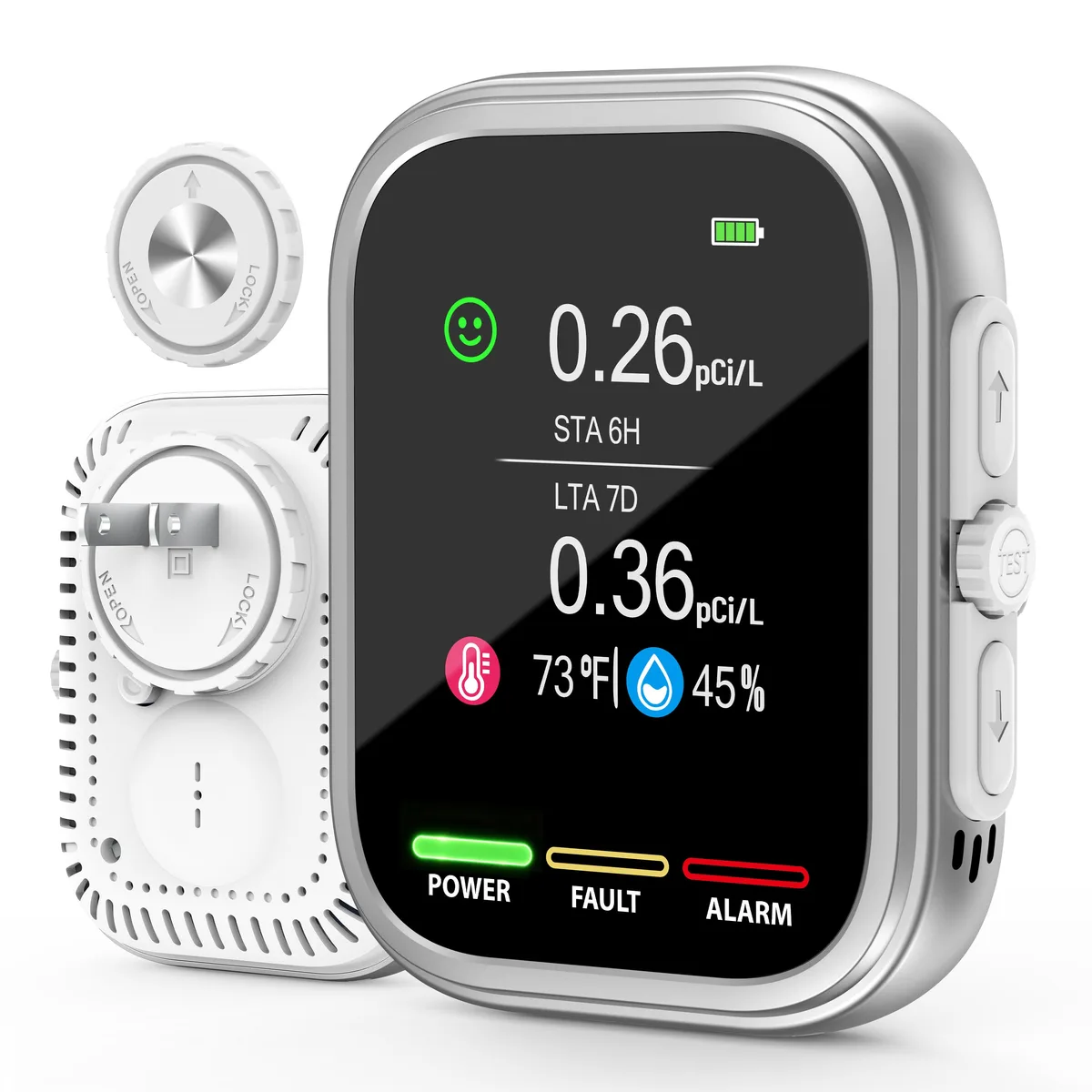
MonitorPYZYCKYH
Method: Semiconductor sensor
First reading: Within 6 hours
MonitorSafetySiren
First reading: Within 48 hours
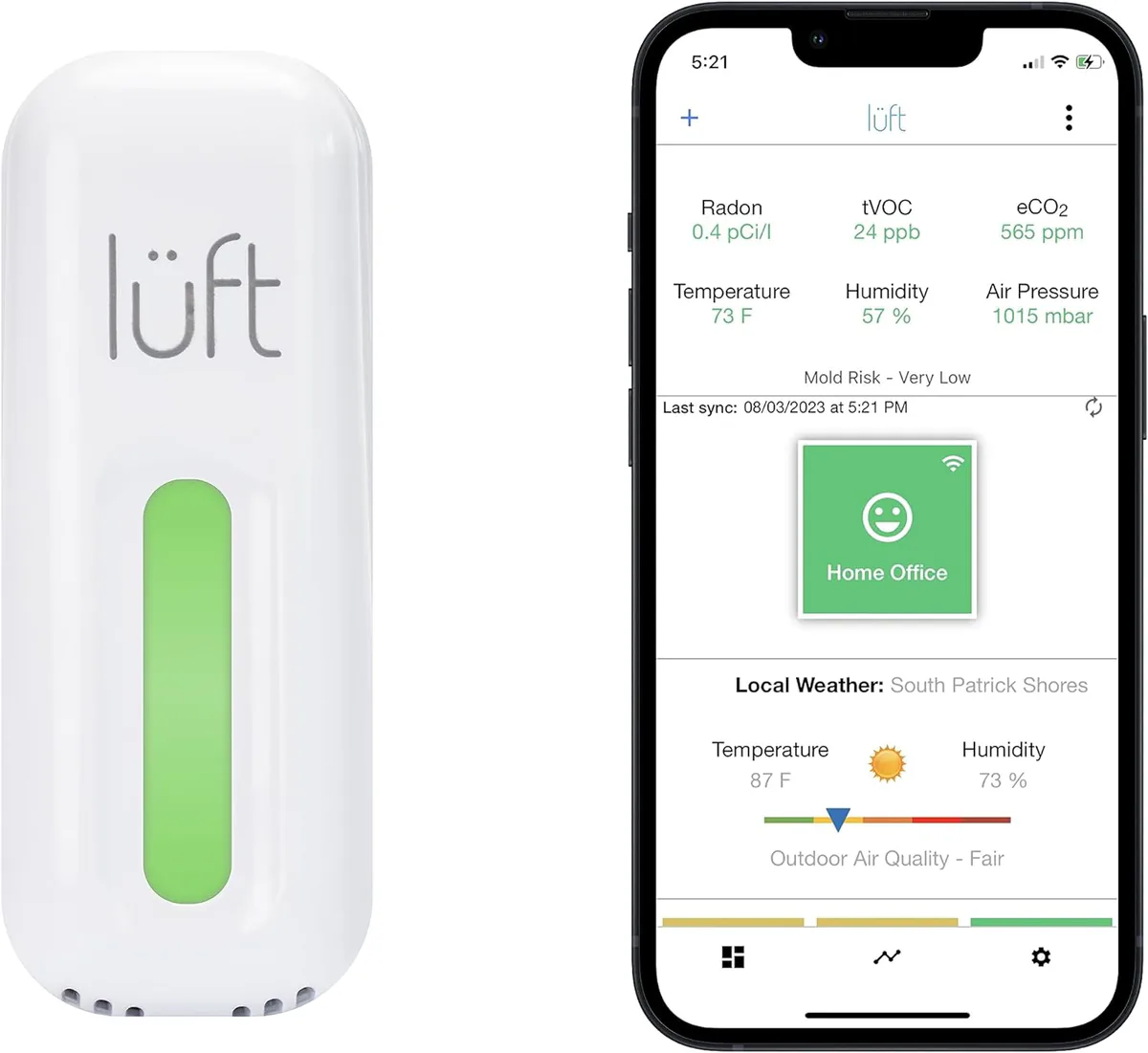
Monitor
First reading: Within 90 minutes
Monitor
Method: Alpha spectrometry
First reading: Within 24 hours
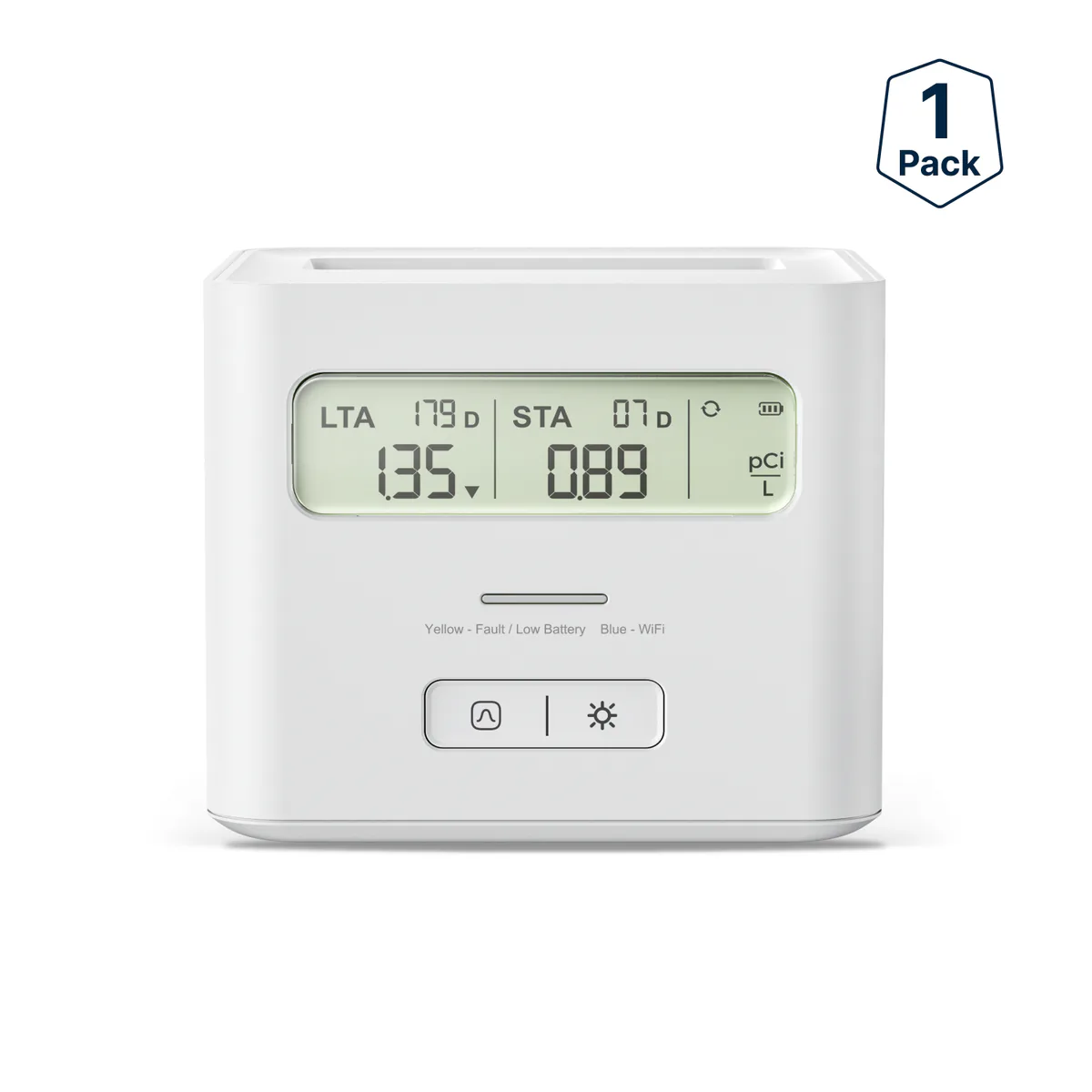
MonitorX-Sense
Method: Alpha spectrometry
First reading: Within 24 hours
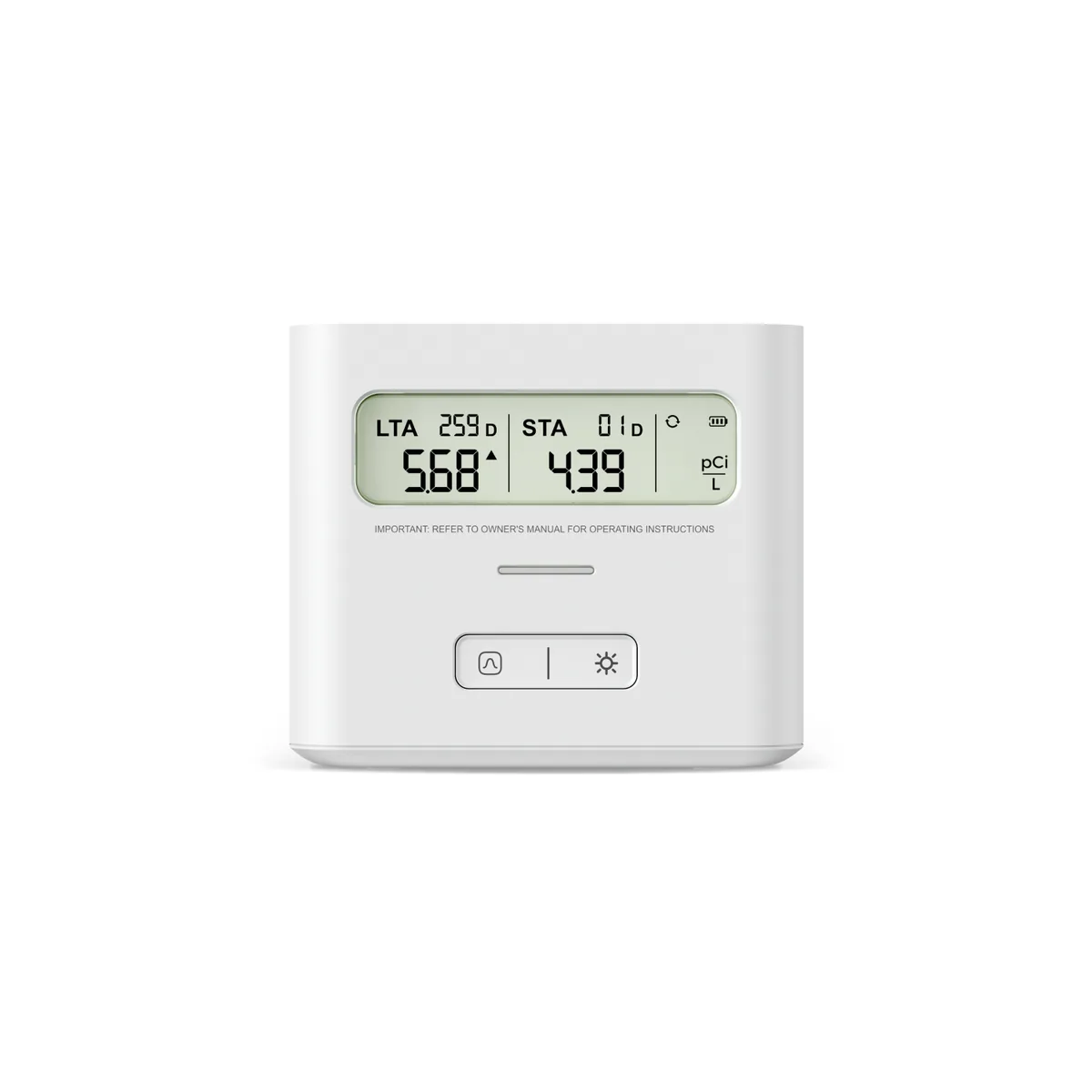
MonitorX-Sense
Method: Alpha spectrometry
First reading: Within 24 hours
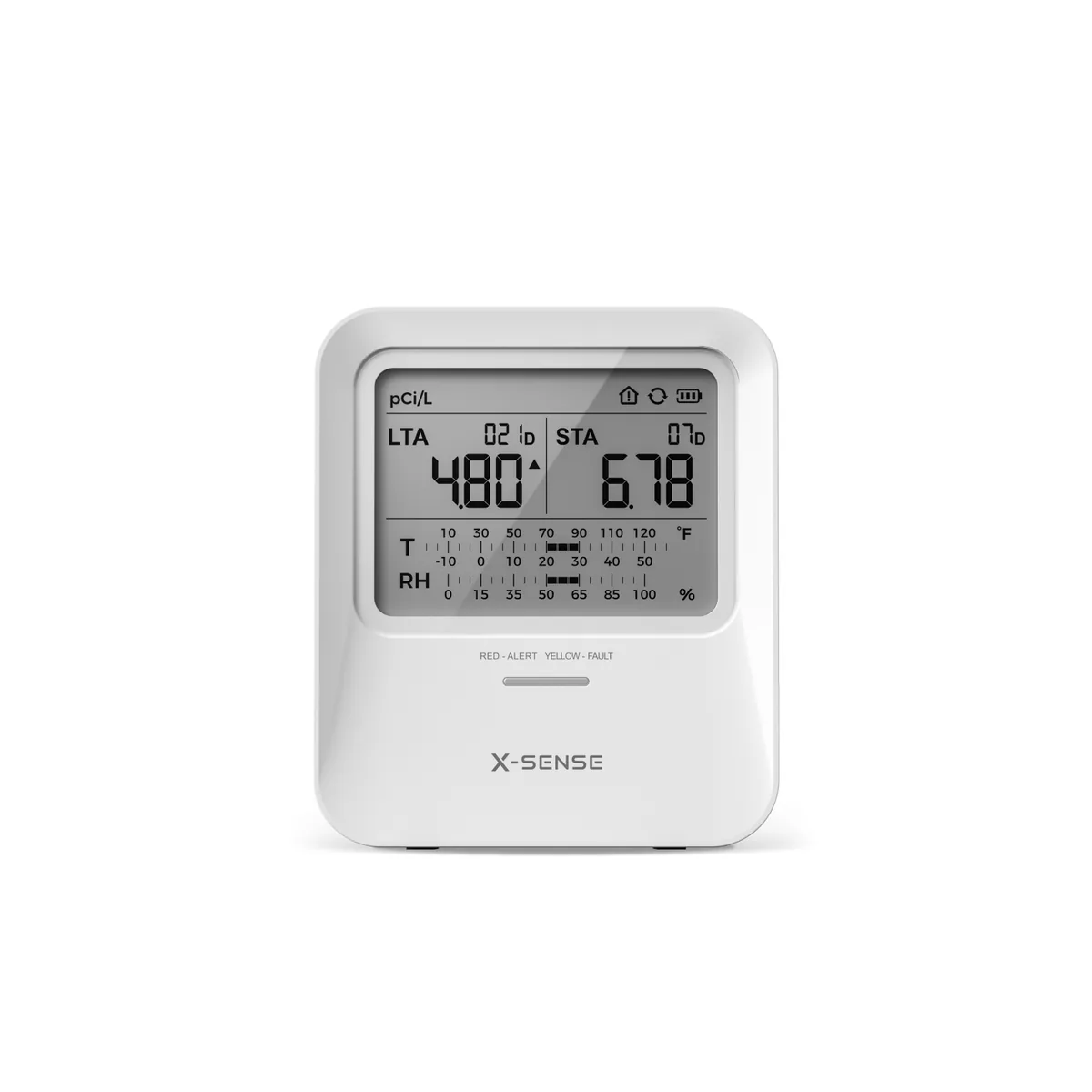
MonitorX-Sense
Method: Alpha spectrometry
First reading: Within 24 hours
Radon monitors: 1 of 32
Short-term test kits (8)
Compare side by sideLong-term test kits (2)
Compare side by sideThe guide
Short answer
A radon test kit is a passive device that sits in your home for a set time and is then mailed to a laboratory, which reports your average radon level. Use a short-term kit first for a quick answer, then a long-term kit or a second short-term kit to confirm a high result.
A radon test kit is a low-cost way to find out how much radon is in the air of your home, and there are many kinds of do-it-yourself kit. They work without power: the device sits open to the air in your home for a set time, then goes to a laboratory for analysis. You can buy them in hardware, drug and other stores, or order them by mail or phone. The laboratory, not the kit, produces the number, so a kit is only as good as the lab that reads it and the care taken while it was in the house.
This hub covers every kind of kit, every kit we have verified with its maker, how to choose between them, how to run a test so the result can be trusted, where to get one free, and what to do with the result. We never name one kit as the one to buy. If you want a device that shows a running reading instead of a mailed-off sample, see radon detectors and monitors.
The list at the top of this page holds every short-term and long-term kit we have verified against its maker's own page, with how each one measures, how long it stays in the home, whether the lab fee is in the price and how the result reaches you, as the maker states them. A kit is added once its model, U.S. availability and lab details have been confirmed and dated. A kit without a shopping link is still listed if it is credible.
Charcoal canisters, alpha track, electret ion chamber, continuous monitors and charcoal liquid scintillation detectors are the devices most commonly used for short-term testing, and alpha track and electret detectors are commonly used for long-term testing. The four that come as mailed kits work in quite different ways:
| Kind | How it records radon | How long it usually runs | What happens at the lab |
|---|---|---|---|
| Activated charcoal canister | Activated carbon, which binds gases strongly, absorbs radon from the room air | Short-term: 2 to 7 days depending on the maker; some need a longer minimum, such as a 7-day charcoal canister | The kit is resealed and returned; the lab measures what the charcoal collected |
| Charcoal liquid scintillation | Its own kind of passive device | Short-term | Analyzed by a laboratory, like a charcoal canister |
| Alpha track detector | A thin plastic film inside a filtered chamber. Alpha particles from radon and its decay products strike the film and leave tracks; the number of tracks correlates with the integrated radon level | Mostly long-term. Usually 100 to 120 days; long-term tests run from 3 months to 1 year | An etching process makes the tracks visible, and they are counted |
| Electret ion chamber | A small plastic chamber with a charged disk (the electret). Radiation from radon ionises the air inside and lowers the disk's voltage | Short-term or long-term, depending on the electret type | The drop in voltage over a known time is read with calibrated readers. The detectors are not destroyed, so they can be reused |
Most kits sold for a first test are activated charcoal. They come in various forms, all using activated carbon to absorb radon gas, with exposure times between 2 and 7 days depending on the maker; after exposure they are resealed and returned to a laboratory. Record the start and stop times and the test location on the form, so the lab can report the result for the period the kit was open.
An alpha track detector holds a thin plastic "foil" in a container. Alpha particles from radon and its decay products leave tracks in it, and at the laboratory an etching process makes those tracks visible so they can be counted. The number of tracks correlates with the integrated radon level over the test period. Finish the test before the expiry date printed on the package. This is the kit to use when you want your year-round average rather than a quick answer.
An electret ion chamber measures the drop in voltage on a charged disk over a known time. It can be used for short-term or long-term measurements depending on the electret type, the reader is calibrated, and the detector is not destroyed in the process.
EPA sets out an order of testing for most homes. Step 1 is to take a

1Step 1: Take a short-term test.
2Step 2: Follow up with either a long-term test or a second short-term test.
3Step 3: Decide whether to fix your home.
| Compared | Short-term kit | Long-term kit |
|---|---|---|
| How long it stays in the home | 2 to 90 days depending on the device, never less than 48 hours | More than 90 days; usually 3 months to 1 year |
| Usual devices | Charcoal canister, charcoal liquid scintillation, electret | Alpha track, electret |
| What it tells you | A first answer, quickly | A result more likely to reflect your year-round average |
| House rules during the test | Closed-house conditions; for tests under four days, from 12 hours before | Live normally |
| Used for | A first test, a follow-up when you need speed, a home sale | Confirming a short-term result, deciding on a fix with time to spare |
Why not always test long? Because radon matters most when you know about it, and a short-term kit gives a first answer in under a week. Why not always test short? Because radon levels tend to vary from day to day and season to season, so a short-term test is less likely to tell you your year-round average. A worked example shows the uncertainty: if the average of two short-term tests is 4.1 pCi/L, there is about a 50 percent chance that the year-round average is somewhat below, or above, 4 pCi/L.
Every kit we list measures radon; the differences are in what you need the answer for, how soon, and what the price covers. These are the questions that separate one kit from another, with the reason each one matters:
| Question | Why it matters | Where to find the answer |
|---|---|---|
| Is it short-term or long-term? | It decides whether you get a quick first answer or a year-round average | The package and the maker's page |
| How long must it stay out? | Some devices need more than the 48-hour minimum, such as a 7-day charcoal canister | The instructions |
| Does the price include the lab's analysis and return postage? | The lab produces the result; a kit with a separate lab fee costs more than its shelf price | The maker's page; our list shows it as the maker states it |
| Which laboratory reads it? | Use a radon measurement device from a qualified laboratory; your state may list do-it-yourself devices from qualified labs | The package; your state radon program |
| How fast are results? | Results take a few days or weeks; if you need them quickly, find out how long and request expedited service | The lab's instructions |
| Is there an expiry date? | Finish an alpha track test before the maker's expiry date | The package |
| Is it for a home sale? | A sale needs steps to prevent or detect interference, and often two kits | See testing for a home sale below |
Step 1 of 7:
Read the instructions and the dates
Note the minimum and maximum exposure time and any expiry date. Plan to post the kit back the day the test ends.
Step 2 of 7:
Close up the house if the test is short
Keep windows and outside doors closed except for normal entry and exit. For a test lasting less than four days, close them at least 12 hours before you start. Heating and air conditioning fans that recirculate air may run; fans that bring in air from outside should not.
Step 3 of 7:
Choose the room
The lowest level of the home that could be used regularly, finished or not: a living room, playroom, den or bedroom. Not a kitchen, bathroom, laundry, closet, stairway, hallway or crawl space.
Step 4 of 7:
Place the kit
At least 20 inches above the floor, where it will not be disturbed, and away from drafts, high heat, high humidity and exterior walls.
Step 5 of 7:
Start the test and record it
Open the kit as the instructions say and write down the start date and time. Avoid short tests of under four days during severe storms or high winds.
Step 6 of 7:
End the test and seal the kit
At the end of the exposure time, record the stop date and time, reseal the package and complete the form, including where in the house it was.
Step 7 of 7:
Post it to the lab promptly
Send it right away. Results usually take a few days or weeks.

| Test | How long it runs | What it is for |
|---|---|---|
| Short-term test | Stays in the home from 2 to 90 days, depending on the device, and for a minimum of 48 hours. | A faster screening result. Because radon levels vary from day to day and season to season, it is less likely than a long-term test to tell you the year-round average. |
| Long-term test | Stays in the home for more than 90 days. | It is more likely than a short-term test to tell you the home's year-round average radon level. |
| Continuous monitor | Logs readings for the whole test, run as a short-term or a long-term test under the same durations in EPA guidance. | Logs a graph over time, so you can see trends and spot anomalies rather than a single number. |
For more on choosing a spot, see where to place a radon test. For what can push a reading up or down, see what can affect a radon test.
A test kit is designed to be used by anyone. If you prefer, or if you are buying or selling a home, you can hire a qualified tester to do the testing for you; your state radon office can give you a list of qualified testers. You can also contact a private radon proficiency program for lists of privately certified radon professionals serving your area.
| Compared | Do-it-yourself kit | Qualified radon tester |
|---|---|---|
| Who places the device | You, following the kit's instructions | The tester, who picks the location for the space's intended use |
| Devices | Passive kits from a qualified laboratory | Any passive device, or a continuous monitor |
| Closed-house conditions | You keep them | The tester explains them and documents the test |
| Report | From the laboratory | From the tester, including the analysis of the data |
| Suits | Your own home, a first answer, a long-term average | Home sales, results others will rely on |
To find one, see radon professionals, or your state radon program.
You may not need to buy a kit at all. Free test kits are sometimes available from local or county health departments or from state radon programs, and some local programs hand them out free or at reduced cost. The National Radon Program Services at Kansas State University sells kits online and by phone at 1-800-SOS-RADON (1-800-767-7236). Kits are also available from some local or state American Lung Associations and some home improvement stores. State programs that hand out kits generally do not favor one maker or laboratory over another.
The lab reports your result in picocuries per liter (pCi/L). EPA recommends fixing a home when the radon level is 4 pCi/L or higher. EPA recommends considering a fix when the level is between 2 and 4 pCi/L. If your first short-term result is high, follow the steps above and confirm it with a long-term or second short-term test before deciding. The results interpreter explains any number, and radon levels explains the scale.

Even if your result is below 4 pCi/L you may want to test again sometime in the future, and you should retest if you begin occupying a lower level of your home or after you renovate. If you fix a high level, retest at least every two years; see radon mitigation.
Your result
Read it against the two guidance levels, then decide whether you need a second test or a fix.
A test for a home sale has to be quick and hard to tamper with. EPA accepts three short-term options when results are needed quickly: two passive tests at the same time, two passive tests one after the other with identical devices, or a continuous monitor for at least 48 hours. There is a potential for test interference in real estate transactions, and that some passive devices offer more resistance to interference than others.

If you are testing in a real estate transaction and you need results quickly, any of the following three options for short-term tests are acceptable in determining whether the home should be fixed.
Option 1. Two tests at the same time
PassiveTake two short-term tests at the same time in the same location for at least 48 hours.
What to do nextFix the home if the average of the two tests is 4 pCi/L or more.
Two tests taken at the same time (simultaneous) would improve the precision of this radon test.
Option 2. One test, then a second
PassiveTake an initial short-term test for at least 48 hours. Immediately upon completing the first test, do a second test using an identical device in the same location as the first test.
What to do nextFix the home if the average of the two tests is 4 pCi/L or more.
One test followed by another test (sequential) would most likely give a better representation of the seasonal average.
Option 3. A continuous monitor
ActiveTest the home with a continuous monitor for at least 48 hours.
What to do nextFix the home if the average radon level is 4 pCi/L or more.
Both active and passive devices may have features which help to prevent test interference.
Any real estate test for radon should include steps to prevent or detect interference with the test device. Your state radon office can help you decide which option is best.
In many cases buyers and sellers decide to have the test done by a qualified radon tester, who can also explain how
We do not rank kits. Any kit analyzed by a qualified laboratory and used as its instructions say can give a reliable result. Choose by what you need: a short-term charcoal kit for a quick first answer, a long-term alpha track kit for your year-round average. Every kit we have verified is in the list above.
The kit collects a record of radon while it sits in your home: charcoal absorbs the gas, an alpha track film records particle tracks, or an electret loses charge. You then seal it and mail it to a laboratory, which works out the average level over the test.
A short-term kit stays out for 2 to 90 days depending on the device, never less than 48 hours; most charcoal kits run 2 to 7 days. A long-term kit stays more than 90 days. Lab results then take a few days or weeks.
They can be, when they come from a qualified laboratory and are used as instructed. Improper testing can give an inaccurate result: open windows during a short test, a bad spot or a late return to the lab can all mean testing again.
The first step is a short-term test. If the result is at or above 4 pCi/L, follow up with a long-term test, or a second short-term test if you need results quickly.
In the lowest level of the home that could be used regularly, in a room such as a living room or bedroom, at least 20 inches above the floor, away from drafts, heat, humidity and exterior walls. Not in a kitchen, bathroom, laundry, closet or crawl space.
Yes, for a short-term test: keep windows and outside doors closed except for normal entry and exit, and for a test under four days, close them at least 12 hours before you start.
Yes. Passive test devices are sold in hardware, drug and other stores and by mail or phone, and at some home improvement stores.
Ask your state radon program or county health department. See free radon test kits by state for the programs that give kits out.
It depends on the kit. Check the package or the maker's page before you buy; our list shows what the maker says the price covers.
Right away. Reseal the package and send it to the lab named on the package as soon as the test ends.
Some do. Finish an alpha track test before the maker's expiry date printed on the package. Check the date before you start.
Two kits help when the result matters, as in a home sale. Two tests at the same time improve precision, and two tests one after the other better represent the seasonal average.
Neither is better in general. A kit gives a lab-read average for one period; a detector gives a running reading you can watch for months. See radon detectors and monitors.
Yes. Two passive short-term tests, side by side or one after the other, are accepted, and any real estate test should include steps to prevent or detect interference. Many buyers and sellers use a qualified tester; check your contract and state rules.
Confirm it with a second test, then plan a fix if the average is high. The results interpreter explains your number, and radon mitigation explains how homes are fixed.
Retest after you renovate or begin using a lower level; even below 4 pCi/L you may want to test again sometime in the future. With a radon system in place, retest at least every two years.
No. Closed-house conditions are for short-term tests, which capture only a few days. During a long-term test, live in the home as you normally do: the point is to measure the radon you breathe over months, with windows, doors and fans used the usual way.
Charcoal and alpha track kits are single-use, because the laboratory opens the device to analyze it. An electret detector is not destroyed when it is read, so the device can be used again, but it goes back to a calibrated reader each time. If you want to measure again and again yourself, a radon monitor is the reusable choice; see radon detectors and monitors.
Yes. One kit on the lowest lived-in level answers the main question, and a second kit on another lived-in floor tells you whether that floor differs. Use kits of the same kind and run them over the same days so the results can be compared.
Questions
Short answers. Each one links to the page with the full answer.
Yes, a radon test from a qualified laboratory gives a reliable reading when it is used as its instructions say. Most wrong results come from how the test was run, not the device: improper testing may give an inaccurate result, and one short test only captures a few days of a level that changes.
Use a short-term test kit in the lowest lived-in level of your home, or hire a qualified tester: close windows and doors 12 hours before, set the device at least 20 inches off the floor away from drafts, leave it at least 48 hours, then mail it to the lab. A high result gets a follow-up test.
Yes, a radon test from a qualified laboratory gives a reliable reading when it is used as its instructions say. Most wrong results come from how the test was run, not the device: improper testing may give an inaccurate result, and one short test only captures a few days of a level that changes.
Yes. A do-it-yourself kit from a hardware store, online or by mail is the usual first test, and it takes only a few minutes of your time. Place it in the lowest lived-in level, keep the house closed, leave it for the time the kit says, at least 48 hours, then mail it to the lab.
Place a radon test in the lowest lived-in level of the home, in a room used regularly such as a living room or bedroom, not the kitchen or bathroom. Set it at least 20 inches above the floor where it won't be disturbed, away from drafts, high heat, high humidity and exterior walls.
A radon test kit is a small, low-cost detector you set out in the lowest lived-in level of your home for a set time, then reseal and mail to a lab, which reports the radon level. Short-term kits stay out two days to 90 days, and long-term kits more than 90 days.