MonitorAEGTEST
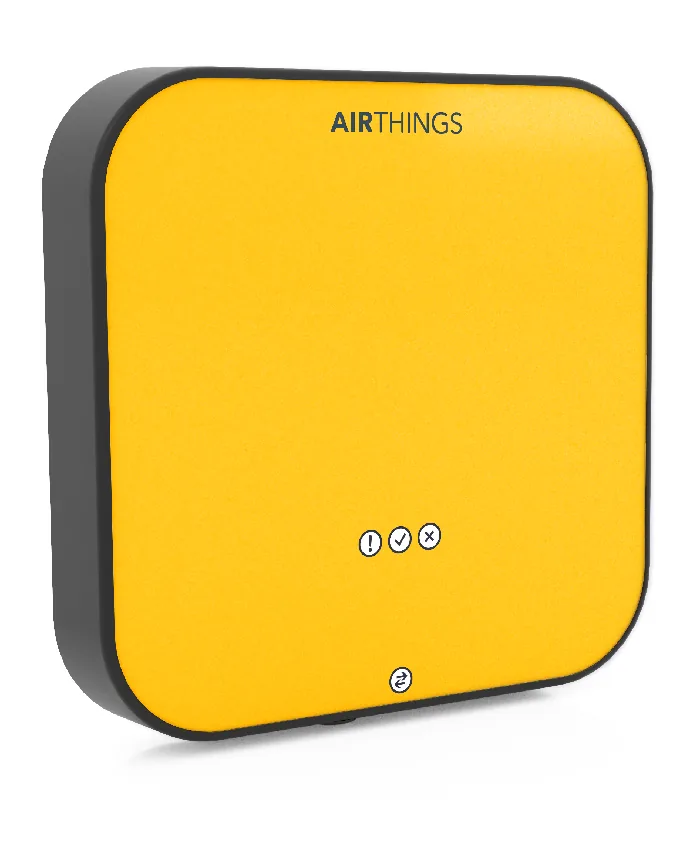
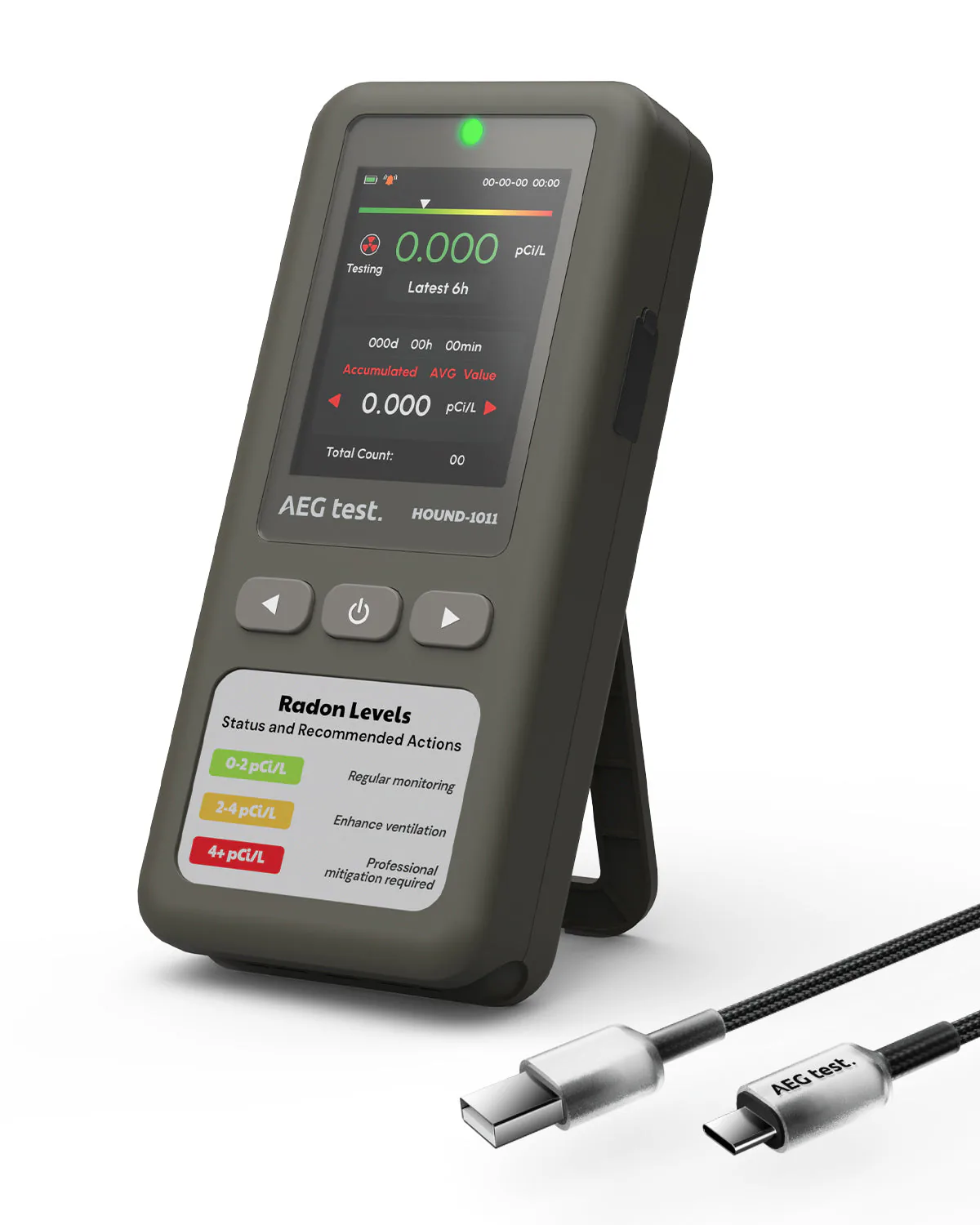
HOUND-1011 rechargeable radon detector with a screen
- C-NRPP 2024/25: Not included
- Battery
- Alarm
- Screen
Method: Semiconductor sensor
First reading: Within 6 hours
A home radon detector is an electronic monitor that measures radon continuously and shows the result on a screen or in an app, with no lab to mail. Choose one with an independent accuracy result where you can, run it for at least 3 months, and decide on its long-term average.
MonitorAEGTEST
Method: Semiconductor sensor
First reading: Within 6 hours
MonitorAEGTEST
Method: Semiconductor sensor
First reading: Within 12 hours
MonitorAEGTEST
Method: Semiconductor sensor
First reading: Within 6 hours
MonitorAEGTEST
First reading: Within 1 hour
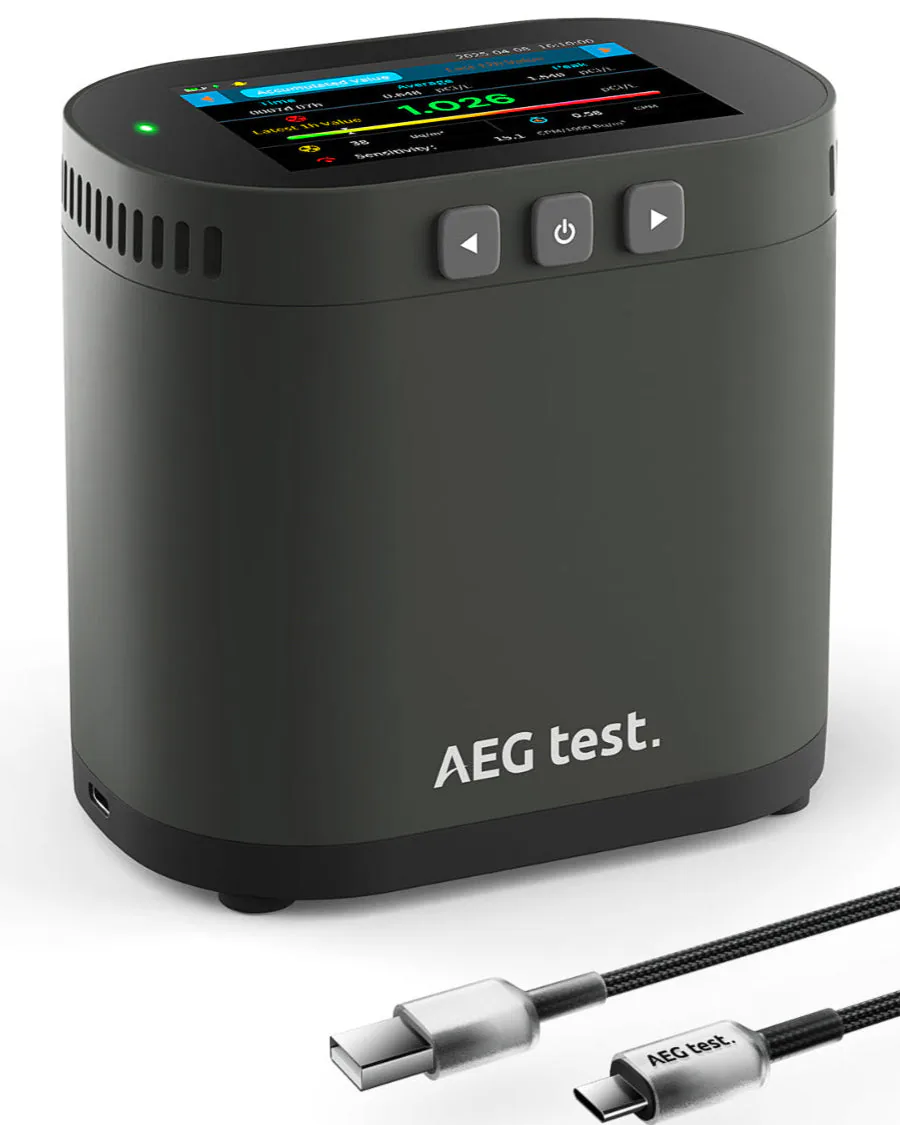
MonitorAEGTEST
Method: Ion chamber
First reading: Within 10 minutes
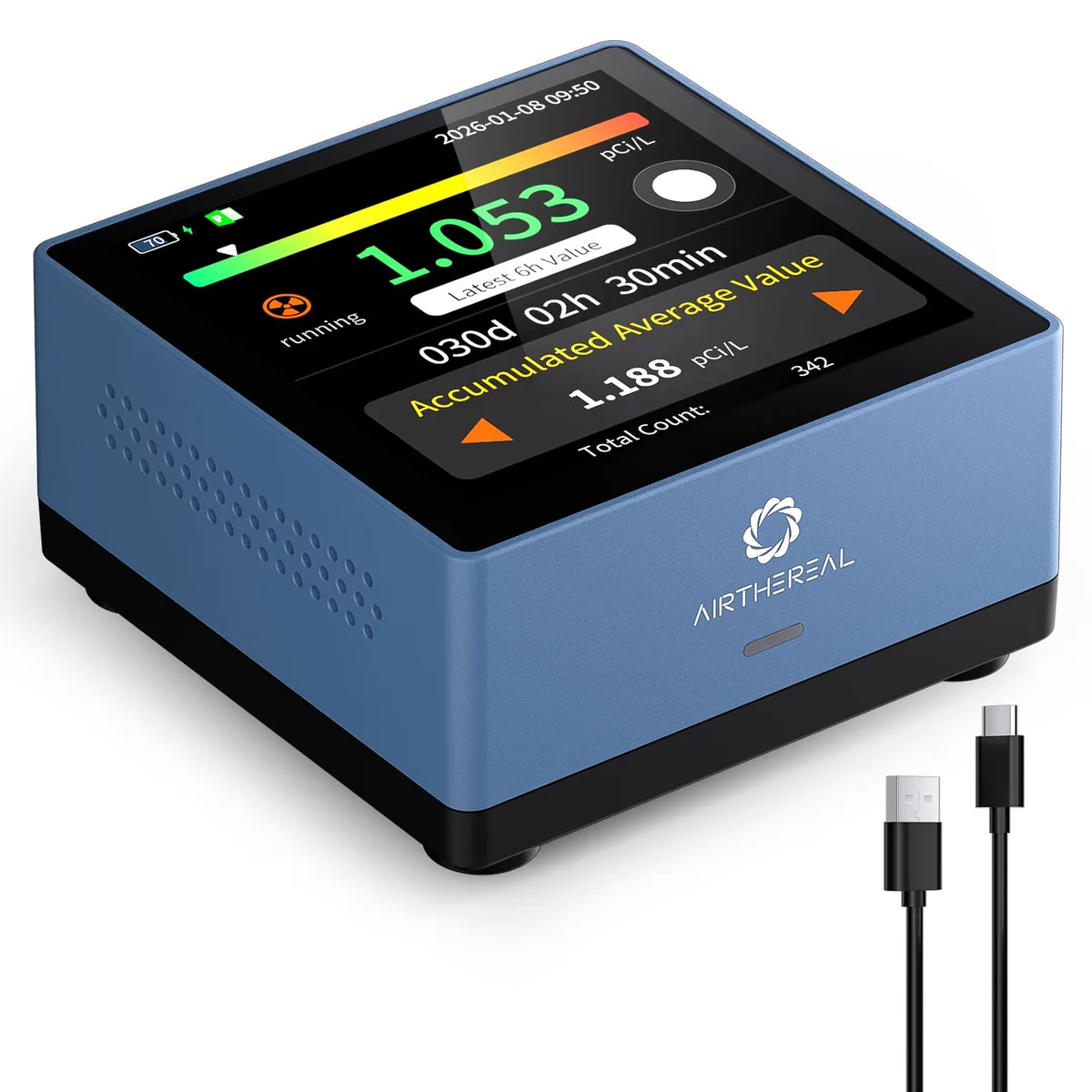
Monitor
Method: Semiconductor sensor
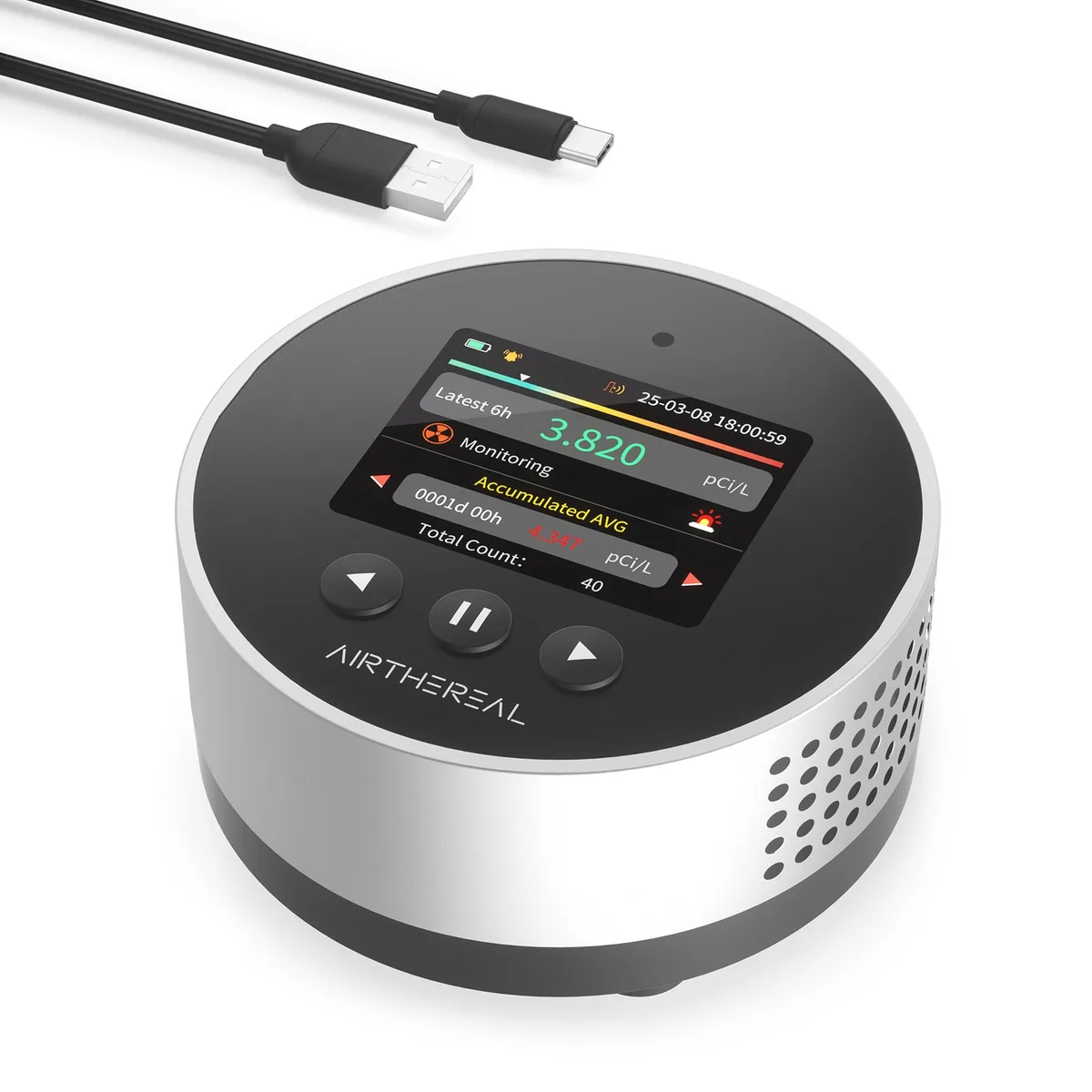
Monitor
Method: Semiconductor sensor
First reading: Within 6 hours
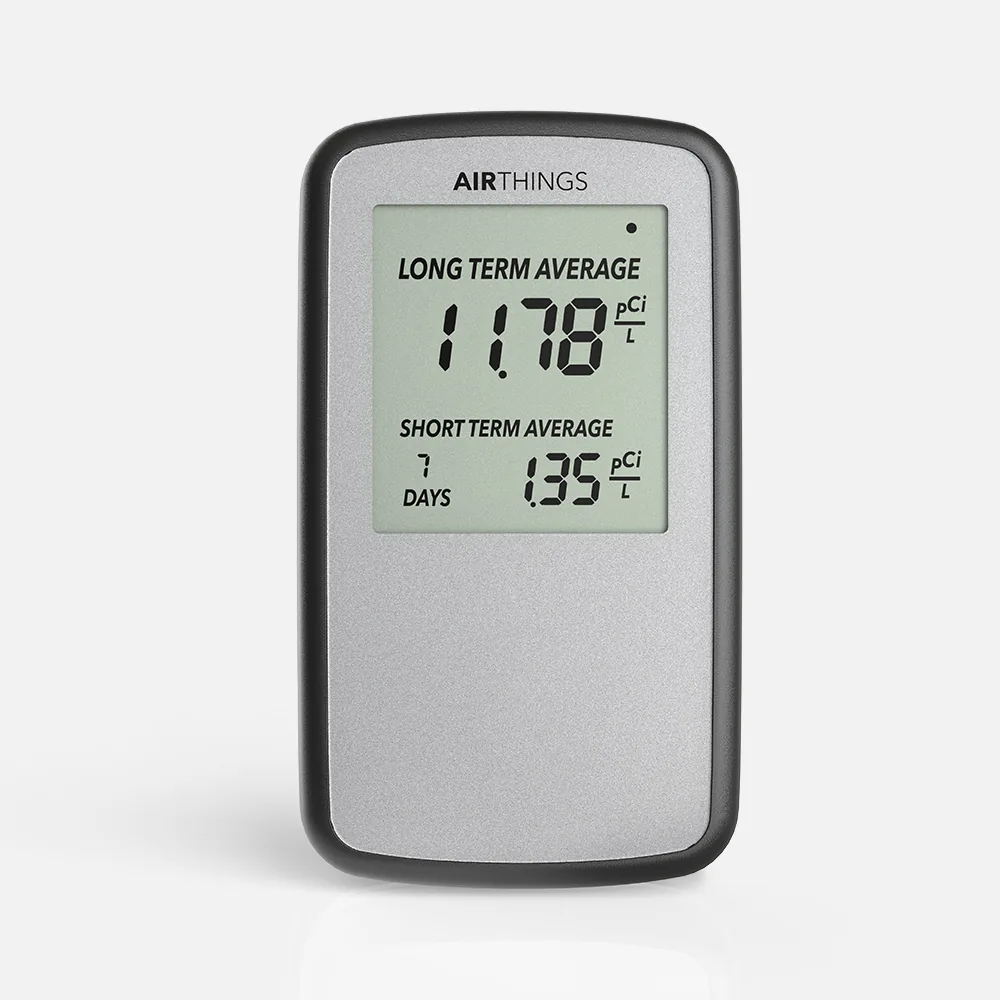
Monitor
Method: Alpha spectrometry
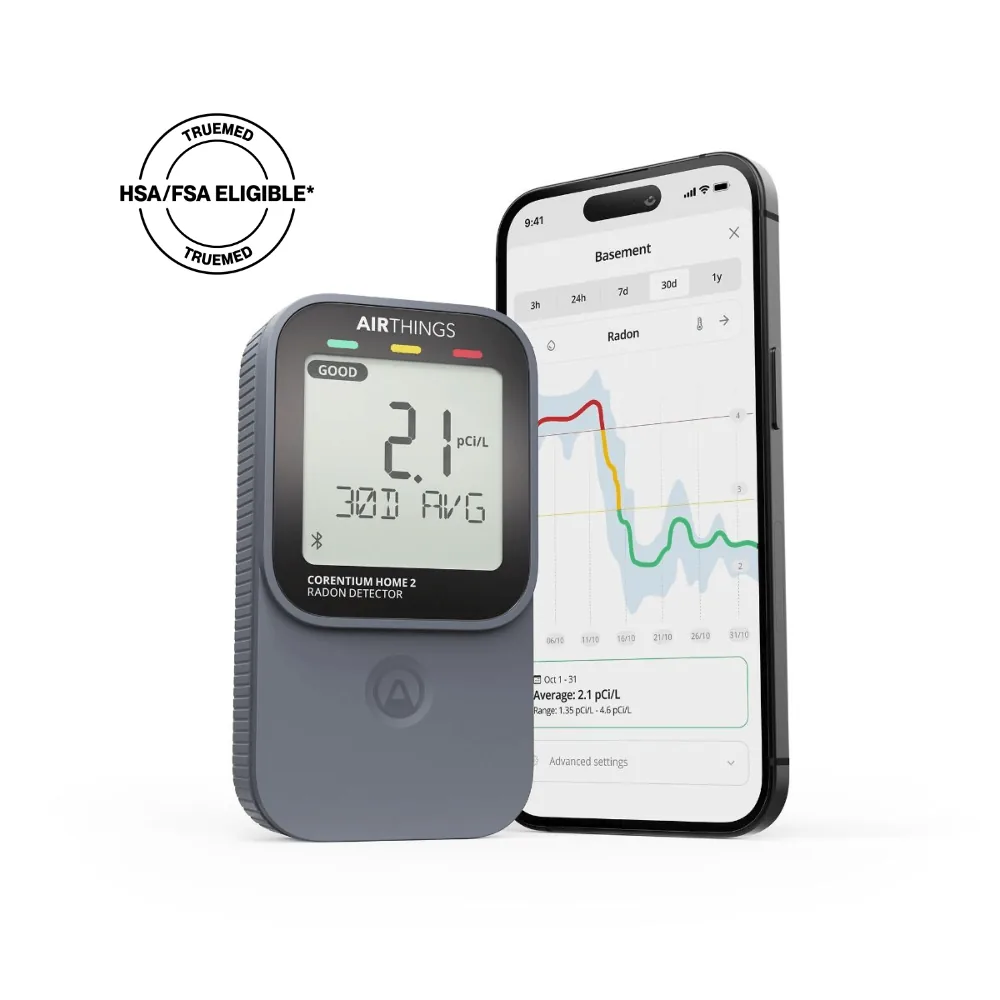
Monitor
Method: Alpha spectrometry
Readings: Every 60 minutes
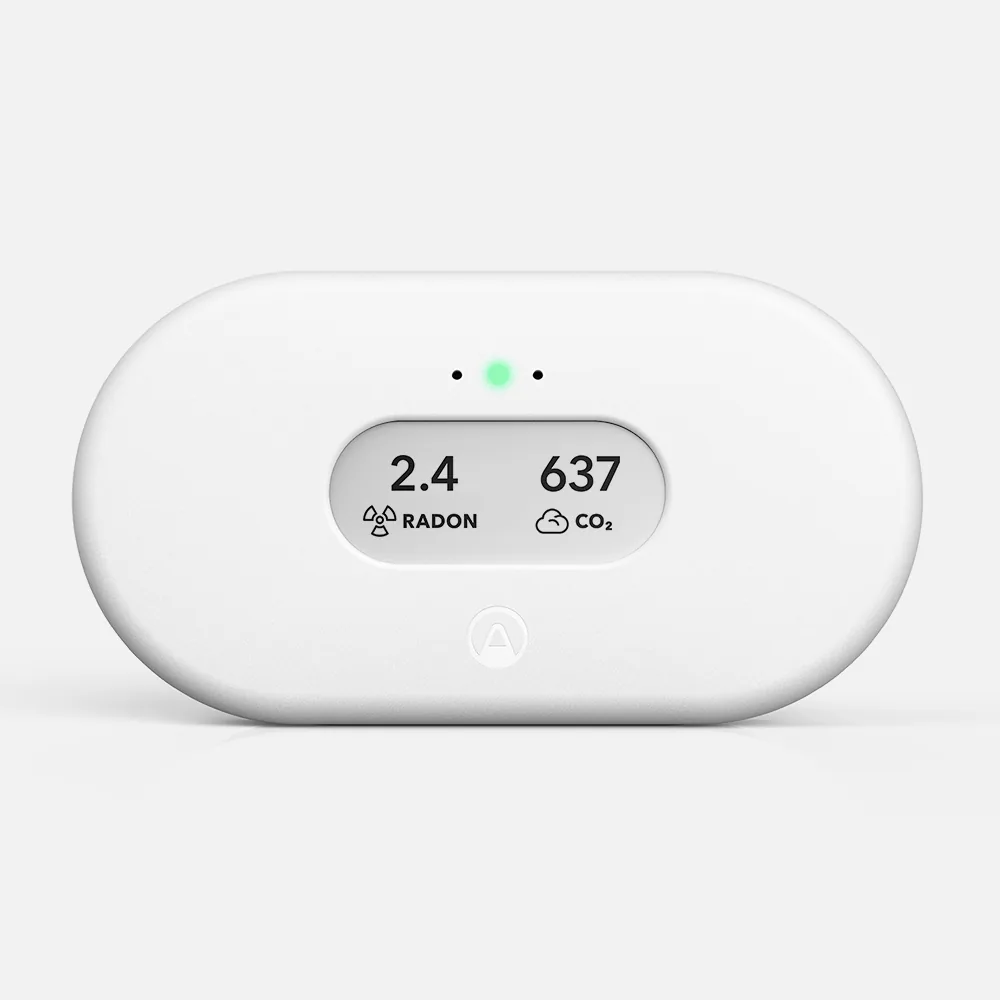
Monitor
Method: Alpha spectrometry
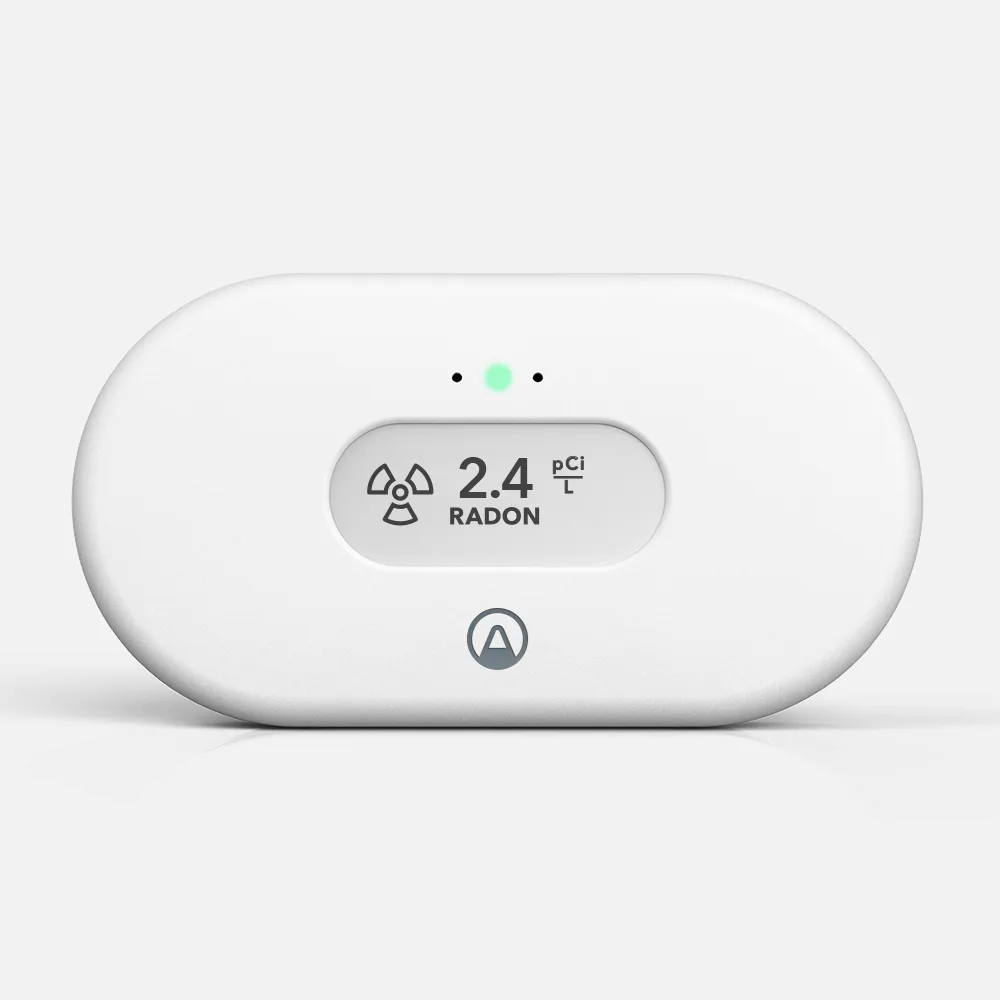
Monitor
Method: Alpha spectrometry
Readings: Every 60 minutes
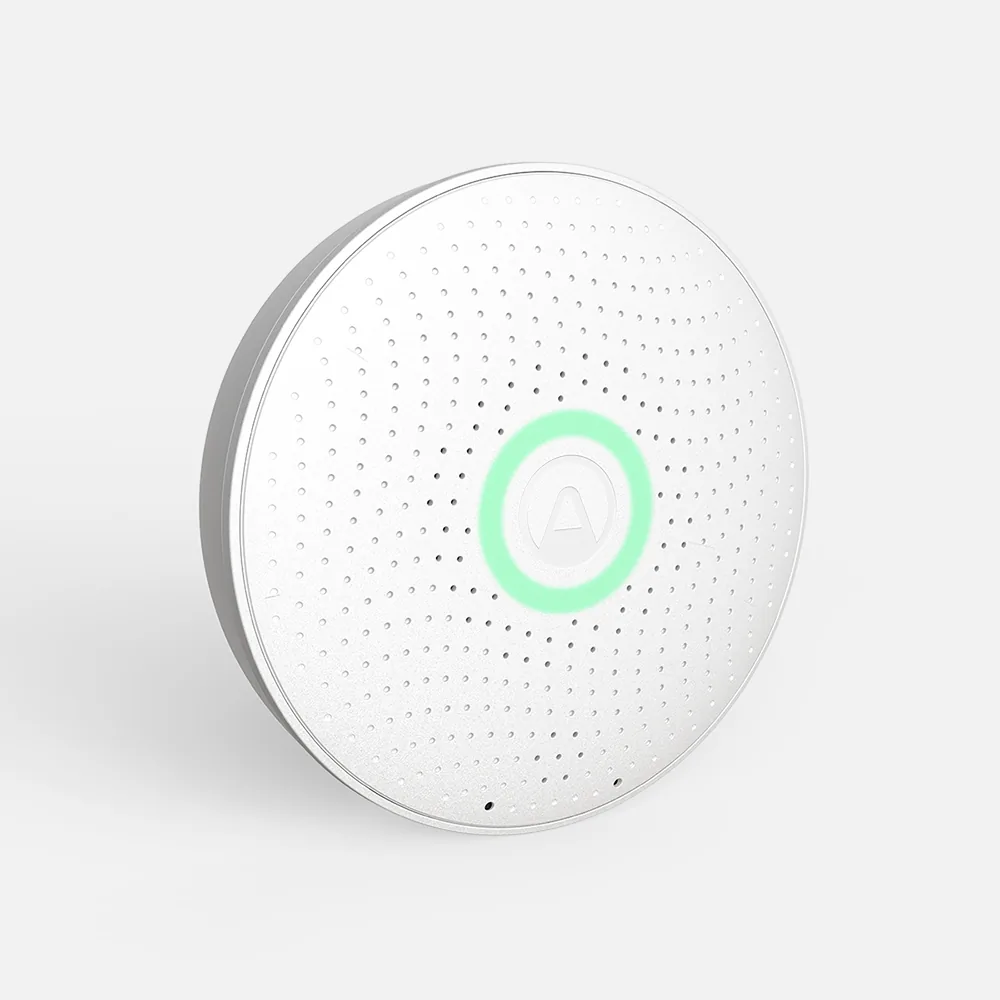
Monitor
Method: Alpha spectrometry
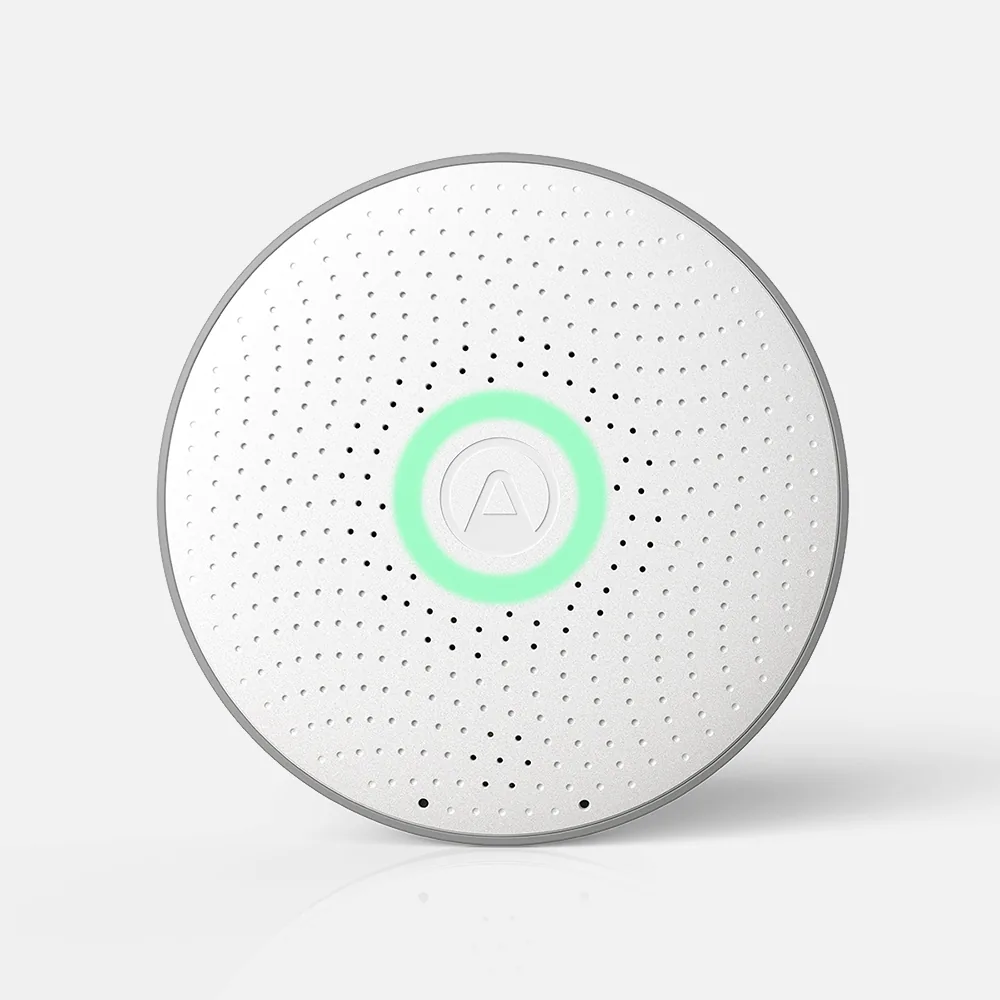
Monitor
Method: Alpha spectrometry
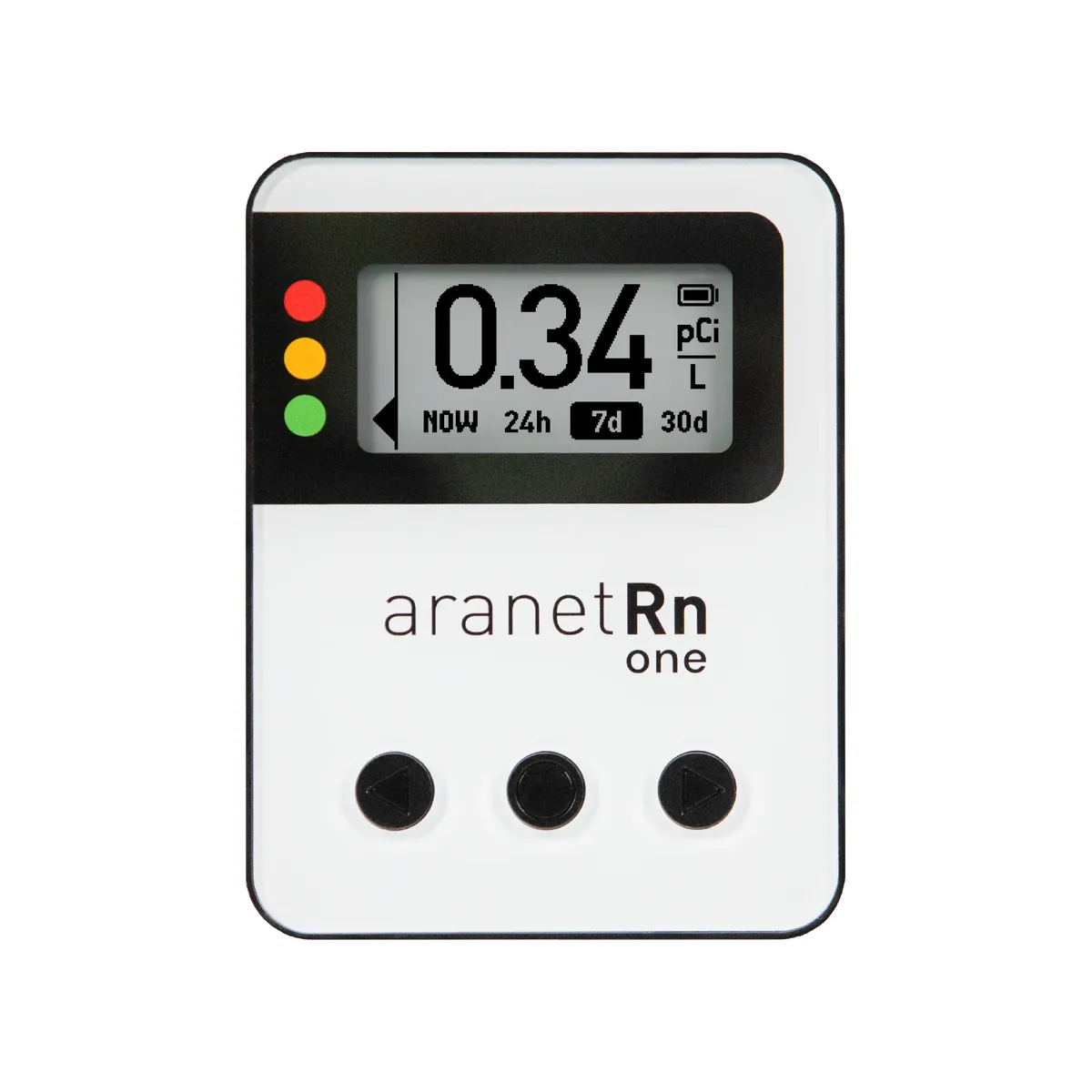
MonitorAranet
Method: Ion chamber
First reading: Within 10 minutes
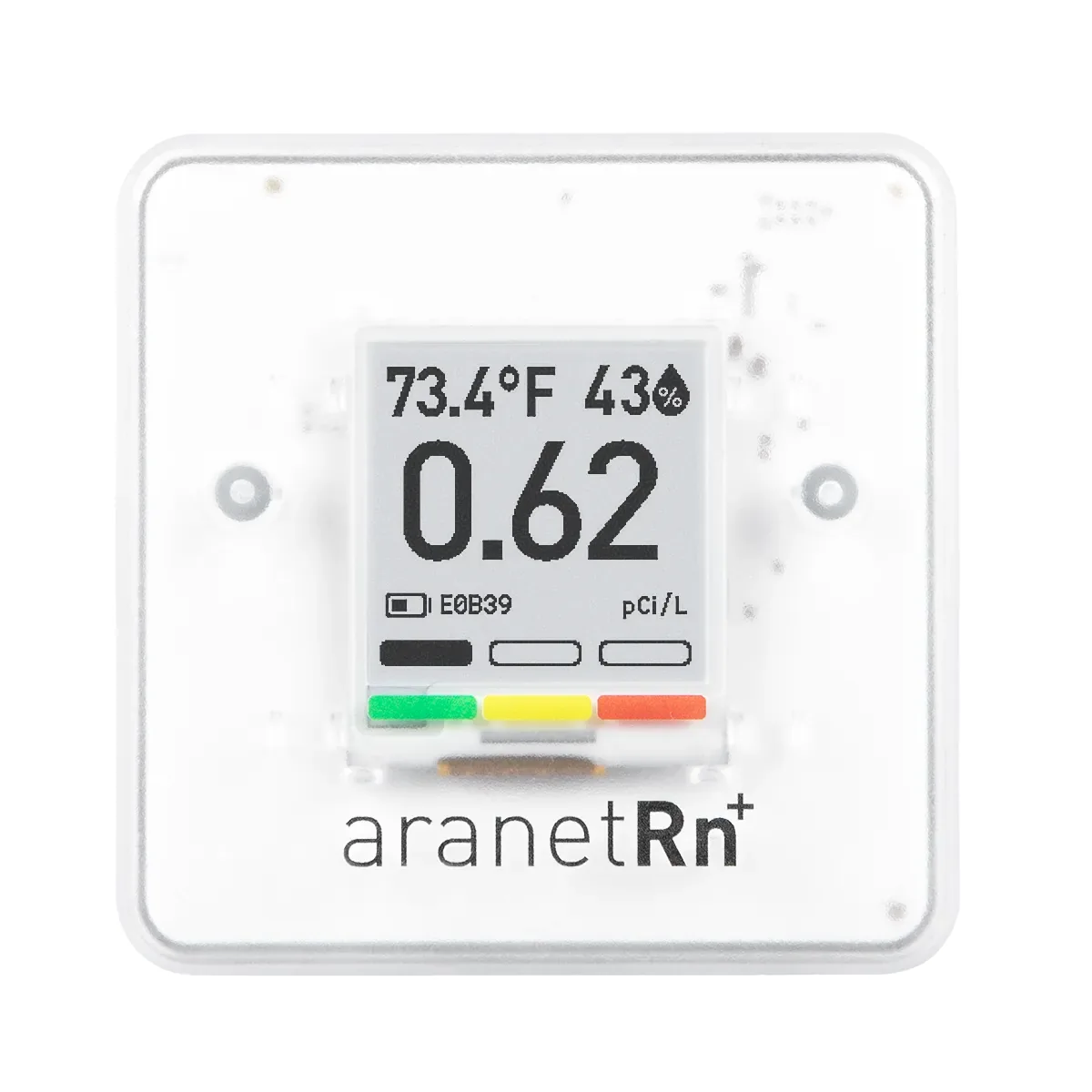
MonitorAranet
Method: Ion chamber
First reading: Within 10 minutes
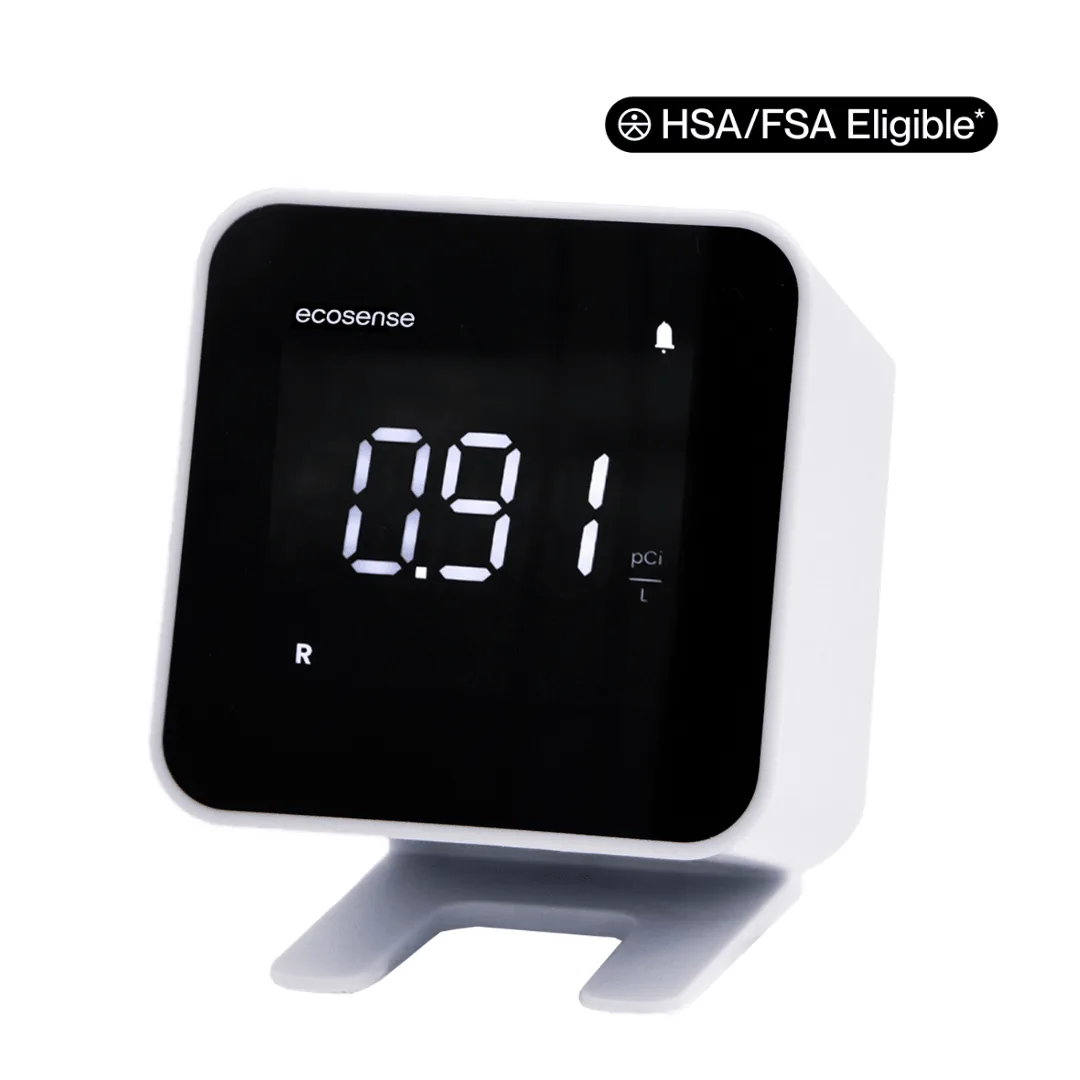
Monitor
Method: Ion chamber
First reading: Within 10 minutes
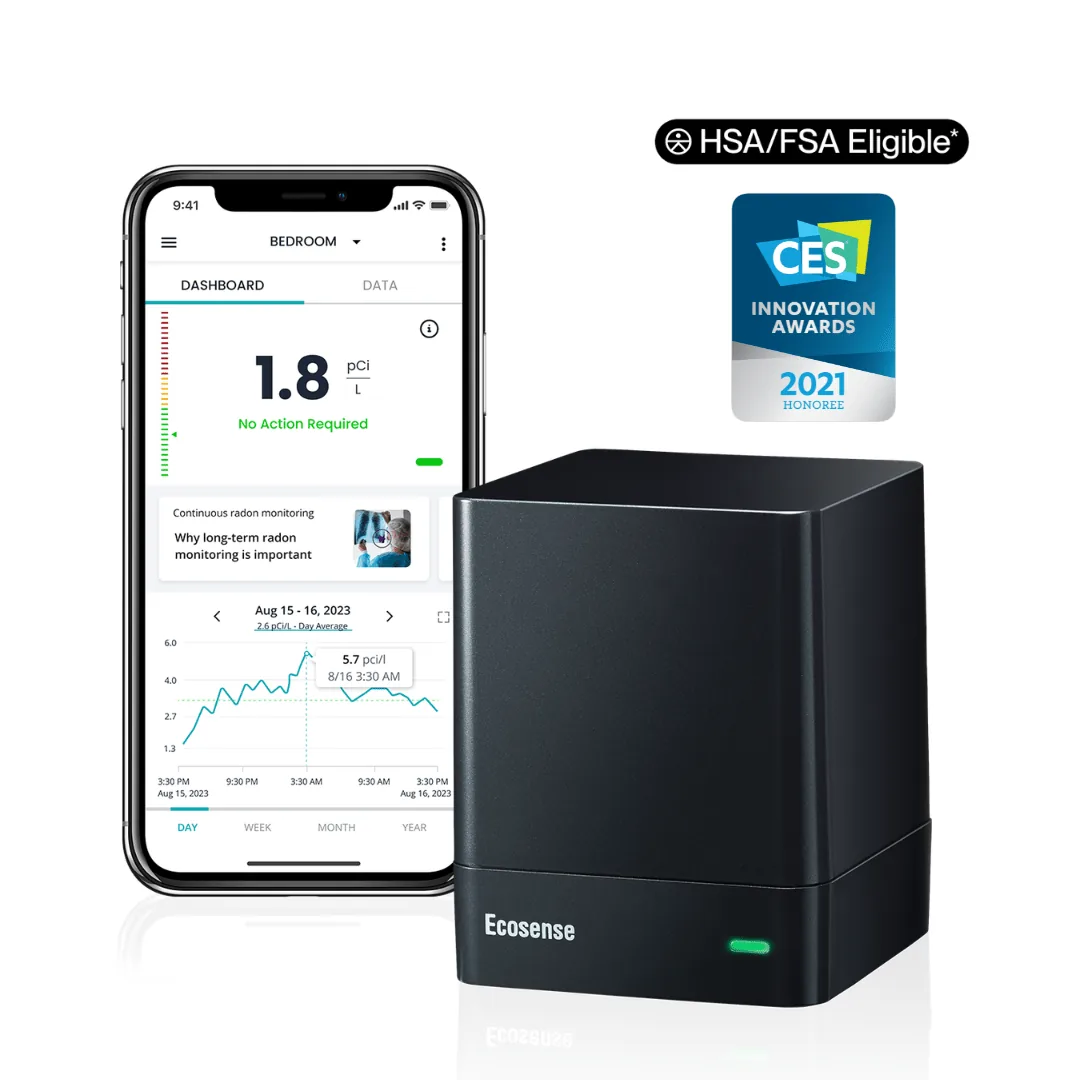
Monitor
Method: Ion chamber
First reading: Within 10 minutes
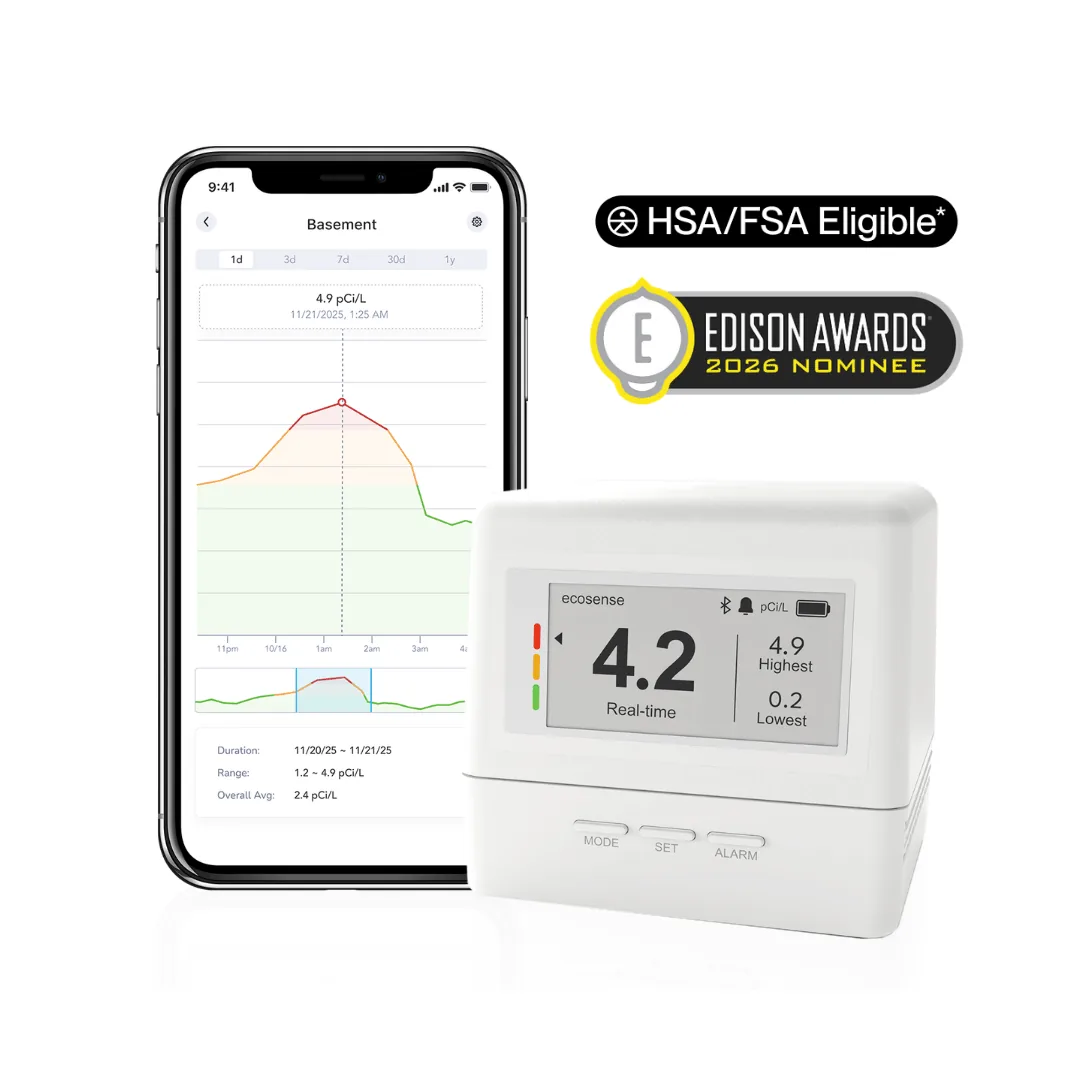
Monitor
Method: Ion chamber
First reading: Within 15 minutes
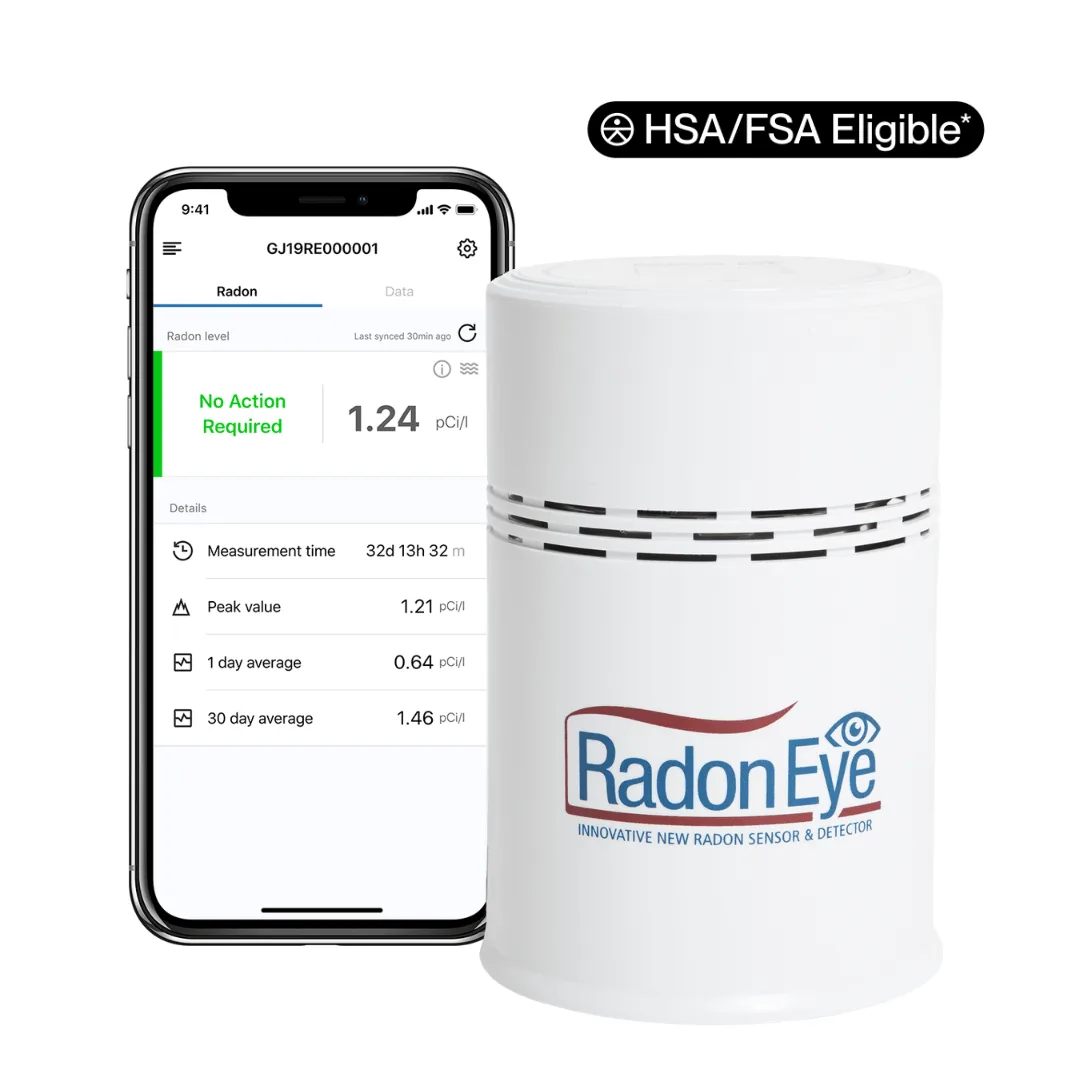
Monitor
Method: Ion chamber
First reading: Within 10 minutes
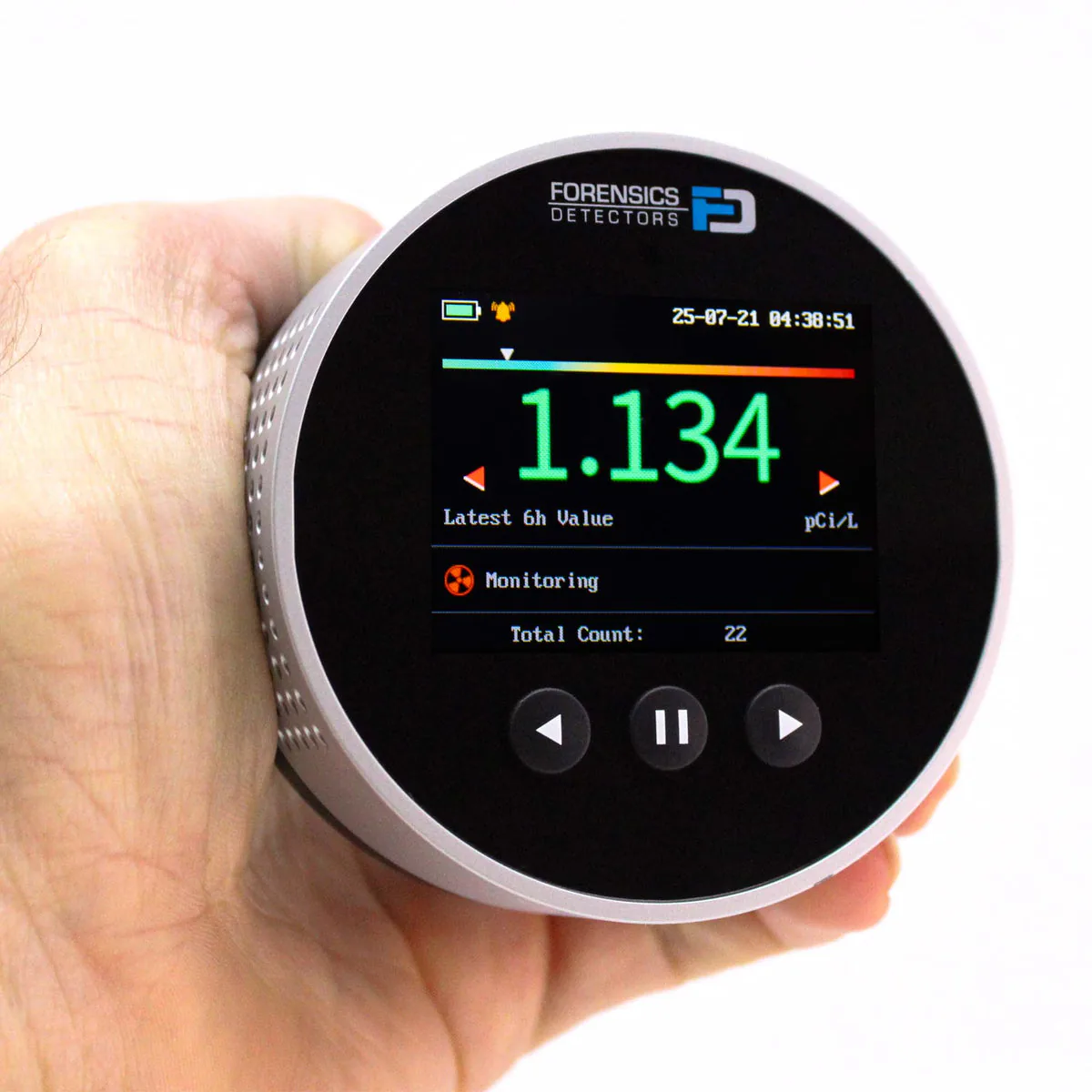
MonitorForensics Detectors
Method: Semiconductor sensor
First reading: Within 6 hours
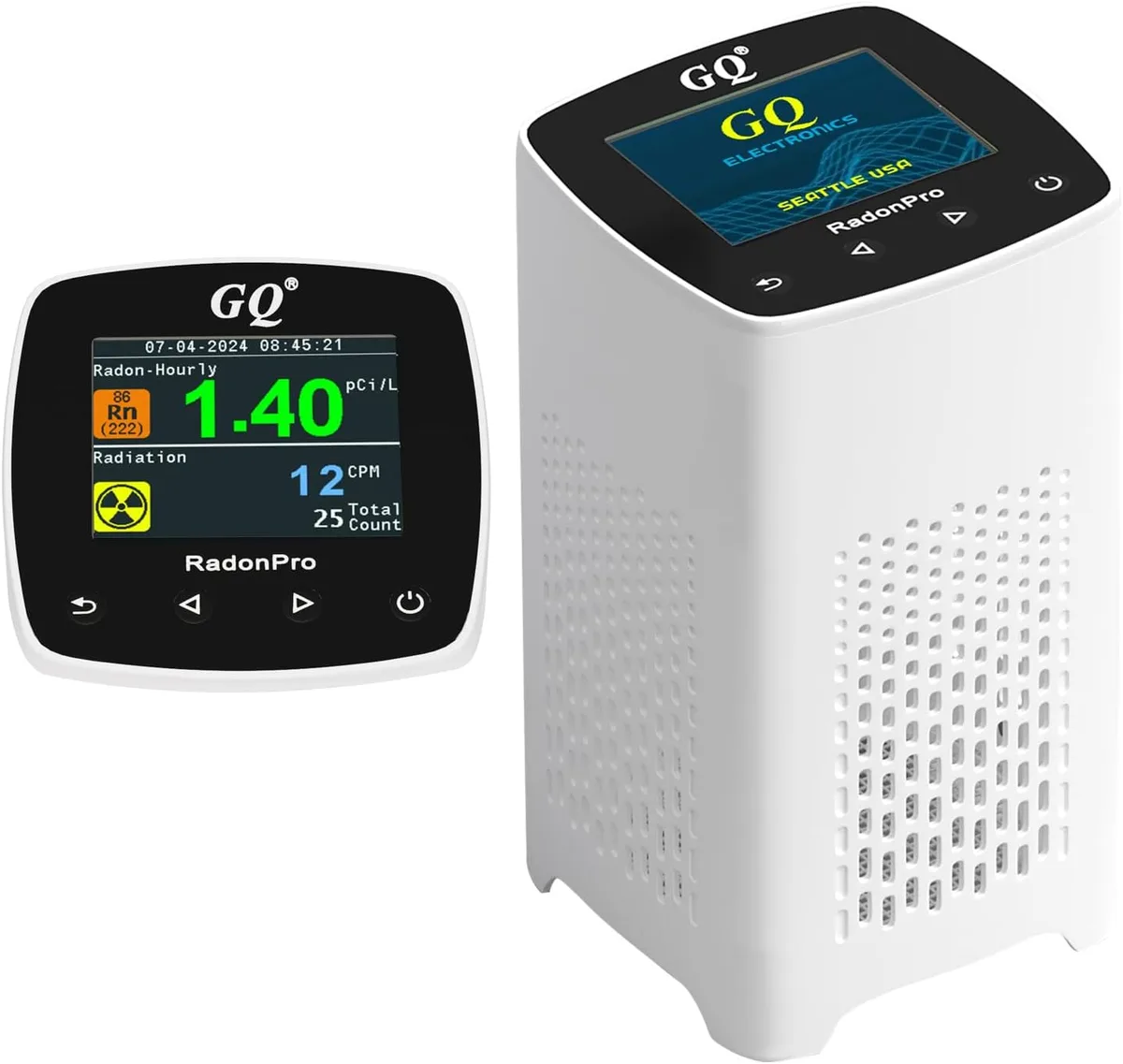
Monitor
First reading: Within 5 minutes
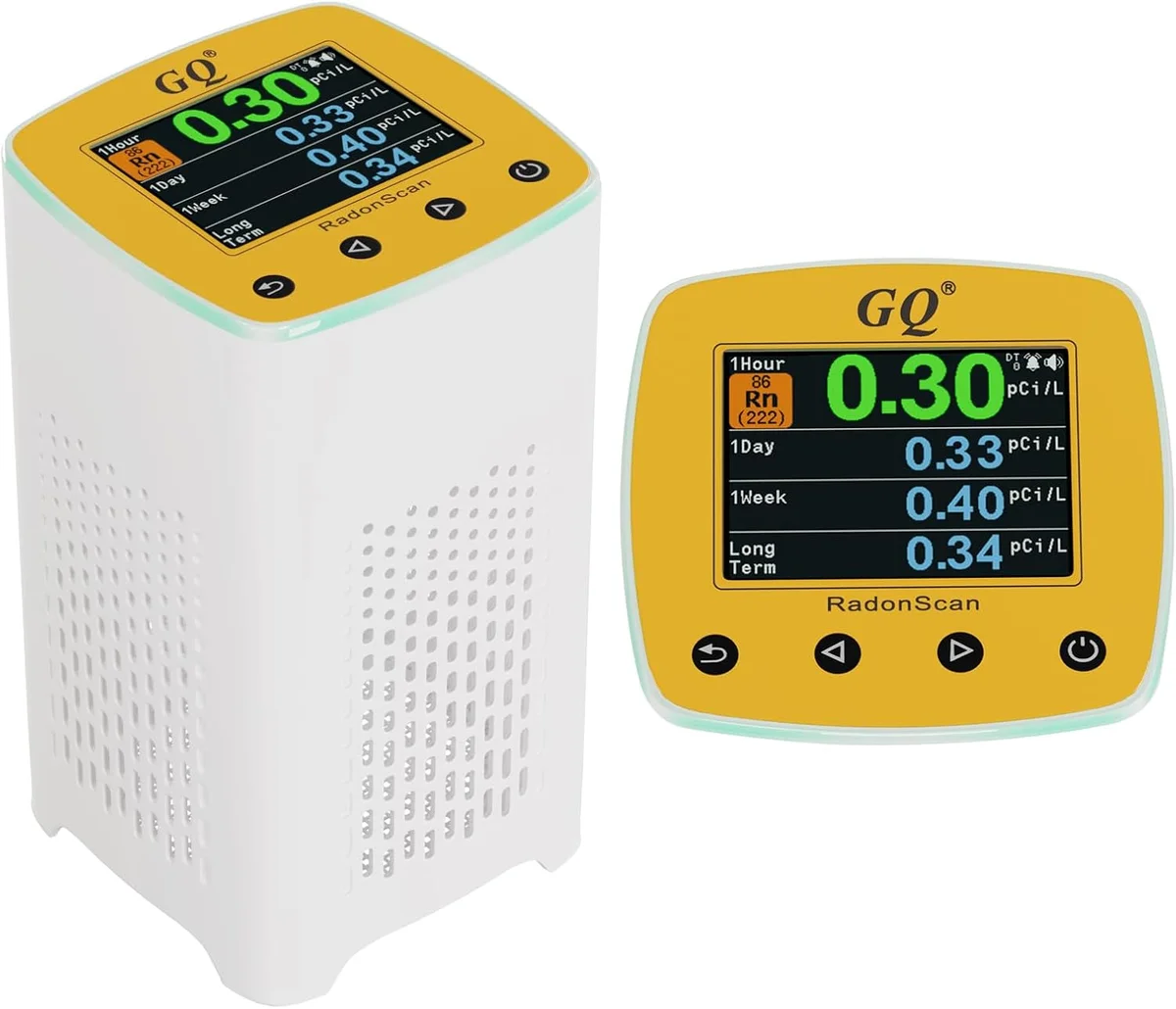
Monitor
First reading: Within 5 minutes
Monitor
First reading: Within 5 minutes
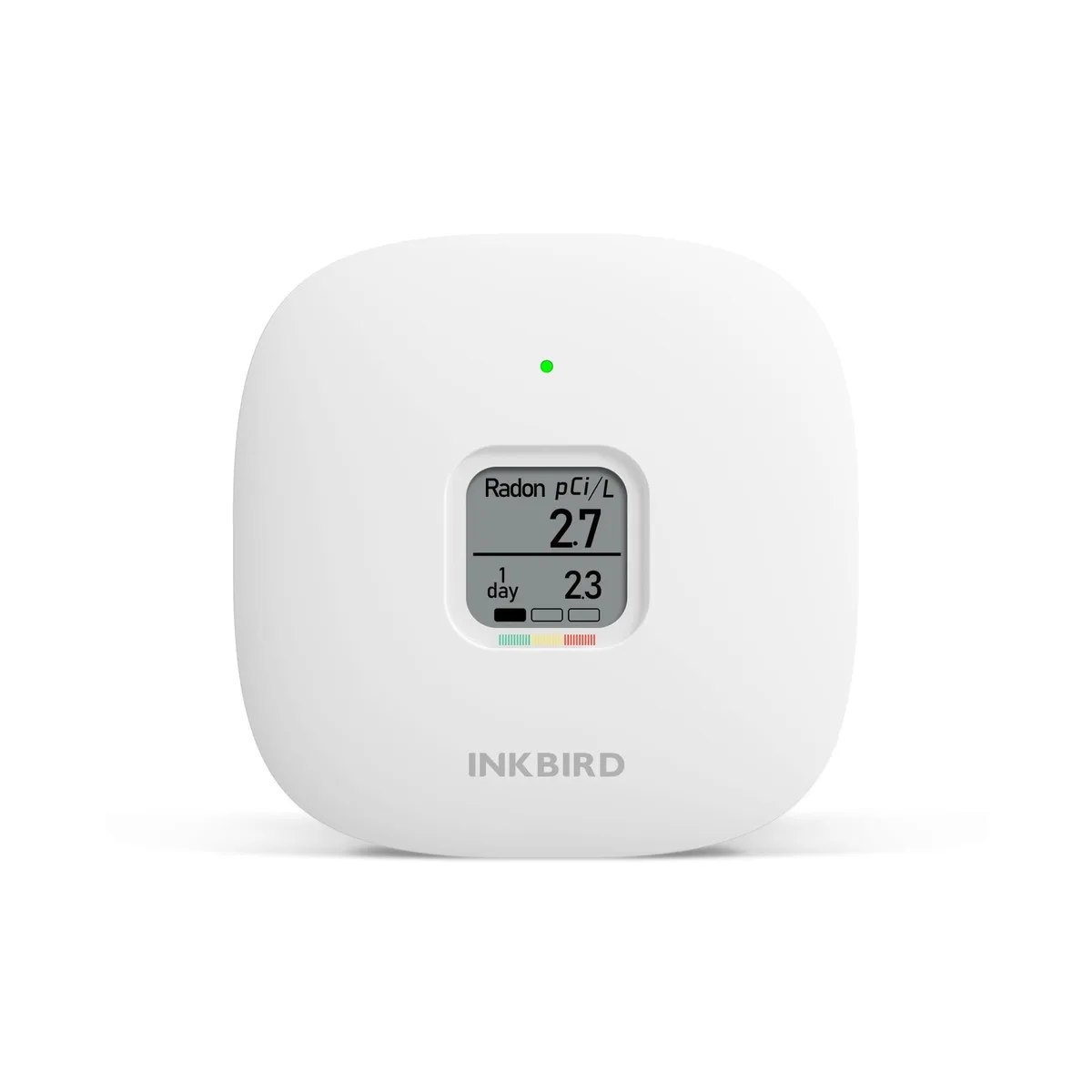
MonitorINKBIRD
First reading: Within 24 hours
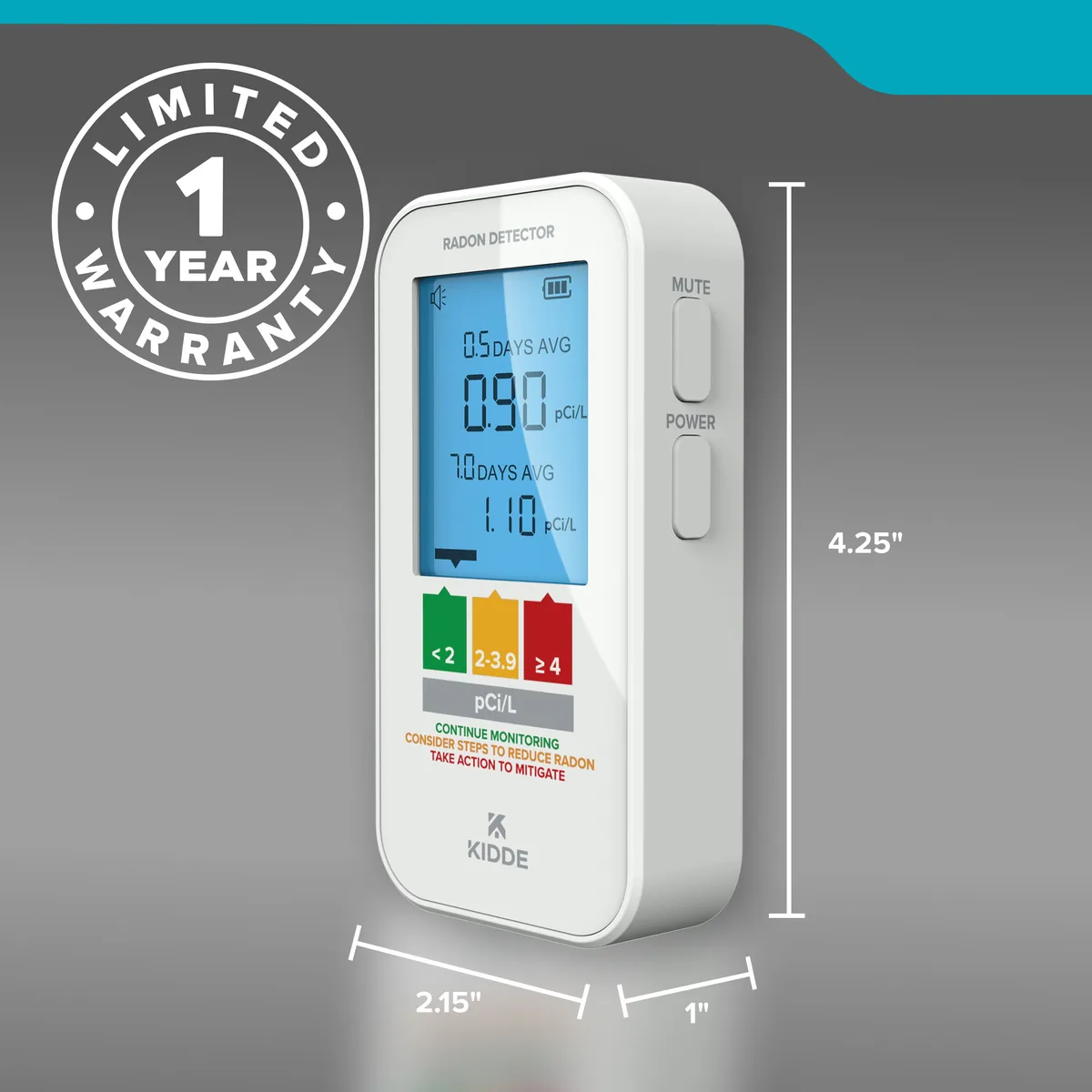
MonitorKidde
Method: Semiconductor sensor
First reading: Within 12 hours
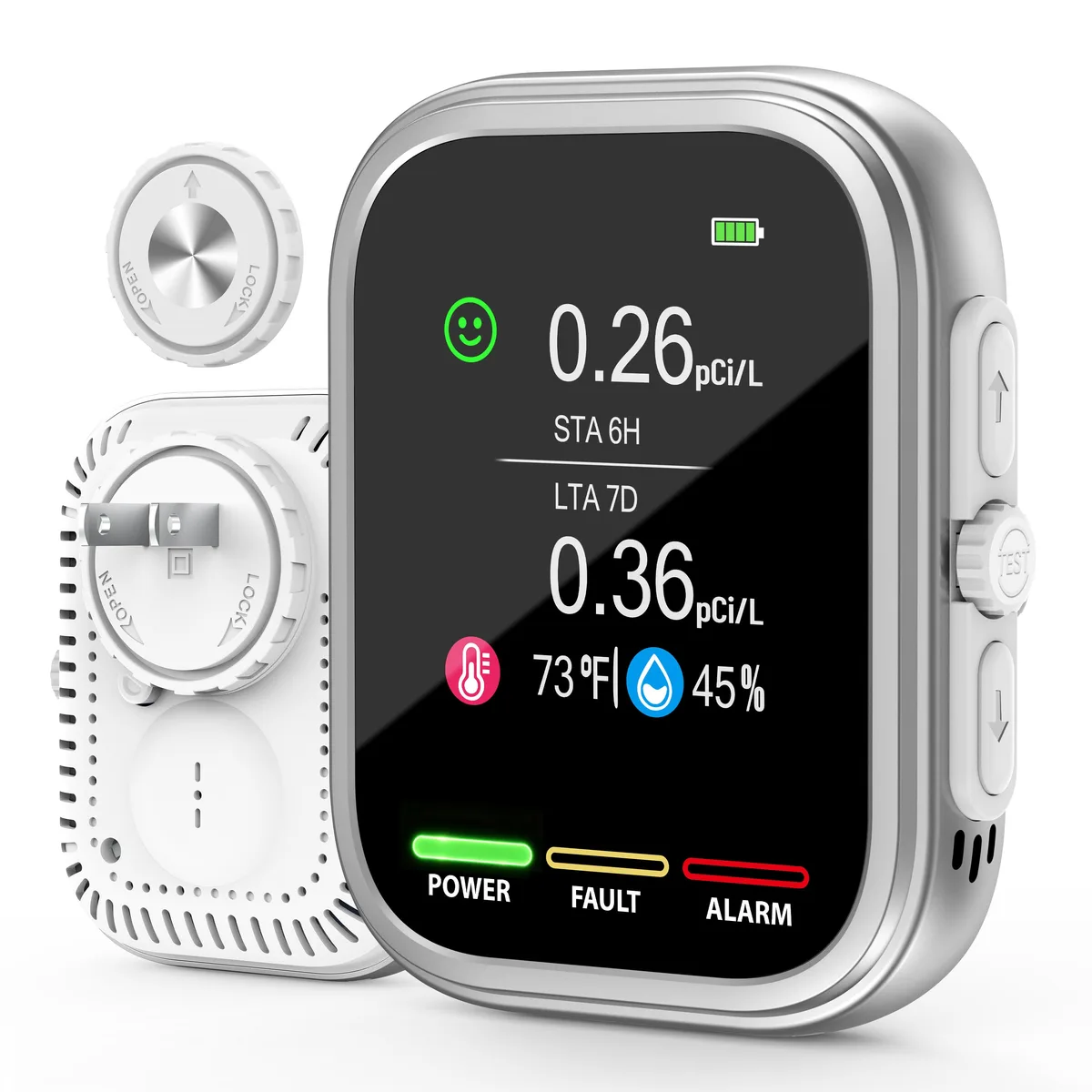
MonitorPYZYCKYH
Method: Semiconductor sensor
First reading: Within 6 hours
MonitorSafetySiren
First reading: Within 48 hours
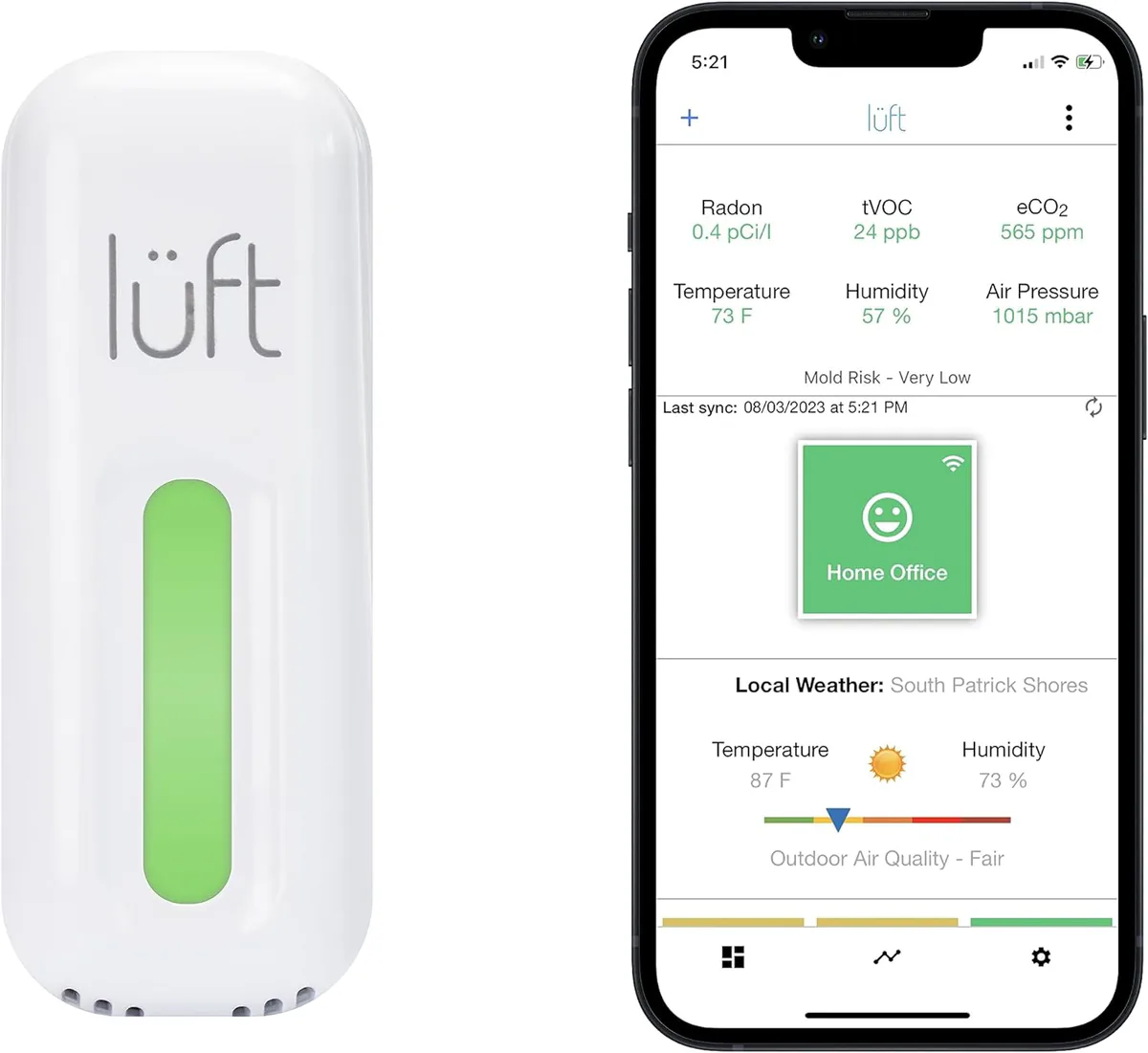
Monitor
First reading: Within 90 minutes
Monitor
Method: Alpha spectrometry
First reading: Within 24 hours
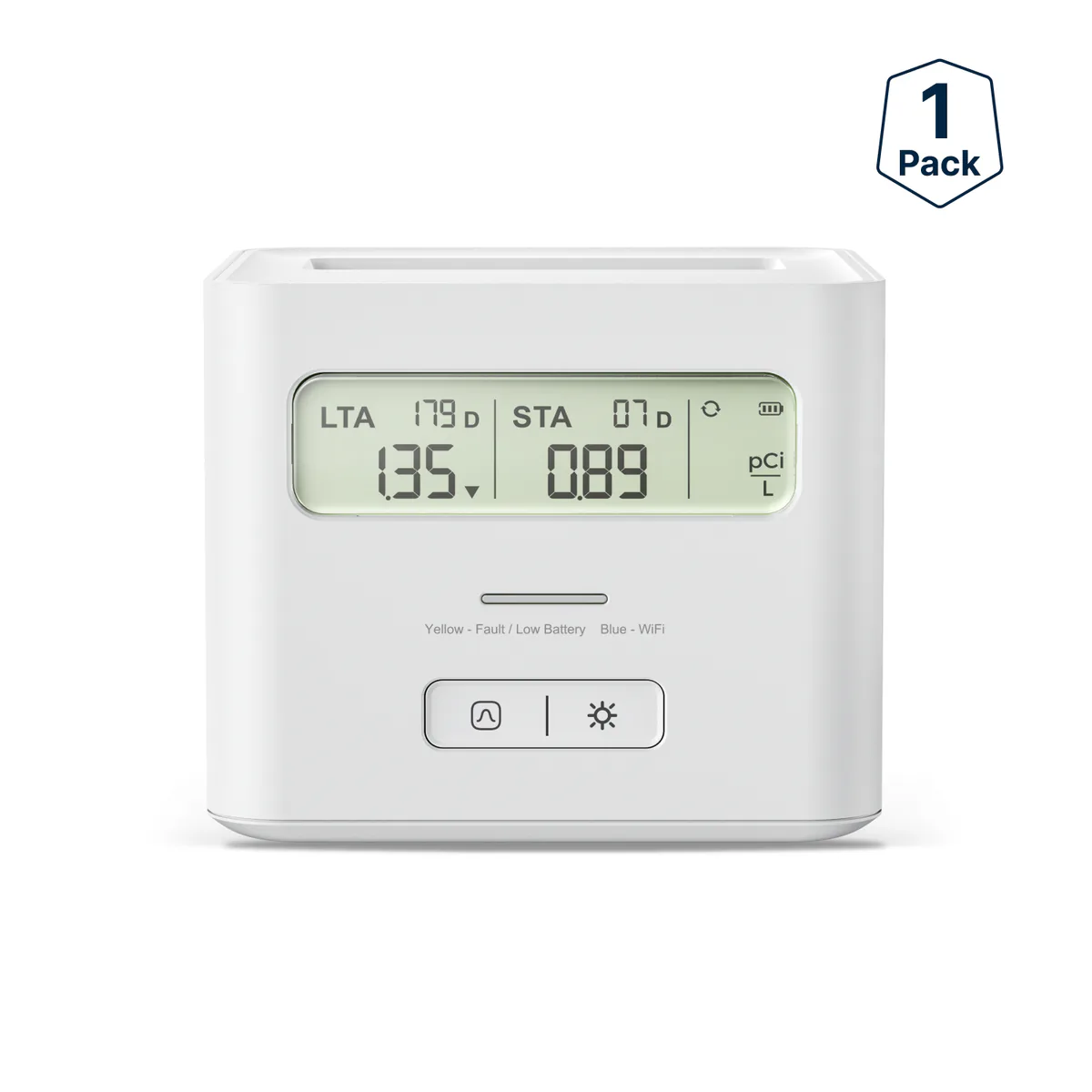
MonitorX-Sense
Method: Alpha spectrometry
First reading: Within 24 hours
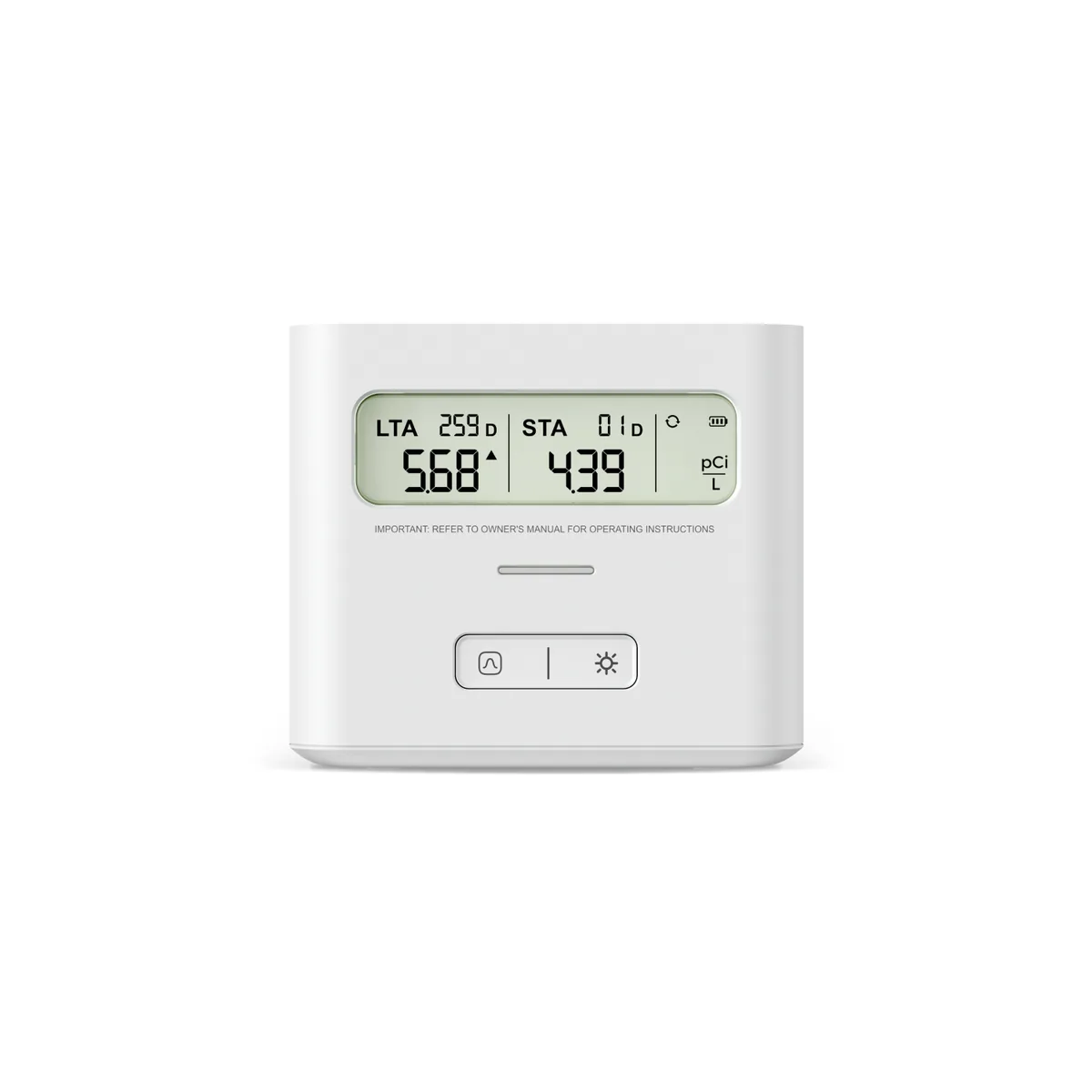
MonitorX-Sense
Method: Alpha spectrometry
First reading: Within 24 hours
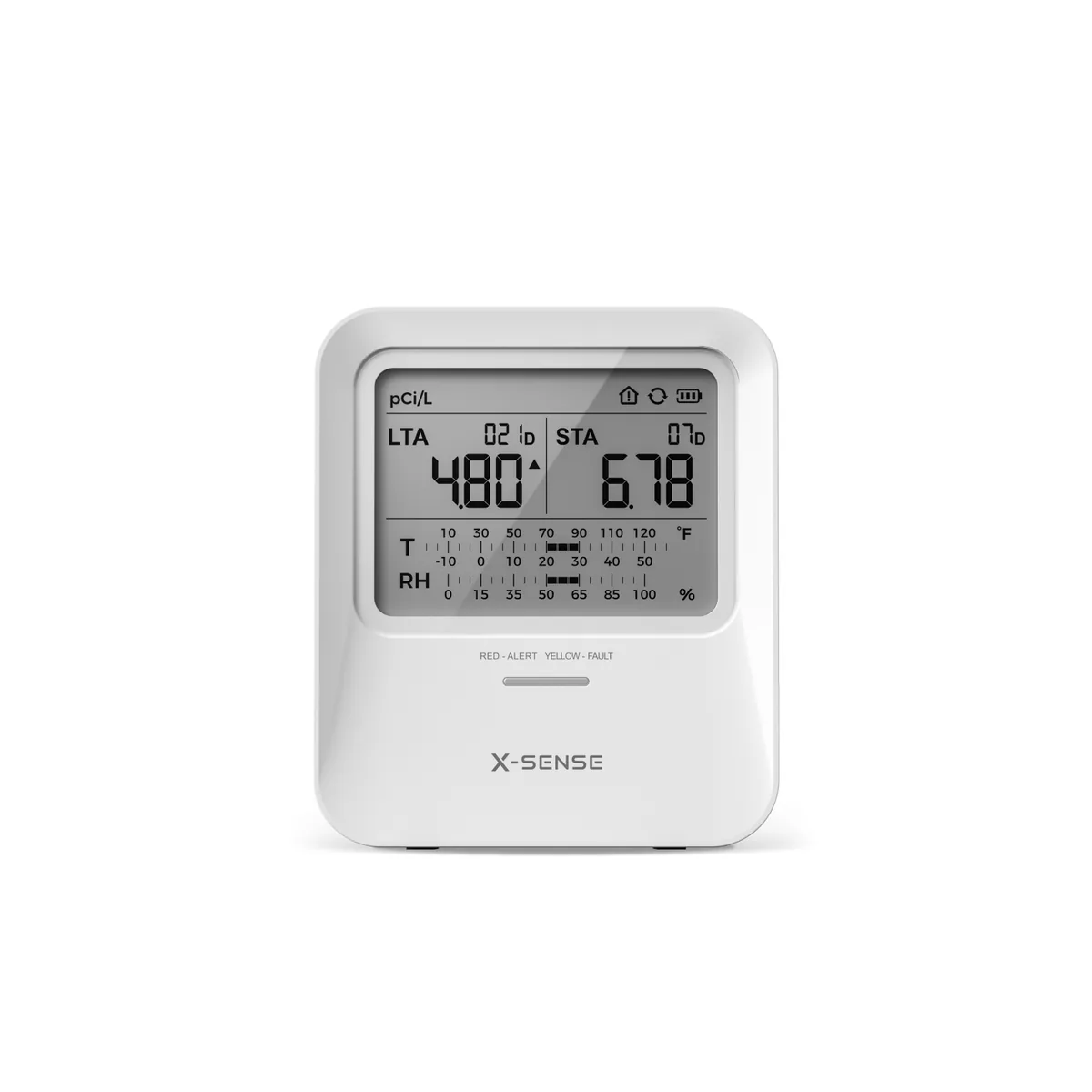
MonitorX-Sense
Method: Alpha spectrometry
First reading: Within 24 hours

Long-term kit
Method: Alpha track
In home: 90 days to 12 months

Long-term kit
Method: Alpha track
In home: 90 days to 12 months
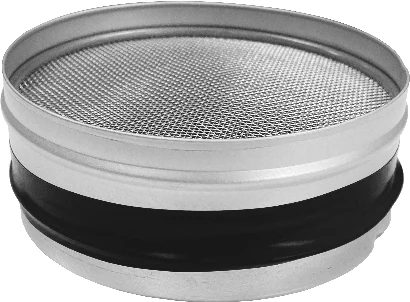
Short-term kit
Method: Charcoal
In home: 48 to 96 hours
No Amazon listing on file
See details of the AccuStar PicoCan
Short-term kit
Method: Charcoal
In home: 2 to 7 days

Short-term kitempowerDX
Method: Passive sampler
In home: 48 to 96 hours

Short-term kitFirst Alert
Method: Charcoal
In home: 2 to 4 days
Short-term kitKidde
Method: Charcoal
In home: 3 days
No Amazon listing on file
See details of the Kidde 442020
Short-term kit
Method: Liquid scintillation
In home: 48 to 96 hours

Short-term kit
Method: Liquid scintillation
In home: 48 to 96 hours
Short-term kit
In home: 72 to 168 hours
No Amazon listing on file
See details of the RadonAway Air Chek Short-TermRadon test kits: 1 of 10
Home radon monitors (32)
Compare side by sideThe guide
Short answer
A home radon detector is an electronic monitor that measures radon continuously and shows the result on a screen or in an app, with no lab to mail. Choose one with an independent accuracy result where you can, run it for at least 3 months, and decide on its long-term average.
A radon detector, as the words are used in stores, is a small electronic device that measures radon on its own, over and over, and shows you the result. The current Canadian term is electronic radon monitor (ERM), which replaced the older "digital detector". It measures radon at regular intervals without a break and shows the result on its own screen, in a phone app or on a web dashboard. Some also store readings and measure temperature, humidity and pressure.
That makes a detector the opposite of a test kit in one useful way: a kit gives you one lab-read average for a fixed period, while a detector gives you a running record you can watch for months. It also brings two risks a kit does not have. A cheap detector may simply not measure radon well, and a detector's short-term readings are easy to over-read. This hub covers every monitor we have verified, with its independent evidence status beside it, how to choose, and how to use one so its average means something. For mailed kits, see radon test kits.
The list at the top of this page holds every consumer radon monitor we have verified against its maker's own page. Beside each one is its independent evidence status: whether C-NRPP approved it in its 2024/25 evaluation or did not include it. The field studies that name some of these models are summarized further down. "Not included" means C-NRPP has published no result for that model, usually because its maker did not enter it; it is not a failed test. Maker's claims, such as accuracy figures, are attributed to the maker.
The principle fits in two sentences. Air reaches a detection chamber through a small pump or by natural diffusion. Inside, an alpha scintillator, an ionization chamber or a solid-state detector registers the alpha particles from radon and its decay products. On-board electronics then turn those counts into a radon level and report it for set time intervals.
Step 1 of 4:
Air reaches the chamber
Room air, and the radon in it, gets into the detection chamber by natural diffusion or through a small pump.
Step 2 of 4:
Alpha particles are counted
Radon and its decay products give off alpha particles. The detector in the chamber registers them.
Step 3 of 4:
Counts become a concentration
The on-board electronics turn what the detector registers into a radon level, in pCi/L or Bq/m3.
Step 4 of 4:
Readings are averaged
The monitor reports averages over set periods: an hour, a day, a week, a month or longer, depending on the model. Each model averages its data in its own way.
Two practical consequences follow. A monitor needs time before its first reading: from 90 minutes to 24 hours for the models C-NRPP approved. And short averages are less reliable than long ones: a few hours or days can read much lower or much higher than your real average. That is why the decision rests on the long-term average.
Learn what a monitor can and cannot do before you rely on it. In practice that means checking a handful of things, roughly in this order. None of them makes one monitor better than another for everyone; each decides whether a monitor fits your home and your question.
| What to check | Why it matters | What to look for |
|---|---|---|
| Independent evidence | A maker's accuracy claim is a promise; an independent result is a test | C-NRPP approved, not included, or not approved; see accuracy results explained |
| Long-term average | It is the number to act on. Some monitors do not report one | A long-term or seasonal average on the screen or in the app |
| Data storage | Some monitors store less than 3 months of data and need periodic downloads | Enough storage for a full heating season, or automatic upload |
| Power | A battery monitor can go anywhere; a plug-in needs an outlet in the room you test | Battery life, or a cable long enough for a good spot |
| Display or app | A screen works without a phone; an app keeps history and graphs | Whichever you will actually check |
| First reading and cadence | Ranges from about 90 minutes to 24 hours to the first reading among approved models | How soon you need a first number, and how often it updates |
| Units | U.S. guidance is in pCi/L; some devices show Bq/m3 | A pCi/L setting, or use our results interpreter |
| Other sensors | Some monitors also measure temperature, humidity and more | Only pay for sensors you will use |
| Recall status | Several cheap monitors were recalled for reading radon inaccurately | Check the model number against our recall list |
Chamber tests control the conditions. Two published field studies have run consumer monitors in real rooms beside a calibrated instrument. A 2024 study compared seven consumer models, including EcoQube, RadonEye, ViewPlus and WavePlus, with a calibrated AlphaGUARD over 54 days, and found each within 5% to 16% of the reference over the whole period. It also found response times of 1 to 15 hours, so a monitor's latest hourly figure can lag a real change. A 2026 study ran a Lüft beside a calibrated professional monitor in six rooms of a school in Utah for about 29 weeks and found a mean difference in 24-hour average radon of -0.05
Reported measurements
5% to 16%
difference from a calibrated reference for seven consumer monitors over 54 days, in a 2024 field study
Neither study rates a brand, and neither covers every model sold today. Read together with C-NRPP's results, they point the same way: the averages of tested consumer monitors come close to a reference over weeks, and the long-term average, not the latest reading, is the number to trust. Full details are on independent accuracy results explained.
For a measurement that follows the Canadian protocol, one detector is enough. What matters is where that one goes: in a normal occupancy area of the lowest lived-in level, where someone spends more than 4 hours a day. U.S. guidance points to the same floor, the lowest lived-in level of the home.
| Situation | How many | Why |
|---|---|---|
| A home with one lowest lived-in level | One | One detector is enough for a protocol measurement |
| You start using a lower floor, such as a finished basement | Move it, or add one, on that floor | Retest on a lower level you begin occupying |
| A level was not tested and has become the lowest lived-in level | Test that level | Re-test there the next heating season |
| You want to compare rooms | One per room, or one moved in turn | Each room's average only describes that room |
A second monitor is never a substitute for running the first one long enough. Three months in the right room tells you more than a week in each of three rooms.
Radon tests divide into passive devices, which need no power and go to a laboratory, and active devices, which need power and measure and record the radon in the air without a break. A consumer radon detector is a small active device. Both kinds can give a reliable answer; they suit different questions.
| Compared | Radon detector (electronic monitor) | Test kit (passive device) |
|---|---|---|
| What it gives you | A running record and averages you can watch | One average for the test period, from a laboratory |
| Needs power | Yes (battery or plug-in) | No |
| Lab or postage | No | Yes; check whether the price includes analysis |
| How long to run for a decision | At least 3 months | 2 to 90 days for a short-term kit; more than 90 days for a long-term kit |
| Independent check of the device | C-NRPP's consumer monitor results, for models entered | The laboratory that reads it |
| Good for | Ongoing watching, seeing the effect of a fix, seasonal patterns | A first answer, a confirmed long-term average, many home sales |

| Test | How long it runs | What it is for |
|---|---|---|
| Short-term test | Stays in the home from 2 to 90 days, depending on the device, and for a minimum of 48 hours. | A faster screening result. Because radon levels vary from day to day and season to season, it is less likely than a long-term test to tell you the year-round average. |
| Long-term test | Stays in the home for more than 90 days. | It is more likely than a short-term test to tell you the home's year-round average radon level. |
| Continuous monitor | Logs readings for the whole test, run as a short-term or a long-term test under the same durations in EPA guidance. | Logs a graph over time, so you can see trends and spot anomalies rather than a single number. |
The instructions are short and clear: radon levels vary from day to day and week to week, a monitor should stay in place for at least 3 months, and the long-term average is the number to decide on. Where to put it, and how much of the test should fall in the heating season, come next.
Step 1 of 5:
Put it in the right room
A room occupied for at least 4 hours a day, on the lowest lived-in level of the home. Not a kitchen, bathroom, laundry or storage room.
Step 2 of 5:
Put it in the right spot
Off the floor, away from an exterior wall, out of direct sunlight and away from air currents from vents, doors, fans and windows, and away from electronic or network devices. See where to place a radon test.
Step 3 of 5:
Run it through the heating season
At least 3 months, preferably in the heating season. Canada's guidance asks for at least 91 days of the test to fall in the heating season.
Step 4 of 5:
Ignore the hourly swings
Short-term readings can be much lower or much higher than your average. Look at the trend, not the latest number.
Step 5 of 5:
Decide on the long-term average
If your monitor does not show one, read the maker's guide; each model averages differently. With less than 91 days of data, follow up with a long-term radon test.
Then compare the long-term average with the guidance levels. EPA recommends fixing a home when the radon level is 4 pCi/L or higher. EPA recommends considering a fix when the level is between 2 and 4 pCi/L.

Placement
One detector on the lowest lived-in level answers the main question, as long as it sits where people actually spend time.
In a sale, a continuous monitor run for at least 48 hours is one of three accepted short-term options. Active devices can show unusual swings in the record, and some are designed to deter and detect test interference. You can also hire a qualified radon tester, very often a home inspector, who will use a device suited to your situation. Consumer monitors cannot be professionally calibrated, and C-NRPP does not approve them for use by radon measurement professionals.

If you are testing in a real estate transaction and you need results quickly, any of the following three options for short-term tests are acceptable in determining whether the home should be fixed.
Option 1. Two tests at the same time
PassiveTake two short-term tests at the same time in the same location for at least 48 hours.
What to do nextFix the home if the average of the two tests is 4 pCi/L or more.
Two tests taken at the same time (simultaneous) would improve the precision of this radon test.
Option 2. One test, then a second
PassiveTake an initial short-term test for at least 48 hours. Immediately upon completing the first test, do a second test using an identical device in the same location as the first test.
What to do nextFix the home if the average of the two tests is 4 pCi/L or more.
One test followed by another test (sequential) would most likely give a better representation of the seasonal average.
Option 3. A continuous monitor
ActiveTest the home with a continuous monitor for at least 48 hours.
What to do nextFix the home if the average radon level is 4 pCi/L or more.
Both active and passive devices may have features which help to prevent test interference.
Any real estate test for radon should include steps to prevent or detect interference with the test device. Your state radon office can help you decide which option is best.
Radon detectors are sold by their makers and through retailers. A monitor in our list links to Amazon only once we have confirmed the listing is for that exact model, sold in the United States.
If you only need a first answer, a free kit may do. Free test kits are sometimes available from local or county health departments or from state radon programs, and kits can be bought from the National Radon Program Services at Kansas State University (1-800-SOS-RADON). See free radon test kits by state.
Calculated by Radon411
6
consumer monitors approved in C-NRPP's 2024/25 evaluation, counted from C-NRPP's page
We do not rank detectors. We list every one we have verified, with its independent evidence status, so you can choose by what fits your home. Start with a model that has an independent result, then choose by power, display, storage and how readings are averaged.
Air drifts or is pumped into a small chamber, and a detector there counts the alpha particles given off by radon and its decay products. The electronics turn the counts into a radon level and average it over hours, days or longer.
Independently tested ones can be. Every consumer monitor C-NRPP approved in 2024/25 averaged a grade of B or better across four chamber rounds. Several cheap monitors were recalled for inaccurate readings. See independent accuracy results explained.
In C-NRPP's 2024/25 evaluation: the Airthings Corentium Home and Airthings View, the Aranet RN+, the Ecosense EcoQube and RadonEye RD200, and the SunRadon Luft, as Canadian versions.
Neither is better in general. A detector shows a running record for months; a kit gives one lab-read average. For a decision, a detector needs at least 3 months of data; a long-term kit needs more than 90 days.
At least 3 months, preferably during the heating season. Canada's guidance asks for at least 91 days of the test to fall in the heating season.
In a room used at least 4 hours a day on the lowest lived-in level, off the floor, away from exterior walls, vents, windows, sunlight and electronic or network devices.
Radon levels vary from day to day and week to week, and short averages bounce more than long ones. Decide on the long-term average, not the hourly or daily figure.
For your own peace of mind, a well-placed, independently tested monitor run for months gives a useful average. Consumer monitors are not approved in C-NRPP's program for use by measurement professionals, so check what a home sale or your state requires.
Consumer monitors cannot be professionally calibrated. That is one reason independent testing of the model matters.
In everyday use, yes: both mean an electronic device that measures radon continuously. The current Canadian term is electronic radon monitor. Professional continuous radon monitors are a separate, calibrated class; see professional radon monitors.
Yes, and the basement is often the right place: test the lowest lived-in level. If nobody uses the basement, test the lowest floor that is used.
It depends on the model. Among the monitors C-NRPP approved, C-NRPP lists first readings from about 90 minutes to 24 hours.
Then it has no C-NRPP result either way. Most often its maker did not enter it. Check that it is not on our recall list, and read its maker's accuracy claim for the conditions it names.
Only a device with a radon sensor measures radon. If a product page does not say it measures radon, assume it does not.
Yes. A monitor can show the drop and keep watching afterwards. A post-mitigation test is still needed within 30 days of installation, no sooner than 24 hours after the system starts; see radon mitigation.
Act on the long-term average. EPA recommends fixing a home when the radon level is 4 pCi/L or higher. EPA recommends considering a fix when the level is between 2 and 4 pCi/L.
Treat it as a start, not an answer. A monitor needs from 90 minutes to 24 hours before its first reading, and a few days of readings can sit well above or well below your real average. Decide on the long-term average after at least 3 months, preferably through the heating season.
You can, but each move starts a new record for a different room, so the long-term average no longer describes one place. For a decision, leave it in one normal occupancy area on the lowest lived-in level for at least 3 months, then move it if you want to compare another floor.
No. A detector measures radon; it does not remove any. If the long-term average is high, the fix is a mitigation system installed by a qualified contractor, and the detector then helps you watch the level fall and stay down. See radon mitigation.
Questions
Short answers. Each one links to the page with the full answer.
A radon test is a small device that samples a building's air for a set time, at least 48 hours, to measure its radon concentration in picocuries per liter. Passive tests, such as charcoal canisters, go to a lab for analysis afterward; active tests, continuous monitors, record radon themselves and report hourly readings and an average.
Place a radon test in the lowest lived-in level of the home, in a room used regularly such as a living room or bedroom, not the kitchen or bathroom. Set it at least 20 inches above the floor where it won't be disturbed, away from drafts, high heat, high humidity and exterior walls.
Read a radon result in picocuries per liter (pCi/L) against EPA's marks: 4 pCi/L is the action level for fixing a home, and 2 to 4 pCi/L is the range to consider a fix. First check the test was valid, and confirm a high short-term result with a followup test.
Yes, a radon test from a qualified laboratory gives a reliable reading when it is used as its instructions say. Most wrong results come from how the test was run, not the device: improper testing may give an inaccurate result, and one short test only captures a few days of a level that changes.
Yes. EPA and the Surgeon General recommend testing every home below the third floor, whatever its age, foundation or location, because radon cannot be seen, smelled or tasted, and a test, which is inexpensive and takes only a few minutes of your time, is the only way to know a home's level.