
Long-term kit
RL116 long-term radon test kit
- Lab fee extra
Method: Alpha track
In home: 90 days to 12 months
 RadonSeal
Long-term radon test kit
Best for you if
Skip it if
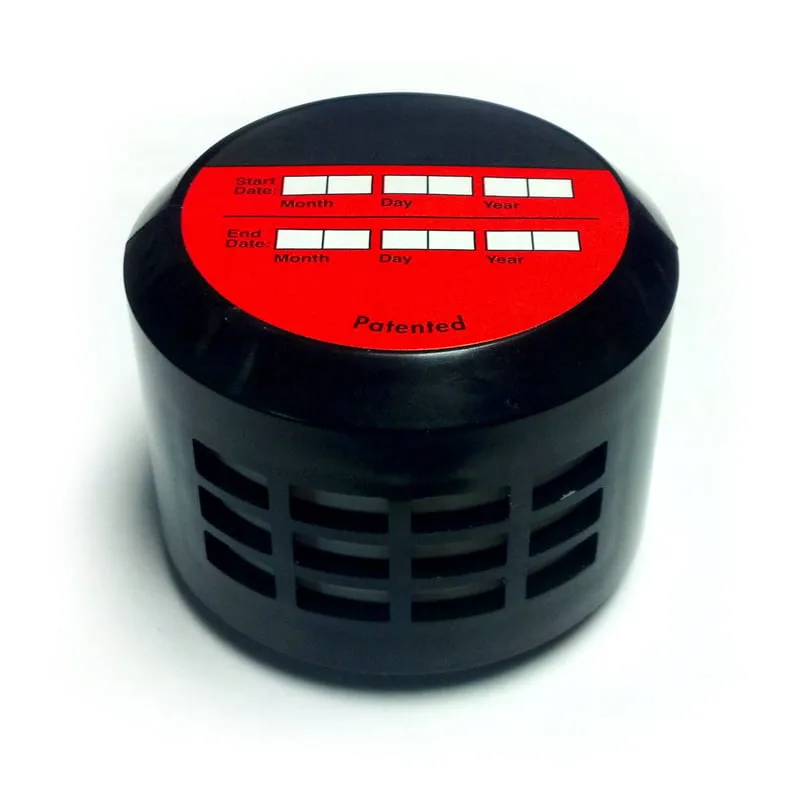
Photos: RadonSeal
As RadonSeal states it
RadonSeal's long-term radon air test kit is a mail-in test built around one alpha-track detector, which stays in the home for 3 to 12 months and then goes to the laboratory in a prepaid return mailer. RadonSeal says certified laboratory analysis and the test report are part of the kit, with no separate laboratory analysis charges. Its pages do not name the laboratory or the detector's maker or model.
RadonSeal lists what the kit includes: an alpha-track radon detector, instructions for conducting the test, certified laboratory analysis, a prepaid return mailer and postage, and a test report delivered online, by email and by First Class mail. Its pages state no warranty for the kit.
In the box and running costsHow it works
The sensor, the sampling and the readings, then who has checked it
In our words, from the maker's documents
RadonSeal opens its page on the reason for a long test: radon levels can change from day to day and season to season, and this kit measures over 3 to 12 months to give a longer view of the air in a home or basement. The EPA counts any test that stays in a home for more than 90 days as long-term, and says a long-term test is more likely than a short-term test to tell you a home's year-round average, because radon levels tend to vary from day to day and season to season.
The detector is passive. RadonSeal describes it as an alpha-track detector and says the kit needs no power, batteries or monitoring equipment. Nothing shows a number while it sits in the room: the measurement is made at the laboratory, after the detector has been mailed back. The EPA names alpha track and electret ion chamber detectors as the ones commonly used for long-term testing. RadonSeal's pages do not say who makes the detector or which model it is.
The result is one figure for the whole time the detector was out. RadonSeal says the laboratory tests the kit the same day it is received and provides a detailed report online, by email and by First Class mail. The EPA's home buyer's guide says that when long-term test results are at or above 4 pCi/L, it recommends fixing the home, and its Citizen's Guide suggests considering a fix between 2 and 4 pCi/L. RadonSeal's own page repeats the 4 pCi/L line and adds that radon below it can still present some risk.
RadonSeal sells the long-term kit beside a short-term charcoal kit for 3 to 7 days, and frames the choice as one of time: the long-term kit when results are not urgent and you want to follow radon over several months, the short-term kit when results are needed quickly. Its test kits page lists both radon air test kits beside a radon-in-water test kit and a vapor transmission test kit.
RadonSeal's radon FAQ gives its own account of the variation a long test averages out: radon levels, it says, fluctuate widely with barometric pressure, rain or ice, wind and the season. That is the case for the long test in the maker's words; the EPA's guidance on long-term tests, above, makes the same point.
RadonSeal is the brand of Novion Inc., which its About page says was founded in 1987 and incorporated in Connecticut, and which sells RadonSeal products directly to homeowners and contractors through radonseal.com. Most of what the About page describes is concrete sealers, basement waterproofing and crack repair; the test kits sit in a category of their own on the site. The home office is in Shelton, Connecticut.
RadonSeal's own statements, attributed
These are RadonSeal's own statements, attributed to it. They are not our findings, and we have not tested this product ourselves.
Who checks a device like this
C-NRPP's consumer evaluation covers electronic monitors, not laboratory-analyzed test kits, so it has no result for RadonSeal Long-Term Radon Air Test Kit. A kit's result comes from the laboratory that analyzes it. Where the maker names that laboratory, or the page cites the National Radon Safety Board's lists of approved devices and accredited laboratories for it, the “How it works” panel and “Questions people ask” say so.
Specifications
Every figure as the maker states it
RadonSeal lists what the kit includes: an alpha-track radon detector, instructions for conducting the test, certified laboratory analysis, a prepaid return mailer and postage, and a test report delivered online, by email and by First Class mail. Its pages state no warranty for the kit.
RadonSeal says there are no separate laboratory analysis charges: the analysis, the return mailer, the return postage and the report come with the kit. Its pages give no state fee, no fee for a second copy of the report and no rush option.
The kit ships by USPS First Class Mail, which RadonSeal says does not automatically include tracking information, and typically arrives in 2 to 9 business days; the site's banner advertises free ground shipping. There are no batteries, apps or subscriptions: the cost is one kit per test, and a long-term test ties up that detector for at least three months.
Fit and setup
The fit, then setup and placement as the guidance asks
Good fit if, and look elsewhere if
Good fit if
Look elsewhere if
5 steps
For where any radon test or monitor should sit in a home, see where to place a radon test.
Compare
The same three rows for each, and the one difference that matters
This page
RadonSeal Long-Term Radon Air Test Kit
This page: RadonSeal's long-term radon air test kit is a mail-in test built around one alpha-track detector, which stays in the home for 3 to 12 months and then goes to the laboratory in a prepaid return mailer.
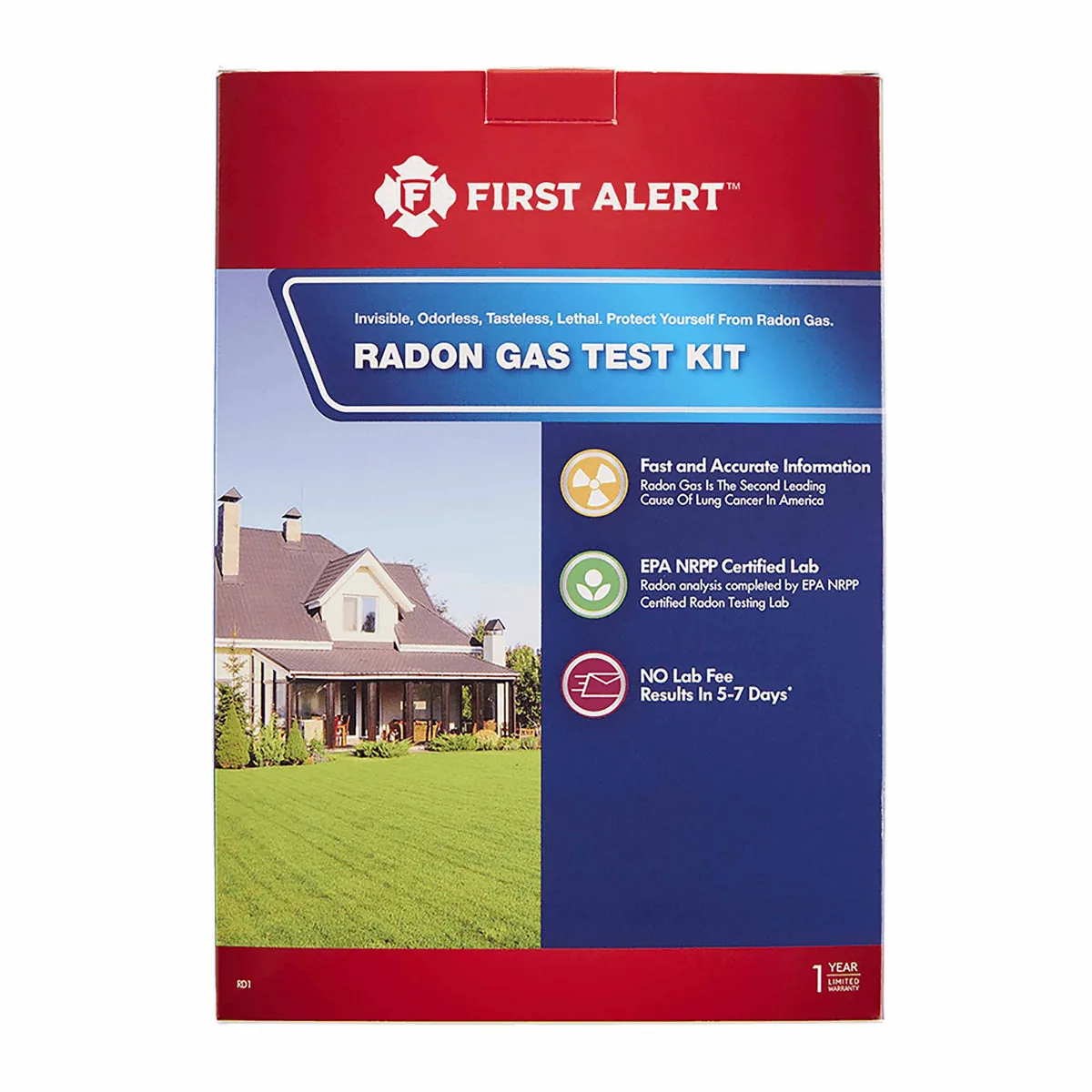
First Alert
The difference: A short-term charcoal sampler for two to four days, with lab fees included except New Jersey's state fee.
PRO-LAB
The difference: PRO-LAB's long-term kit, listed apart from its version with the laboratory analysis included (the RL416): with the RL116 the lab fee is paid separately.
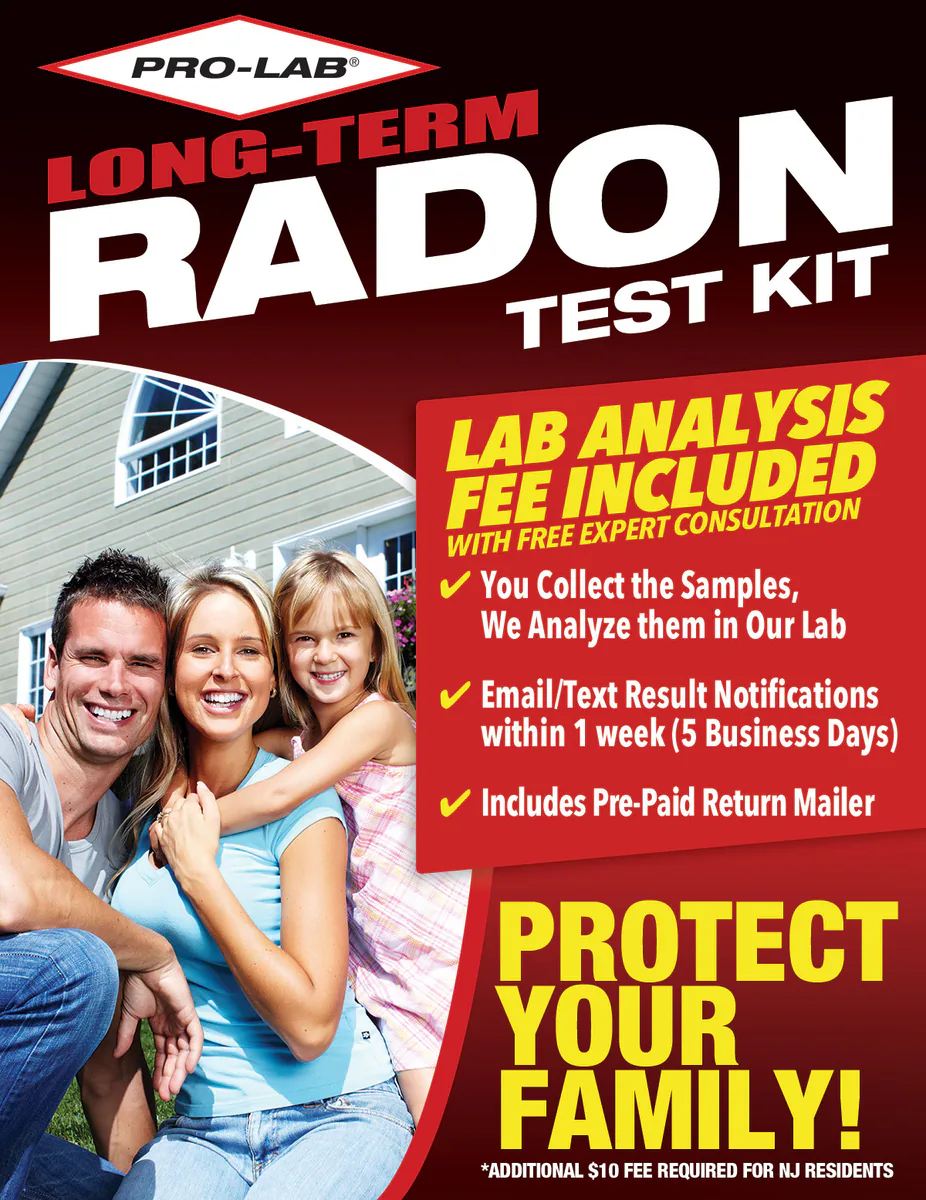
PRO-LAB
The difference: PRO-LAB's long-term kit listed with the laboratory analysis included, SKU RL416, beside the RL116 that leaves the lab fee separate.
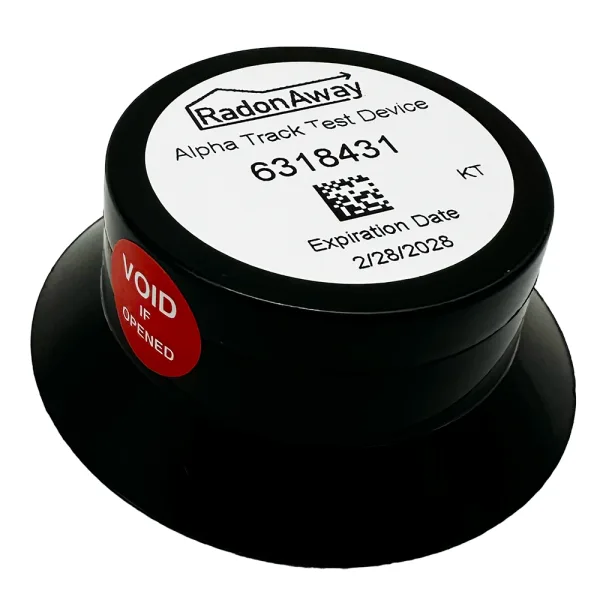
RadonAway
The difference: RadonAway's alpha track test on Radon.com, product code 28407, for 91 to 365 days, with professional lab analysis and return USPS shipping to an accredited radon lab included.
Compared with similar products: 1 of 5
Long-term kit
Method: Alpha track
In home: 90 days to 12 months
Long-term kit
Method: Alpha track
In home: 90 days to 12 months
Long-term kit
Method: Alpha track
In home: 91 to 365 days
More long-term test kits: 1 of 3
Questions
6 questions about the RadonSeal Long-Term Radon Air Test Kit, answered
RadonSeal says to leave the detector in place for 3 to 12 months, recording the start and end dates as the kit's instructions direct. The laboratory tests the detector the same day it arrives, RadonSeal says, and the report goes out online, by email and by First Class mail.
Yes, in RadonSeal's own words: certified laboratory analysis, a prepaid return mailer, return postage and the detailed test report are included, and there are no separate laboratory analysis charges.
RadonSeal's pages do not say. They describe certified laboratory analysis and a prepaid mailer to the laboratory without naming the laboratory or its accreditation. If you want to check the laboratory against your state's requirements, ask RadonSeal before you buy.
RadonSeal frames it as time: its short-term charcoal kit measures over 3 to 7 days when results are needed quickly, the long-term alpha-track kit over 3 to 12 months when they are not. The EPA's sequence is the same: a short-term test is the quickest screen, a long-term test of more than 90 days is more likely to tell the year-round average, and a first short-term result at or above 4 pCi/L calls for a follow-up, either a long-term test or a second short-term test.
A test that runs at least three months rarely fits a sale, and RadonSeal points to its short-term kit when results are needed sooner. The EPA's home buyer's guide says long-term tests can be used to confirm initial short-term results if time permits, meaning more than 90 days. Check your state's rules for testing during a sale.
No. RadonSeal says the kit needs no power, batteries or monitoring equipment: the detector sits in place and is read at the laboratory. The report comes online, by email and by First Class mail rather than through an app.
Updated November 27, 2026