
Short-term kit
PicoCan short-term charcoal canister radon test
- Lab fee included
Method: Charcoal
In home: 48 to 96 hours
No Amazon listing on file
See details of the AccuStar PicoCan First Alert
Short-term charcoal radon test kit
Best for you if
Skip it if
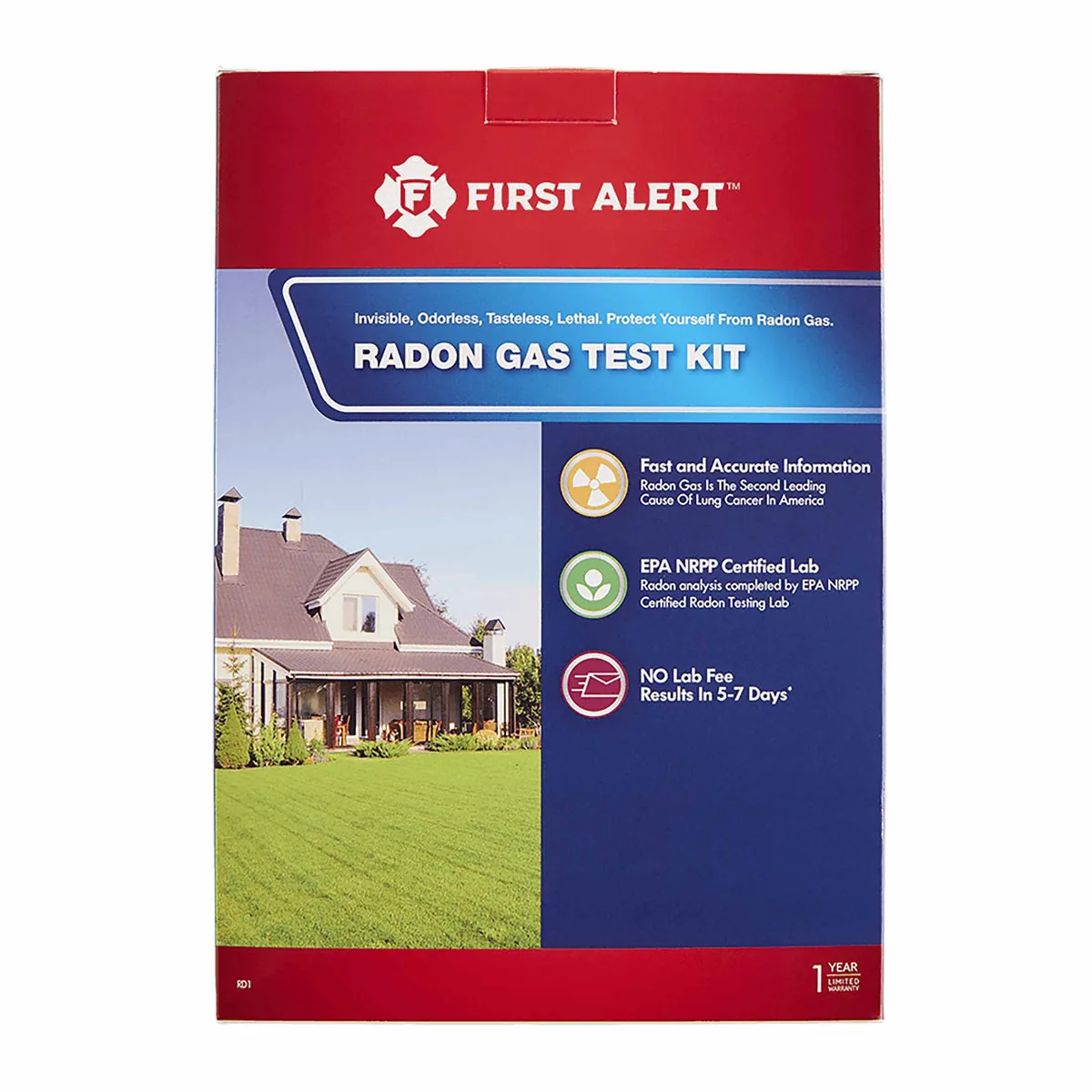
Photos: First Alert
 (opens in a new tab)Check price on Amazon (opens in a new tab)
As an Amazon Associate, Radon411 earns from qualifying purchases.
Amazon and the Amazon logo are trademarks of Amazon.com, Inc. or its affiliates.
See ratings and reviews on Amazon (opens in a new tab)As First Alert states it
The First Alert RD1 is a short-term, do-it-yourself charcoal radon test: you leave the sampler on the lowest level of your home for two to four days, then mail it to the laboratory, and the lab fee is included except for New Jersey's state fee. First Alert says results are available 3 to 5 business days after the lab receives the kit.
First Alert says the kit includes everything needed to test, with the lab fee, plus information on how to read the result and what to do if radon is high. The leaflet refers to a Radon Test Information Card in the kit for full instructions. The model is RD1, UPC 029054850003, weighing 0.4 lb, with a 1-year limited warranty; its store also lists a six-pack, RD-6.
In the box and running costsHow it works
The sensor, the sampling and the readings, then who has checked it
In our words, from the maker's documents
The RD1 is a passive charcoal test. First Alert's leaflet describes the sampler as containing charcoal (activated carbon) that adsorbs and traps radon's radioactive by-products while it sits open in your home. Nothing in it runs on power and nothing displays a number: the measurement happens later, when the laboratory analyzes what the charcoal collected.
That design is one of the passive kinds of device the EPA describes for short-term testing. The EPA names charcoal canisters and charcoal liquid scintillation devices among the detectors most commonly used for short-term tests, and says short-term tests stay in a home for two days to 90 days, depending on the device. The RD1's exposure of two to four days sits at the short end of that range.
The analysis is part of the price. First Alert's leaflet says the radon analysis is completed by an EPA NRPP certified radon testing lab through NEHA, and names Alpha Energy Labs; New Jersey residents must send an additional state fee with each kit. First Alert describes the kit as listed under the EPA Radon Gas Measurement Proficiency Program; that is the maker's description, quoted as its own.
Because a short-term test captures only a few days, its result is a snapshot. The EPA notes that radon levels tend to vary from day to day and season to season, and that a long-term test is more likely than a short-term test to tell you a home's year-round average. The RD1 leaflet repeats the EPA's follow-up steps for each result band, and says a long-term test can be bought directly from Alpha Energy Labs.
First Alert's own statements, attributed
These are First Alert's own statements, attributed to it. They are not our findings, and we have not tested this product ourselves.
Who checks a device like this
C-NRPP's consumer evaluation covers electronic monitors, not laboratory-analyzed test kits, so it has no result for First Alert RD1. A kit's result comes from the laboratory that analyzes it. Where the maker names that laboratory, or the page cites the National Radon Safety Board's lists of approved devices and accredited laboratories for it, the “How it works” panel and “Questions people ask” say so.
First Alert RD1
Check price on Amazon (opens in a new tab)Specifications
Every figure as the maker states it
First Alert says the kit includes everything needed to test, with the lab fee, plus information on how to read the result and what to do if radon is high. The leaflet refers to a Radon Test Information Card in the kit for full instructions. The model is RD1, UPC 029054850003, weighing 0.4 lb, with a 1-year limited warranty; its store also lists a six-pack, RD-6.
A charcoal kit is used once. The lab analysis is included, except New Jersey's state fee, which the leaflet says residents send with each kit. Check whether return postage is prepaid when you buy. The other likely cost is a second test: the EPA says to take a follow-up test when a first short-term result is at or above 4 pCi/L.
Fit and setup
The fit, then setup and placement as the guidance asks
Good fit if, and look elsewhere if
Good fit if
Look elsewhere if
3 steps
For where any radon test or monitor should sit in a home, see where to place a radon test.
Compare
The same three rows for each, and the one difference that matters
This page
First Alert RD1
This page: The First Alert RD1 is a short-term, do-it-yourself charcoal radon test: you leave the sampler on the lowest level of your home for two to four days, then mail it to the laboratory, and the lab fee is included except for New Jersey's state fee.
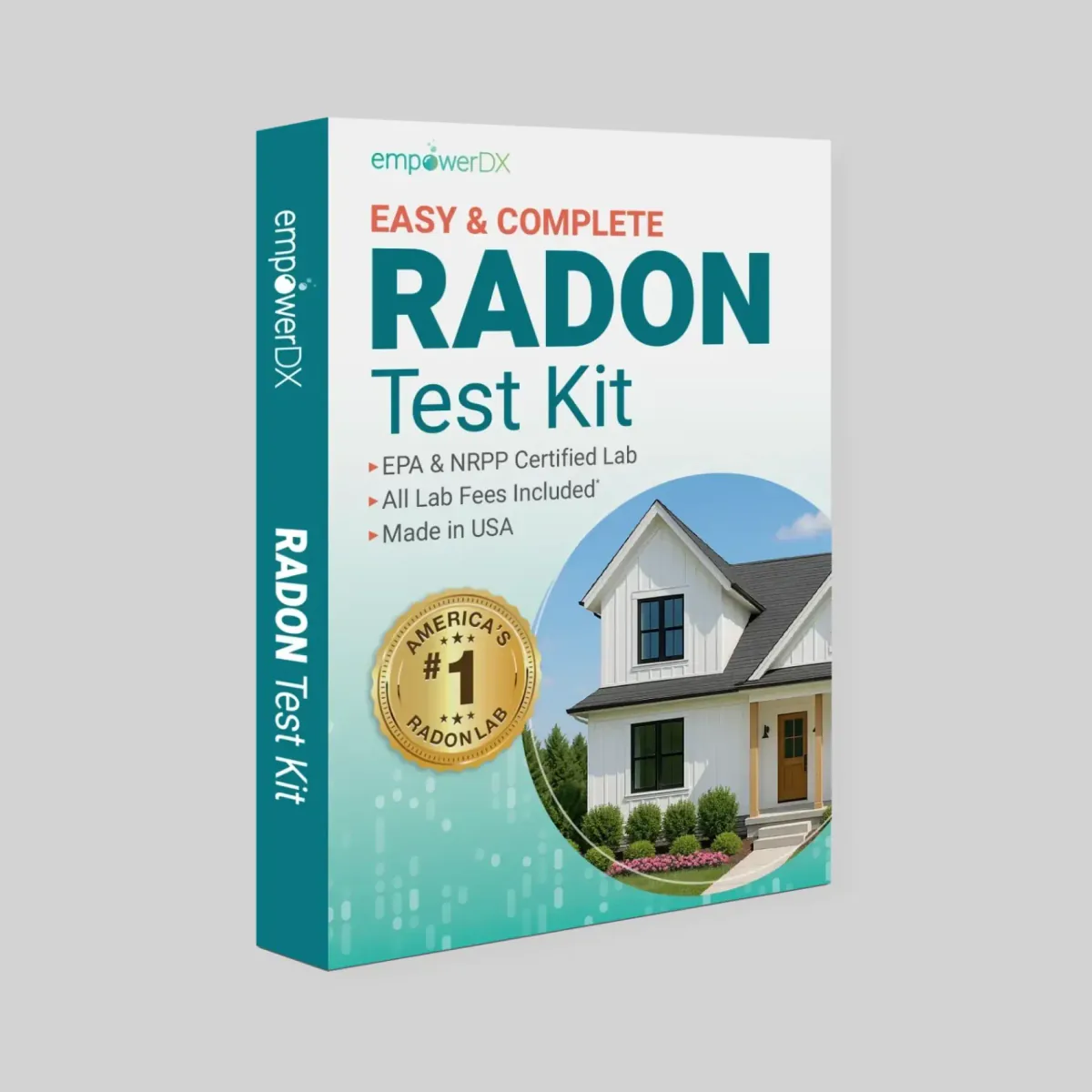
empowerDX
The difference: A passive sampler for 48 to 96 hours with outbound shipping and the lab analysis included and results 3 to 5 business days after the lab receives it; return postage is not included, and empowerDX's product text does not name the laboratory.
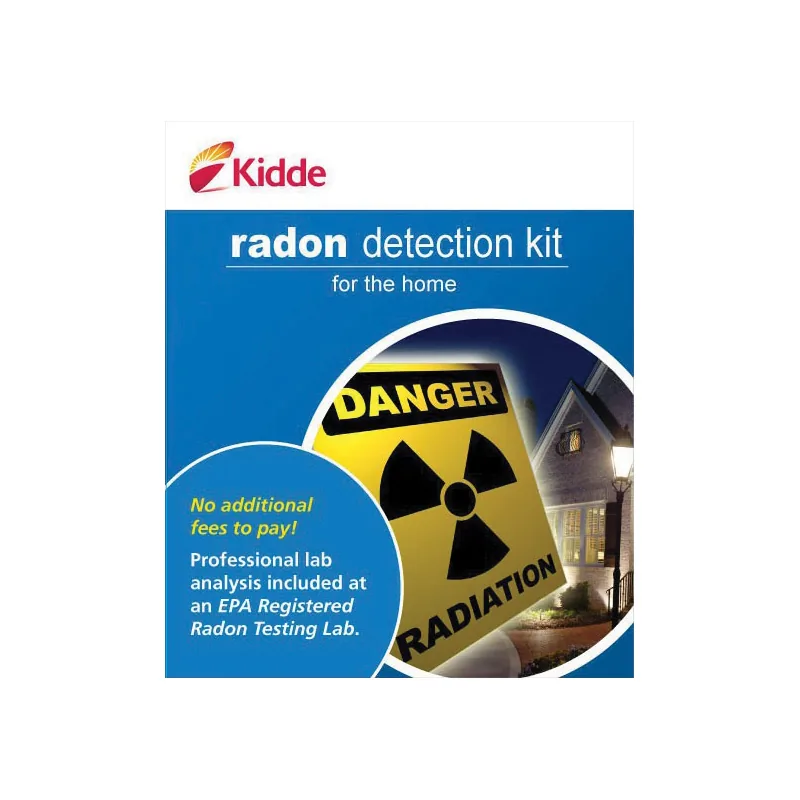
Kidde
The difference: Also an activated-charcoal sampler analyzed by Alpha Energy Laboratories, with a three-day exposure; Kidde says postage for the return is not included.
No Amazon listing on file
See details of the Kidde 442020
PRO-LAB
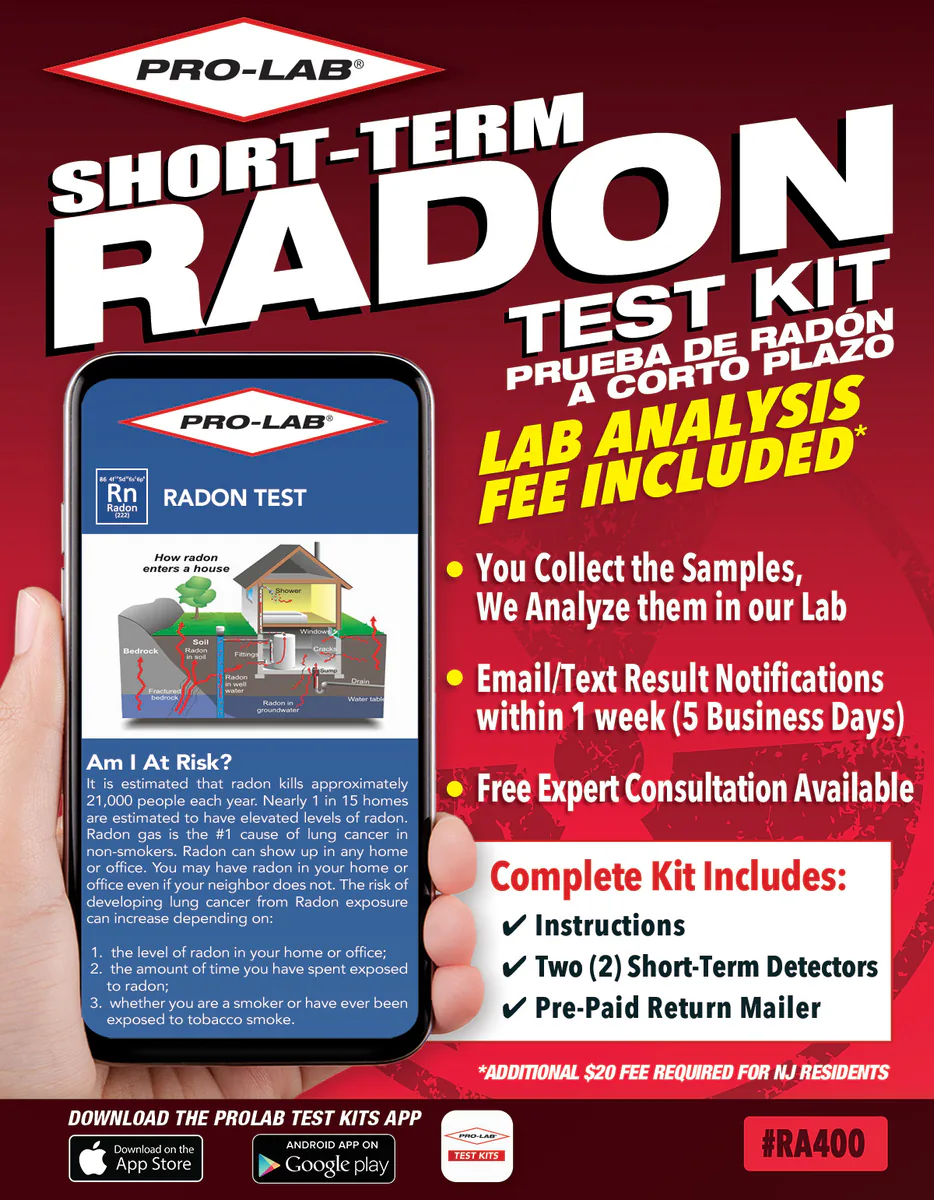
The difference: Two liquid scintillation detectors placed side by side for 48 to 96 hours; the lab fee is sent separately with the detectors.
RadonAway
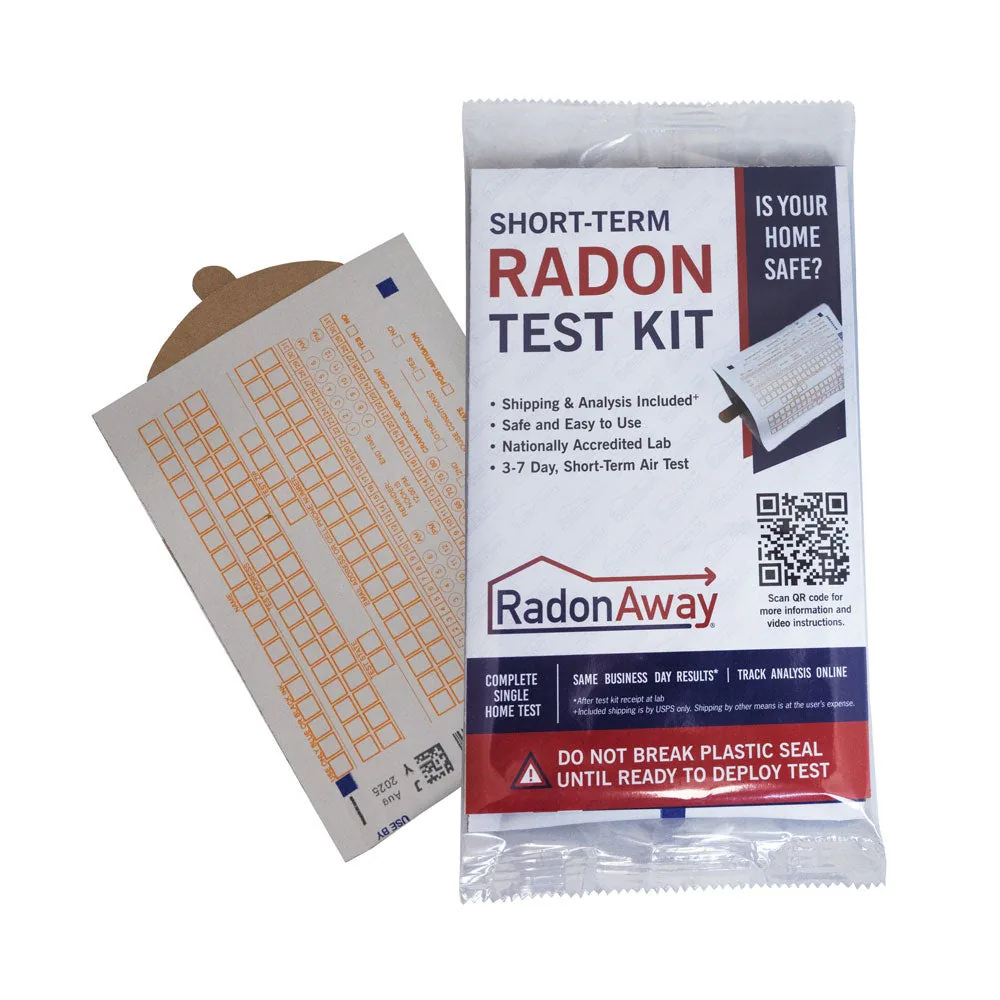
The difference: One device hung in the room for three to seven days and sealed airtight at the end; the analysis and USPS return shipping are included.
No Amazon listing on file
See details of the RadonAway Air Chek Short-TermCompared with similar products: 1 of 5
Short-term kit
Method: Charcoal
In home: 48 to 96 hours
No Amazon listing on file
See details of the AccuStar PicoCan
Short-term kit
Method: Charcoal
In home: 2 to 7 days
Short-term kitempowerDX
Method: Passive sampler
In home: 48 to 96 hours
Short-term kitKidde
Method: Charcoal
In home: 3 days
No Amazon listing on file
See details of the Kidde 442020Short-term kit
Method: Liquid scintillation
In home: 48 to 96 hours
Short-term kit
Method: Liquid scintillation
In home: 48 to 96 hours
Short-term kit
In home: 72 to 168 hours
No Amazon listing on file
See details of the RadonAway Air Chek Short-TermMore short-term test kits: 1 of 7
Questions
5 questions about the First Alert RD1, answered
First Alert says to leave the sampler out for two to four days and then mail it to the lab immediately, and that results are available 3 to 5 business days after the lab receives it. The EPA's minimum for any radon test is 48 hours.
Yes, except in New Jersey. First Alert says the kit includes test materials and lab fees, excluding New Jersey state fees, and the leaflet says New Jersey residents are required to send a fee with each kit.
Follow the EPA's steps, which the RD1 leaflet reprints: if a first short-term test is at or above 4 pCi/L, test again, with a long-term test or a second short-term test; fix the home if a long-term follow-up is at or above 4 pCi/L, and consider fixing if the average of the two short-term tests is at or above 4 pCi/L. The EPA also suggests considering a fix between 2 and 4 pCi/L.
It works whenever closed-house conditions can be kept. First Alert's leaflet calls the winter months the optimum time to test in northern climates, and that in southern climates the test should run when windows and doors will not be opened for ventilation; recirculating central air conditioning can keep running.
Rules for testing during a sale vary by state. The EPA describes tests for a sale and the conditions they need; check your state's requirements before relying on any do-it-yourself kit.
Updated October 1, 2026