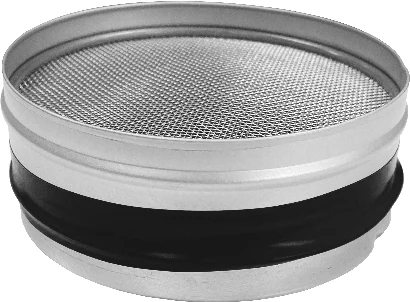
Short-term kit
PicoCan short-term charcoal canister radon test
- Lab fee included
Method: Charcoal
In home: 48 to 96 hours
No Amazon listing on file
See details of the AccuStar PicoCanProductsRadon test kits
The best radon test kits for a first test or a home sale: every short-term and long-term kit we cover, with test length, lab fee and how to use each.
Every radon test kit we cover, side by side, with each maker's stated test length, method, lab fee and how the result reaches you. A short-term kit gives a first answer in days; a long-term kit, left out for more than 90 days, is more likely to tell you your home's year-round average. Testing for a home sale? Start with the note below.
Short-term kit
Method: Charcoal
In home: 48 to 96 hours
No Amazon listing on file
See details of the AccuStar PicoCan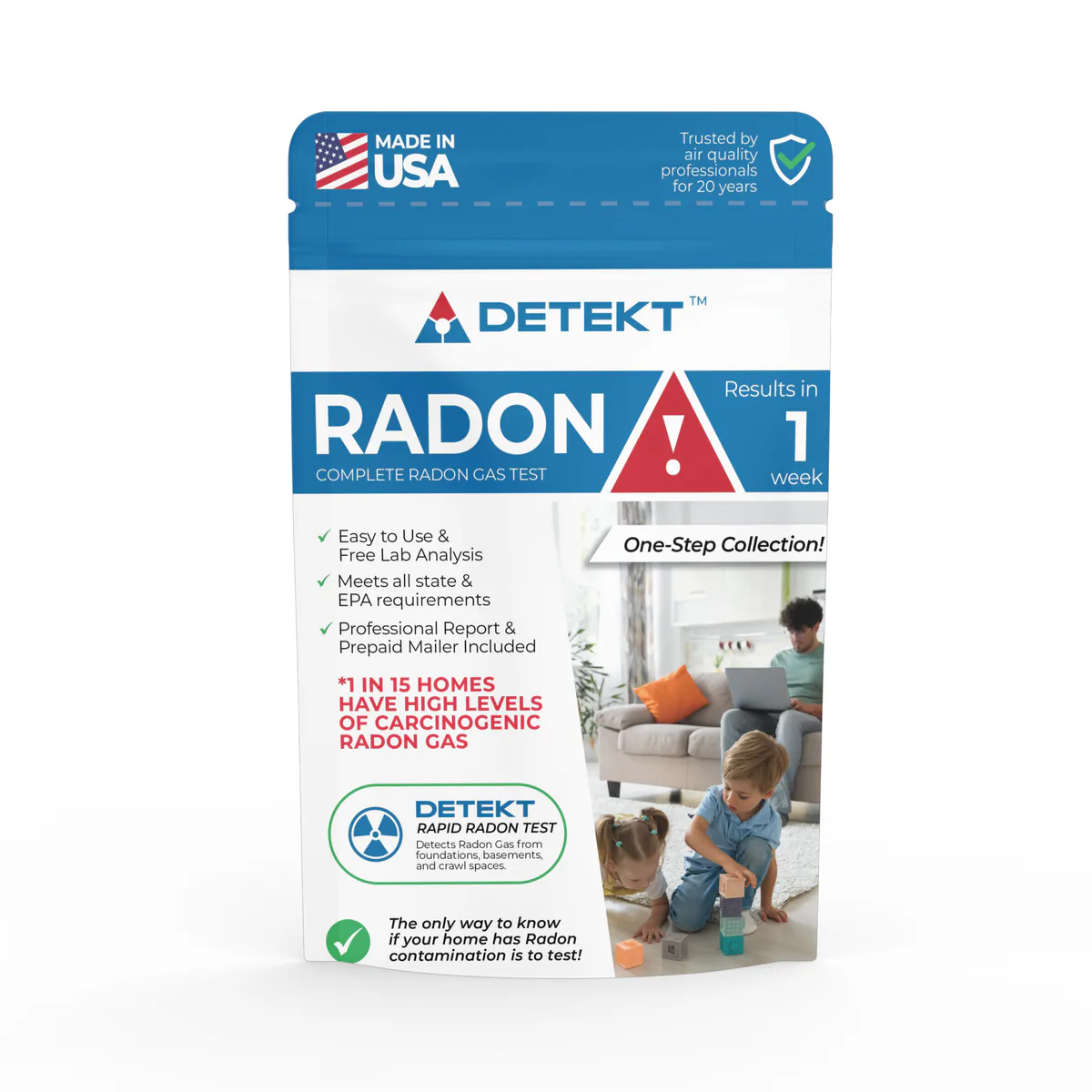
Short-term kit
Method: Charcoal
In home: 2 to 7 days
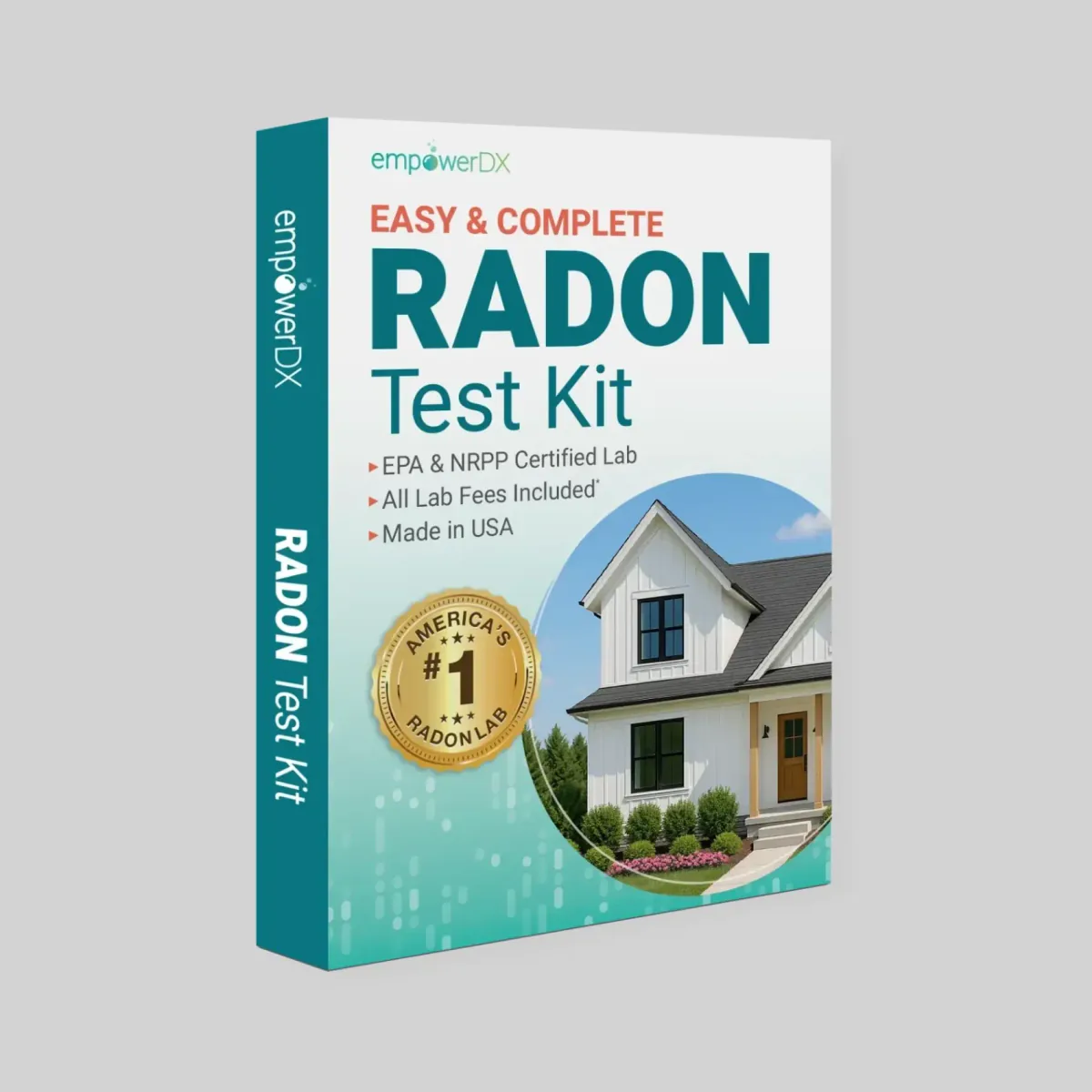
Short-term kitempowerDX
Method: Passive sampler
In home: 48 to 96 hours
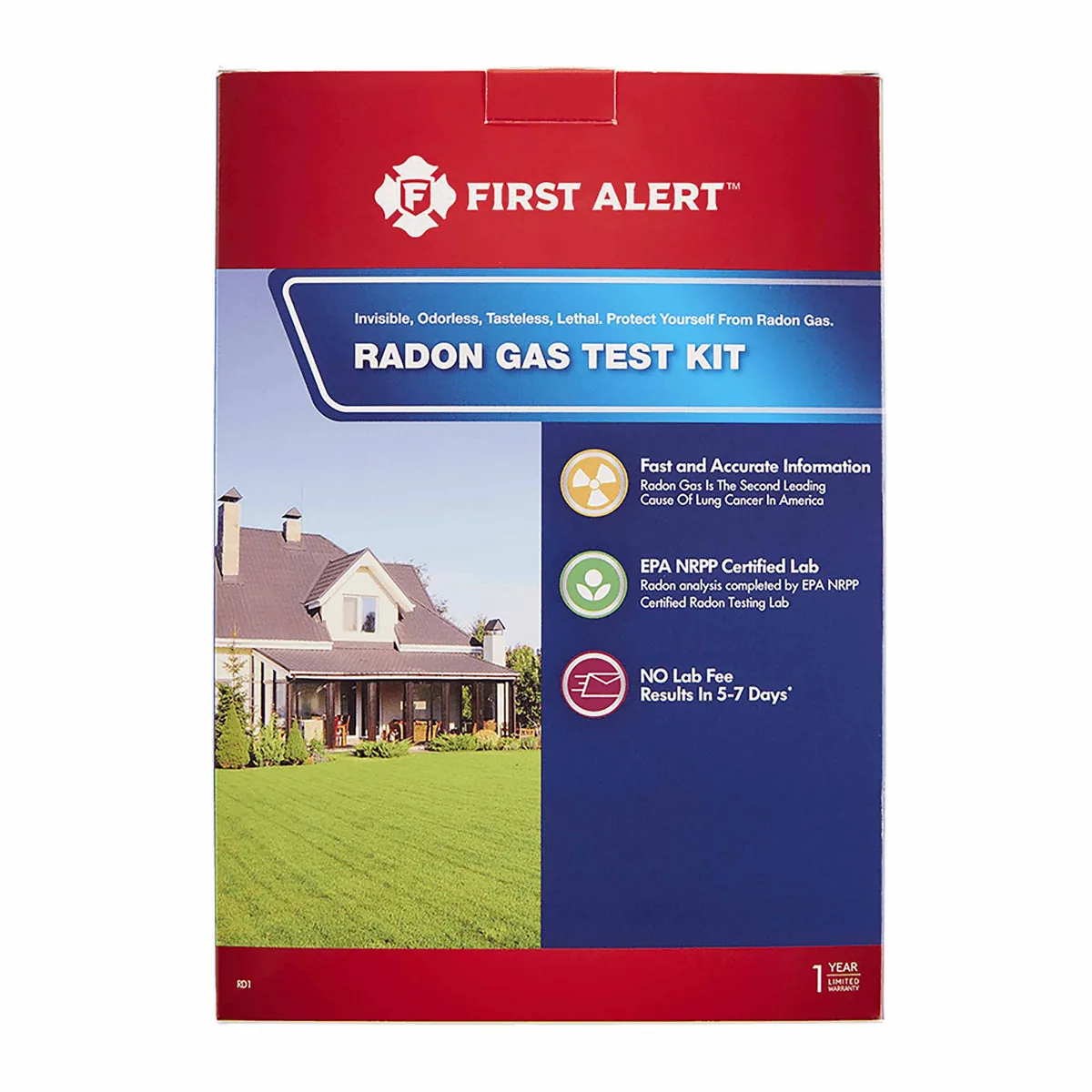
Short-term kitFirst Alert
Method: Charcoal
In home: 2 to 4 days
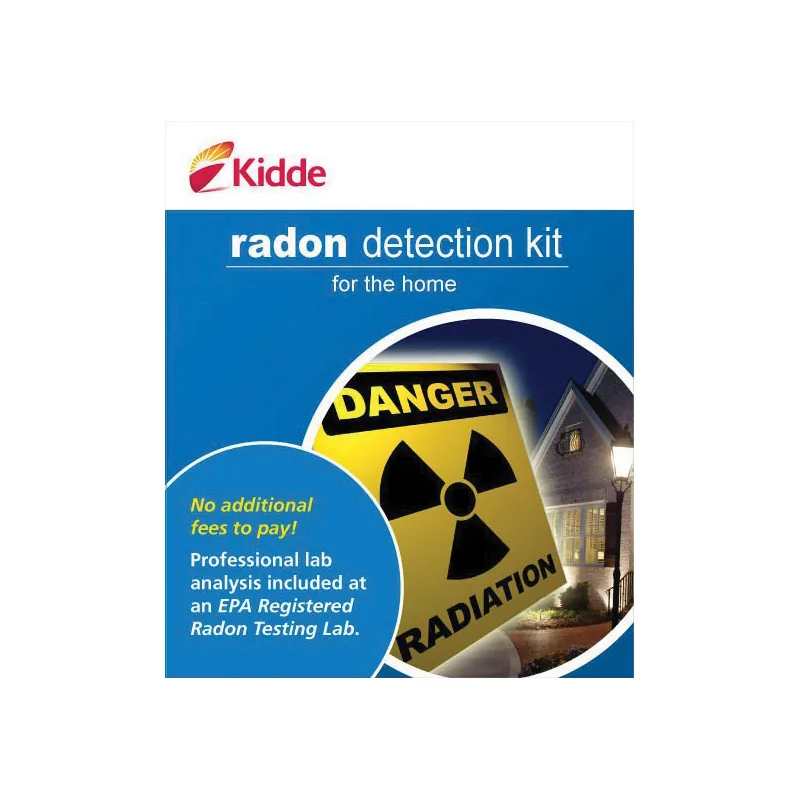
Short-term kitKidde
Method: Charcoal
In home: 3 days
No Amazon listing on file
See details of the Kidde 442020
Short-term kit
Method: Liquid scintillation
In home: 48 to 96 hours
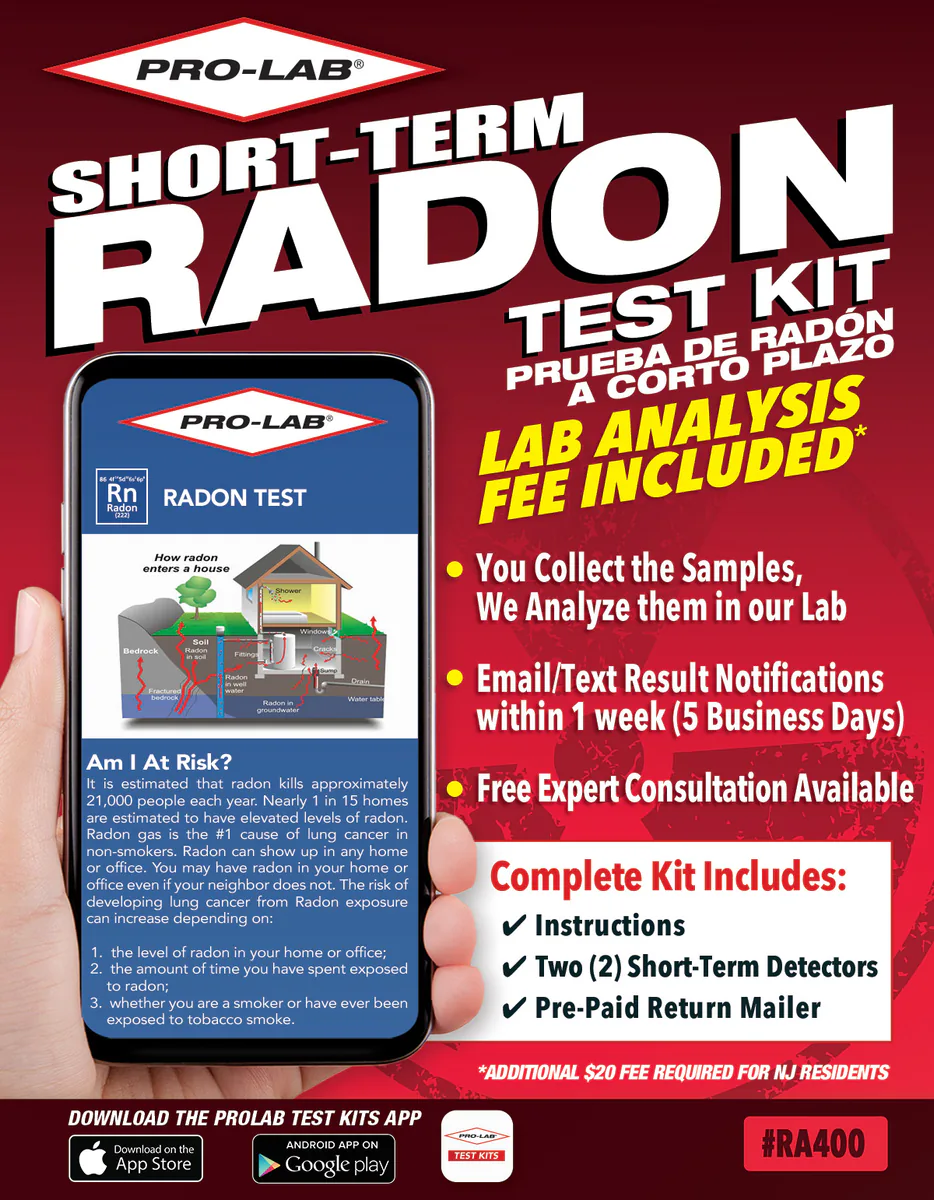
Short-term kit
Method: Liquid scintillation
In home: 48 to 96 hours
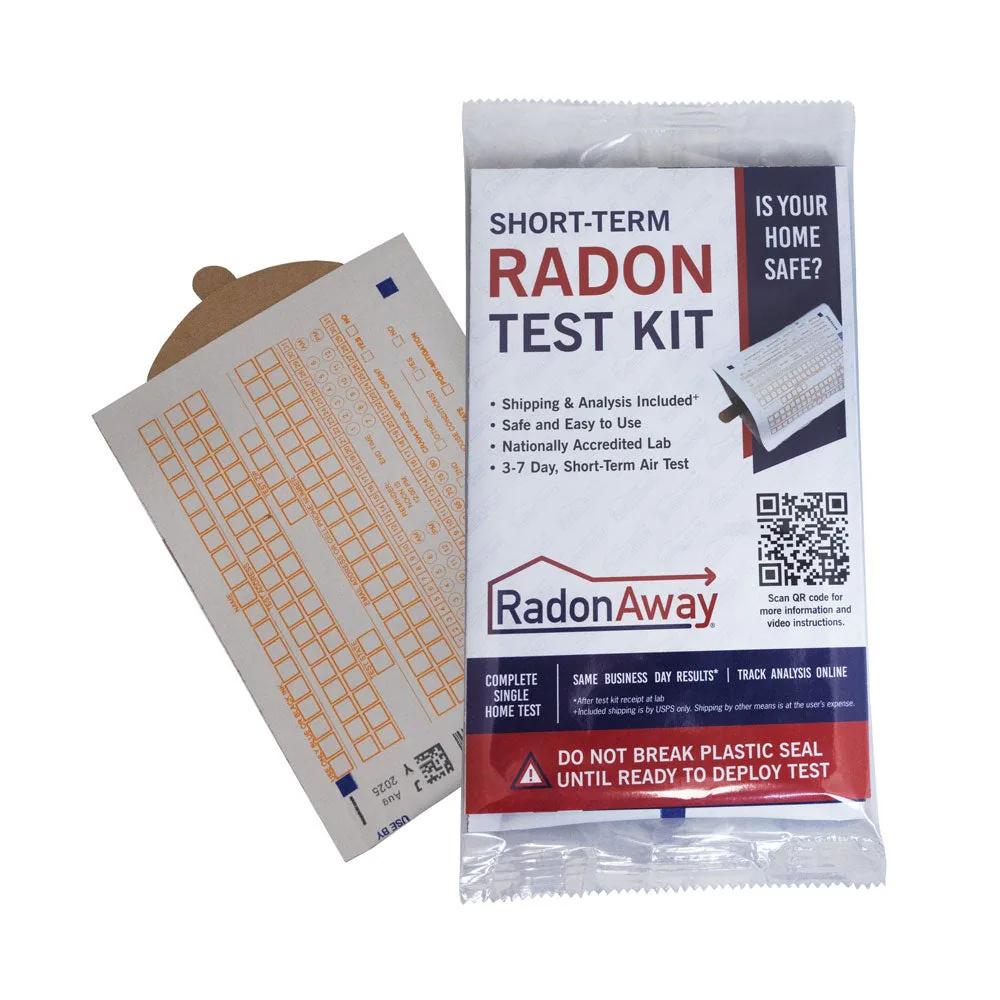
Short-term kit
In home: 72 to 168 hours
No Amazon listing on file
See details of the RadonAway Air Chek Short-Term
Long-term kit
Method: Alpha track
In home: 90 days to 12 months

Long-term kit
Method: Alpha track
In home: 90 days to 12 months
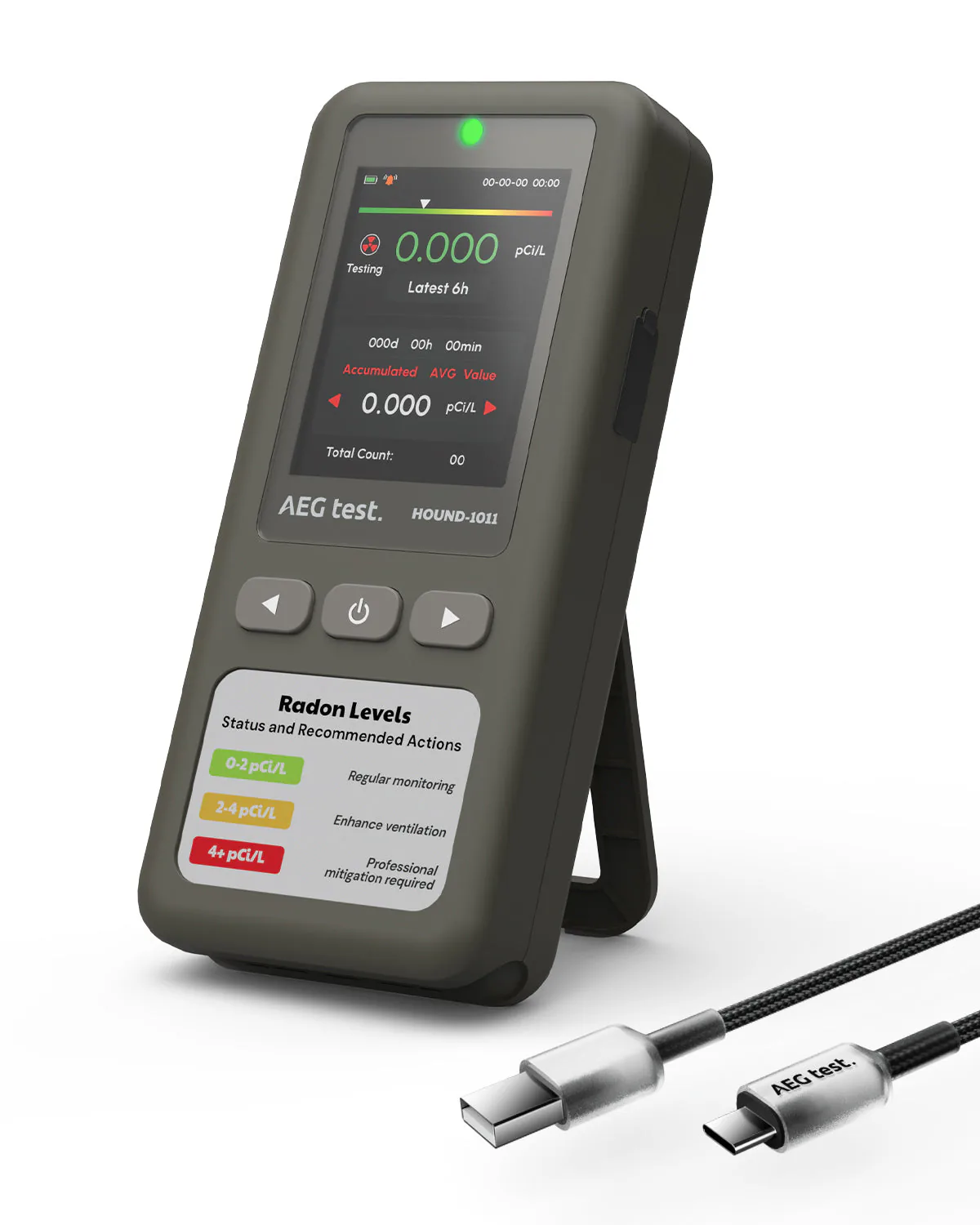
MonitorAEGTEST
Method: Semiconductor sensor
First reading: Within 6 hours
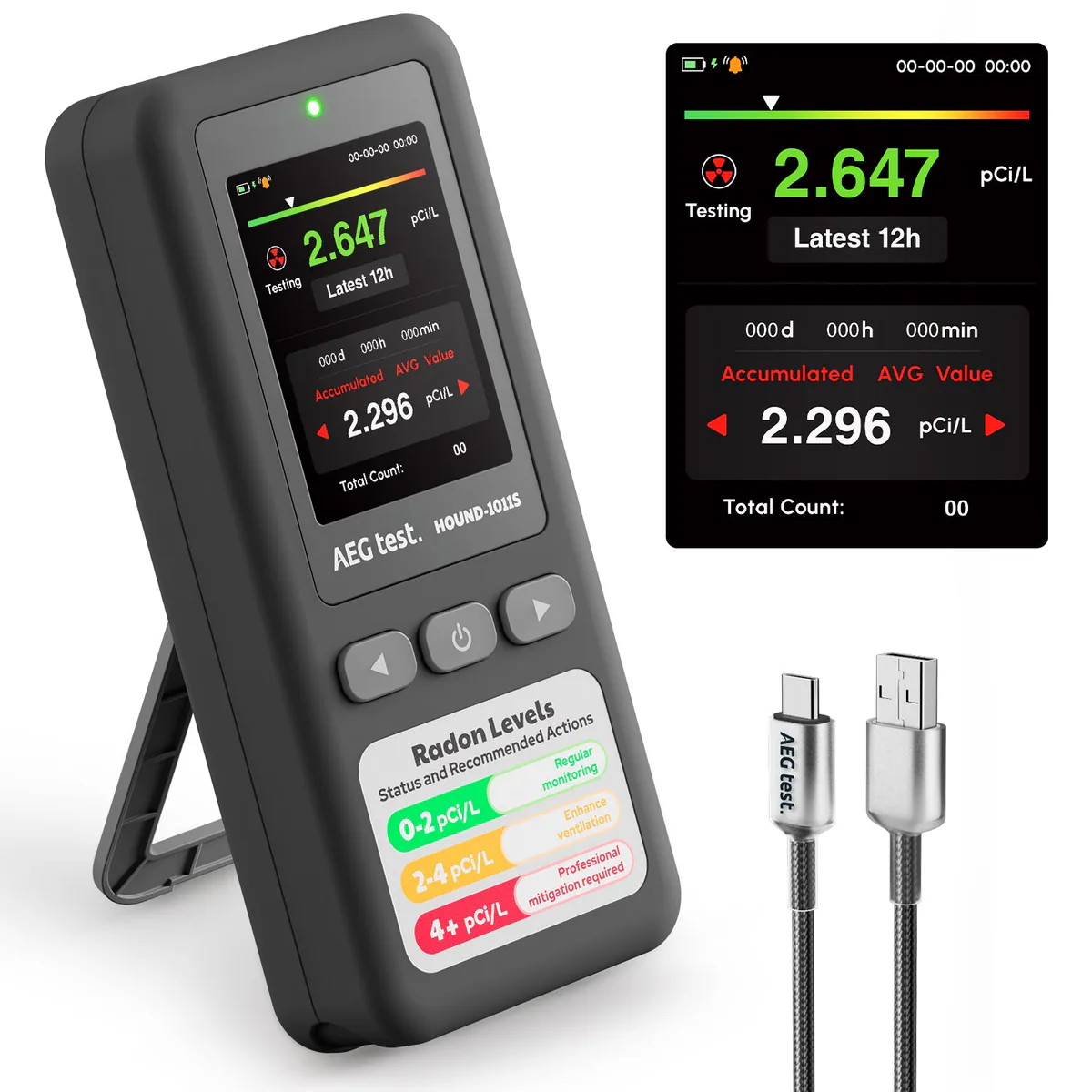
MonitorAEGTEST
Method: Semiconductor sensor
First reading: Within 12 hours
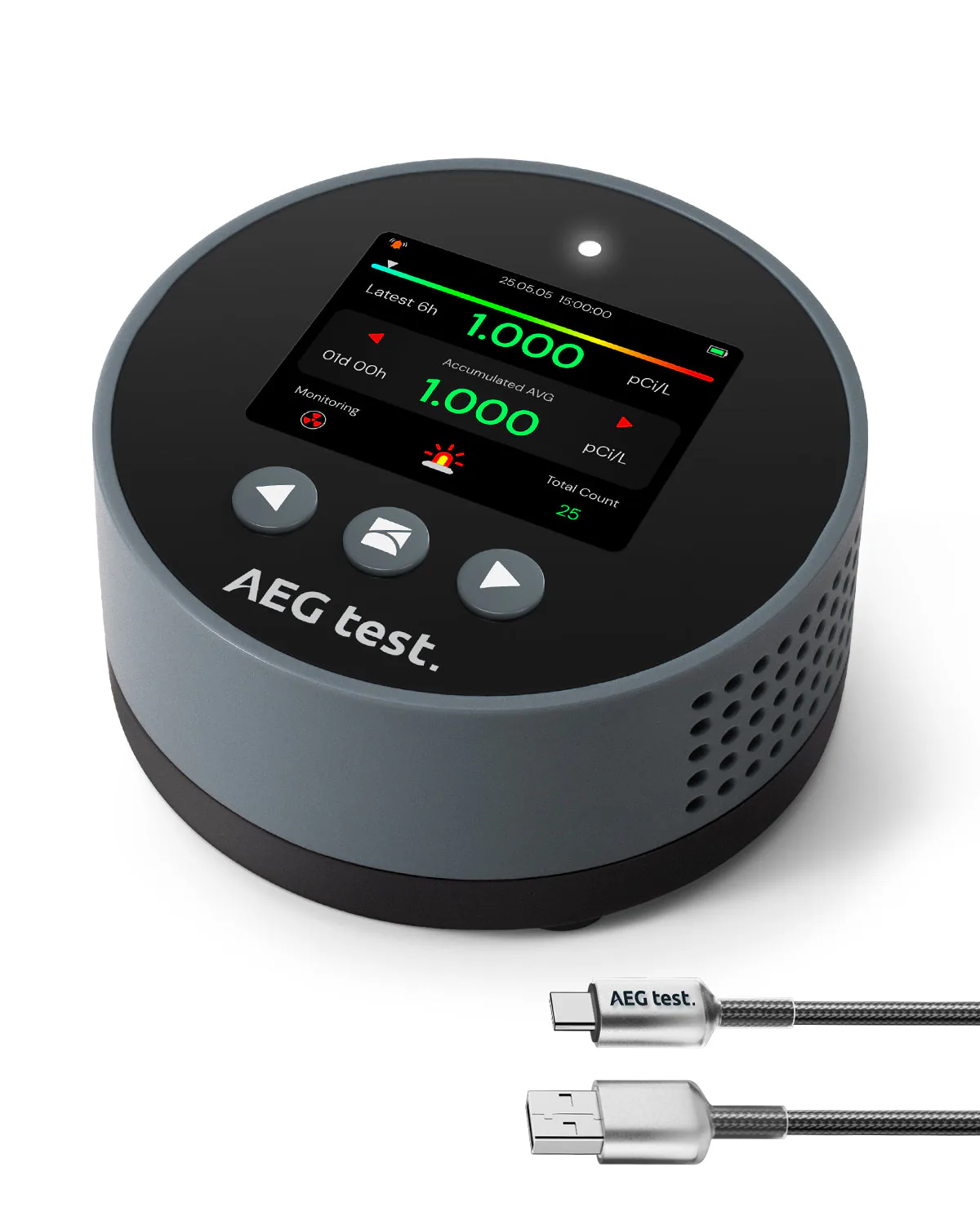
MonitorAEGTEST
Method: Semiconductor sensor
First reading: Within 6 hours
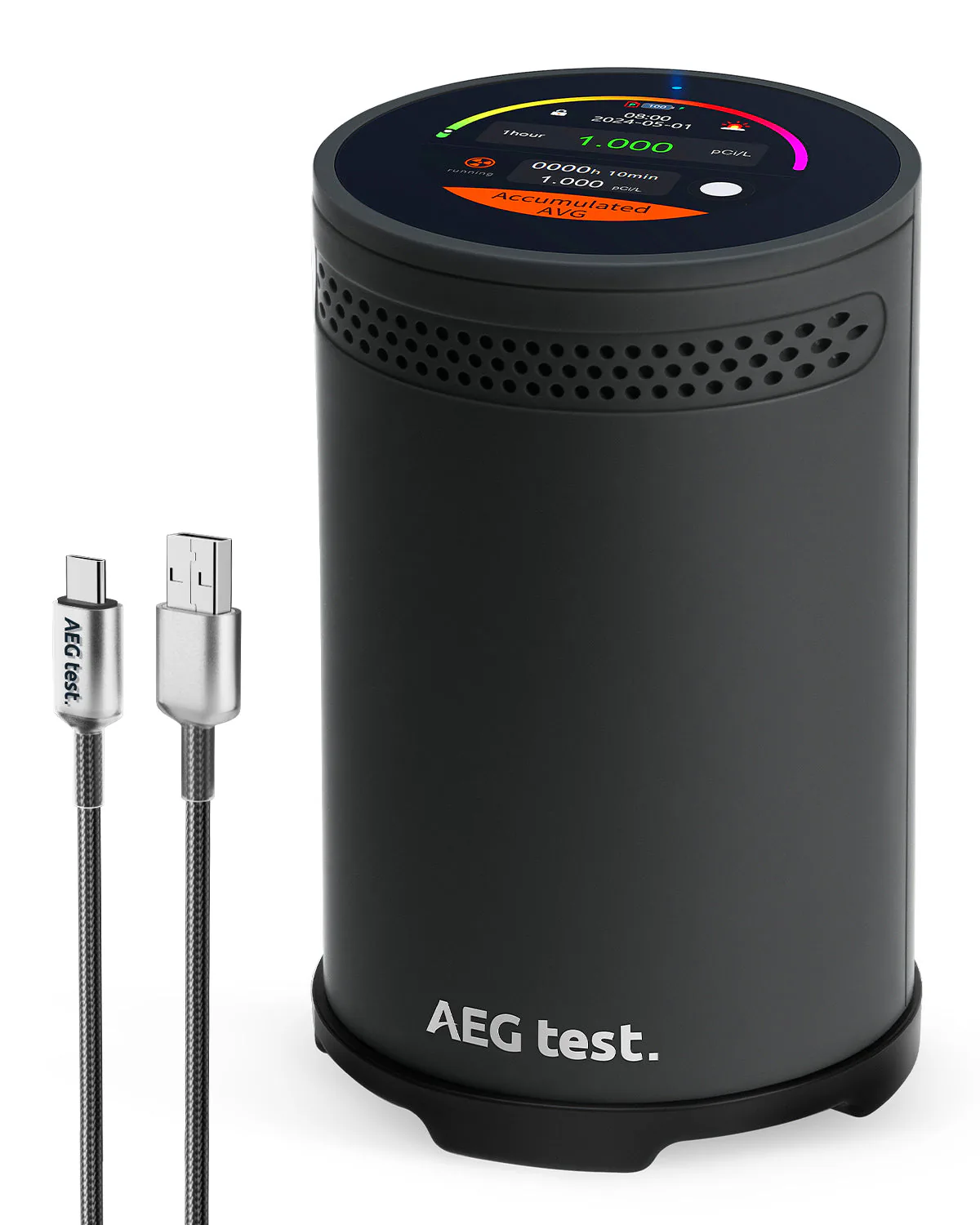
MonitorAEGTEST
First reading: Within 1 hour
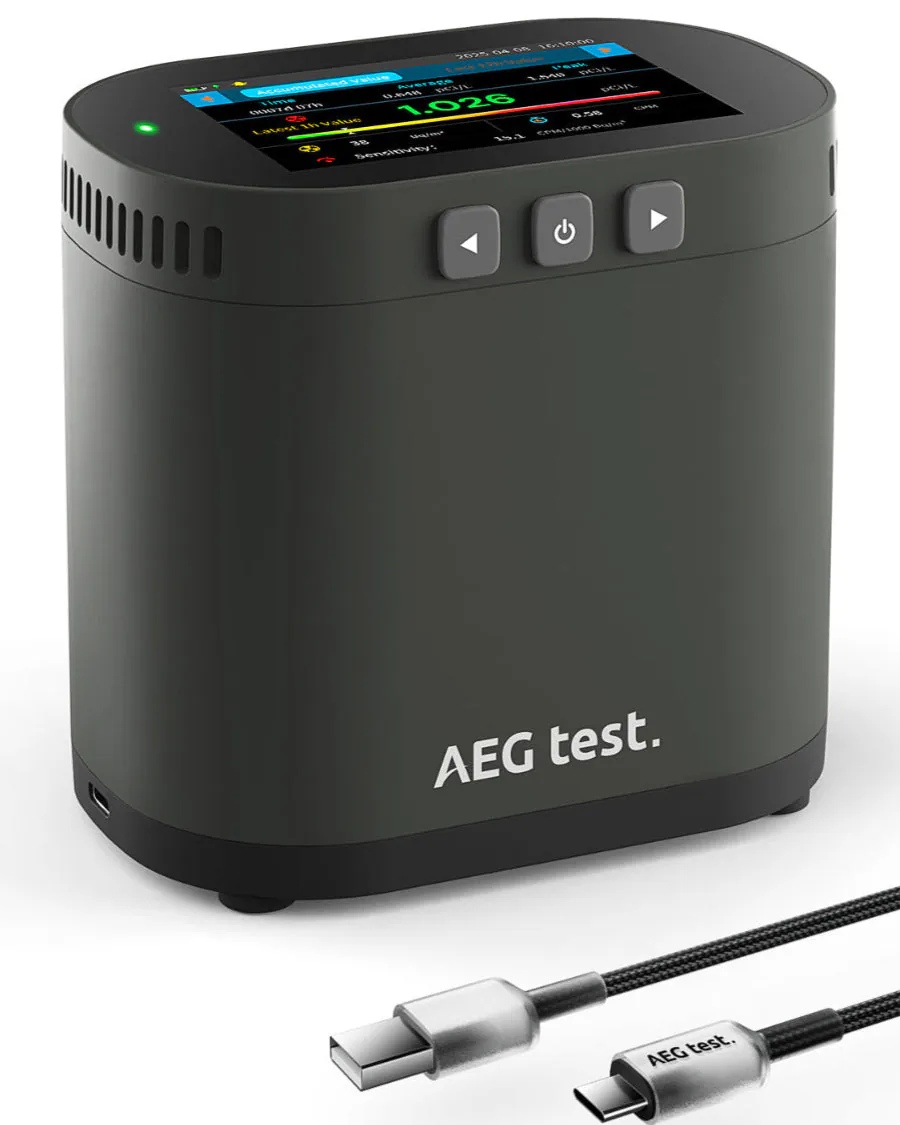
MonitorAEGTEST
Method: Ion chamber
First reading: Within 10 minutes
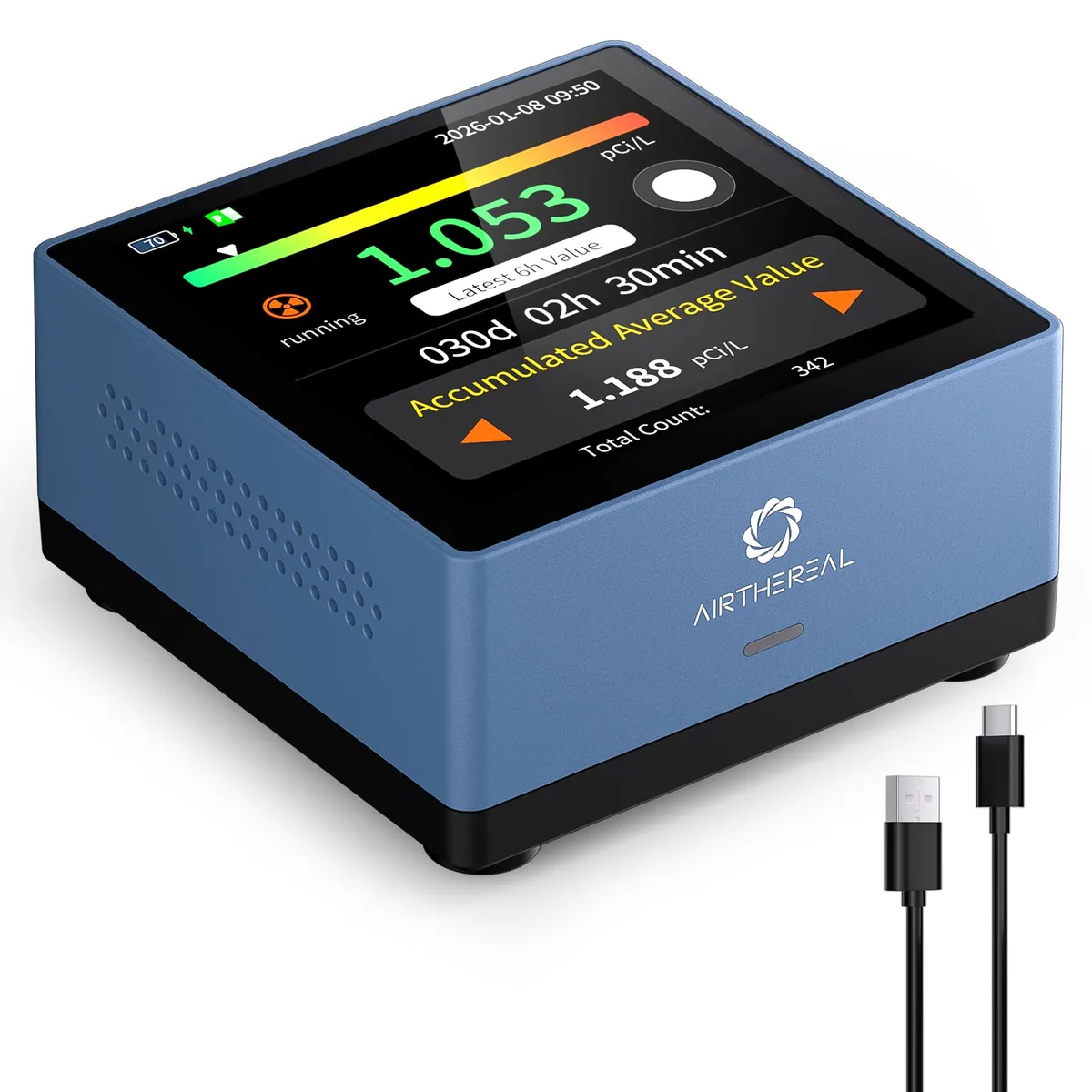
Monitor
Method: Semiconductor sensor
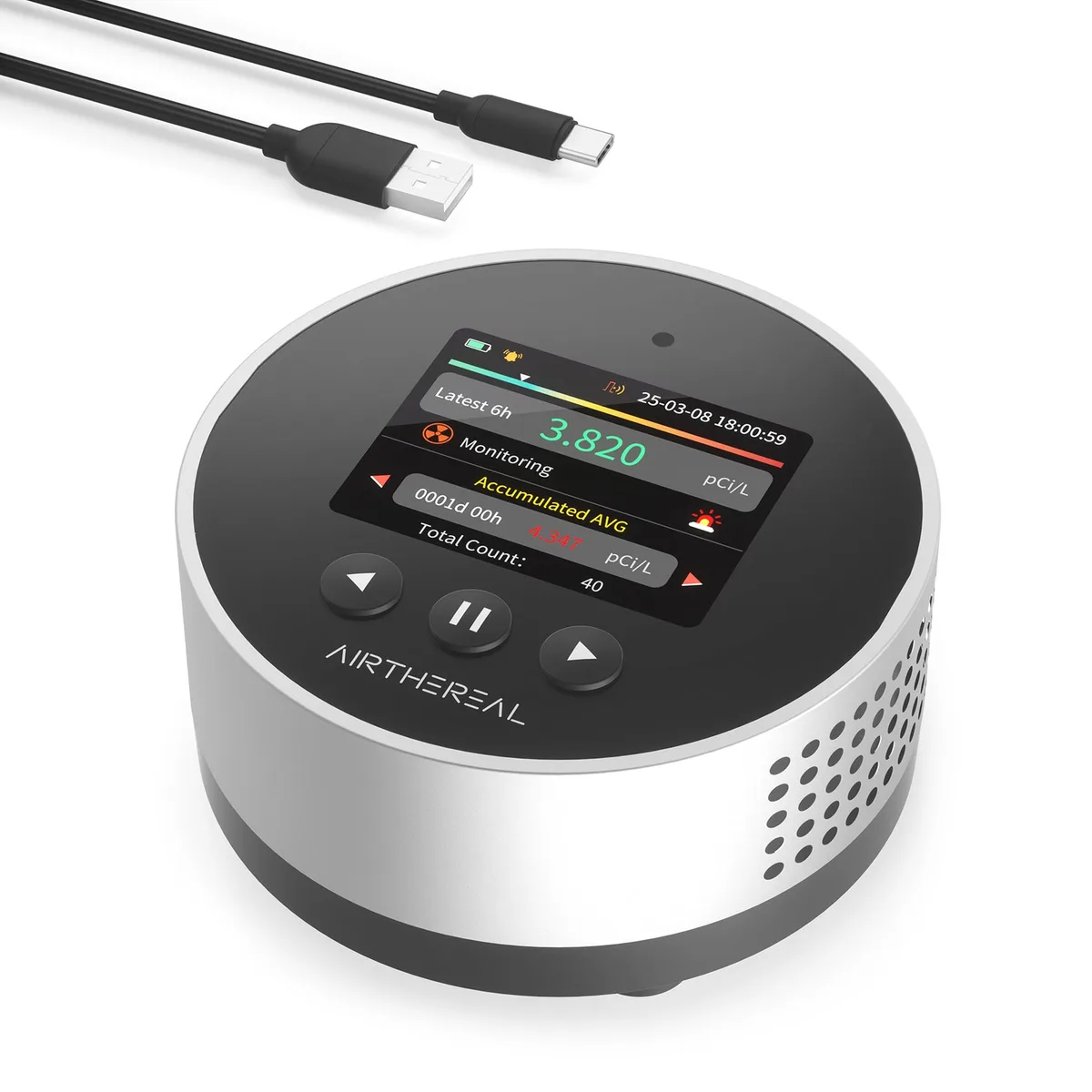
Monitor
Method: Semiconductor sensor
First reading: Within 6 hours
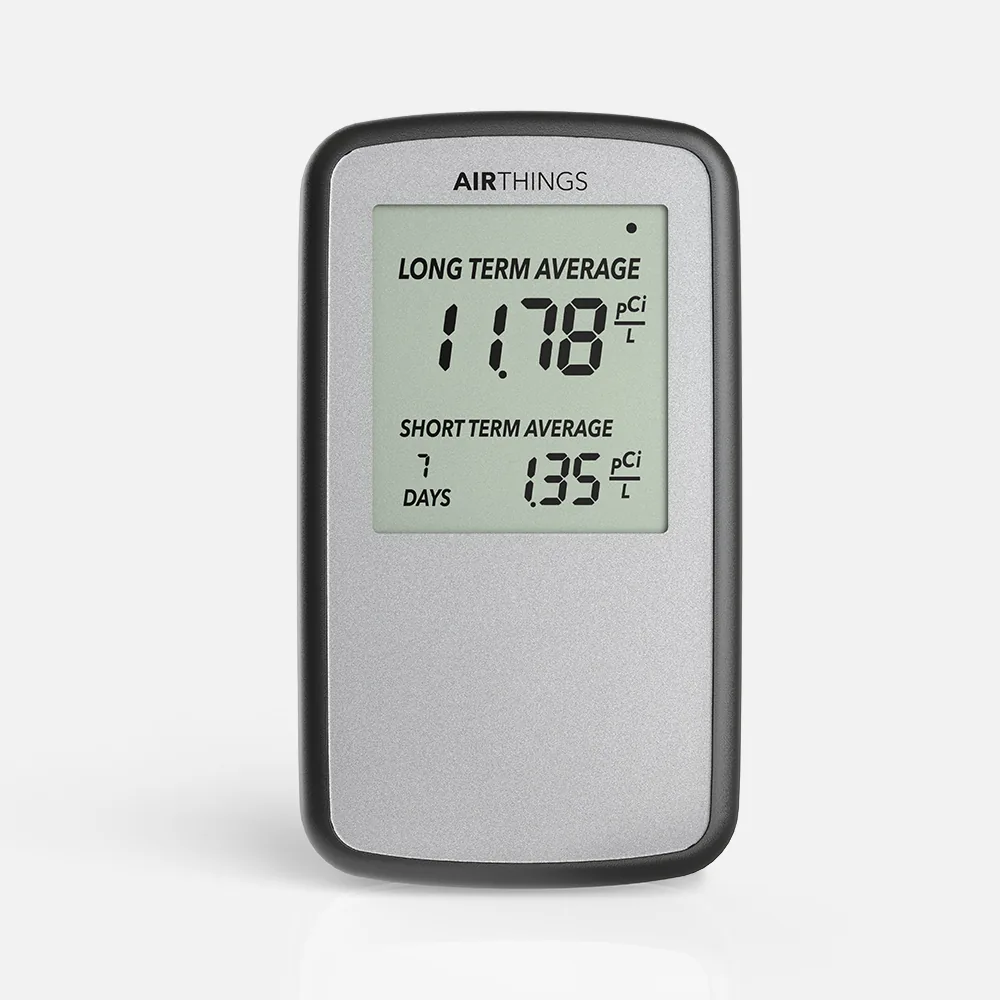
Monitor
Method: Alpha spectrometry
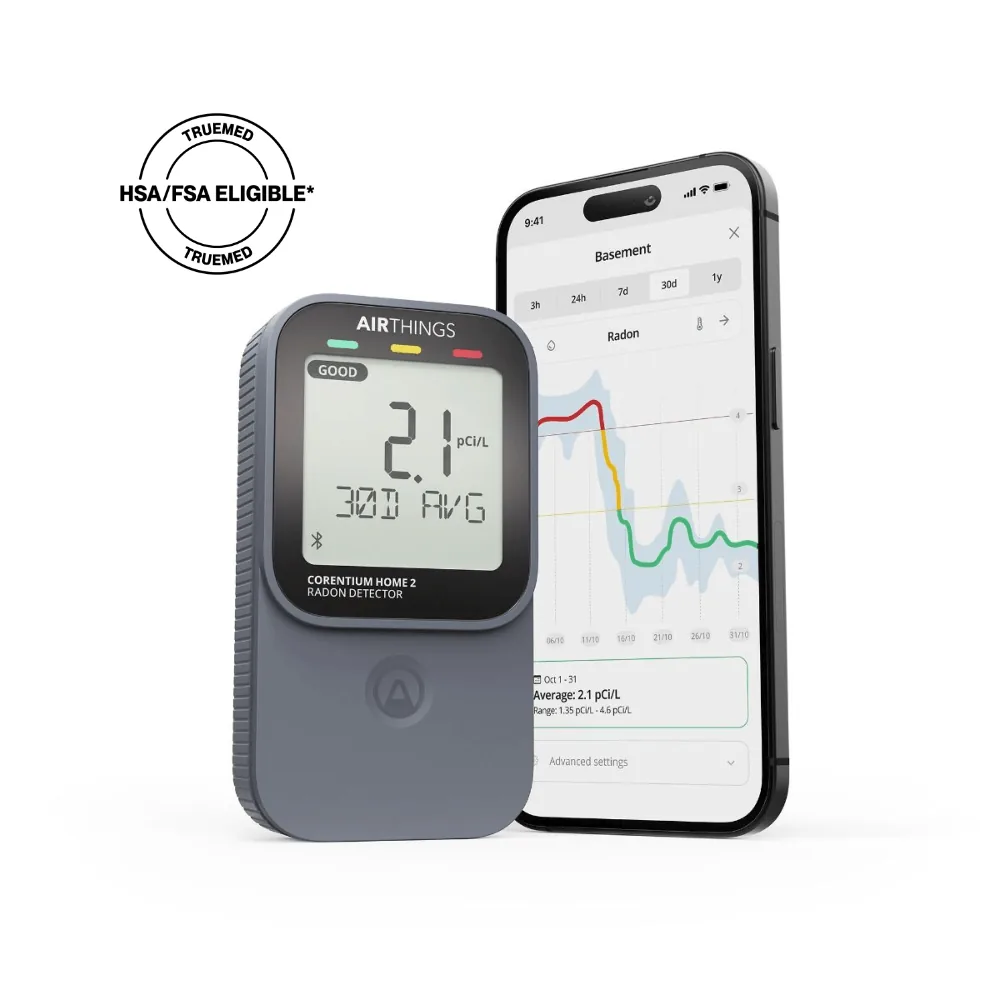
Monitor
Method: Alpha spectrometry
Readings: Every 60 minutes
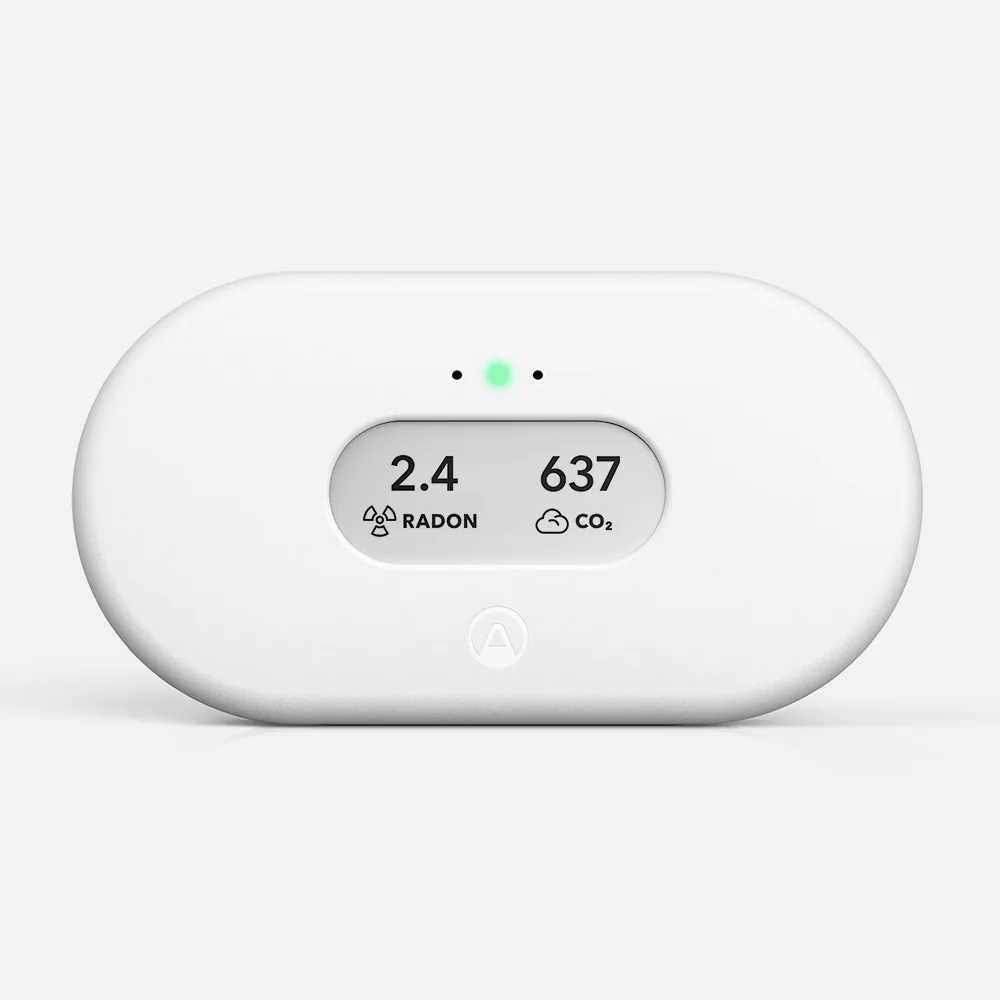
Monitor
Method: Alpha spectrometry
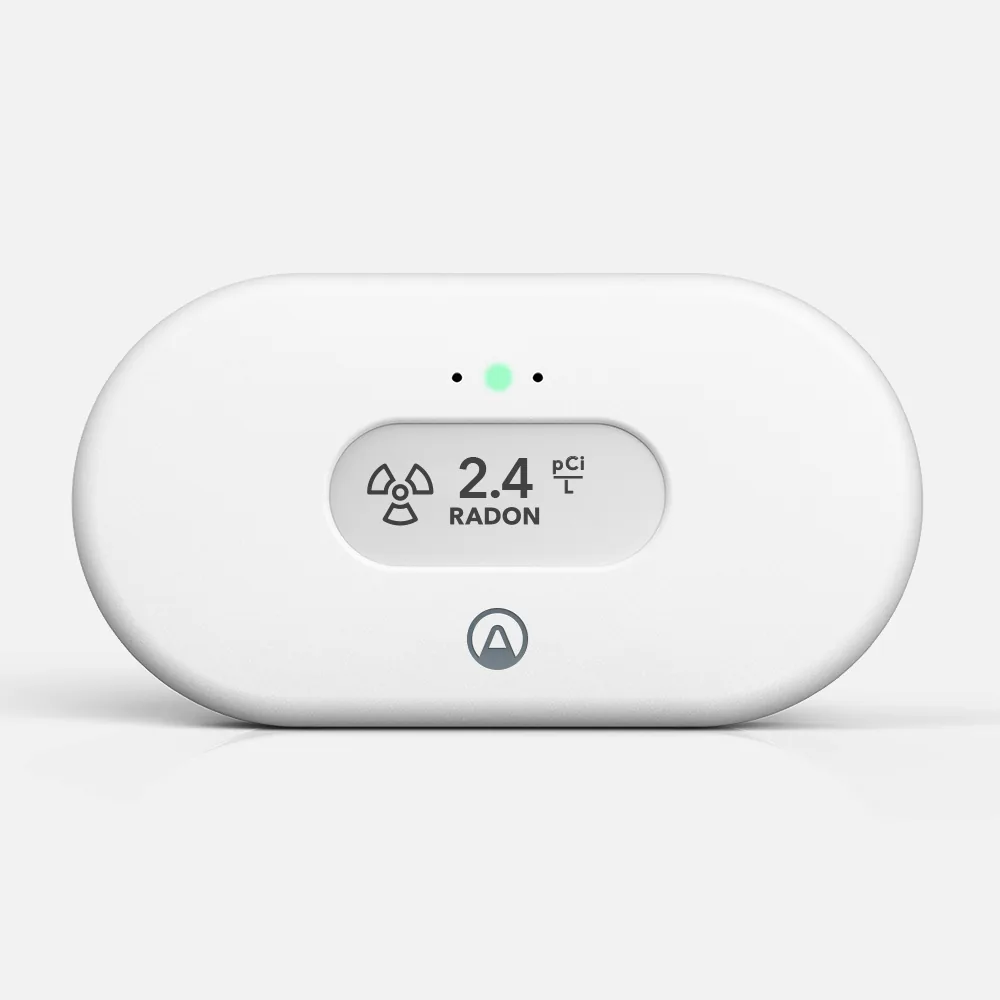
Monitor
Method: Alpha spectrometry
Readings: Every 60 minutes
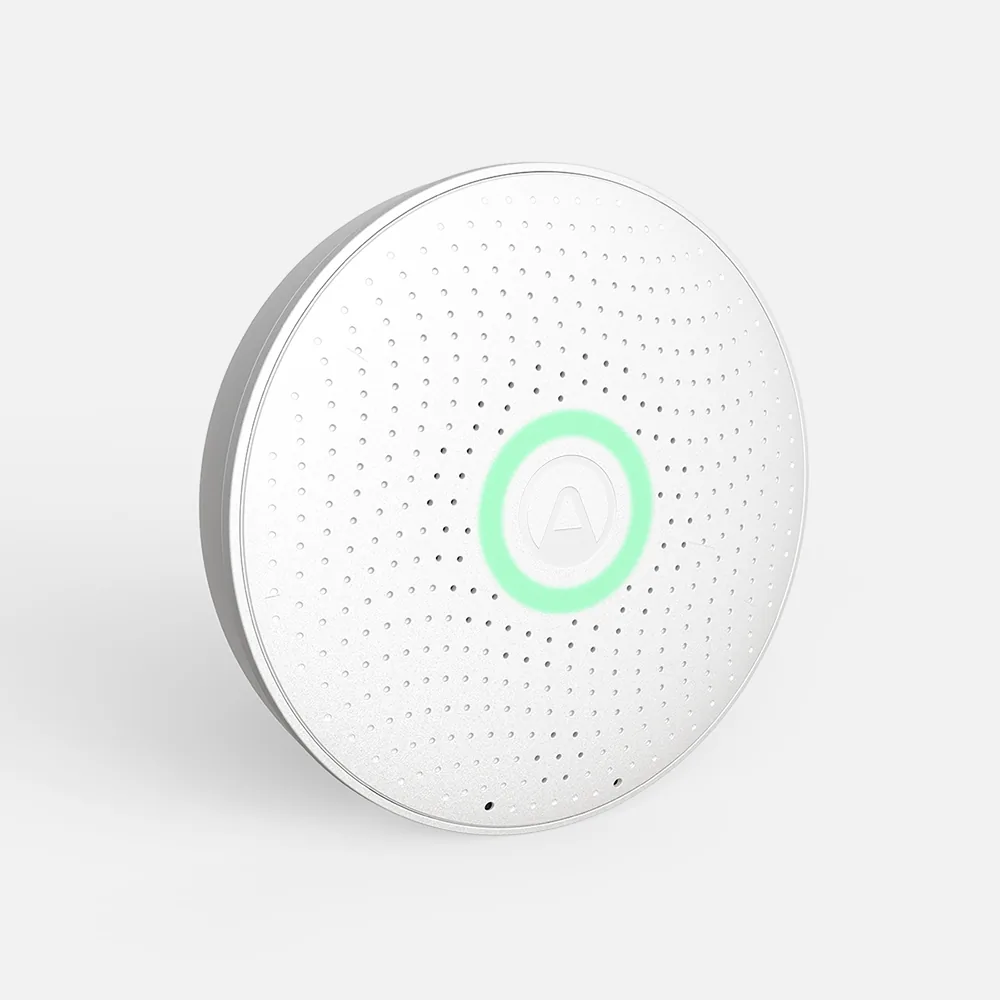
Monitor
Method: Alpha spectrometry
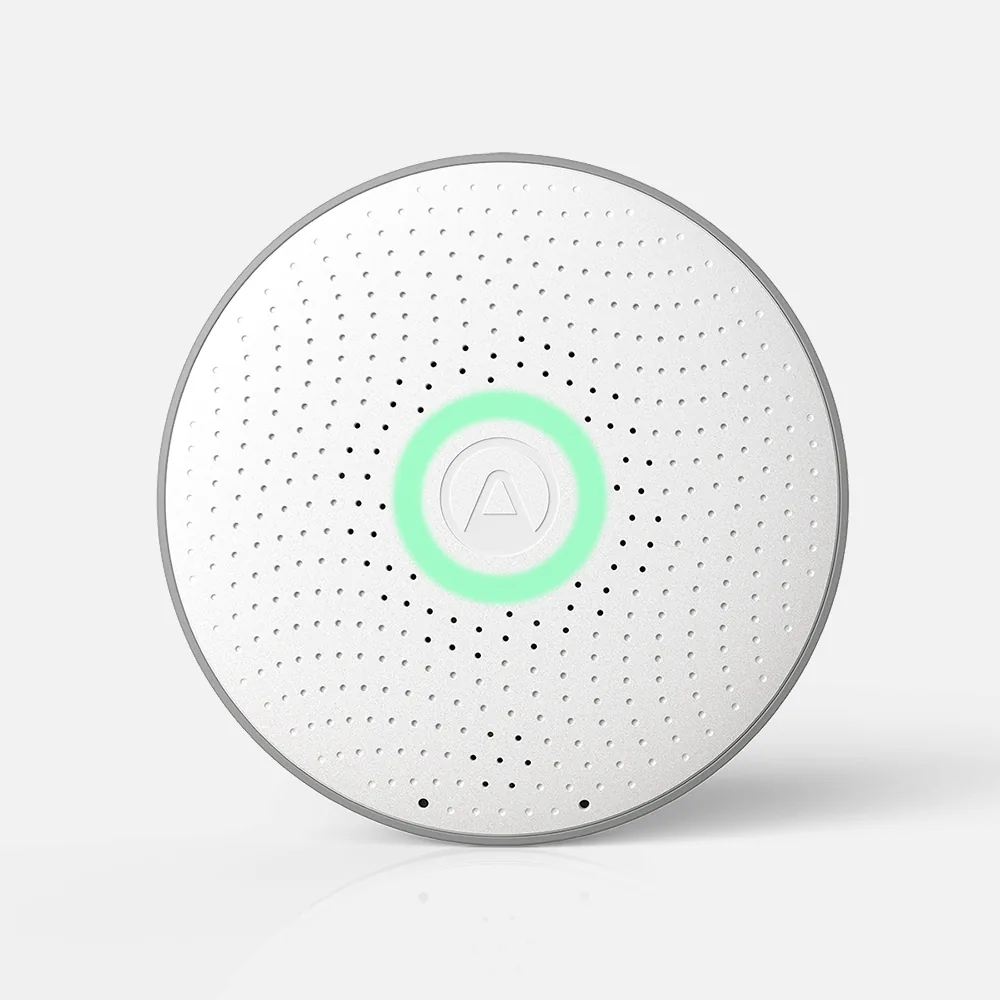
Monitor
Method: Alpha spectrometry
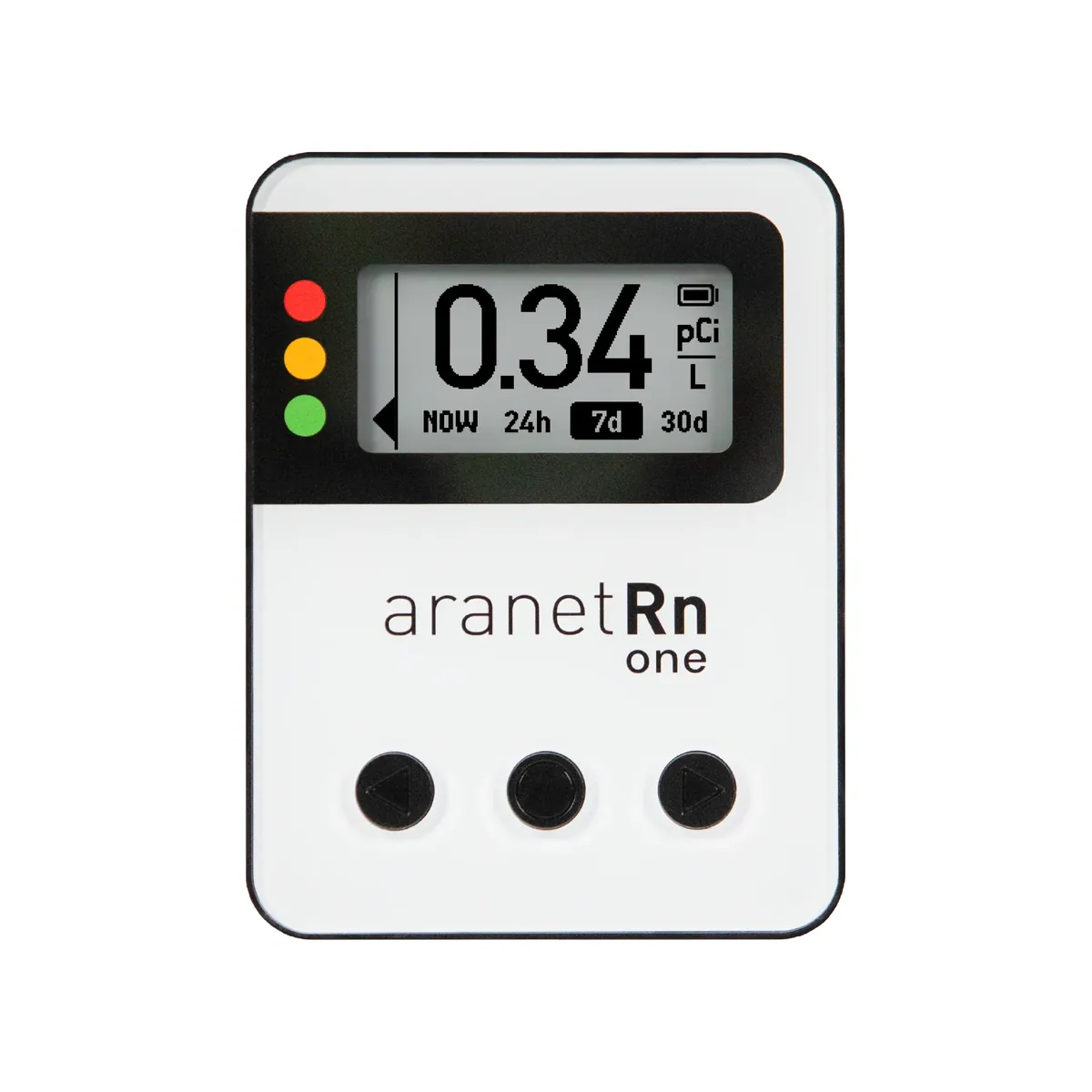
MonitorAranet
Method: Ion chamber
First reading: Within 10 minutes
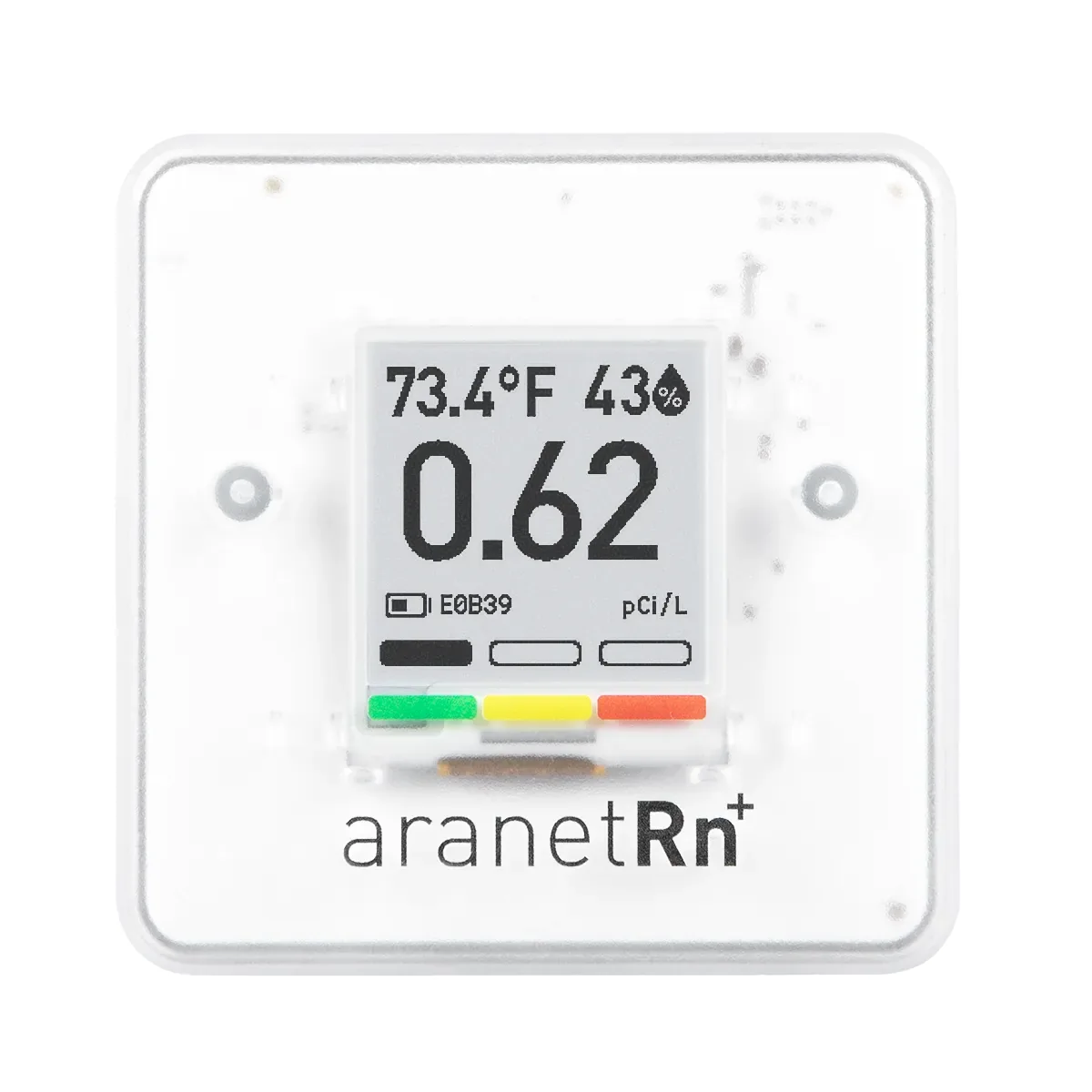
MonitorAranet
Method: Ion chamber
First reading: Within 10 minutes
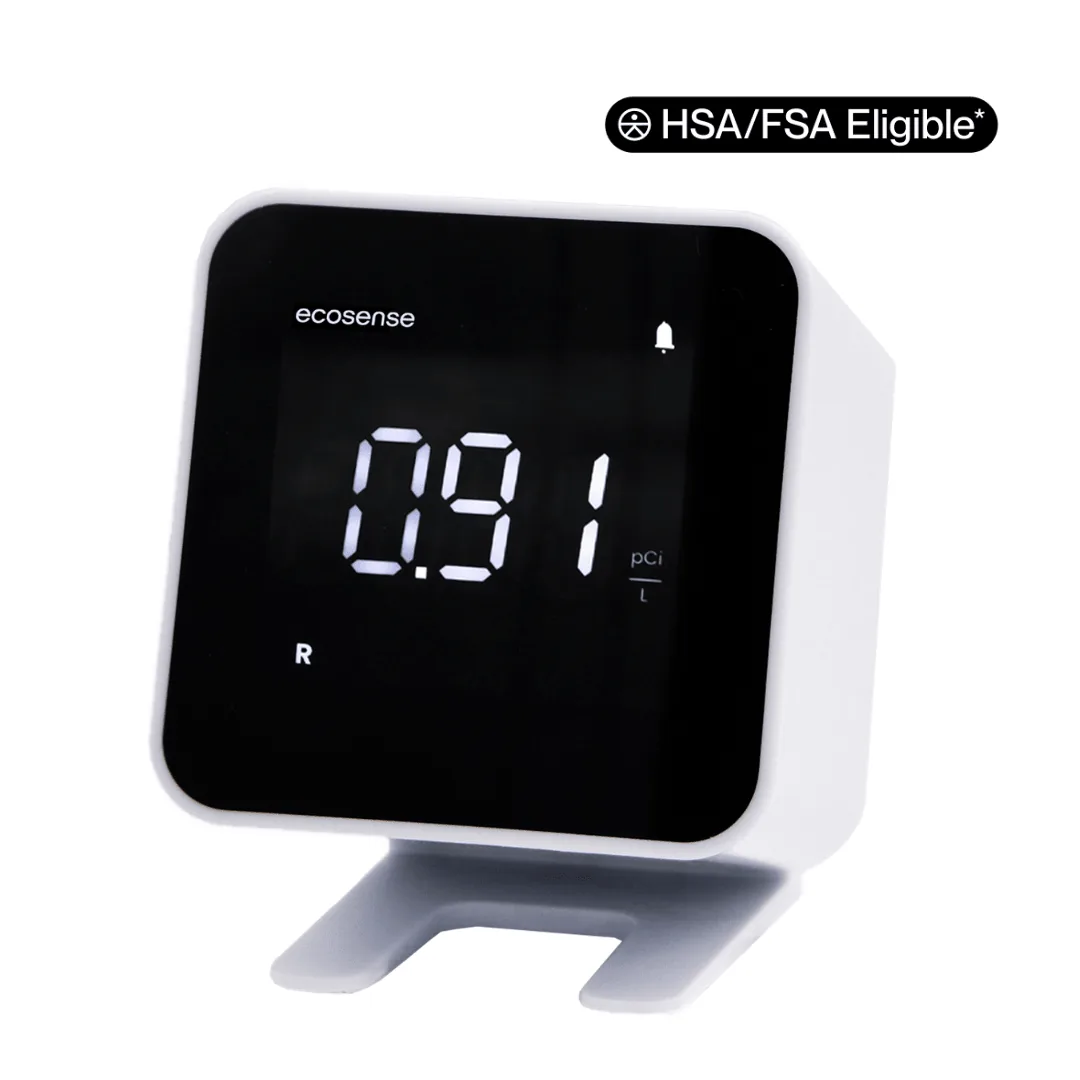
Monitor
Method: Ion chamber
First reading: Within 10 minutes
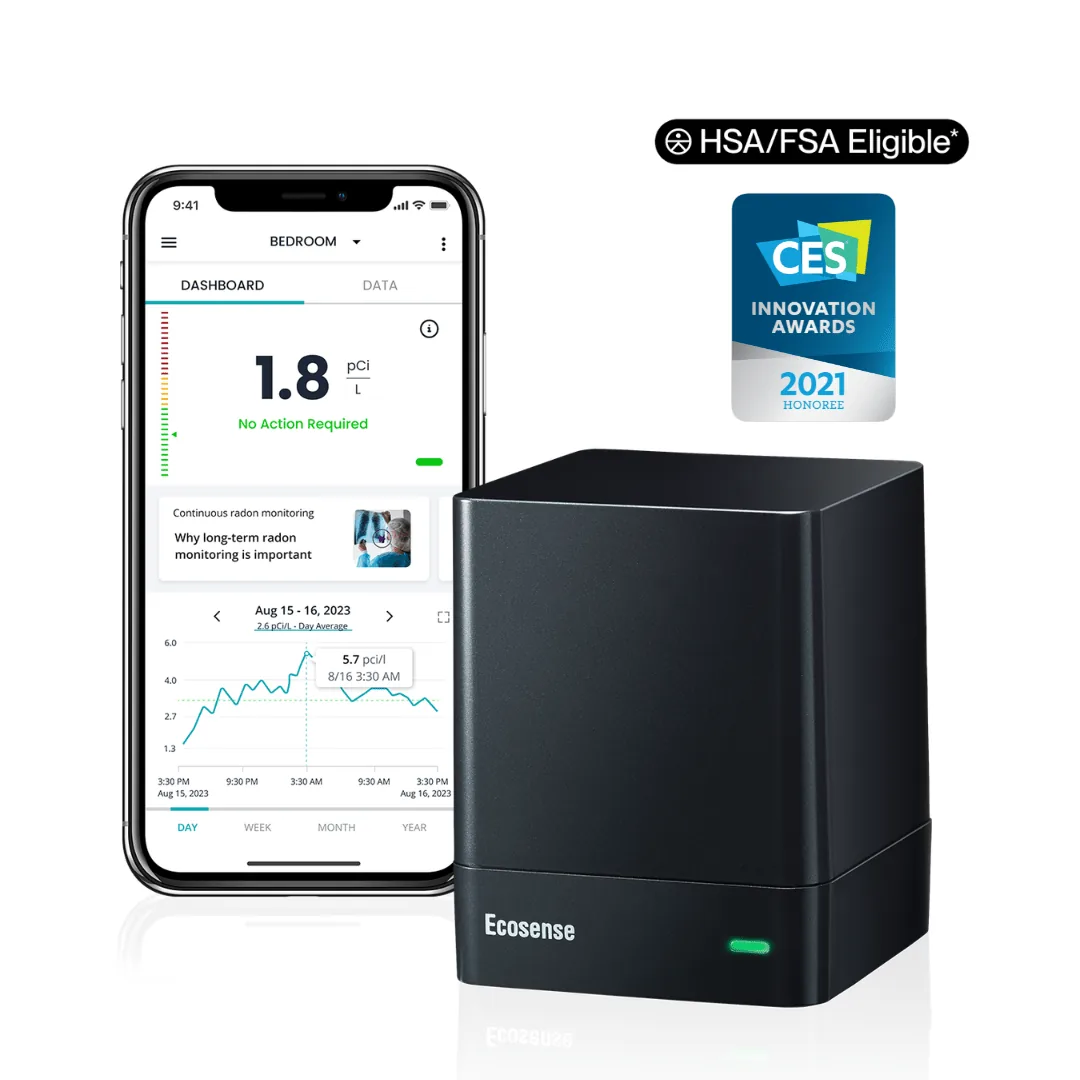
Monitor
Method: Ion chamber
First reading: Within 10 minutes
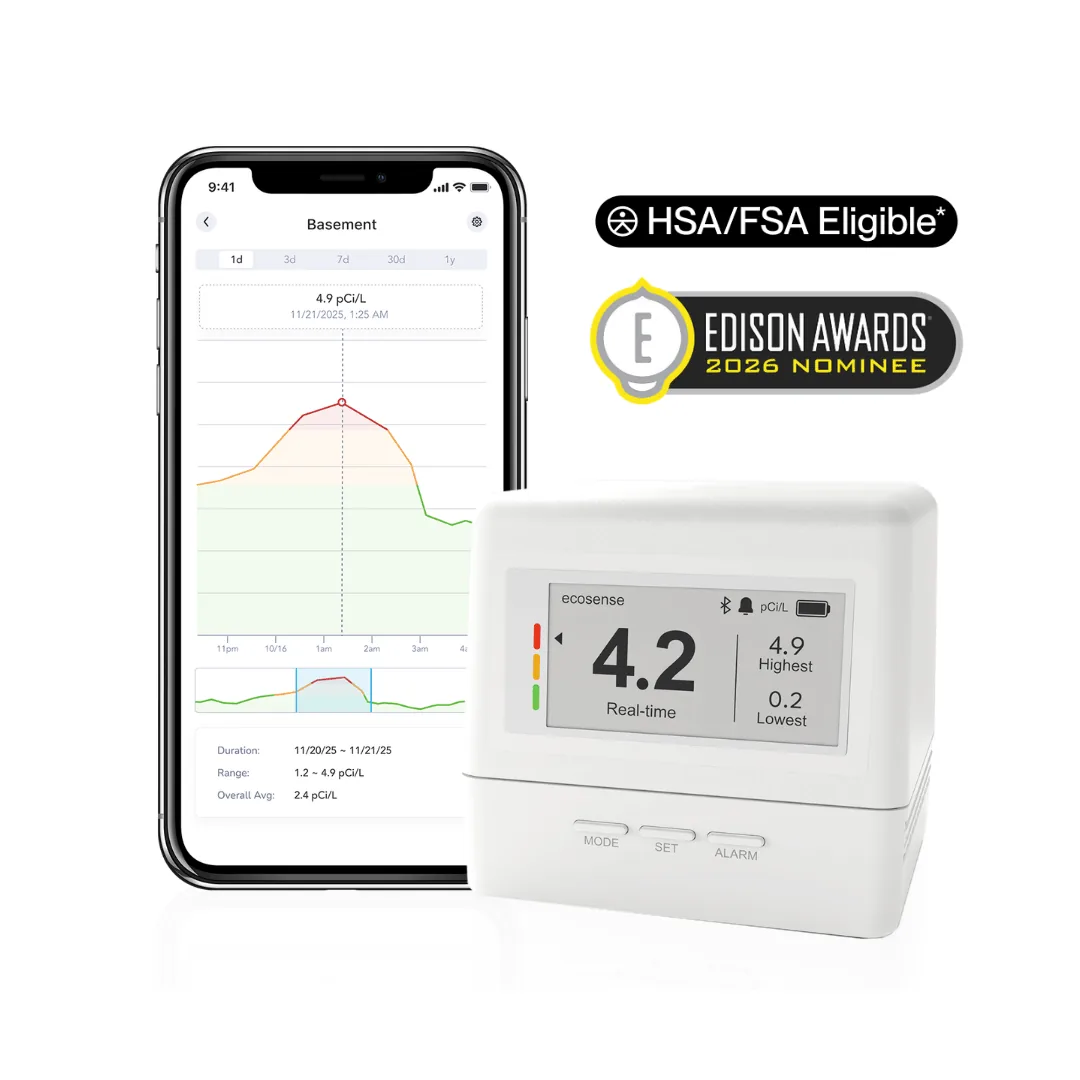
Monitor
Method: Ion chamber
First reading: Within 15 minutes
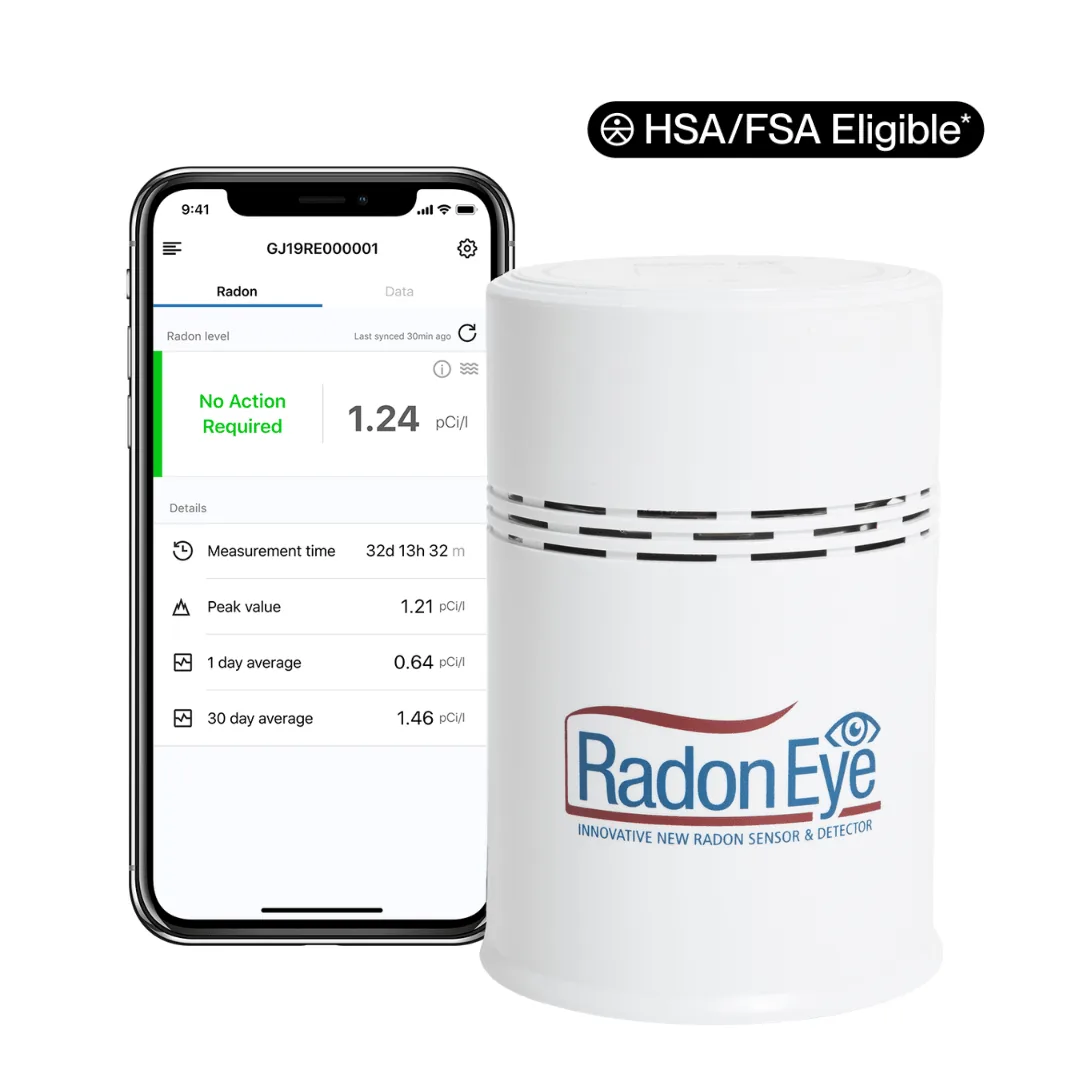
Monitor
Method: Ion chamber
First reading: Within 10 minutes
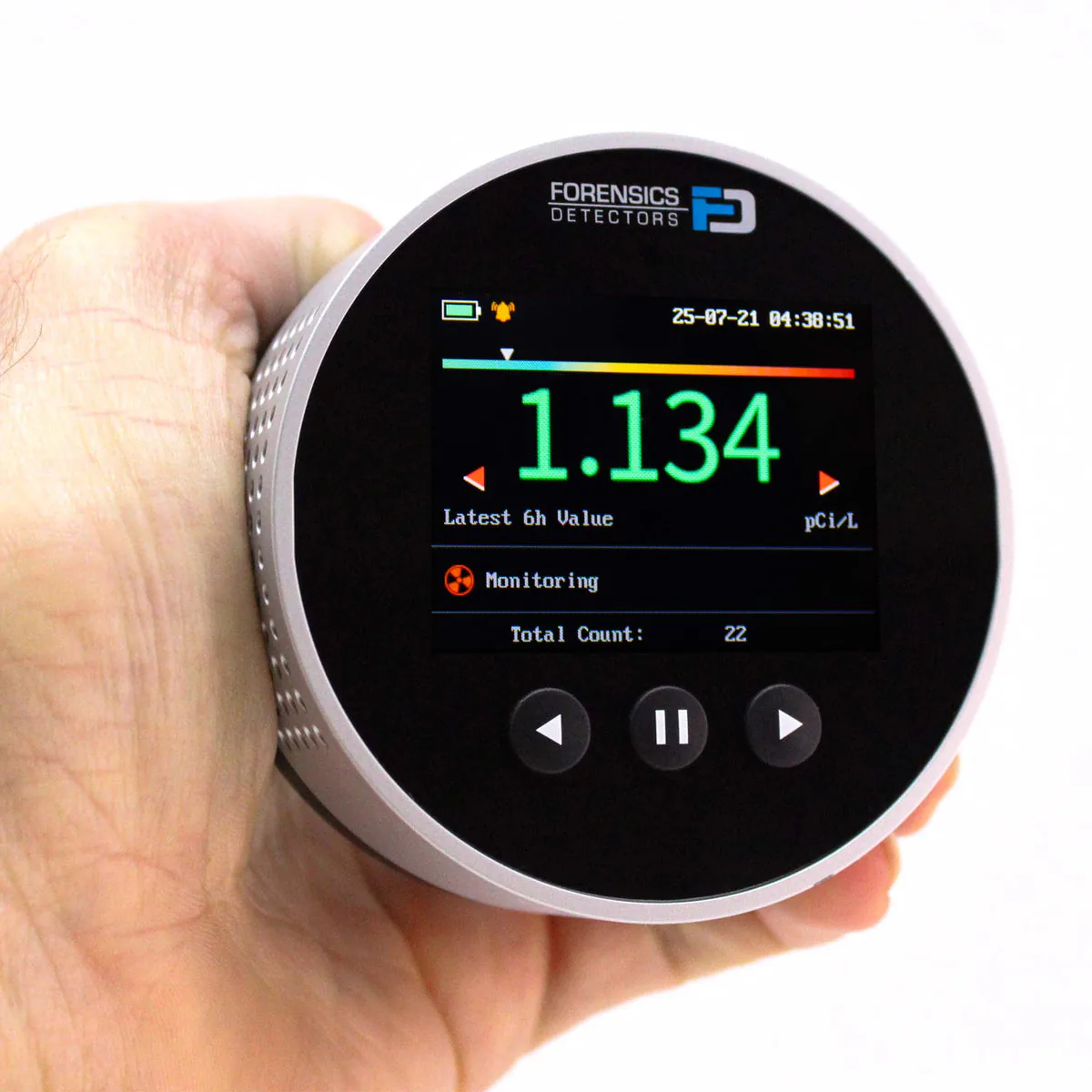
MonitorForensics Detectors
Method: Semiconductor sensor
First reading: Within 6 hours
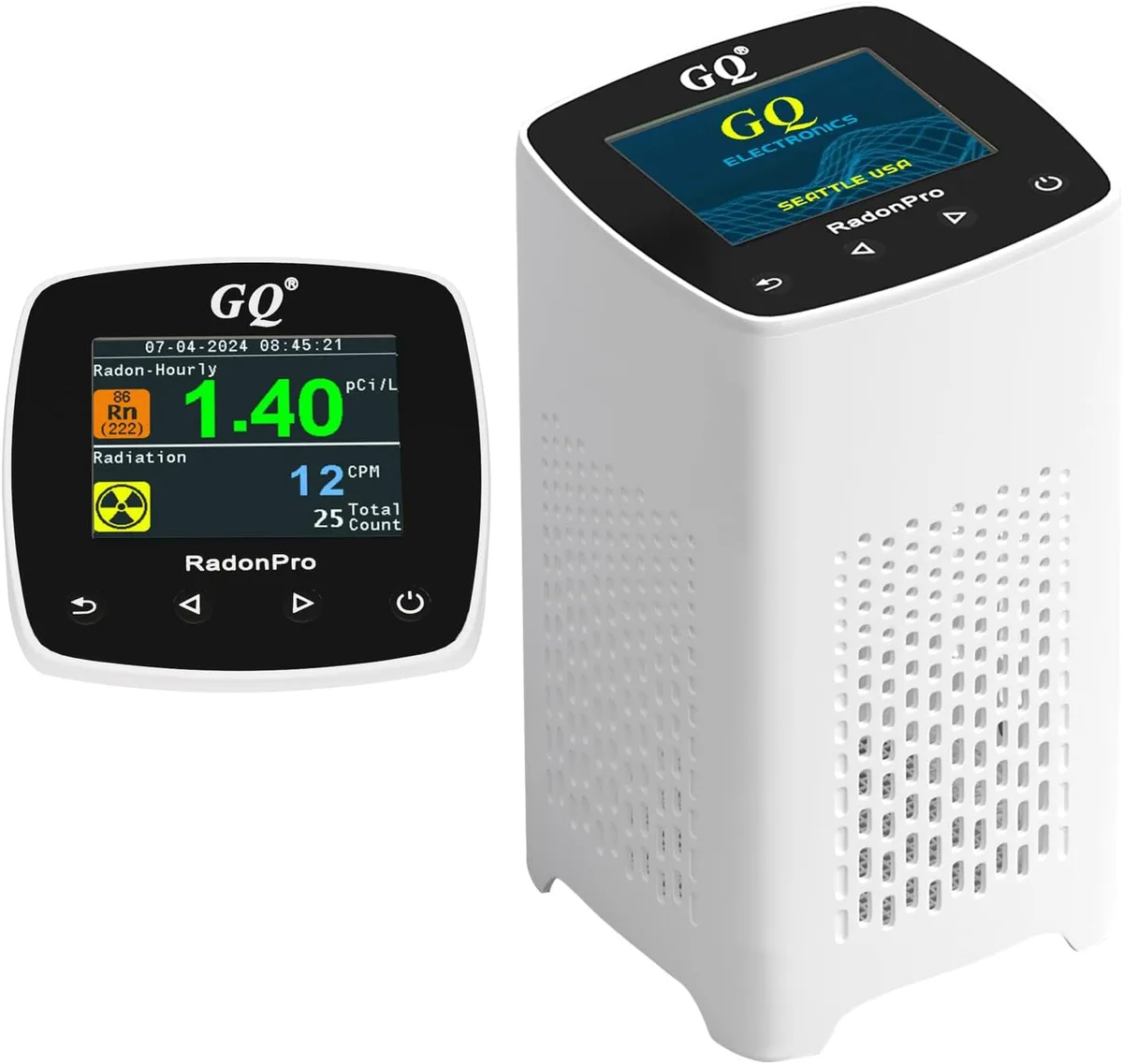
Monitor
First reading: Within 5 minutes
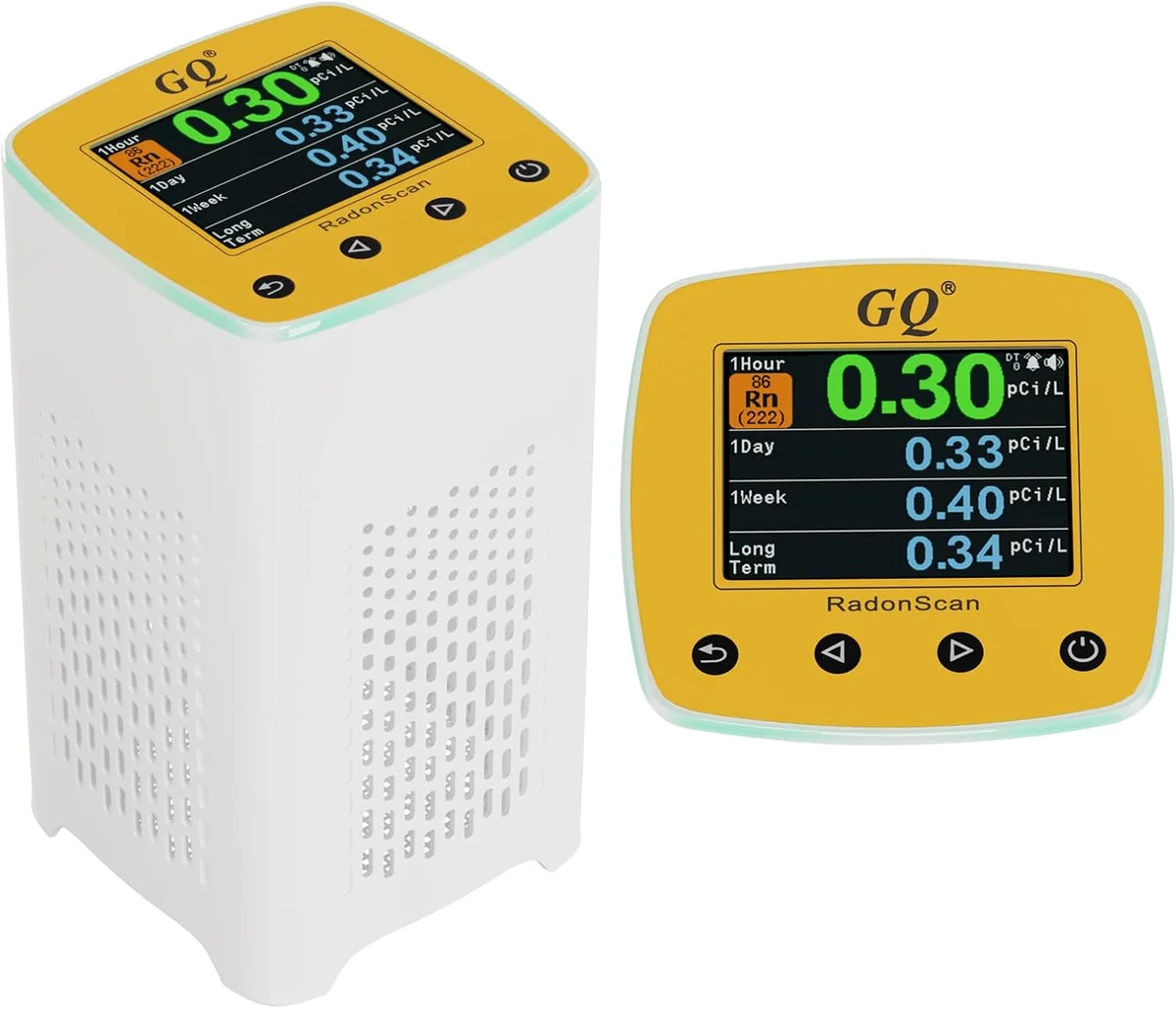
Monitor
First reading: Within 5 minutes
Monitor
First reading: Within 5 minutes
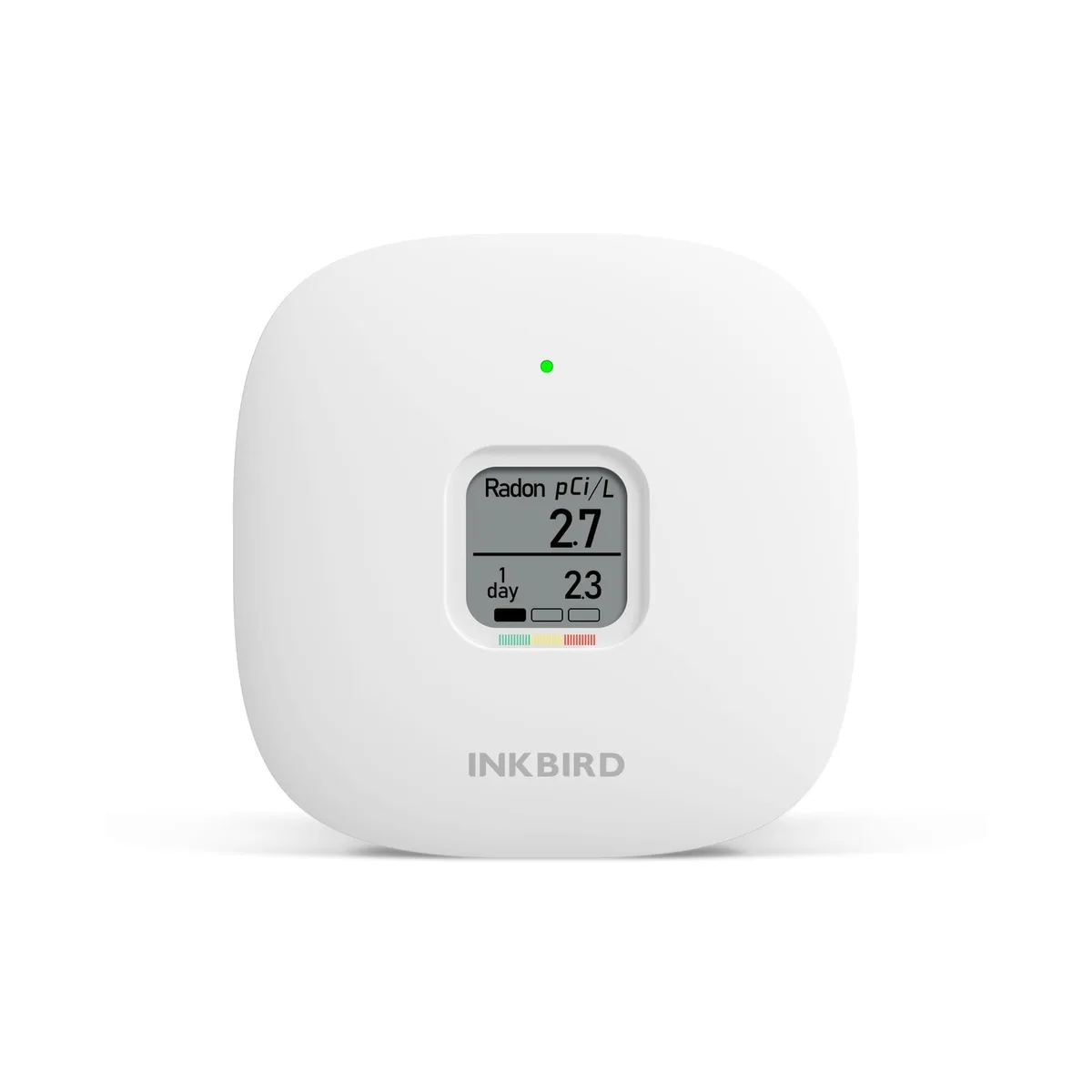
MonitorINKBIRD
First reading: Within 24 hours
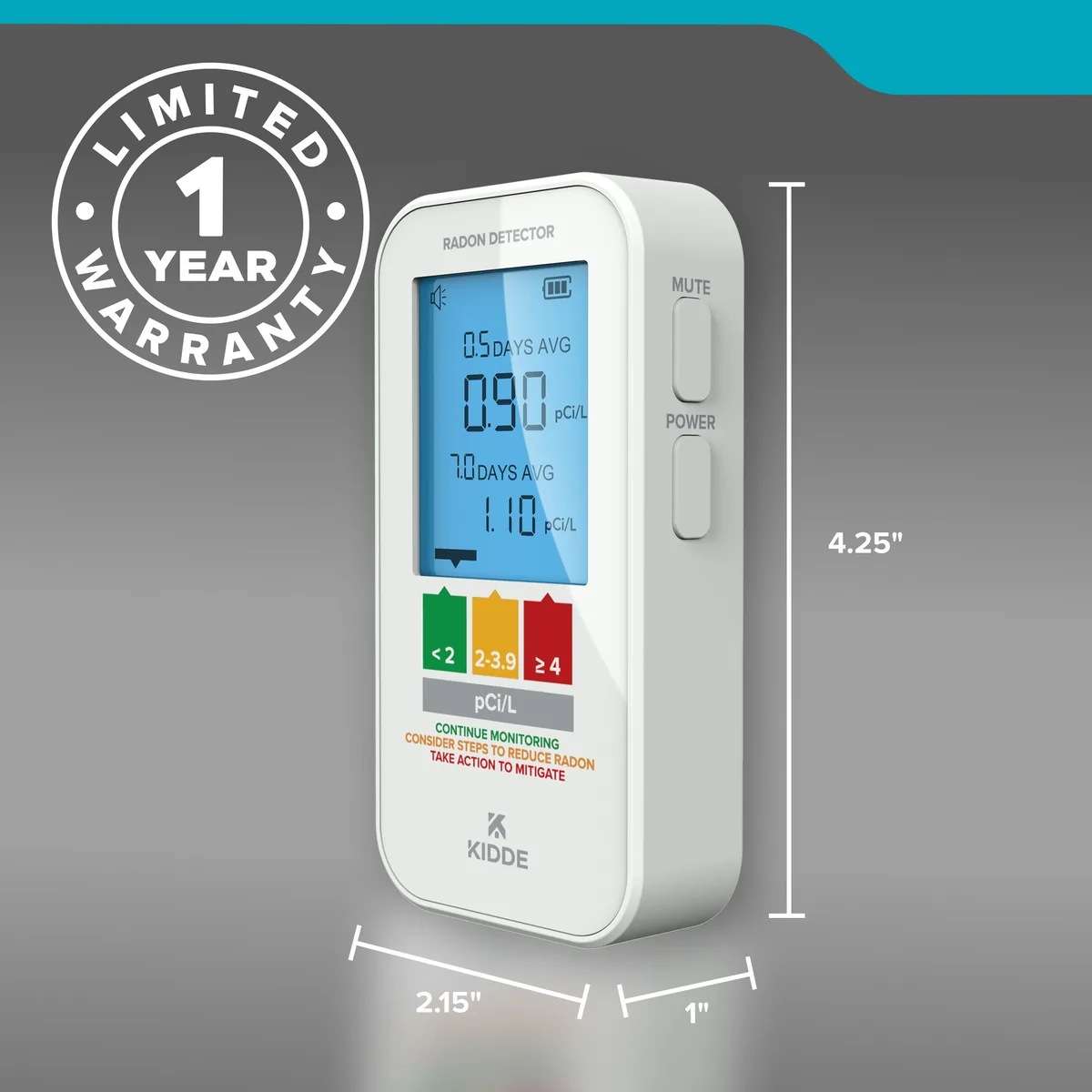
MonitorKidde
Method: Semiconductor sensor
First reading: Within 12 hours
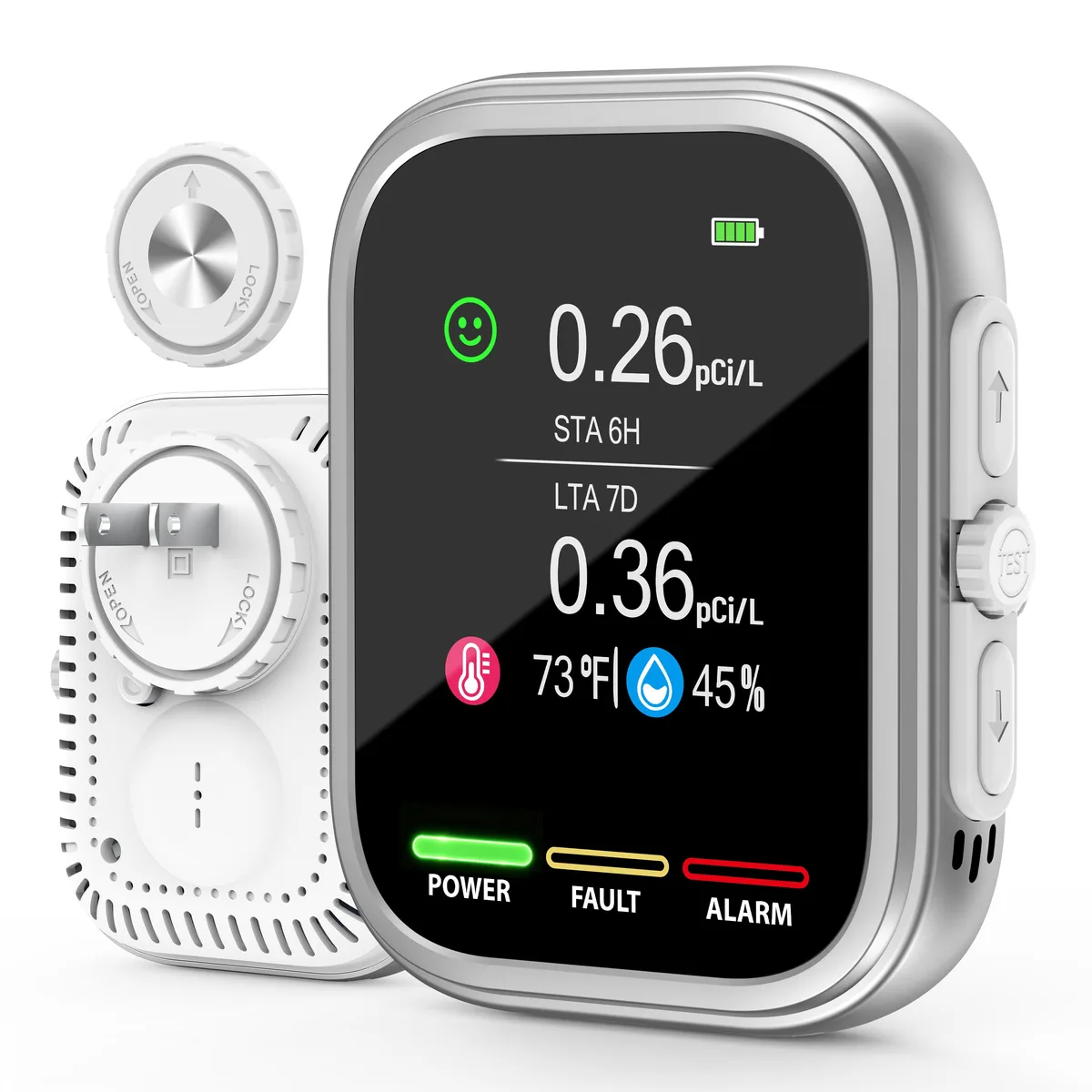
MonitorPYZYCKYH
Method: Semiconductor sensor
First reading: Within 6 hours
MonitorSafetySiren
First reading: Within 48 hours
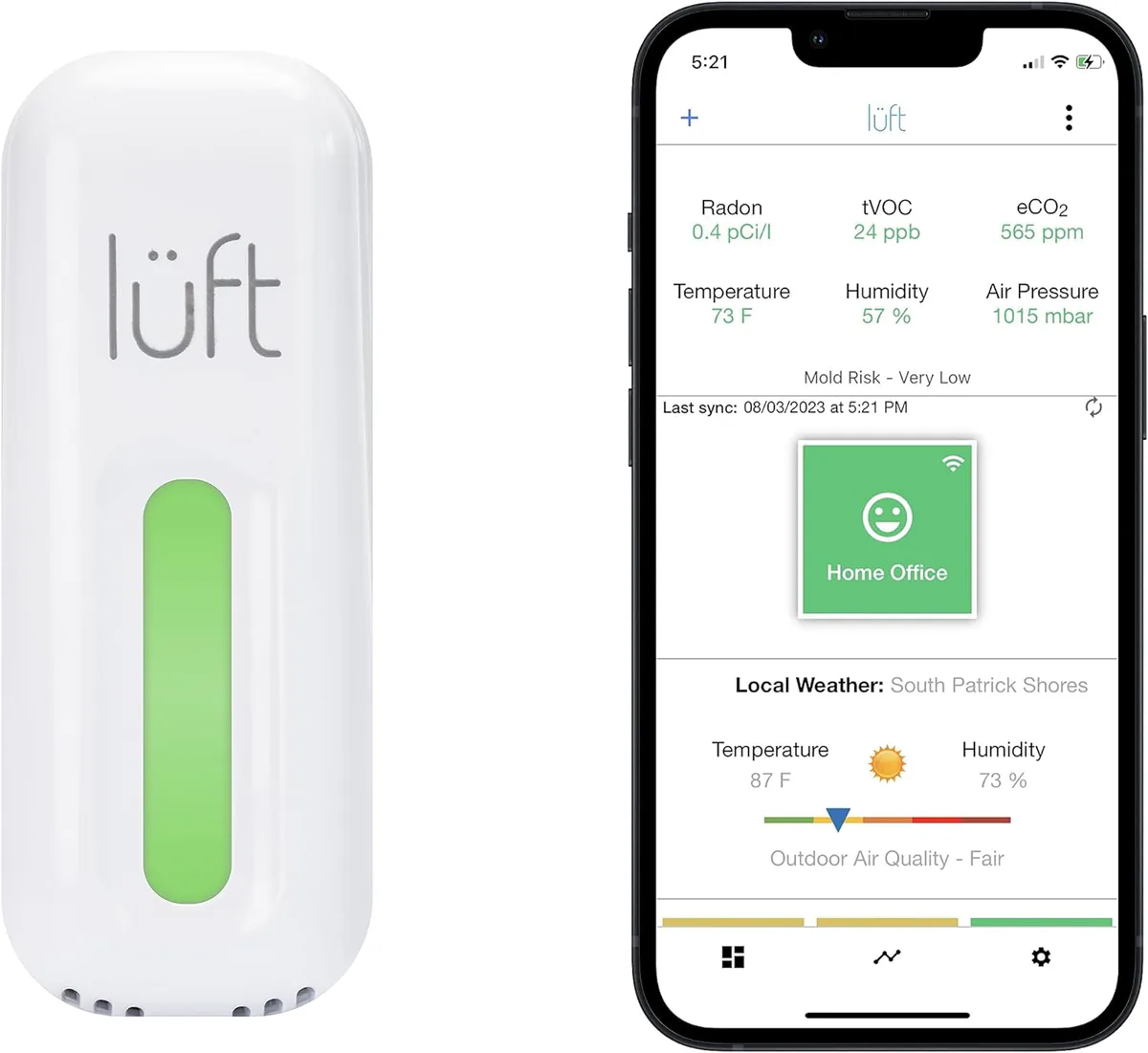
Monitor
First reading: Within 90 minutes
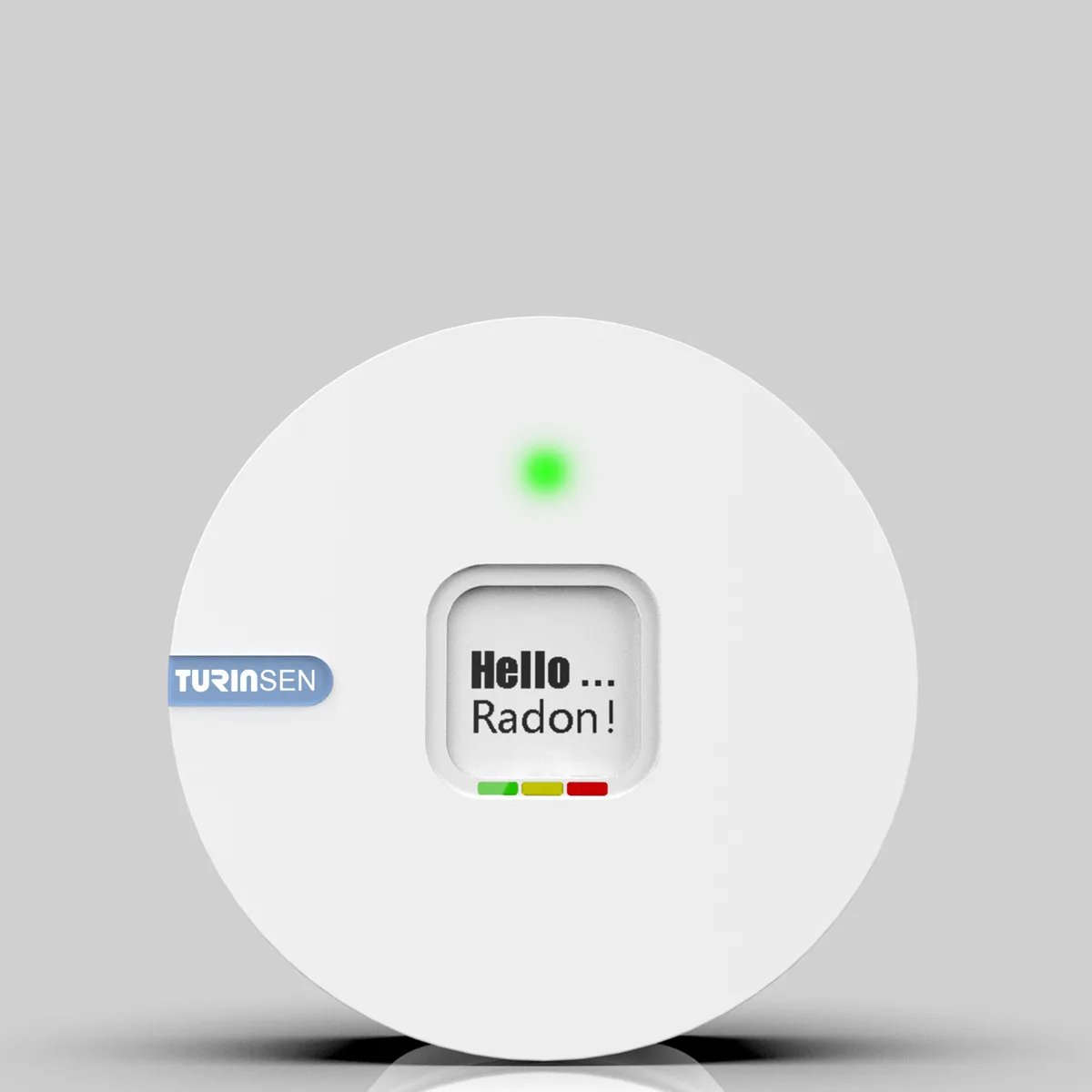
Monitor
Method: Alpha spectrometry
First reading: Within 24 hours
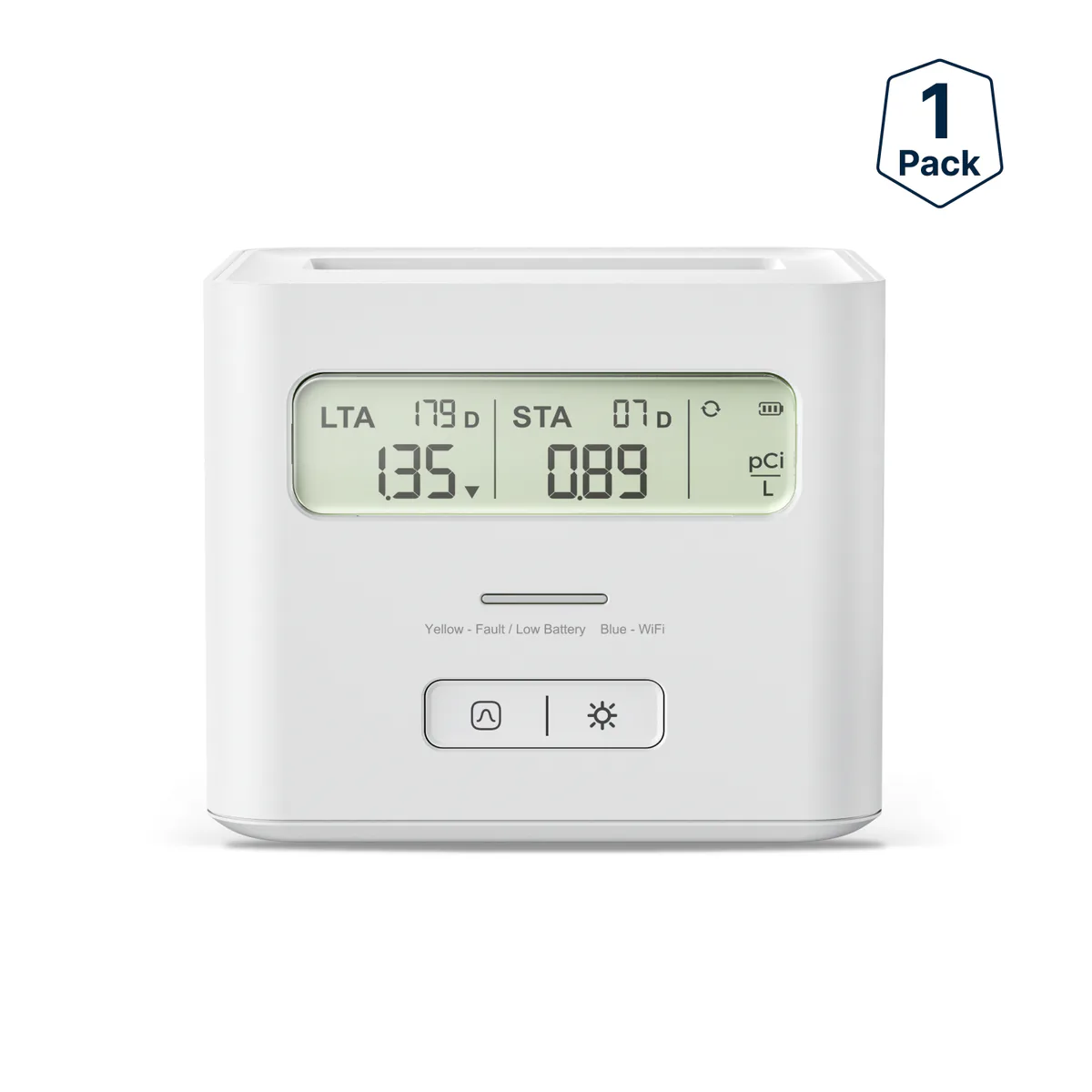
MonitorX-Sense
Method: Alpha spectrometry
First reading: Within 24 hours
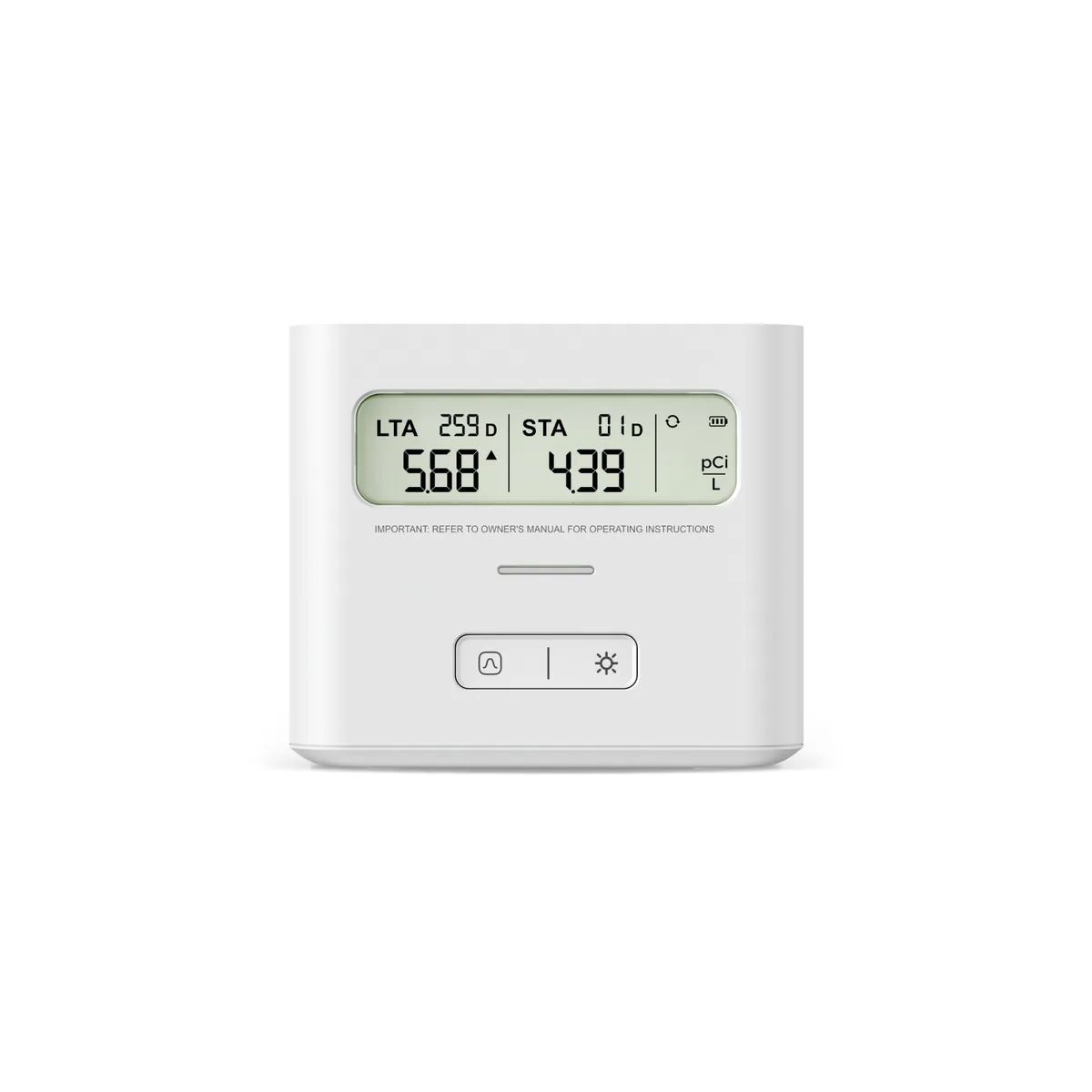
MonitorX-Sense
Method: Alpha spectrometry
First reading: Within 24 hours
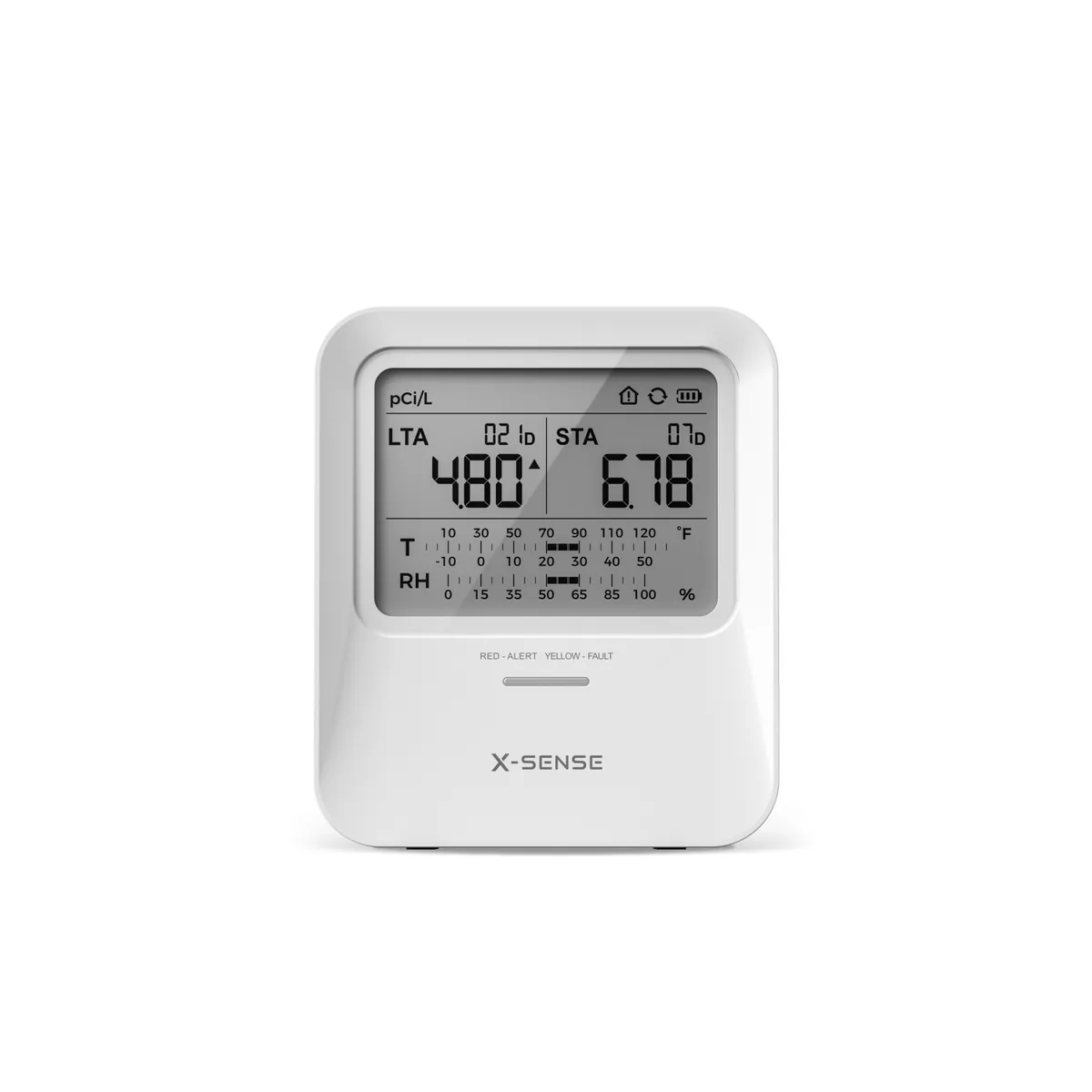
MonitorX-Sense
Method: Alpha spectrometry
First reading: Within 24 hours
Radon monitors: 1 of 32
Short-term test kits (8)
Compare side by sideLong-term test kits (2)
Compare side by sideNo single kit is named for a sale. EPA's options are two short-term tests at the same time in the same location for at least 48 hours, two tests one after the other with an identical device, or a continuous monitor for at least 48 hours, and any real estate test should include steps to prevent or detect interference. That often means two kits of the same kind. In many cases buyers and sellers have the test done by a qualified radon tester, and many states require radon professionals to be licensed, certified or registered, so check your state's rules first.
EPA's advice for any kit is to use a radon measurement device from a qualified laboratory, and your state may be able to give you a list of do-it-yourself test devices from qualified laboratories. For the sale itself, many states require radon professionals to be licensed, certified or registered. Check your state radon program before the test.
Start with a short-term kit. It stays in the home for 2 to 90 days depending on the device, never less than 48 hours, and most charcoal kits run 2 to 7 days. If the result is at or above 4 pCi/L, follow up with a long-term test for a better picture of your year-round average, or with a second short-term test if you need results quickly. A long-term kit stays in the home for more than 90 days.
A kit's result is only as good as the laboratory that reads it and the care taken while it is out. First Alert's leaflet says the RD1's analysis is completed by an NRPP-certified radon testing lab, and names Alpha Energy Labs. Passive devices can give accurate measurements when the test follows its protocol; open windows during a short test, a poor spot or a late return to the lab can mean testing again.
You should receive the results within a few days or weeks; if you need them quickly, find out how long they will take and ask for expedited service. First Alert, for example, states 3 to 5 business days after the lab receives the RD1. Send the kit to the lab right away when the test ends.
Check your state's rules before you rely on one. The consumer monitors C-NRPP lists cannot be professionally calibrated and are not approved by C-NRPP for use by radon measurement professionals, and in many cases buyers and sellers have a sale test done by a qualified radon tester. Your state may require a certified tester.
Closed-house conditions mean keeping all windows closed, keeping doors closed except for normal entry and exit, and not running fans or other machines that bring in air from outside; heating and air conditioning fans that recirculate air may run. For a short-term test lasting less than four days, close windows and outside doors at least 12 hours before it begins. During a long-term test, live in the home as you normally do.
It depends on the kit. Each kit's card and the table under the list show whether its maker says the price covers the laboratory's analysis; check the package before you buy.
In the lowest level of the home that could be used regularly, finished or not, in a room such as a living room or bedroom, at least 20 inches above the floor and away from drafts, high heat, high humidity and exterior walls. Not in a kitchen, bathroom, closet, stairway, hallway or crawl space.
EPA recommends fixing a home at or above 4 pCi/L and considering a fix between 2 and 4 pCi/L. If a first short-term result is high, confirm it with a long-term or a second short-term test before deciding.