
Short-term kit
Radon Short Term Test Kit short-term charcoal radon test kit, lab fee included
- Lab fee included
Method: Charcoal
In home: 2 to 7 days
AprilAire
Short-term activated carbon radon test kit
Best for you if
Skip it if
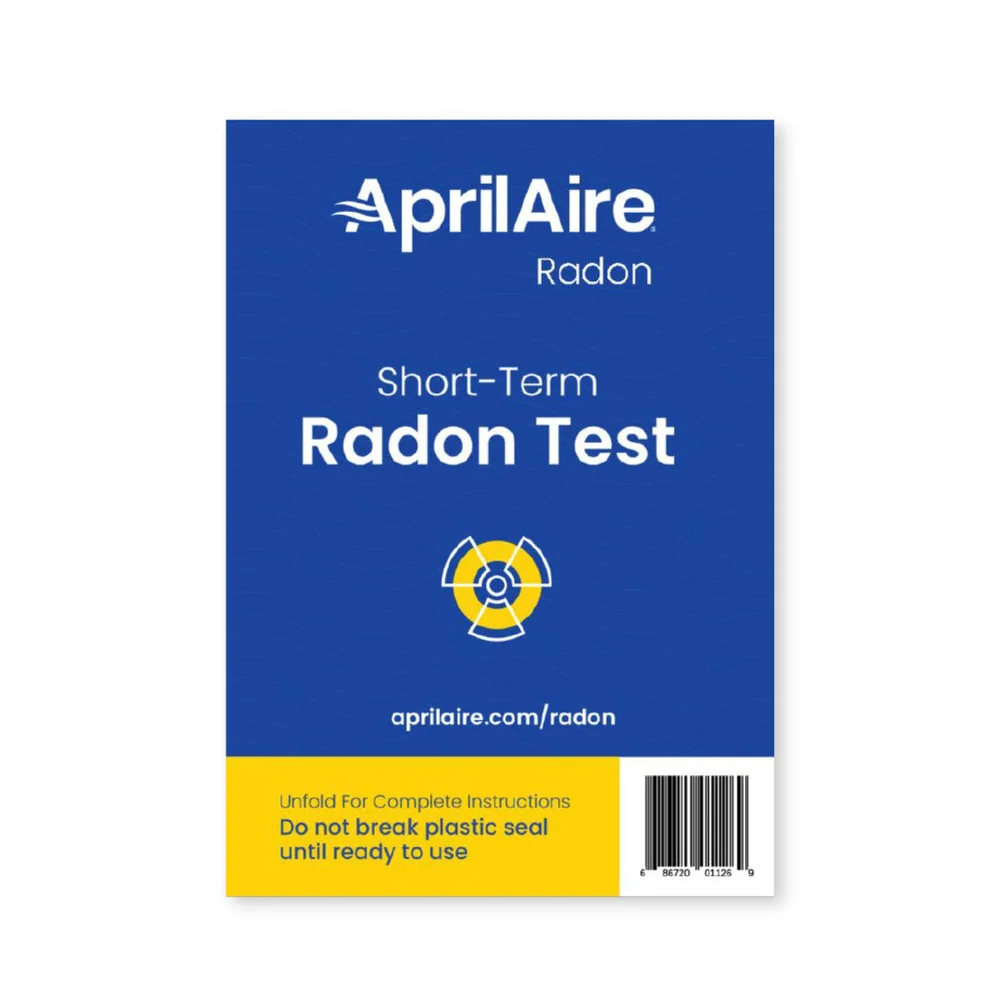
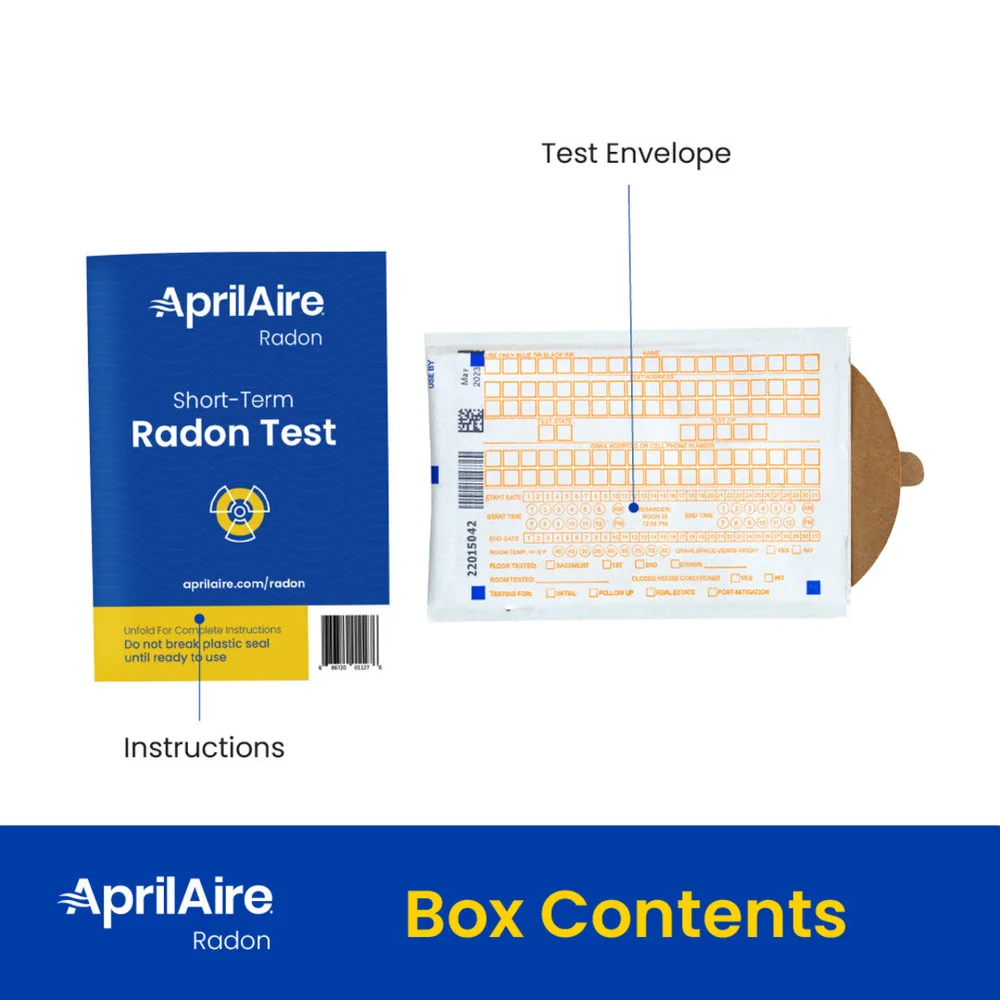
Photos: AprilAire
 (opens in a new tab)Check price on Amazon (opens in a new tab)
As an Amazon Associate, Radon411 earns from qualifying purchases.
Amazon and the Amazon logo are trademarks of Amazon.com, Inc. or its affiliates.
See ratings and reviews on Amazon (opens in a new tab)As AprilAire states it
The AprilAire ARNTK1 is a short-term radon test for the air in a home: an activated carbon kit you leave out for 3 to 7 days, then seal and mail with the postage AprilAire has already paid. AprilAire says all lab and processing fees are included, that an NRPP certified lab analyzes the kit, and that results are emailed within 24 hours of the lab receiving it. Like any short-term test, it gives a snapshot rather than the year-round average the EPA says a long-term test is more likely to show.
AprilAire sells the ARNTK1 as a 1-pack, part number ARNTK1, with paid postage to the lab and all lab and processing fees included. Its store lists the kit's materials as activated carbon and cardboard, and its size as 0.5 by 8.75 by 5 inches. AprilAire's store also includes free ground shipping to addresses in the USA.
In the box and running costsHow it works
The sensor, the sampling and the readings, then who has checked it
In our words, from the maker's documents
AprilAire's store lists the kit's materials as activated carbon and cardboard, and its measurements as 0.5 by 8.75 by 5 inches, which puts it with the charcoal devices the EPA names among the detectors most commonly used for short-term testing. The EPA describes such passive devices as needing no power: they are exposed to the air in the home for a set time and then sent to a laboratory for analysis.
The test window is 3 to 7 days. AprilAire's store page and its all-products specification guide both say its short-term kits measure radon inside the home over that period, and the guide says the kits are then sent out to AprilAire's lab partners for analysis. The EPA's short-term category runs from two days to 90 days, depending on the device.
The laboratory is the part AprilAire describes least. Its store page says the kit gets a full analysis by an NRPP certified lab, recognized in all 50 states and every US territory, and that lab results are emailed within 24 hours of the lab receiving the kit; its product text says results can then be checked from any smartphone, tablet or computer. It does not name the laboratory on the pages read.
A short-term result is a starting point. The EPA says that because radon levels tend to vary from day to day and season to season, a short-term test is less likely than a long-term test to tell you your home's year-round average, and it recommends a follow-up test, either a long-term test or a second short-term test, before deciding whether to fix the home. It recommends fixing the home at 4 pCi/L or more and considering a fix between 2 and 4 pCi/L.
AprilAire's own advice leans toward testing often and in winter. Its store page recommends testing the home annually, and its winter article says AprilAire always recommends testing once a year. The same article argues that winter suits a test: homes are kept closed, which it says gives a more controlled environment, and radon levels tend to be higher with less ventilation, the stack effect and frozen ground.
AprilAire's own statements, attributed
These are AprilAire's own statements, attributed to it. They are not our findings, and we have not tested this product ourselves.
Who checks a device like this
C-NRPP's consumer evaluation covers electronic monitors, not laboratory-analyzed test kits, so it has no result for AprilAire ARNTK1. A kit's result comes from the laboratory that analyzes it. Where the maker names that laboratory, or the page cites the National Radon Safety Board's lists of approved devices and accredited laboratories for it, the “How it works” panel and “Questions people ask” say so.
AprilAire ARNTK1
Check price on Amazon (opens in a new tab)Specifications
Every figure as the maker states it
AprilAire sells the ARNTK1 as a 1-pack, part number ARNTK1, with paid postage to the lab and all lab and processing fees included. Its store lists the kit's materials as activated carbon and cardboard, and its size as 0.5 by 8.75 by 5 inches. AprilAire's store also includes free ground shipping to addresses in the USA.
AprilAire's radon products page lists the test kit alongside its radon mitigation products, the ARNHPF, ARN25F and ARN15F fans, and its specification guide lists the test kit as P/N ARNTK1 beside the ARN05M manometer.
AprilAire publishes no warranty for the test kit on the pages read. What the purchase buys is the analysis and the emailed report, which AprilAire says arrives within 24 hours of the lab receiving the kit.
One kit, one result: AprilAire's store says the lab and processing fees and the postage to the lab are included, so the purchase covers the analysis and the trip to the lab. Repeat tests are the running cost. AprilAire recommends testing every year, and its Q&A article lists times to test, including when buying or selling a home, after major renovations, if you have never tested, and every year even if past results were low.
A follow-up test may be needed before any repair. The EPA recommends following a first short-term result of 4 pCi/L or more with either a long-term test or a second short-term test, and considering a fix if the average of the two short-term tests is 4 pCi/L or more.
If a fix is needed, AprilAire points to its own network: its store page says an AprilAire Healthy Air Pro can test the home and install AprilAire radon control solutions. AprilAire's Q&A article says the EPA recommends taking action at 4.0 pCi/L or higher and that there is no completely risk-free level of radon.
Fit and setup
The fit, then setup and placement as the guidance asks
Good fit if, and look elsewhere if
Good fit if
Look elsewhere if
3 steps
For where any radon test or monitor should sit in a home, see where to place a radon test.
Compare
The same three rows for each, and the one difference that matters
This page
AprilAire ARNTK1
This page: The AprilAire ARNTK1 is a short-term radon test for the air in a home: an activated carbon kit you leave out for 3 to 7 days, then seal and mail with the postage AprilAire has already paid.
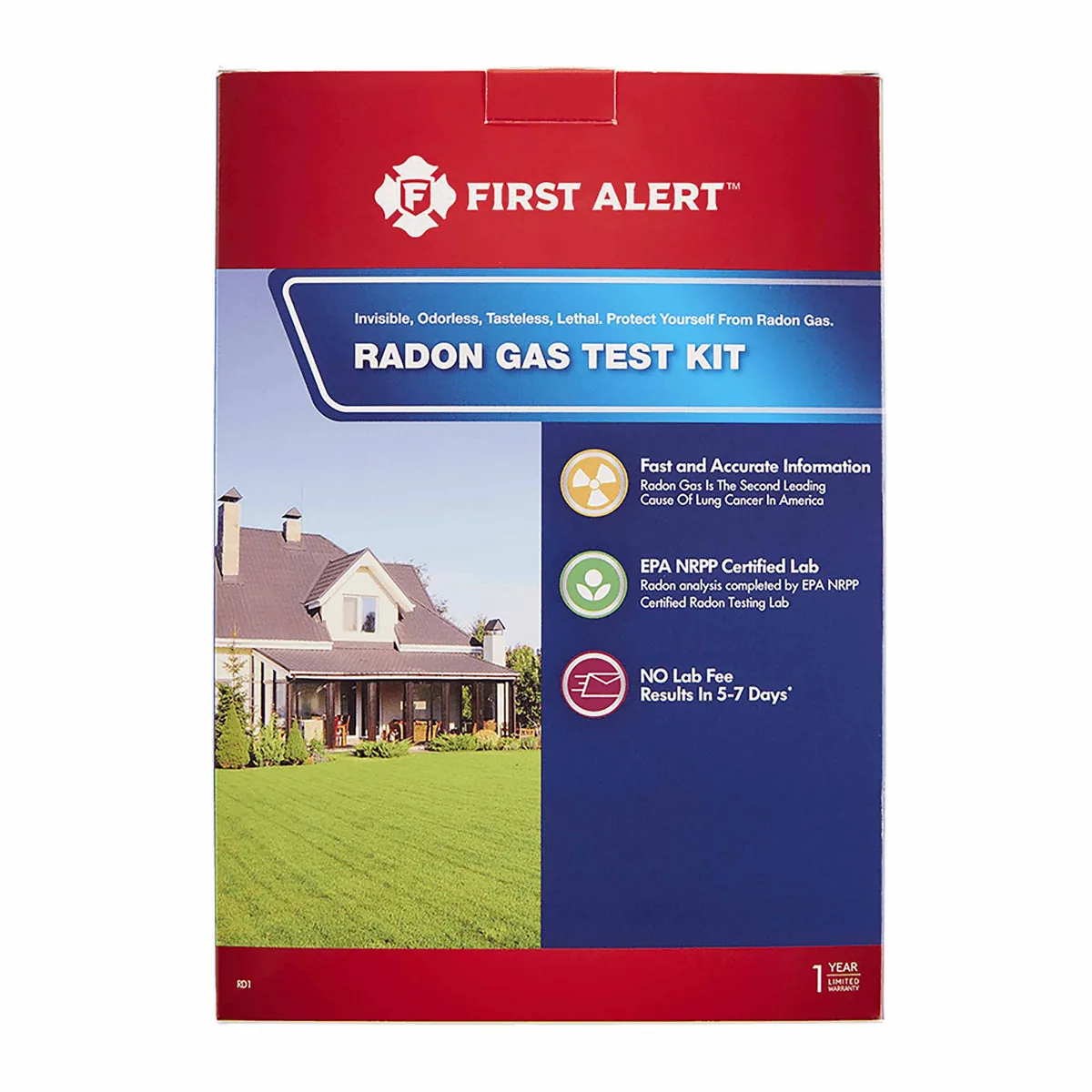
First Alert
The difference: First Alert's charcoal kit for two to four days, with lab fees included except New Jersey state fees, and results 3 to 5 business days after the lab receives it.
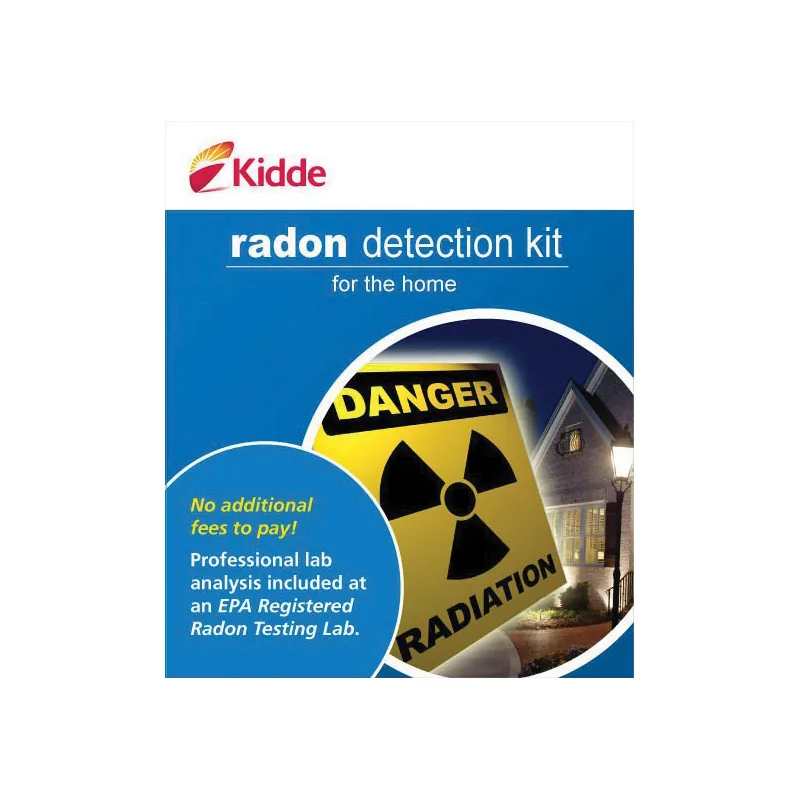
Kidde
The difference: Kidde's charcoal sampler bag for three days, mailed to Alpha Energy Laboratories; the lab report is included, the mailing cost is not.
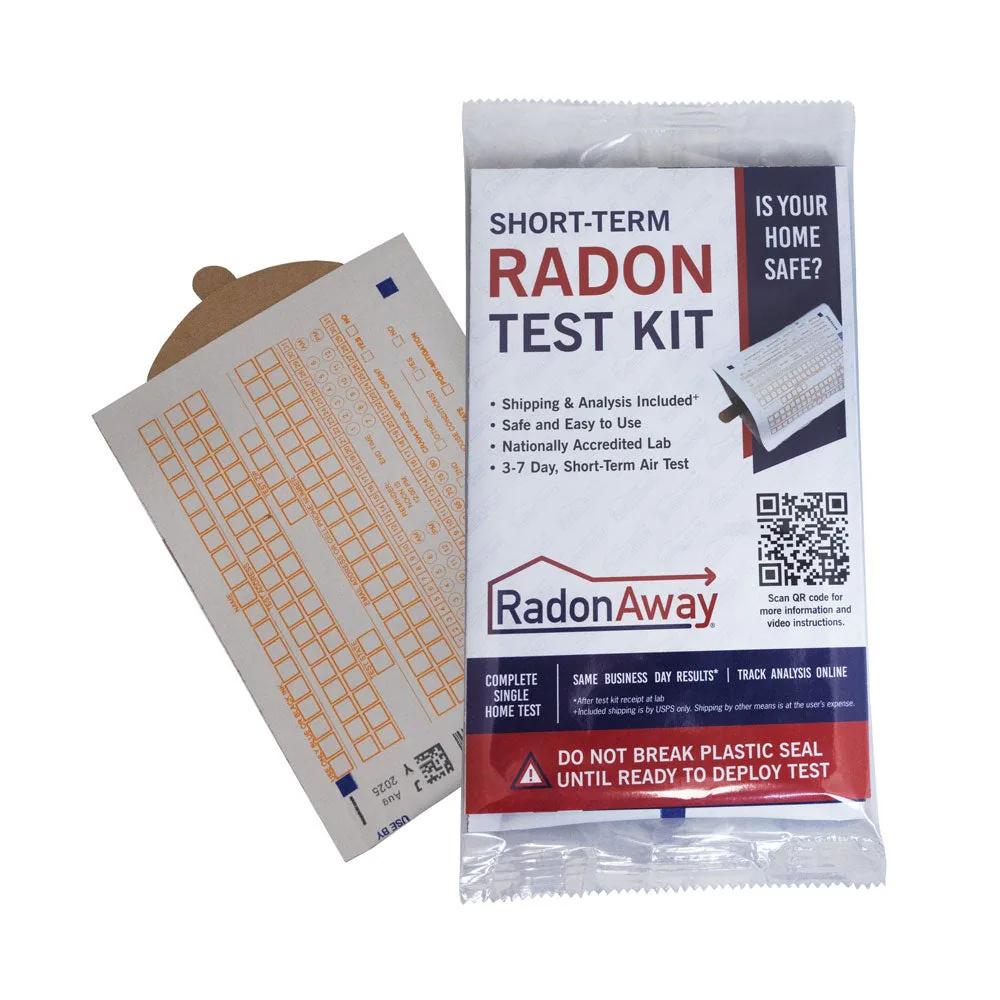
RadonAway
The difference: RadonAway's short-term kit, hung for 3 to 7 days, with analysis by a NELAP approved laboratory and return USPS shipping included.
Compared with similar products: 1 of 4
Short-term kit
Method: Charcoal
In home: 2 to 7 days
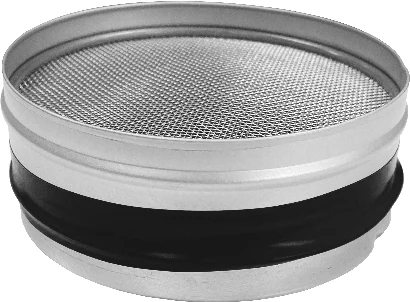
Short-term kit
Method: Charcoal
In home: 48 to 96 hours
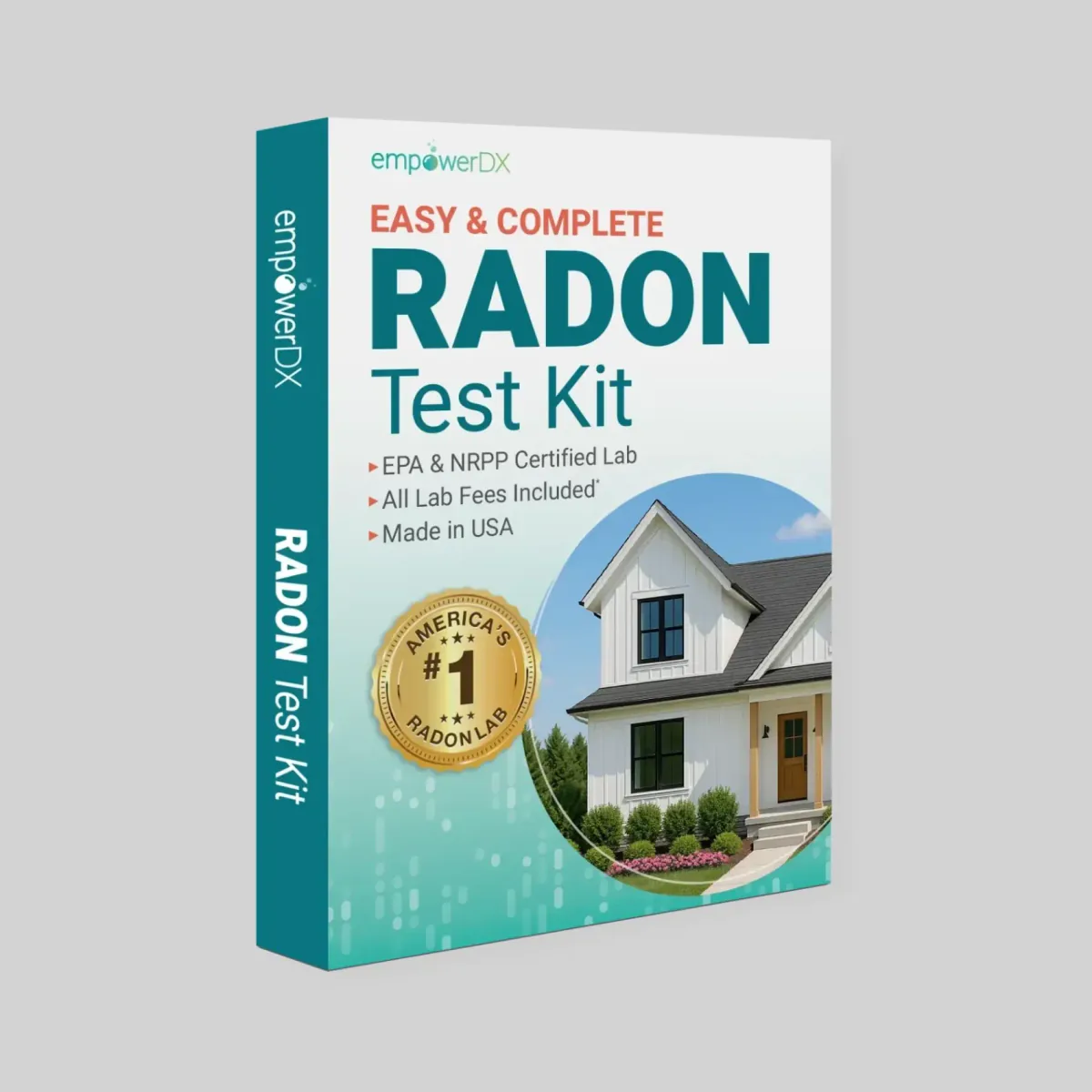
Short-term kitempowerDX
Method: Passive sampler
In home: 48 to 96 hours
Short-term kit
Method: Liquid scintillation
In home: 48 to 96 hours

Short-term kit
Method: Liquid scintillation
In home: 48 to 96 hours
More short-term test kits: 1 of 5
Questions
6 questions about the AprilAire ARNTK1, answered
Three to seven days. AprilAire's store page and specification guide both give that window for its short-term kits. The EPA's short-term category covers tests from two days to 90 days, depending on the device.
By email. AprilAire says lab results are emailed within 24 hours of the lab receiving the kit, and that test results can be checked from any smartphone, tablet or computer. Its store page links a results lookup.
Yes, by AprilAire's description: paid postage to the lab and all lab and processing fees are included with the kit, and you simply seal it up and send it in.
AprilAire's article argues it is: homes are closed up, which it says gives a more controlled test, and radon levels tend to be higher in winter. The EPA's short-term instructions ask for closed windows and outside doors in any season, and for a test of 2 or 3 days, from 12 hours before it starts.
AprilAire's Q&A lists buying or selling a home as a time to test. For the sale itself, check your state's rules: the EPA notes that many states require radon professionals to be licensed, certified or registered.
Follow up before you fix. The EPA recommends a second short-term or a long-term test after a first result of 4 pCi/L or more, fixing the home if a long-term result is 4 pCi/L or more, and considering a fix if the average of two short-term tests is 4 pCi/L or more. AprilAire says its Healthy Air Pros can test the home and install its radon control solutions.
Updated November 27, 2026