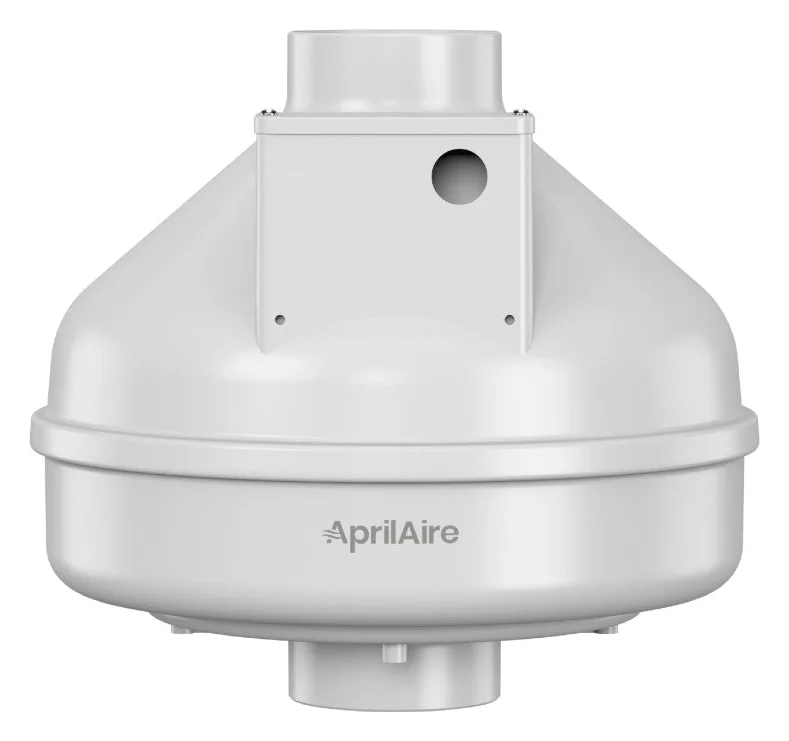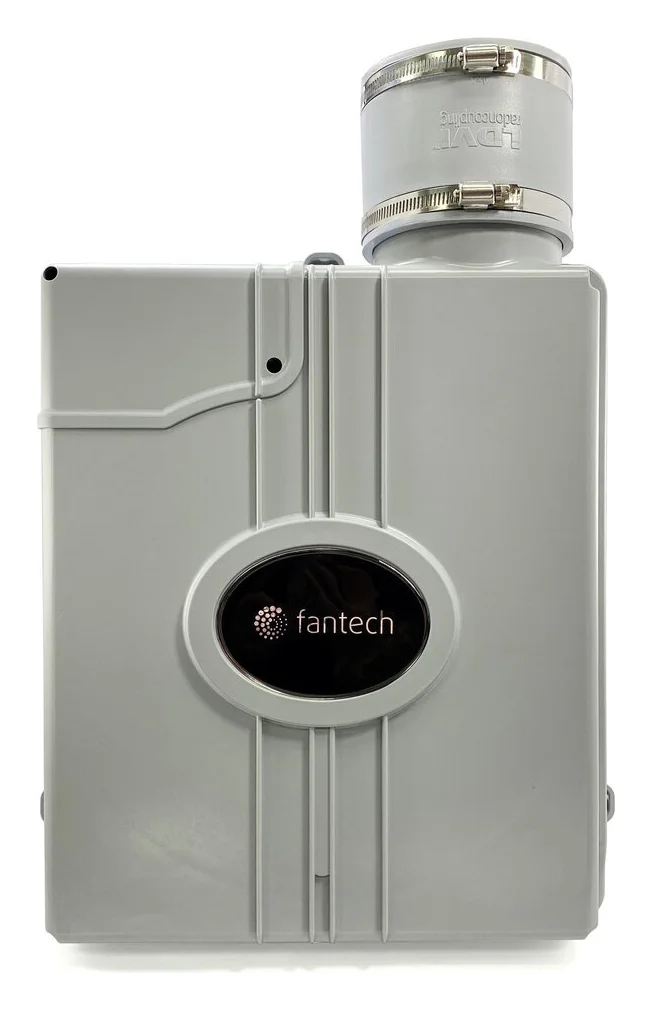
Radon fan
Rn2SL exterior-wall slimline radon fan
- 4 in. schedule 20 or 40 PVC
- 87 W
Max airflow: 159 CFM
Max pressure: 2.1 in w.c.
Fantech
EC inline radon fan with speed dial
Best for you if
Skip it if
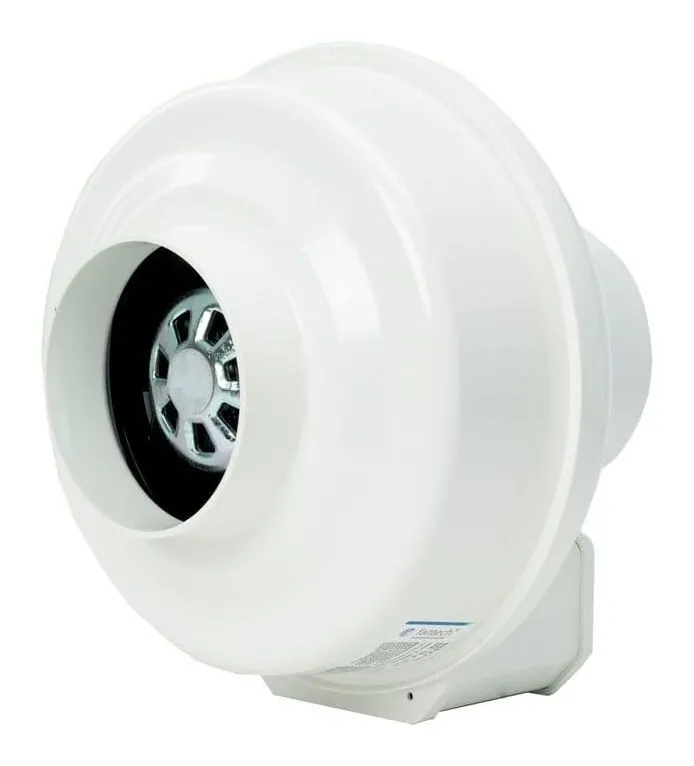
Photos: Fantech
 (opens in a new tab)Check price on Amazon (opens in a new tab)
As an Amazon Associate, Radon411 earns from qualifying purchases.
Amazon and the Amazon logo are trademarks of Amazon.com, Inc. or its affiliates.
See ratings and reviews on Amazon (opens in a new tab)As Fantech states it
The Rn 2EC (item 99927) is Fantech's low-power radon fan with an EC motor and a speed dial built in, for medium suction, low flow jobs. Fantech's 2025 brochure lists an application range of 0.0 to 1.8 inches of water column, a maximum static pressure of 2.0 inches, a maximum of 52 W and 173 CFM, and its manual says the box holds the fan and the manual only.
Fantech's manual lists the Rn2EC's box contents as the inline radon fan and its installation, operations and maintenance manual, one of each. The Rn4EC's box, by contrast, adds two LDVI couplings, so an Rn 2EC buyer needs couplings or one of Fantech's FRIK kits, which its brochure lists separately.
In the box and running costsHow it works
The suction, the airflow and the housing, then who has checked it
In our words, from the maker's documents
Take any working sub-slab system apart and the fan is the piece doing the work. The EPA's guide describes it pulling radon from under the house through the suction pipes, sending it into the outdoor air and leaving a vacuum below the slab, and it is clear that the fan must stay on continuously for the system to work.
Fantech rates its Rn fans by four numbers rather than a curve: an application pressure range, a maximum static pressure, a maximum power and a maximum airflow. For the Rn 2EC the brochure gives 0.0 to 1.8 inches, 2.0 inches, 52 W and 173 CFM. Set beside the AC Rn 2 in the same table, at 0.0 to 1.8 inches, 2.0 inches, 59 W and 174 CFM, the two cover the same pressure band; the EC model is listed at 7 W less at its maximum.
The dial is the reason to choose it. Fantech's Rn page says the Rn 2EC and Rn 4EC have a built-in speed controller, so the user can adjust the fan speed to reach a desired level of suction with low power consumption. Its manual shows where: a potentiometer turned with a small screwdriver, counterclockwise to slow the fan. A mitigator can then run the fan at the suction the slab needs rather than at full speed, and the brochure calls the fan energy efficient when dialed to optimal flow and suction.
Fantech's brochure makes several claims for its EC fans as a pair, the Rn 2EC and Rn 4EC: a longer lifespan than traditional AC counterparts, considerably less energy use than alternatives on the market, less ambient sound, and motors that do not generate excessive heat and vibration. It also says they can mitigate at home with as low as 5 watts. These are the maker's statements; it does not say at what suction the 5 watt figure applies.
Where it fits, in Fantech's own scheme: the brochure places the Rn 2EC on medium suction, low flow applications with moderate sub-slab communication, the same description it gives the Rn 2. The Rn 4EC, the other EC fan, goes to high suction, high flow jobs, and the Rn 1 to low suction with good communication. Fantech's Rn page adds a case it has in mind for a dial: a passive system a builder installed in a single-family home that does not keep radon within safe limits.
The Rn line shares a build, by Fantech's Rn page: an air-tight housing with zero leakage, a UV-resistant resin housing, a UL listing for safety and outdoor use and HVI-certified fan performance. The manual gives the Rn2EC a smaller body than the Rn4EC: 4 15/32, 10, 1 1/4 and 9 1/4 inches on its four lettered dimensions, against 5 7/8, 11 1/2, 1 1/4 and 9 1/4 for the Rn4EC.
Fantech's own statements, attributed
These are Fantech's own statements, attributed to it. They are not our findings, and we have not tested this product ourselves.
Who checks a device like this
C-NRPP's consumer evaluation covers electronic radon monitors, not mitigation fans, so it has no result for Fantech Rn2EC. The safety listing and performance certification the maker states are under “What the manufacturer says”, and what shows whether any fan is working in your home is a radon test after it is installed.
Fantech Rn2EC
Check price on Amazon (opens in a new tab)Specifications
Every figure as the maker states it
Fantech's manual lists the Rn2EC's box contents as the inline radon fan and its installation, operations and maintenance manual, one of each. The Rn4EC's box, by contrast, adds two LDVI couplings, so an Rn 2EC buyer needs couplings or one of Fantech's FRIK kits, which its brochure lists separately.
Fantech's Rn page lists a 5-year factory warranty for the line, and the manual says the fan includes a 5 year warranty, with the full terms reached through a QR code in English, French or Spanish, and a US support line for anyone who cannot retrieve them that way.
At its brochure maximum of 52 W, running continuously as the EPA requires, the Rn 2EC would use about 456 kWh a year; the Rn 2's 59 W comes to about 517 kWh. Dialed down, it uses less: at the 5 watts Fantech says its EC fans can reach, a year would be about 44 kWh. Your actual draw depends on where the dial ends up, so multiply the measured watts by 8,760 hours and your utility's rate.
Fans wear out. The EPA's guide says they may last five years or more and that maker warranties tend not to exceed five years; Fantech's runs five. The EPA also suggests retesting at least every two years.
Fit and setup
The fit, then how a system goes in
Good fit if, and look elsewhere if
Good fit if
Look elsewhere if
5 steps
To find someone to design and install a system, see radon mitigation professionals, and for how a fan fits into one, how a radon fan works.
Compare
The same three rows for each, and the one difference that matters
This page
Fantech Rn2EC
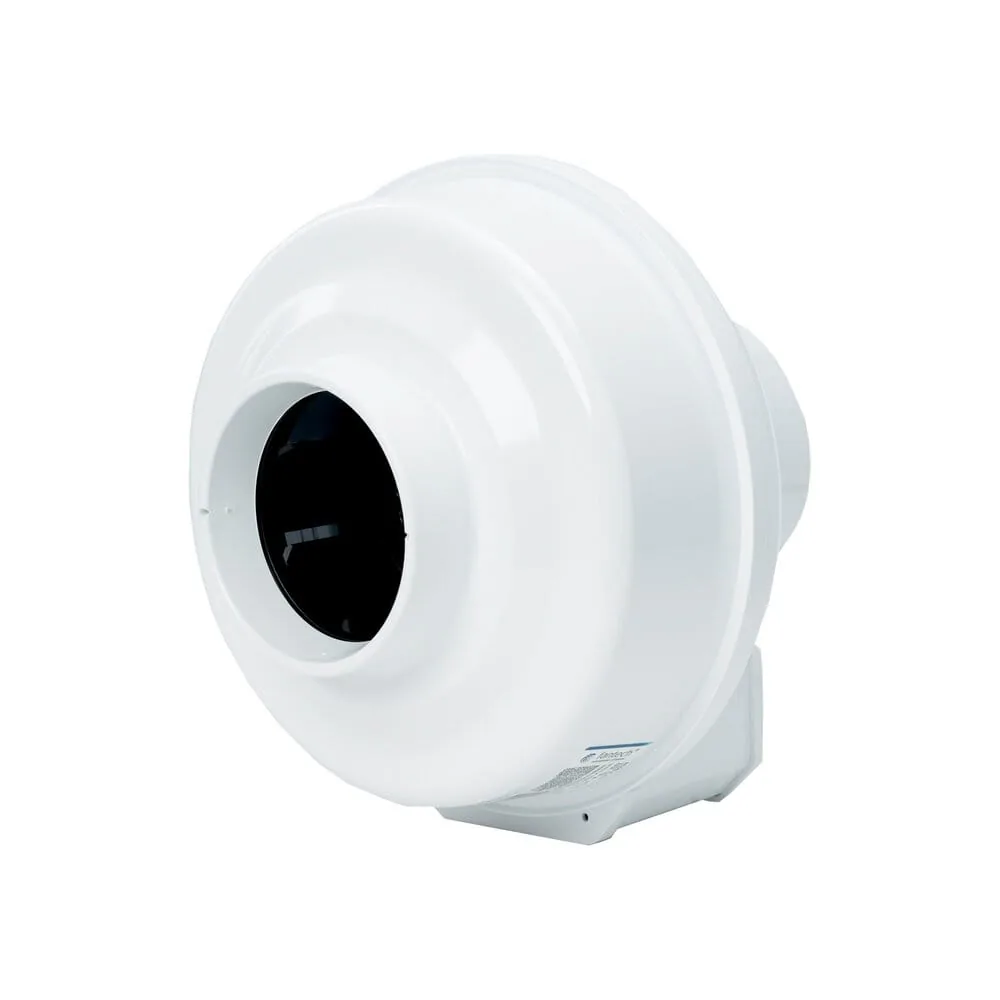
This page: The Rn 2EC (item 99927) is Fantech's low-power radon fan with an EC motor and a speed dial built in, for medium suction, low flow jobs.
Fantech
The difference: The AC fan in the same slot: Fantech's 2025 brochure lists the Rn 2 at the same 0.0 to 1.8 inch range and 2.0 inch maximum, 59 W and 174 CFM, with no speed dial.
Fantech
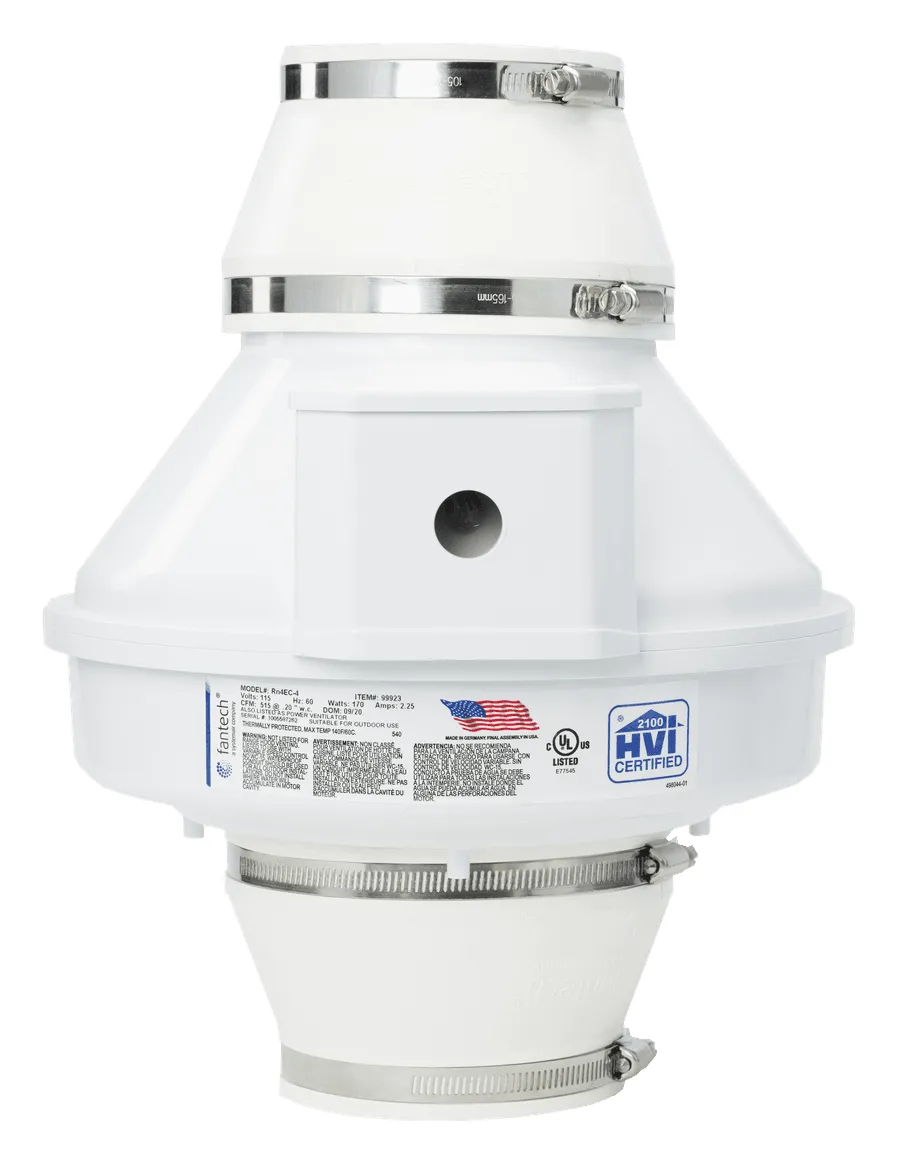
The difference: Fantech's other EC fan, for high suction: the brochure lists the Rn 4EC-4 at 0.0 to 4.35 inches, a 4.75 inch maximum, 174 W and 330 CFM, with LDVI couplings in the box.
RadonAway
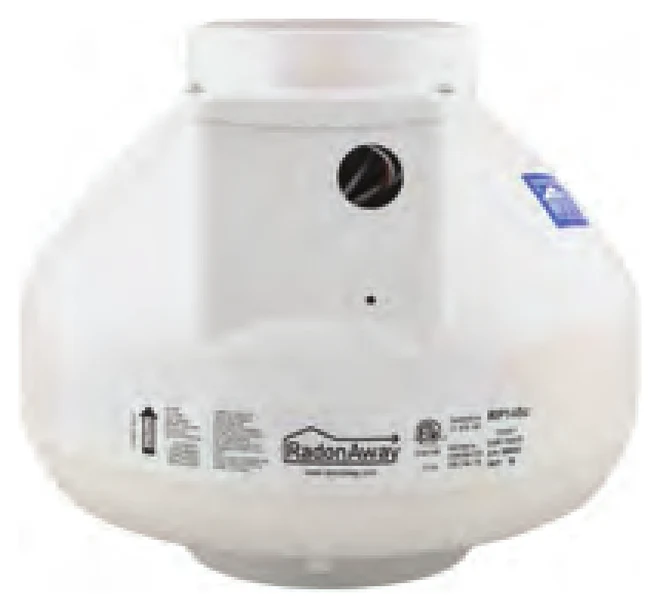
The difference: A 4 inch fan from another maker: RadonAway lists its RP145c at 46 to 72 W with a recommended maximum operating pressure of 1.7 inches and 168 CFM at 0 inches.
Compared with similar products: 1 of 4
Radon fan
Max airflow: 159 CFM
Max pressure: 2.1 in w.c.
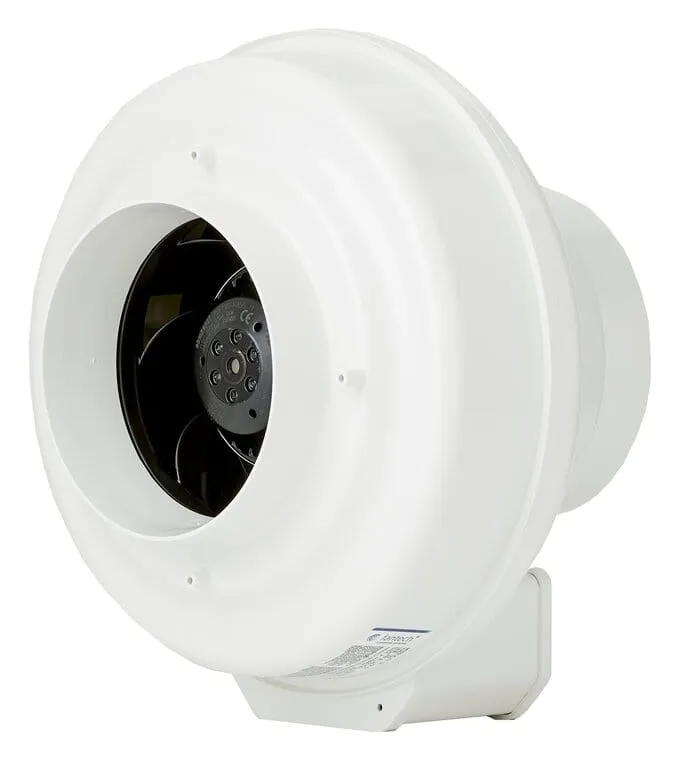
Radon fan
Max airflow: 337 CFM
Max pressure: 2.6 in w.c.
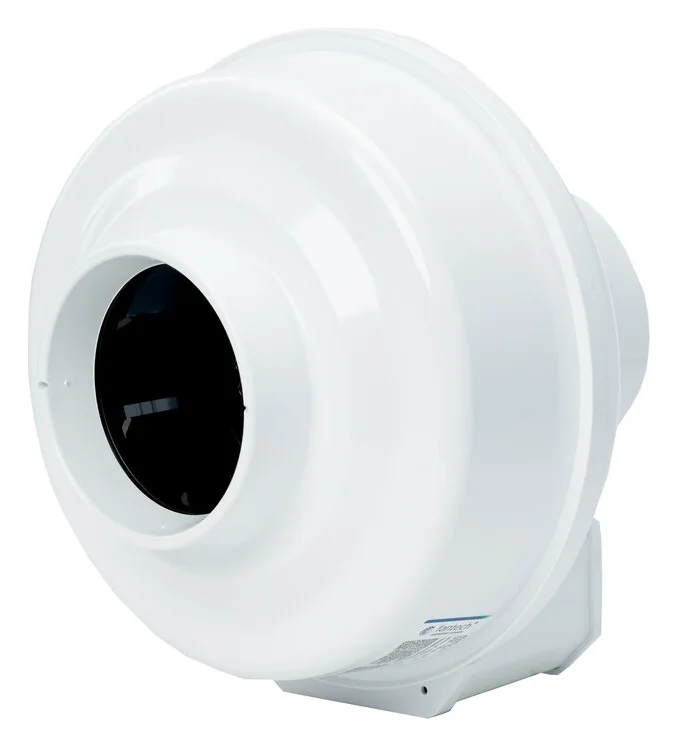
Radon fan
Max airflow: 158 CFM
Max pressure: 0.9 in w.c.
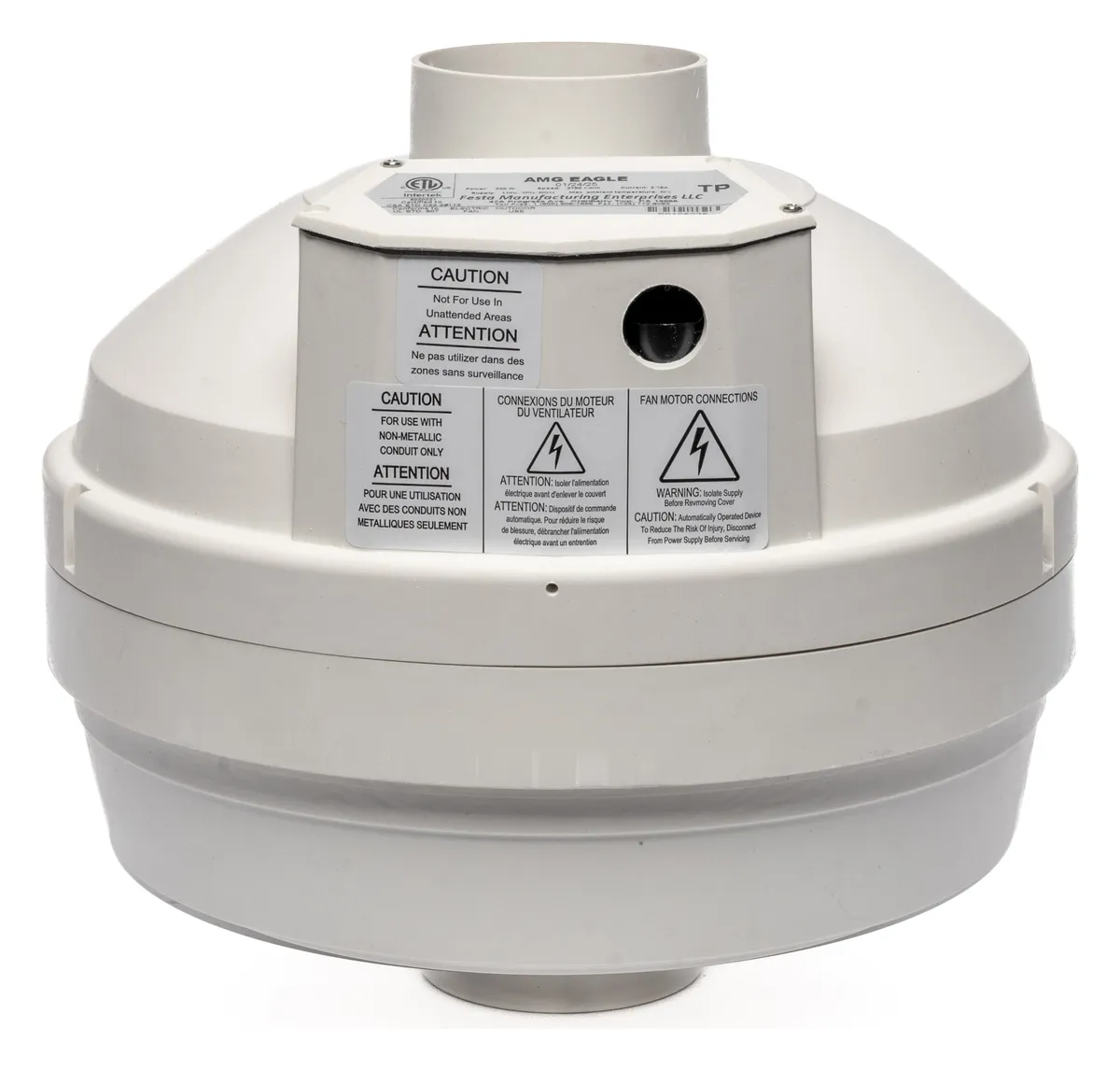
Radon fan
Max airflow: 241 CFM
Max pressure: 4.2 in w.c.
More radon fan models: 1 of 6
Questions
6 questions about the Fantech Rn2EC, answered
The motor and the dial. Fantech's brochure gives both the same 0.0 to 1.8 inch application range, a 2.0 inch maximum static pressure and nearly the same maximum airflow, 173 and 174 CFM, and the same medium suction, low flow description. The Rn 2EC has an EC motor, a built-in speed controller and a 52 W maximum against the Rn 2's 59 W.
With a small screwdriver on the potentiometer knob, Fantech's manual says: counterclockwise reduces the fan speed. The same manual says not to add any solid state speed control device. Set it with the system running and a manometer on the pipe, so the suction you settle on is measured, not guessed.
No. Fantech's manual lists only the fan and the manual in the Rn2EC's box, while the Rn4EC's box includes two LDVI couplings. Fantech's brochure lists FRIK installation kits separately, among them 4x3 and 4x4 Rn kits.
Fantech's brochure says its EC fans can mitigate at home with as low as 5 watts, and lists the Rn 2EC's maximum at 52 W. Where yours runs depends on the dial setting the slab needs; Fantech does not publish the suction at which 5 watts applies.
Fantech's Rn page says the Rn line is UL Listed for safety and outdoor use, with a UV-resistant resin housing. The EPA's construction guide prefers the fan outside habitable space in any case, so a leak cannot push radon indoors.
Fantech says so: its manual recommends a trained, licensed, certified mitigation professional and says incorrect installation voids the warranty. The EPA recommends a qualified contractor too, and many states require radon professionals to be licensed, certified or registered.
Updated November 27, 2026