
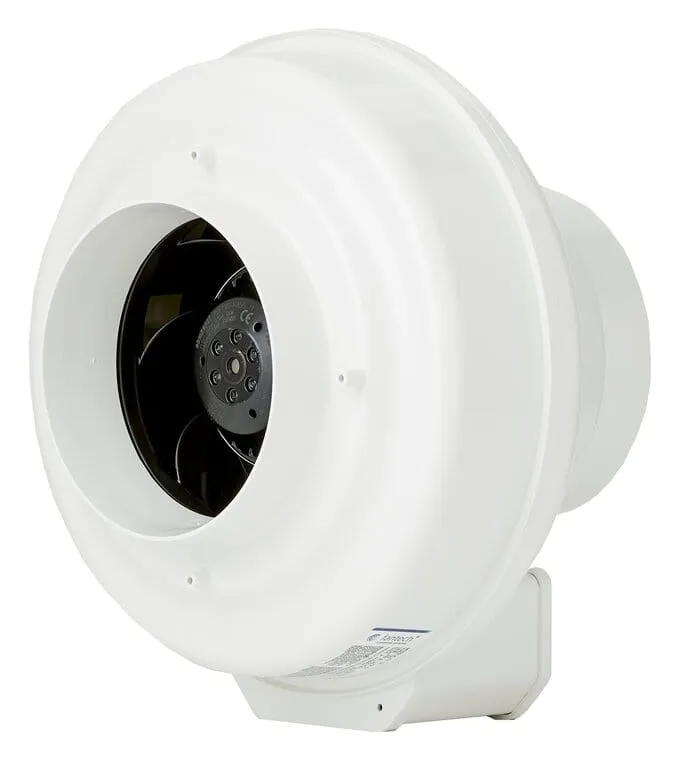
Radon fan
Rn3 inline radon mitigation fan
- 5 7/8 in. fan connection
- 125 W
Max airflow: 337 CFM
Max pressure: 2.6 in w.c.
Fantech
Exterior-wall slimline radon fan
Best for you if
Skip it if
Photos: Fantech
 (opens in a new tab)Check price on Amazon (opens in a new tab)
As an Amazon Associate, Radon411 earns from qualifying purchases.
Amazon and the Amazon logo are trademarks of Amazon.com, Inc. or its affiliates.
See ratings and reviews on Amazon (opens in a new tab)As Fantech states it
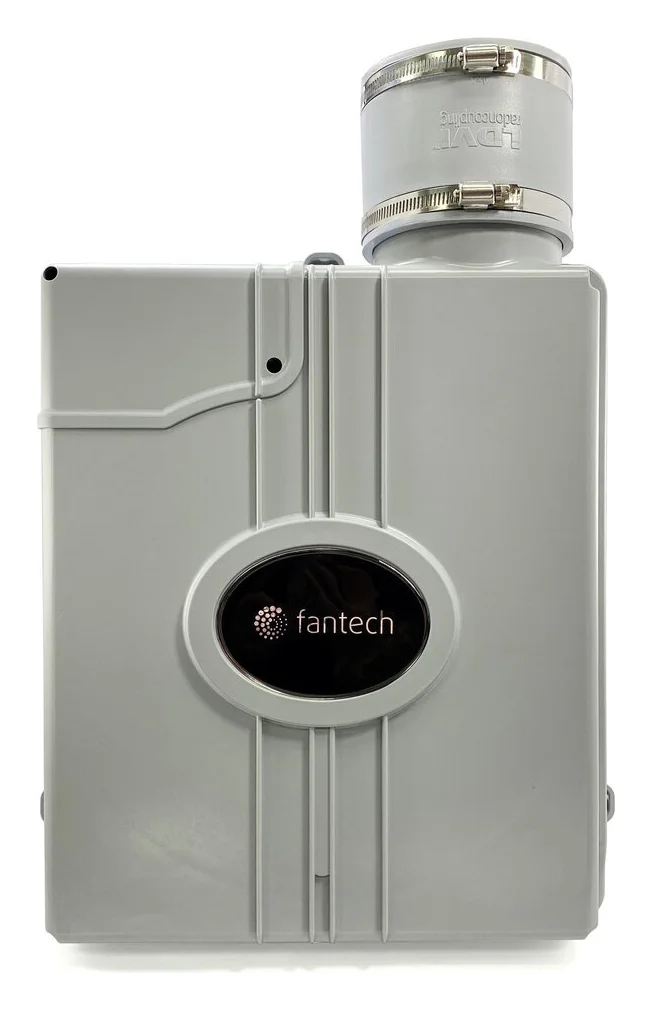
The Rn2SL Slimline, Fantech item 89054, is a flat radon fan that hangs on the outside wall where the suction pipe leaves the house, with a condensate bypass built into its sealed housing. Fantech's 2025 brochure lists it for 0.0 to 2.0 inches of water column in use, a 2.1 inch maximum static pressure, 87 W and 159 CFM, and its manual fits it to 4 inch schedule 20 or 40 PVC.
Fantech's manual numbers the parts. Provided: the hose clamps, the rubber sleeve, the Rn2SL itself, the flexible coupling and the metal bracket. Not provided: the suction pipe, the discharge pipe and the screw for the bracket. The manual's dimension drawing labels five measurements, A to E: 14 15/16, 15 7/8, 13 7/8, 5 1/2 and 6 1/8 inches.
In the box and running costsHow it works
The suction, the airflow and the housing, then who has checked it
In our words, from the maker's documents
Most radon fans sit in a vertical pipe in an attic or garage. The Rn2SL is built for the other route out of a house: through the wall. Fantech's manual says the suction pipe should be terminated at the exterior wall before installation, and the fan then slides onto that pipe end outside, with a discharge pipe carrying the soil gas up from its outlet. The brochure says the housing blends with outdoor utility boxes, which is the point of the slimline shape.
Fantech's brochure places the Rn2SL among its medium suction, low flow fans for moderate sub-slab communication, the same description it gives the Rn 2. Its table lists an application pressure range of 0.0 to 2.0 inches, a maximum static pressure of 2.1 inches, 87 W of maximum power and 159 CFM of maximum airflow. Fantech's Rn sales sheets define the application range as where a fan moves approximately 20 CFM or more, and the maximum as where it operates but creates no air movement, and the brochure adds that where a fan being replaced ran at the upper end of its capability, the next larger Fantech model might be necessary.
Fantech does not publish an airflow curve for the Rn2SL in the documents checked for this page: there is no CFM at 0.5 or 1.0 inch, no amperage and no motor speed in either the brochure or the installation manual. Between the two ends of its range, a mitigator has to rely on Fantech's technical support or the fan's own label, and on the system's manometer once it runs.
Water is handled inside the housing. Fantech's manual says the Rn2SL has an integrated condensate bypass, so a secondary condensate bypass is not required, and asks for the suction pipe to be installed with a slight incline to drain water away from the fan. The brochure adds that the housing is sealed with the bypass built in.
Electrically, the manual's diagram shows a 120 V AC supply with the line in on black and the neutral on white, a capacitor on the brown lead, and a note that the order of wires on the terminal block may not be as shown. Like the rest of Fantech's radon fans, the Rn2SL is a permanently connected appliance whose non-conductive polymer construction serves as a double insulated system under UL 1097, so no grounding conductor is needed, and UL deemed the fans suitable for outdoor use under UL 507.
Fantech's brochure traces the Rn2SL to its predecessor and two rivals: it replaces Fantech's own HP 190SLQ and is matched to RadonAway's SF180 and Festa's AMG Patriot. The cross reference is based on pressure capability, and Fantech notes that pipe and connection sizes vary and may need transition couplings.
Fantech's own statements, attributed
These are Fantech's own statements, attributed to it. They are not our findings, and we have not tested this product ourselves.
Who checks a device like this
C-NRPP's consumer evaluation covers electronic radon monitors, not mitigation fans, so it has no result for Fantech Rn2SL. The safety listing and performance certification the maker states are under “What the manufacturer says”, and what shows whether any fan is working in your home is a radon test after it is installed.
Fantech Rn2SL
Check price on Amazon (opens in a new tab)Specifications
Every figure as the maker states it
Fantech's manual numbers the parts. Provided: the hose clamps, the rubber sleeve, the Rn2SL itself, the flexible coupling and the metal bracket. Not provided: the suction pipe, the discharge pipe and the screw for the bracket. The manual's dimension drawing labels five measurements, A to E: 14 15/16, 15 7/8, 13 7/8, 5 1/2 and 6 1/8 inches.
Fantech's brochure also lists an FRIK SL Radon Install Kit, item 44965, among its FRIK installation kits, which it says make an active soil depressurization installation quieter through vibration isolation.
The manual gives a five year warranty: Fantech repairs or replaces any part with a factory defect in workmanship or material, against a copy of the bill of sale and a Return Materials Authorization number, and excludes damage from improper wiring or installation, misuse and incorrect voltage.
Fantech's only power figure for the Rn2SL is its 87 W maximum. Running at that ceiling around the clock is about 762 kWh a year (87 x 8,760 / 1,000); the actual draw at a given system's suction is not published, so the result is an upper estimate. Multiply by your rate per kWh. The EPA notes that systems with fans slightly increase the electric bill.
The EPA says the fan should never be turned off, that fans may last five years or more, that manufacturer warranties tend not to exceed five years, and that the home should be retested at least every two years. An outdoor fan also deserves a look at its housing and clamps when the manometer is checked.
Fit and setup
The fit, then how a system goes in
Good fit if, and look elsewhere if
Good fit if
Look elsewhere if
5 steps
To find someone to design and install a system, see radon mitigation professionals, and for how a fan fits into one, how a radon fan works.
Compare
The same three rows for each, and the one difference that matters
This page
Fantech Rn2SL
This page: The Rn2SL Slimline, Fantech item 89054, is a flat radon fan that hangs on the outside wall where the suction pipe leaves the house, with a condensate bypass built into its sealed housing.
Fantech
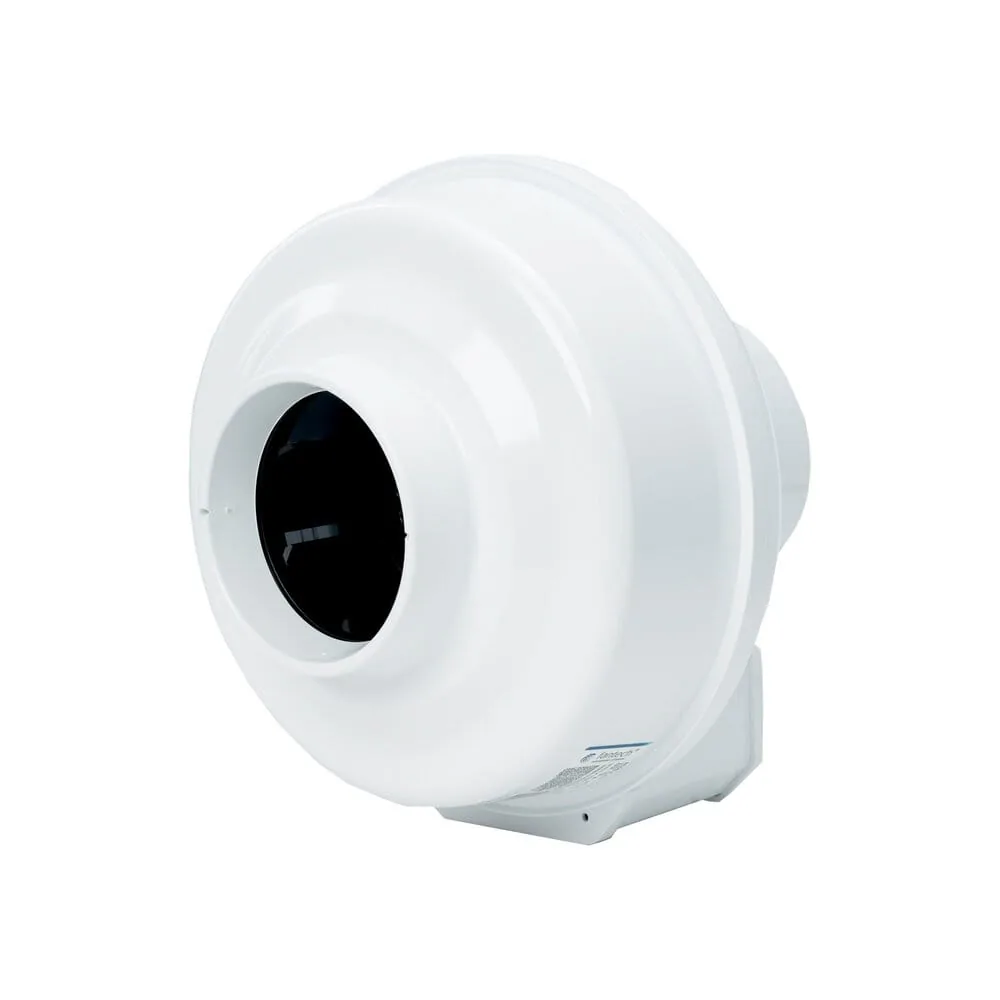
The difference: Fantech's round in-line fan for the same medium suction, low flow jobs: its manual lists the Rn2 at 58.0 W with 80 CFM at 1.00 inch and a 1.97 inch maximum.
Festa
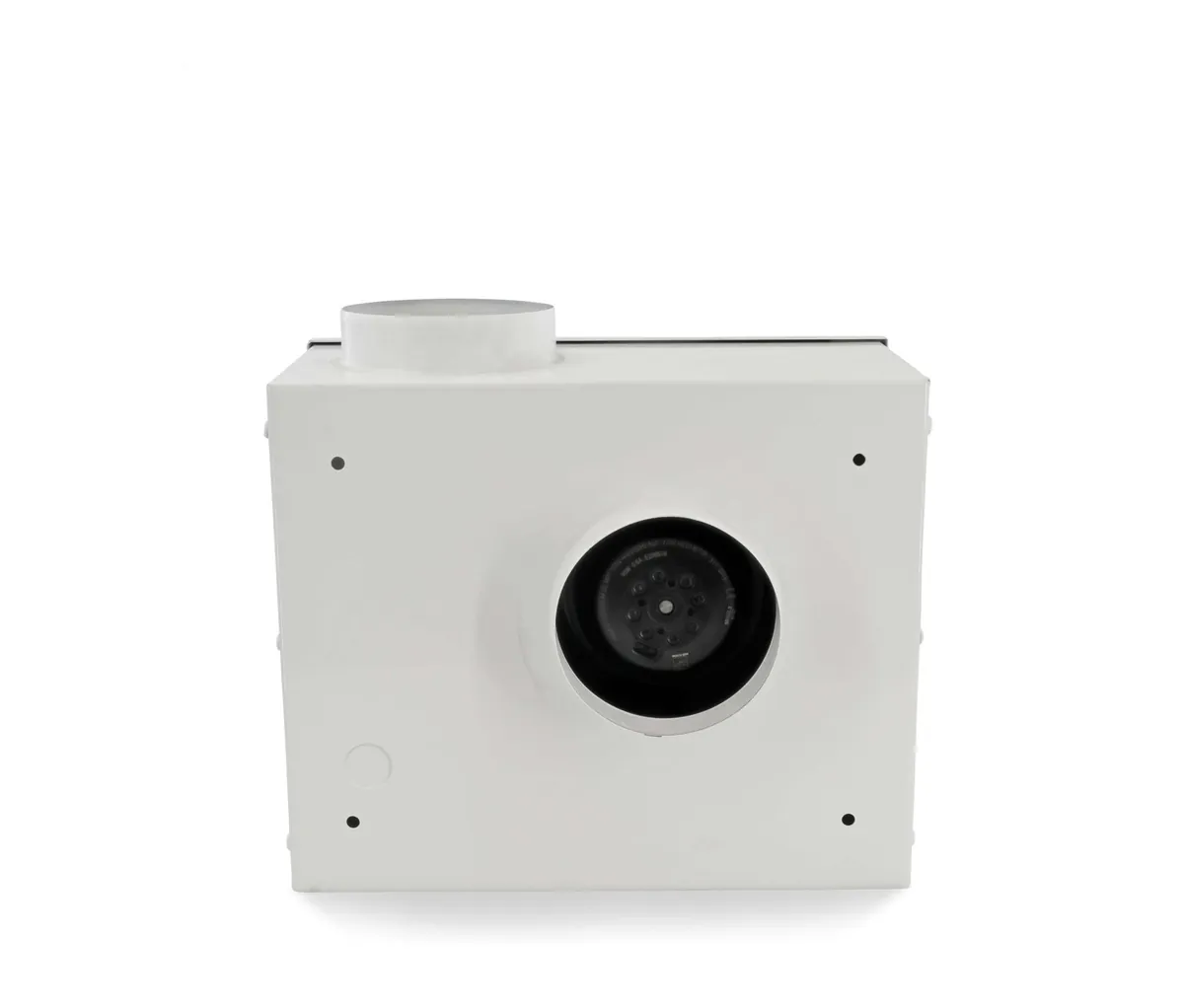
The difference: The Festa fan Fantech's brochure pairs with the Rn2SL, an in-line model: Festa's 2022 catalog lists the AMG Patriot at 195 CFM, a 2.0 inch maximum and 90 W on a 4 inch Fernco.
RadonAway
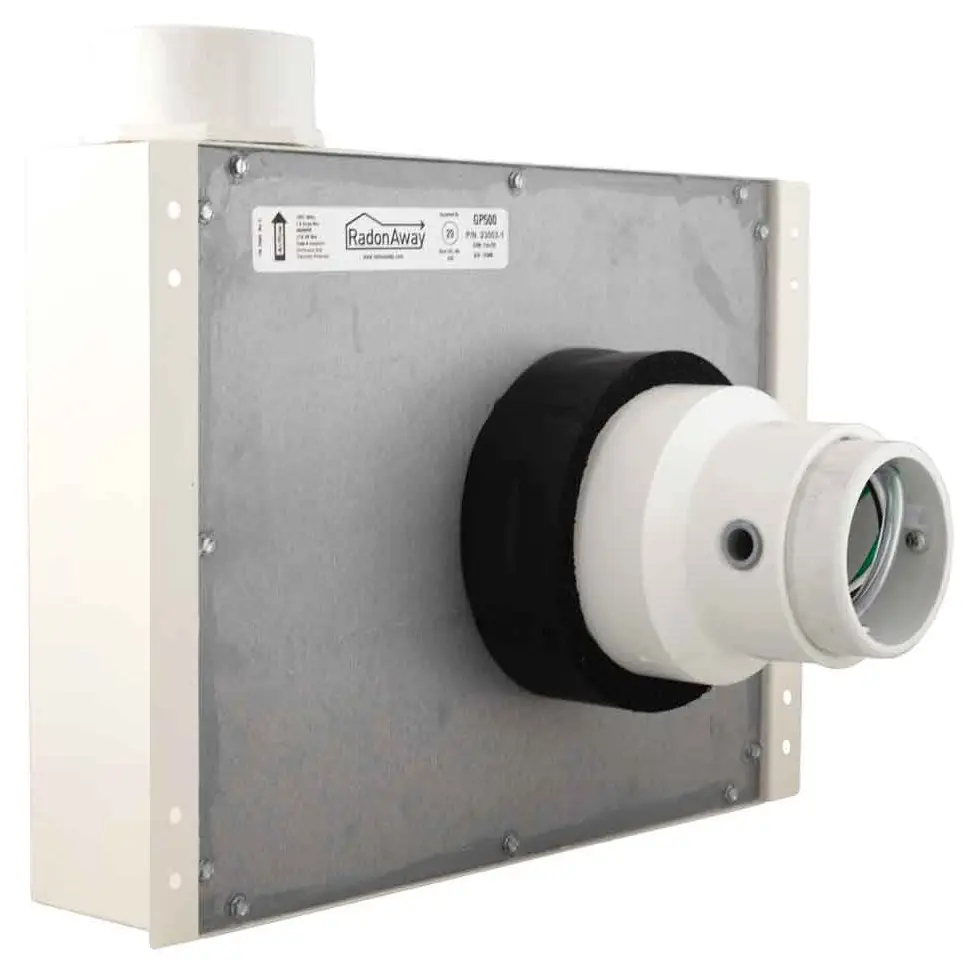
The difference: RadonAway's wall-mounted box fan for 3 inch pipe: its IN006 instructions say the GP500 mounts flush to the wall, projecting only 4 inches, with the inlet through the sidewall or band joist.
Tjernlund
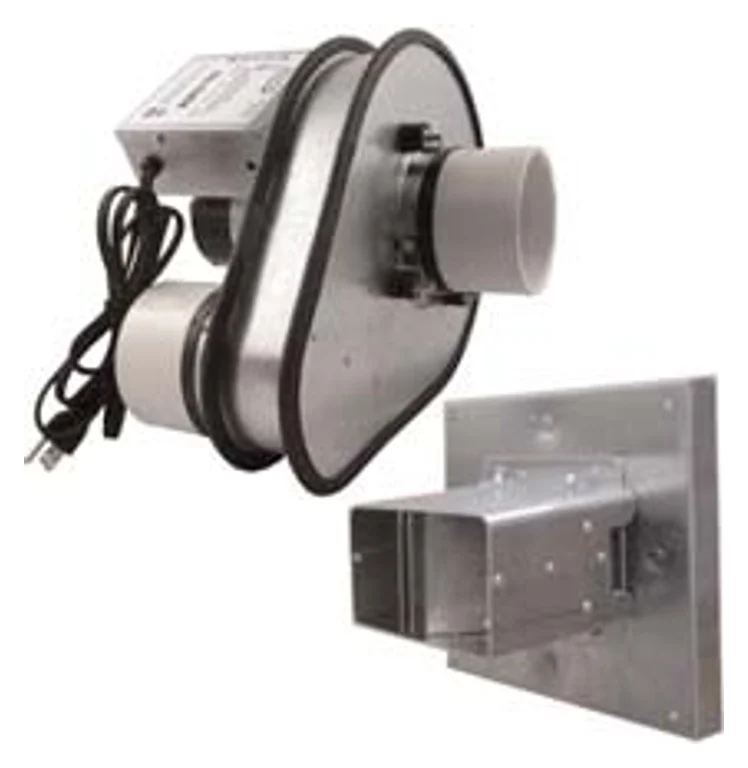
The difference: Another side-wall system: Tjernlund's literature says venting with its Radon VAC needs only a 4 inch hole through the basement rim joist, and lists the RMS160 at 50 W and 160 CFM.
Compared with similar products: 1 of 5
Radon fan
Max airflow: 337 CFM
Max pressure: 2.6 in w.c.
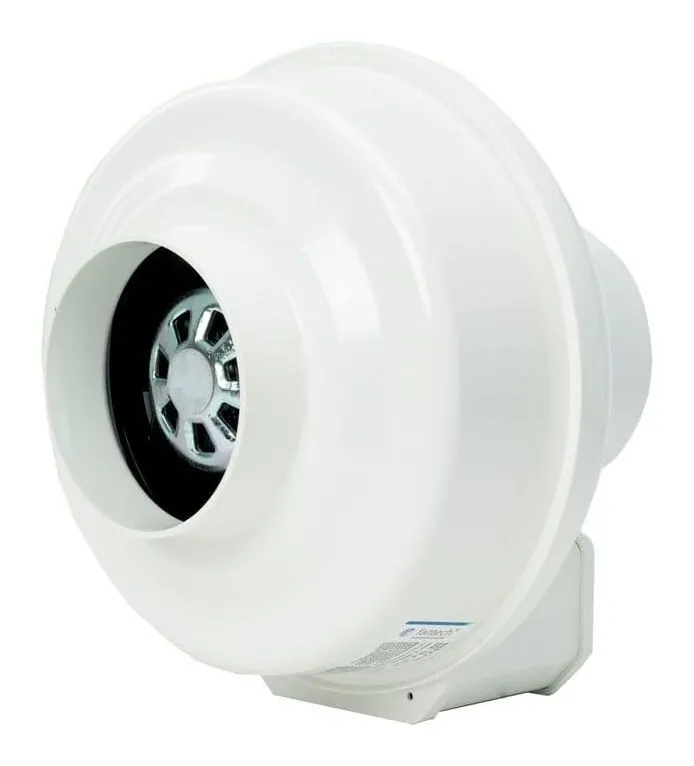
Radon fan
Max airflow: 173 CFM
Max pressure: 2.0 in w.c.
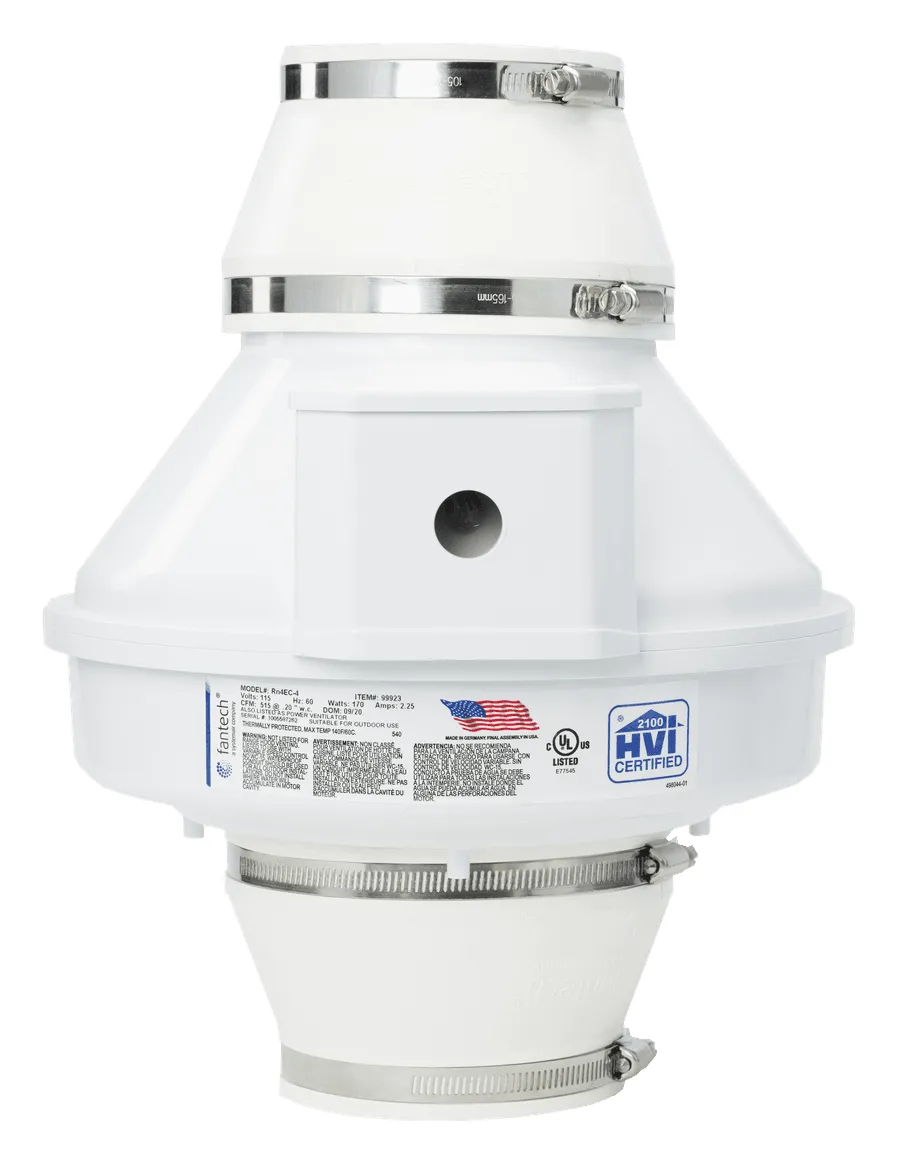
Radon fan
Max airflow: 330 CFM
Max pressure: 4.75 in w.c.
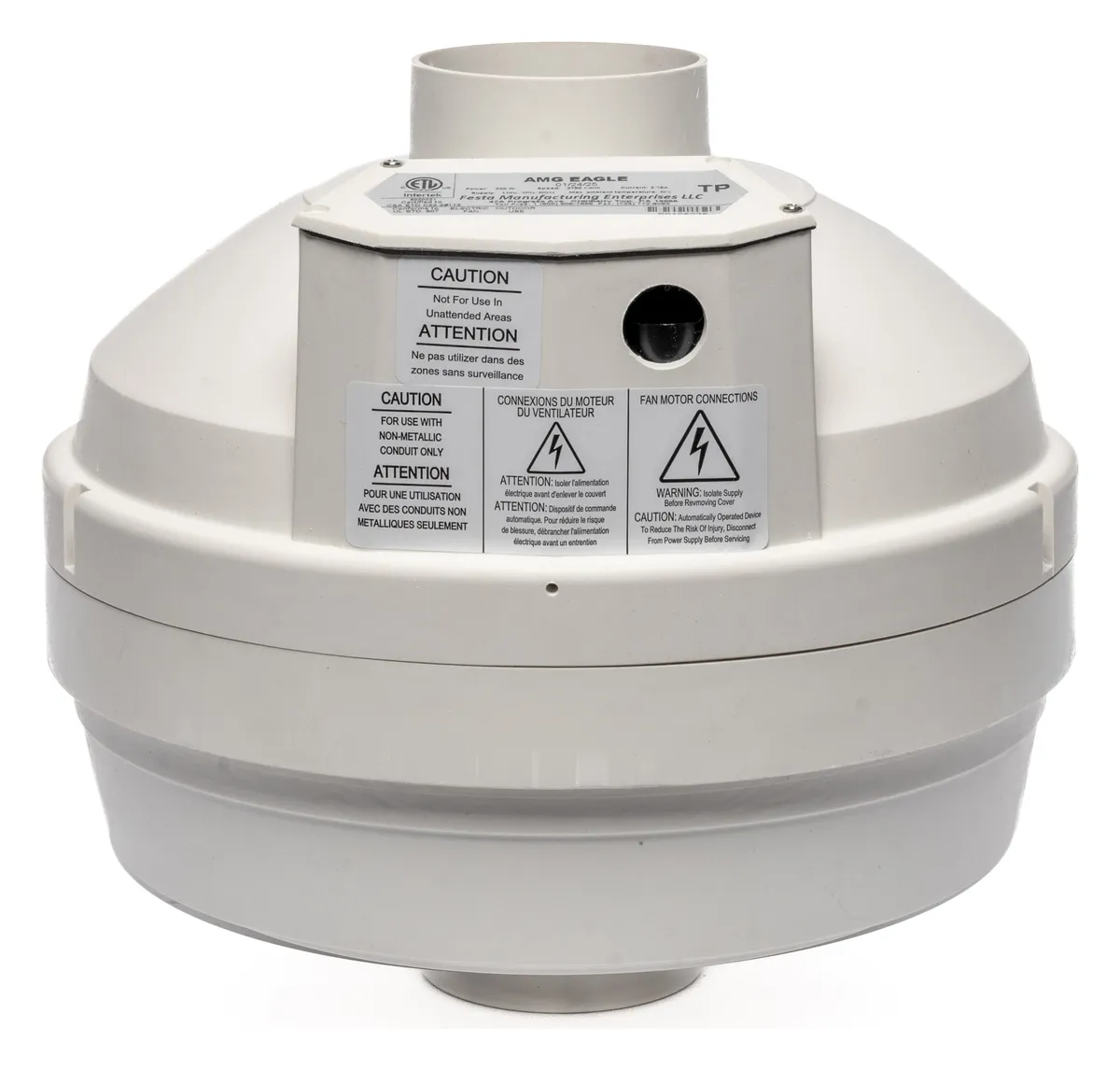
Radon fan
Max airflow: 241 CFM
Max pressure: 4.2 in w.c.
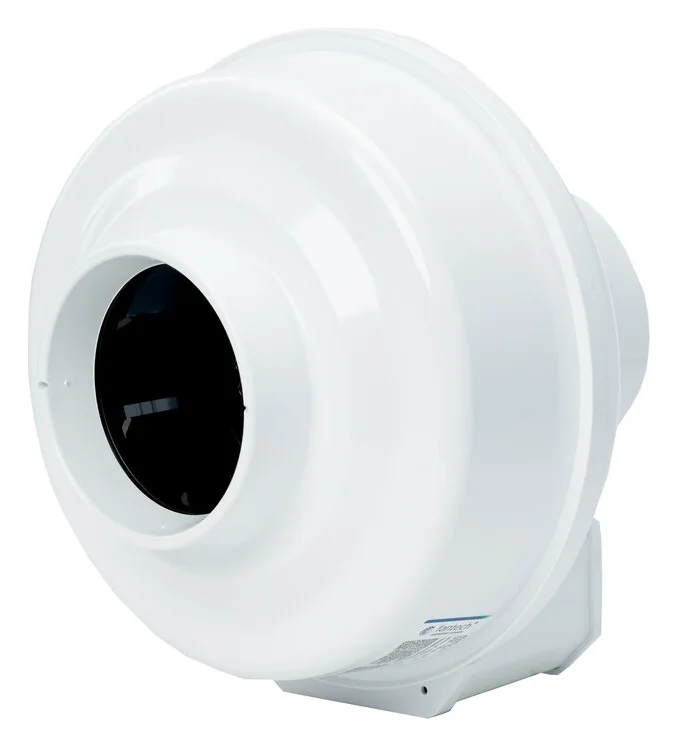
Radon fan
Max airflow: 158 CFM
Max pressure: 0.9 in w.c.
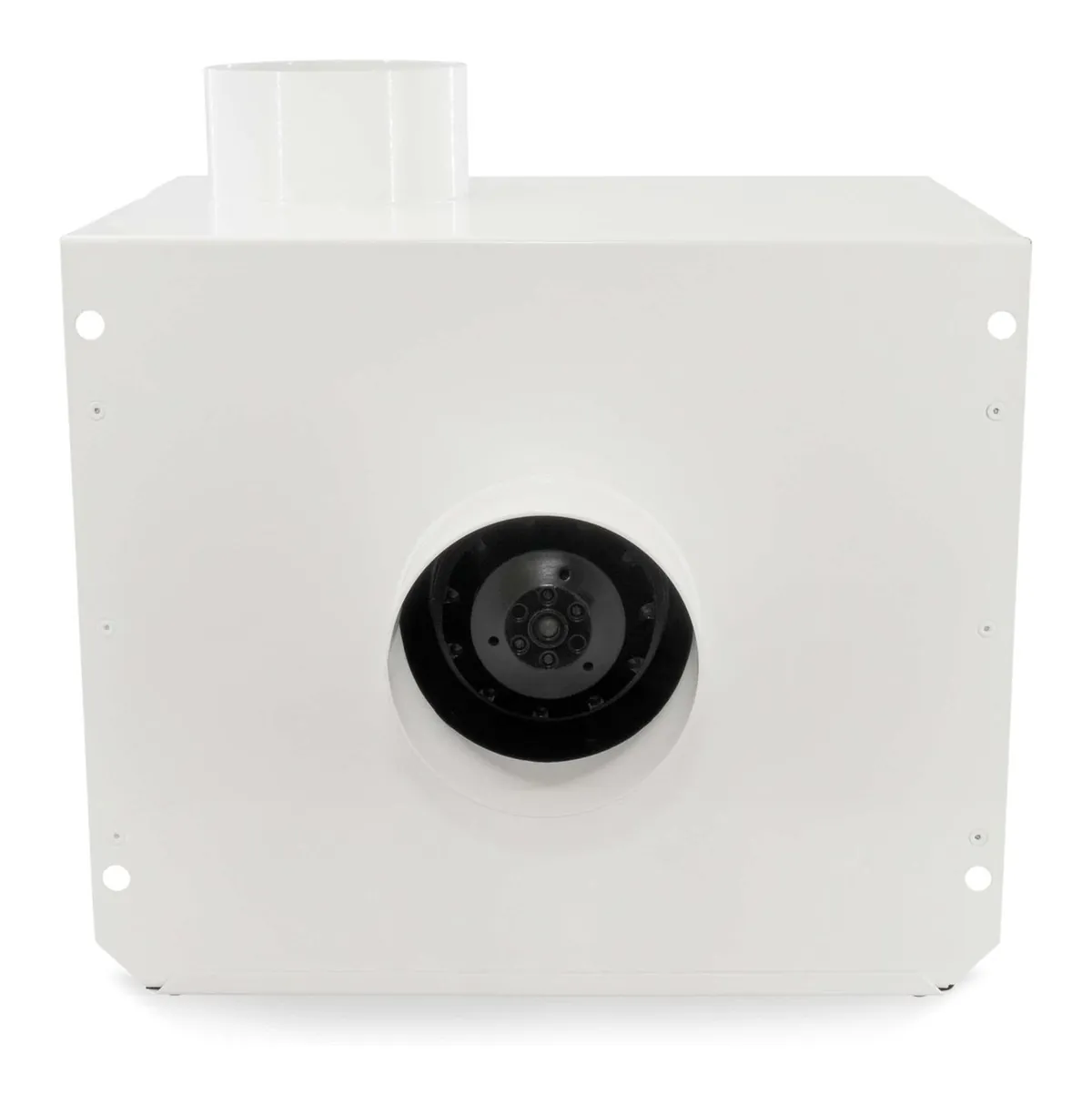
Radon fan
Max airflow: 240 CFM
Max pressure: 5.0 in w.c.
More radon fan models: 1 of 6
Questions
5 questions about the Fantech Rn2SL, answered
On the outside of the house. Fantech's manual has the suction pipe terminated at the exterior wall, the fan's rubber sleeve pushed into that pipe, and a metal bracket screwed to the wall 17 inches up and 1 3/8 inches to the right of the pipe's center to hold the discharge coupling.
No. Fantech's manual says the fan has an integrated condensate bypass and that a secondary one is not required, as long as the suction pipe slopes slightly so water drains away from the fan.
Fantech's brochure gives 159 CFM as the maximum, with a 2.1 inch maximum static pressure and an application range up to 2.0 inches. It publishes no figures in between, so the airflow at your system's suction is not stated by Fantech.
Fantech's brochure says it replaces the HP 190SLQ and cross-references it to RadonAway's SF180 and Festa's Patriot on pressure capability, noting that pipe sizes vary and may need transition couplings.
The EPA's consumer guide says soil suction exhaust must vent above the roof surface and 10 feet or more above the ground, away from windows and doors. The fan can sit on the wall; the discharge pipe still has to reach a compliant outlet, and your state may add rules.
Updated November 27, 2026