MonitorAEGTEST
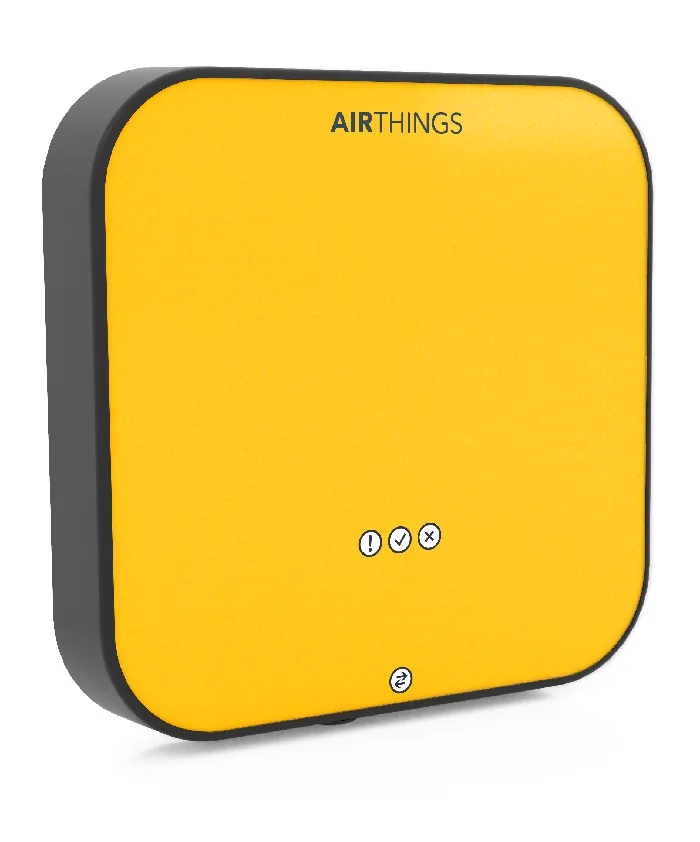
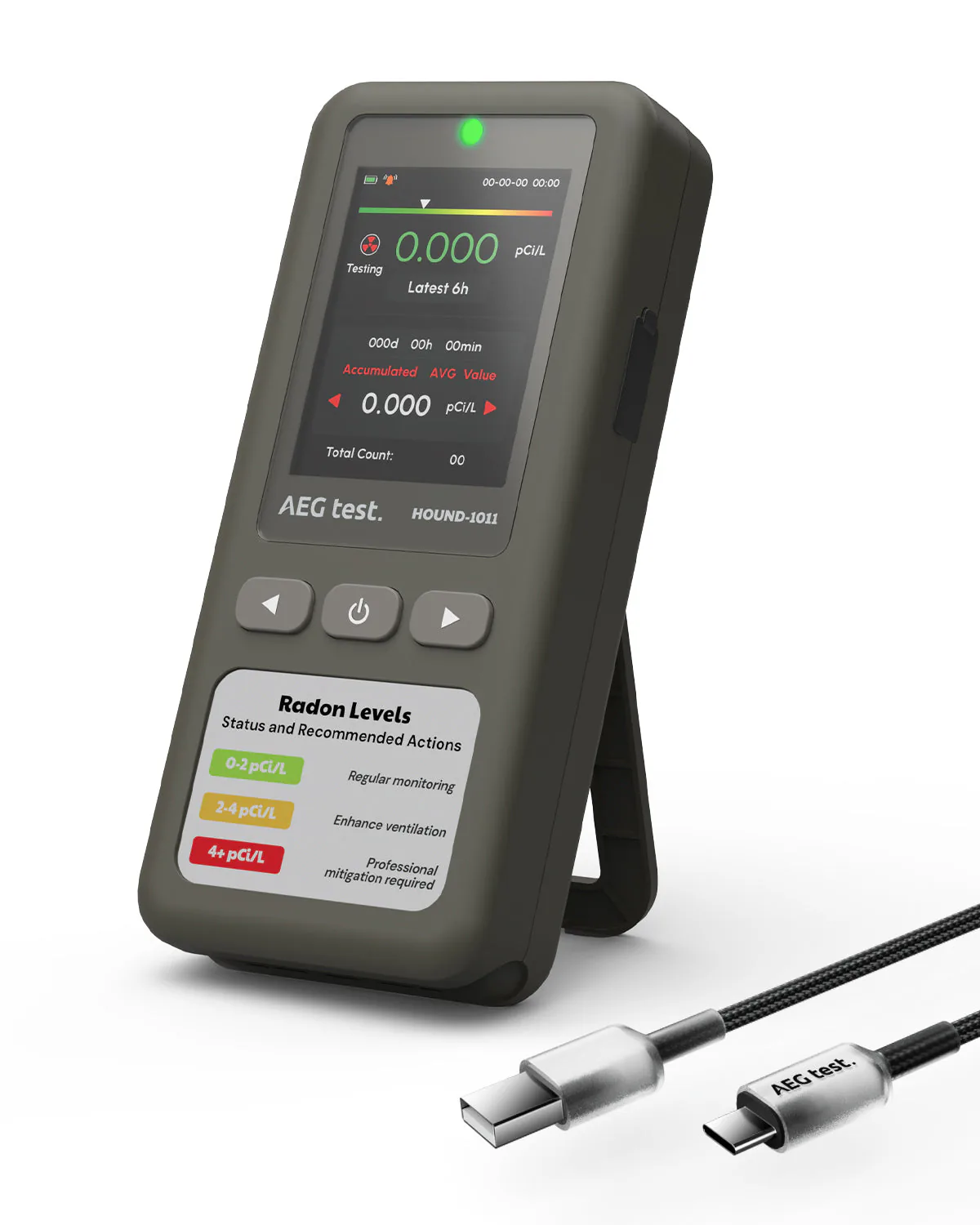
HOUND-1011 rechargeable radon detector with a screen
- C-NRPP 2024/25: Not included
- Battery
- Alarm
- Screen
Method: Semiconductor sensor
First reading: Within 6 hours
ProductsRadon monitors
Battery-powered radon monitors you can place anywhere, with no outlet needed, compared side by side.
Each monitor below runs on batteries, according to its maker, so it can sit where EPA suggests testing even when there is no outlet nearby.
MonitorAEGTEST
Method: Semiconductor sensor
First reading: Within 6 hours
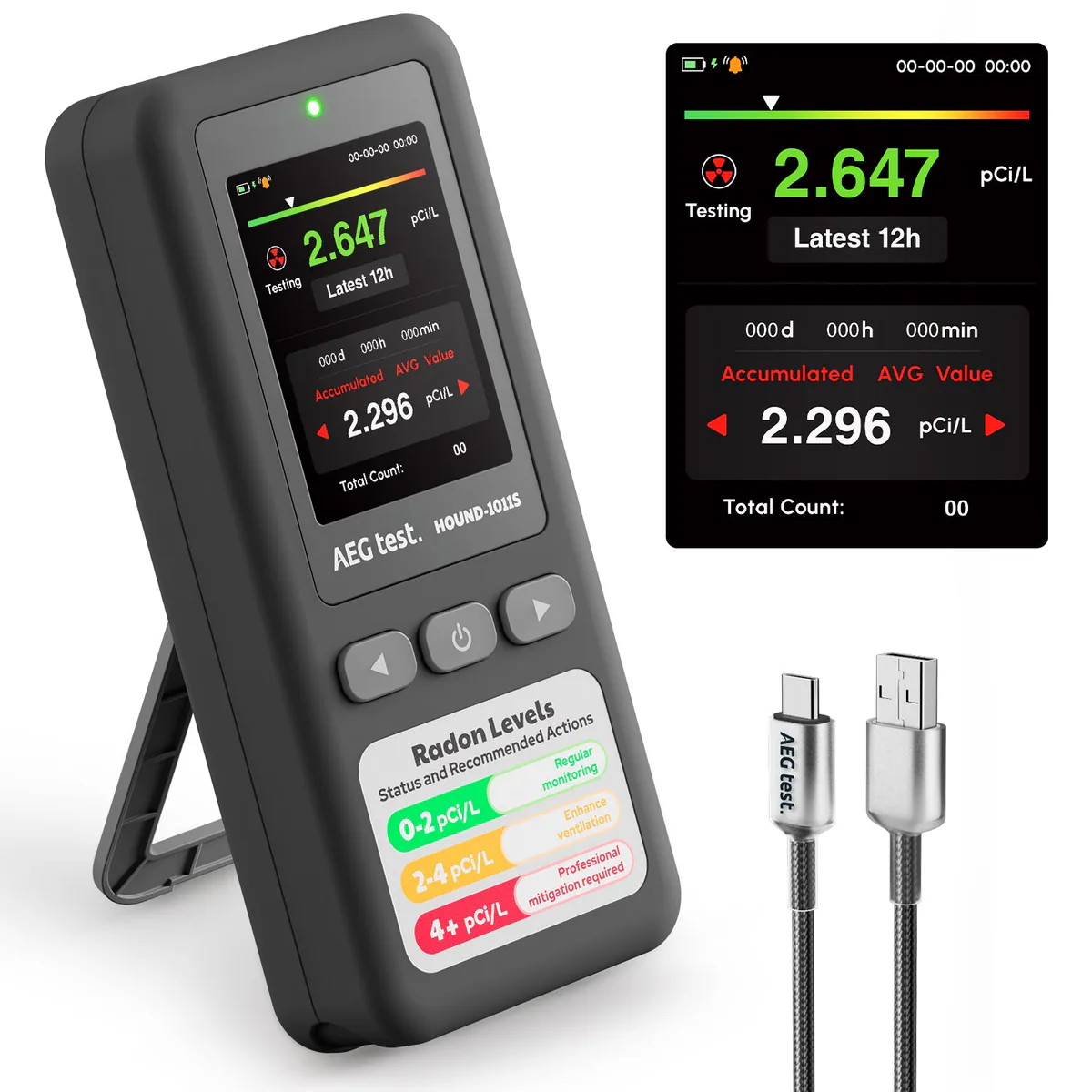
MonitorAEGTEST
Method: Semiconductor sensor
First reading: Within 12 hours
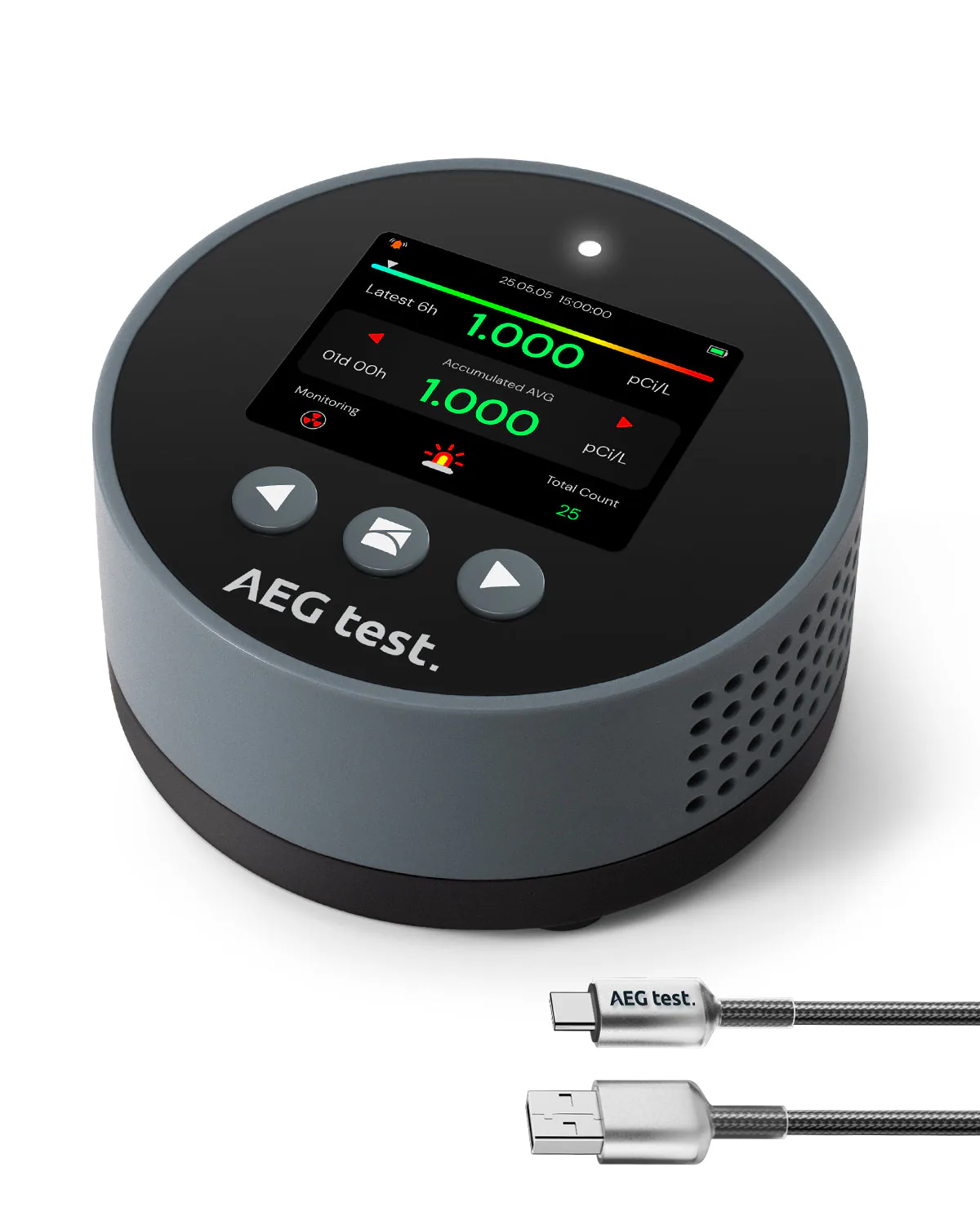
MonitorAEGTEST
Method: Semiconductor sensor
First reading: Within 6 hours
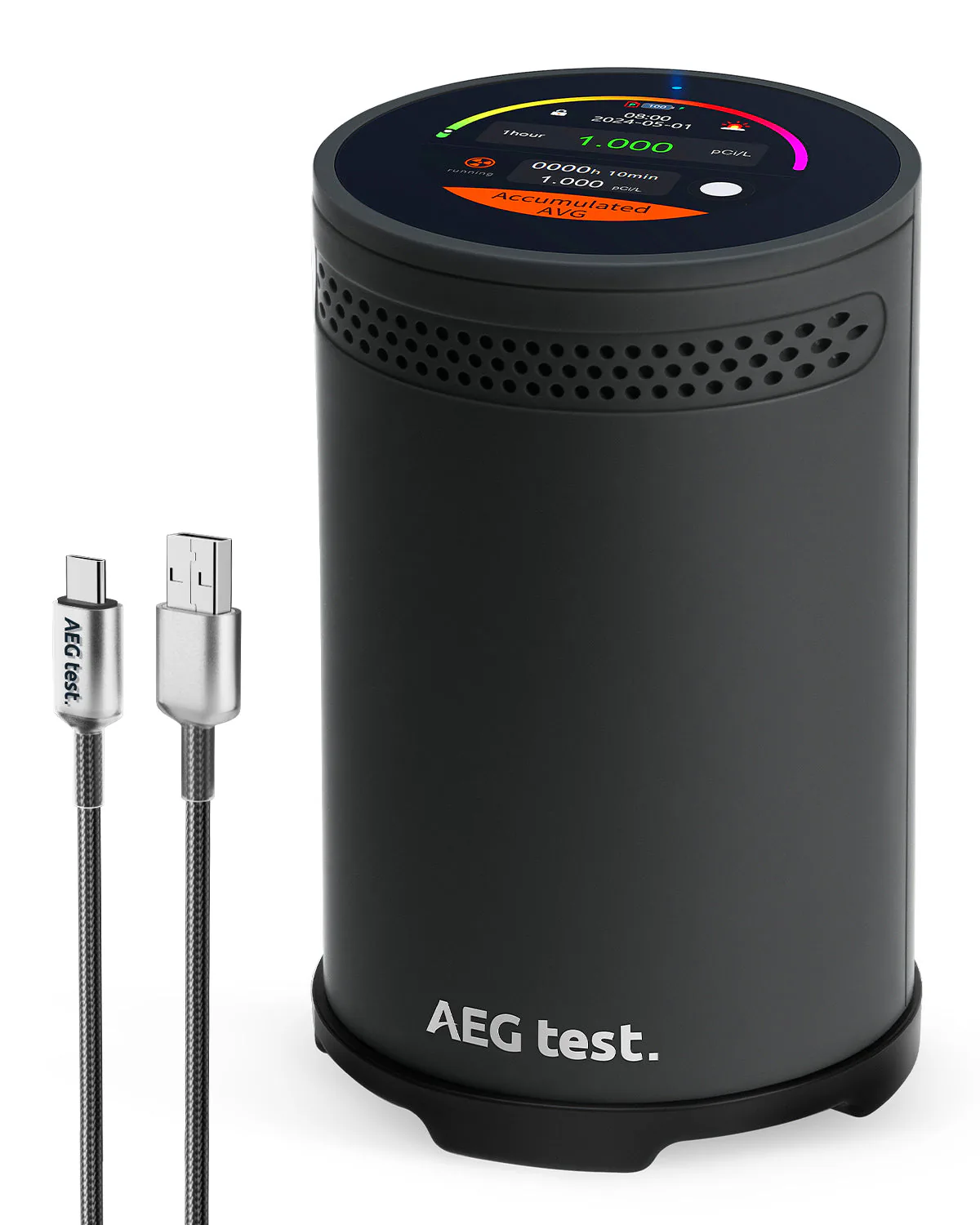
MonitorAEGTEST
First reading: Within 1 hour
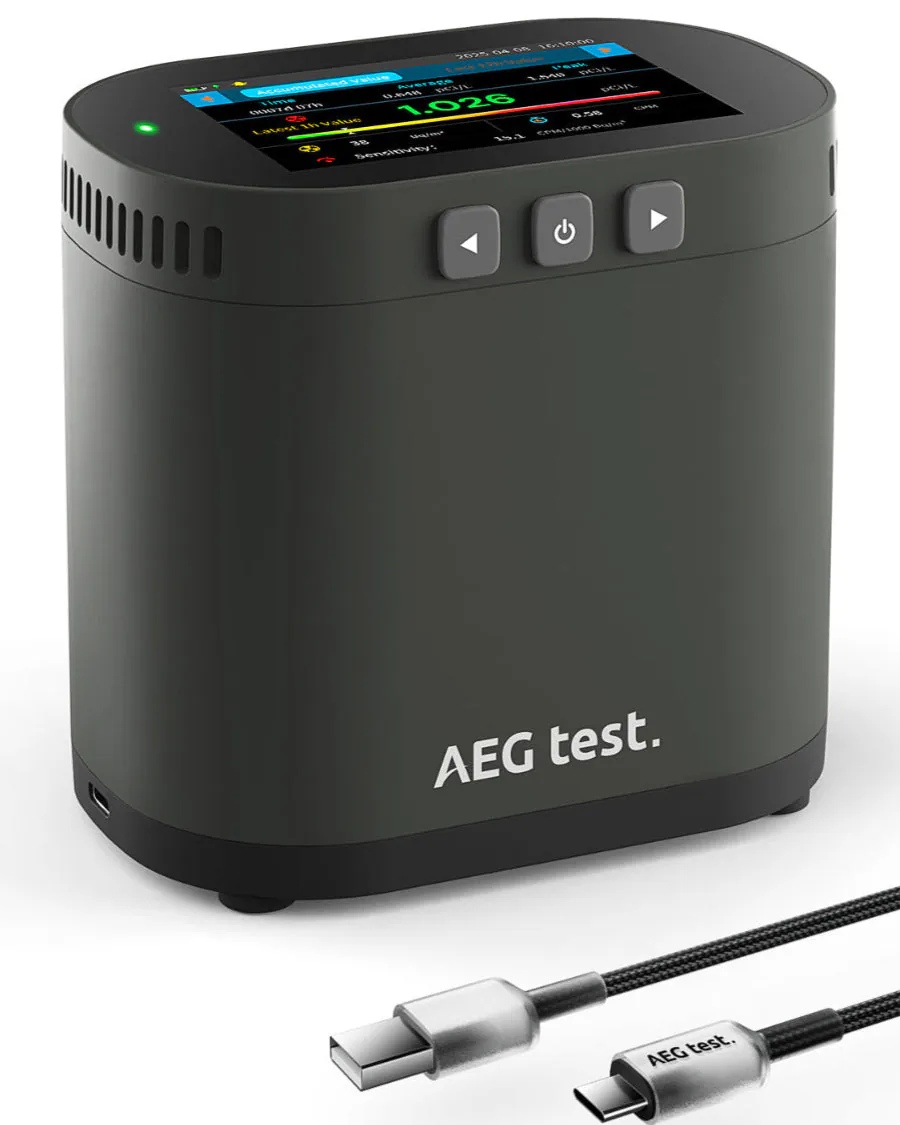
MonitorAEGTEST
Method: Ion chamber
First reading: Within 10 minutes
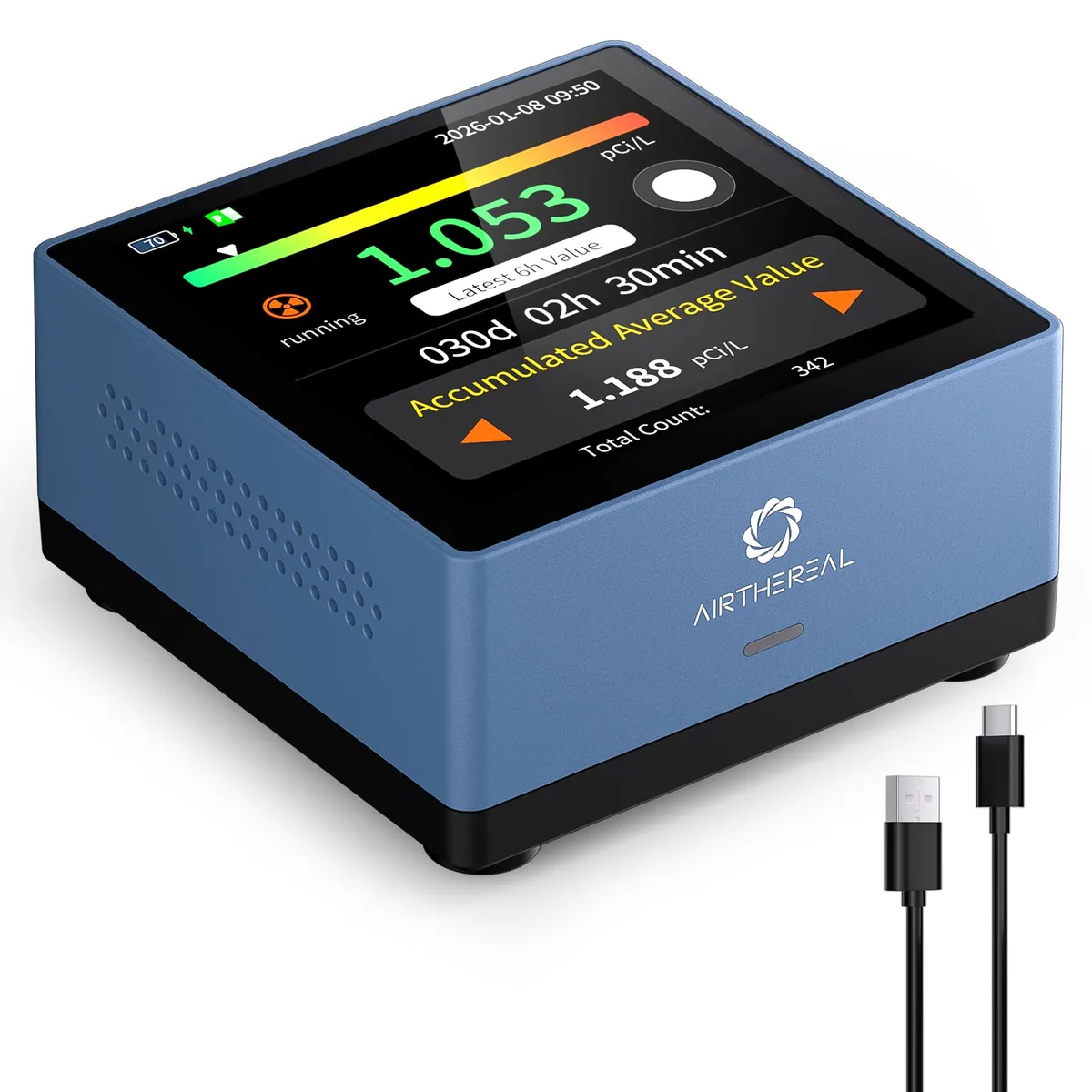
Monitor
Method: Semiconductor sensor
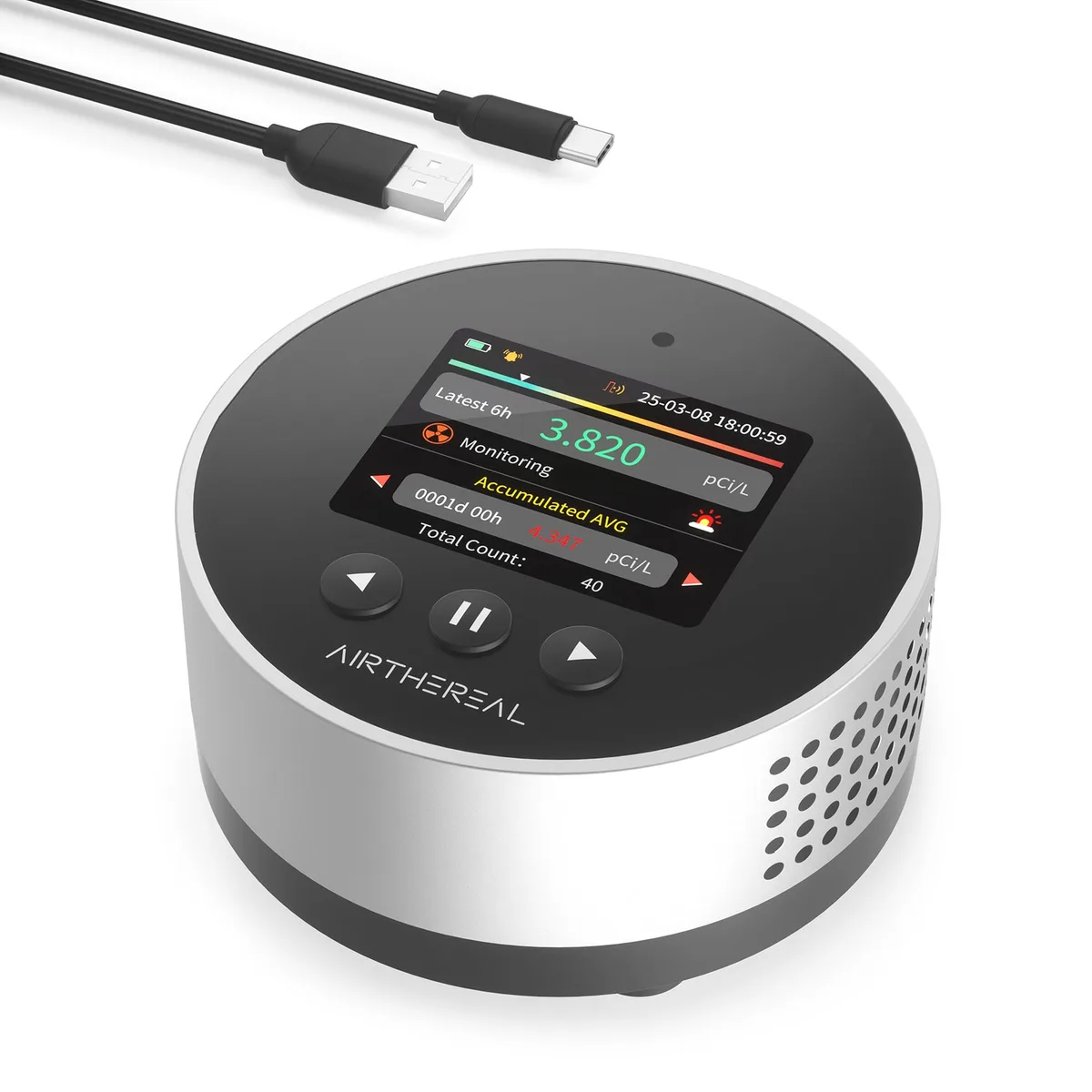
Monitor
Method: Semiconductor sensor
First reading: Within 6 hours
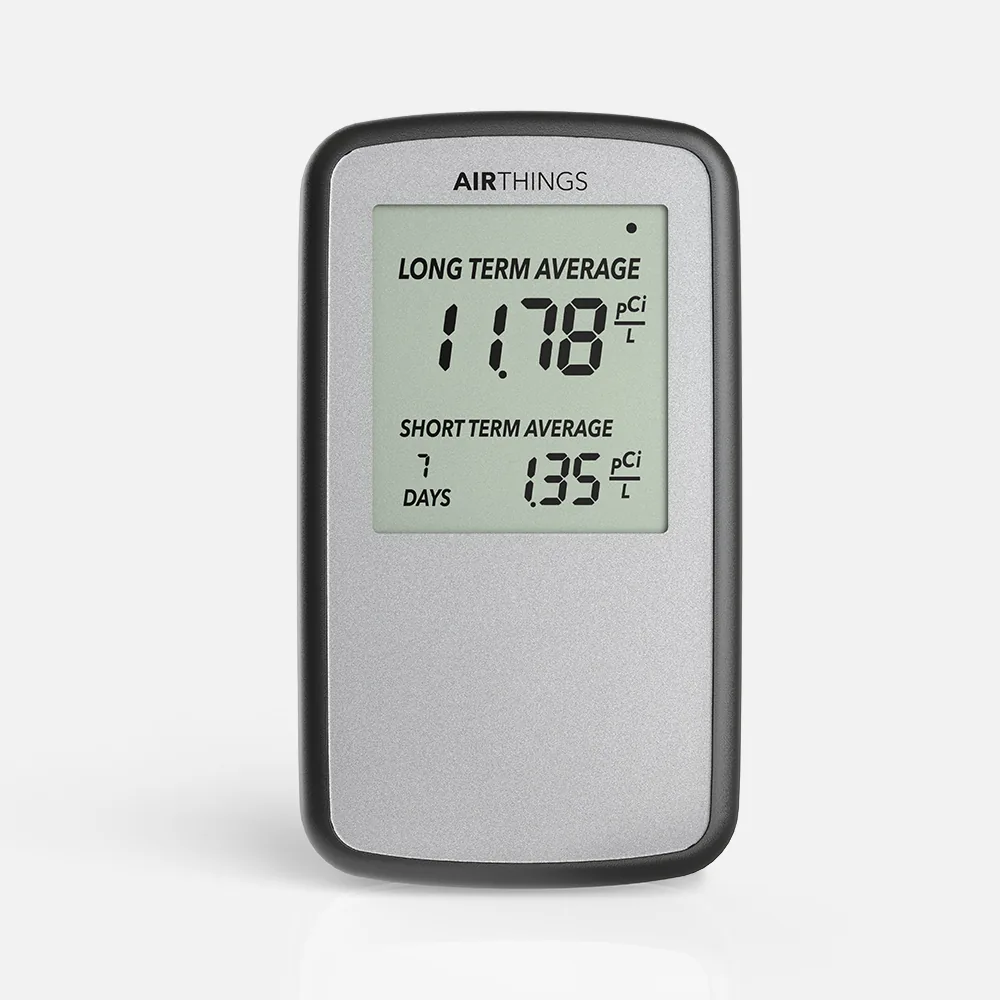
Monitor
Method: Alpha spectrometry
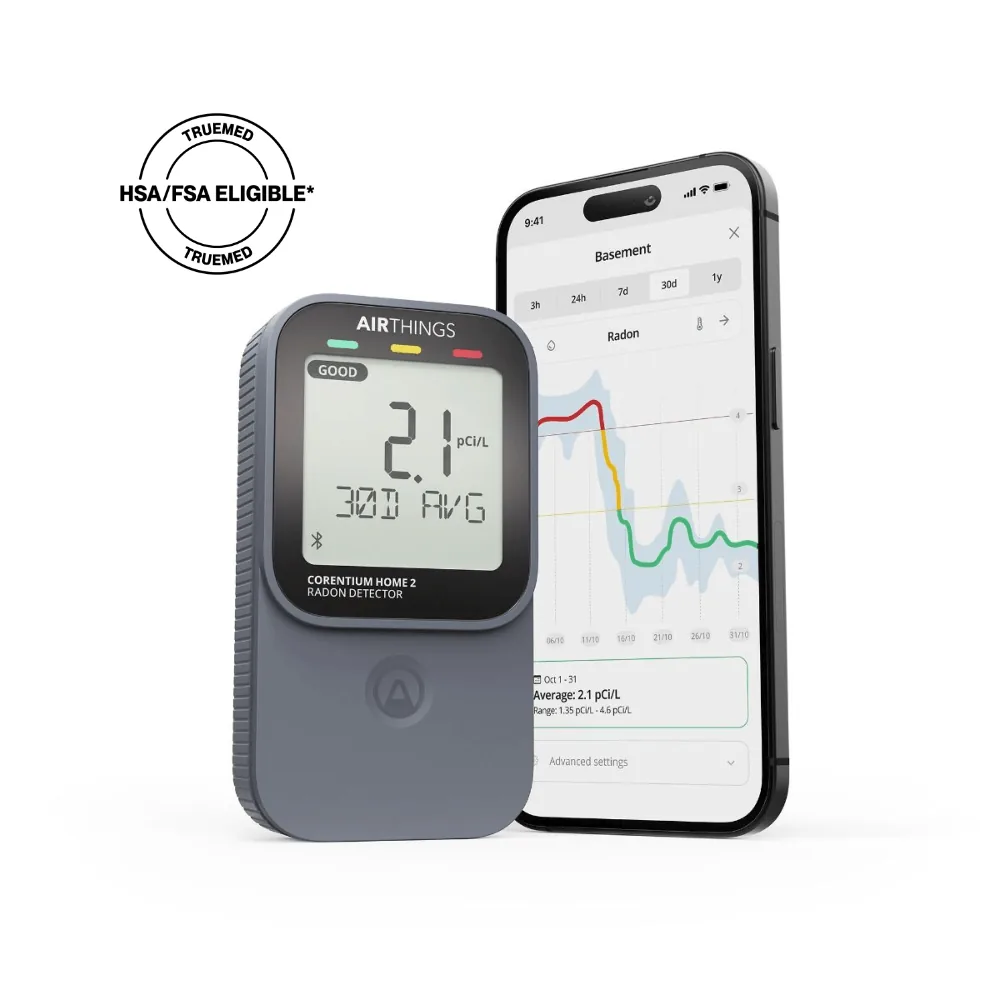
Monitor
Method: Alpha spectrometry
Readings: Every 60 minutes
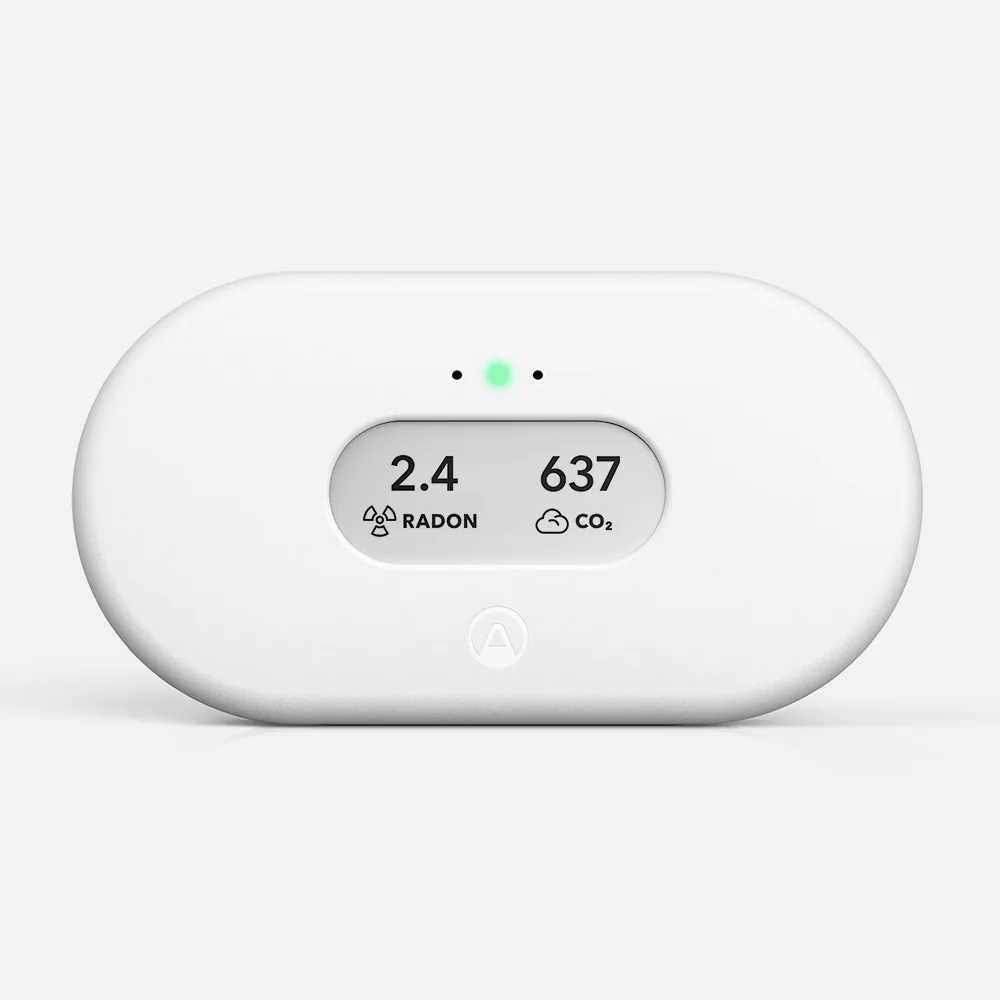
Monitor
Method: Alpha spectrometry
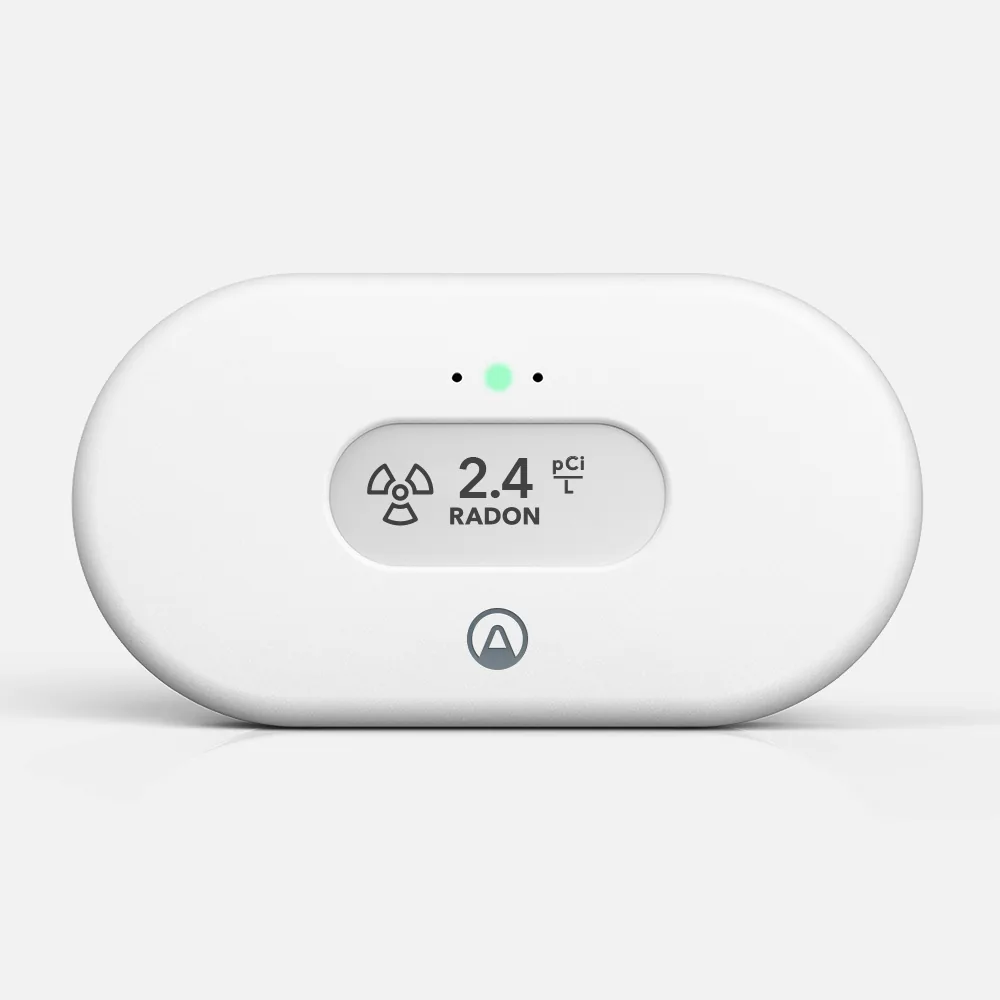
Monitor
Method: Alpha spectrometry
Readings: Every 60 minutes
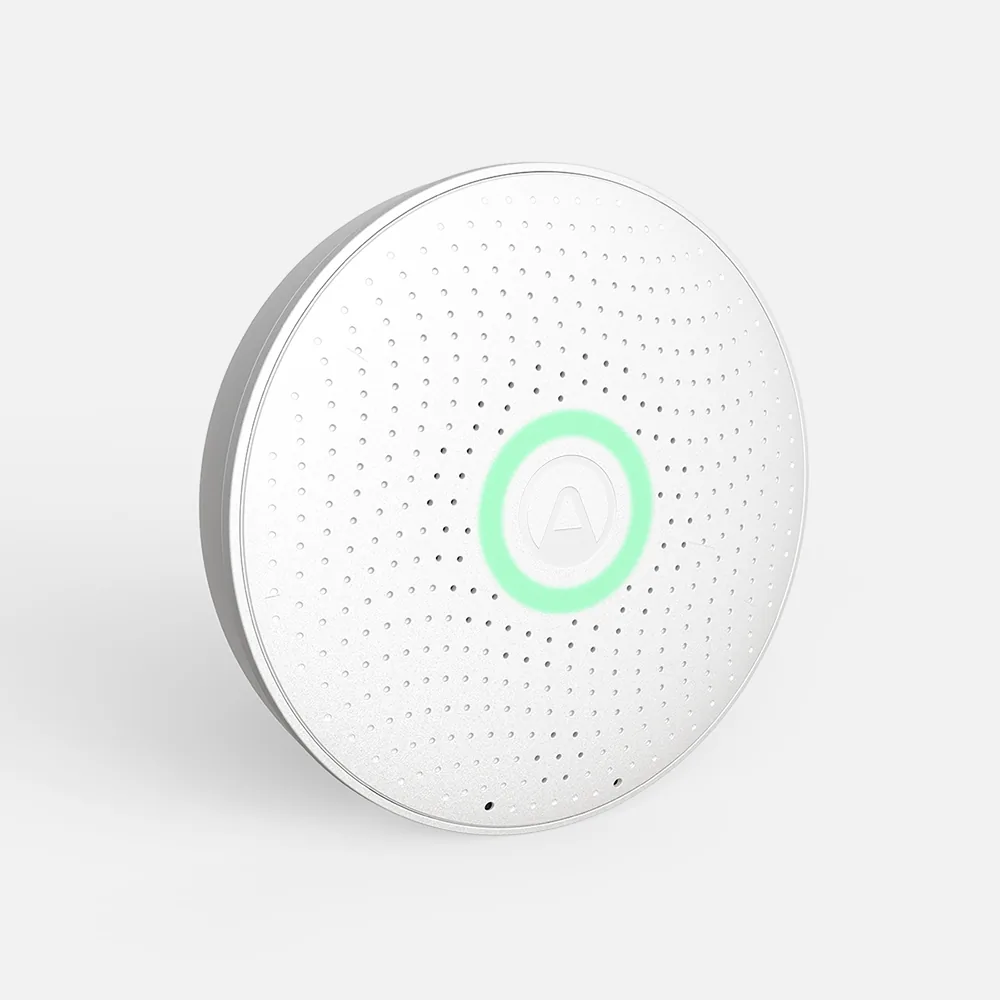
Monitor
Method: Alpha spectrometry
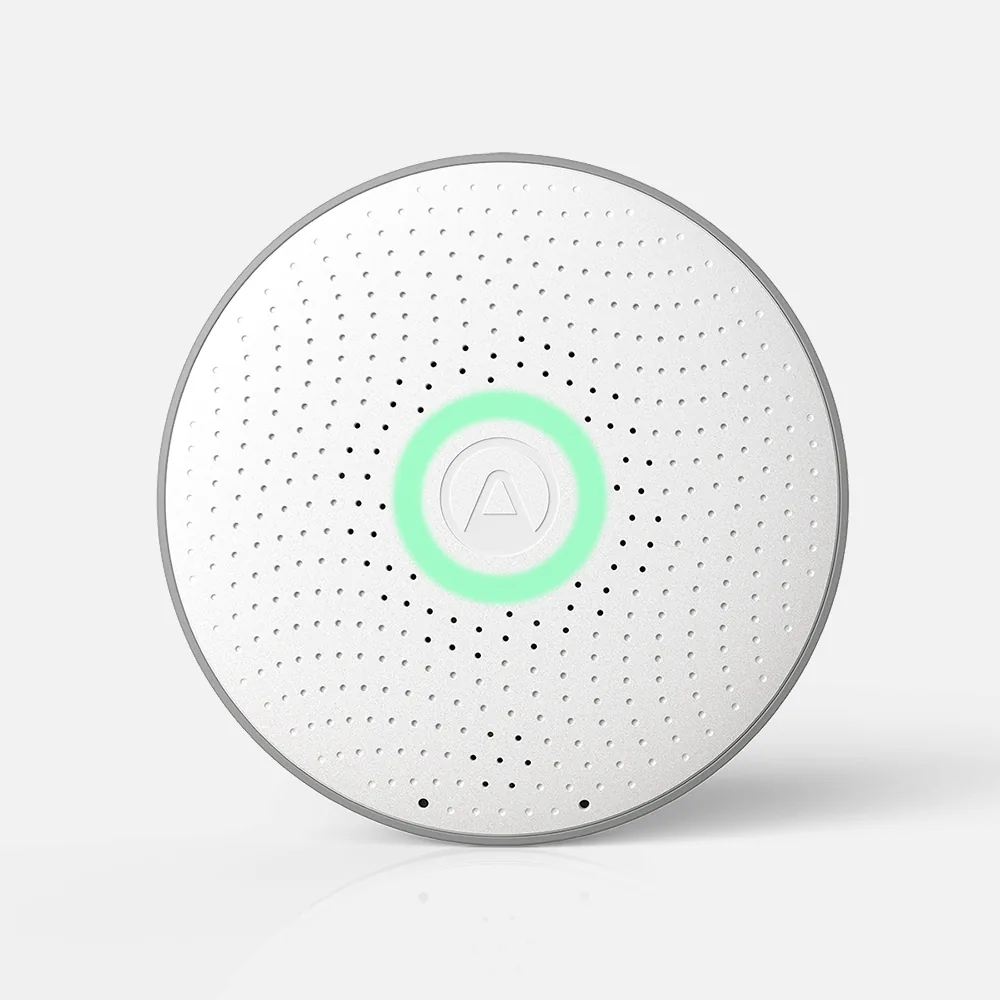
Monitor
Method: Alpha spectrometry
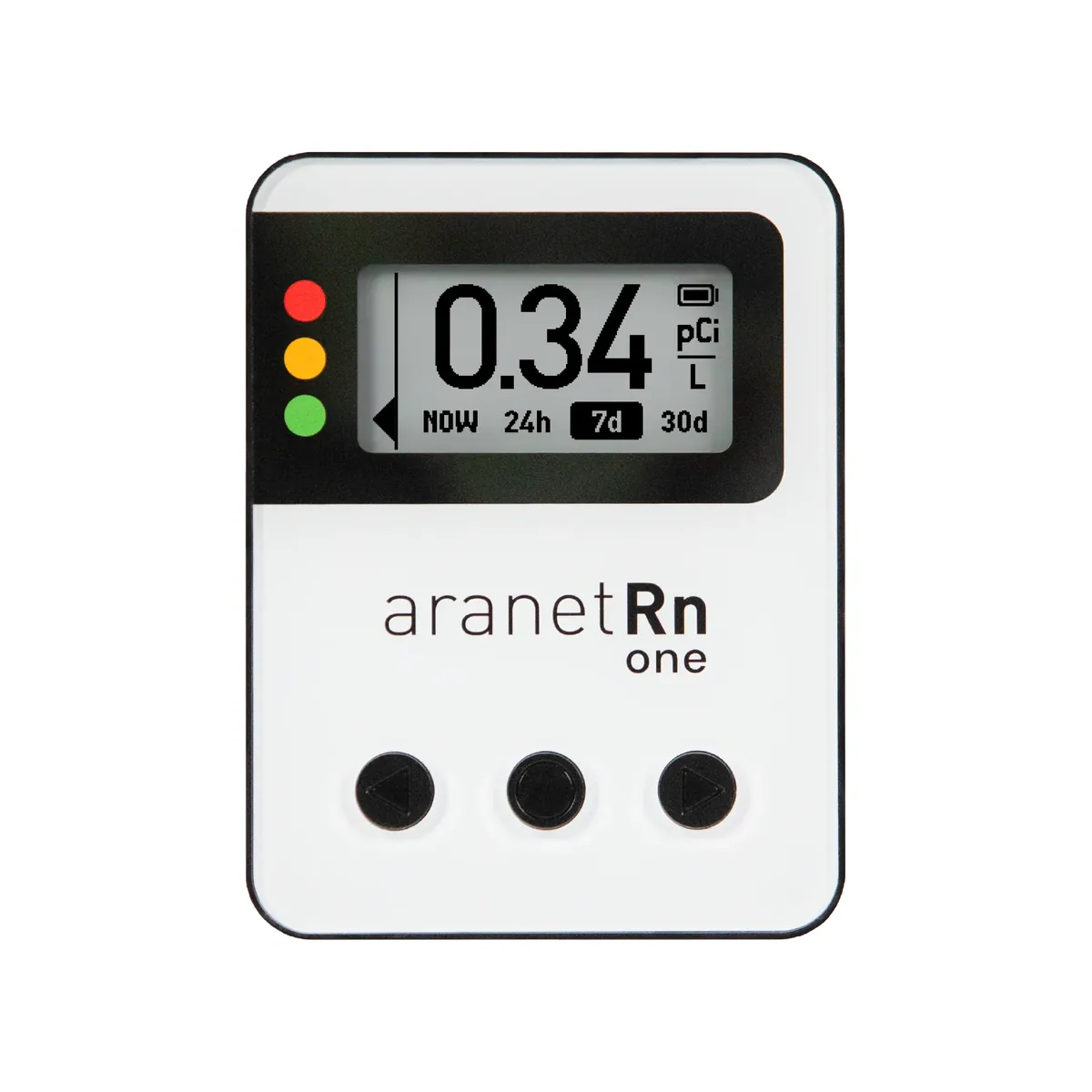
MonitorAranet
Method: Ion chamber
First reading: Within 10 minutes
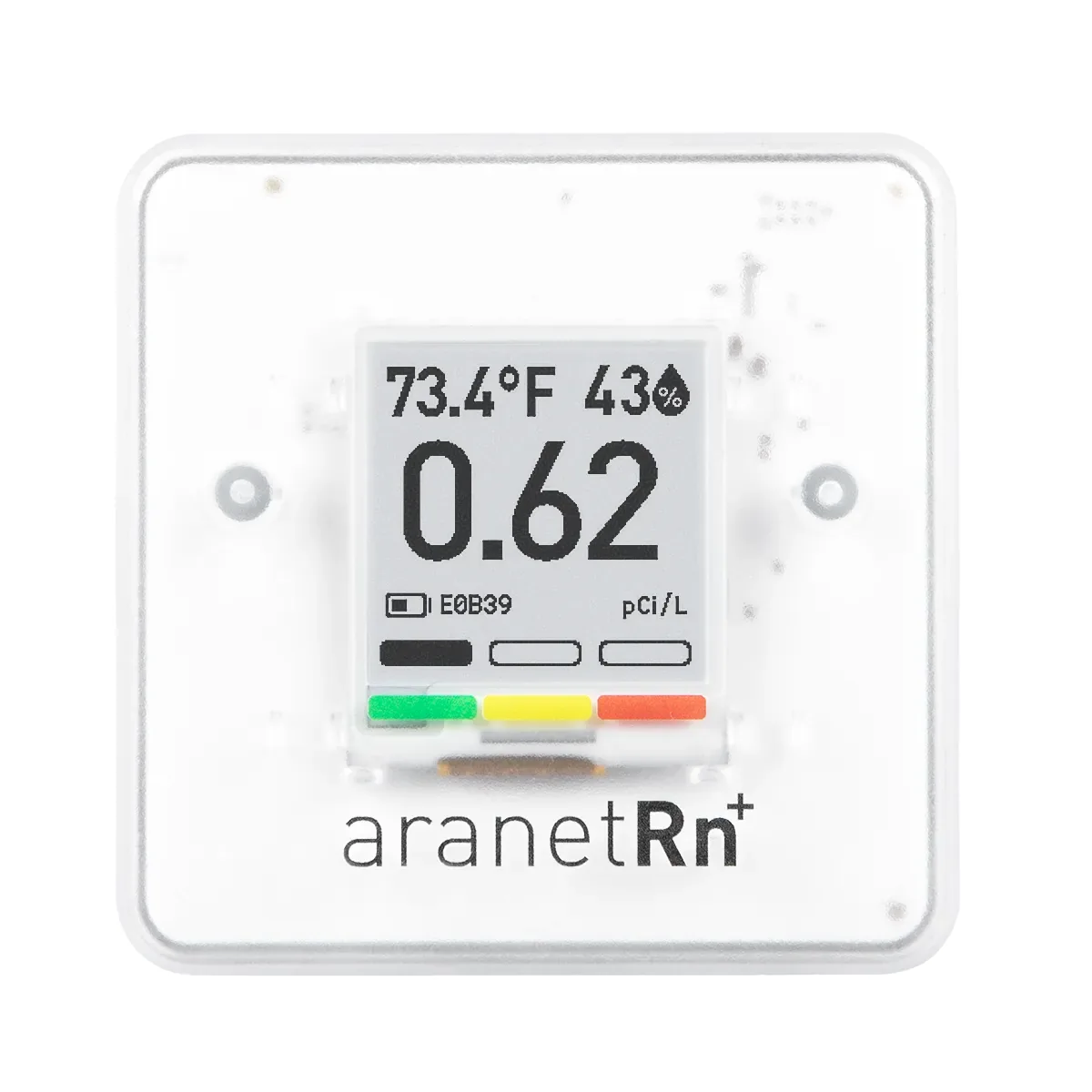
MonitorAranet
Method: Ion chamber
First reading: Within 10 minutes
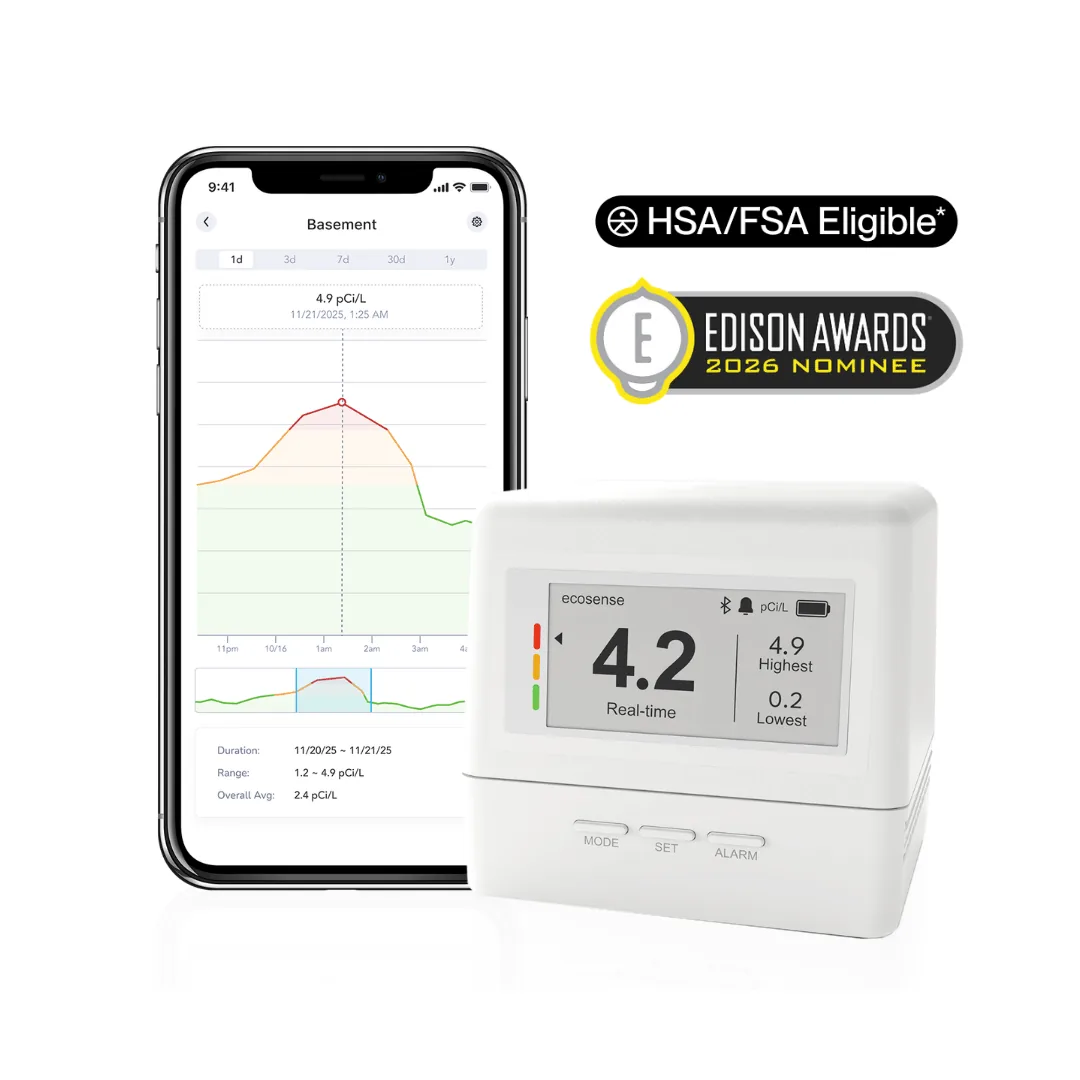
Monitor
Method: Ion chamber
First reading: Within 15 minutes
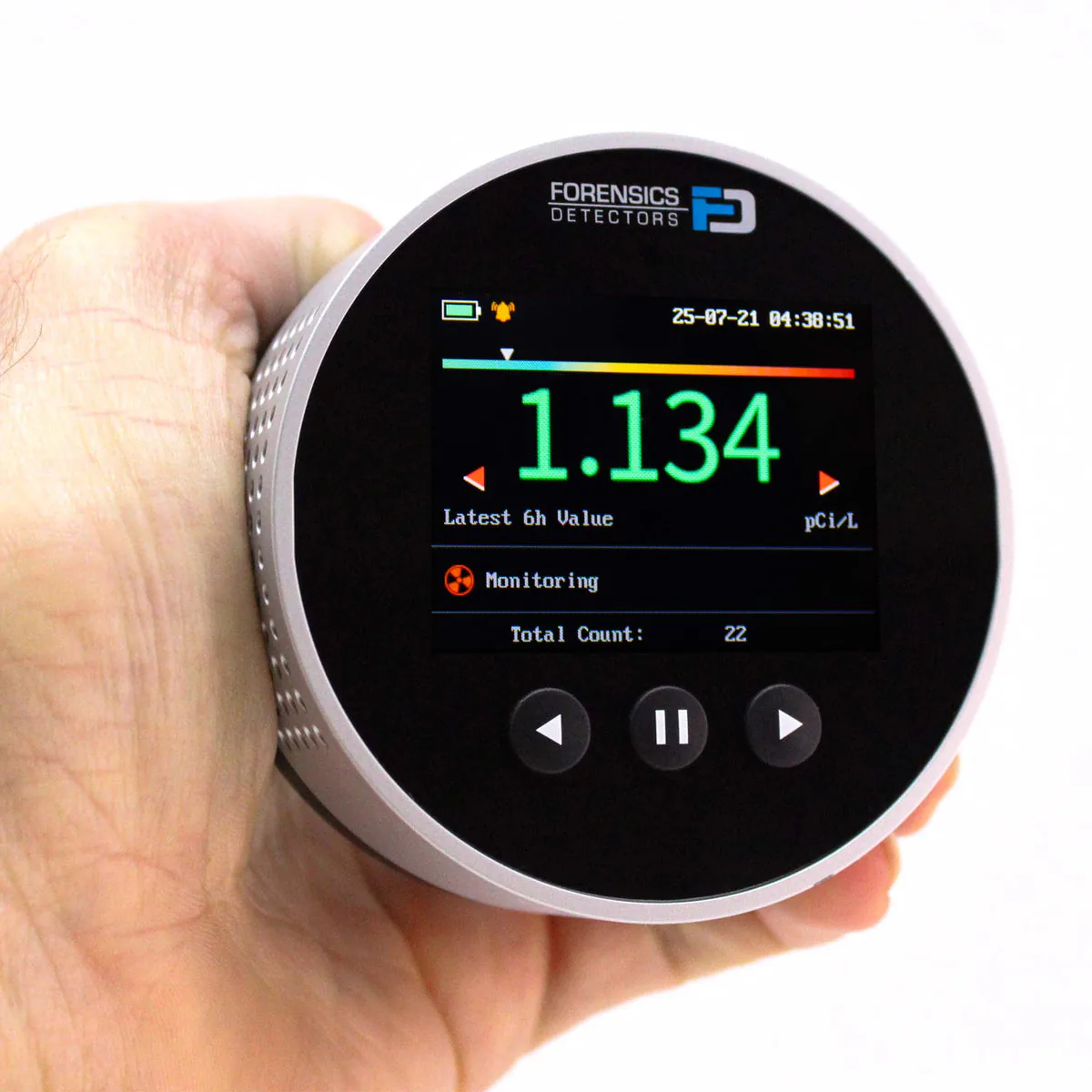
MonitorForensics Detectors
Method: Semiconductor sensor
First reading: Within 6 hours
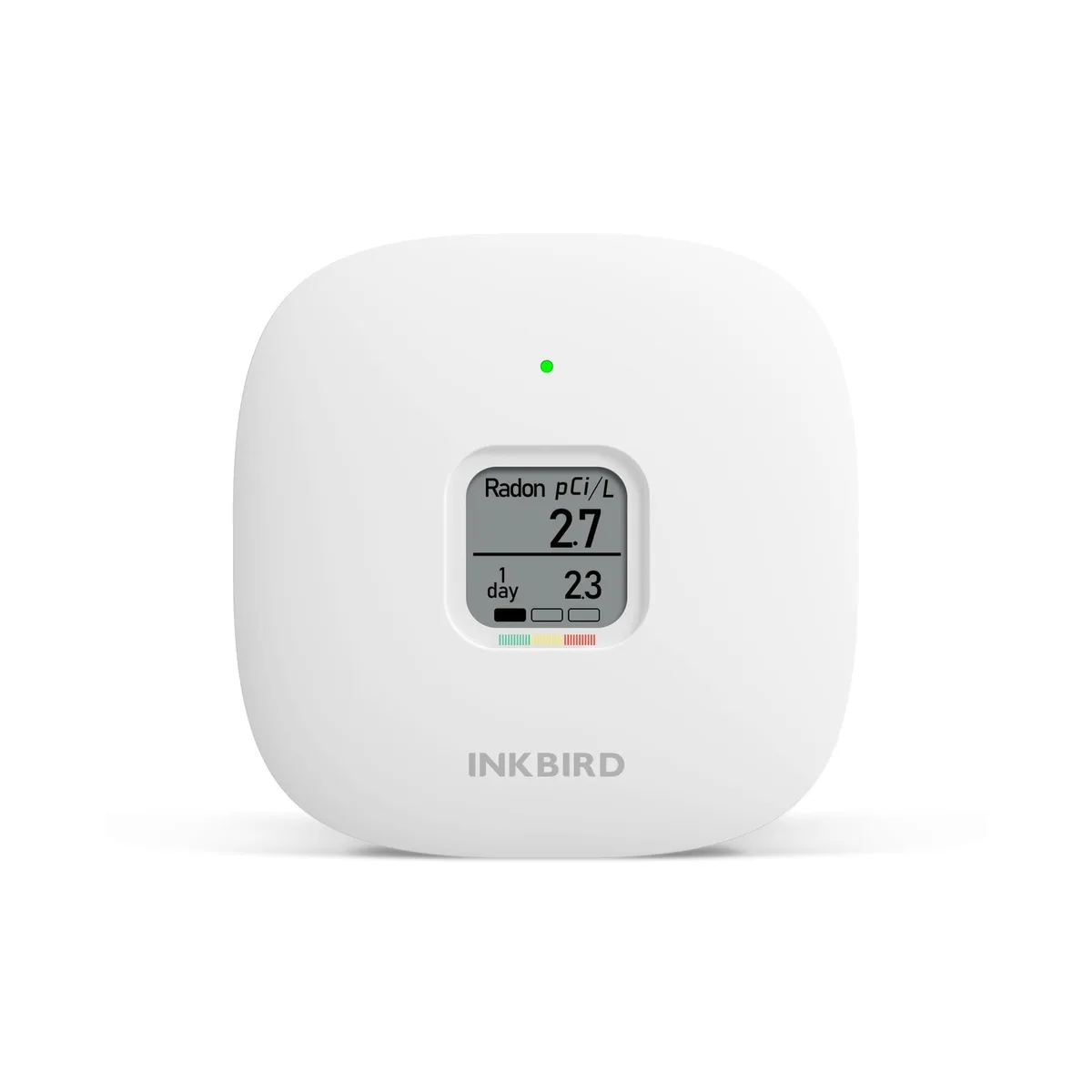
MonitorINKBIRD
First reading: Within 24 hours
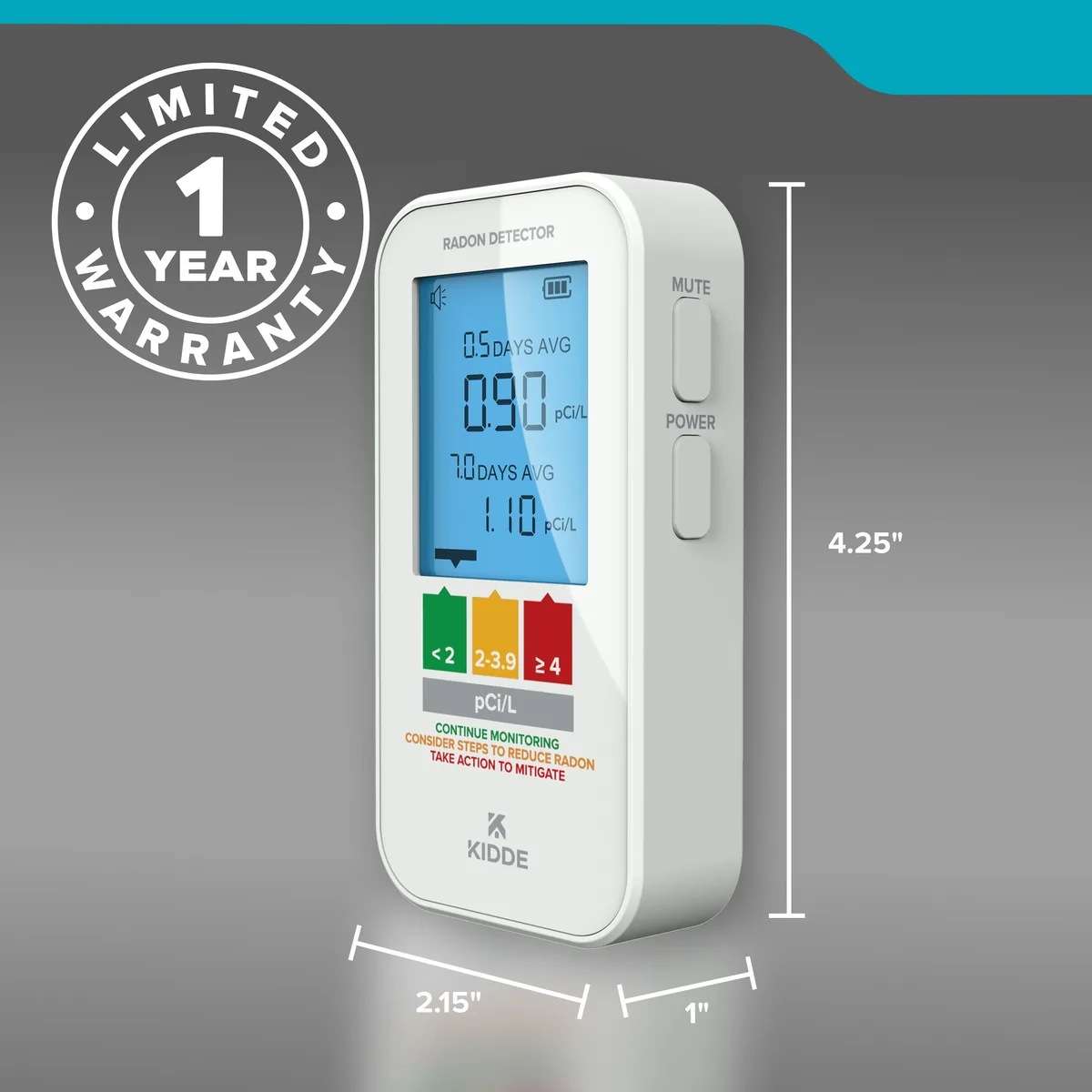
MonitorKidde
Method: Semiconductor sensor
First reading: Within 12 hours
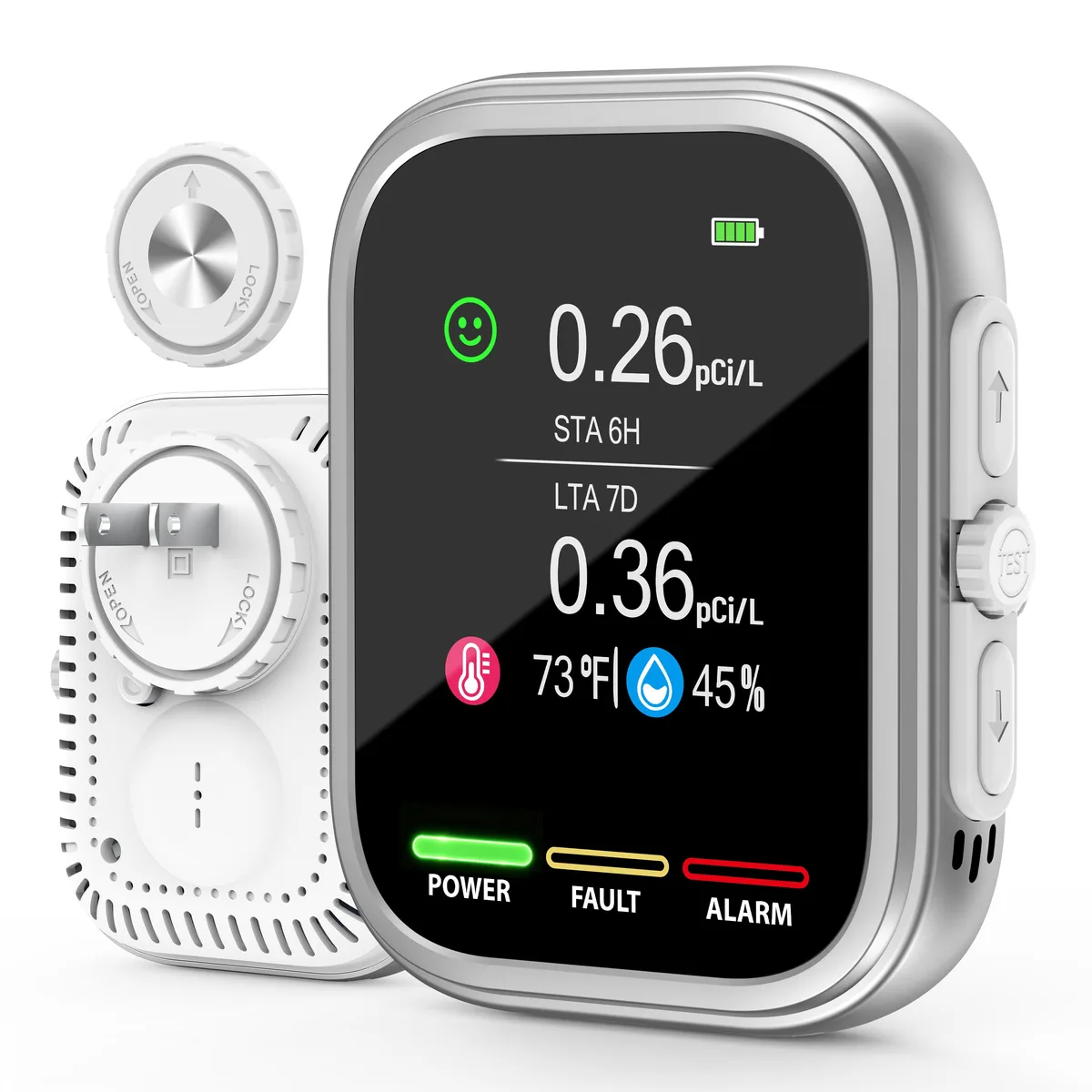
MonitorPYZYCKYH
Method: Semiconductor sensor
First reading: Within 6 hours
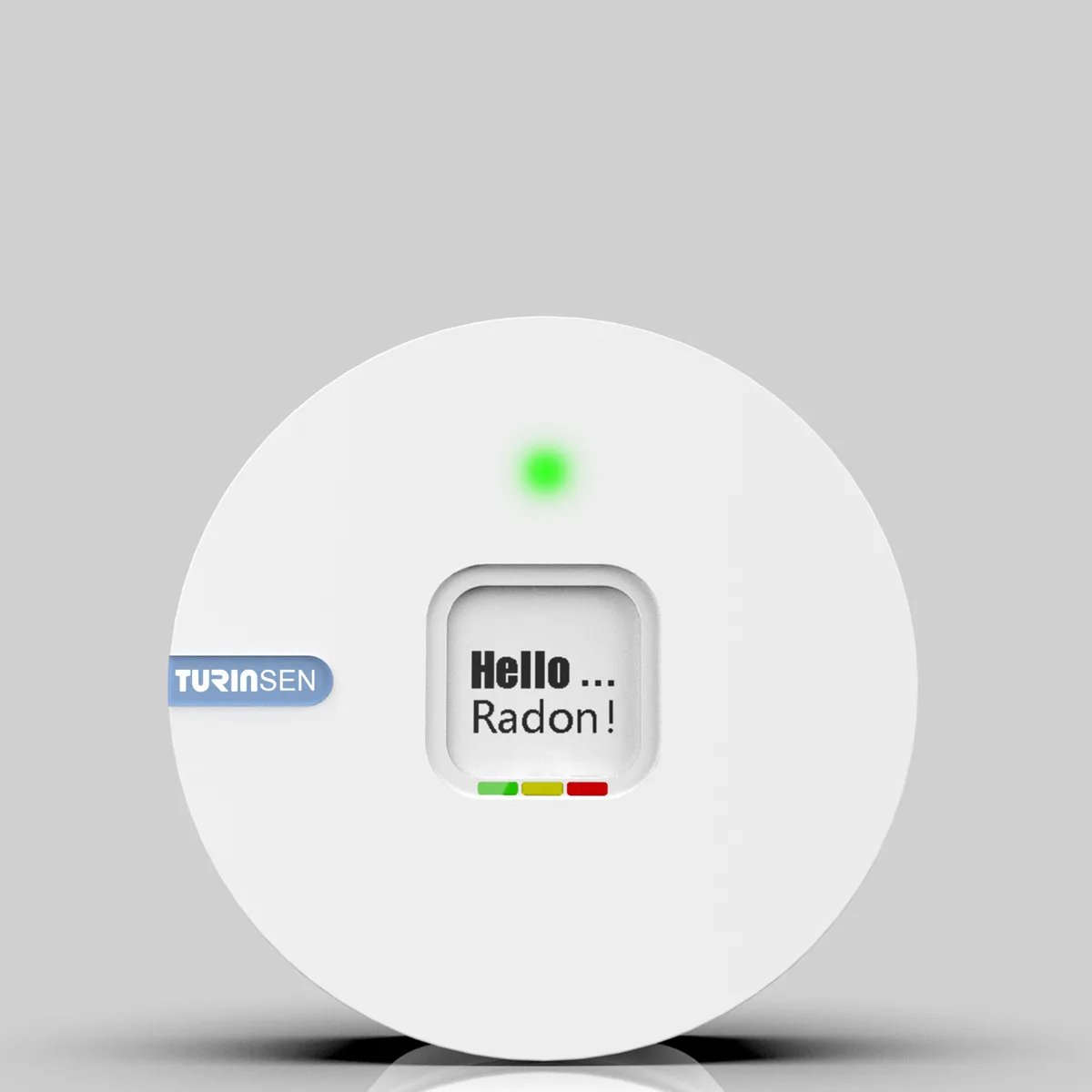
Monitor
Method: Alpha spectrometry
First reading: Within 24 hours
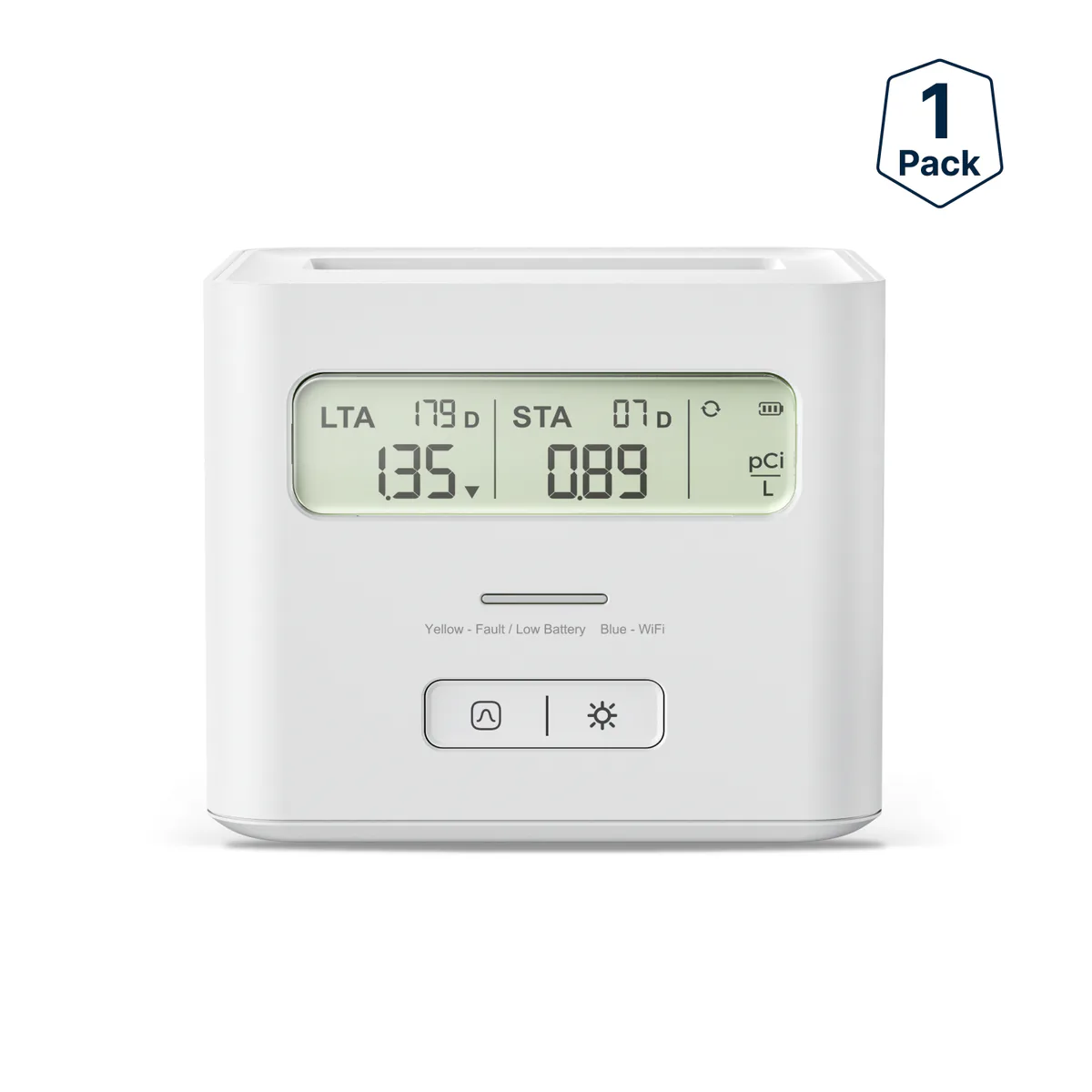
MonitorX-Sense
Method: Alpha spectrometry
First reading: Within 24 hours
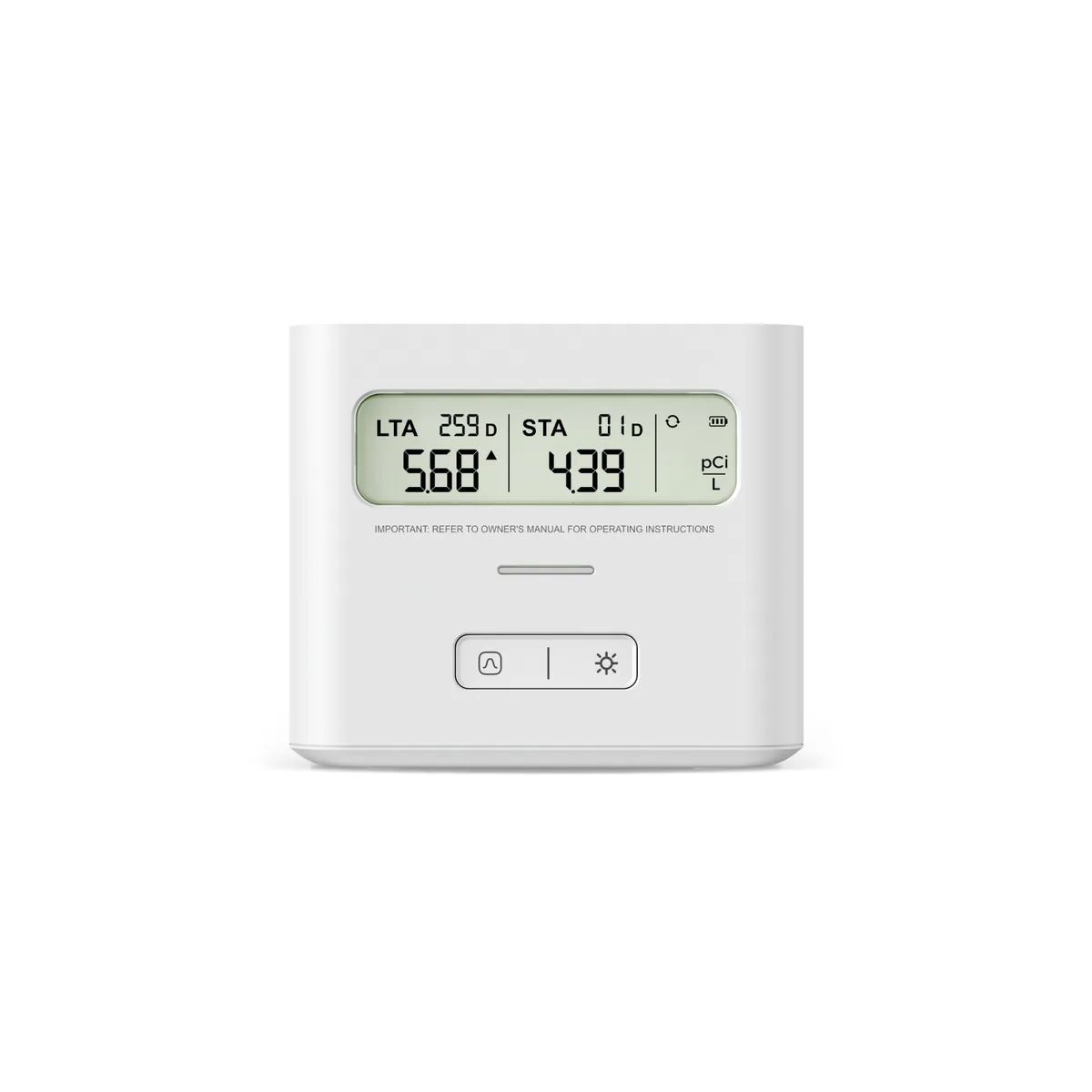
MonitorX-Sense
Method: Alpha spectrometry
First reading: Within 24 hours
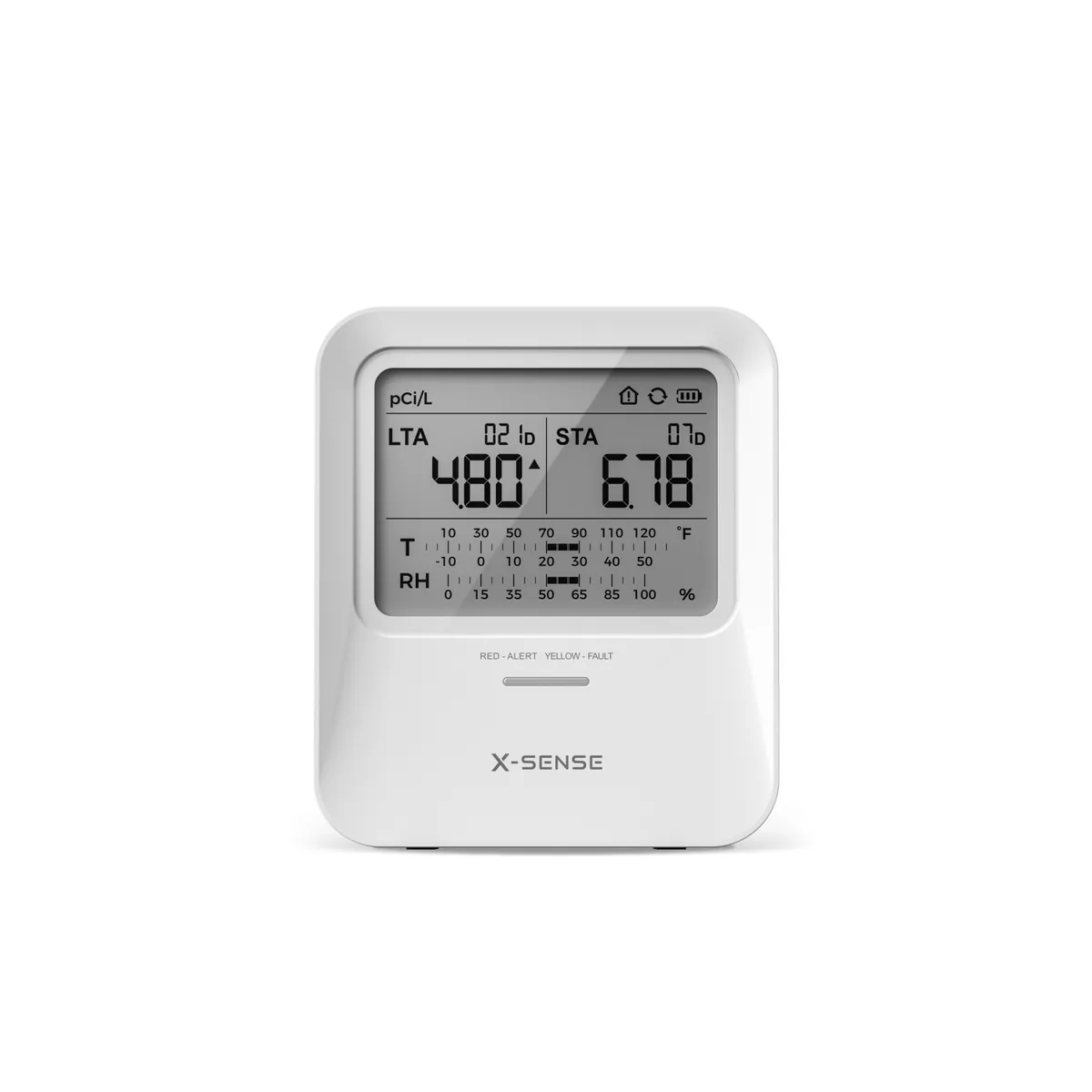
MonitorX-Sense
Method: Alpha spectrometry
First reading: Within 24 hours

Long-term kit
Method: Alpha track
In home: 90 days to 12 months

Long-term kit
Method: Alpha track
In home: 90 days to 12 months
Short-term kit
Method: Charcoal
In home: 48 to 96 hours
No Amazon listing on file
See details of the AccuStar PicoCan
Short-term kit
Method: Charcoal
In home: 2 to 7 days

Short-term kitempowerDX
Method: Passive sampler
In home: 48 to 96 hours

Short-term kitFirst Alert
Method: Charcoal
In home: 2 to 4 days
Short-term kitKidde
Method: Charcoal
In home: 3 days
No Amazon listing on file
See details of the Kidde 442020
Short-term kit
Method: Liquid scintillation
In home: 48 to 96 hours

Short-term kit
Method: Liquid scintillation
In home: 48 to 96 hours
Short-term kit
In home: 72 to 168 hours
No Amazon listing on file
See details of the RadonAway Air Chek Short-TermRadon test kits: 1 of 10
Home radon monitors (24)
Compare side by sideFor a home sale, most buyers, sellers and states rely on a short-term test placed by a qualified tester or a certified kit, run under closed-house conditions; a consumer monitor's reading is useful for your own home but is not usually accepted as the sale's test. Check your state's rules first.
EPA's guidance for any home test applies to a monitor too: test the lowest lived-in level, in a room used regularly but not a kitchen or bathroom, away from drafts, high heat and humidity.
EPA recommends fixing a home at or above 4 pCi/L and considering a fix between 2 and 4 pCi/L. A monitor's long-term average is the figure to compare with those levels, not a single day.