
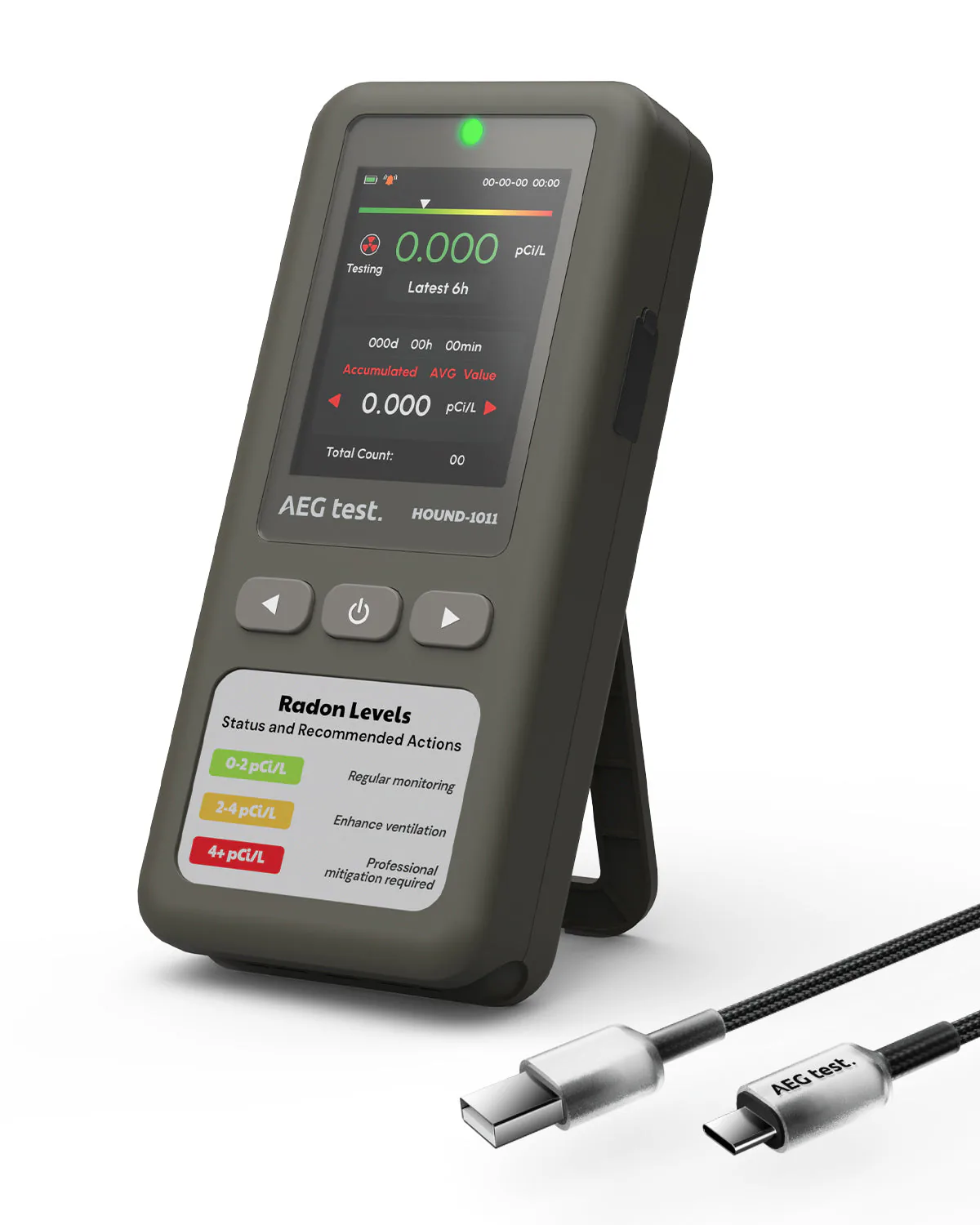
MonitorAEGTEST
HOUND-1011 rechargeable radon detector with a screen
- C-NRPP 2024/25: Not included
- Battery
- Alarm
- Screen
Method: Semiconductor sensor
First reading: Within 6 hours
X-Sense
Battery digital radon monitor with an alarm
Best for you if
Skip it if
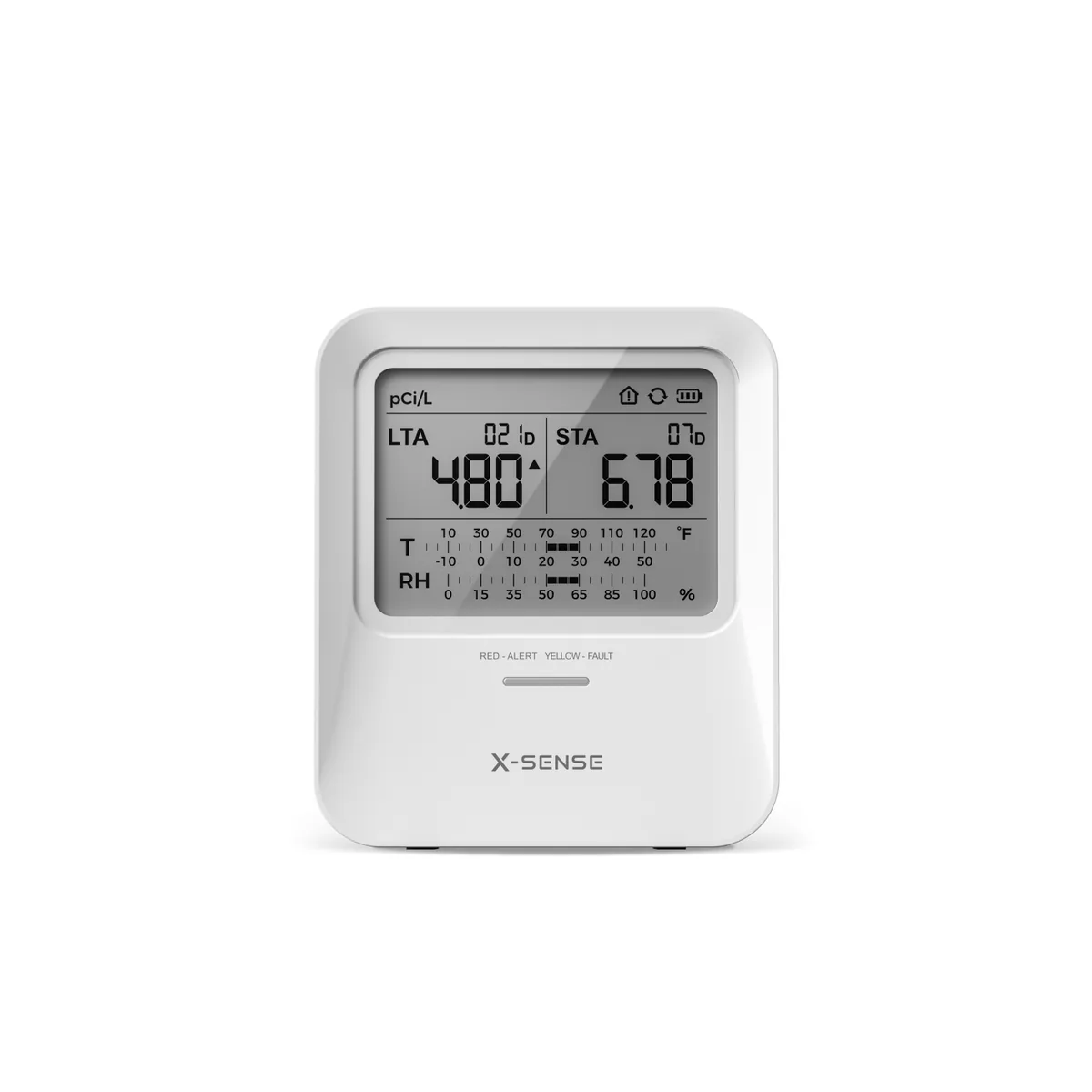
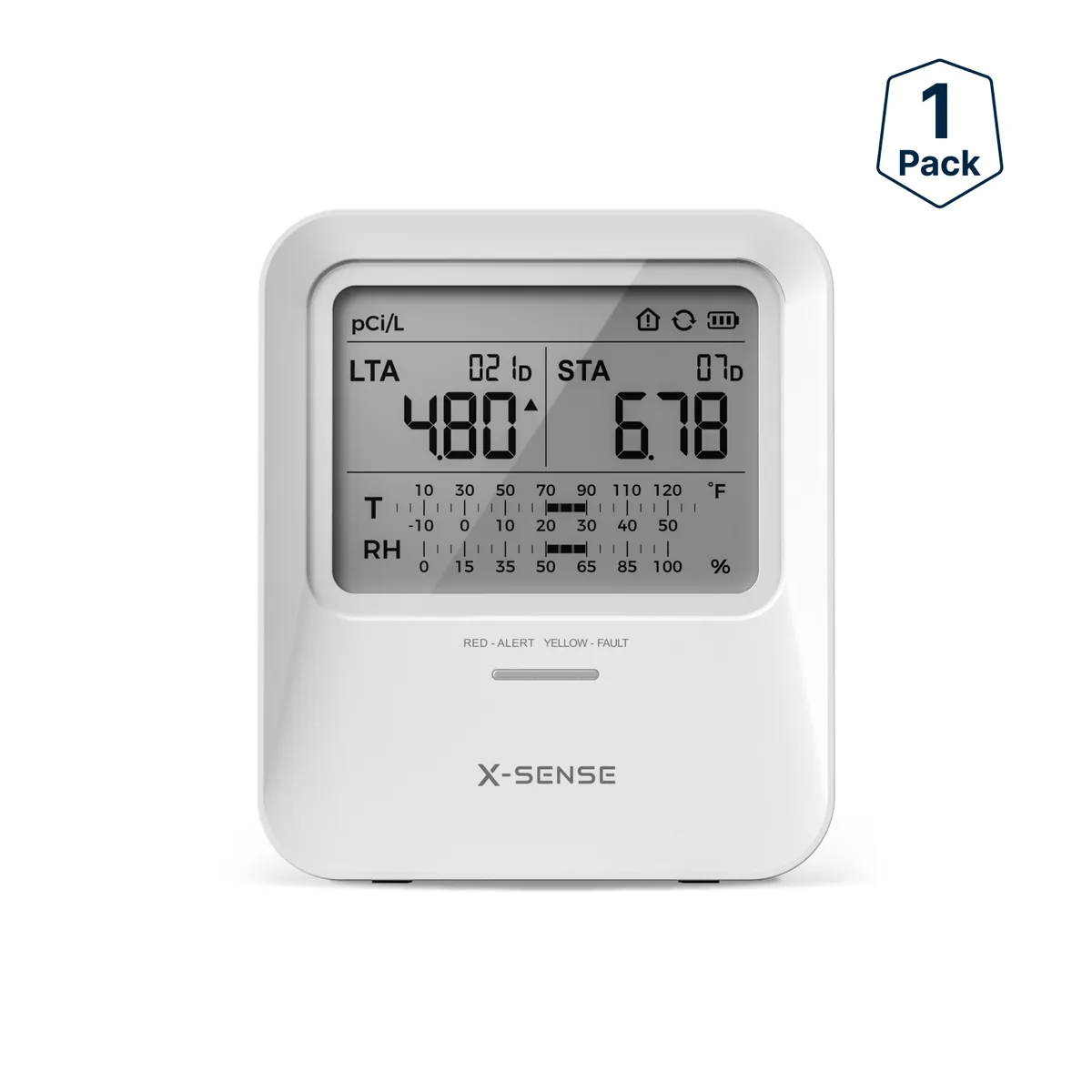
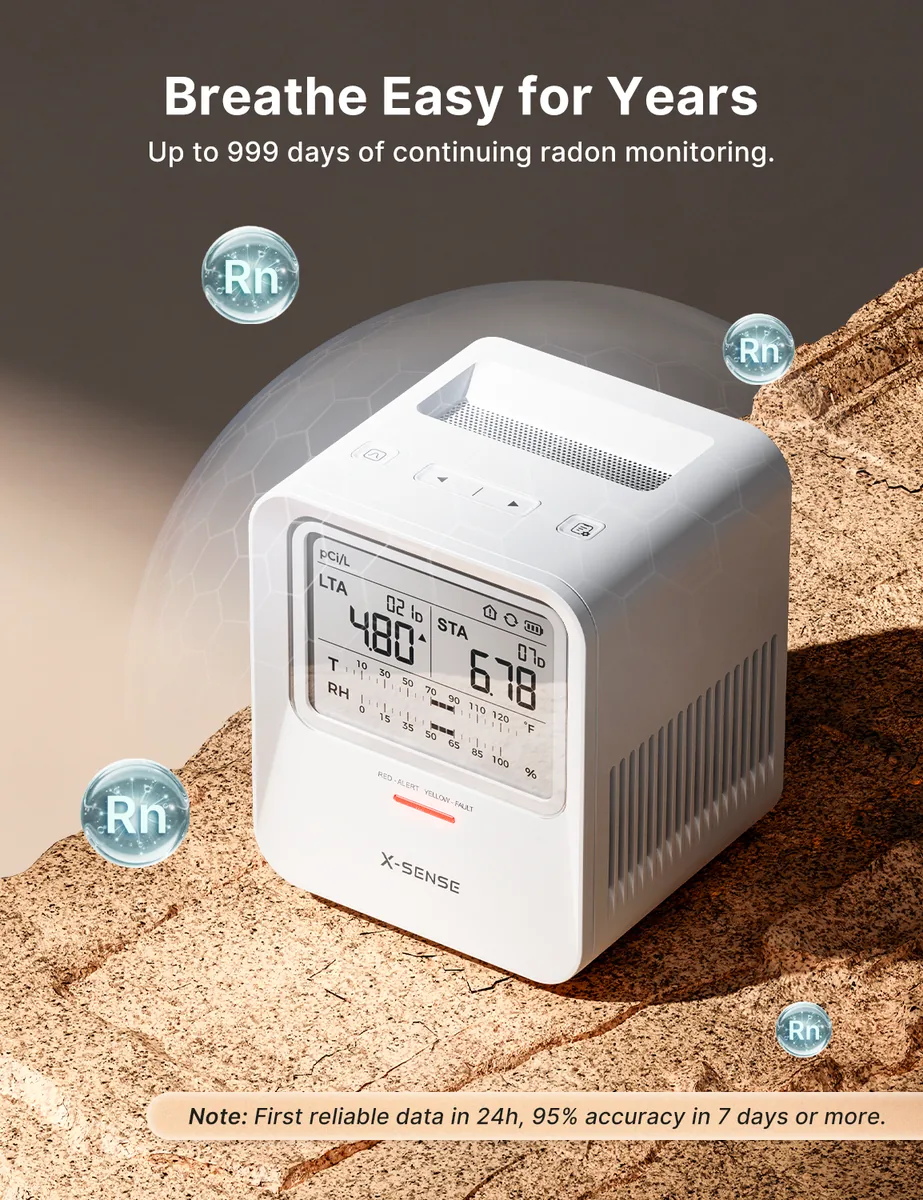
Photos: X-Sense
 (opens in a new tab)Check price on Amazon (opens in a new tab)
As an Amazon Associate, Radon411 earns from qualifying purchases.
Amazon and the Amazon logo are trademarks of Amazon.com, Inc. or its affiliates.
See ratings and reviews on Amazon (opens in a new tab)As X-Sense states it
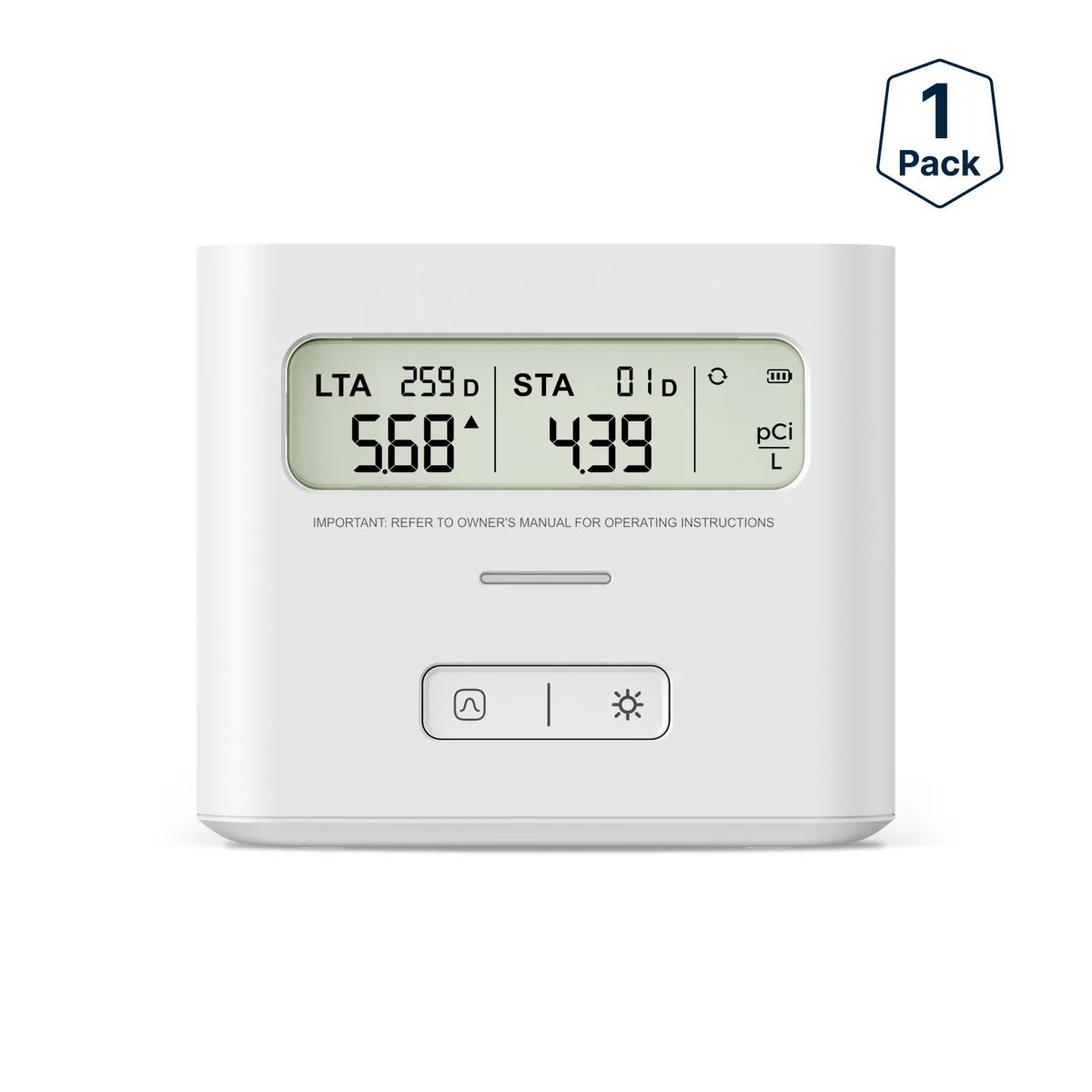
The XR0B-SR is X-Sense's battery radon detector with a built-in alarm: three AA batteries, a passive diffusion chamber read by continuous alpha spectrometry, and an LCD screen that pairs a long-term average with rolling 1, 7, 30 and 90-day averages. It was not included in C-NRPP's 2024/25 evaluation.
The box holds the radon alarm with three removable AA batteries already installed, five date stickers for writing down when a test started, and an indicator label. X-Sense states a warranty period of 5 years.
In the box and running costsHow it works
The sensor, the sampling and the readings, then who has checked it
In our words, from the maker's documents
X-Sense lists the sampling method as a passive diffusion chamber and the measurement method as continuous alpha spectrometry. Air drifts into the chamber through an intake on the side of the case, with no fan or pump, and the sensor counts the alpha particles given off as radon and its decay products break down. X-Sense rates its sensitivity at 1.25 counts per hour for each pCi/L, or for each 37 Bq/m³.
Counting a small number of decays takes time, which is why the first number is not instant. After the batteries go in or the insulating film is pulled, the device runs a self-check, then shows run in place of the averages while it collects its first stable data. The manual says the first reading appears within 4 to 24 hours, sooner at higher radon levels, and that in most homes the first reliable reading comes in 24 hours.
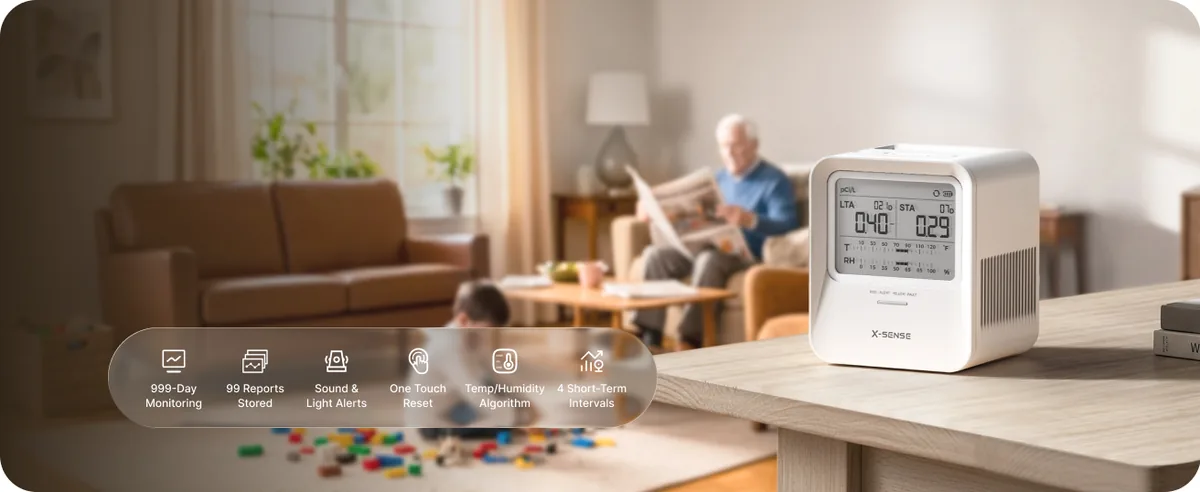
The screen is organized around two kinds of number. The long-term average, which the manual calls the main data, is the average of everything measured since power-on or the last reset; it updates every 24 hours and can run for up to 999 days. The short-term display, which the manual calls auxiliary, rolls through averages for the past 1, 7, 30 and 90 days, and those update every hour. A trend arrow shows whether radon has recently risen, fallen or held steady.
The XR0B-SR also watches its own surroundings. It shows ranges for temperature and humidity rather than exact readings, and raises a warning icon when either passes a built-in limit. X-Sense describes a temperature and humidity algorithm as part of its accuracy, and gives an operating range of 14 to 122°F (-10 to 50°C) at up to 85% relative humidity, non-condensing.
The alarm is what sets it apart from a plain monitor. When the radon concentration passes the device's threshold, the screen flashes with a maintenance-recommended icon, the light flashes red every 10 seconds and the device beeps. A press of the Peak Level/Silence button mutes it, and the warning clears on its own once levels drop. The same button, pressed once at other times, shows the highest radon level in the current interval.
Results stay on the device. It can store up to 99 built-in reports, which a reset does not erase, and X-Sense's web page turns readings you type in, together with a 4-digit verification code from the device, into a PDF report for your phone or computer. Radon can be shown in pCi/L or Bq/m³; the manual names pCi/L as the standard unit for the United States.
X-Sense's own statements, attributed
These are X-Sense's own statements, attributed to it. They are not our findings, and we have not tested this product ourselves.
C-NRPP 2024/25, recalls and studies
The Canadian National Radon Proficiency Program's 2024/25 comparison of consumer monitors did not include X-Sense XR0B-SR. That is a fact about which devices took part, not a finding about this one: no result from that program exists for it either way.
C-NRPP is the Canadian National Radon Proficiency Program. Its 2024/25 results were published in May 2025.
X-Sense XR0B-SR
Check price on Amazon (opens in a new tab)Specifications
Every figure as the maker states it
The box holds the radon alarm with three removable AA batteries already installed, five date stickers for writing down when a test started, and an indicator label. X-Sense states a warranty period of 5 years.
No lab fee and no subscription. The ongoing cost is three 1.5 V AA alkaline batteries, which X-Sense rates for about 2 years; the manual says rechargeable batteries are not allowed and that batteries of different types or ages should not be mixed. The screen warns when the battery is low.
The detector itself has a limited service life, so it is a device you eventually replace rather than keep for good. When it is about to shut down, whether from a low battery, a fault or reaching the end of its service life, the manual says a data report is saved automatically, so the record is not lost.
Fit and setup
The fit, then setup and placement as the guidance asks
Good fit if, and look elsewhere if
Good fit if
Look elsewhere if
5 steps
How C-NRPP says to use any consumer monitor
For where any radon test or monitor should sit in a home, see where to place a radon test.
Compare
The same three rows for each, and the one difference that matters
This page
X-Sense XR0B-SR
This page: The XR0B-SR is X-Sense's battery radon detector with a built-in alarm: three AA batteries, a passive diffusion chamber read by continuous alpha spectrometry, and an LCD screen that pairs a long-term average with rolling 1, 7, 30 and 90-day averages.
Ecosense
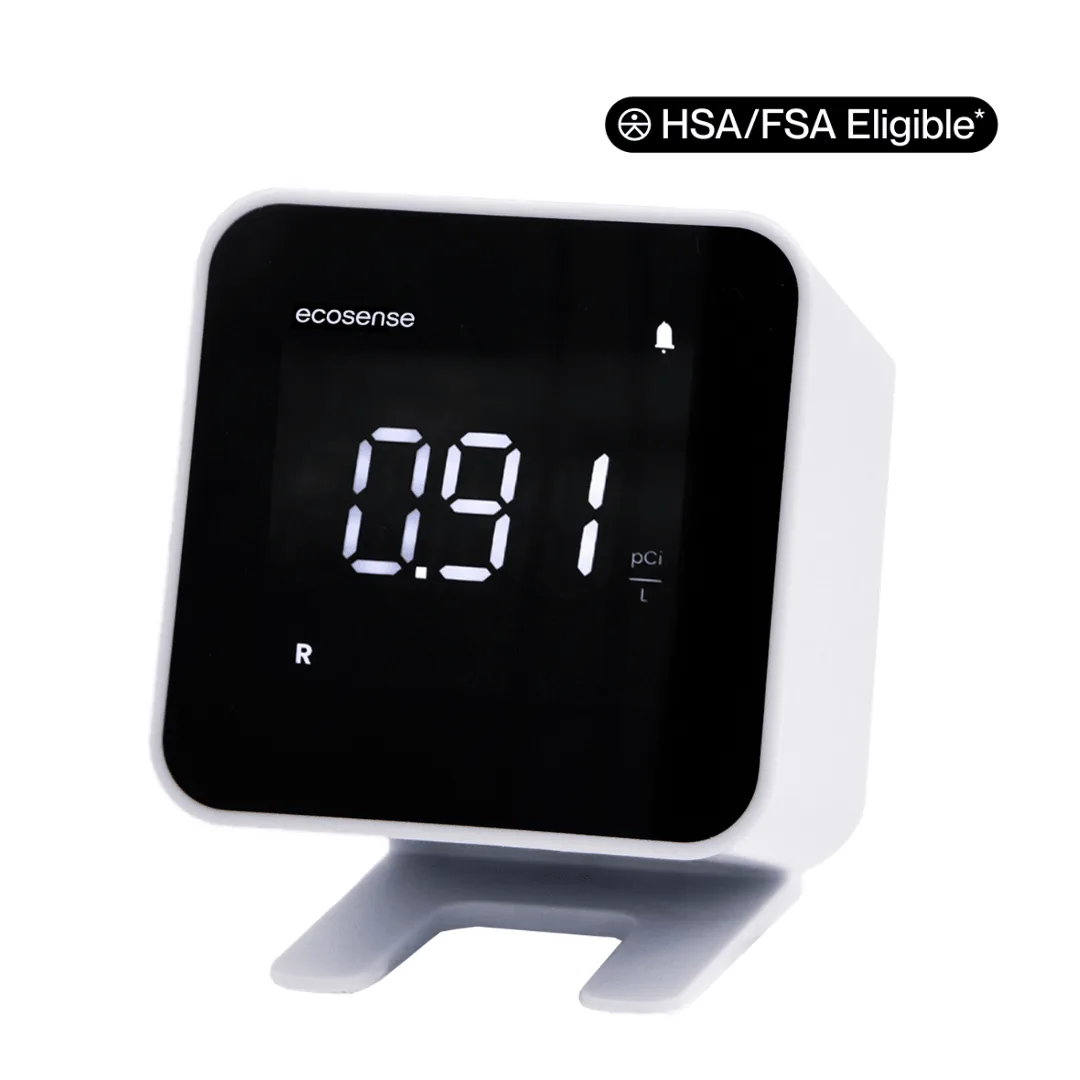
The difference: A plug-in monitor with an LED number display and an alarm you set to your own radon level; it uses a pulsed ionization chamber and needs an outlet rather than batteries.
Ecosense
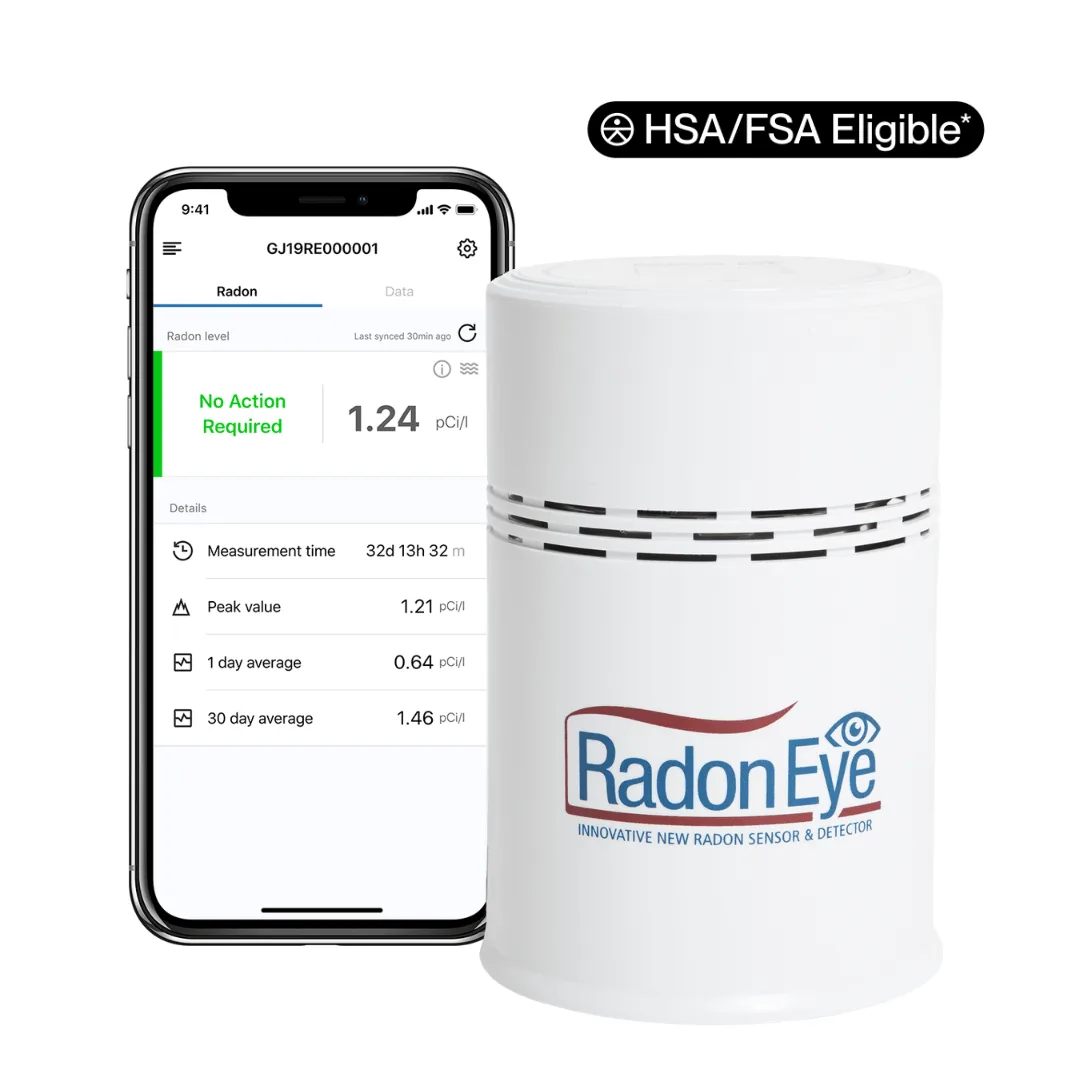
The difference: A plug-in monitor with a Bluetooth app and a pulsed ionization chamber, approved in C-NRPP's 2024/25 evaluation.
X-Sense
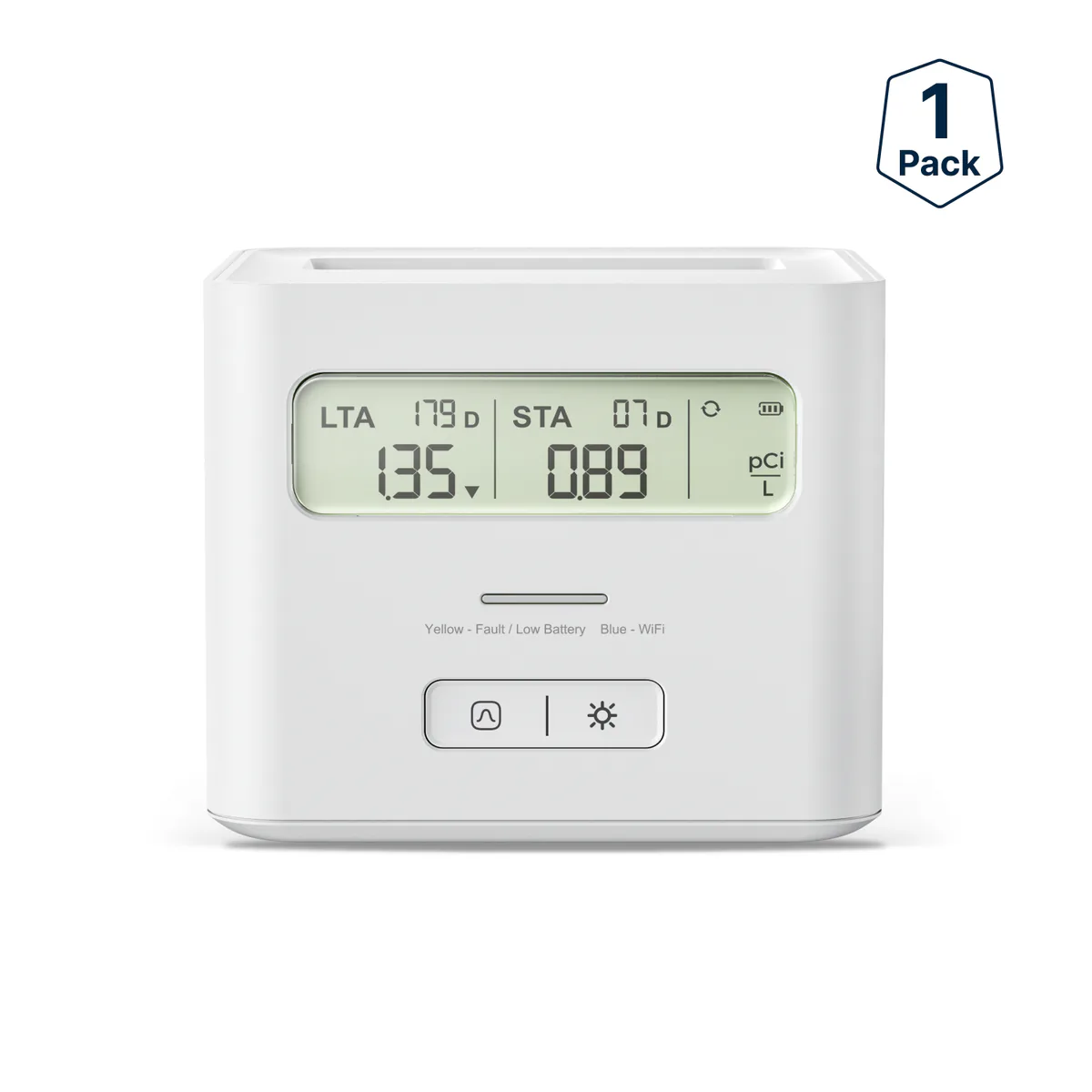
The difference: X-Sense's Wi-Fi detector with the same listed chamber, method, range and three AA batteries; its readings, trends and alerts also reach the X-SENSE Home Security app away from home.
X-Sense
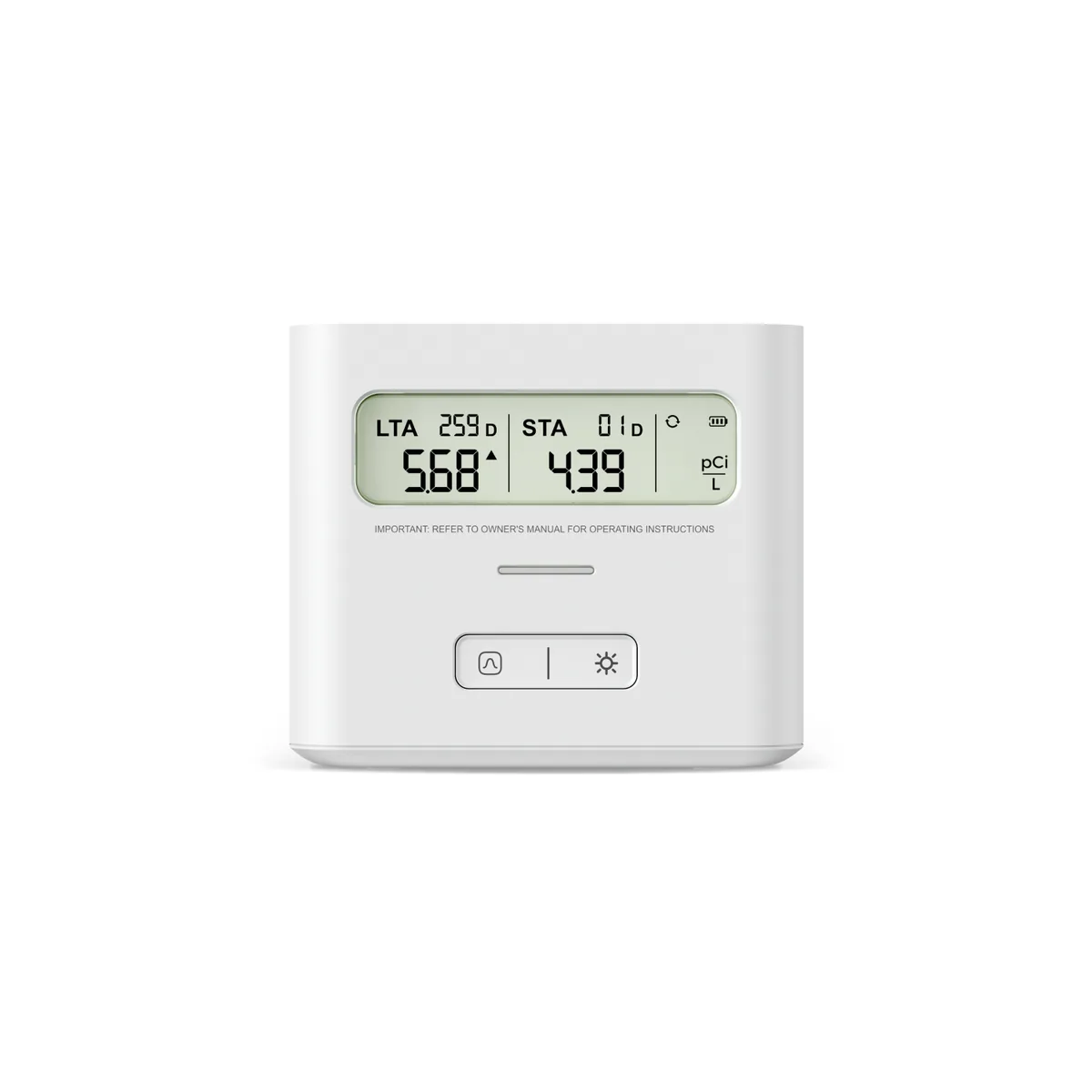
The difference: X-Sense's standalone battery detector with the same listed sensor, range and batteries, short-term and long-term averages and a one-button reset; X-Sense marks it as incompatible with its SBS50 base station.
Compared with similar products: 1 of 5
MonitorAEGTEST
Method: Semiconductor sensor
First reading: Within 6 hours
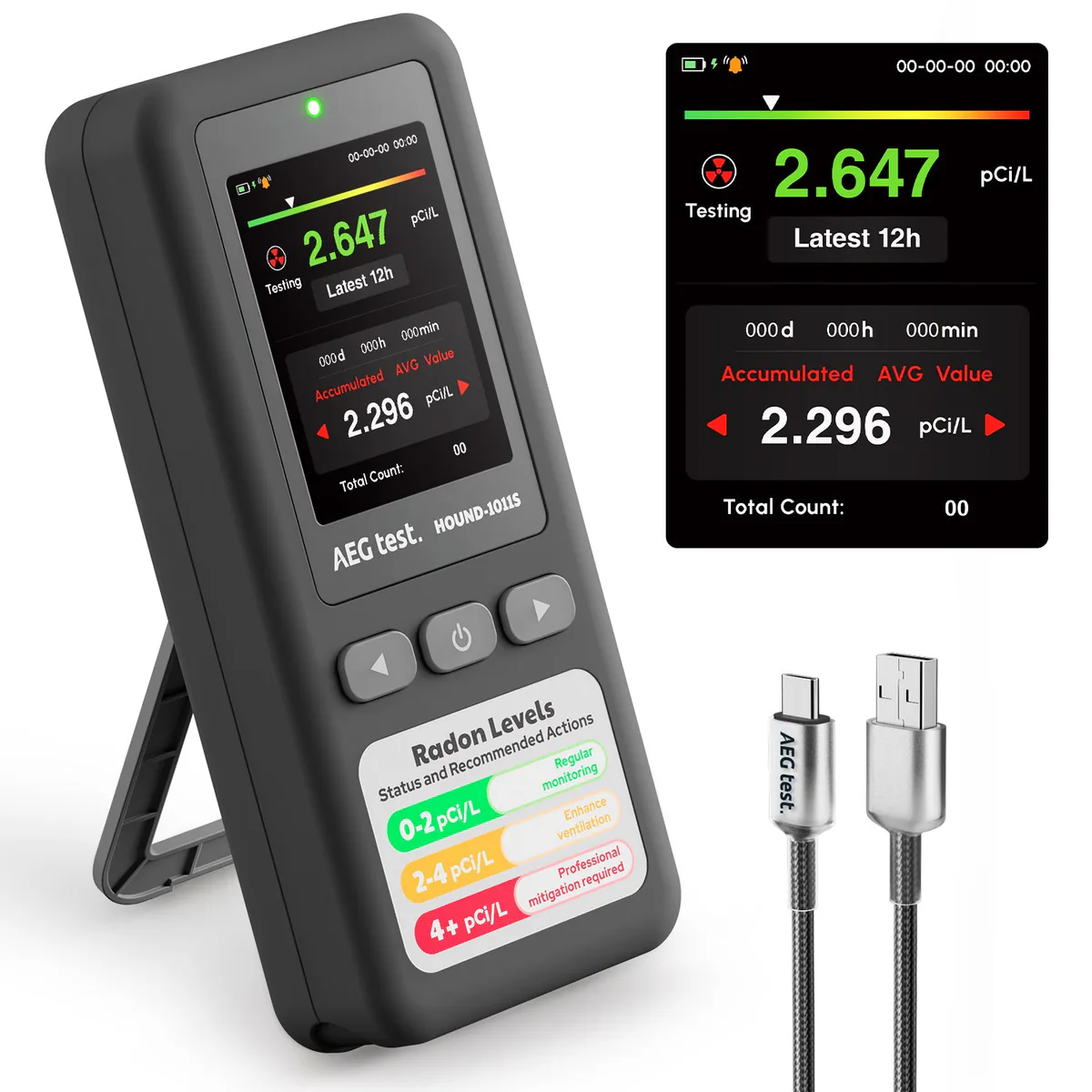
MonitorAEGTEST
Method: Semiconductor sensor
First reading: Within 12 hours
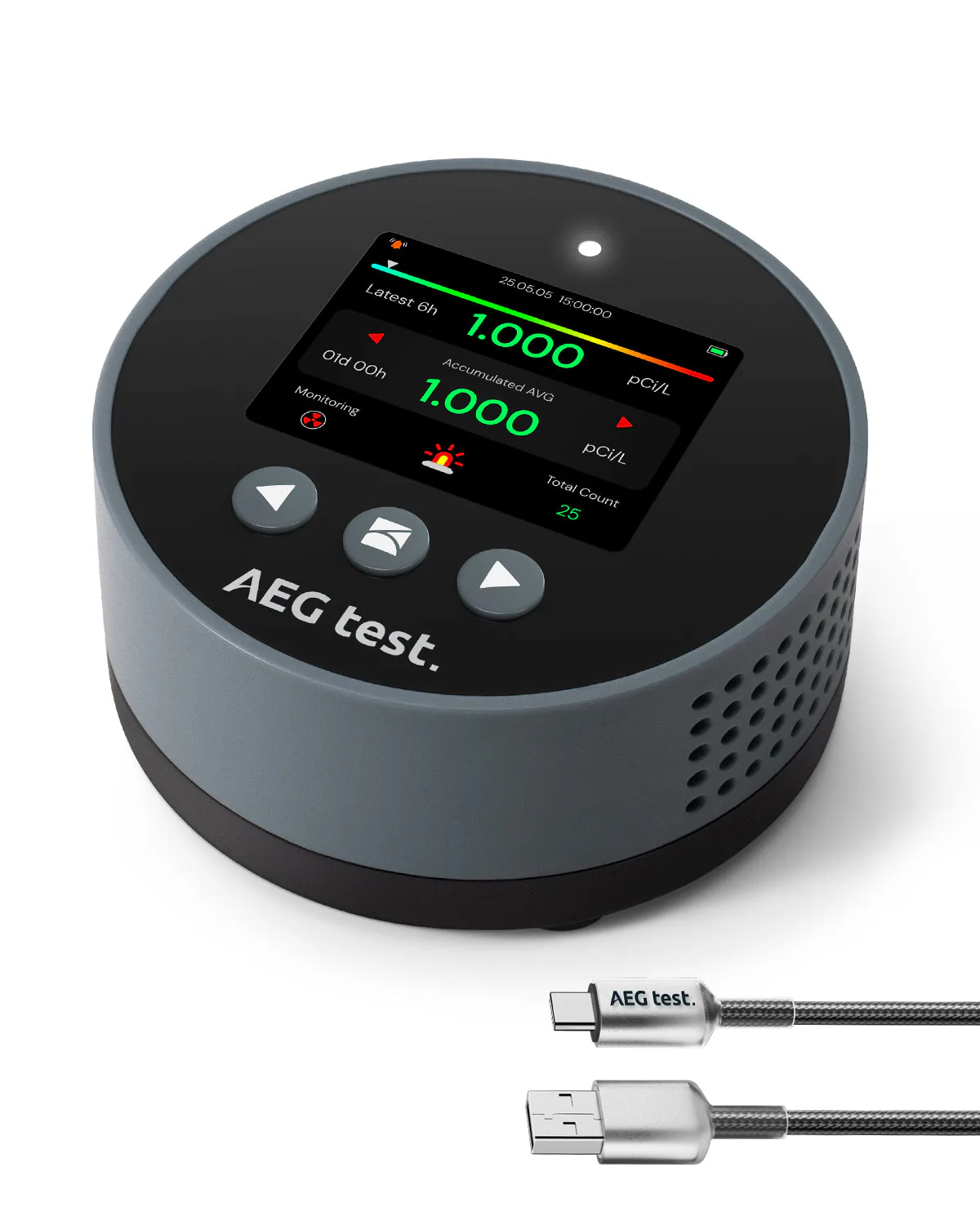
MonitorAEGTEST
Method: Semiconductor sensor
First reading: Within 6 hours
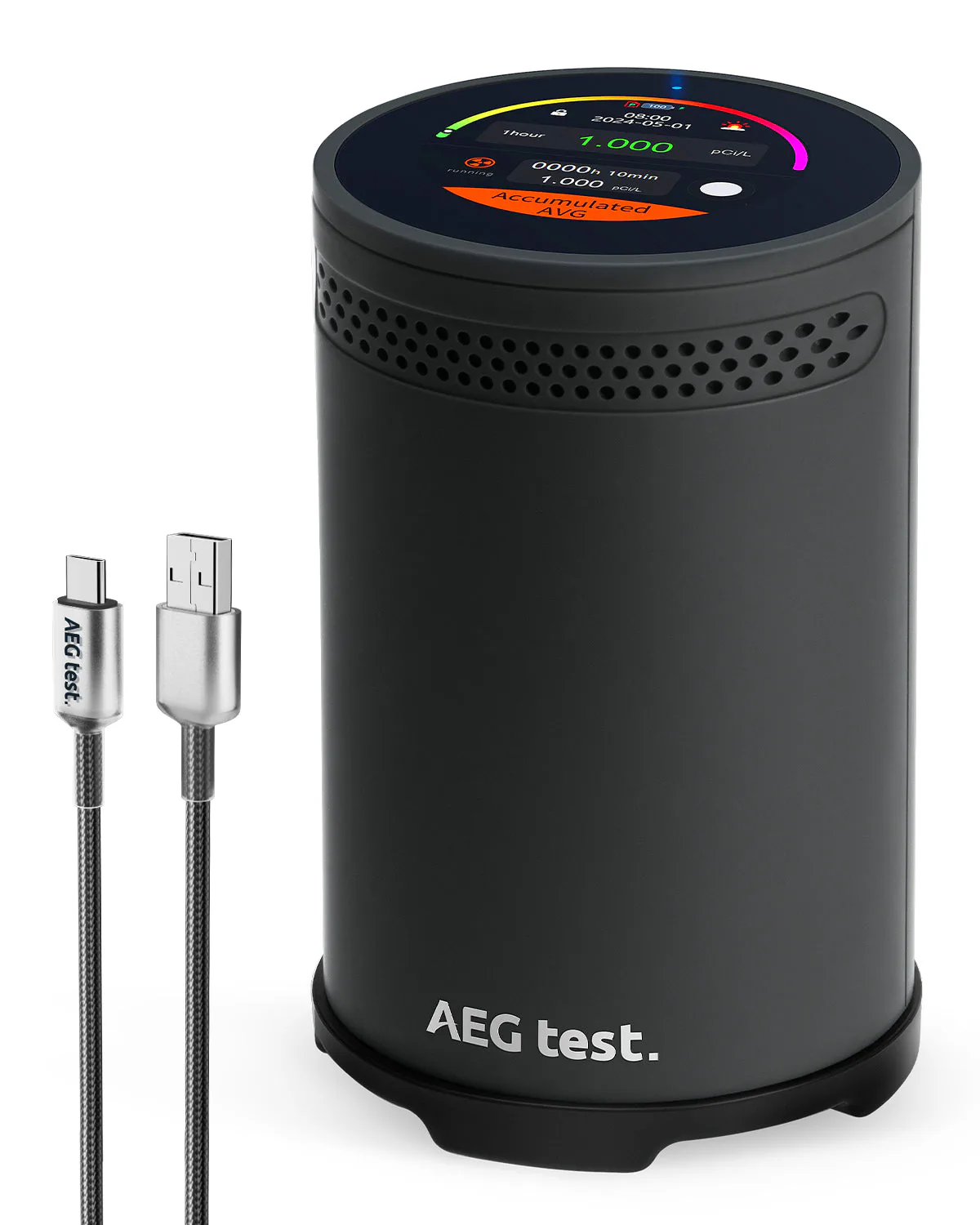
MonitorAEGTEST
First reading: Within 1 hour
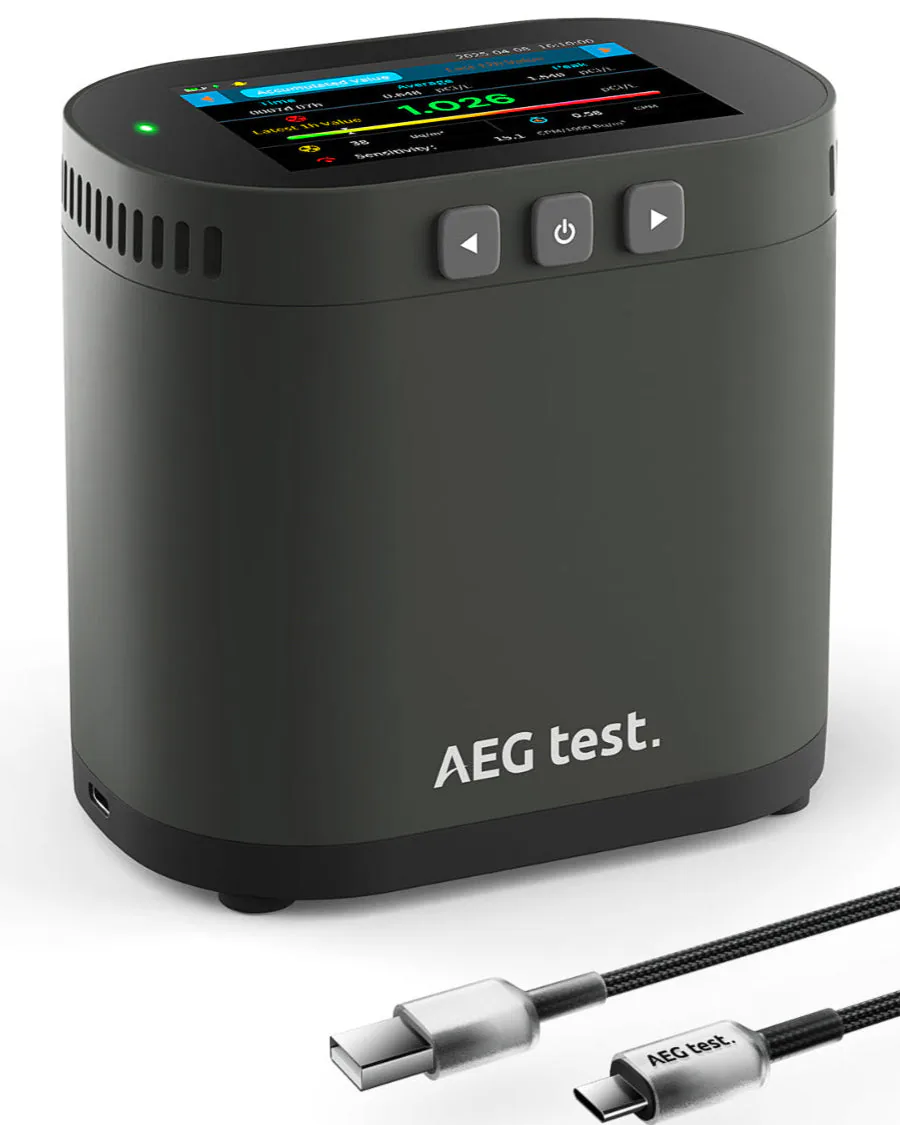
MonitorAEGTEST
Method: Ion chamber
First reading: Within 10 minutes
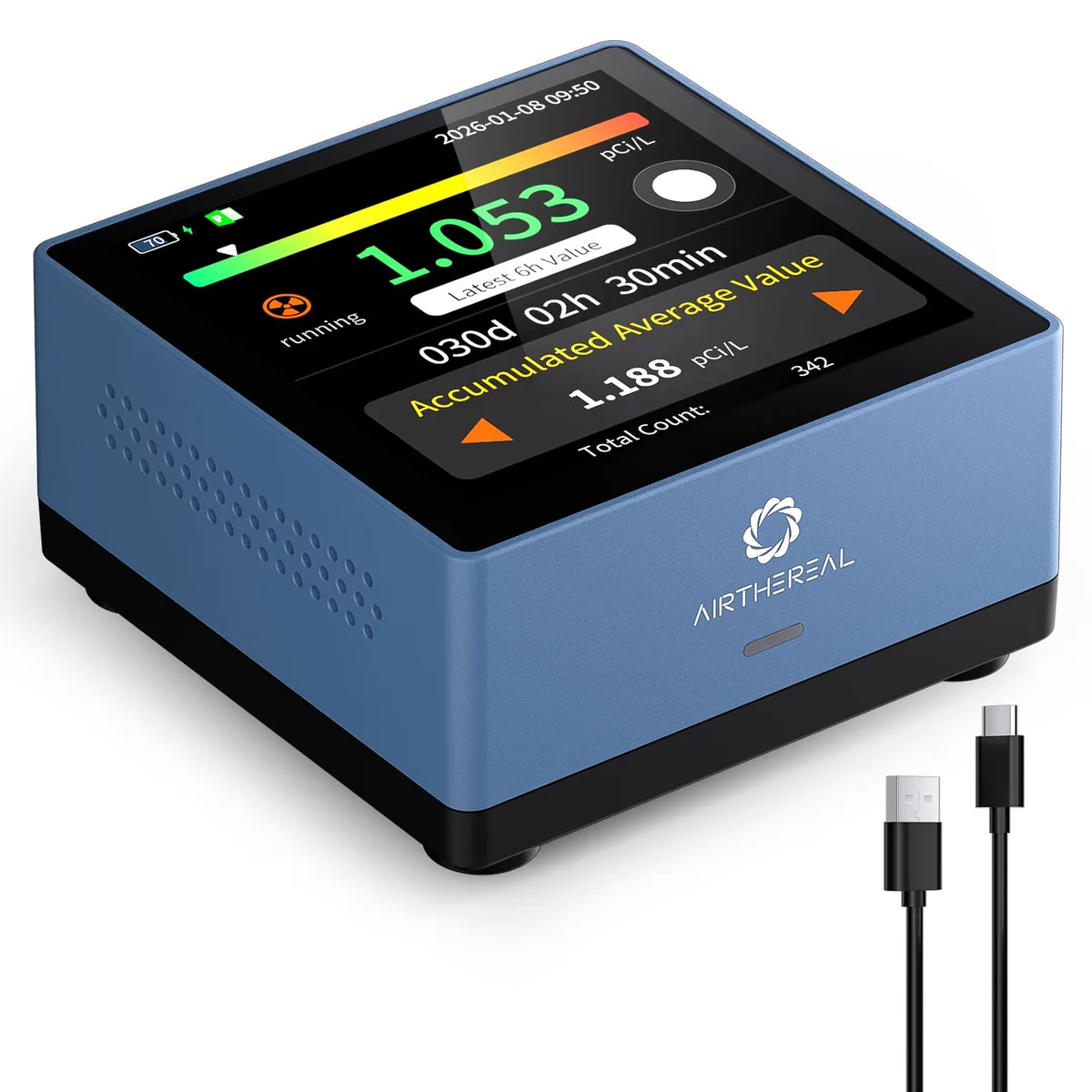
Monitor
Method: Semiconductor sensor
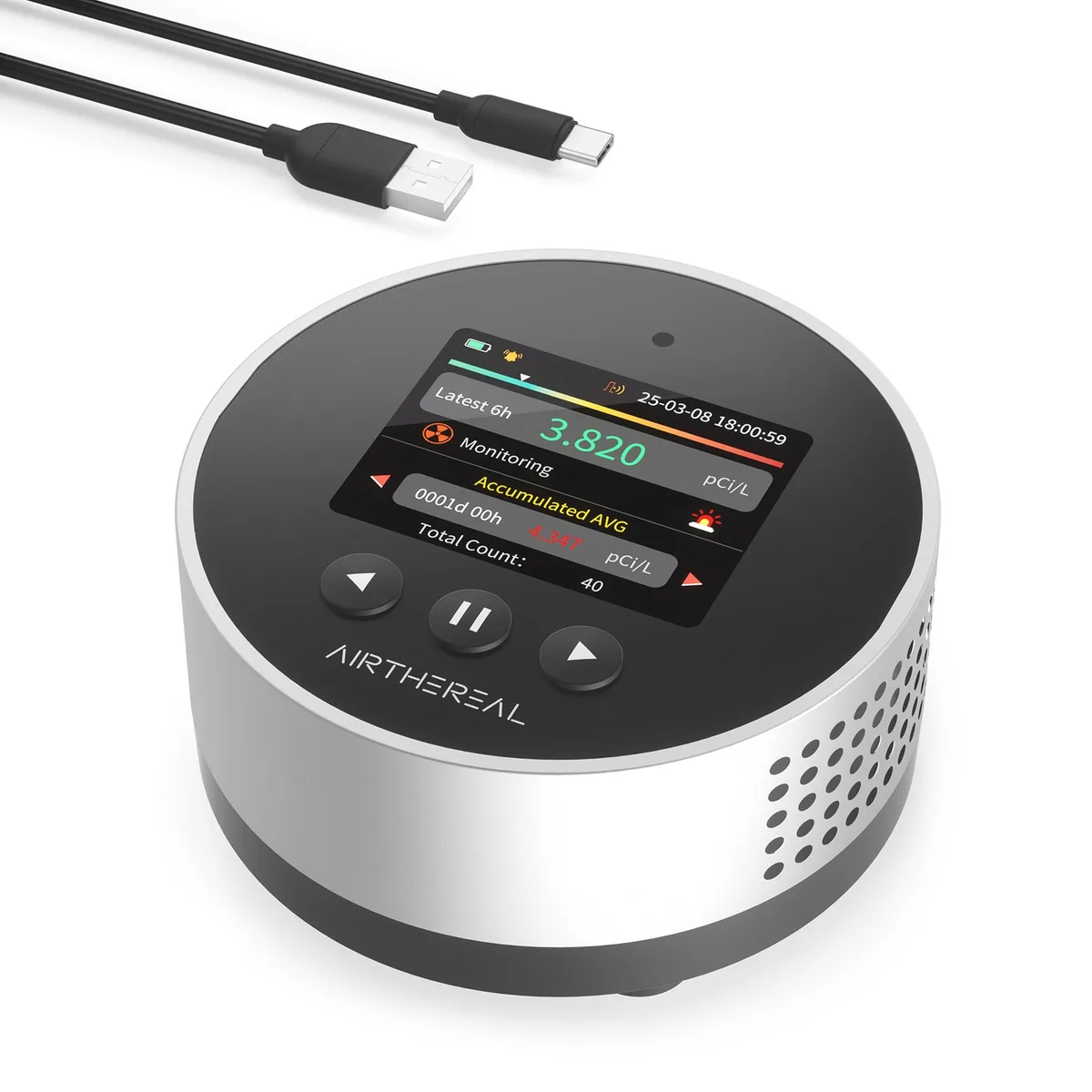
Monitor
Method: Semiconductor sensor
First reading: Within 6 hours
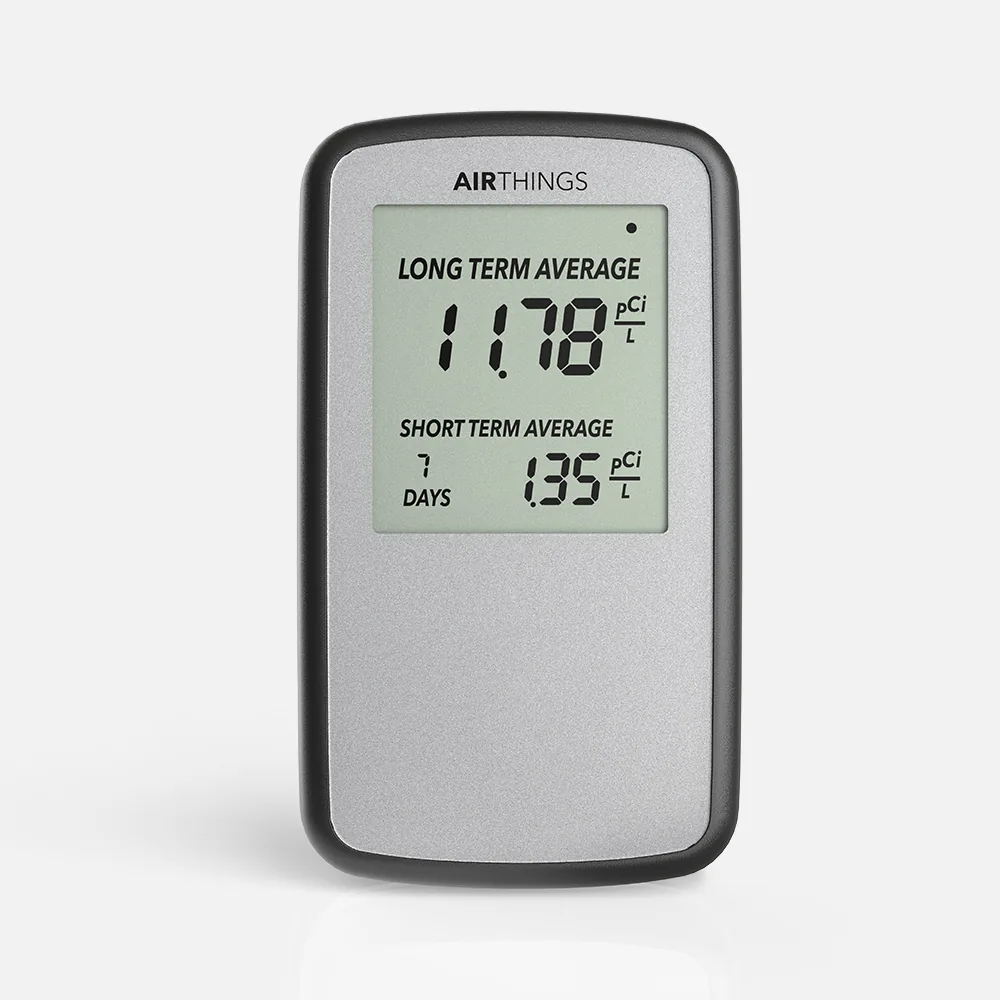
Monitor
Method: Alpha spectrometry
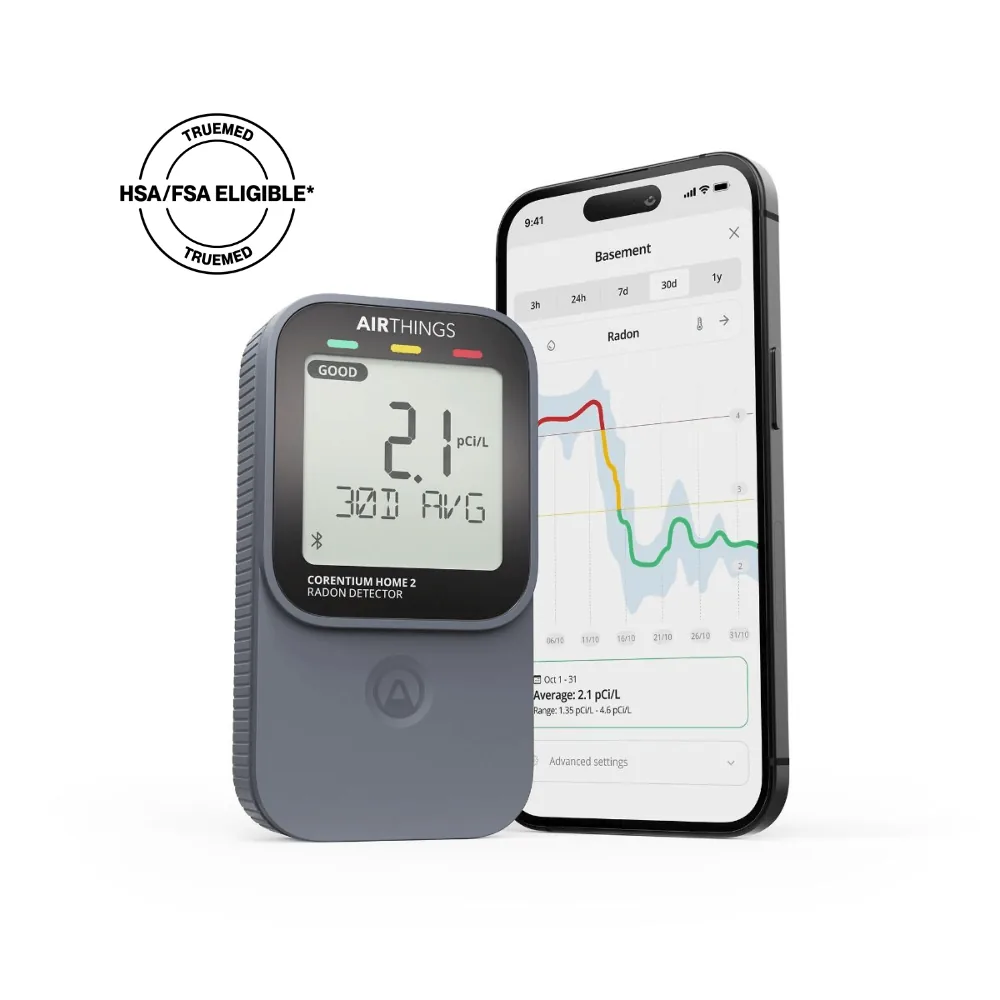
Monitor
Method: Alpha spectrometry
Readings: Every 60 minutes
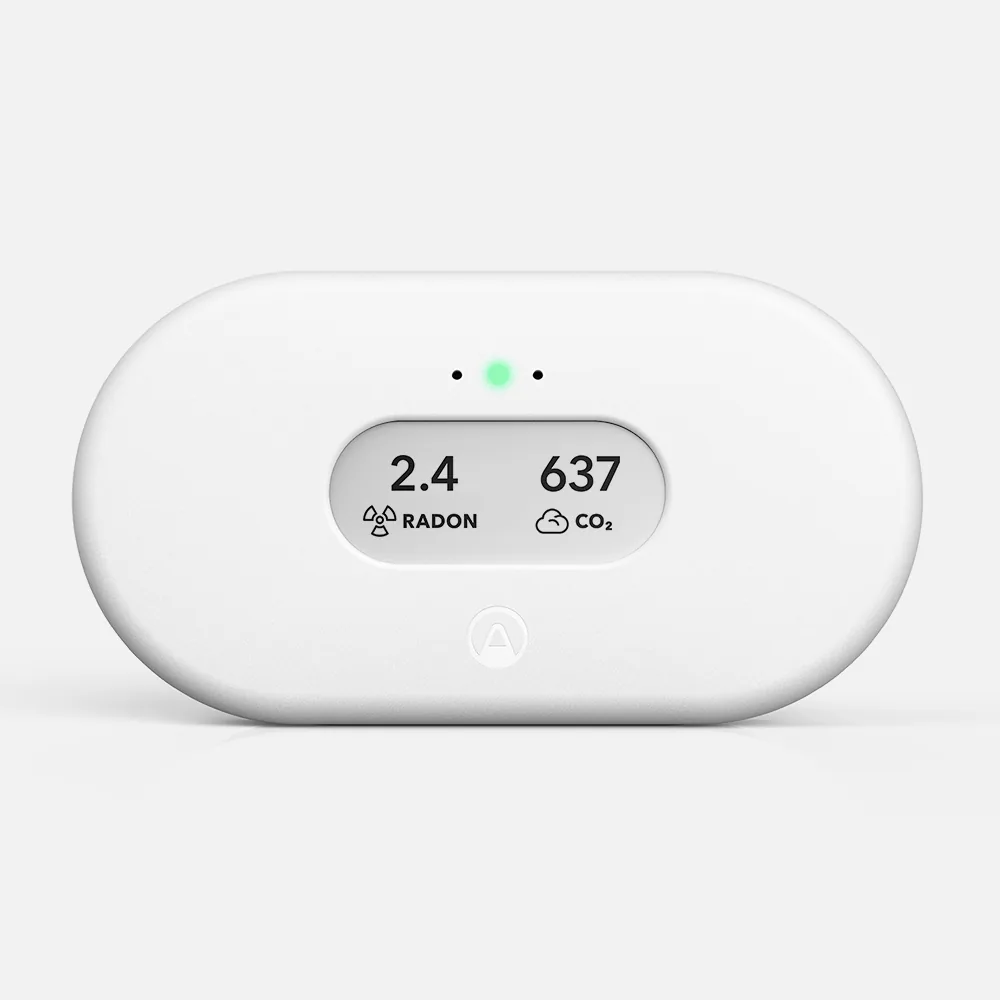
Monitor
Method: Alpha spectrometry
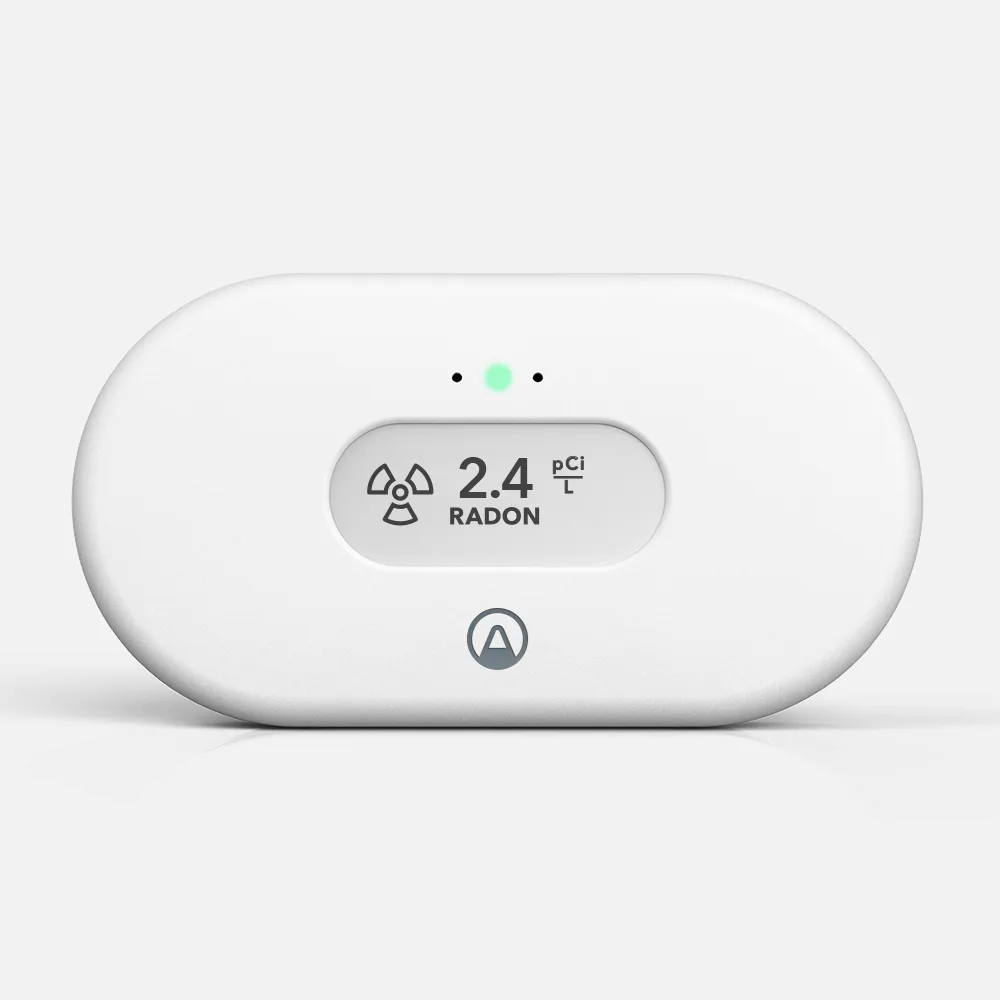
Monitor
Method: Alpha spectrometry
Readings: Every 60 minutes
Monitor
Method: Alpha spectrometry
Monitor
Method: Alpha spectrometry
MonitorAranet
Method: Ion chamber
First reading: Within 10 minutes
MonitorAranet
Method: Ion chamber
First reading: Within 10 minutes
Monitor
Method: Ion chamber
First reading: Within 10 minutes
Monitor
Method: Ion chamber
First reading: Within 10 minutes
Monitor
Method: Ion chamber
First reading: Within 15 minutes
Monitor
Method: Ion chamber
First reading: Within 10 minutes
MonitorForensics Detectors
Method: Semiconductor sensor
First reading: Within 6 hours
Monitor
First reading: Within 5 minutes
Monitor
First reading: Within 5 minutes
Monitor
First reading: Within 5 minutes
MonitorINKBIRD
First reading: Within 24 hours
MonitorKidde
Method: Semiconductor sensor
First reading: Within 12 hours
MonitorPYZYCKYH
Method: Semiconductor sensor
First reading: Within 6 hours
MonitorSafetySiren
First reading: Within 48 hours
Monitor
First reading: Within 90 minutes
Monitor
Method: Alpha spectrometry
First reading: Within 24 hours
MonitorX-Sense
Method: Alpha spectrometry
First reading: Within 24 hours
MonitorX-Sense
Method: Alpha spectrometry
First reading: Within 24 hours
More home radon monitors: 1 of 31
Questions
6 questions about the X-Sense XR0B-SR, answered
It was not included in C-NRPP's 2024/25 consumer monitor evaluation, so there is no result for it from that round. That says nothing either way about how it measures; it was simply not one of the devices tested.
The screen shows run until the first stable data is ready, which the manual puts at 4 to 24 hours depending on the radon level, and about 24 hours in most homes. The long-term average needs at least 7 days before it is worth reading.
The alarm sounds when the radon concentration passes the device's built-in threshold. One press of Peak Level/Silence mutes the current warning, and the warning clears on its own when radon falls. In settings mode, the audio and visual indicators can be switched off altogether; they are on by default.
The alarm is a prompt, not a verdict. The manual itself says to check the long-term average if concerns remain when no alarm has sounded, and the EPA's advice is to confirm a high result with a follow-up test before deciding to fix a home.
Yes. X-Sense lists one-button reset for multi-room monitoring. Holding Reset for 3 seconds clears the data and starts a new cycle, while the built-in reports from earlier rooms are kept. The date stickers in the box are for noting when each test began.
For any consumer monitor, the guidance is to run it for at least three months, preferably in the heating season, and to decide from the long-term average. If you have less than 91 days of monitor data, it recommends following up with a long-term radon test. The XR0B-SR's long-term average can run for up to 999 days, so it can cover that period.
Yes. Double-pressing the Peak Level/Silence button switches radon between pCi/L and Bq/m³. The manual names pCi/L as the standard unit in the United States and suggests Bq/m³ for use in Europe or Canada.
Updated October 2, 2026