
MonitorAEGTEST
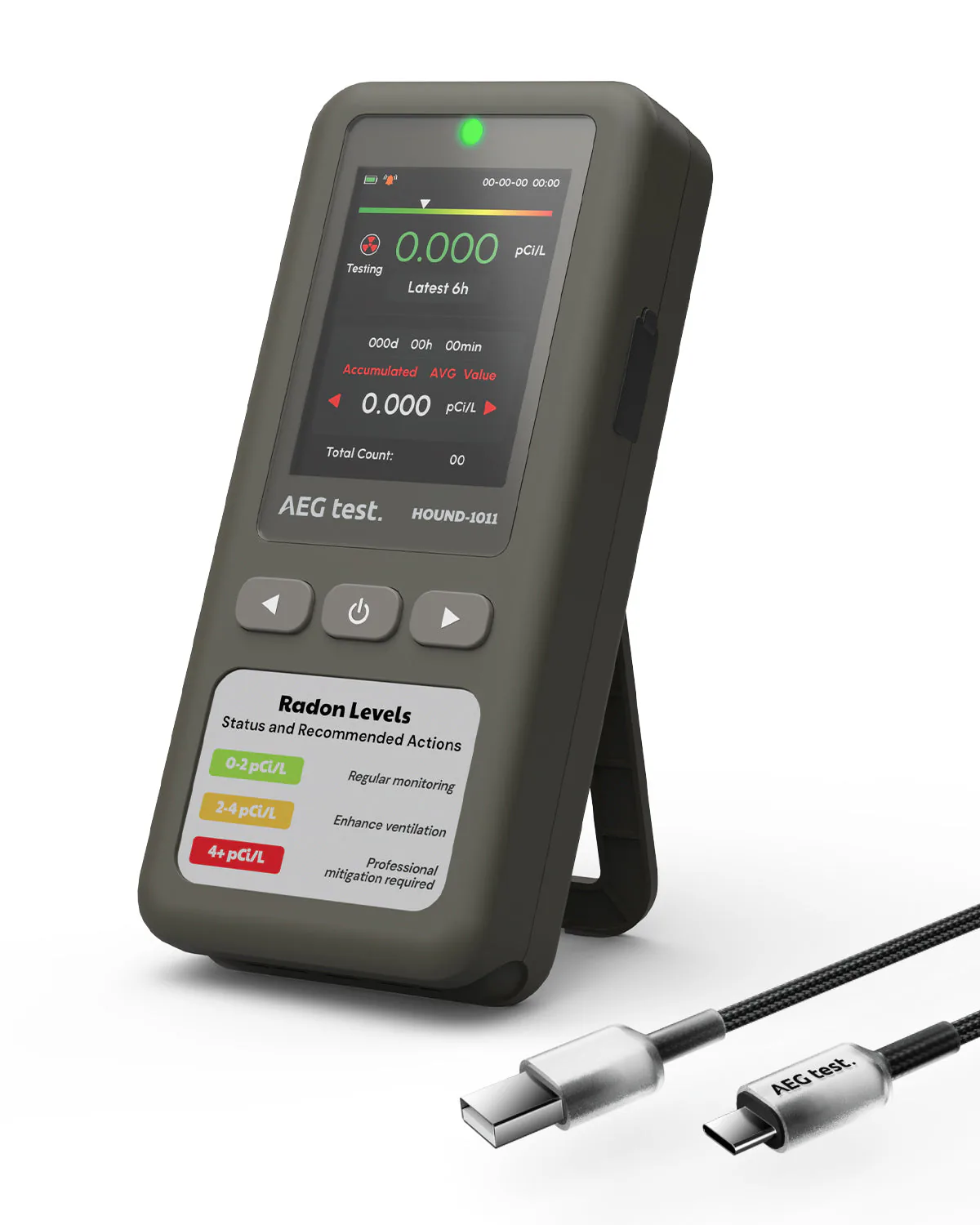
HOUND-1011 rechargeable radon detector with a screen
- C-NRPP 2024/25: Not included
- Battery
- Alarm
- Screen
Method: Semiconductor sensor
First reading: Within 6 hours
Kidde
Battery digital radon detector with an alarm
Best for you if
Skip it if
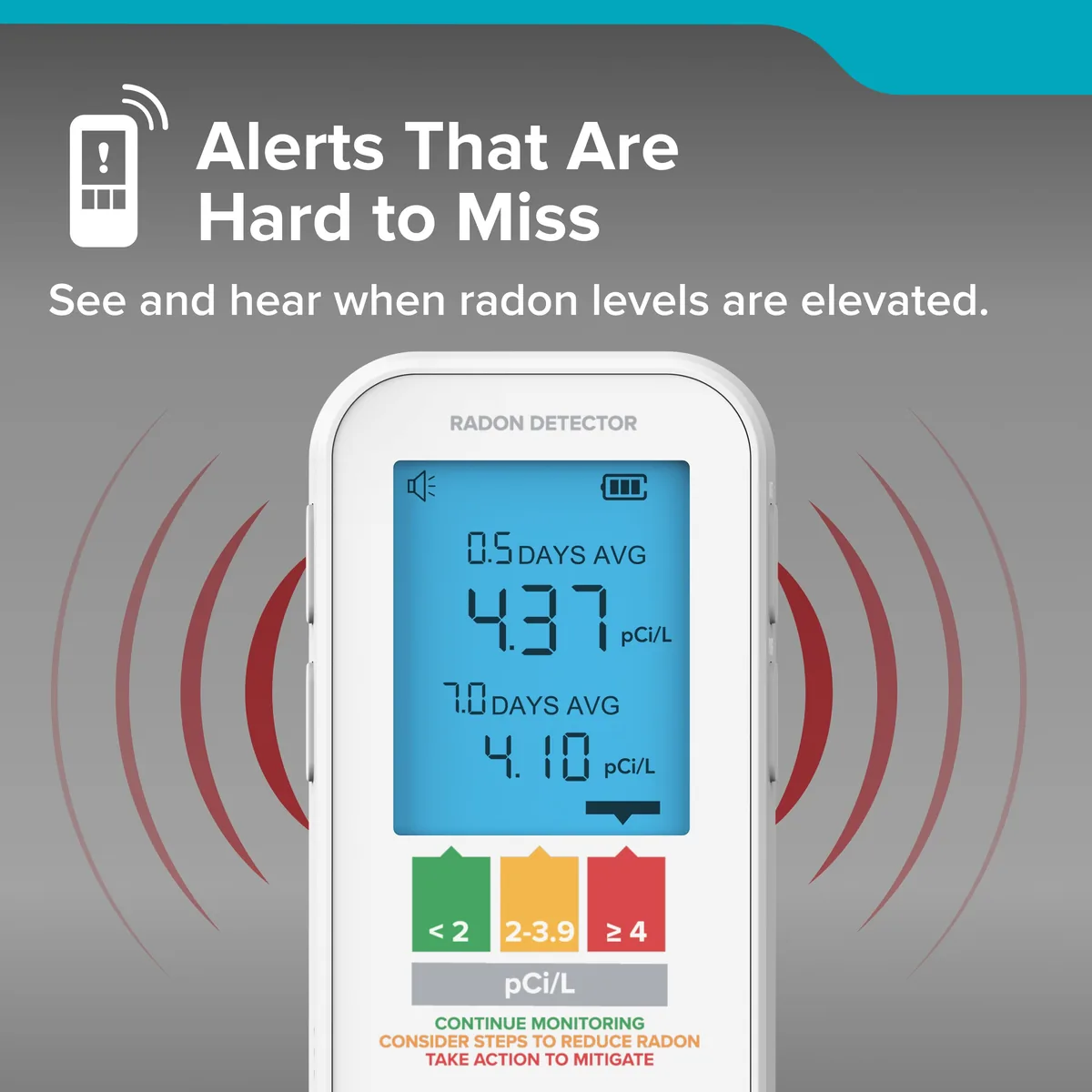

Photos: Kidde
 (opens in a new tab)Check price on Amazon (opens in a new tab)
As an Amazon Associate, Radon411 earns from qualifying purchases.
Amazon and the Amazon logo are trademarks of Amazon.com, Inc. or its affiliates.
See ratings and reviews on Amazon (opens in a new tab)As Kidde states it
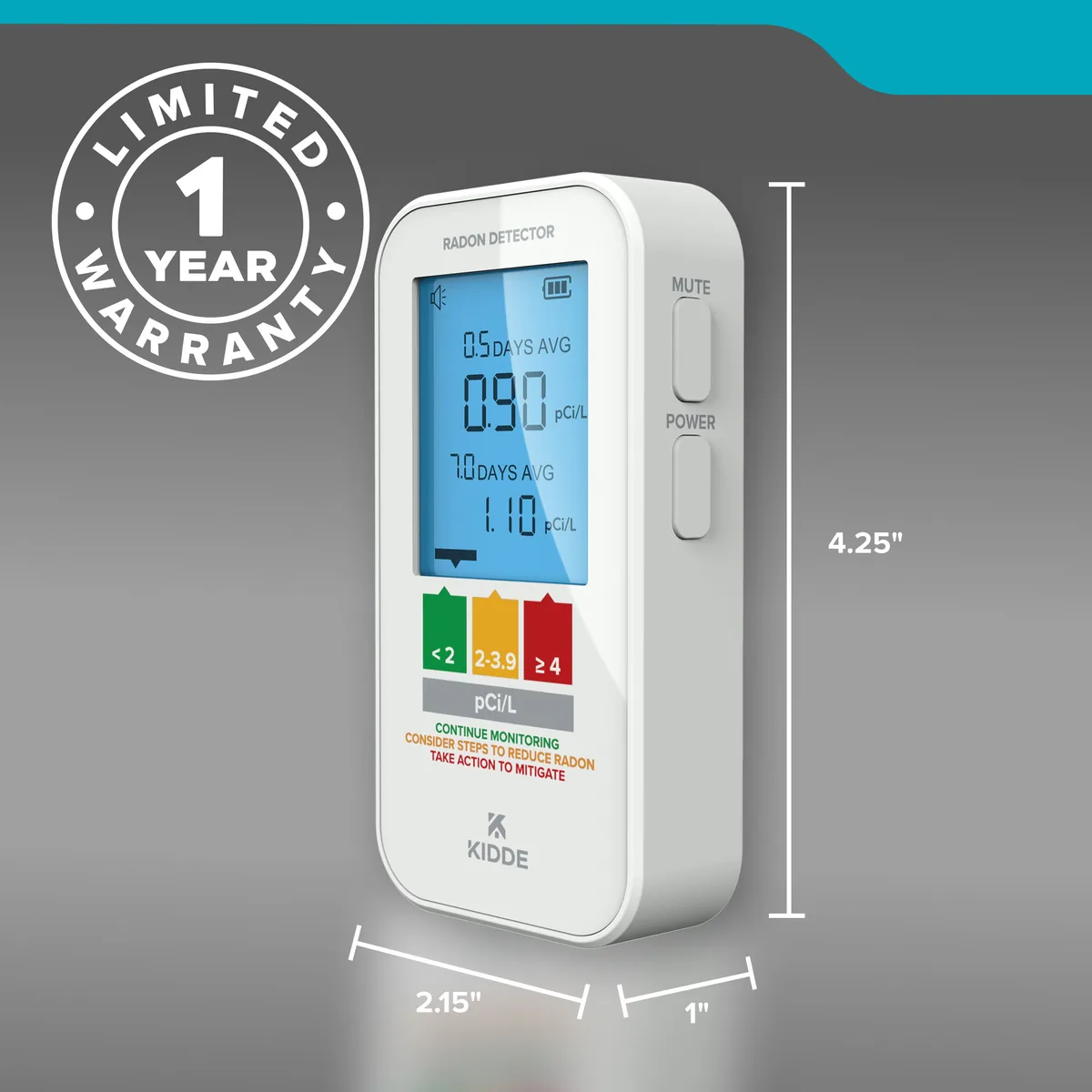
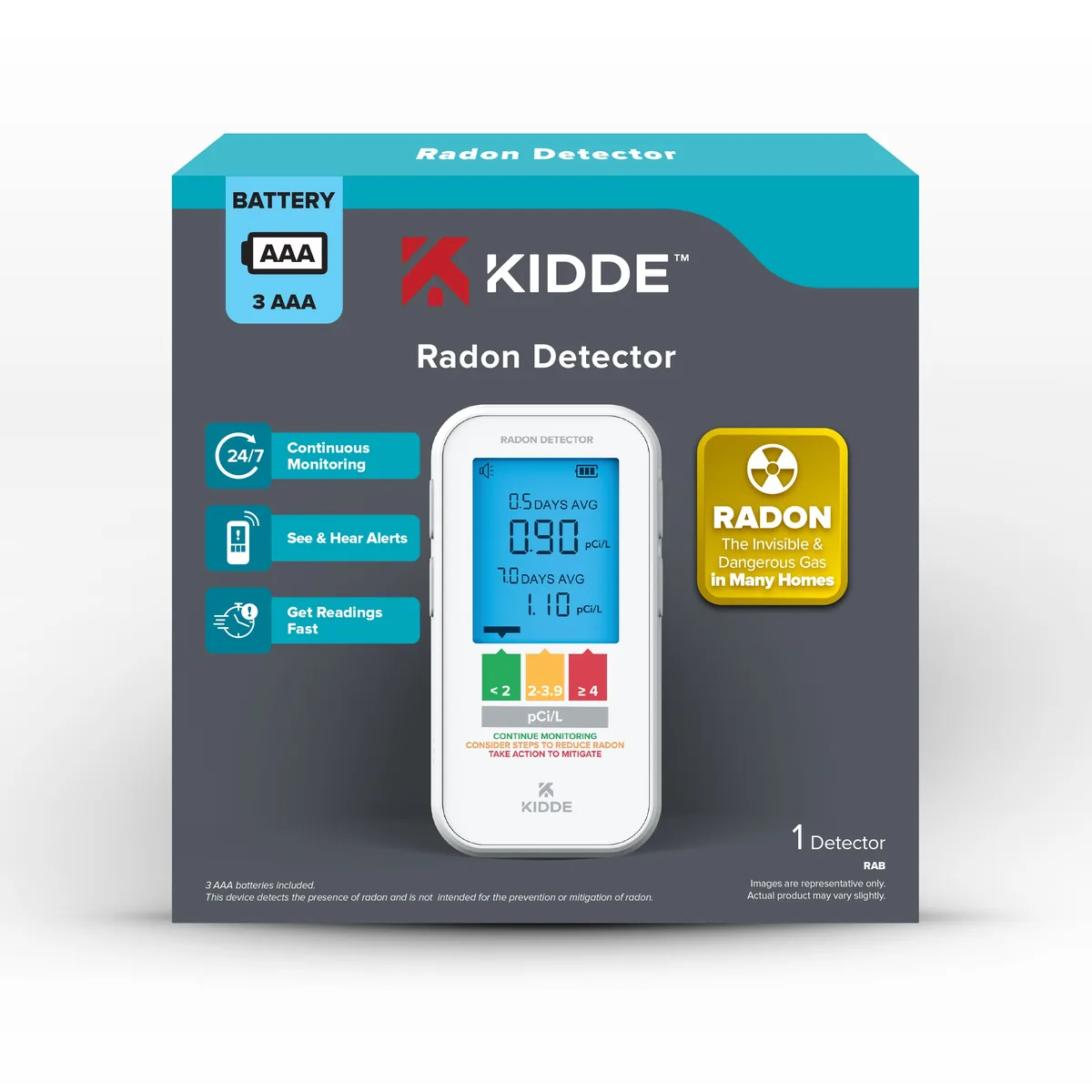
The Kidde RAB is a battery-powered radon detector from Kidde's DETECT series: a semiconductor radon sensor, an LCD screen with averages up to 7 days, and a buzzer that sounds when the average passes 4 pCi/L. It runs on three AAA batteries, has no app, and was not included in C-NRPP's 2024/25 evaluation.
The detector comes with three AAA batteries included, and Kidde's data sheet lists a 1-year limited warranty. It measures 4.2 by 2.1 by 0.9 inches and weighs 0.27 lb. Kidde's data sheet lists UPC 047871343195 among its ordering codes, which helps match the right product on a shelf.
In the box and running costsHow it works
The sensor, the sampling and the readings, then who has checked it
In our words, from the maker's documents
Kidde's user guide describes the RAB as a portable radon concentration monitor that tracks the alpha radiation formed as radon decays, using a semiconductor radon sensor. Air reaches the sensor through vents on the sides of the case, which Kidde says let radon diffuse in quickly. There is no pump and no fan.
It takes time to give a number. The screen shows the first reading after 12 hours, with a countdown to that first update, and the reading then updates every 60 minutes. Kidde gives the time to a reliable reading as 12 hours above 6.4 pCi/L, 24 hours between 4.2 and 6.4 pCi/L, and 48 hours below 4.2 pCi/L, so at the levels most homes see, the first two days are a warm-up.
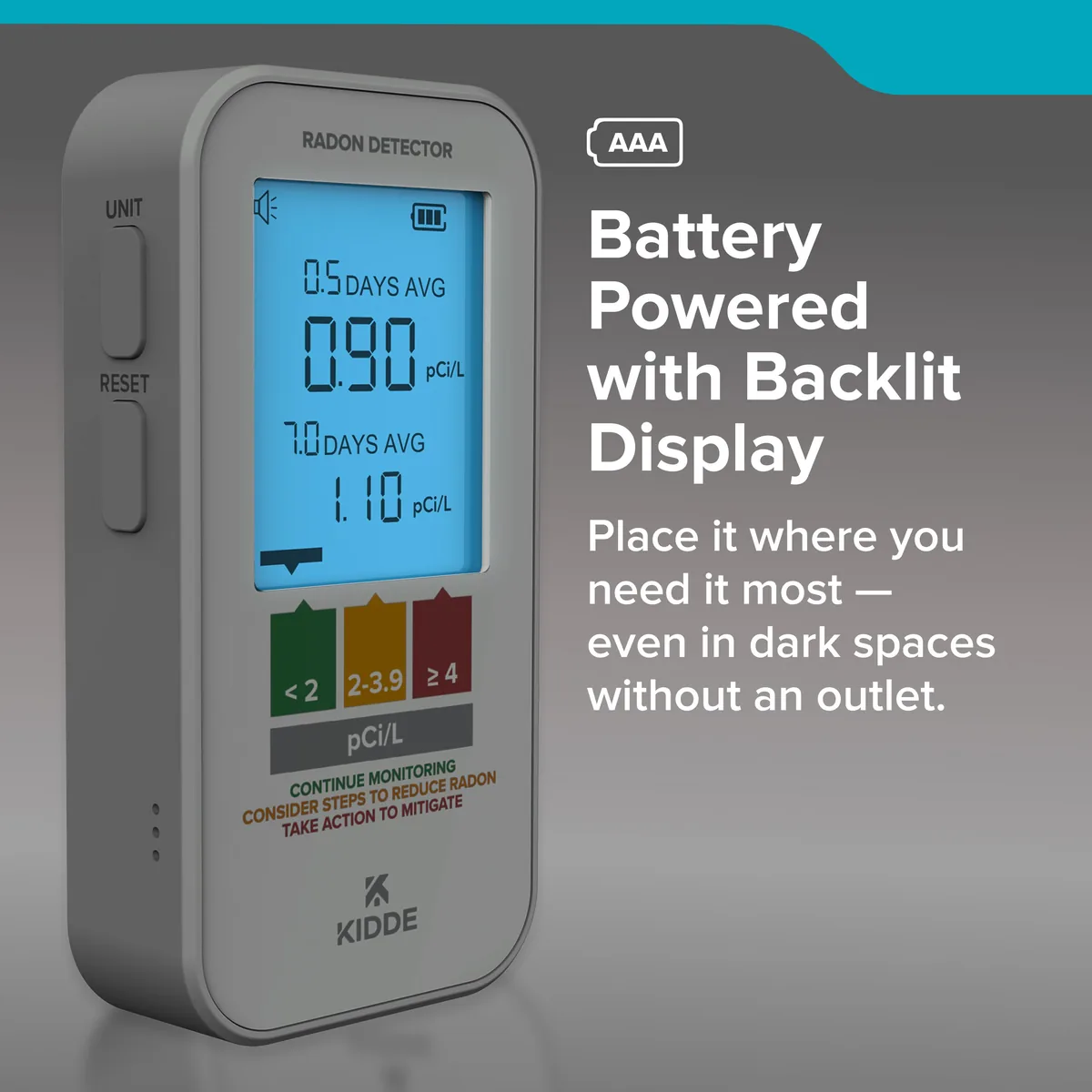
The screen is built around averages. After 12 hours, a short press of the Reset button steps through the averages for the past half day, 1 day, 3 days and 7 days; once it has run for a week, the display cycles through the 1-day, 3-day and 7-day averages every 10 seconds. Kidde also lists an accumulated average among the values it records.
Kidde lists a measurement range of 0.09 to 1,000 pCi/L, and the screen shows pCi/L by default, with a Unit button to switch to Bq/m³. Its data sheet prints the EPA's three bands beside the readings: below 2.0 pCi/L, continue monitoring; 2.0 to 3.9, consider steps to reduce radon; 4.0 or higher, take action to mitigate.
Kidde's guide adds a caution worth knowing for any detector of this kind: at low radon levels the random nature of radon decay means counts vary and two units can differ slightly, so it recommends using an average over 7 days or more. After a high reading, it says residual radon decay products inside the device can take from 24 hours to 3.8 days to decay, so allow 24 to 48 hours after moving it before trusting the number.
Kidde's own statements, attributed
These are Kidde's own statements, attributed to it. They are not our findings, and we have not tested this product ourselves.
C-NRPP 2024/25, recalls and studies
The Canadian National Radon Proficiency Program's 2024/25 comparison of consumer monitors did not include Kidde Radon Detector (RAB). That is a fact about which devices took part, not a finding about this one: no result from that program exists for it either way.
C-NRPP is the Canadian National Radon Proficiency Program. Its 2024/25 results were published in May 2025.
Kidde Radon Detector (RAB)
Check price on Amazon (opens in a new tab)Specifications
Every figure as the maker states it
The detector comes with three AAA batteries included, and Kidde's data sheet lists a 1-year limited warranty. It measures 4.2 by 2.1 by 0.9 inches and weighs 0.27 lb. Kidde's data sheet lists UPC 047871343195 among its ordering codes, which helps match the right product on a shelf.
There is no lab fee, app or subscription. The running cost is batteries: three AAA cells, which Kidde says last at least a year in normal conditions. Kidde names Energizer E92 as the replacement, warns against lithium cells and against mixing old and new or different types, and suggests replacing them at least once a year.
Fit and setup
The fit, then setup and placement as the guidance asks
Good fit if, and look elsewhere if
Good fit if
Look elsewhere if
4 steps
How C-NRPP says to use any consumer monitor
For where any radon test or monitor should sit in a home, see where to place a radon test.
Compare
The same three rows for each, and the one difference that matters
This page
Kidde Radon Detector (RAB)
This page: The Kidde RAB is a battery-powered radon detector from Kidde's DETECT series: a semiconductor radon sensor, an LCD screen with averages up to 7 days, and a buzzer that sounds when the average passes 4 pCi/L.
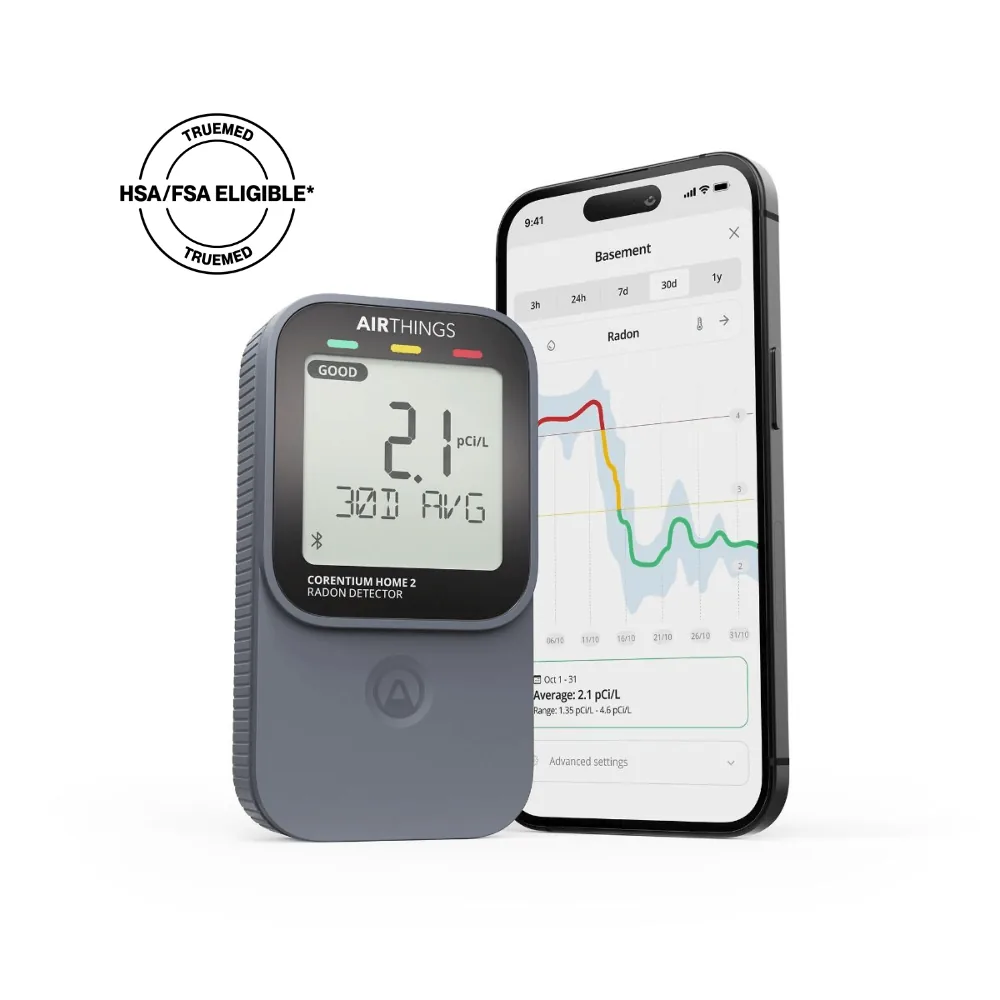
Airthings
The difference: Also battery-powered with a screen, but counts radon by alpha spectrometry, adds Bluetooth and the Airthings app, and runs on two AA batteries.
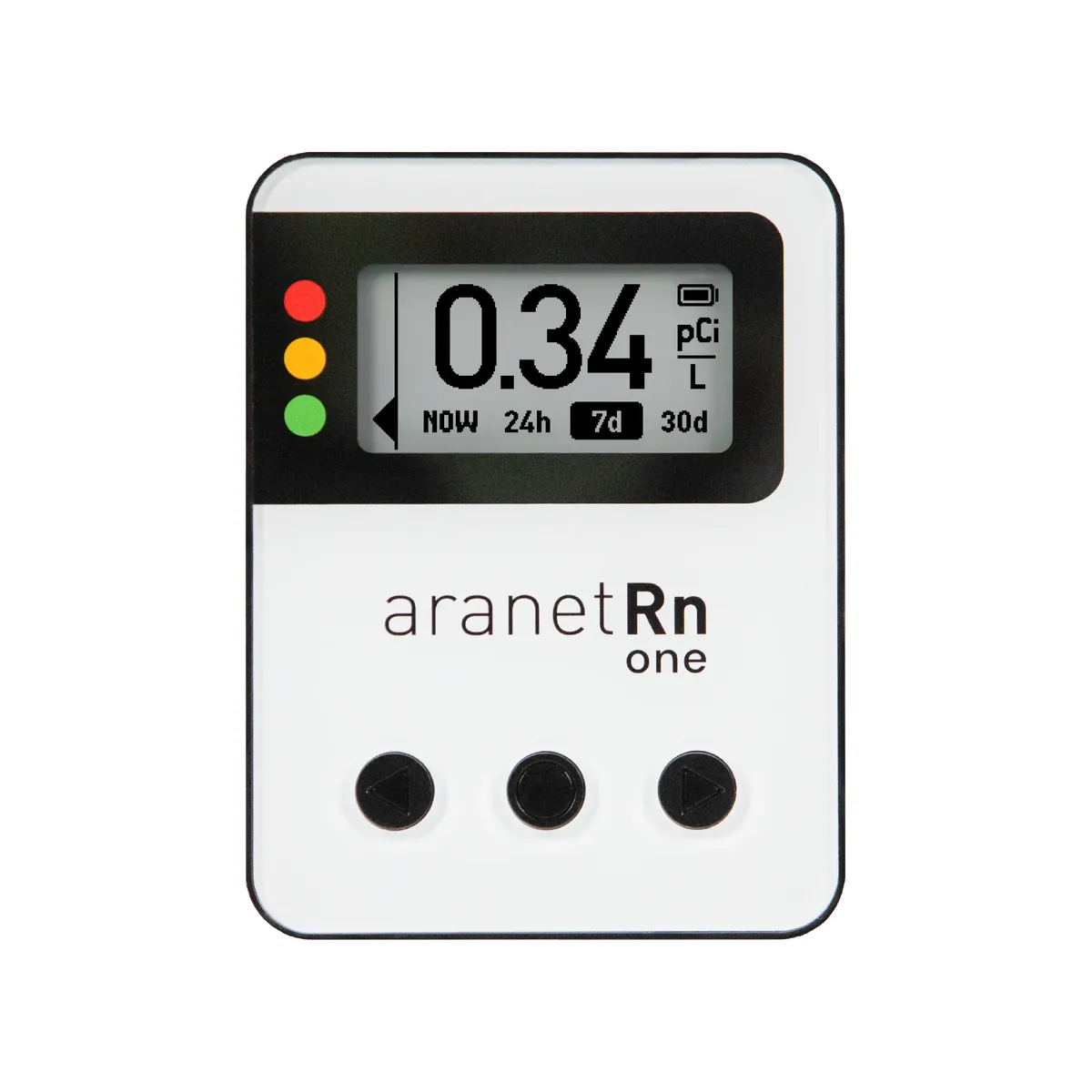
Aranet
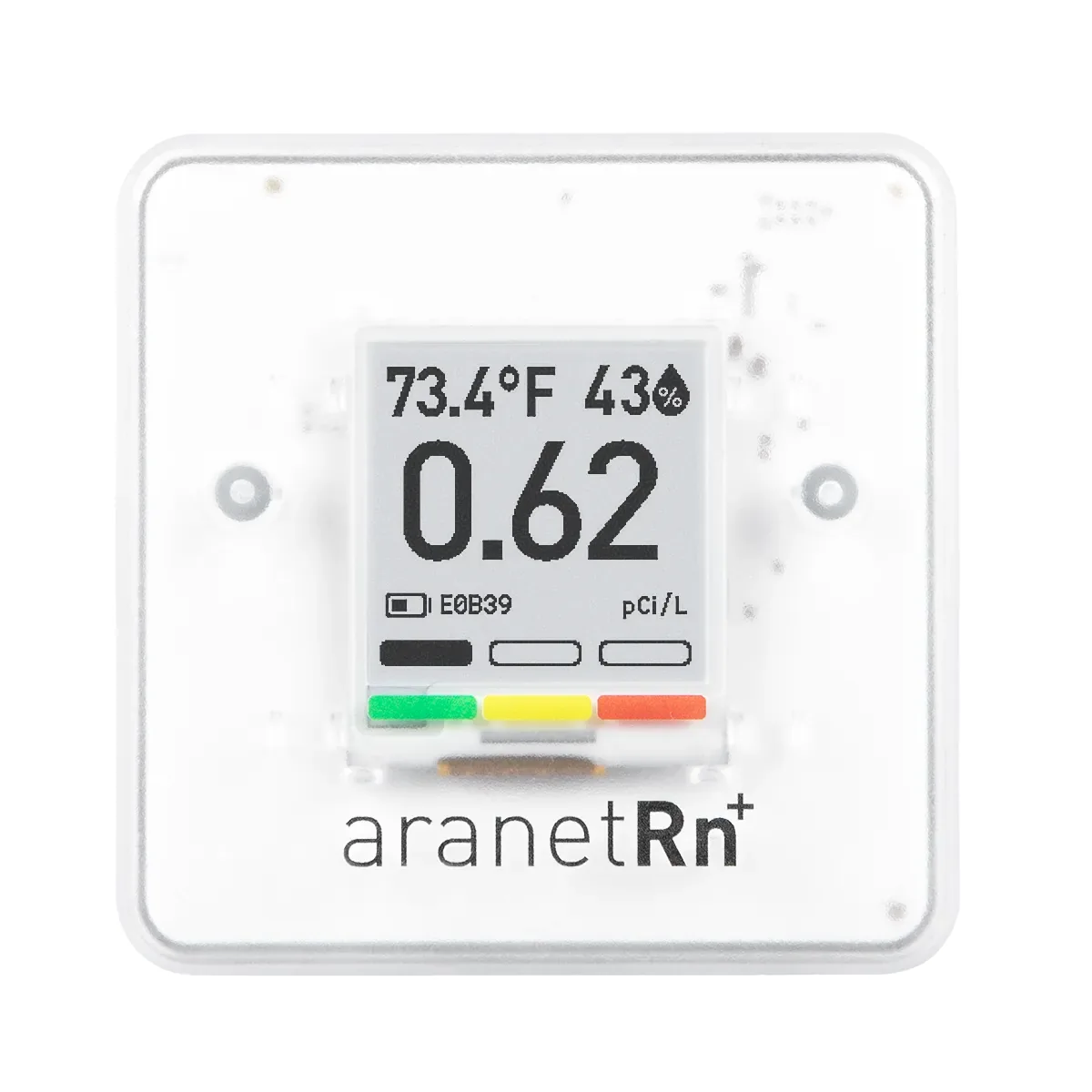
The difference: Battery-powered with an E-Ink screen and Bluetooth app; first reading after 10 minutes from an ionization chamber.
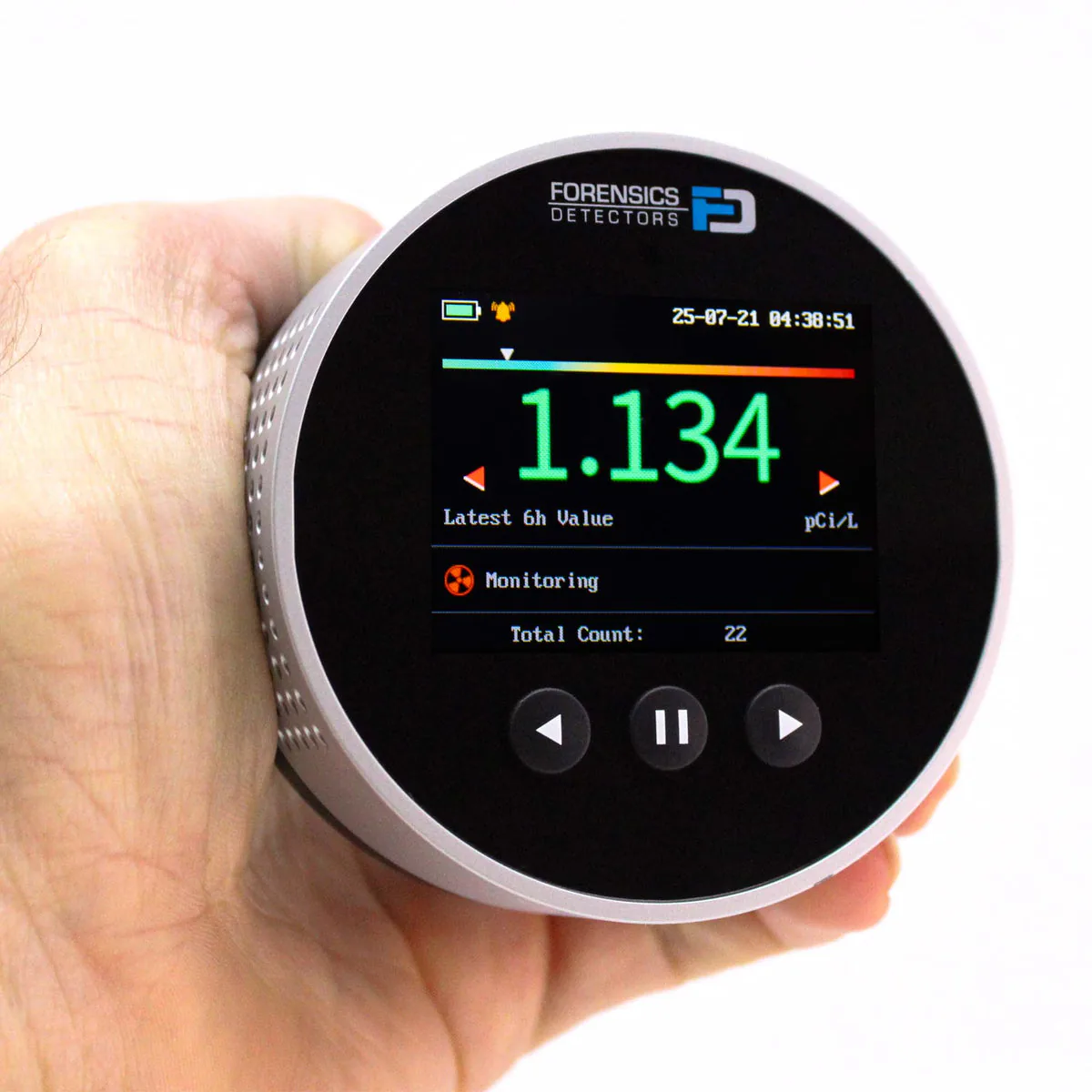
Forensics Detectors
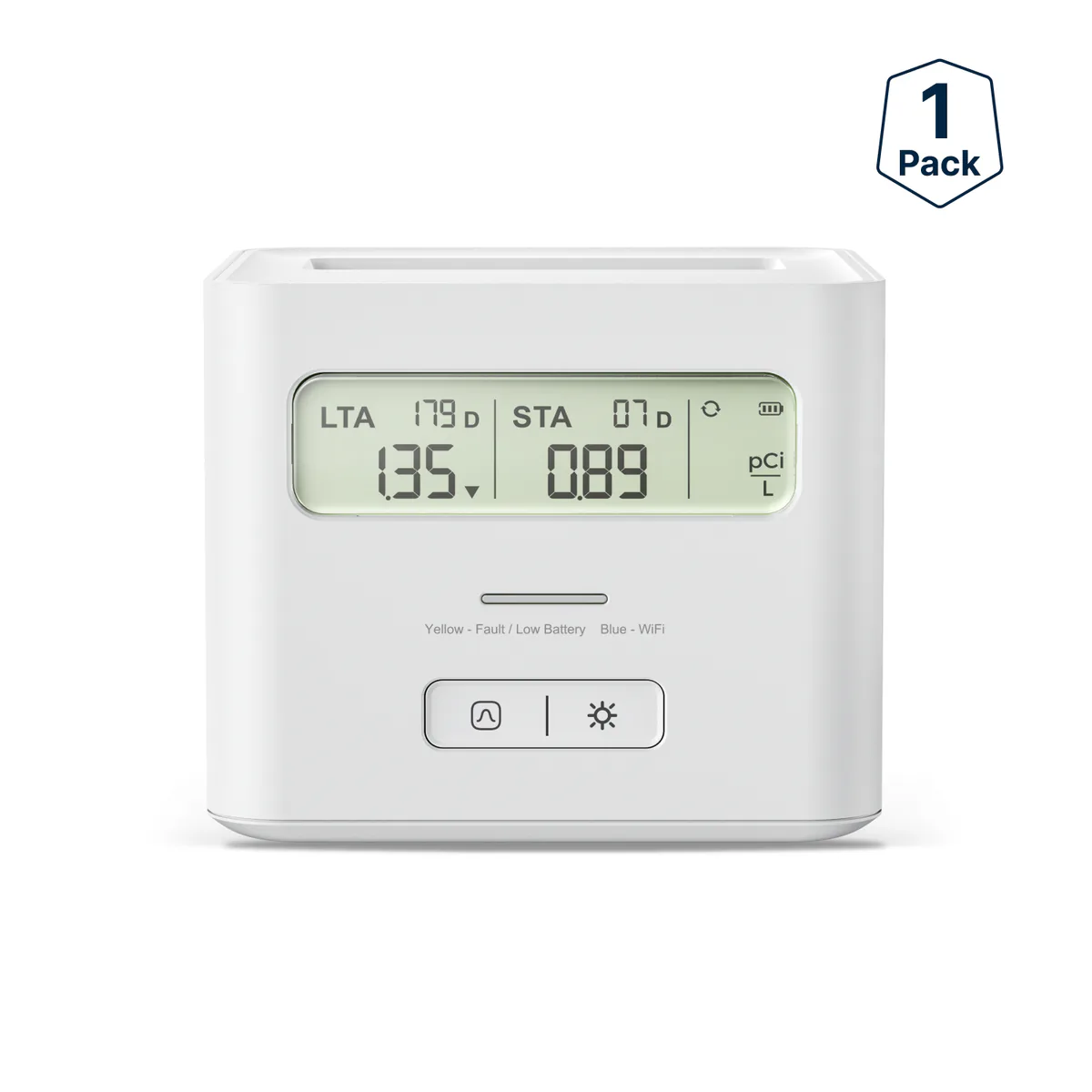
The difference: The same kind of semiconductor sensor, 0.09 to 1,000 pCi/L range and hourly 20-second alarm, but a built-in lithium-ion battery charged over USB-C, a color screen and a first reading after 6 hours.
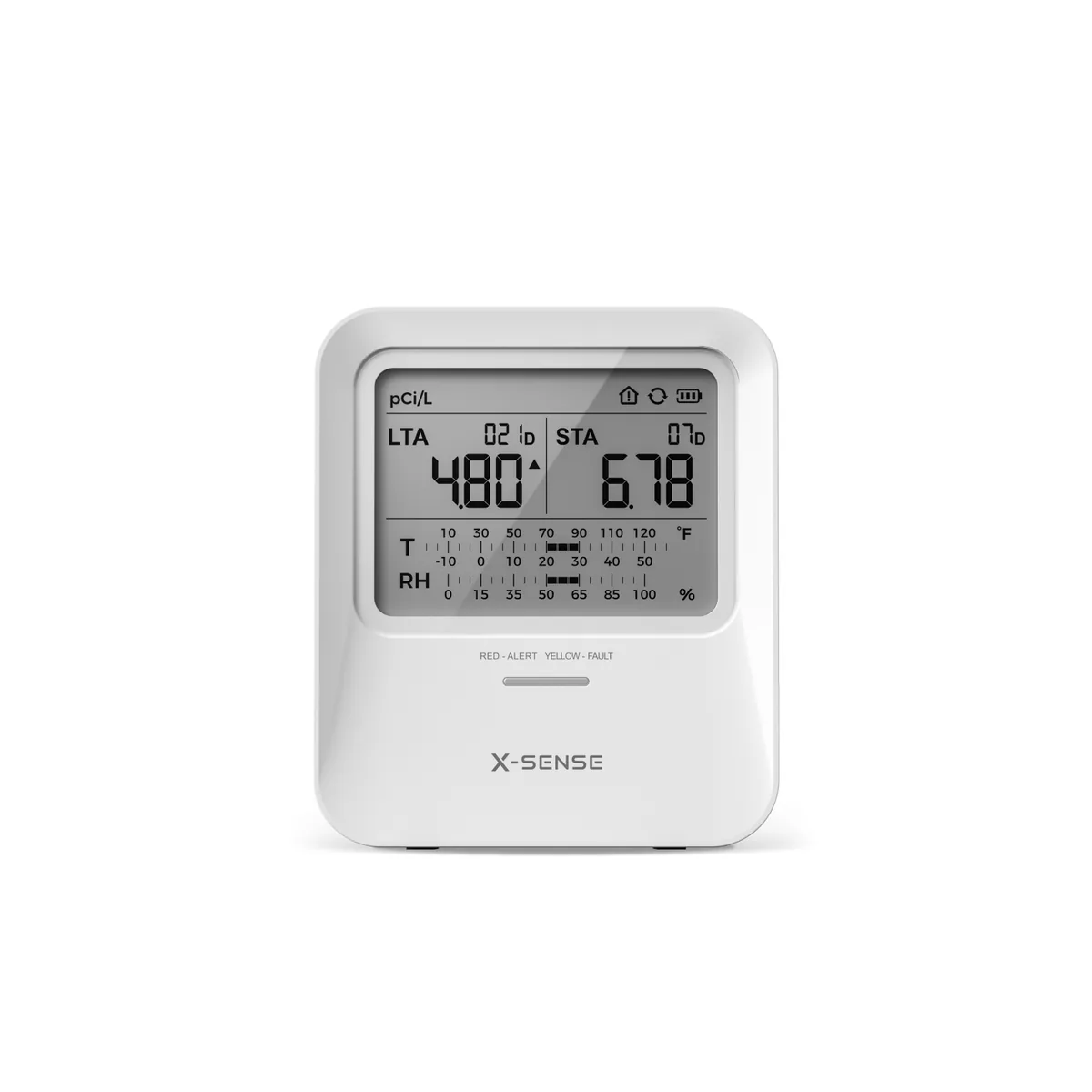
X-Sense
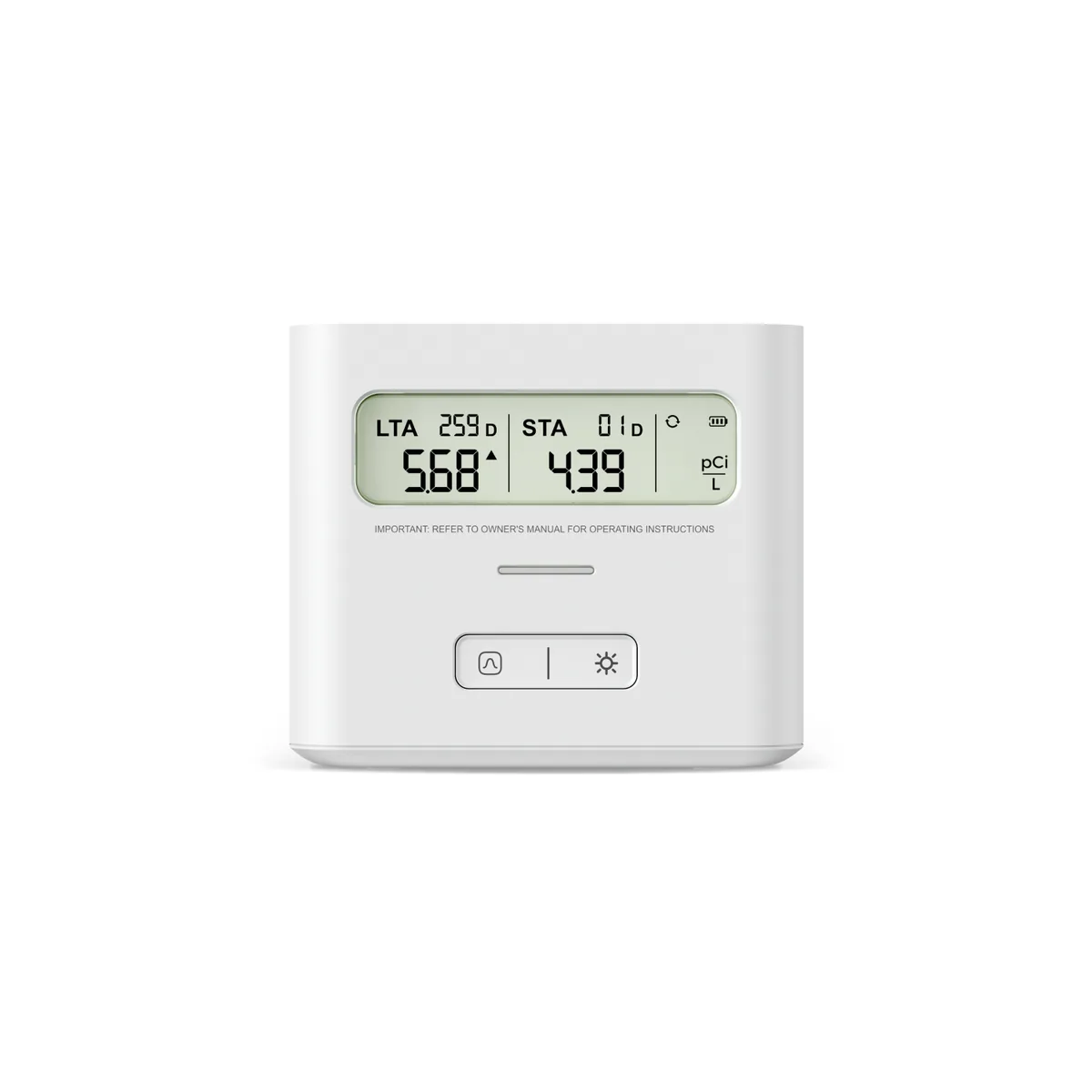
The difference: Another battery detector with an alarm, counting by alpha spectrometry with its first reading within 4 to 24 hours; also not included in C-NRPP's 2024/25 evaluation.
Compared with similar products: 1 of 5
MonitorAEGTEST
Method: Semiconductor sensor
First reading: Within 6 hours
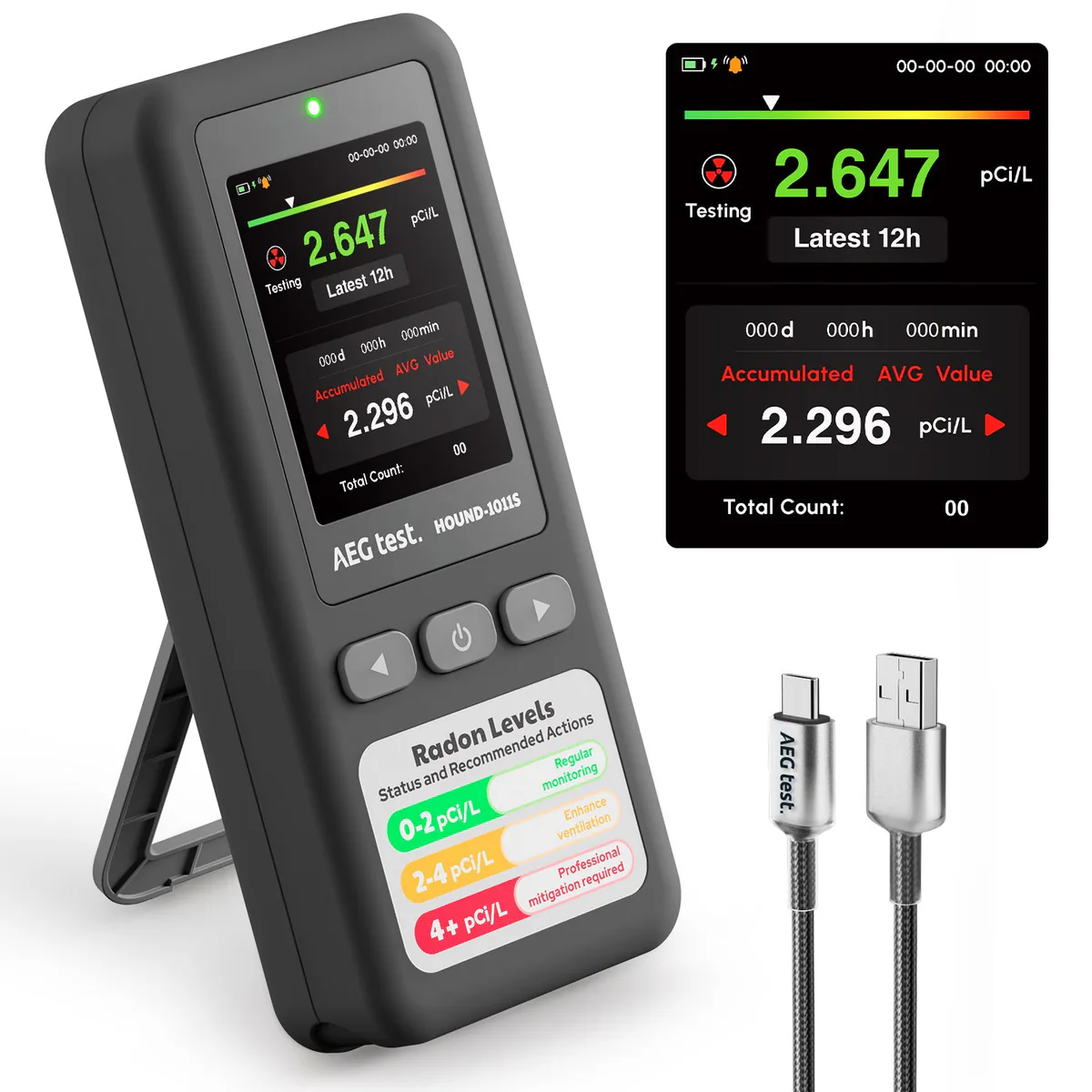
MonitorAEGTEST
Method: Semiconductor sensor
First reading: Within 12 hours
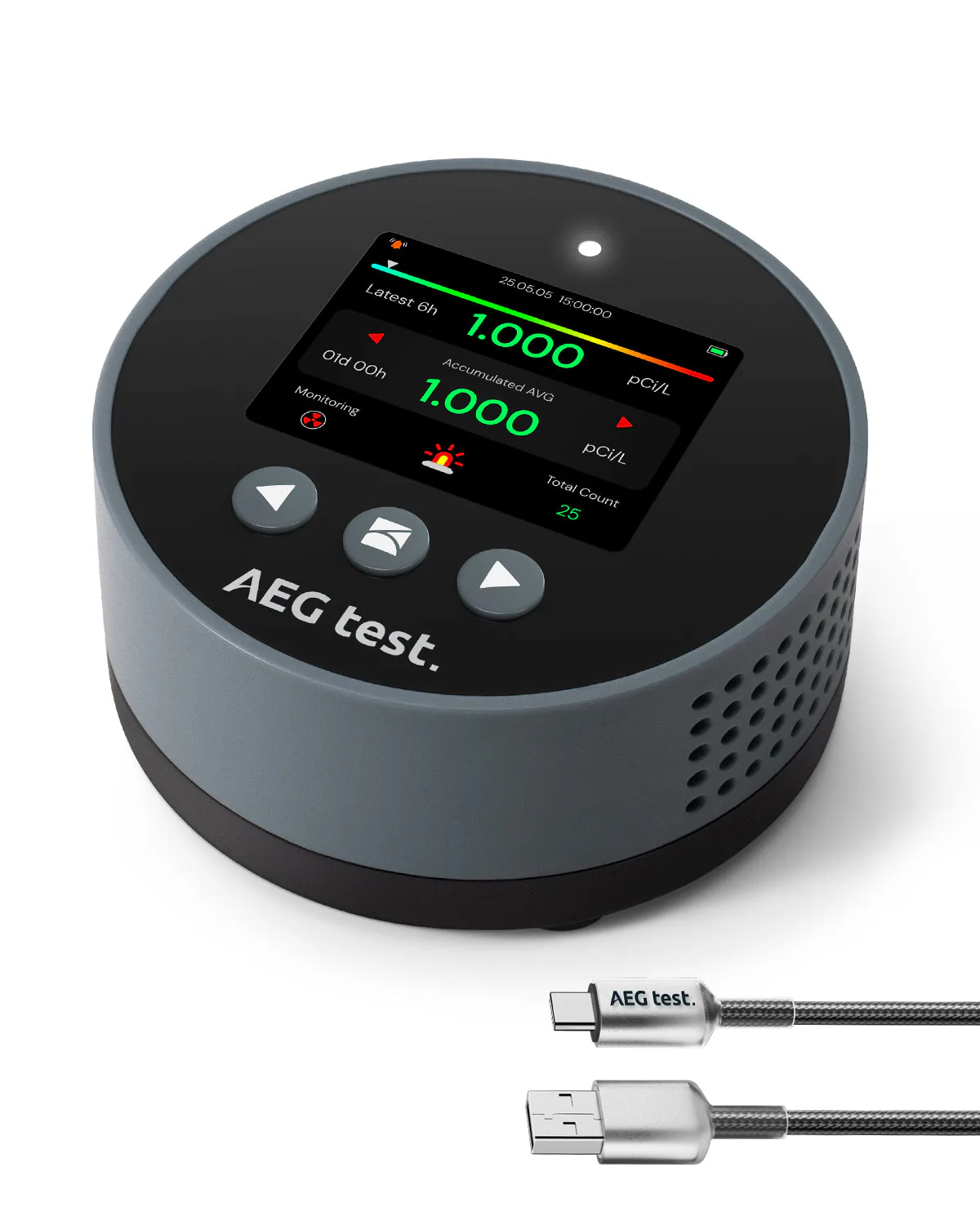
MonitorAEGTEST
Method: Semiconductor sensor
First reading: Within 6 hours
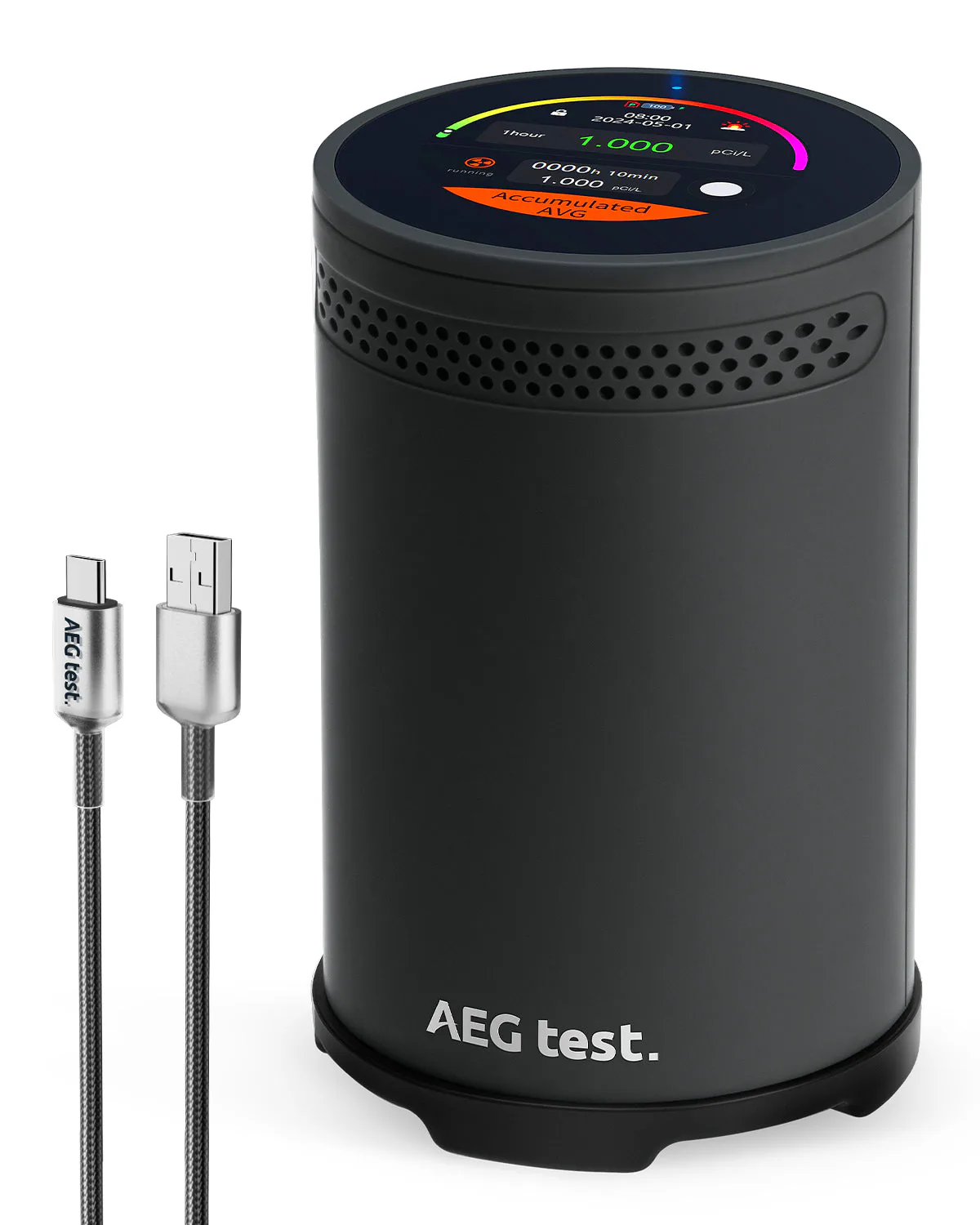
MonitorAEGTEST
First reading: Within 1 hour
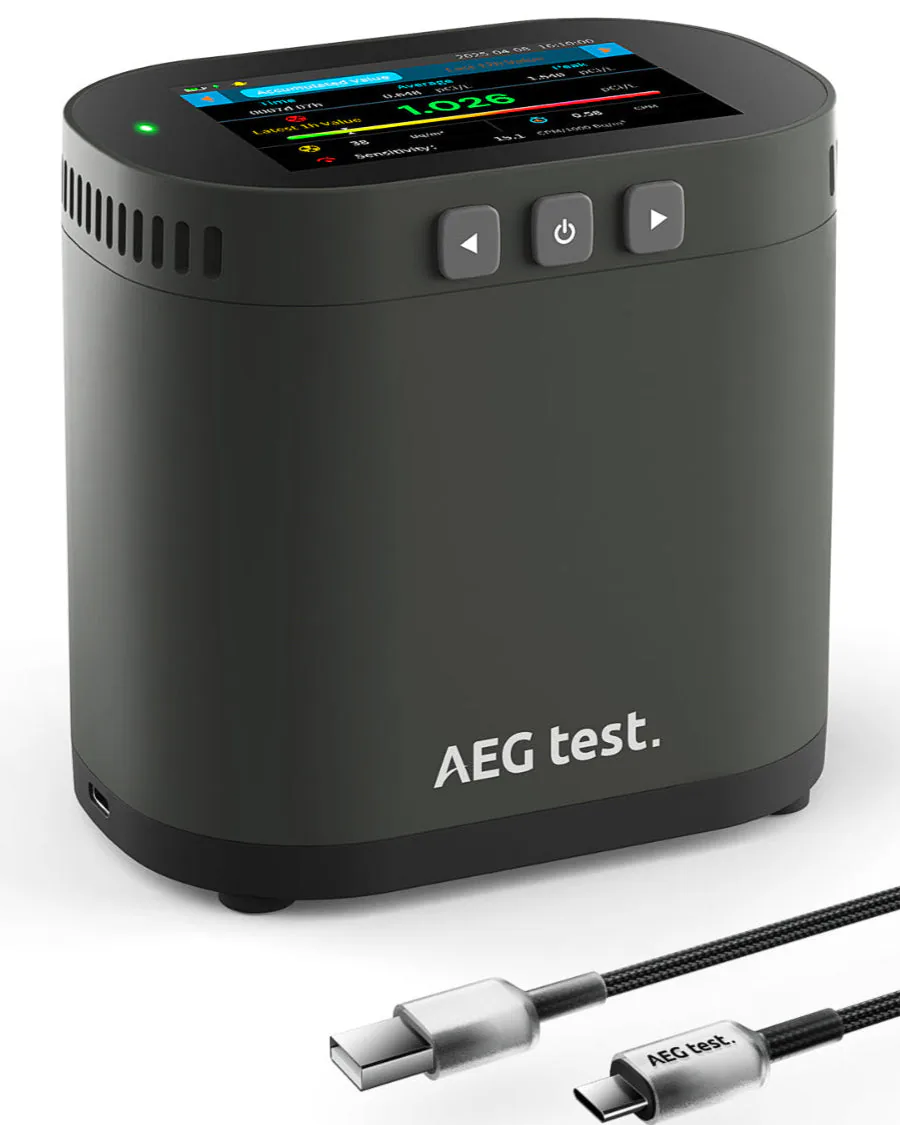
MonitorAEGTEST
Method: Ion chamber
First reading: Within 10 minutes
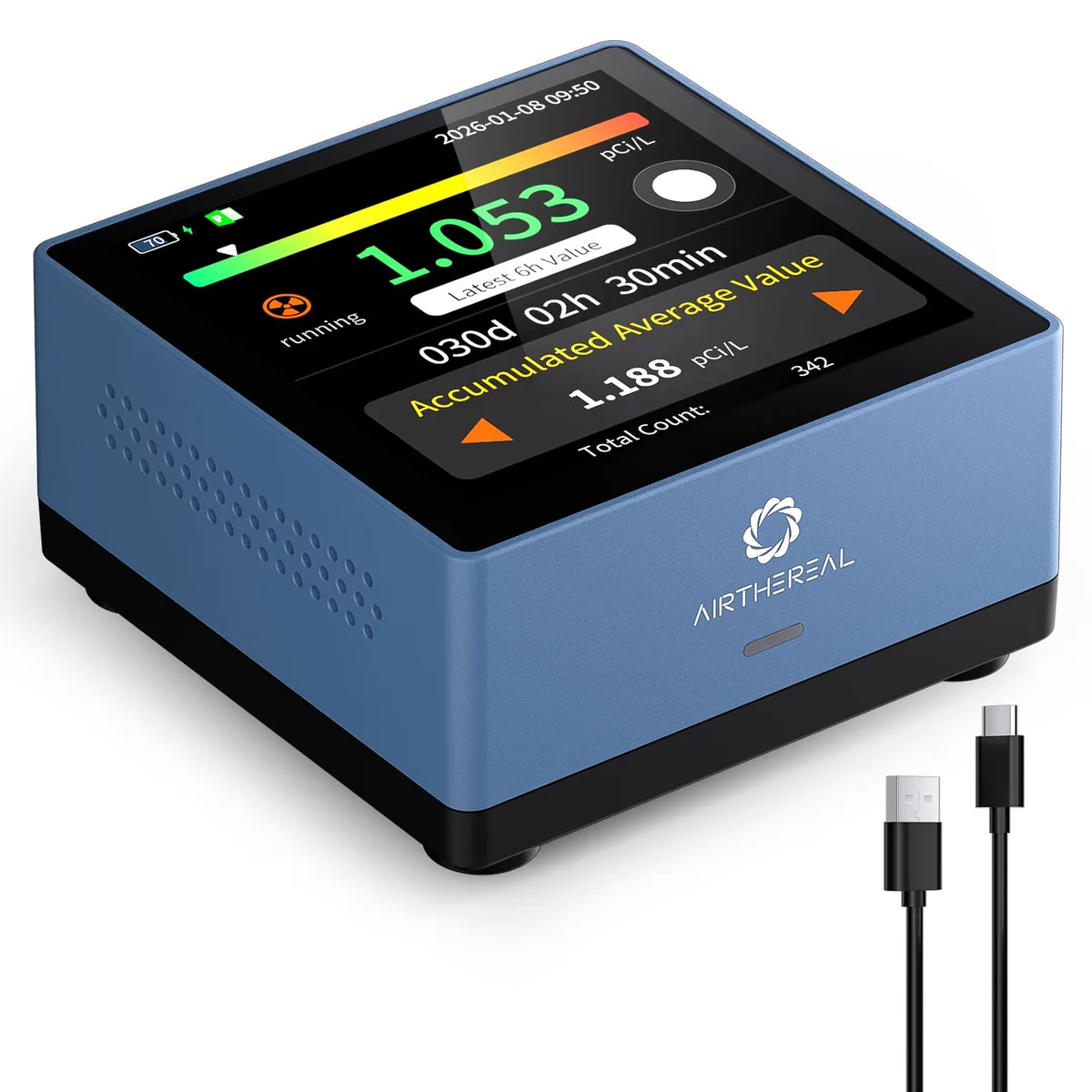
Monitor
Method: Semiconductor sensor
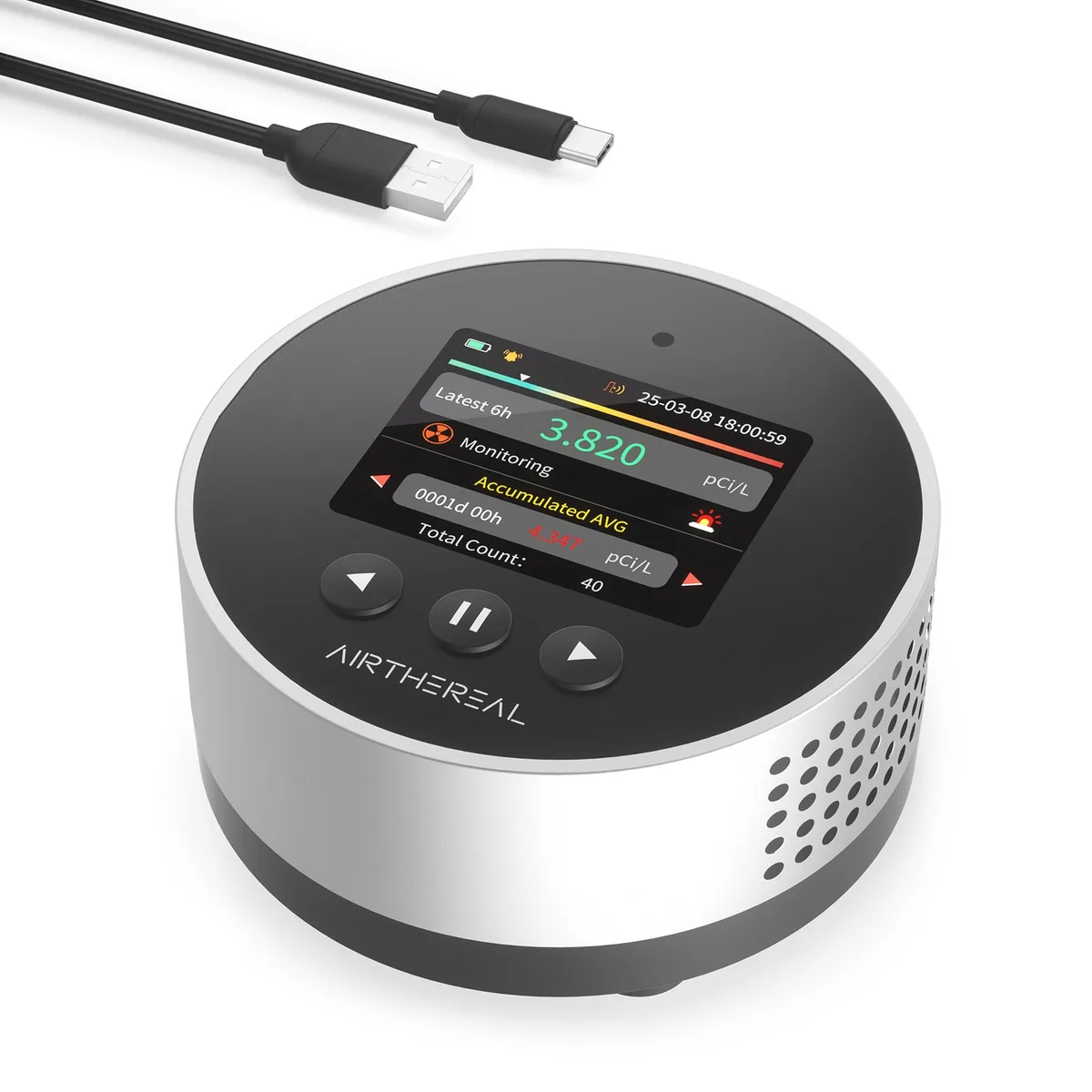
Monitor
Method: Semiconductor sensor
First reading: Within 6 hours
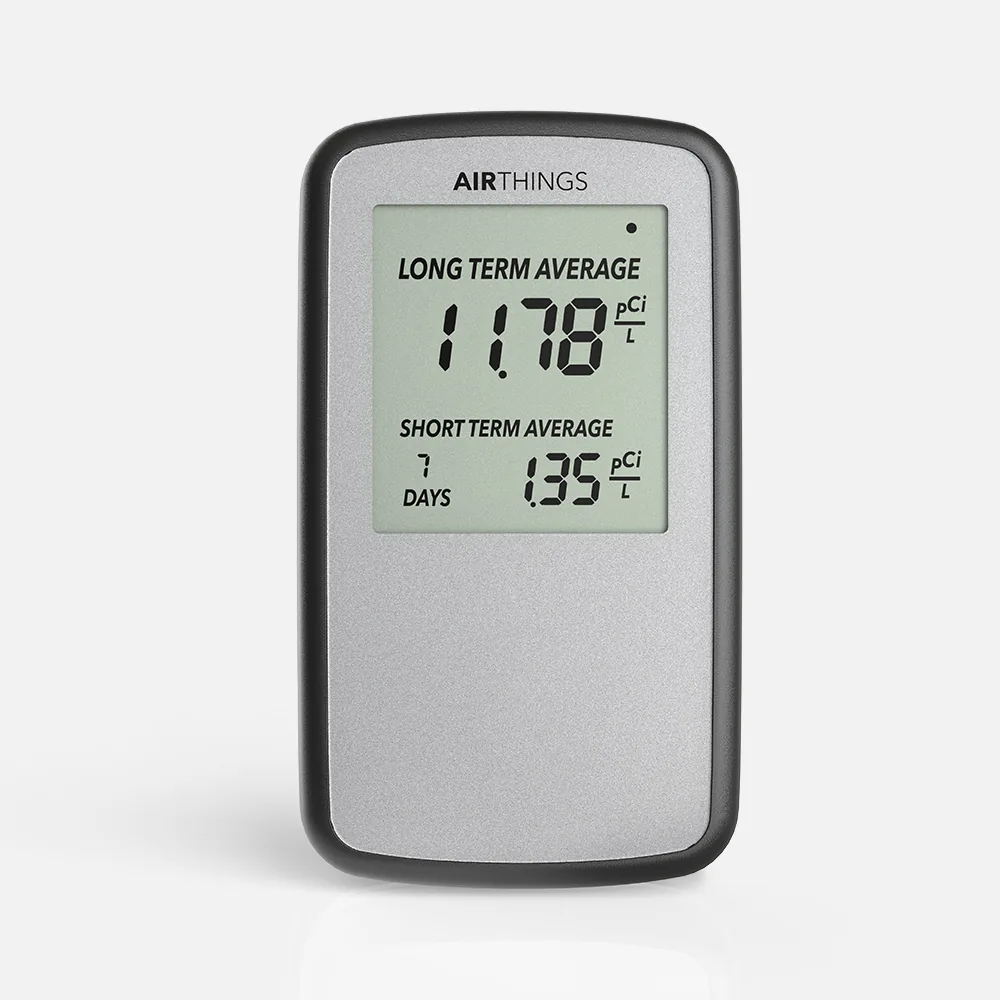
Monitor
Method: Alpha spectrometry
Monitor
Method: Alpha spectrometry
Readings: Every 60 minutes
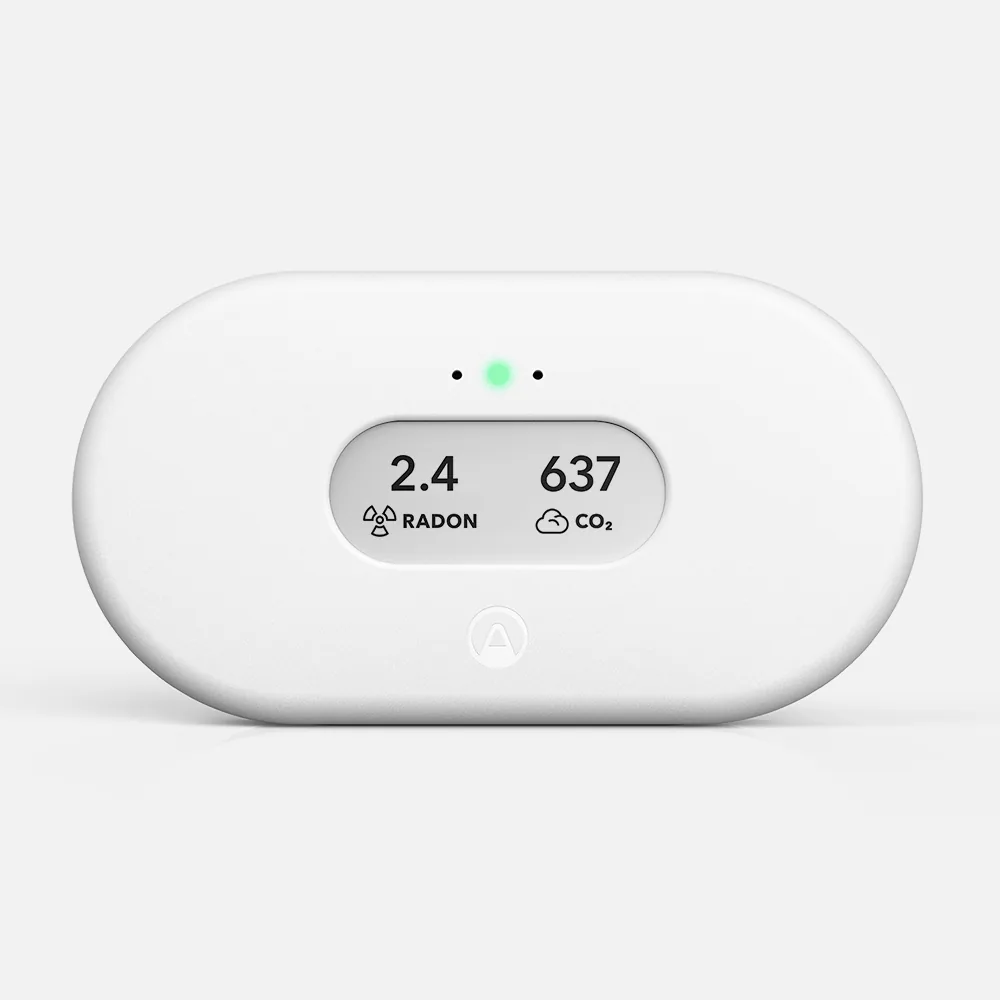
Monitor
Method: Alpha spectrometry
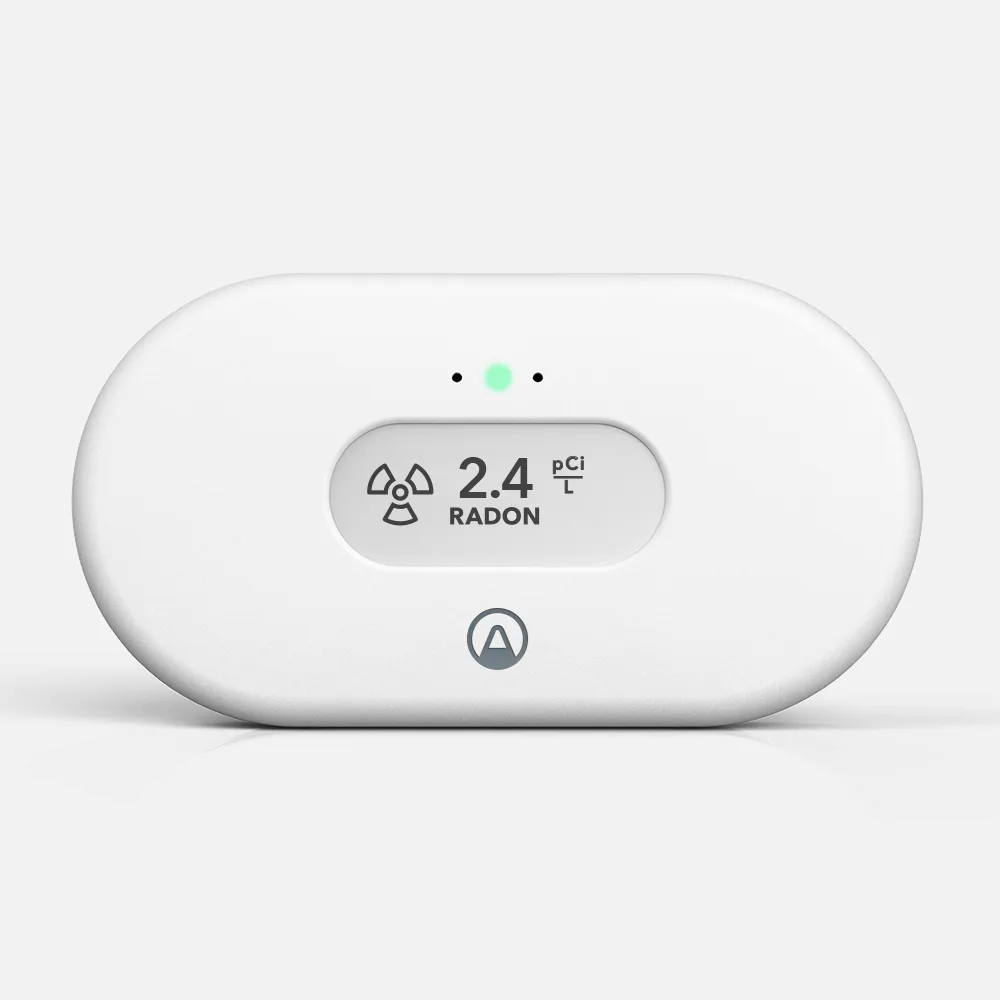
Monitor
Method: Alpha spectrometry
Readings: Every 60 minutes
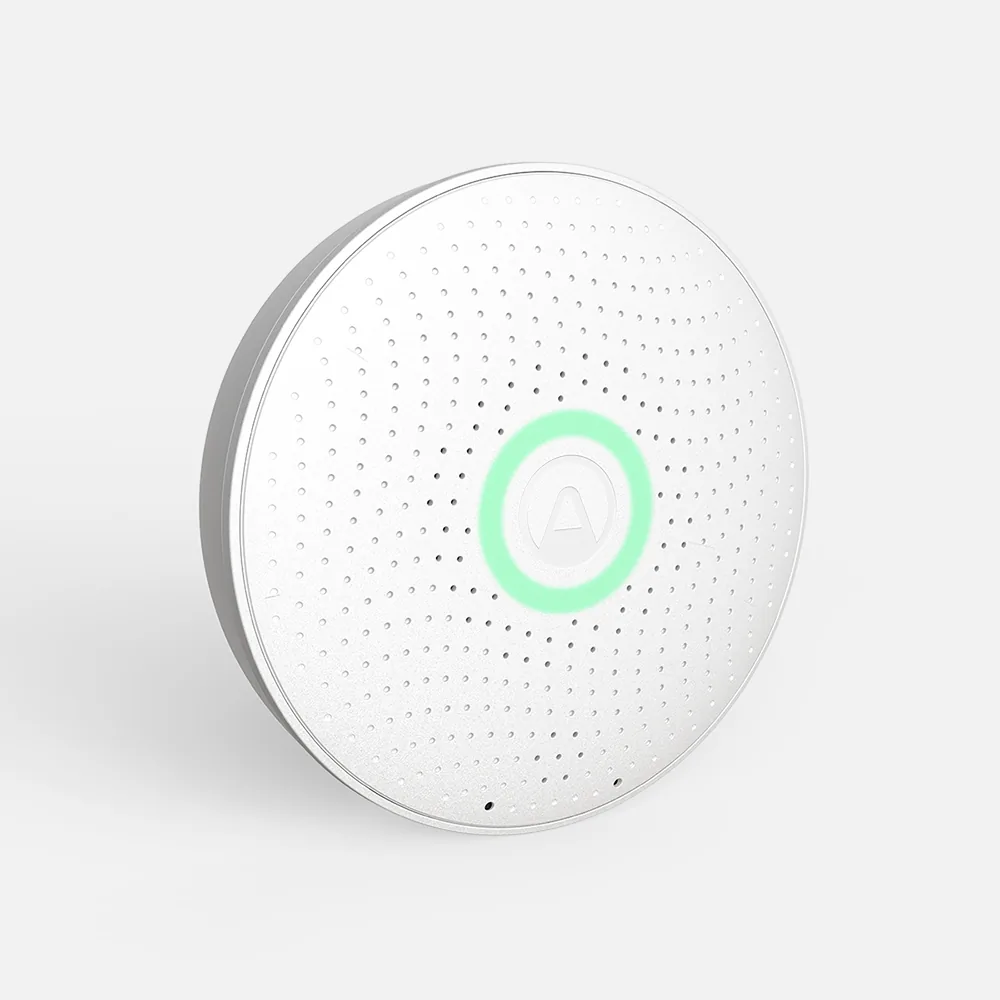
Monitor
Method: Alpha spectrometry
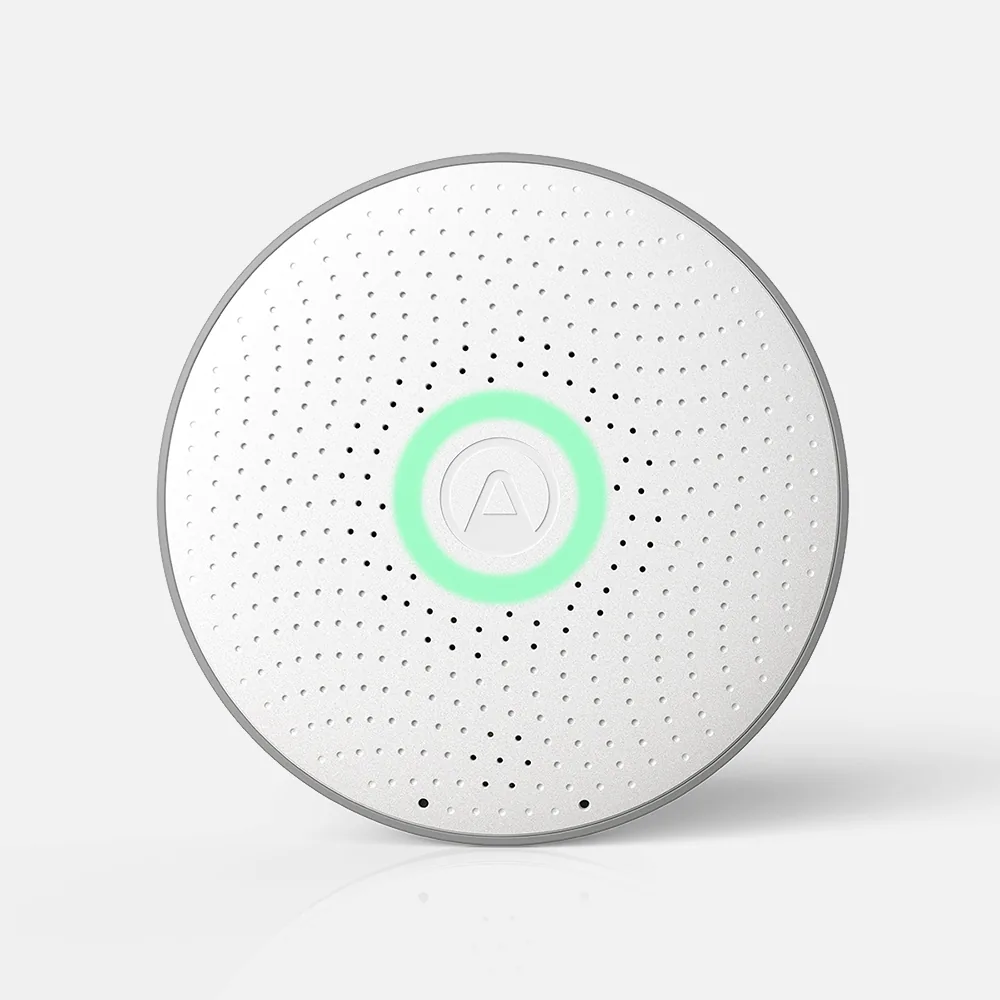
Monitor
Method: Alpha spectrometry
MonitorAranet
Method: Ion chamber
First reading: Within 10 minutes
MonitorAranet
Method: Ion chamber
First reading: Within 10 minutes
Monitor
Method: Ion chamber
First reading: Within 10 minutes
Monitor
Method: Ion chamber
First reading: Within 10 minutes
Monitor
Method: Ion chamber
First reading: Within 15 minutes
Monitor
Method: Ion chamber
First reading: Within 10 minutes
MonitorForensics Detectors
Method: Semiconductor sensor
First reading: Within 6 hours
Monitor
First reading: Within 5 minutes
Monitor
First reading: Within 5 minutes
Monitor
First reading: Within 5 minutes
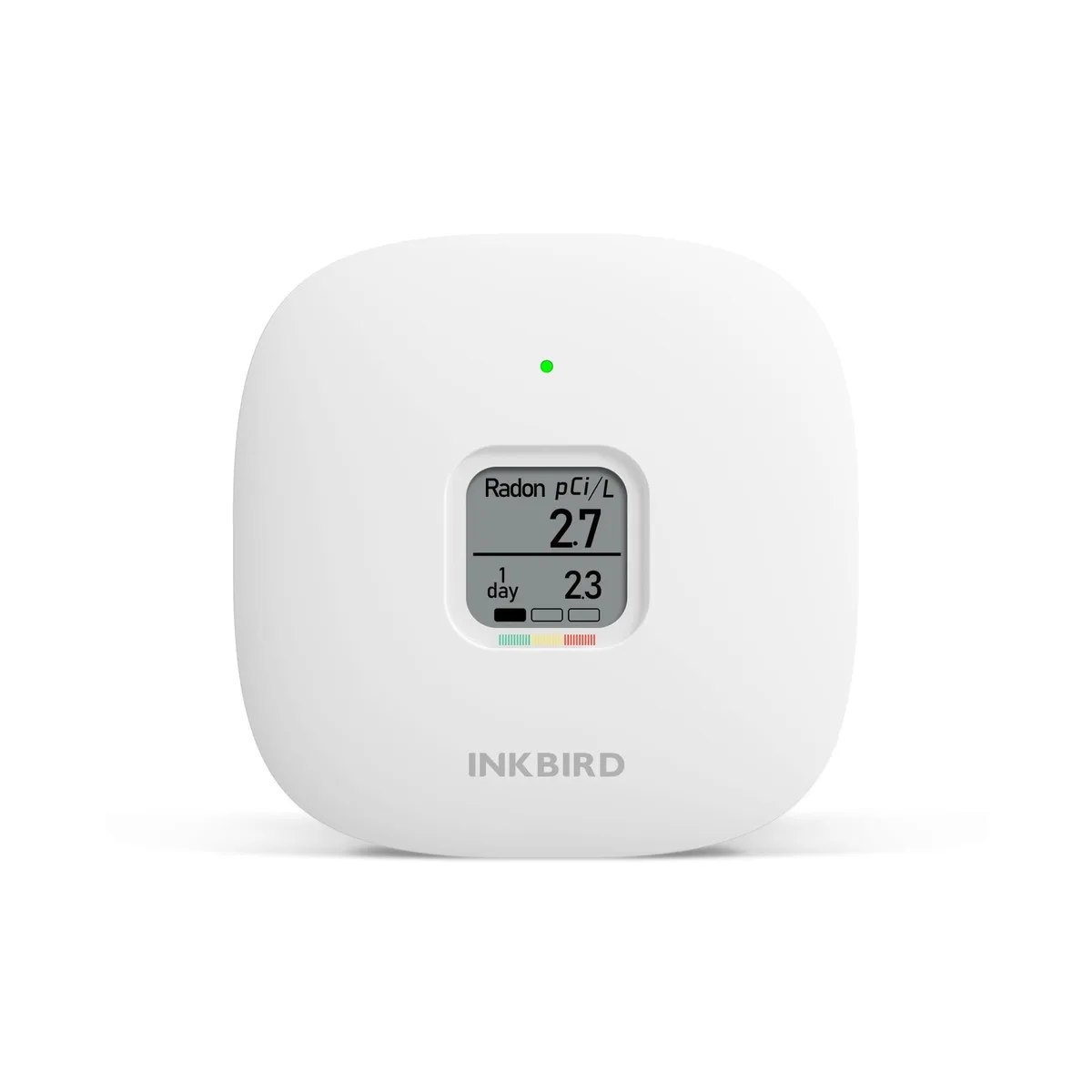
MonitorINKBIRD
First reading: Within 24 hours
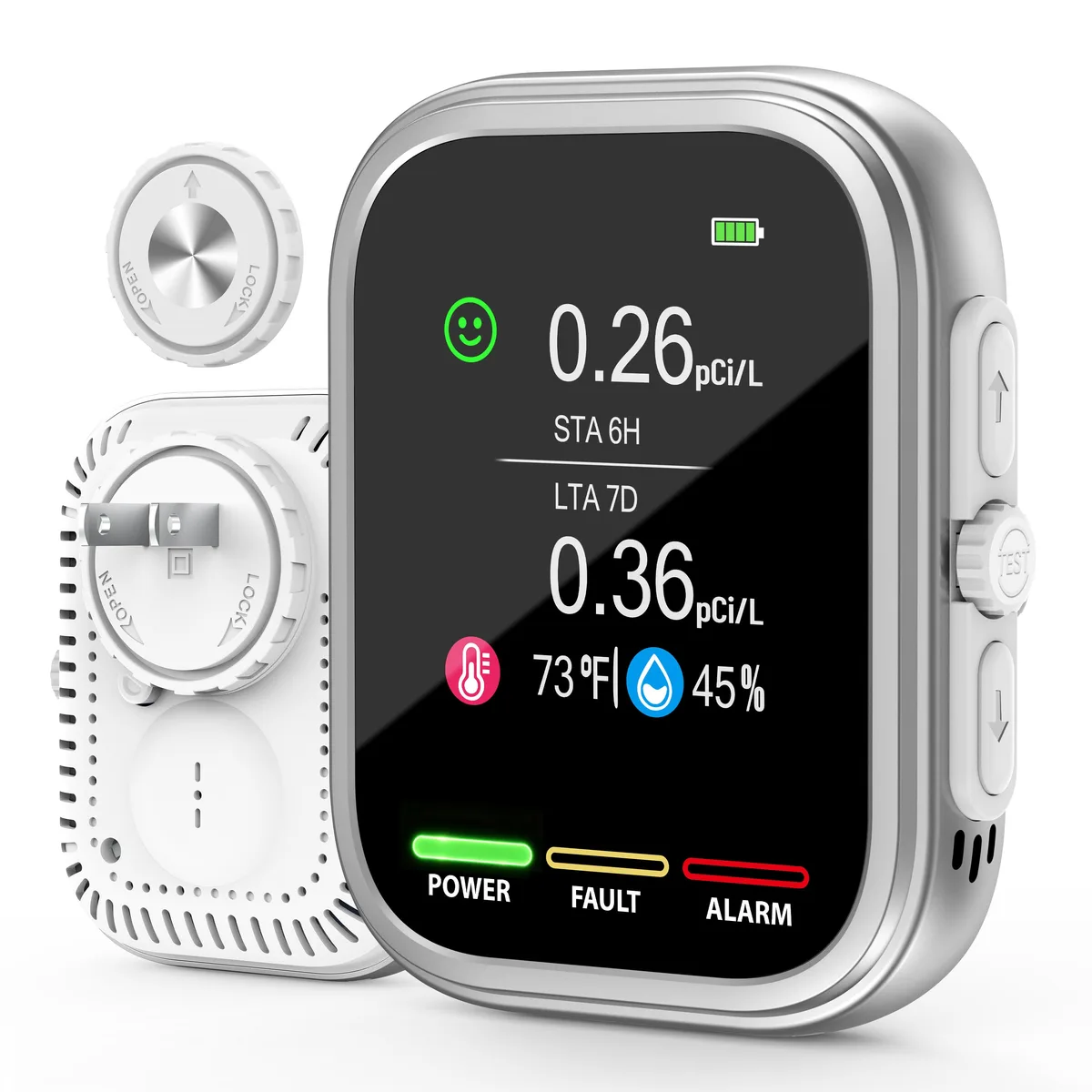
MonitorPYZYCKYH
Method: Semiconductor sensor
First reading: Within 6 hours
MonitorSafetySiren
First reading: Within 48 hours
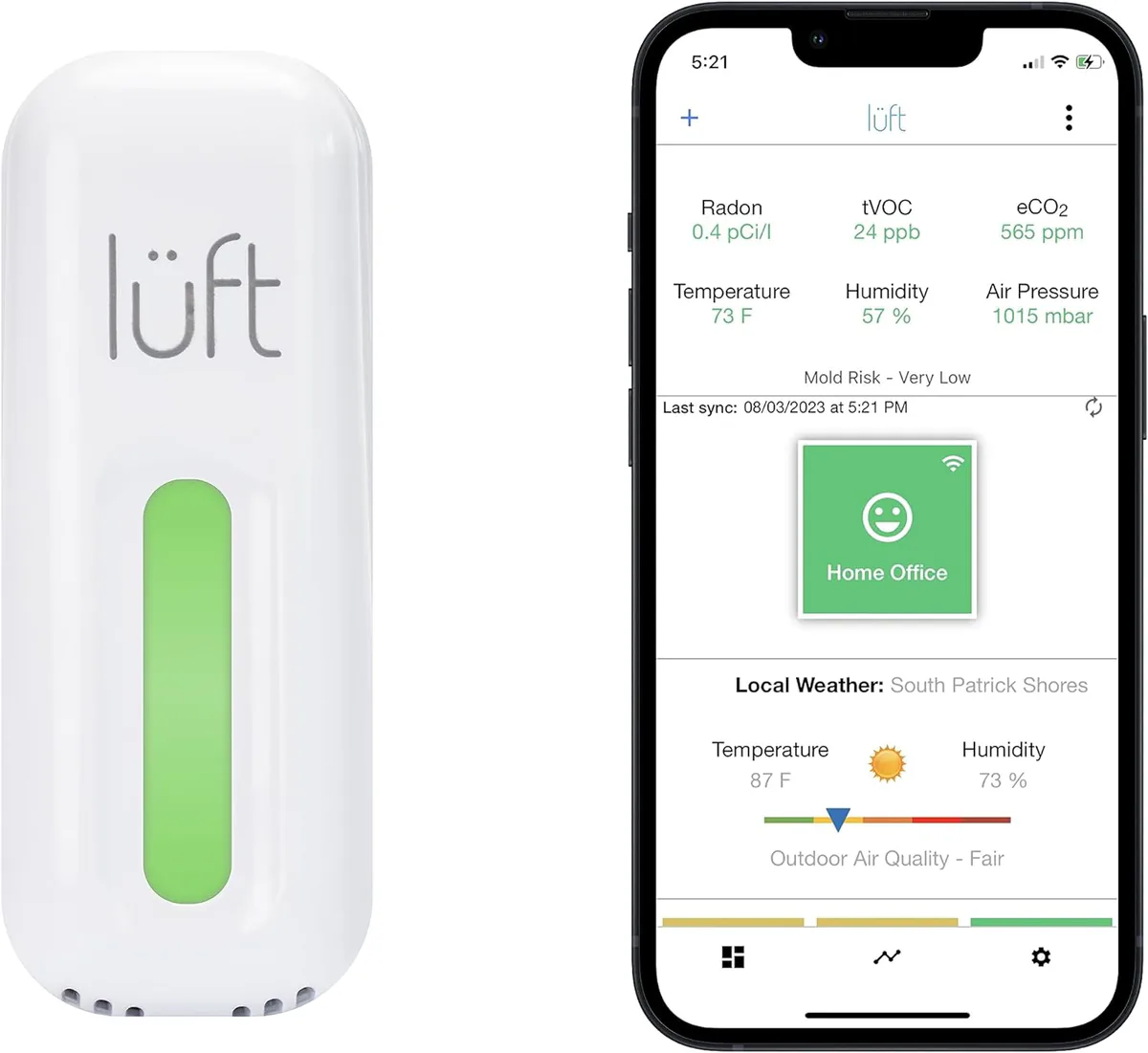
Monitor
First reading: Within 90 minutes
Monitor
Method: Alpha spectrometry
First reading: Within 24 hours
MonitorX-Sense
Method: Alpha spectrometry
First reading: Within 24 hours
MonitorX-Sense
Method: Alpha spectrometry
First reading: Within 24 hours
MonitorX-Sense
Method: Alpha spectrometry
First reading: Within 24 hours
More home radon monitors: 1 of 31
Questions
6 questions about the Kidde Radon Detector (RAB), answered
Kidde says the first reading appears after 12 hours, shown as dashes until then. A reliable reading takes 12 hours above 6.4 pCi/L, 24 hours between 4.2 and 6.4 pCi/L, and 48 hours below 4.2 pCi/L.
Kidde says it sounds for 20 seconds every hour when the average radon concentration over the past day has exceeded 4 pCi/L, with an icon in the upper left of the screen. A short press of Mute turns the alarm off or on.
No. Kidde's guide says radon detectors are designed to detect radon gas only, not smoke, fire, carbon monoxide or any other gas. Keep your smoke and carbon monoxide alarms as they are.
It was not included in C-NRPP's 2024/25 consumer monitor evaluation, so there is no C-NRPP result for it either way.
Three AAA batteries, included. Kidde names Energizer E92 for replacements, says not to use lithium cells or mix old and new batteries, and rates battery life at a year or more with the screen off.
Yes. It shows pCi/L by default, and a short press of the Unit button switches between pCi/L and Bq/m³.
Updated October 4, 2026