
MonitorAEGTEST
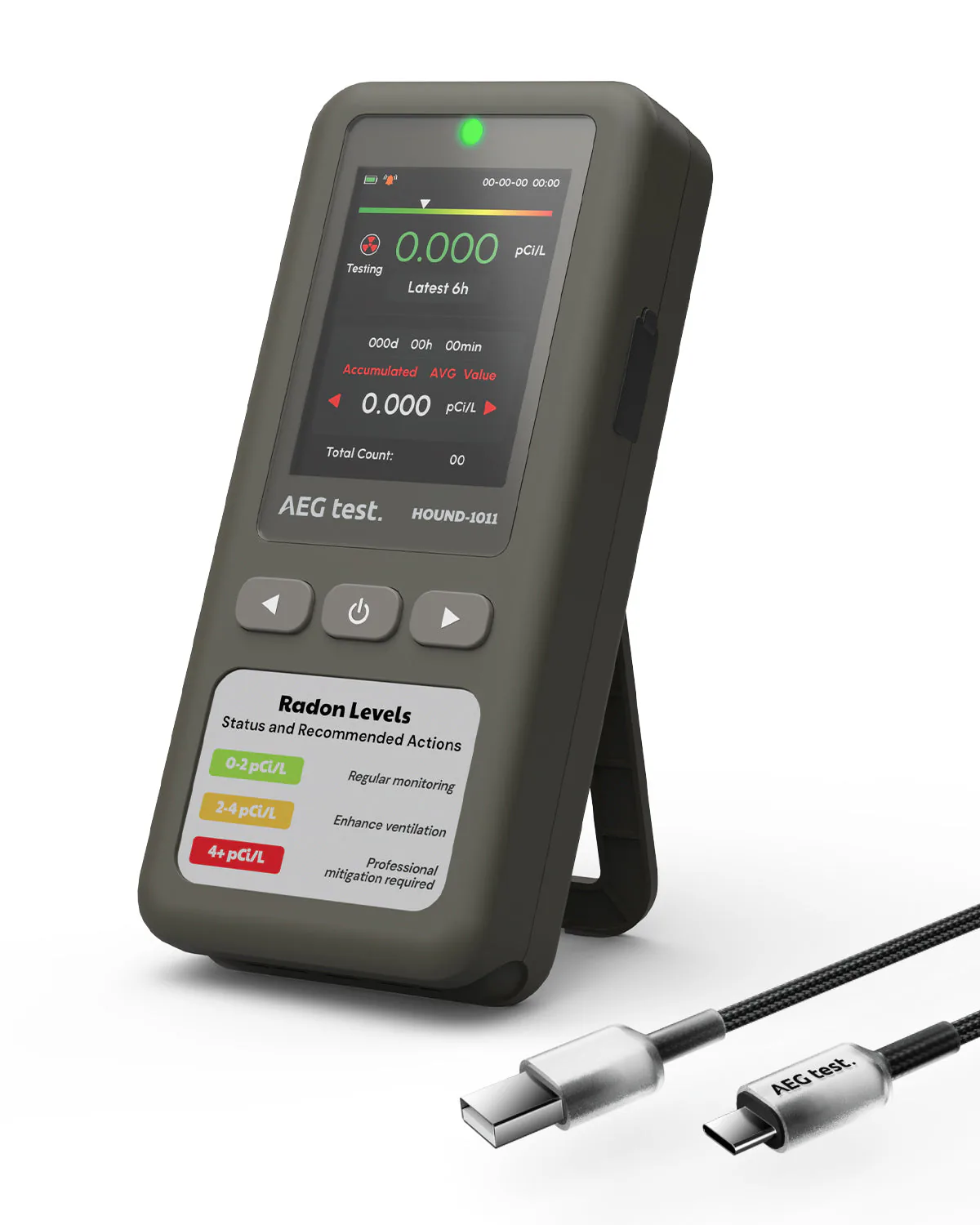
HOUND-1011 rechargeable radon detector with a screen
- C-NRPP 2024/25: Not included
- Battery
- Alarm
- Screen
Method: Semiconductor sensor
First reading: Within 6 hours
 Airthings
Battery digital radon detector
Best for you if
Skip it if
Photos: Airthings
 (opens in a new tab)Check price on Amazon (opens in a new tab)
As an Amazon Associate, Radon411 earns from qualifying purchases.
Amazon and the Amazon logo are trademarks of Amazon.com, Inc. or its affiliates.
See ratings and reviews on Amazon (opens in a new tab)As Airthings states it
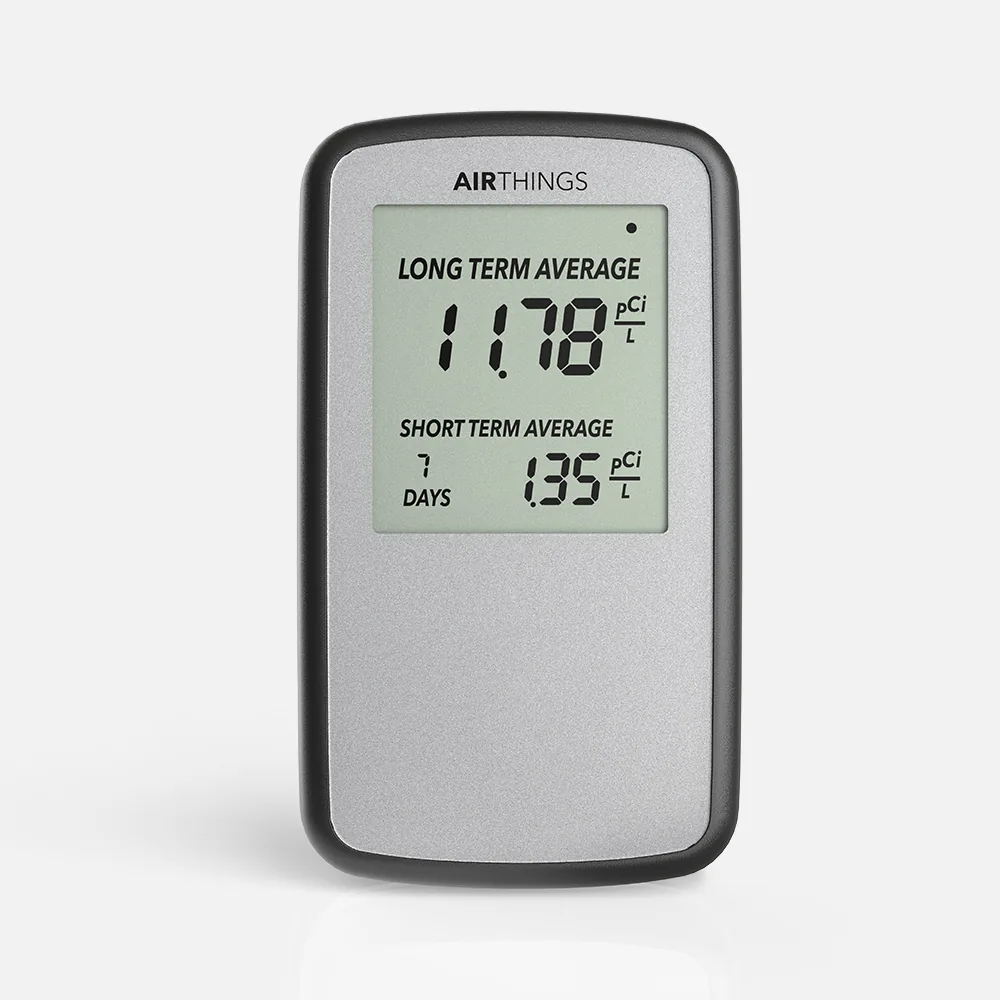
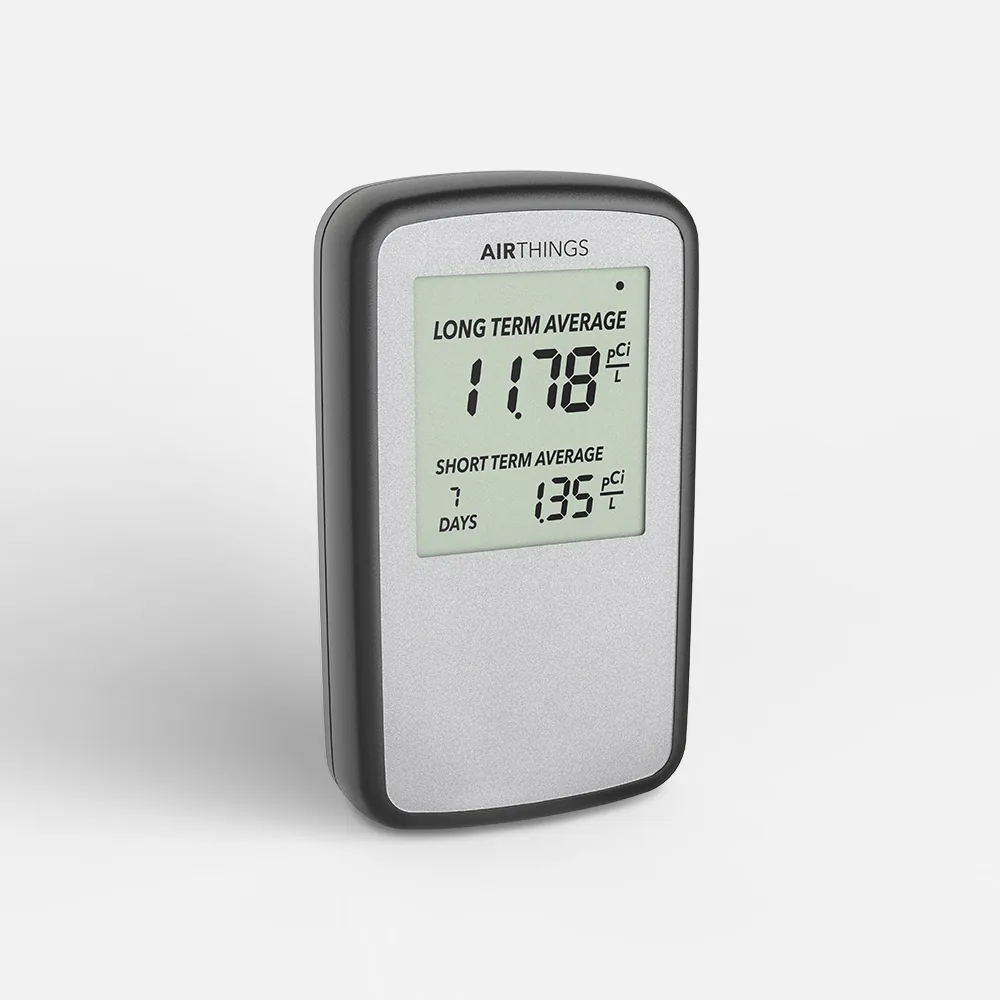
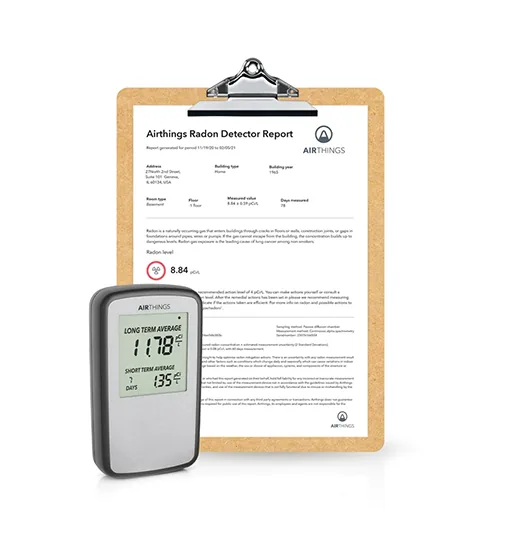
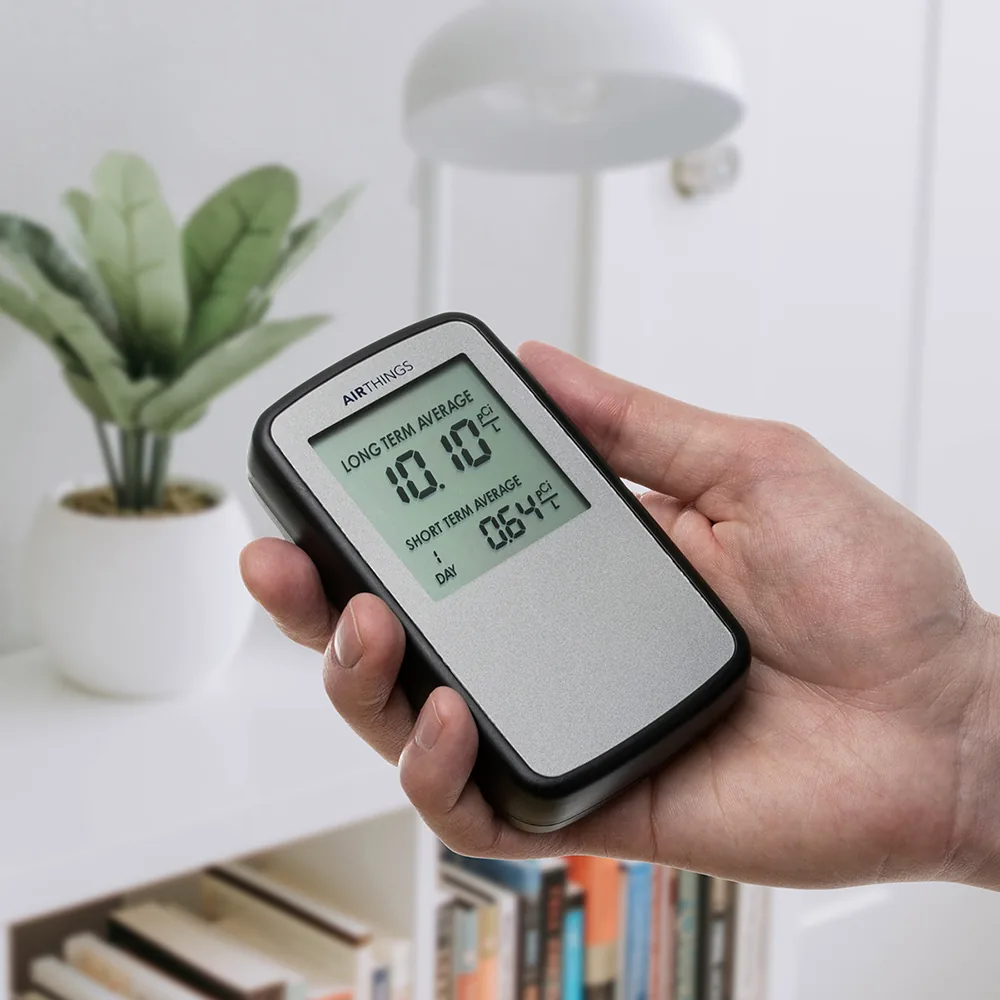
The Corentium Home is Airthings' original battery-powered radon detector: an alpha spectrometry sensor, an LCD screen with short-term and long-term averages, three AAA batteries, and no app or wireless connection. Airthings' US store still sells it beside its successor, the Corentium Home 2, and C-NRPP's 2024/25 evaluation approved it, with an A in all four rounds.
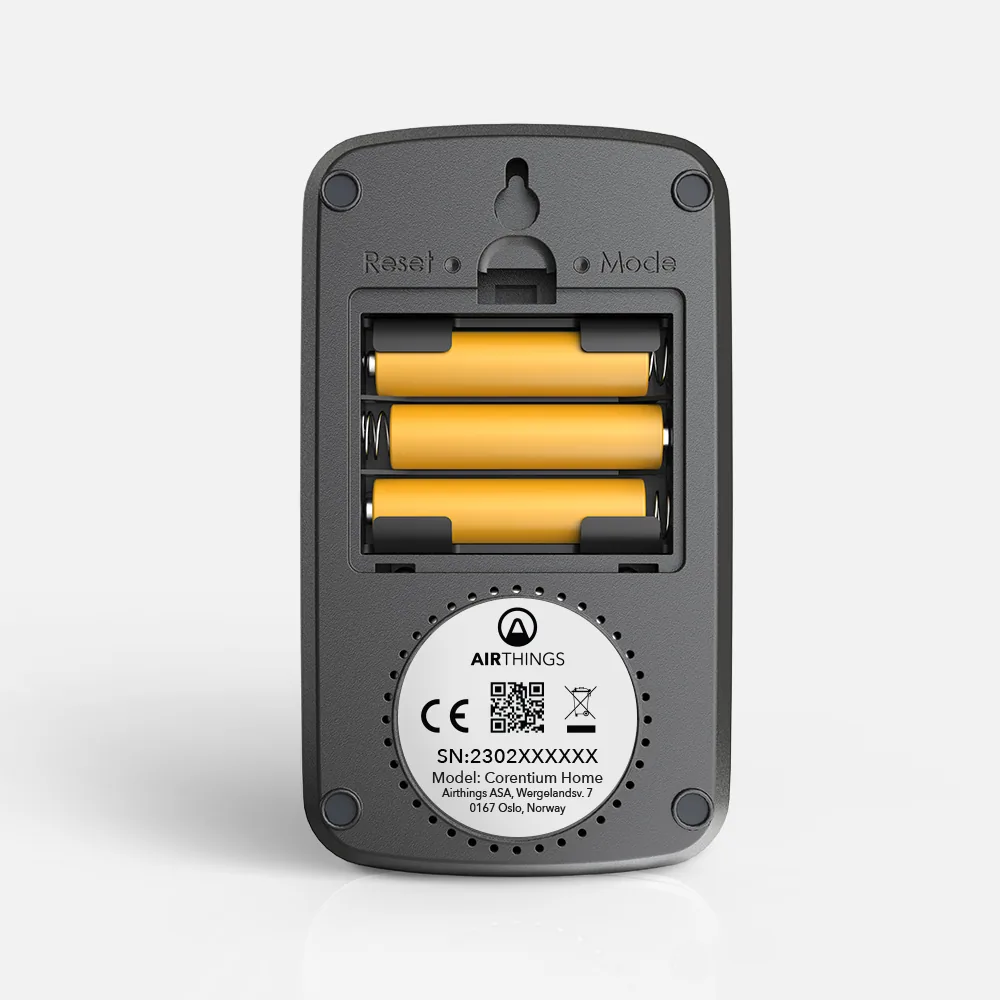
Airthings lists the package contents as the radon detector, three AAA alkaline batteries and a user manual. Airthings also describes a free 5-year extended warranty on its consumer monitors, with registration required within 30 days of purchase.
In the box and running costsHow it works
The sensor, the sampling and the readings, then who has checked it
In our words, from the maker's documents
Airthings describes the radon sampling as a passive diffusion chamber and the detection method as alpha spectrometry. Air drifts into the chamber on its own, with no fan or pump, and the sensor counts the alpha particles given off as radon and its decay products break down. Nothing goes to a laboratory, and Airthings points out that there are no lab fees.
The screen is the whole interface. Airthings says it shows rolling short-term and long-term average concentrations of radon, so you check the reading by looking at the device. There is no Bluetooth, Wi-Fi or app. Airthings also notes that you can generate a radon self-inspection report to document or share your readings.
Airthings publishes a measurement range of 0 to 500 pCi/L (0 to 9,999 Bq/m³), and gives its US version the model number 223 and its European version 244. The detector runs on three AAA alkaline batteries, which Airthings rates for 2 years, so it can sit in any room without a cable.
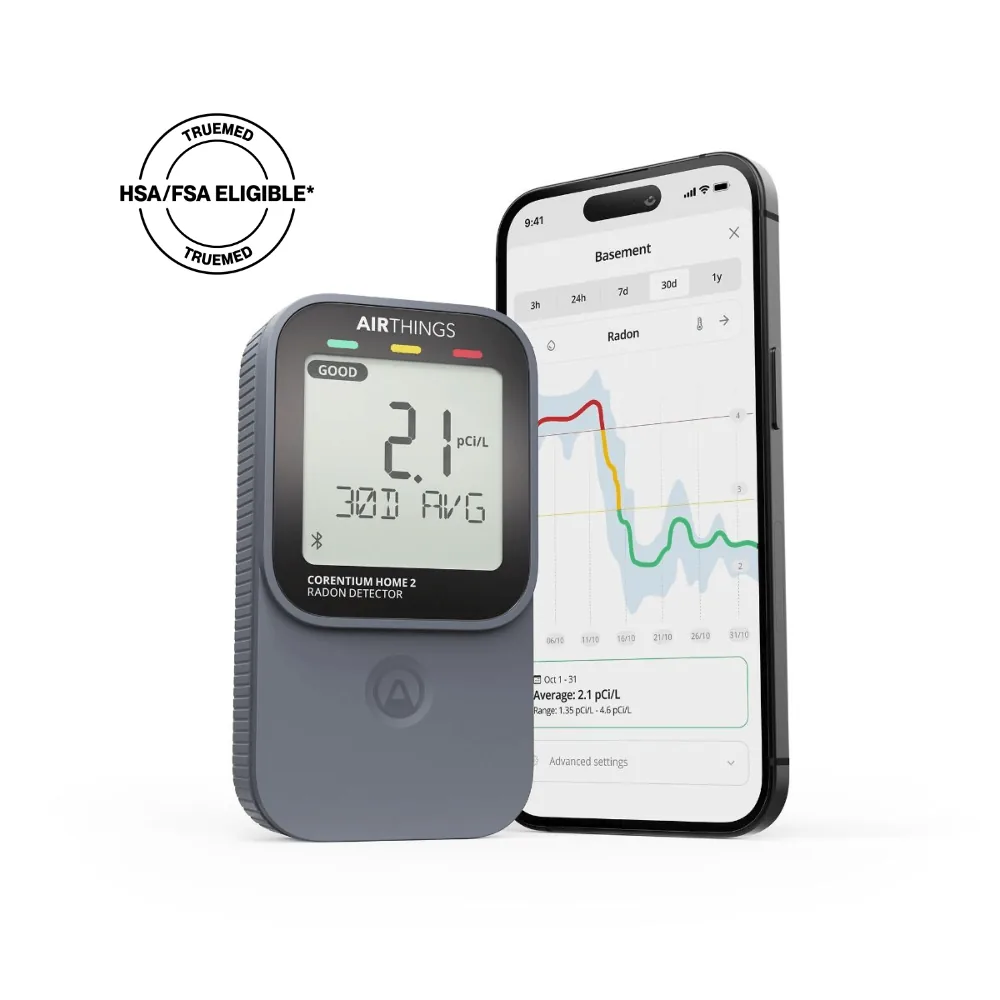
It now has a successor. The Corentium Home 2's page lists the original as the previous model, and Airthings' Canadian page says the original is no longer available there, while its US store lists it for sale as of October 2026. The newer one adds Bluetooth and the Airthings app, temperature and humidity sensors, and longer battery life on two AA batteries.
C-NRPP's own listing for the model gives the same stated accuracy, ±10% after 7 days at 200 Bq/m³ and ±5% after 2 months, and lists its reading periods as 12 hours, 24 hours and 7 days, with the first reading taking 24 hours. That makes it slower to show a first number than plug-in monitors that update every 10 minutes; it is built for the long view, which is the view that matters for a decision about fixing a home.
C-NRPP tested the original in its 2024/25 consumer monitor evaluation, which put each device through four rounds of testing in four different sets of conditions, and approved it. C-NRPP tested the Canadian version; we have not confirmed that the US model 223 is identical.
Airthings's own statements, attributed
These are Airthings's own statements, attributed to it. They are not our findings, and we have not tested this product ourselves.
C-NRPP 2024/25, recalls and studies
Listed by C-NRPP as "Airthings Corentium Home". Results published May 2025.
C-NRPP grades each round by measurement error: A is 10% or less, B more than 10% and up to 20%, C more than 20% and up to 30%. It recommends devices that average B or better.
C-NRPP's 2023 report listed “Airthings Corentium Home” as having passed its performance test.
C-NRPP is the Canadian National Radon Proficiency Program. Its 2024/25 results were published in May 2025.
Airthings Corentium Home
Check price on Amazon (opens in a new tab)Specifications
Every figure as the maker states it
Airthings lists the package contents as the radon detector, three AAA alkaline batteries and a user manual. Airthings also describes a free 5-year extended warranty on its consumer monitors, with registration required within 30 days of purchase.
Airthings' list names no stand or wall bracket. A separate company, PANGAEA, sells a plastic case holder for the Corentium Home that stands on a desk or mounts on a wall; it is PANGAEA's product, not Airthings', and this page does not cover it.
There is no lab fee, app or subscription. The running cost is three AAA alkaline batteries, which Airthings rates for 2 years. If you buy from a seller other than Airthings, check what the listing says about condition and warranty.
Fit and setup
The fit, then setup and placement as the guidance asks
Good fit if, and look elsewhere if
Good fit if
Look elsewhere if
3 steps
How C-NRPP says to use any consumer monitor
For where any radon test or monitor should sit in a home, see where to place a radon test.
Compare
The same three rows for each, and the one difference that matters
This page
Airthings Corentium Home
This page: The Corentium Home is Airthings' original battery-powered radon detector: an alpha spectrometry sensor, an LCD screen with short-term and long-term averages, three AAA batteries, and no app or wireless connection.
Airthings
The difference: Its successor: the same kind of sensor, plus Bluetooth, the Airthings app, temperature and humidity, on two AA batteries; not included in C-NRPP's 2024/25 evaluation.
Airthings
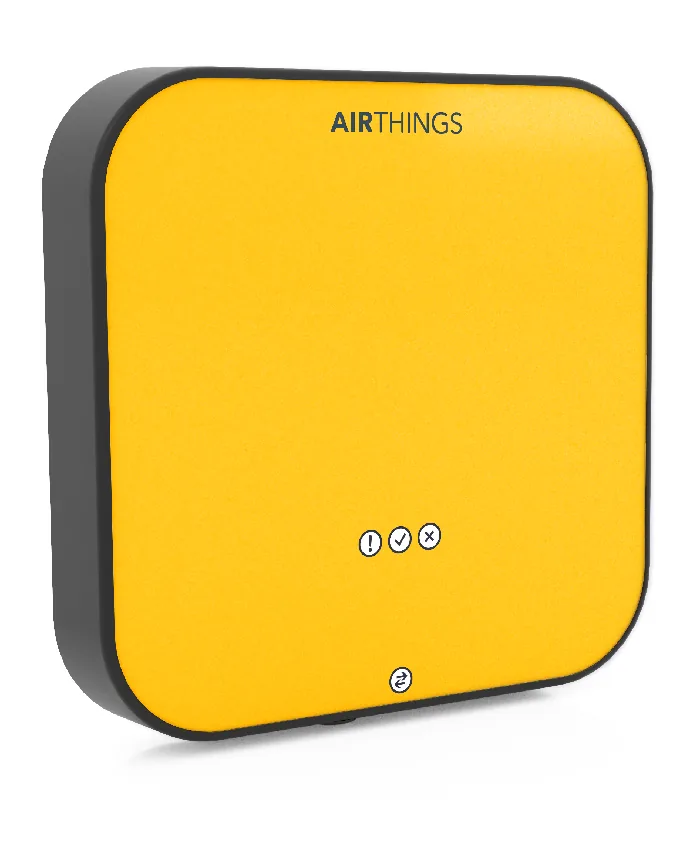
The difference: Airthings' instrument for radon professionals: four radon chambers working in parallel, pressure, temperature and humidity sensors, a calibration certificate valid for one year, and reports through an online dashboard.
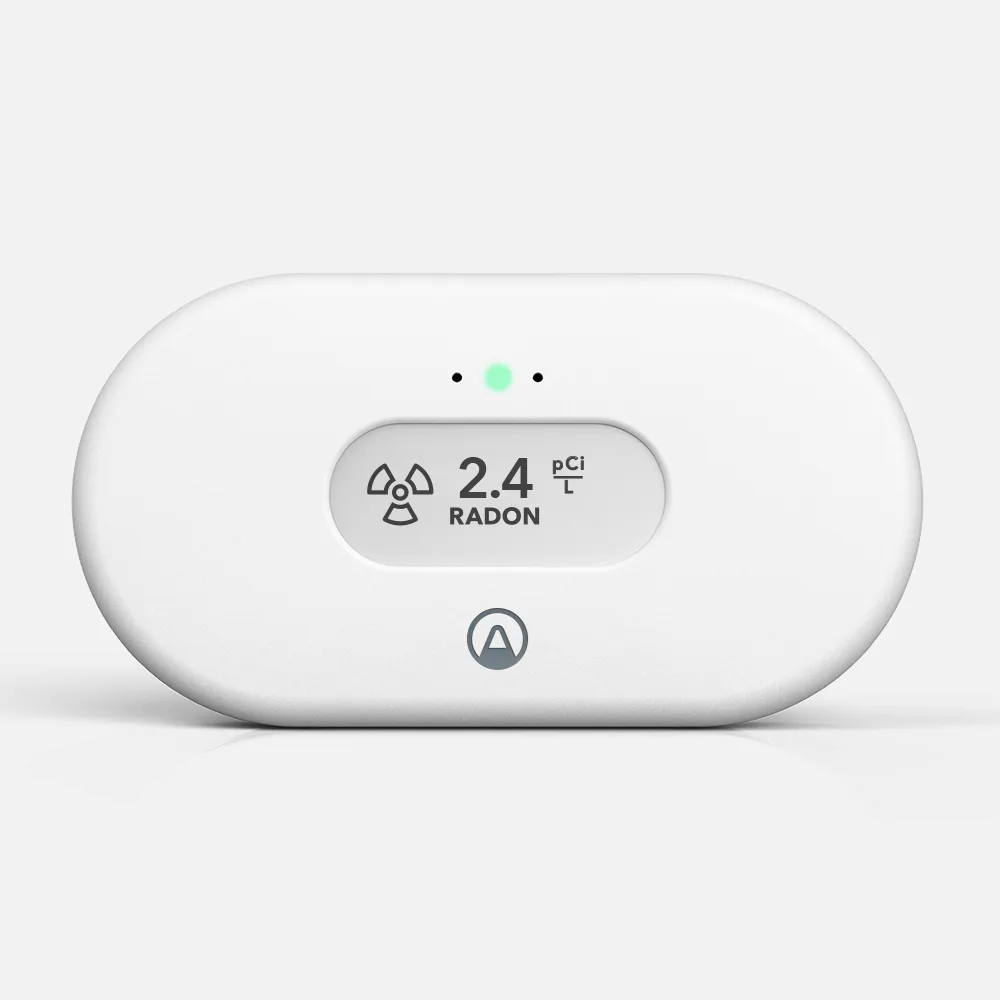
Airthings
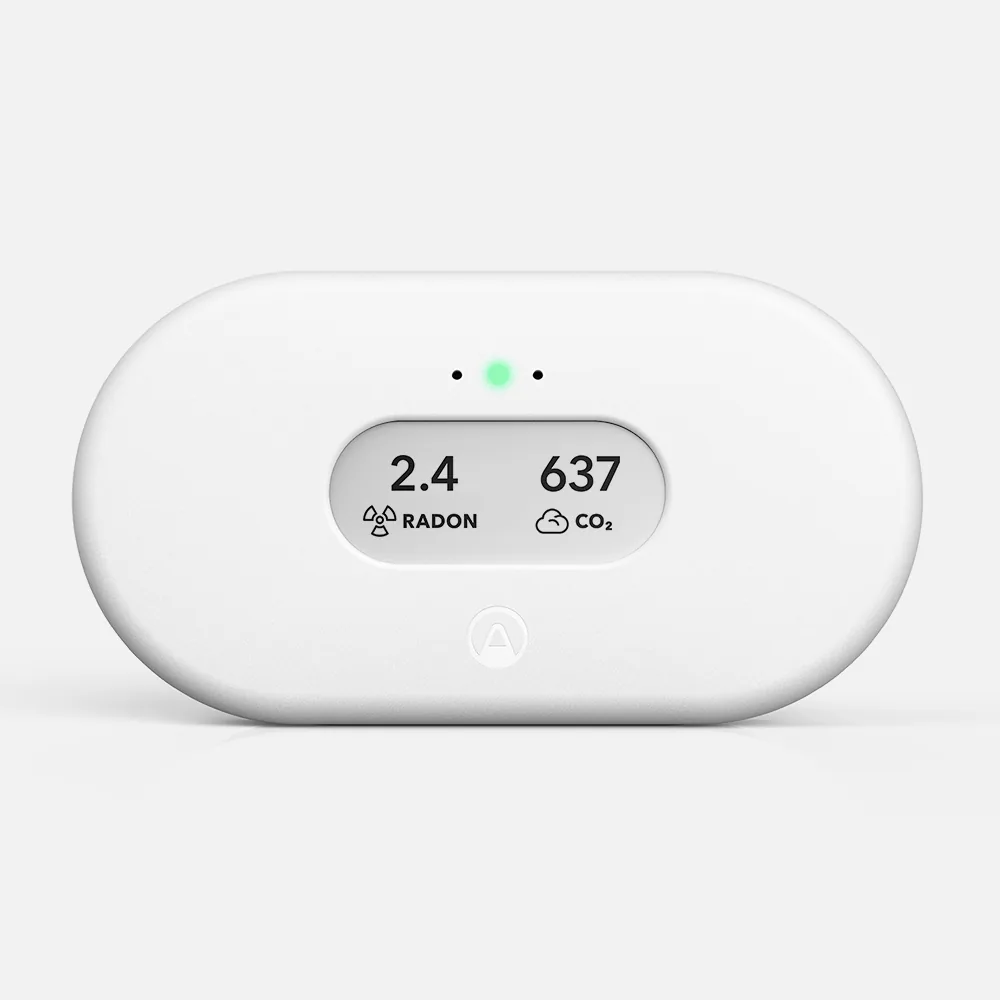
The difference: An e-paper display, Wi-Fi and a choice of six AA batteries or a cable; C-NRPP's 2024/25 listing for the Airthings View links its page.
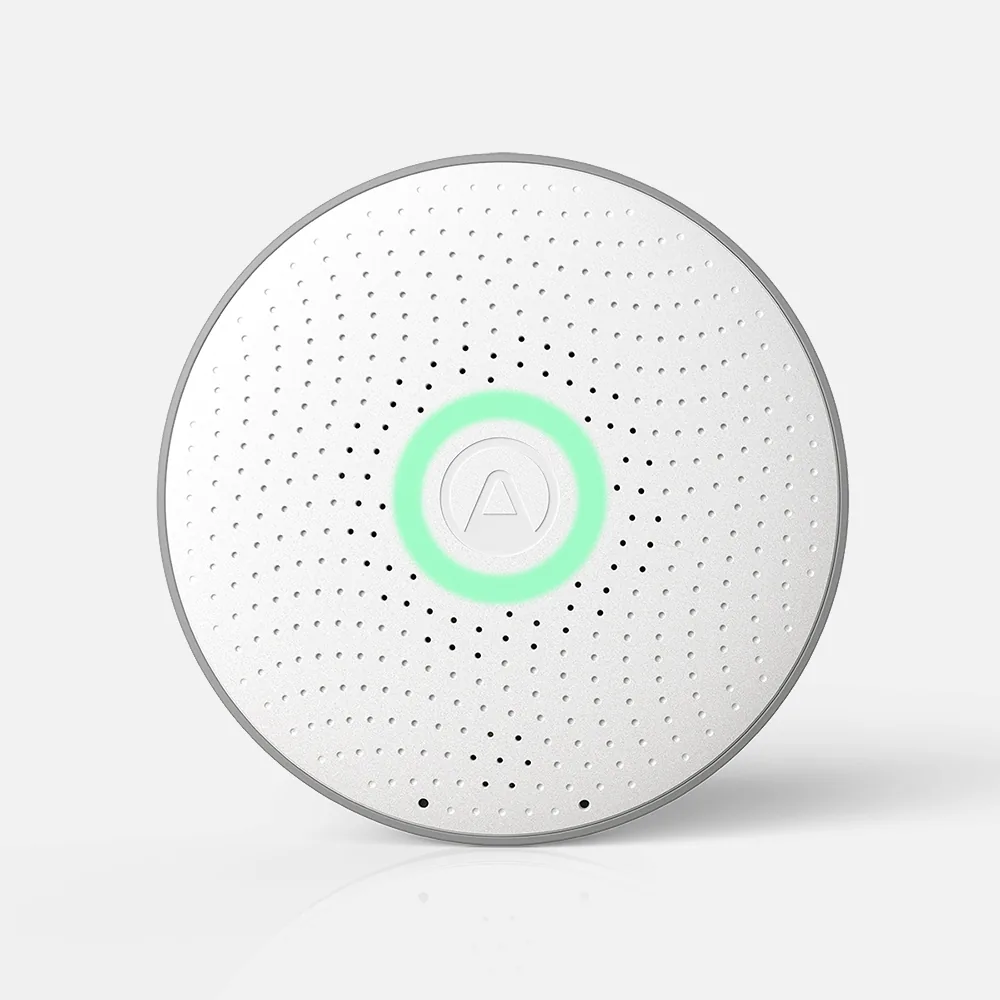
Airthings
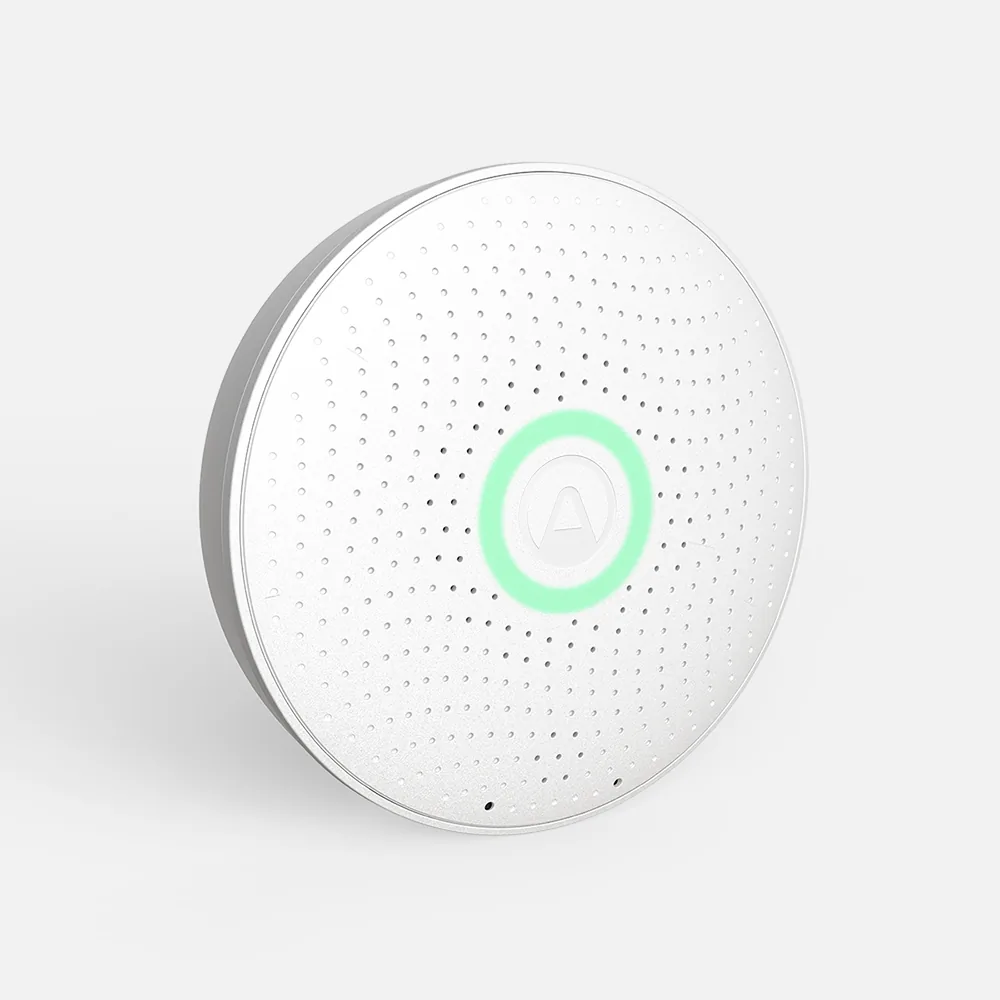
The difference: No screen: a color glow, with the numbers in the app over Bluetooth, on two AA batteries.
Compared with similar products: 1 of 5
MonitorAEGTEST
Method: Semiconductor sensor
First reading: Within 6 hours
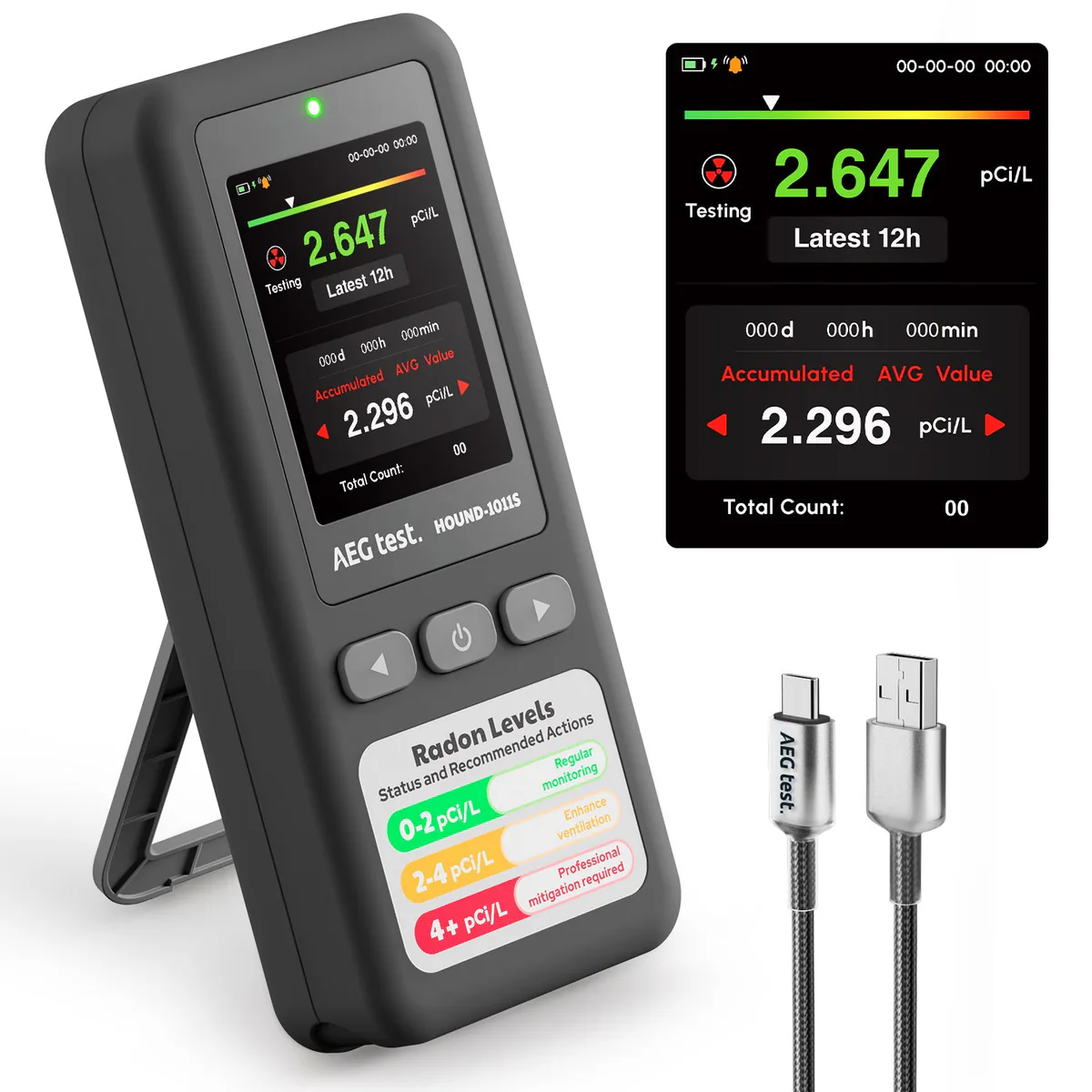
MonitorAEGTEST
Method: Semiconductor sensor
First reading: Within 12 hours
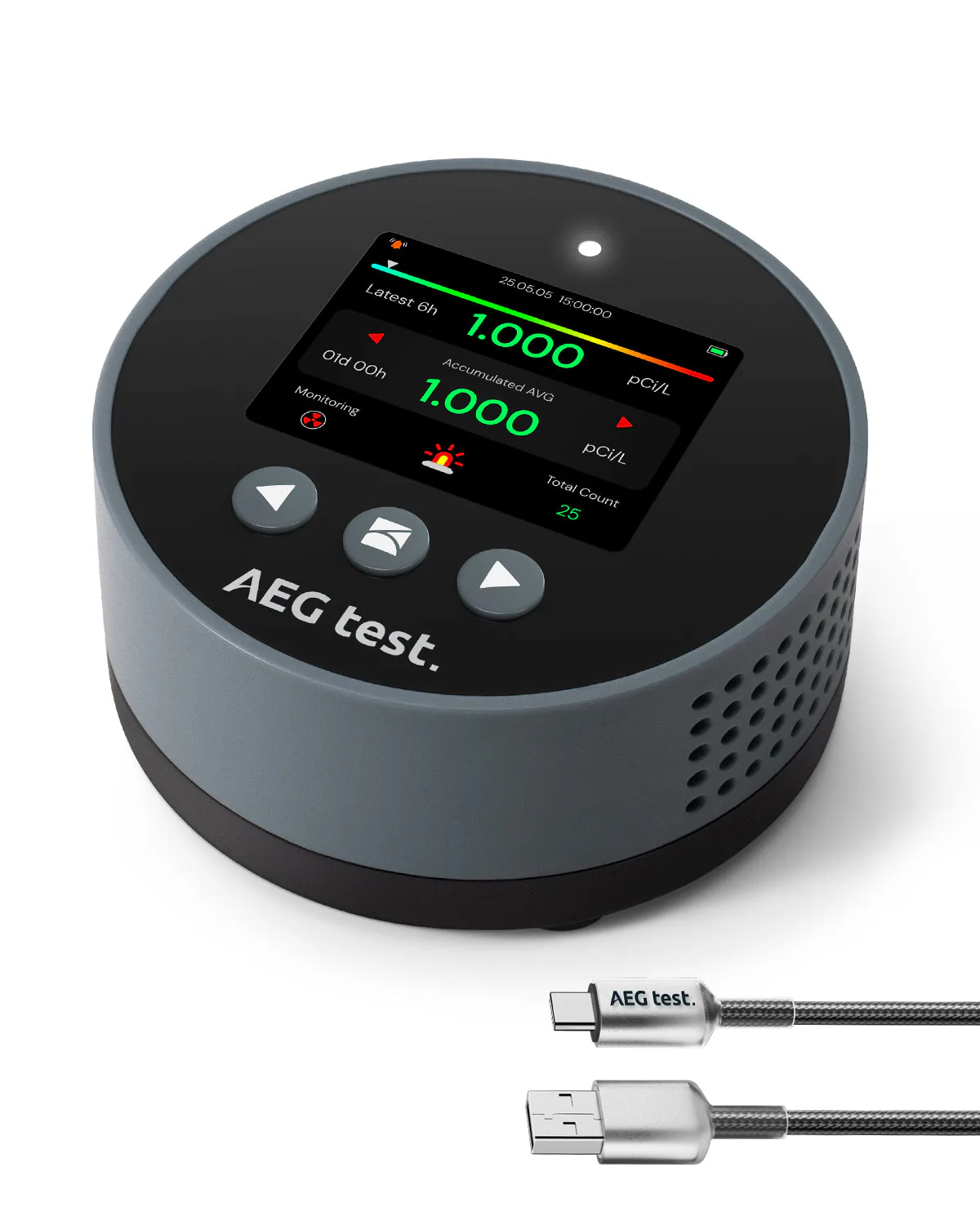
MonitorAEGTEST
Method: Semiconductor sensor
First reading: Within 6 hours
MonitorAEGTEST
First reading: Within 1 hour
MonitorAEGTEST
Method: Ion chamber
First reading: Within 10 minutes
Monitor
Method: Semiconductor sensor
Monitor
Method: Semiconductor sensor
First reading: Within 6 hours
Monitor
Method: Alpha spectrometry
Readings: Every 60 minutes
Monitor
Method: Alpha spectrometry
Monitor
Method: Alpha spectrometry
Readings: Every 60 minutes
Monitor
Method: Alpha spectrometry
Monitor
Method: Alpha spectrometry
MonitorAranet
Method: Ion chamber
First reading: Within 10 minutes
MonitorAranet
Method: Ion chamber
First reading: Within 10 minutes
Monitor
Method: Ion chamber
First reading: Within 10 minutes
Monitor
Method: Ion chamber
First reading: Within 10 minutes
Monitor
Method: Ion chamber
First reading: Within 15 minutes
Monitor
Method: Ion chamber
First reading: Within 10 minutes
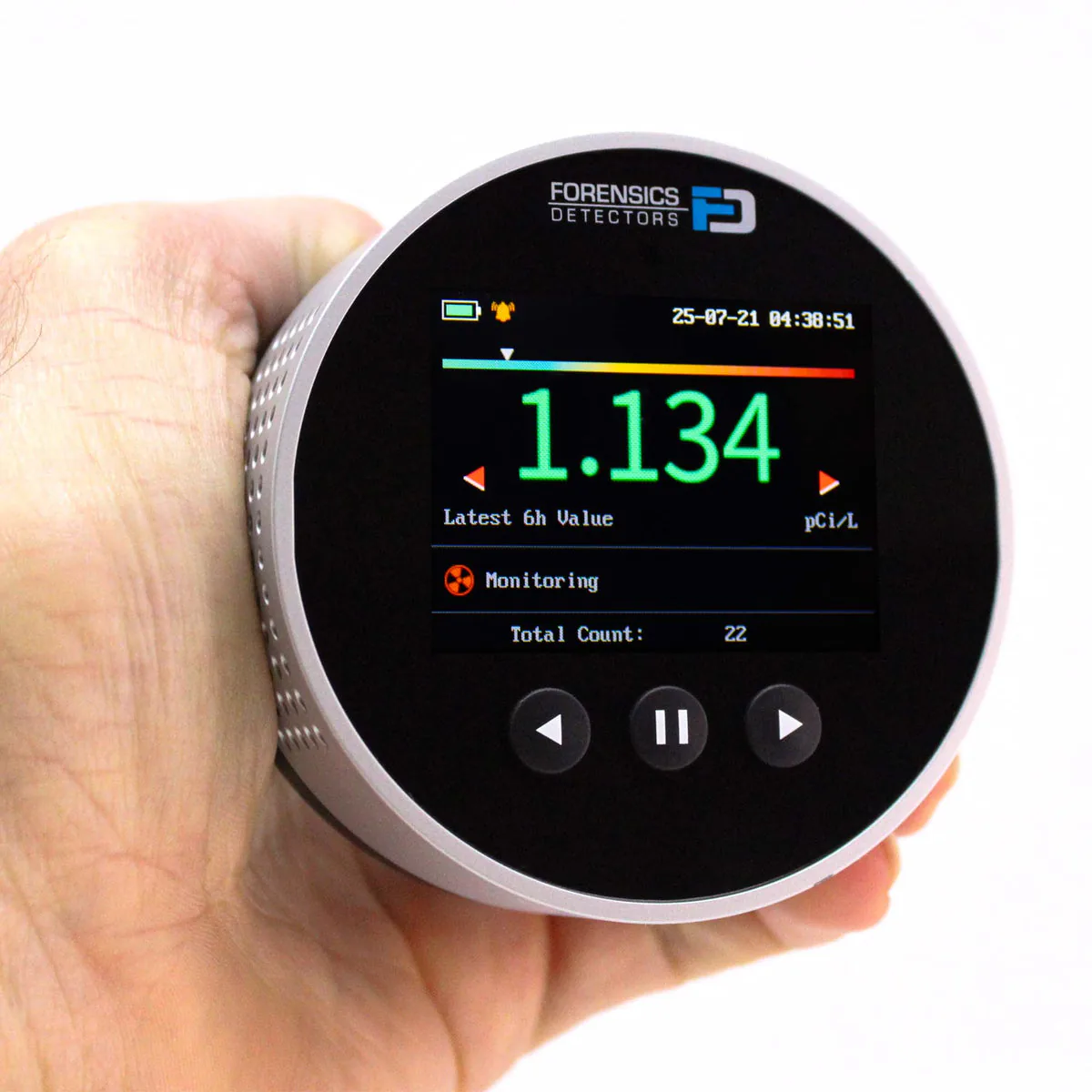
MonitorForensics Detectors
Method: Semiconductor sensor
First reading: Within 6 hours
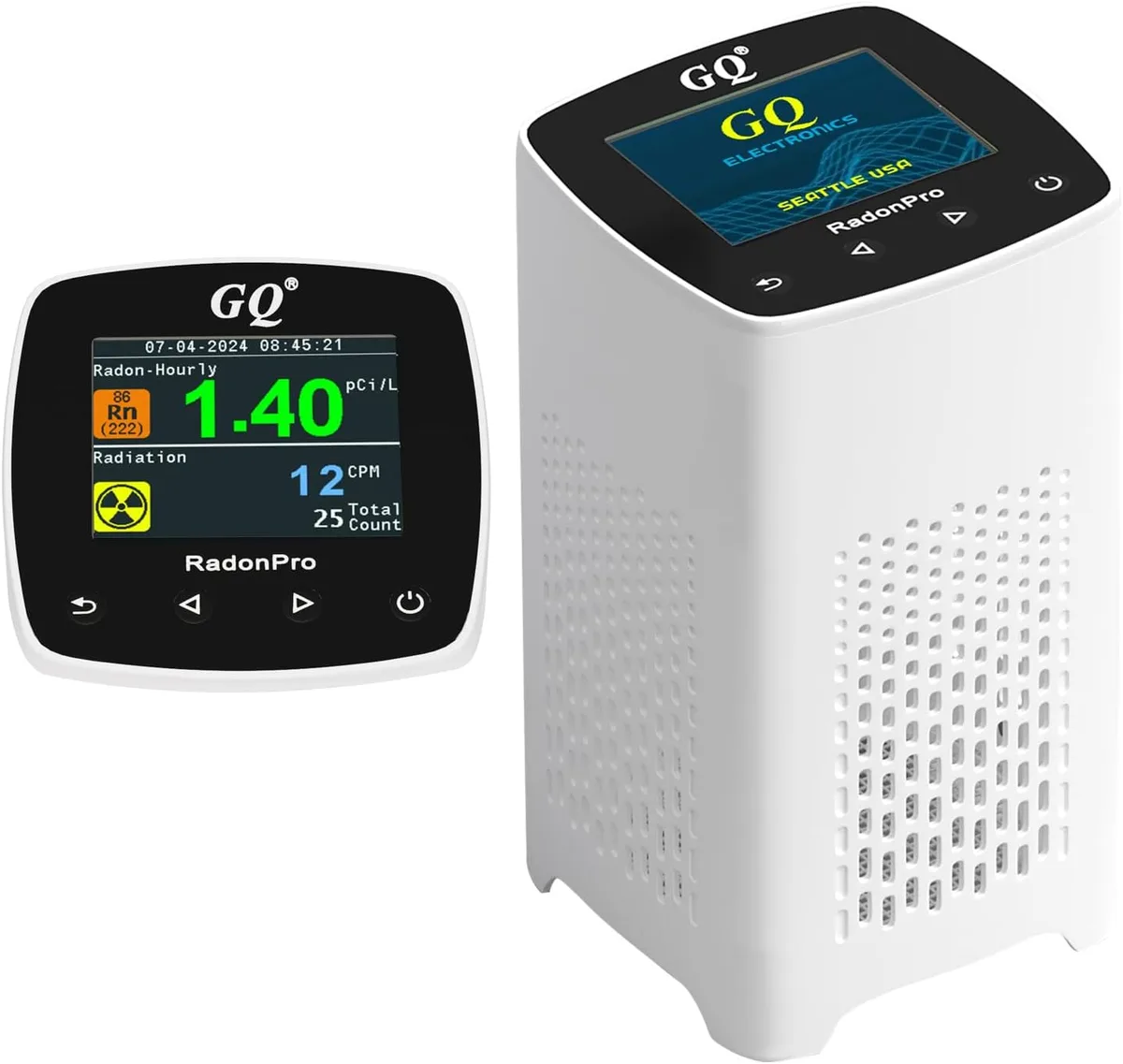
Monitor
First reading: Within 5 minutes
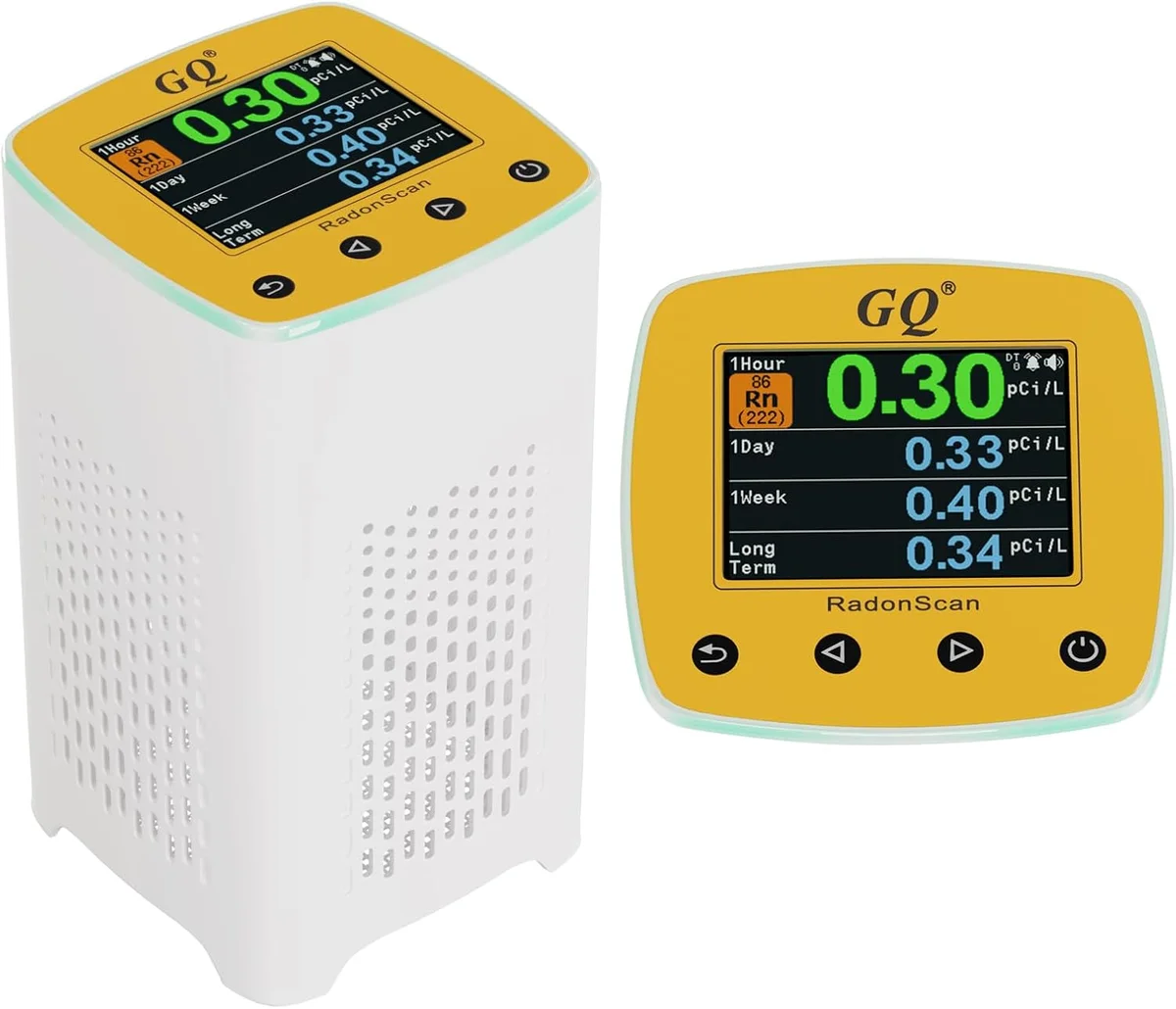
Monitor
First reading: Within 5 minutes
Monitor
First reading: Within 5 minutes
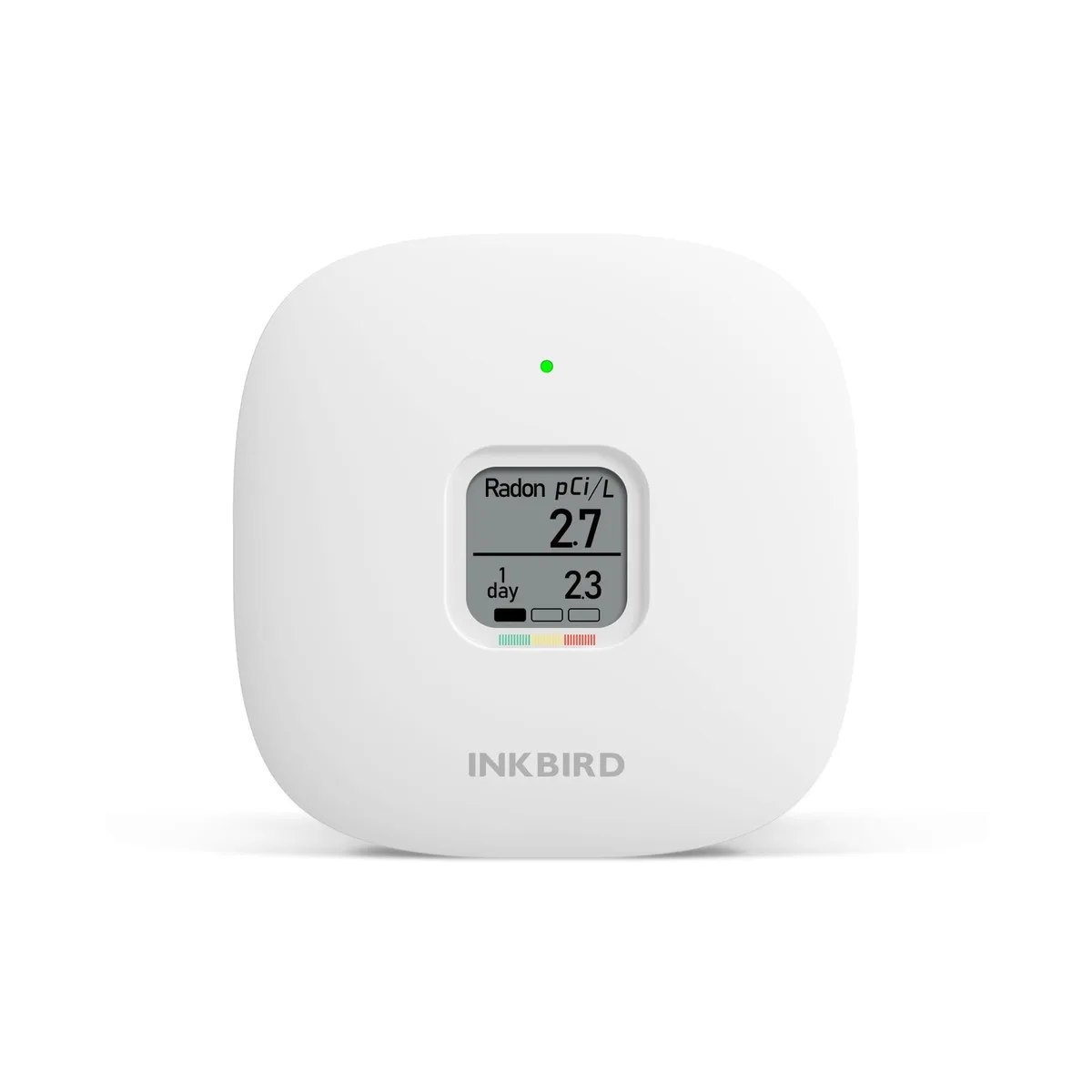
MonitorINKBIRD
First reading: Within 24 hours
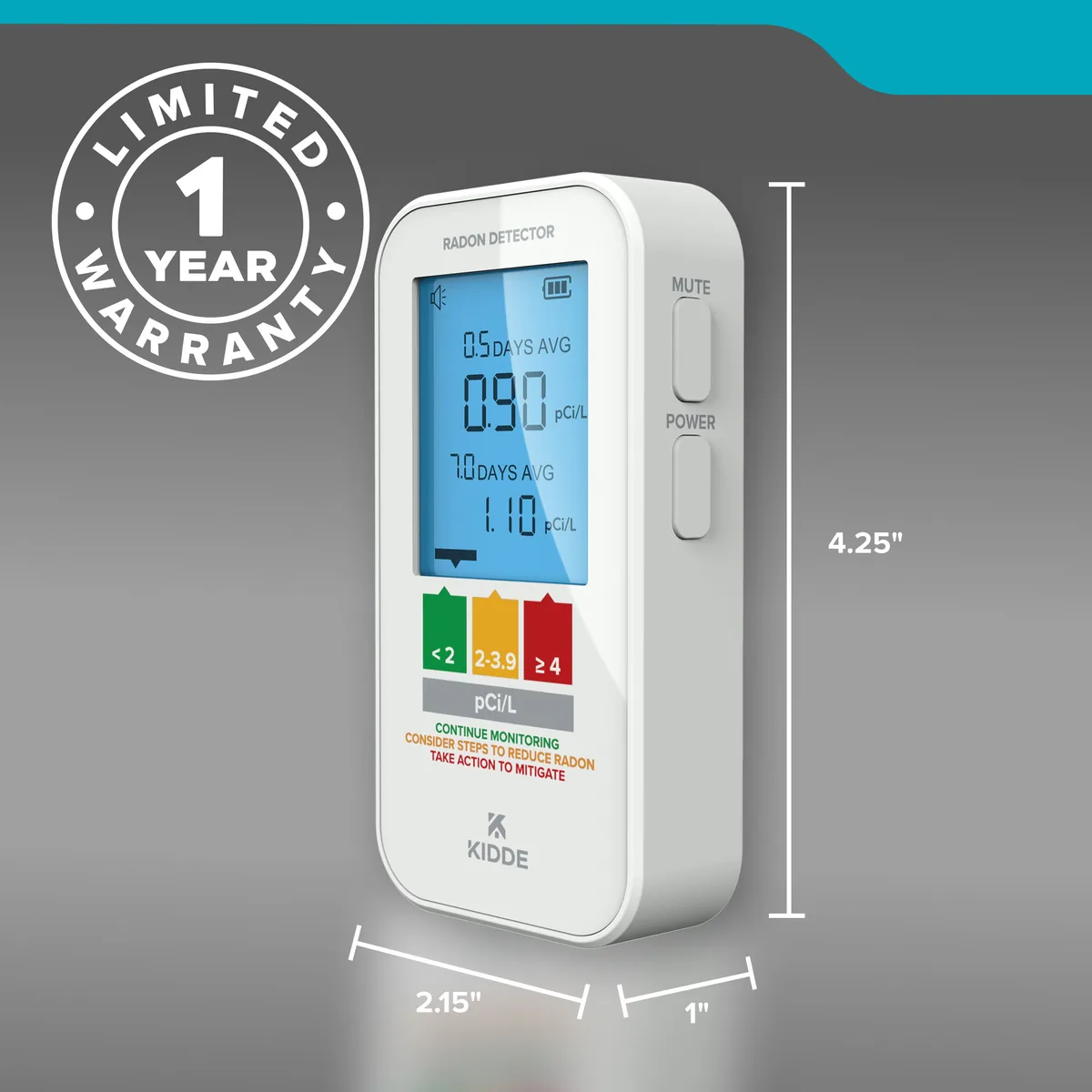
MonitorKidde
Method: Semiconductor sensor
First reading: Within 12 hours
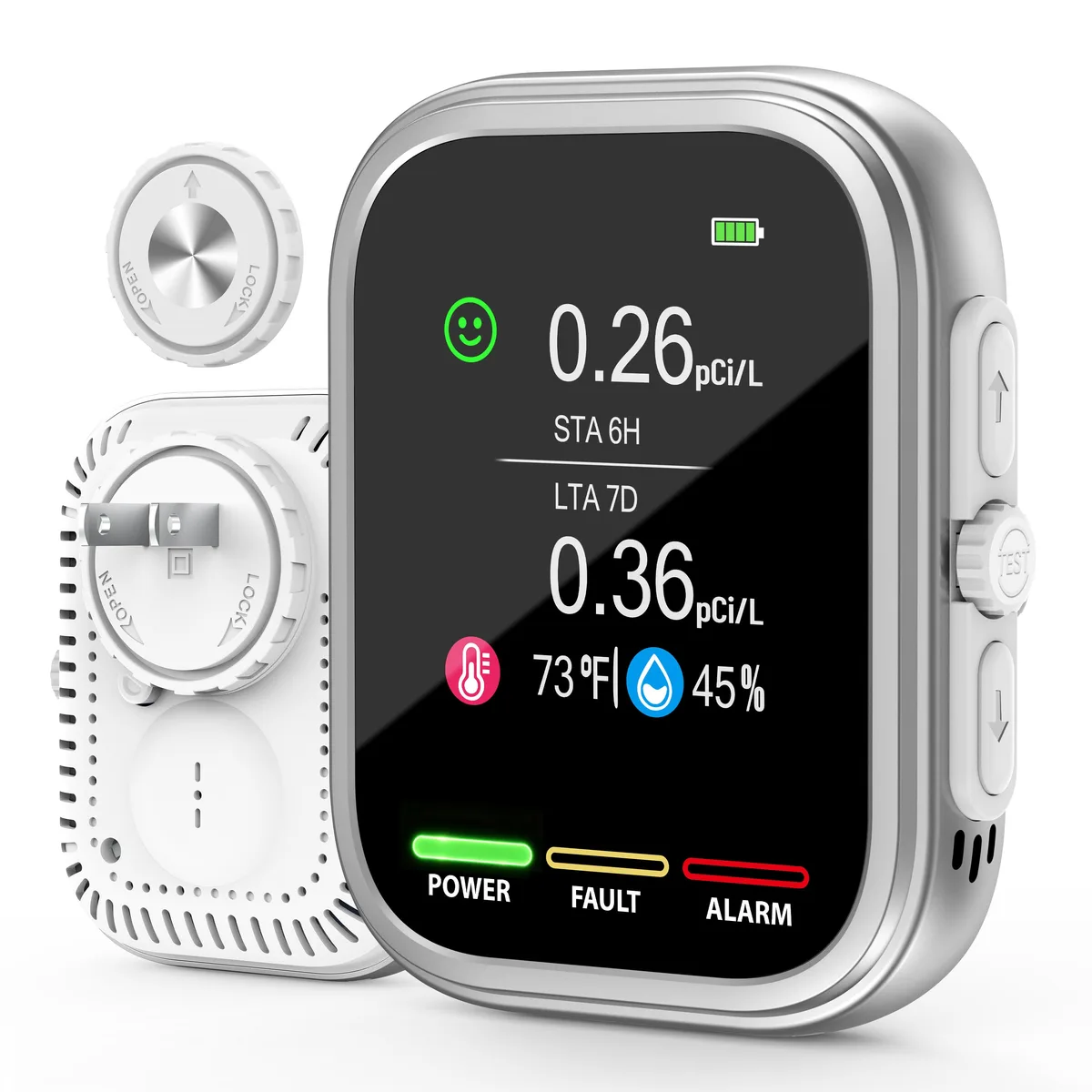
MonitorPYZYCKYH
Method: Semiconductor sensor
First reading: Within 6 hours
MonitorSafetySiren
First reading: Within 48 hours
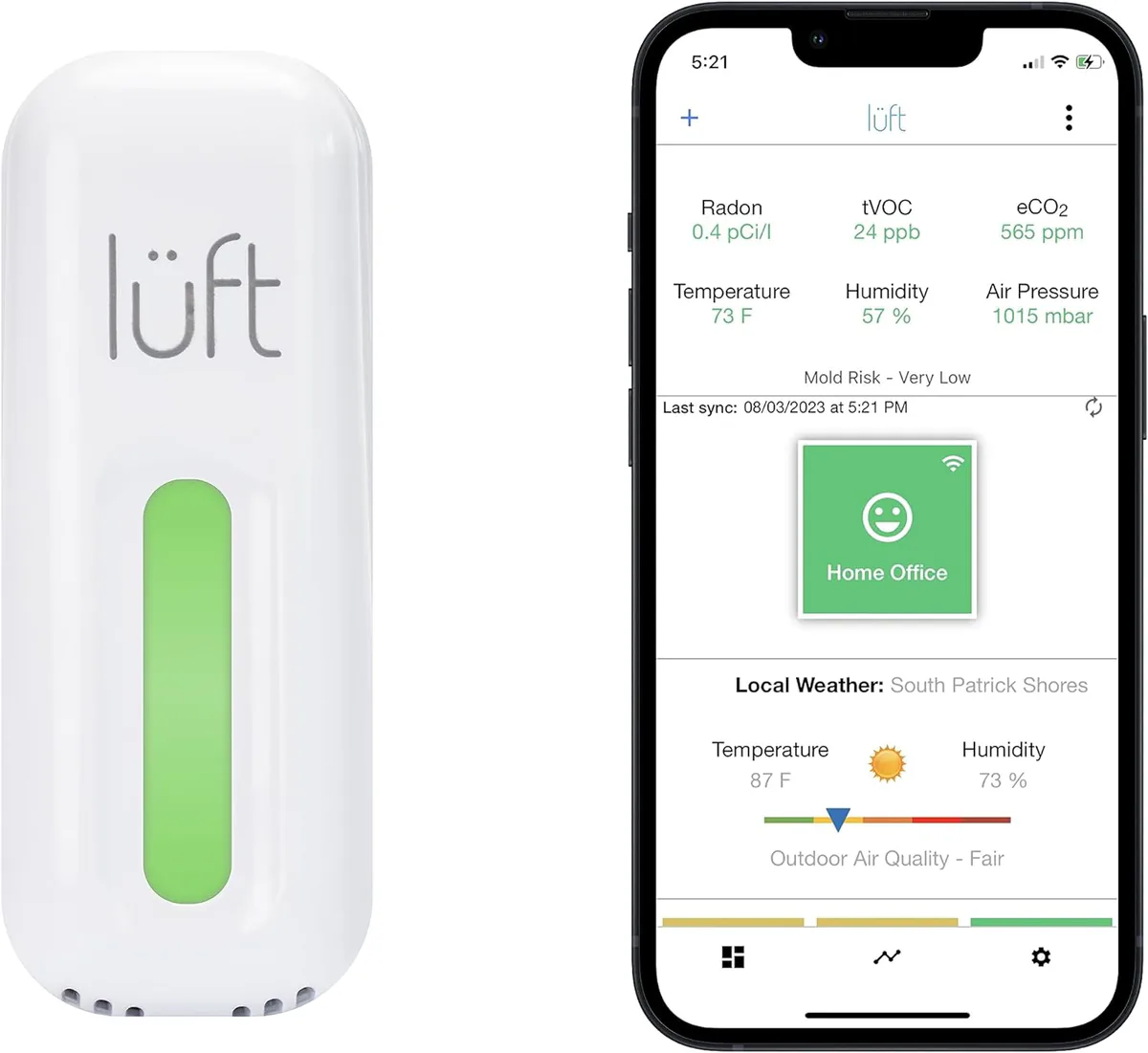
Monitor
First reading: Within 90 minutes
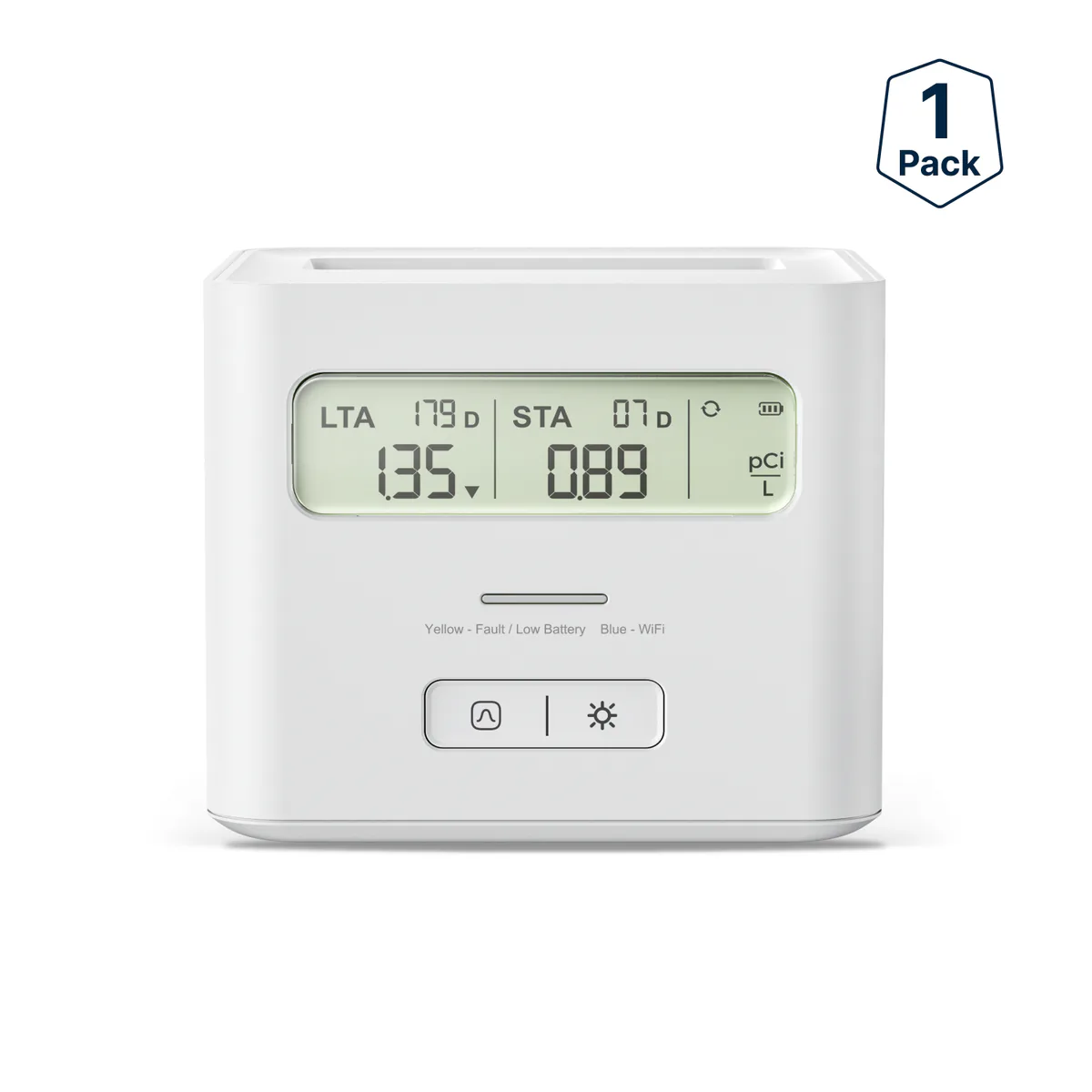
Monitor
Method: Alpha spectrometry
First reading: Within 24 hours
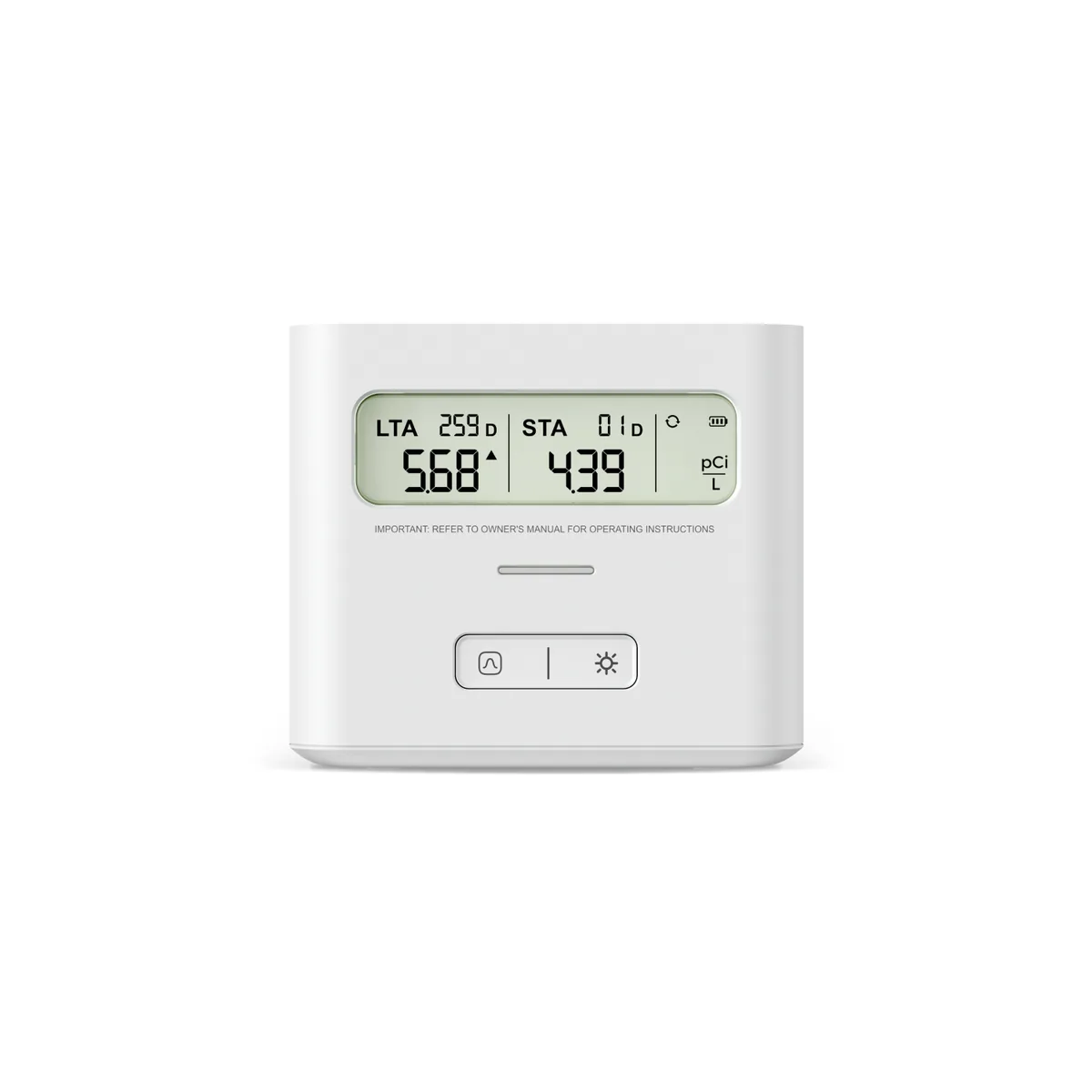
MonitorX-Sense
Method: Alpha spectrometry
First reading: Within 24 hours
MonitorX-Sense
Method: Alpha spectrometry
First reading: Within 24 hours
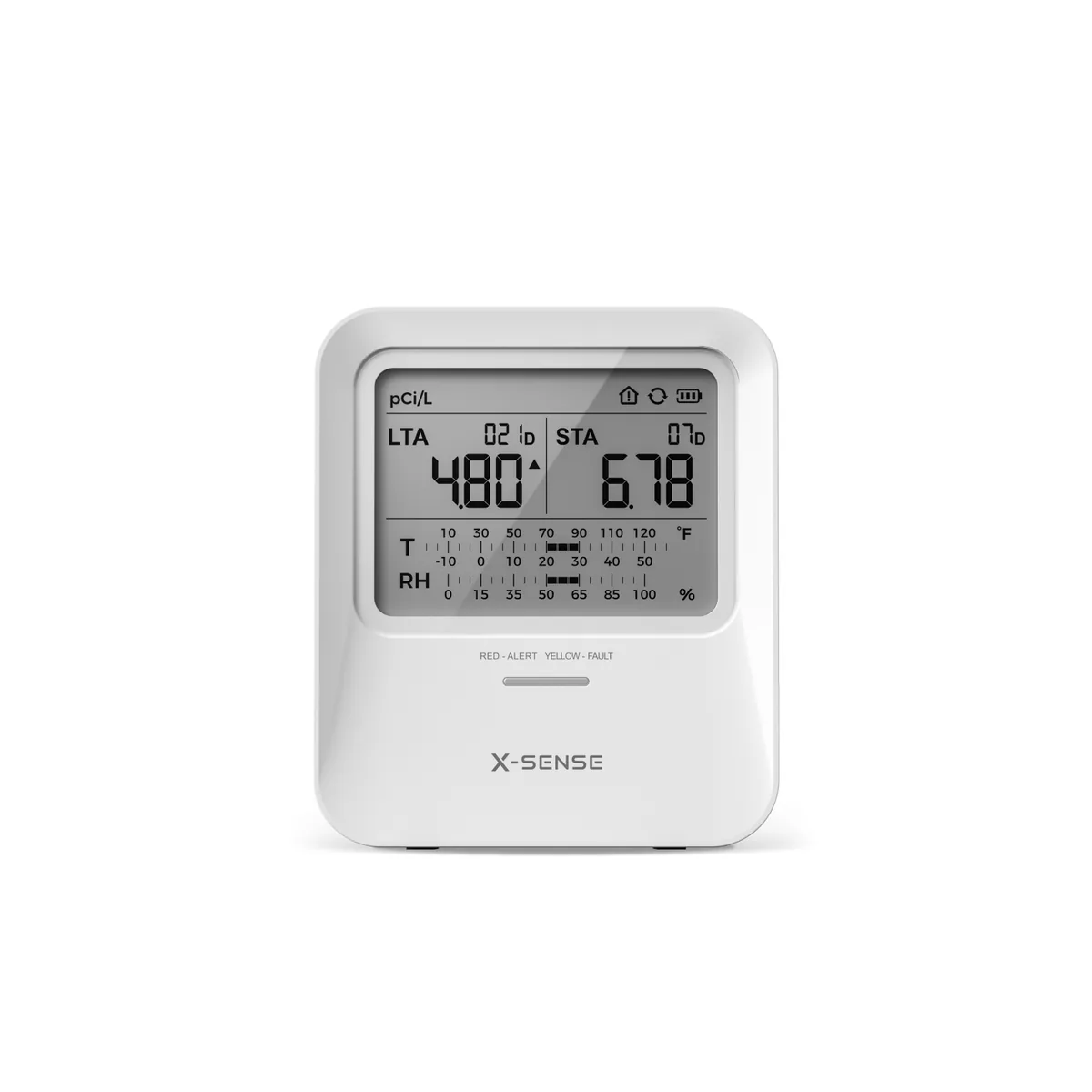
MonitorX-Sense
Method: Alpha spectrometry
First reading: Within 24 hours
More home radon monitors: 1 of 31
Questions
6 questions about the Airthings Corentium Home, answered
Not in the United States as of October 2026: Airthings' US store lists it for sale. Airthings' Canadian page lists it as no longer available, and the Corentium Home 2's page calls the original its previous model.
Model 223 is Airthings' number for the US version of the original Corentium Home; the European version is model 244. The Corentium Home 2 is a different model, number 325.
On its screen, which Airthings says shows rolling short-term and long-term averages. The long-term average is the figure to compare with the EPA's guidance: fix at 4 pCi/L, and consider fixing between 2 and 4 pCi/L.
Yes, in the 2024/25 evaluation, with an A in each of its four rounds; Airthings' Canadian page also describes it as C-NRPP approved. C-NRPP tested the Canadian version, and we have not confirmed that the US model is identical.
No. It has no wireless connection; everything is on its screen, including the short-term and long-term averages C-NRPP's listing describes. The Corentium Home 2 adds Bluetooth and the Airthings app, along with temperature and humidity sensors and longer battery life. If you want a record of the readings from the original, Airthings describes a self-inspection report you can generate to document or share them.
Airthings rates three AAA alkaline batteries for 2 years.
Updated October 9, 2026