
MonitorAEGTEST
HOUND-1011 rechargeable radon detector with a screen
- C-NRPP 2024/25: Not included
- Battery
- Alarm
- Screen
Method: Semiconductor sensor
First reading: Within 6 hours
X-Sense
Battery digital radon detector with a screen
Best for you if
Skip it if
Photos: X-Sense
 (opens in a new tab)Check price on Amazon (opens in a new tab)
As an Amazon Associate, Radon411 earns from qualifying purchases.
Amazon and the Amazon logo are trademarks of Amazon.com, Inc. or its affiliates.
See ratings and reviews on Amazon (opens in a new tab)As X-Sense states it
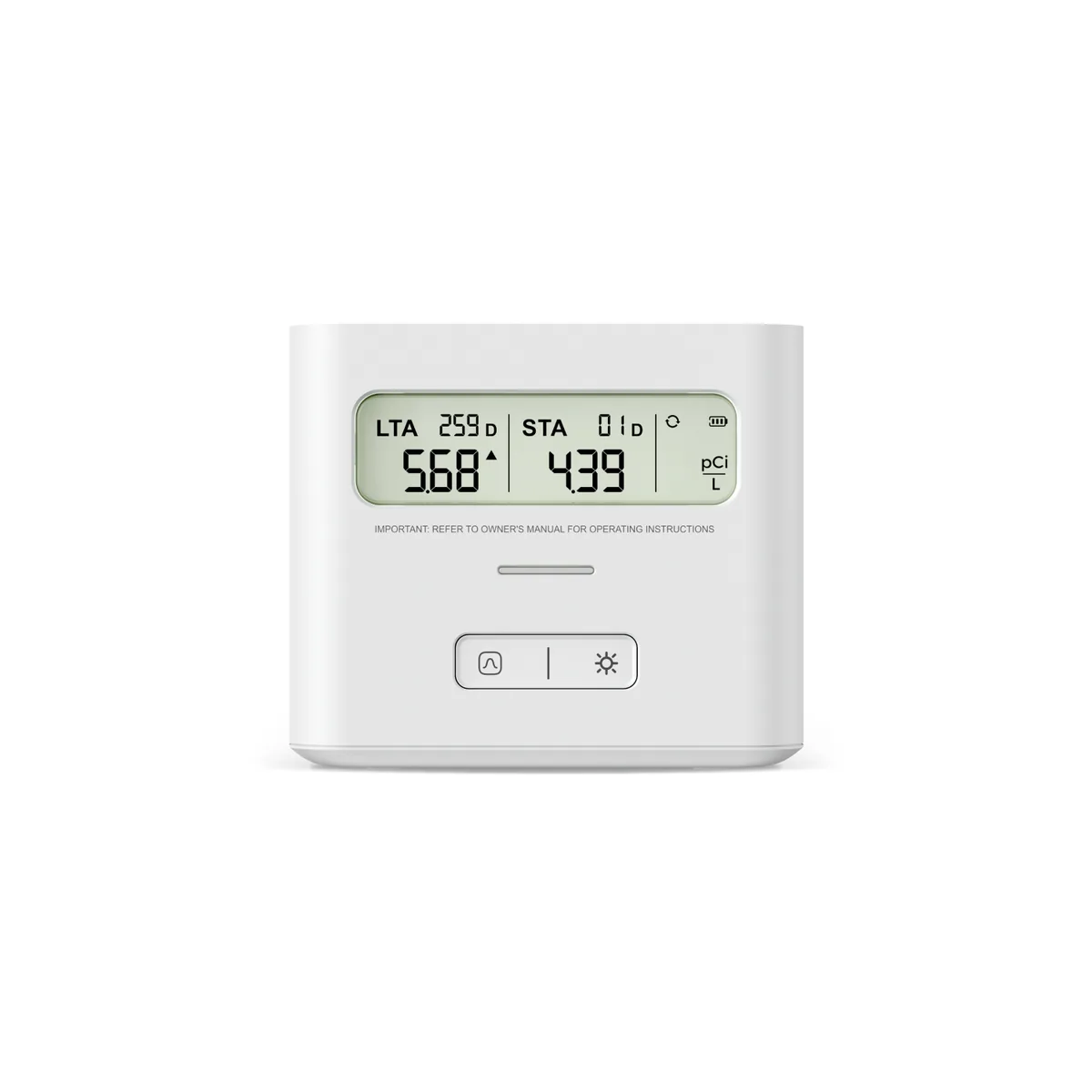
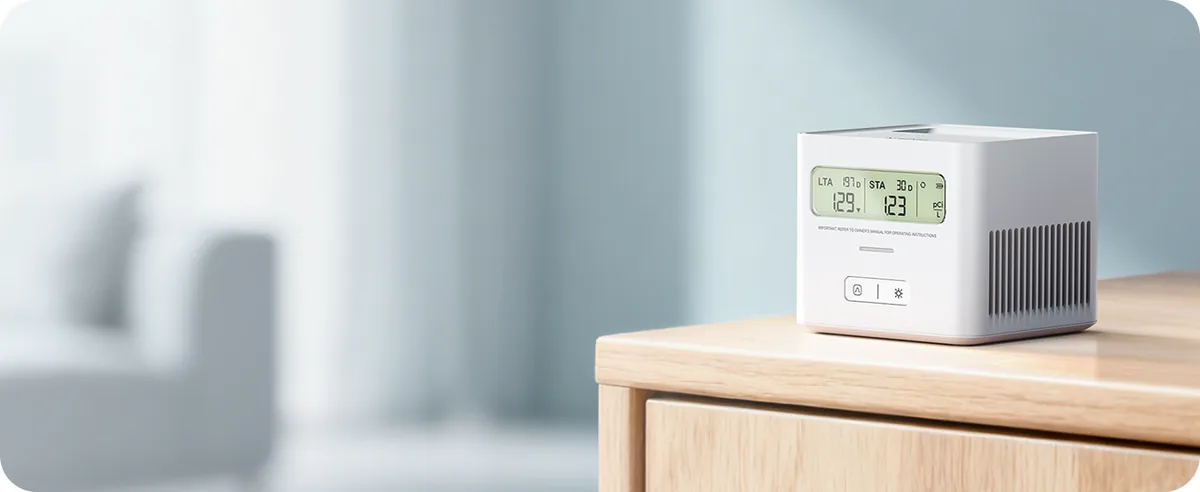
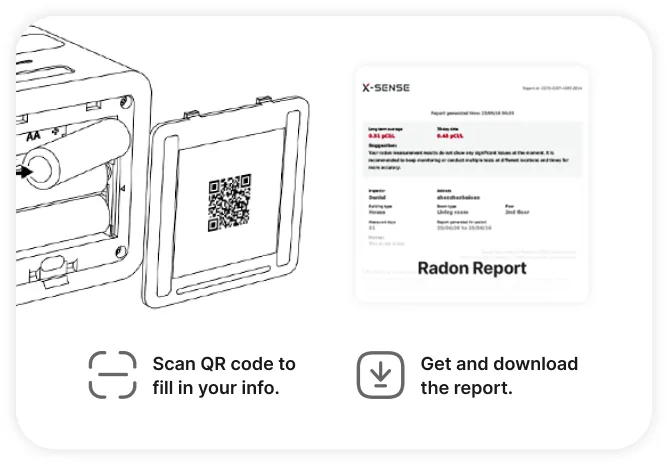
The XR0A-SR is X-Sense's standalone battery radon detector: a passive diffusion chamber read by continuous alpha spectrometry, a screen with short-term and long-term averages, three AA batteries and a one-button reset for testing room by room. It was not included in C-NRPP's 2024/25 evaluation.
X-Sense lists the power supply as three replaceable 1.5 V AA alkaline batteries and gives a warranty period of 5 years. X-Sense's store offers it singly and as a 2-pack, which suits testing two floors at once.
In the box and running costsHow it works
The sensor, the sampling and the readings, then who has checked it
In our words, from the maker's documents
X-Sense lists the sampling method as a passive diffusion chamber and the measurement method as continuous alpha spectrometry. Air drifts into the chamber on its own, with no fan or pump, and the sensor counts the alpha particles given off as radon and its decay products break down. X-Sense rates the sensor's sensitivity at 1.25 counts per hour for each pCi/L, or for each 37 Bq/m³.
That count rate explains the wait for a first number. X-Sense gives a detection stabilization time of 4 to 24 hours for reliable data, with results coming faster at higher concentrations, and recommends a testing period of at least 7 days. At the levels most homes see, plan on a day before the first figure means much and a week before you lean on it.
The screen shows two kinds of average. X-Sense lists a data update cycle of 1 hour for the short-term average and 24 hours for the long-term average, so the short-term figure follows recent changes and the long-term figure moves slowly. X-Sense describes the display as easy to read, and lists the detection range as 0 to 500 pCi/L, or 0 to 9,999 Bq/m³.
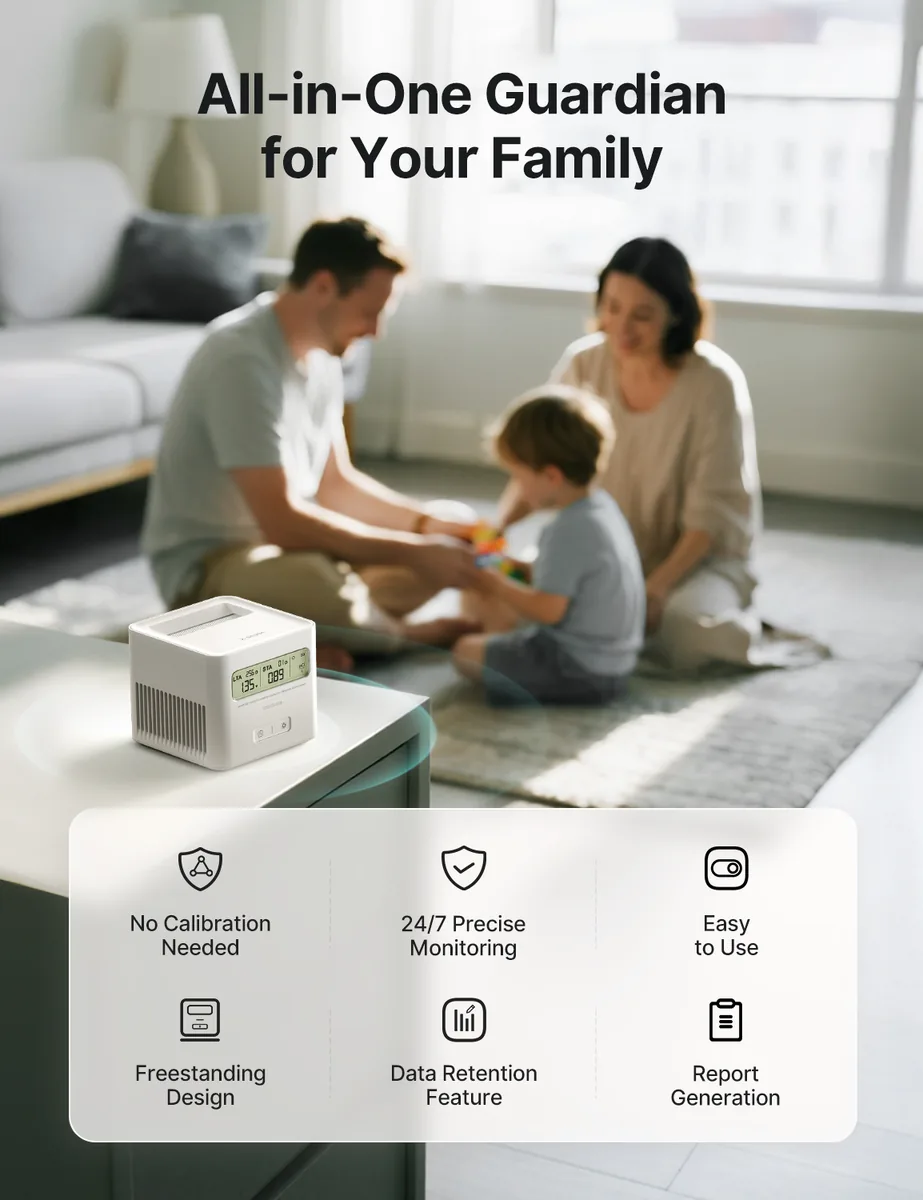
It is a standalone device. X-Sense marks it as incompatible with its SBS50 base station, so the XR0A-SR works on its own rather than through an X-Sense hub. It is built around a one-button reset for multi-room monitoring: you reset it, move it, and start a new set of averages in the next room. X-Sense also describes report generation, so you have clear data to take to an expert.
X-Sense sells a second battery detector, the XR0B-SR, which it calls a radon alarm. The two share the sampling method, measurement method, sensitivity, range, battery type and battery life that X-Sense lists, so the choice between them comes down to the features each page describes.
X-Sense's own statements, attributed
These are X-Sense's own statements, attributed to it. They are not our findings, and we have not tested this product ourselves.
C-NRPP 2024/25, recalls and studies
The Canadian National Radon Proficiency Program's 2024/25 comparison of consumer monitors did not include X-Sense XR0A-SR. That is a fact about which devices took part, not a finding about this one: no result from that program exists for it either way.
C-NRPP is the Canadian National Radon Proficiency Program. Its 2024/25 results were published in May 2025.
X-Sense XR0A-SR
Check price on Amazon (opens in a new tab)Specifications
Every figure as the maker states it
X-Sense lists the power supply as three replaceable 1.5 V AA alkaline batteries and gives a warranty period of 5 years. X-Sense's store offers it singly and as a 2-pack, which suits testing two floors at once.
There is no lab fee, hub or subscription. The running cost is three AA alkaline batteries, which X-Sense rates for 2 years. Because it is a standalone detector, there is nothing else to buy for it to work.
Fit and setup
The fit, then setup and placement as the guidance asks
Good fit if, and look elsewhere if
Good fit if
Look elsewhere if
4 steps
How C-NRPP says to use any consumer monitor
For where any radon test or monitor should sit in a home, see where to place a radon test.
Compare
The same three rows for each, and the one difference that matters
This page
X-Sense XR0A-SR
This page: The XR0A-SR is X-Sense's standalone battery radon detector: a passive diffusion chamber read by continuous alpha spectrometry, a screen with short-term and long-term averages, three AA batteries and a one-button reset for testing room by room.
Airthings
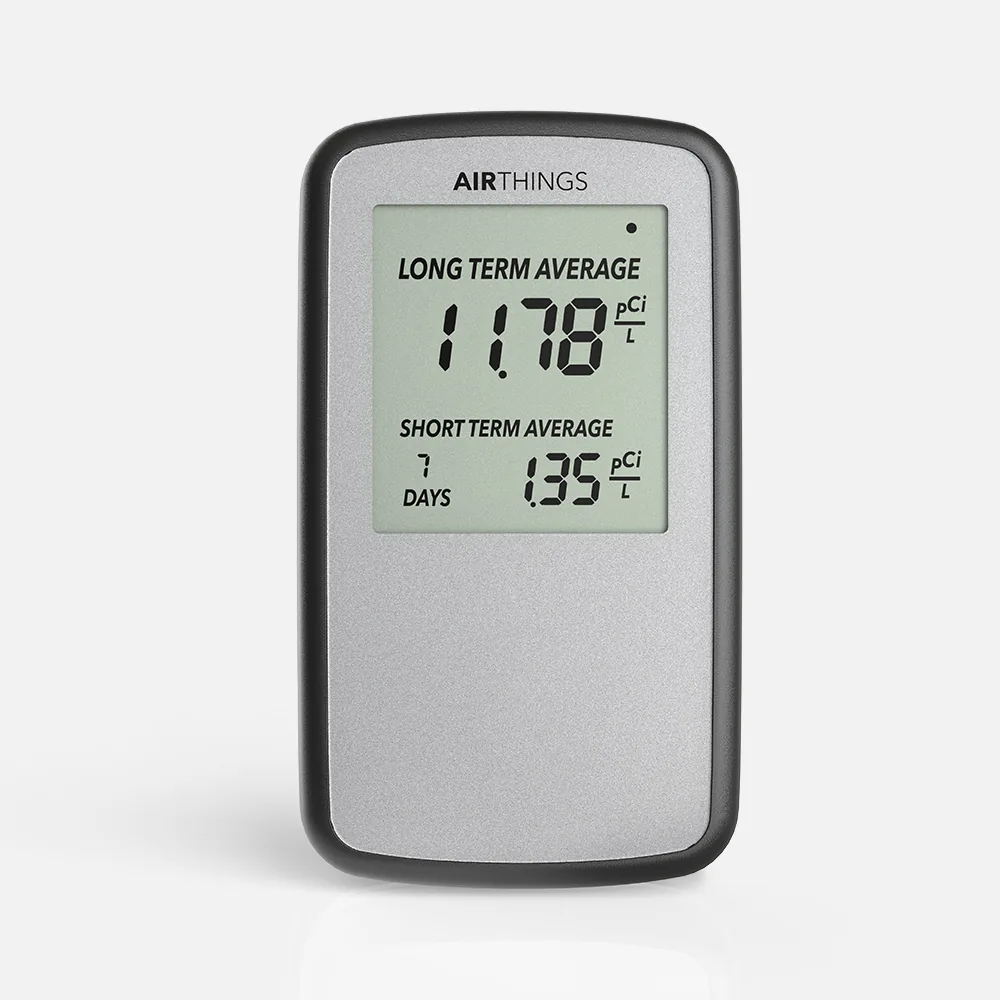
The difference: Also battery-powered with a passive diffusion chamber and alpha spectrometry, on three AAA batteries; approved in C-NRPP's 2024/25 evaluation.
The difference: Another battery detector with a screen, using a semiconductor sensor, with an alarm that sounds once the past day's average passes its threshold.
X-Sense
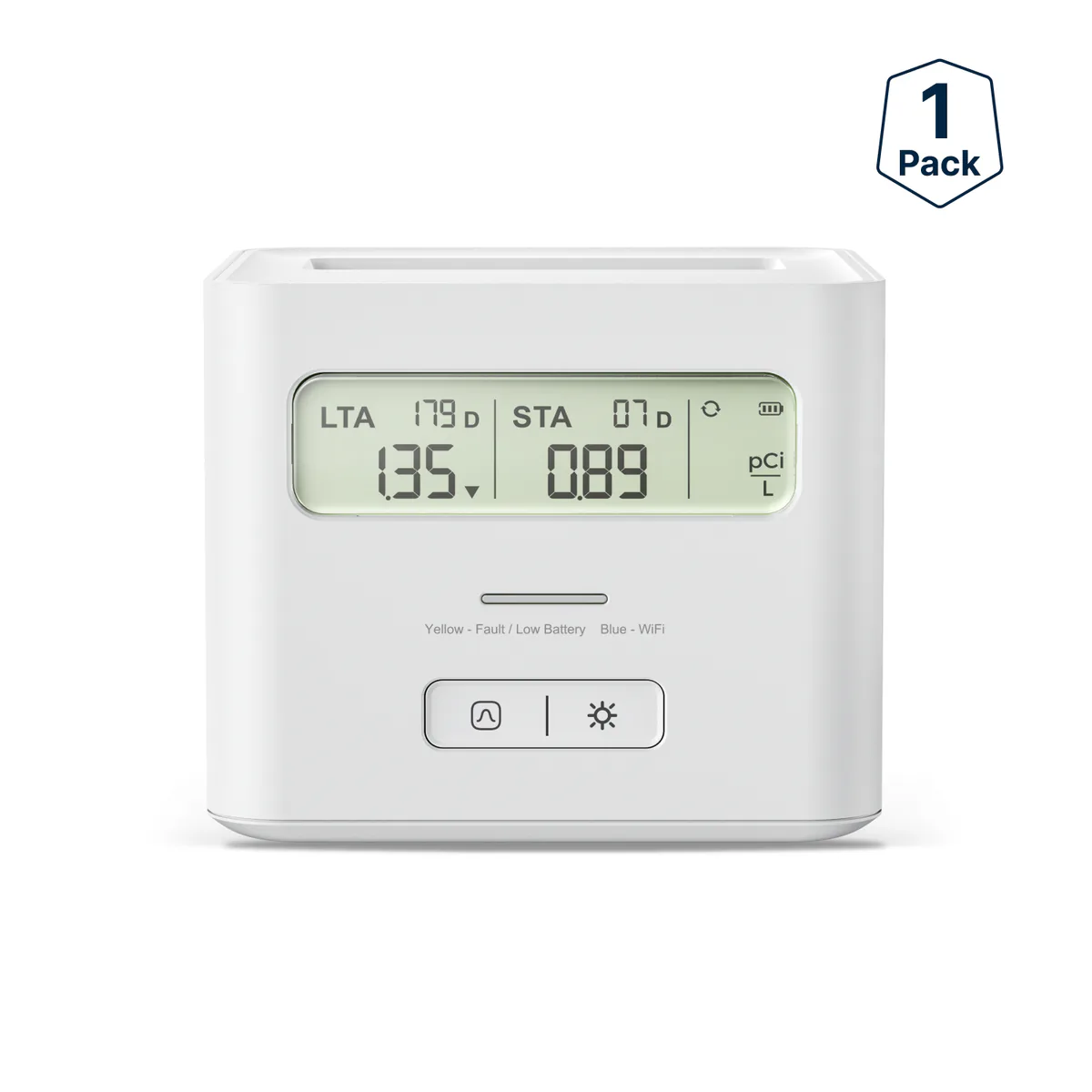
The difference: X-Sense's Wi-Fi detector: the same listed chamber, method, range and three AA batteries, plus Wi-Fi to the X-SENSE Home Security app for remote readings and app alerts.
X-Sense
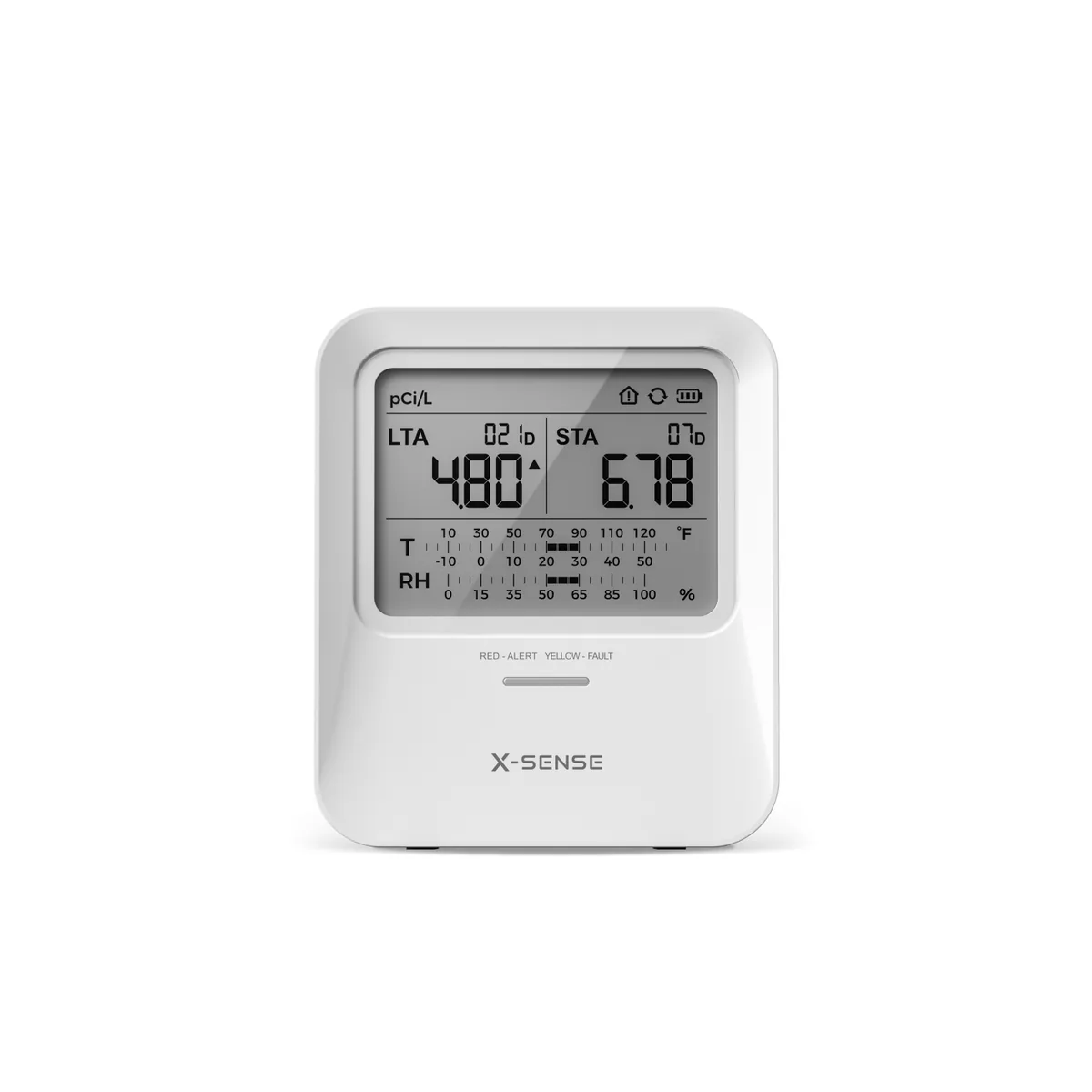
The difference: X-Sense's other battery detector, sold as a radon alarm: the same listed sensor, range and batteries, with a built-in audible alarm and rolling 1, 7, 30 and 90-day averages.
Compared with similar products: 1 of 5
MonitorAEGTEST
Method: Semiconductor sensor
First reading: Within 6 hours
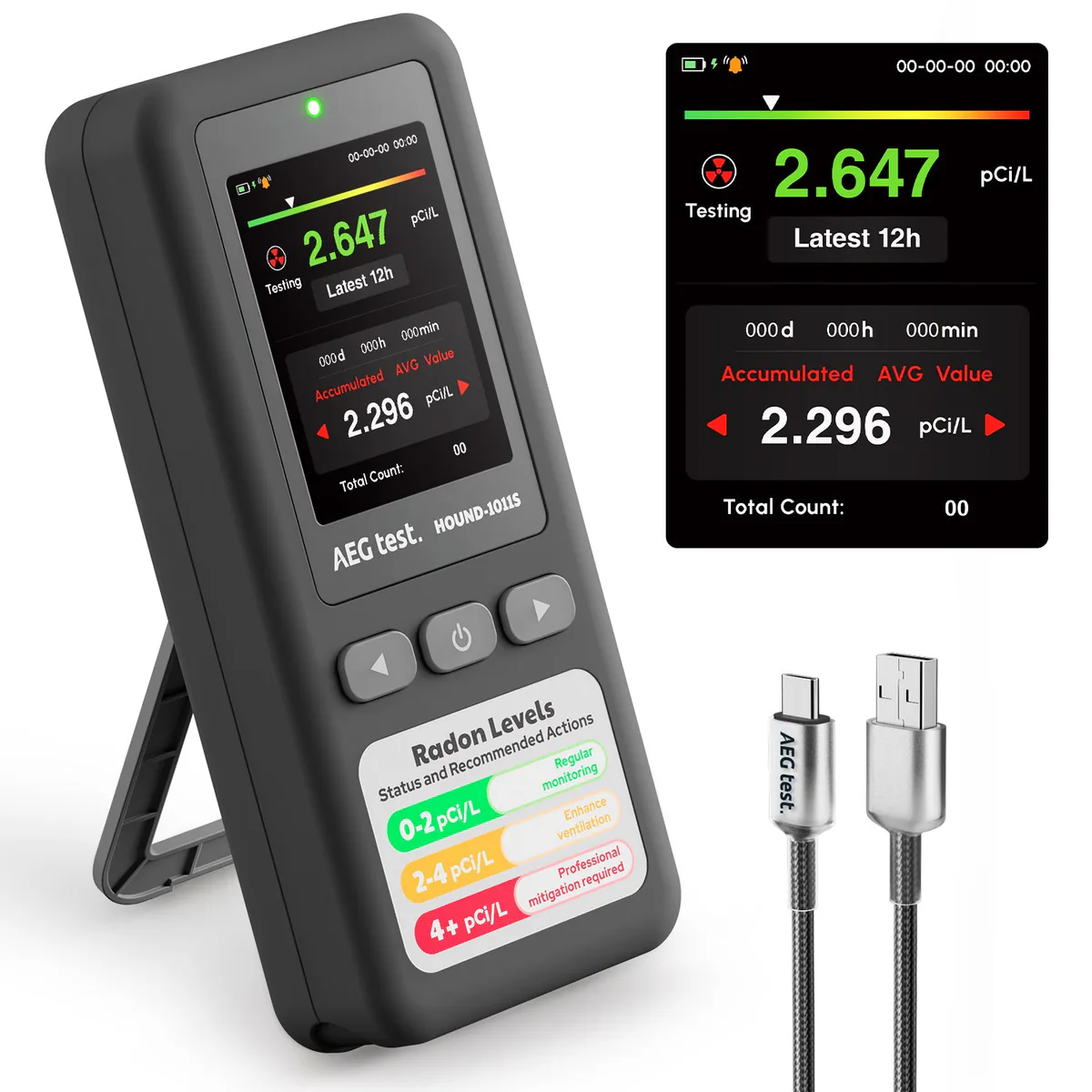
MonitorAEGTEST
Method: Semiconductor sensor
First reading: Within 12 hours
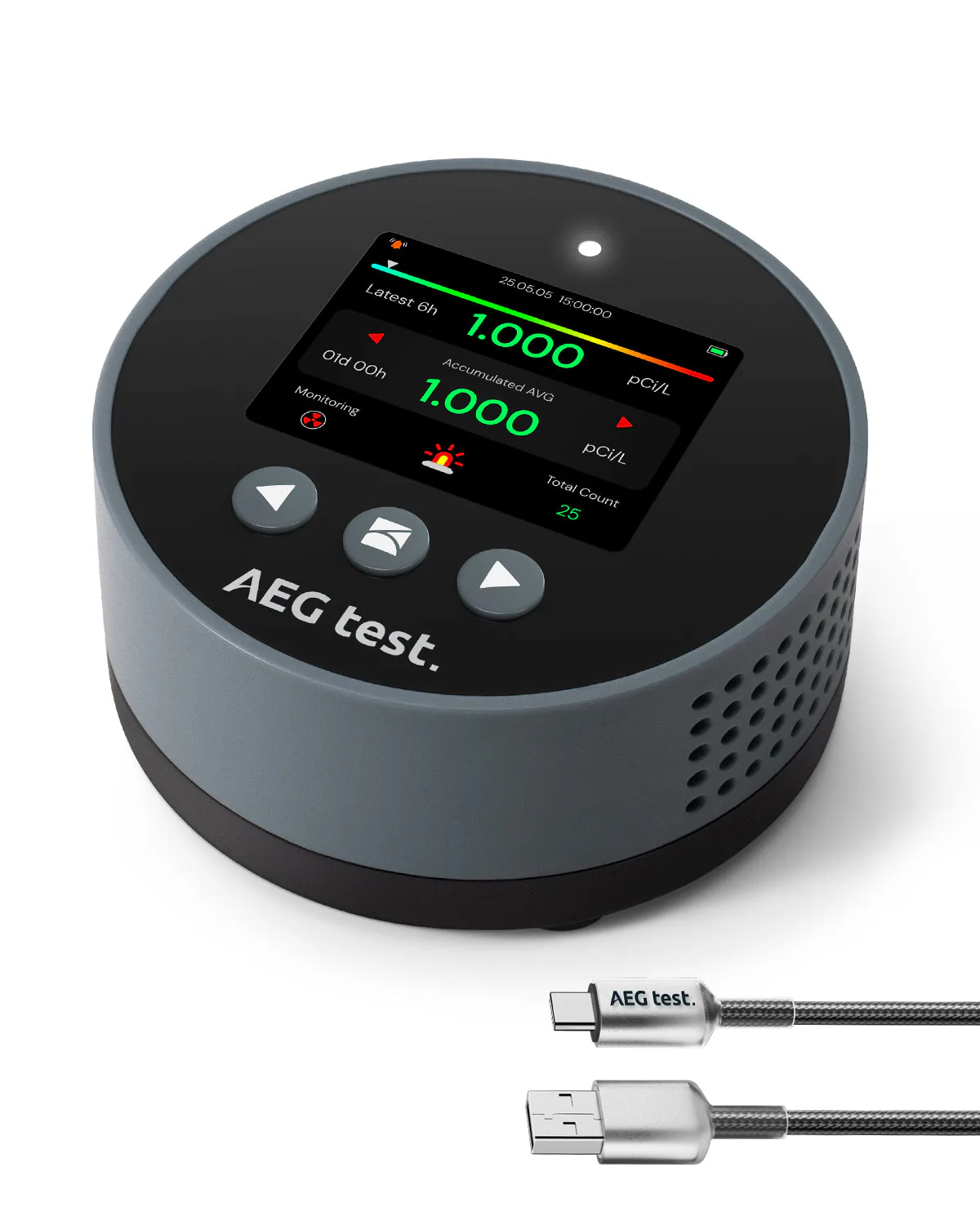
MonitorAEGTEST
Method: Semiconductor sensor
First reading: Within 6 hours
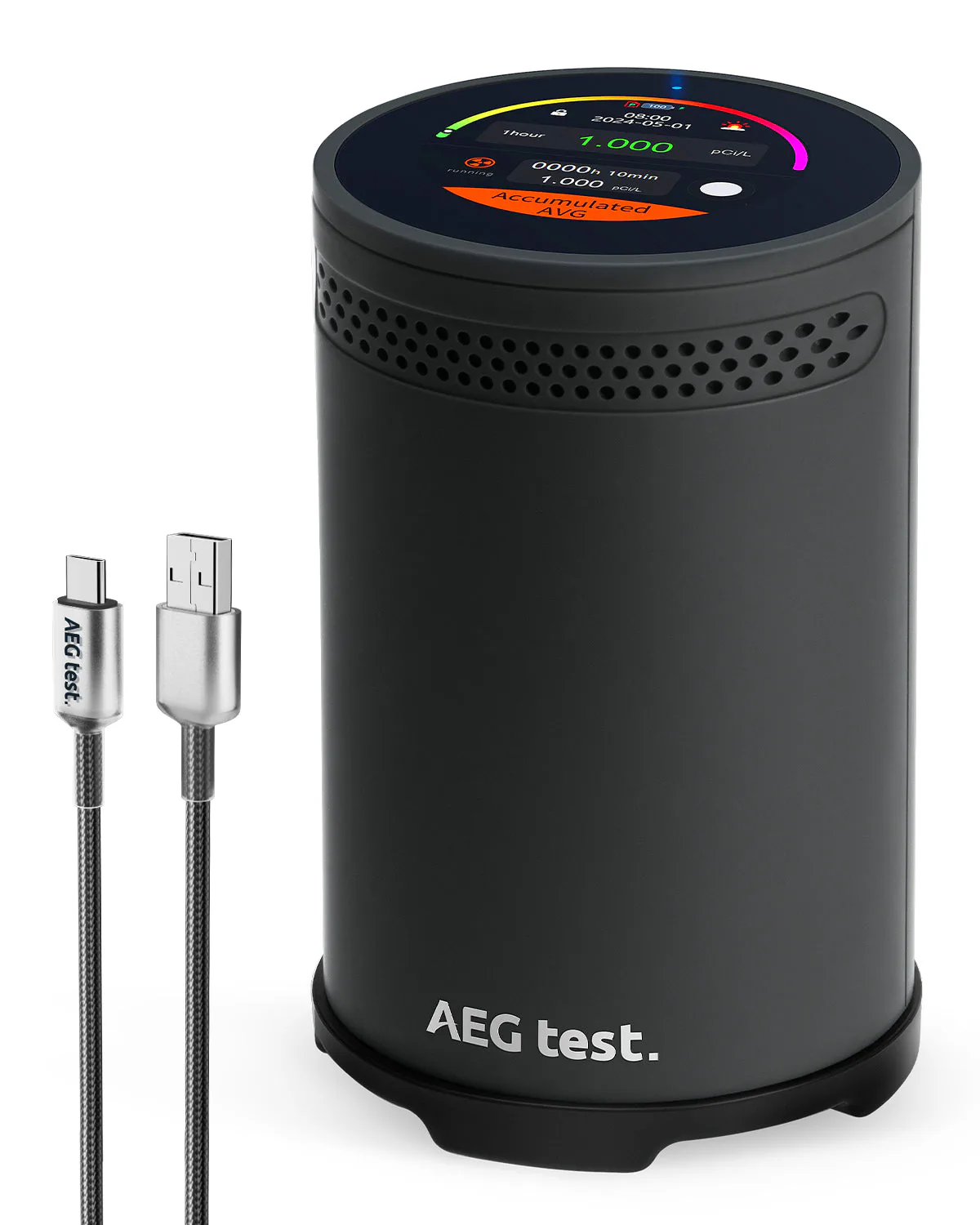
MonitorAEGTEST
First reading: Within 1 hour
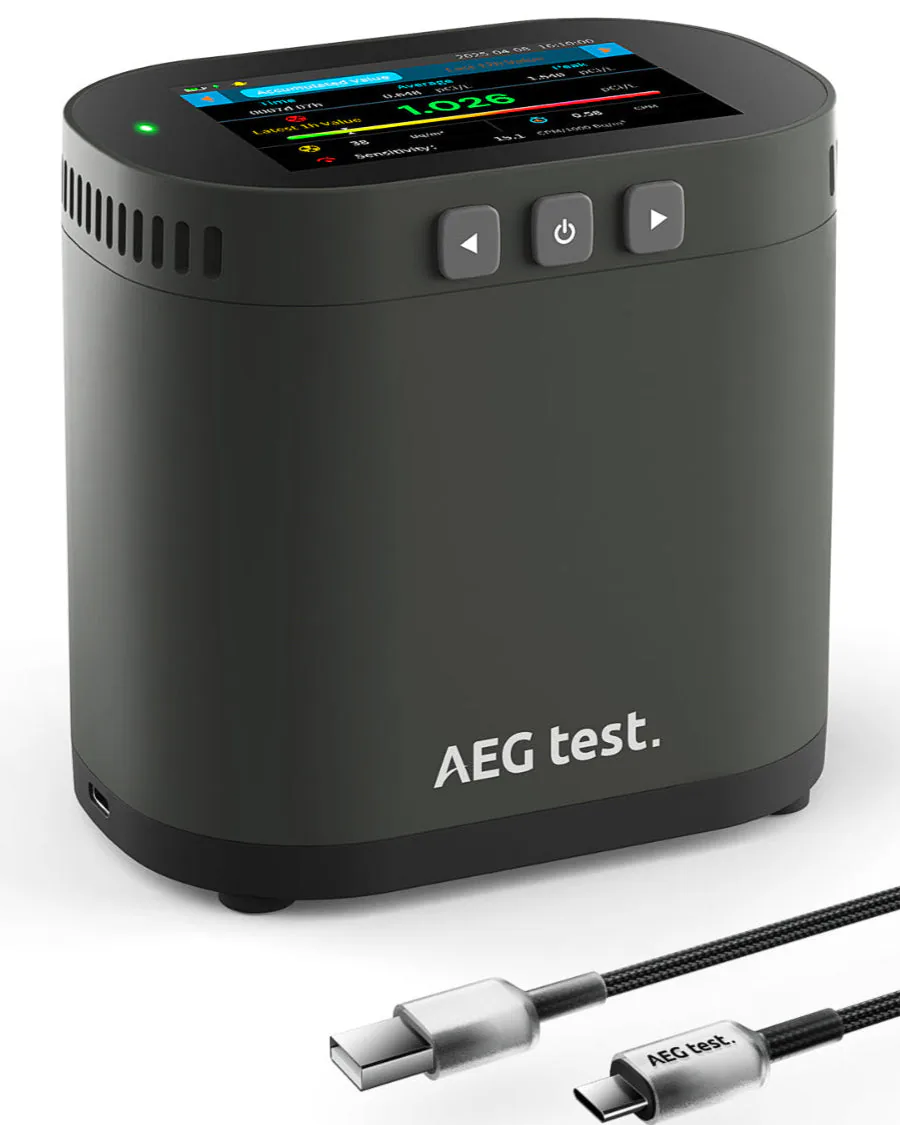
MonitorAEGTEST
Method: Ion chamber
First reading: Within 10 minutes
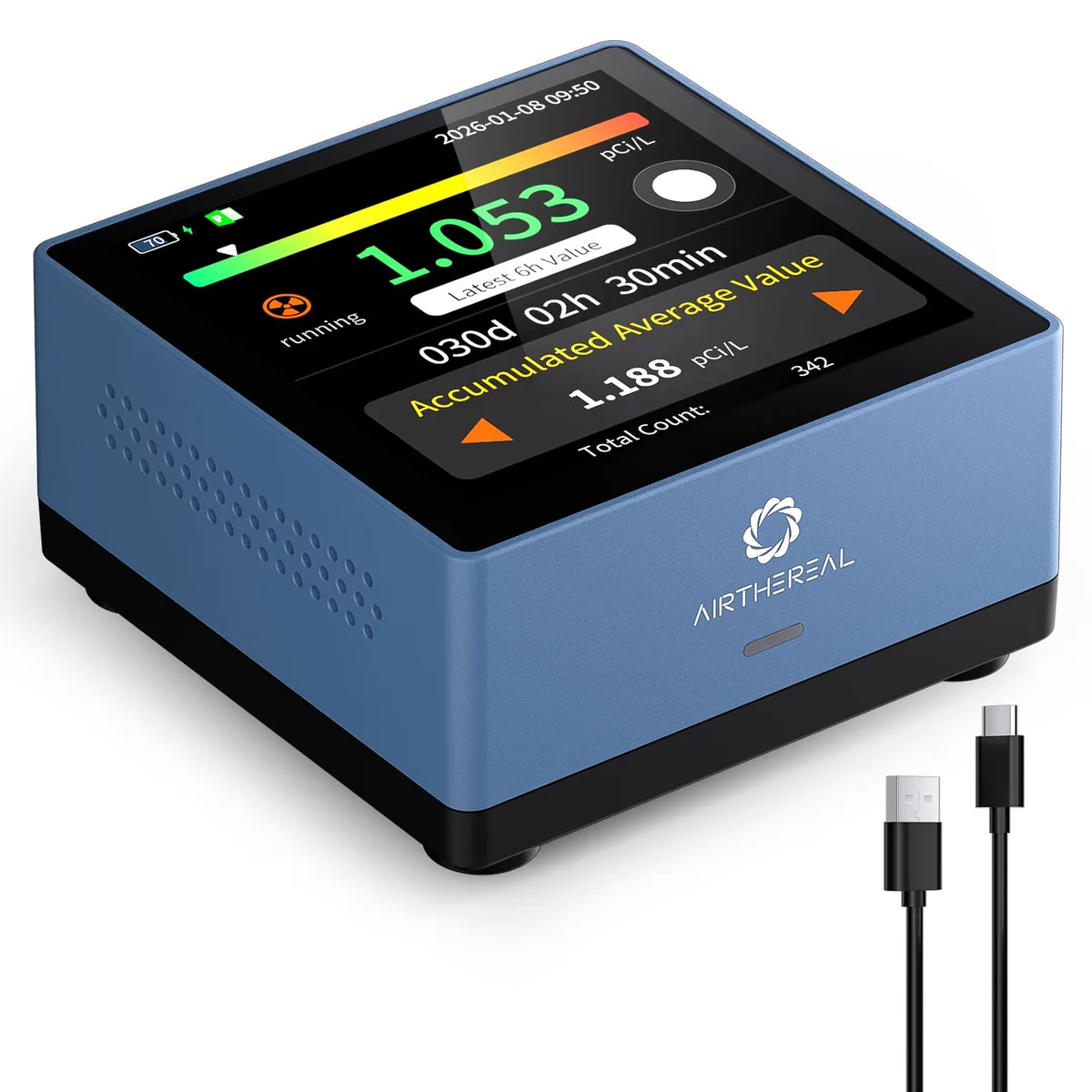
Monitor
Method: Semiconductor sensor
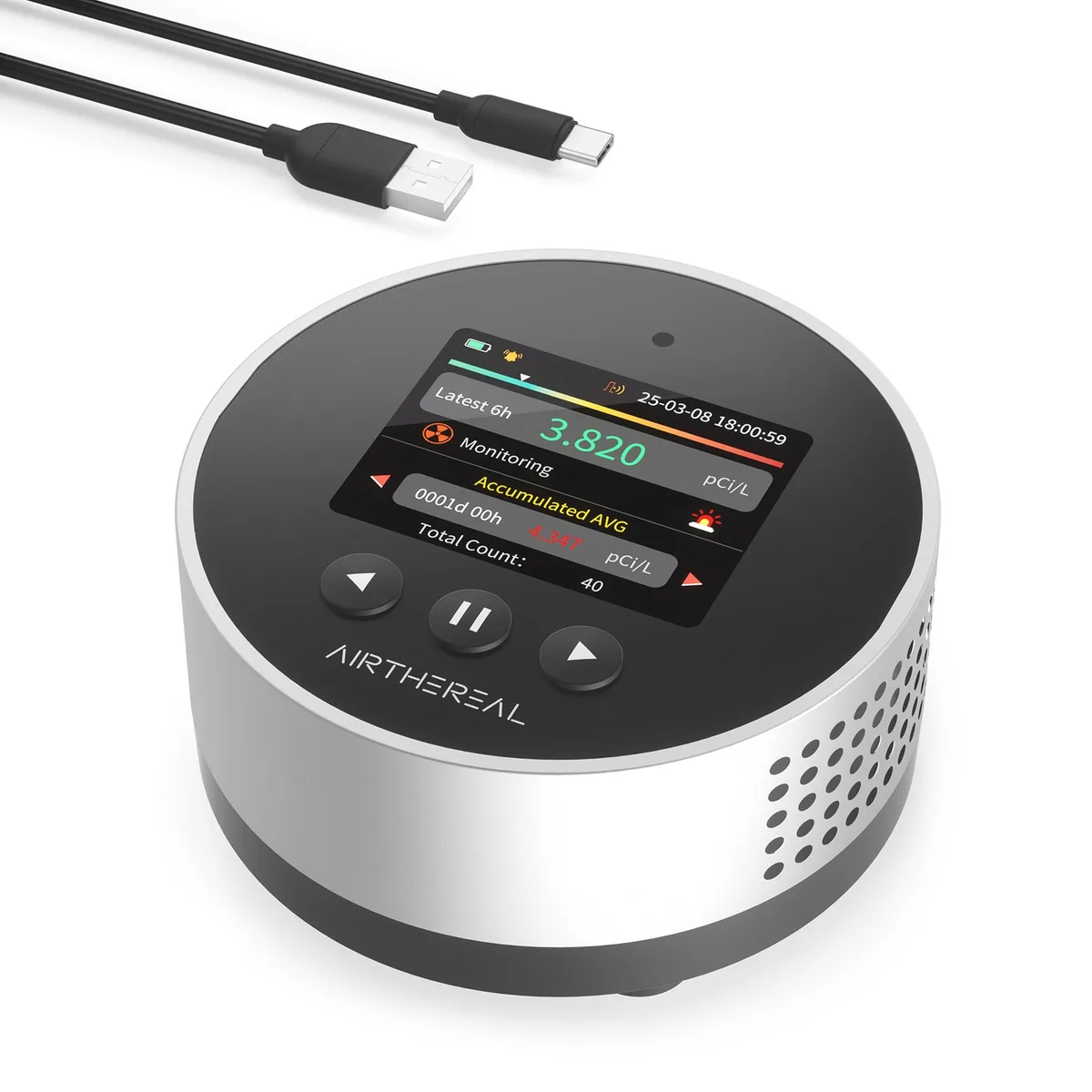
Monitor
Method: Semiconductor sensor
First reading: Within 6 hours
Monitor
Method: Alpha spectrometry
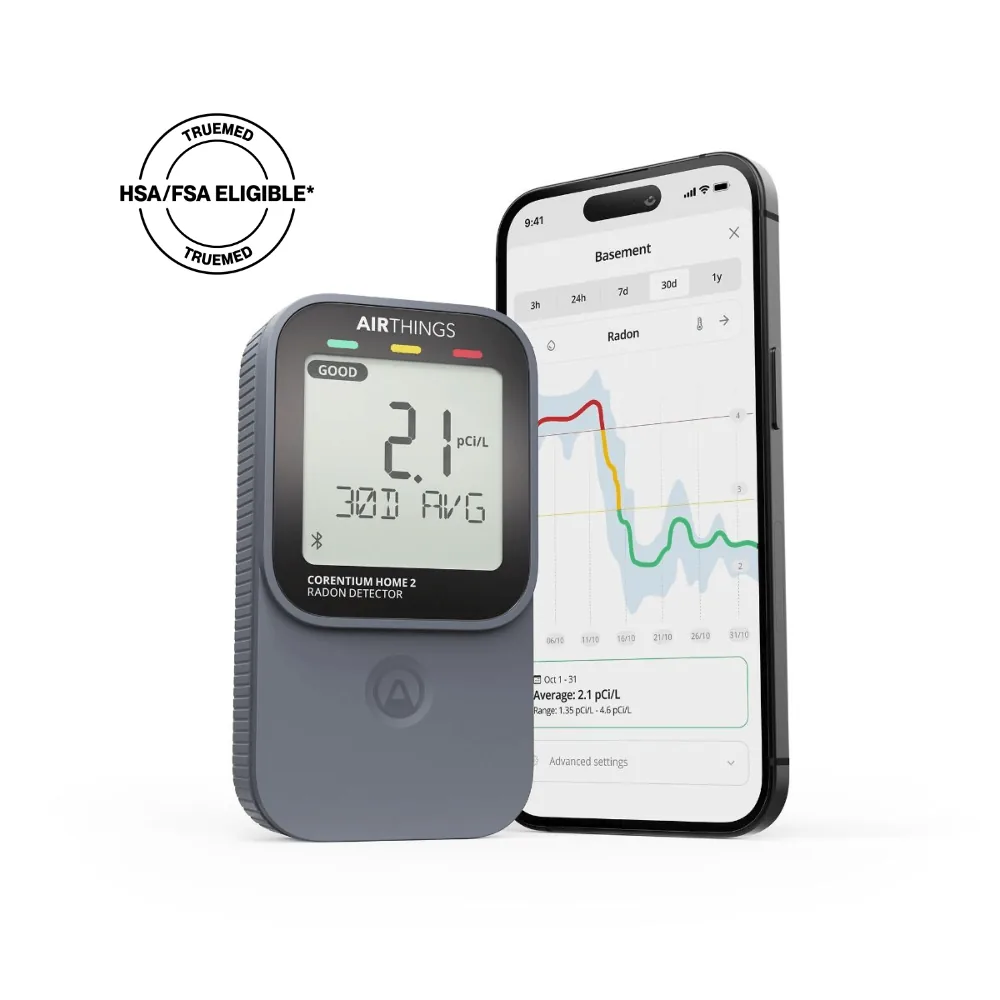
Monitor
Method: Alpha spectrometry
Readings: Every 60 minutes
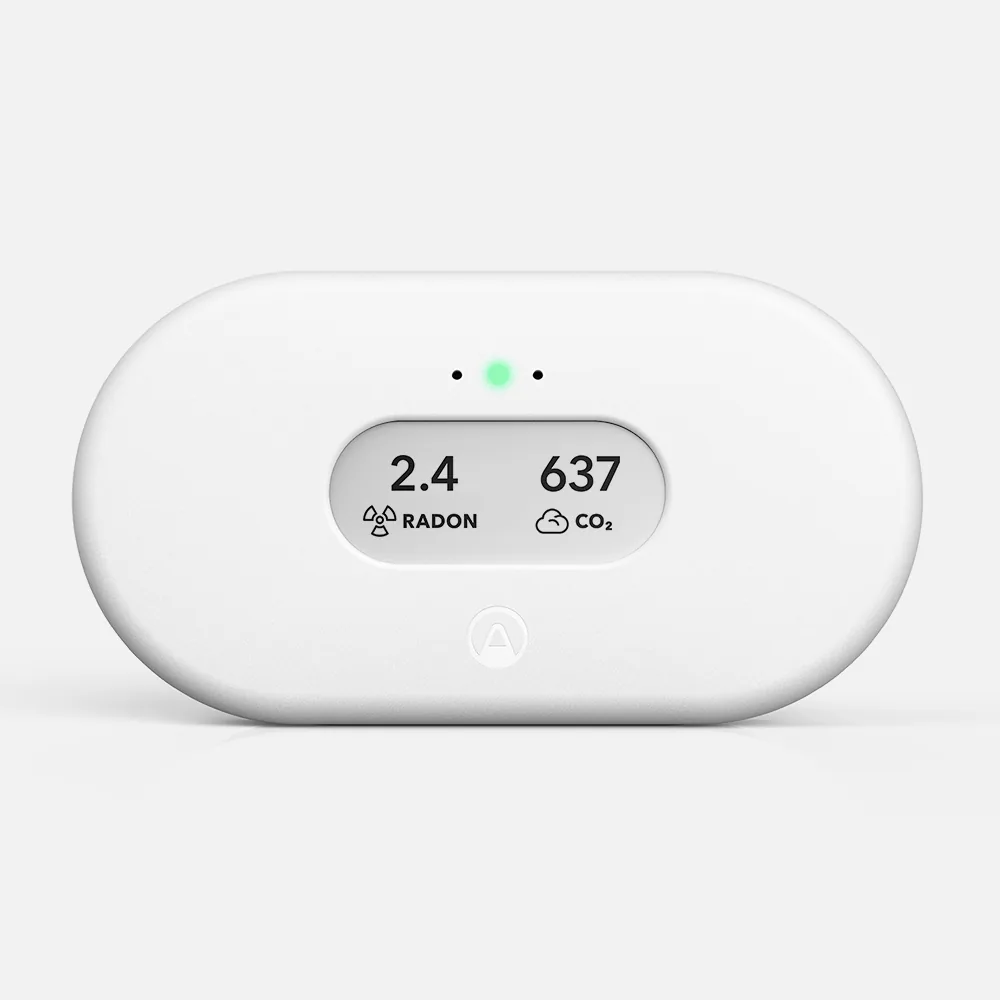
Monitor
Method: Alpha spectrometry
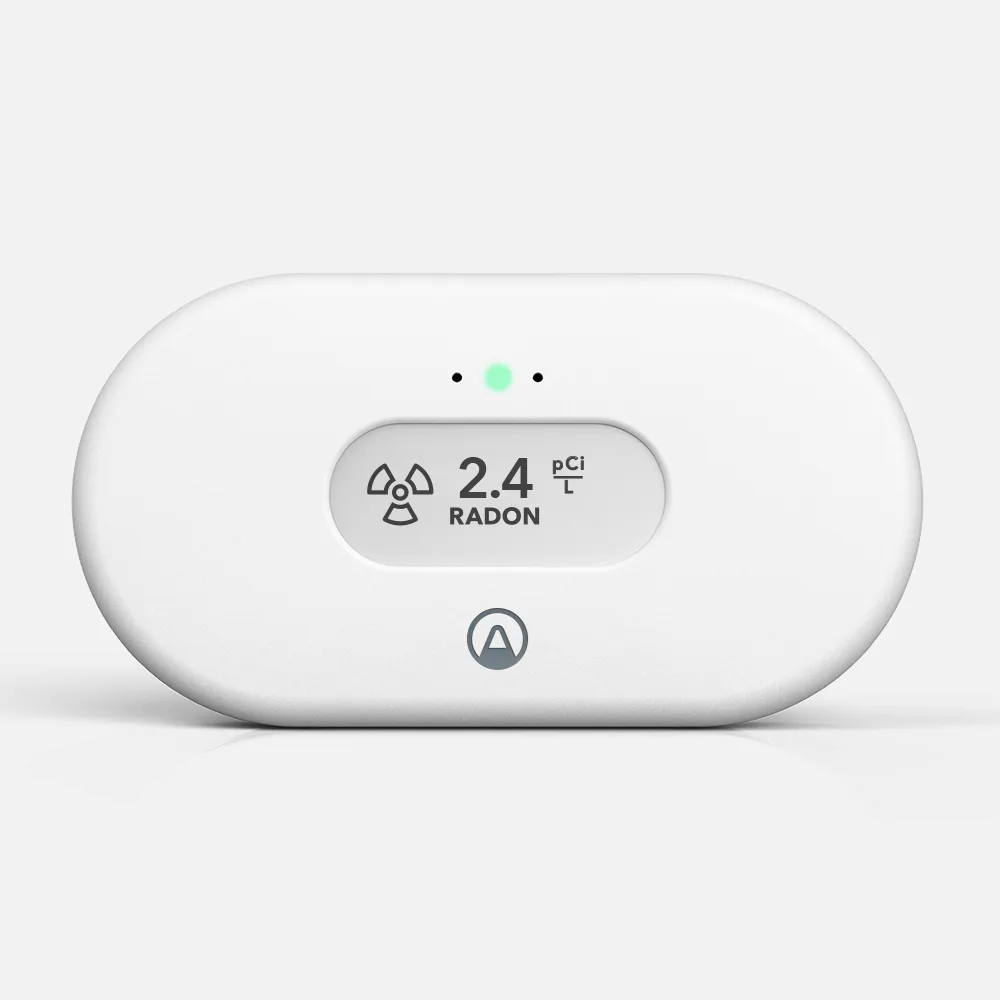
Monitor
Method: Alpha spectrometry
Readings: Every 60 minutes
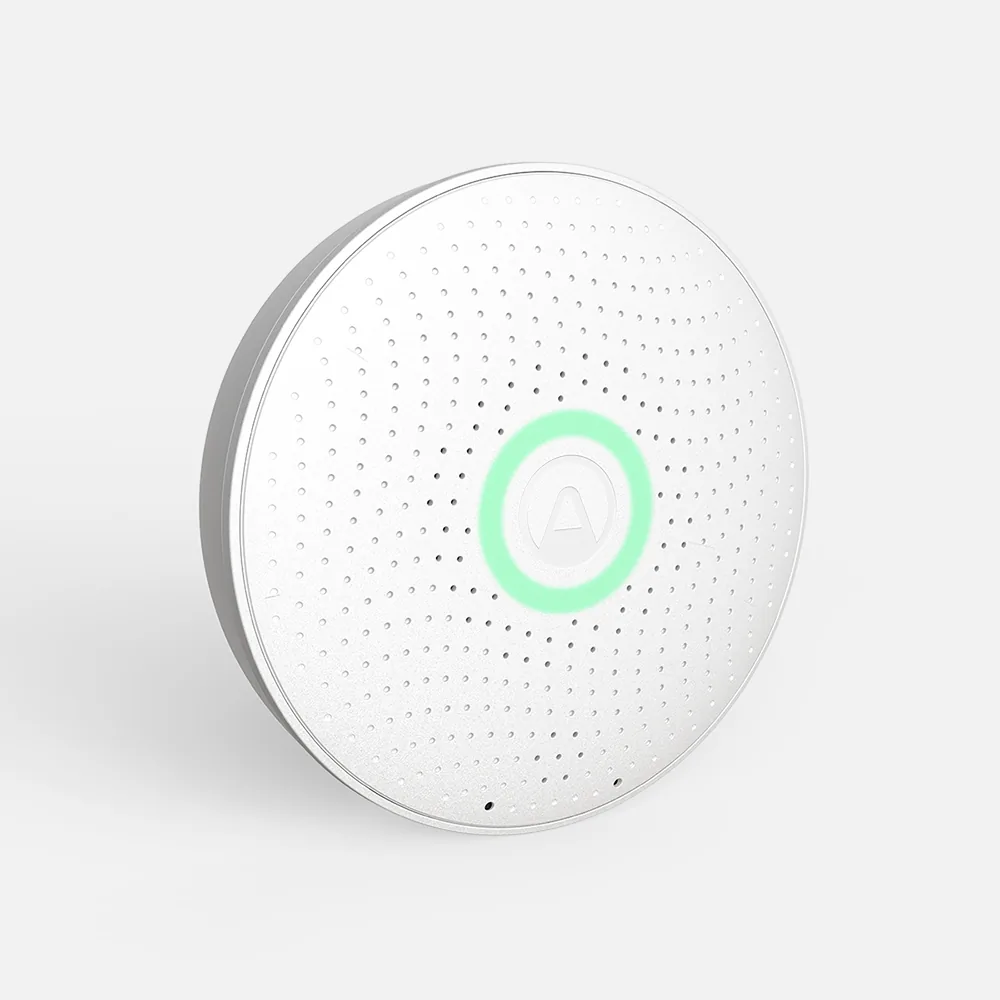
Monitor
Method: Alpha spectrometry
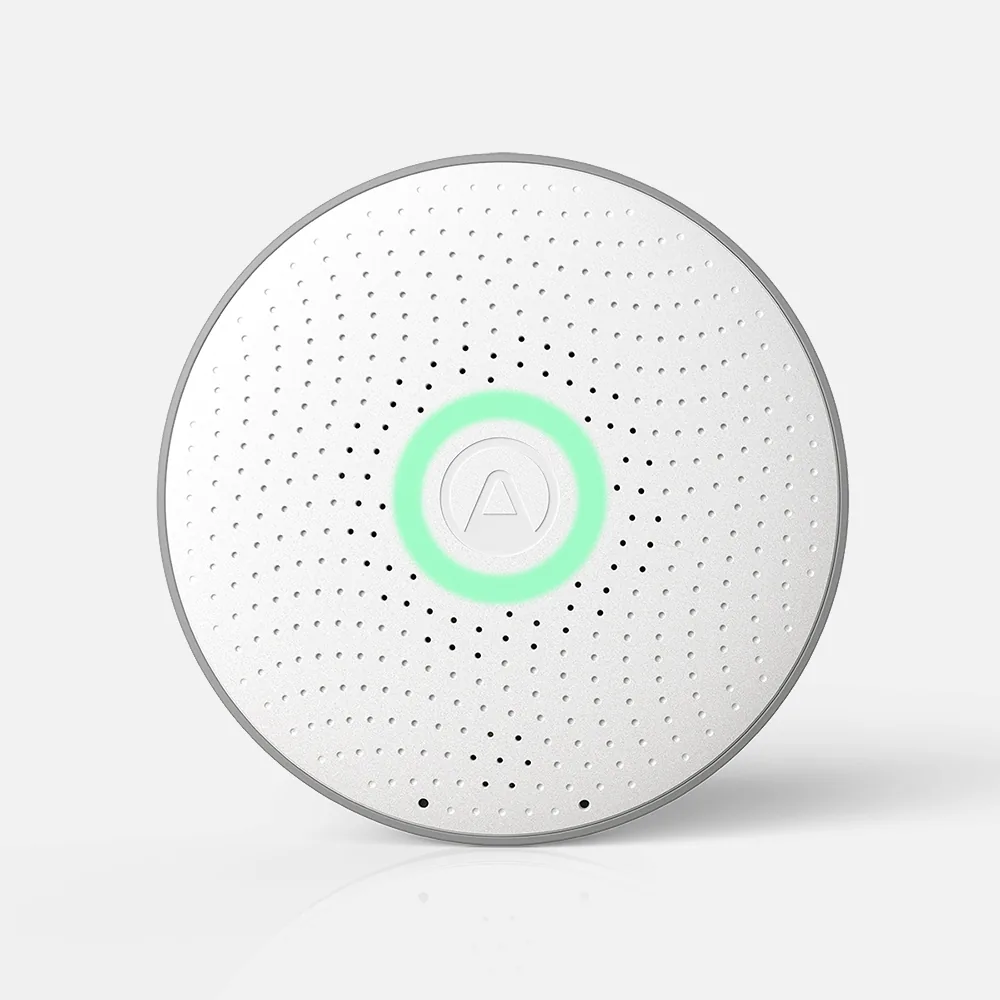
Monitor
Method: Alpha spectrometry
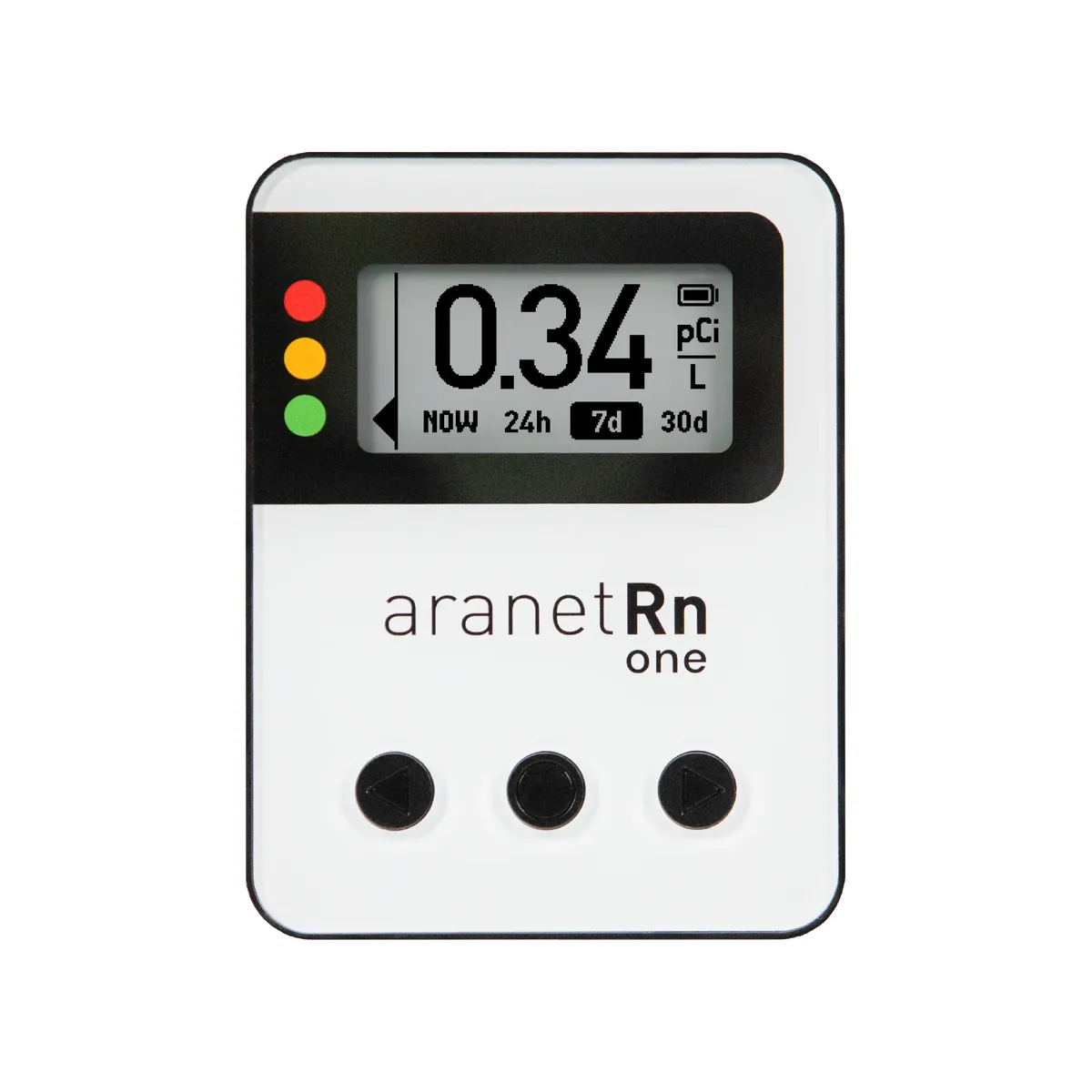
MonitorAranet
Method: Ion chamber
First reading: Within 10 minutes
MonitorAranet
Method: Ion chamber
First reading: Within 10 minutes
Monitor
Method: Ion chamber
First reading: Within 10 minutes
Monitor
Method: Ion chamber
First reading: Within 10 minutes
Monitor
Method: Ion chamber
First reading: Within 15 minutes
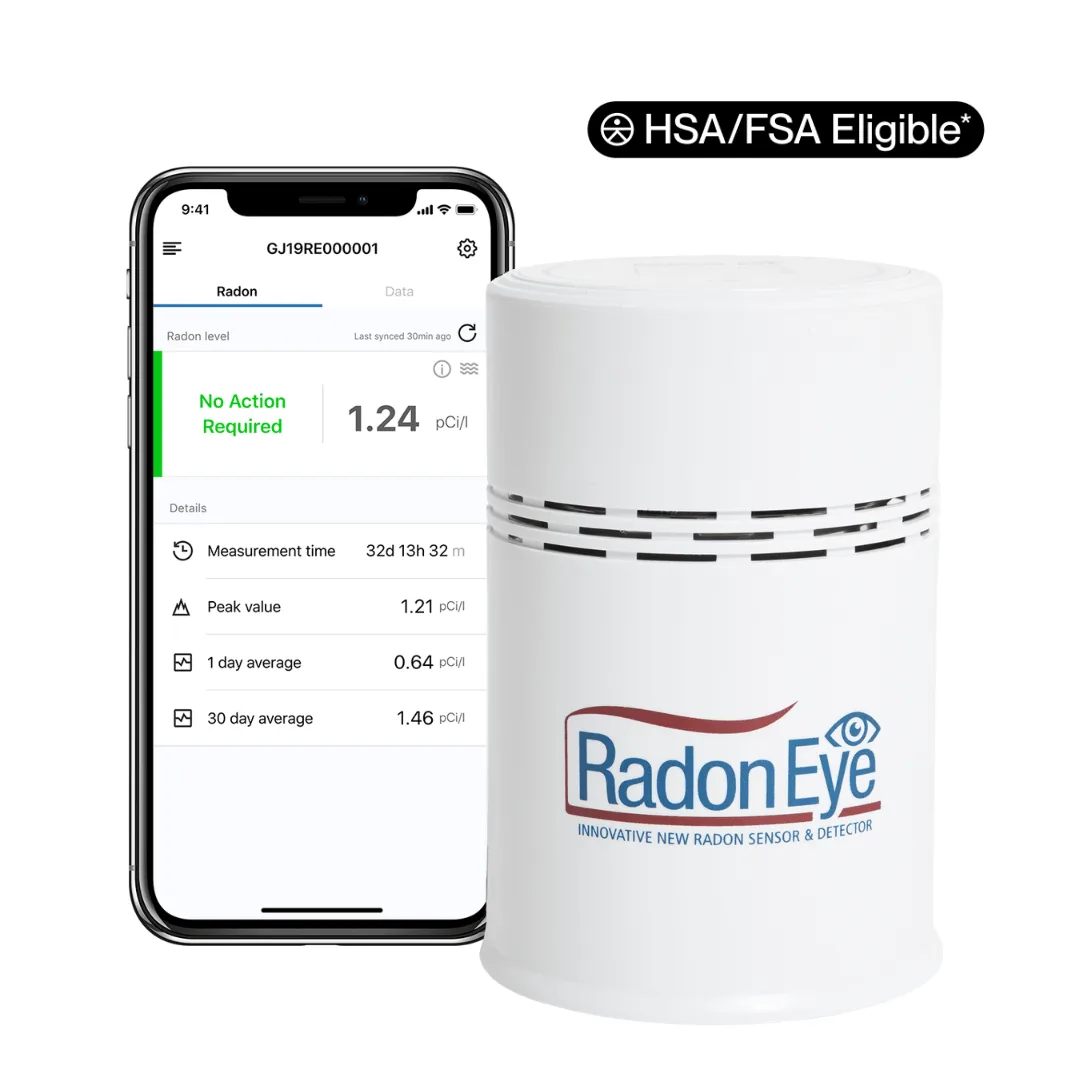
Monitor
Method: Ion chamber
First reading: Within 10 minutes
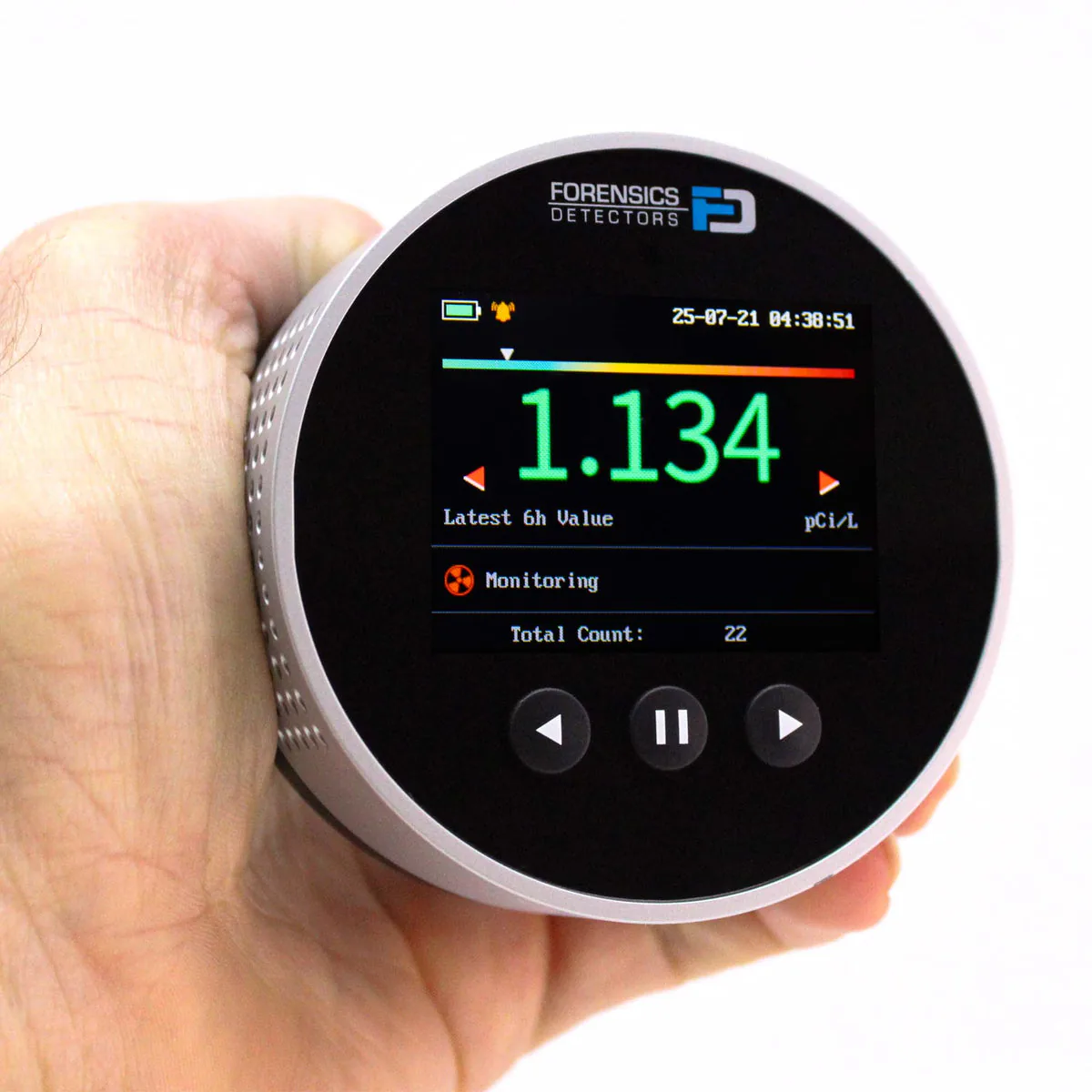
MonitorForensics Detectors
Method: Semiconductor sensor
First reading: Within 6 hours
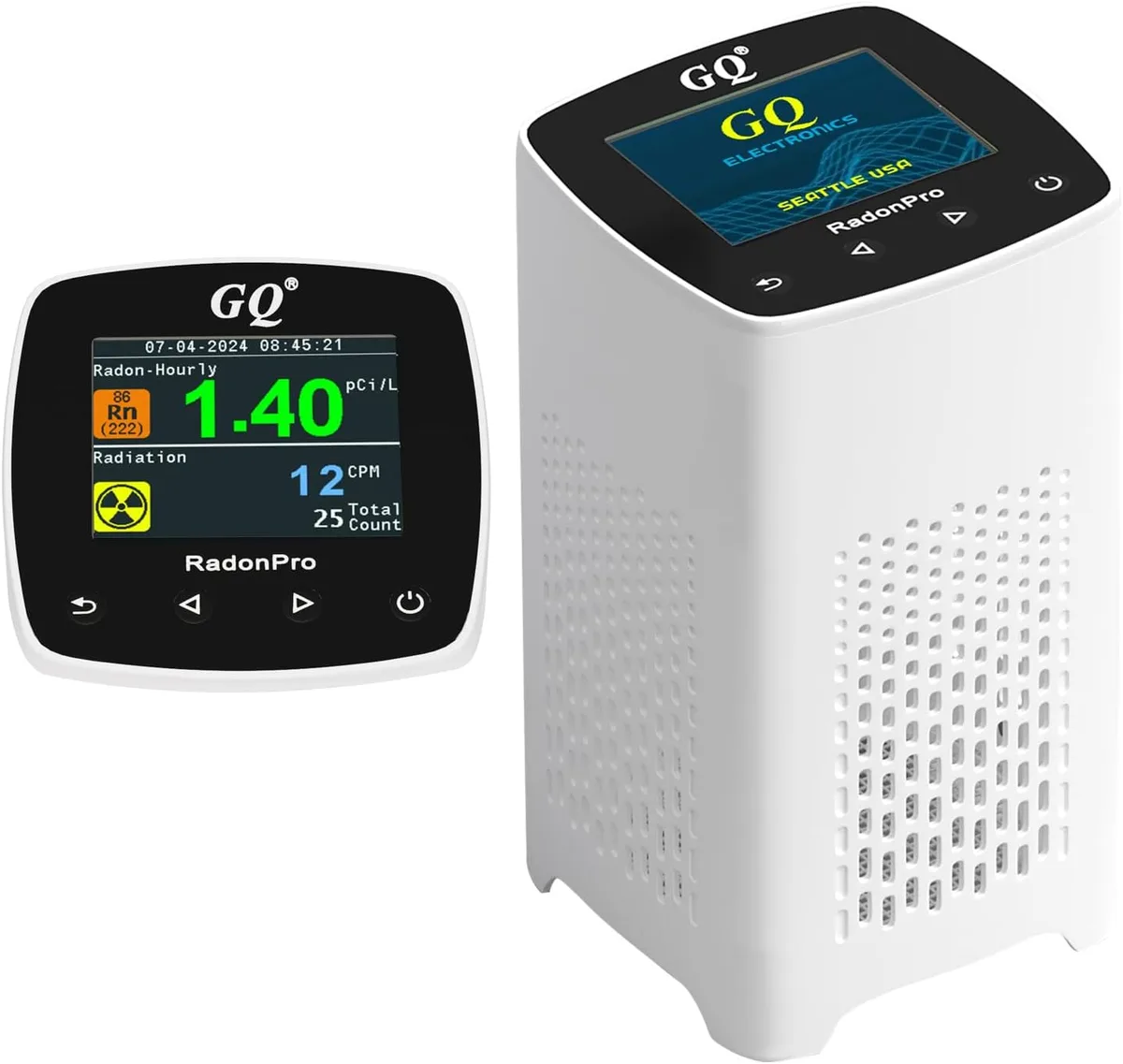
Monitor
First reading: Within 5 minutes
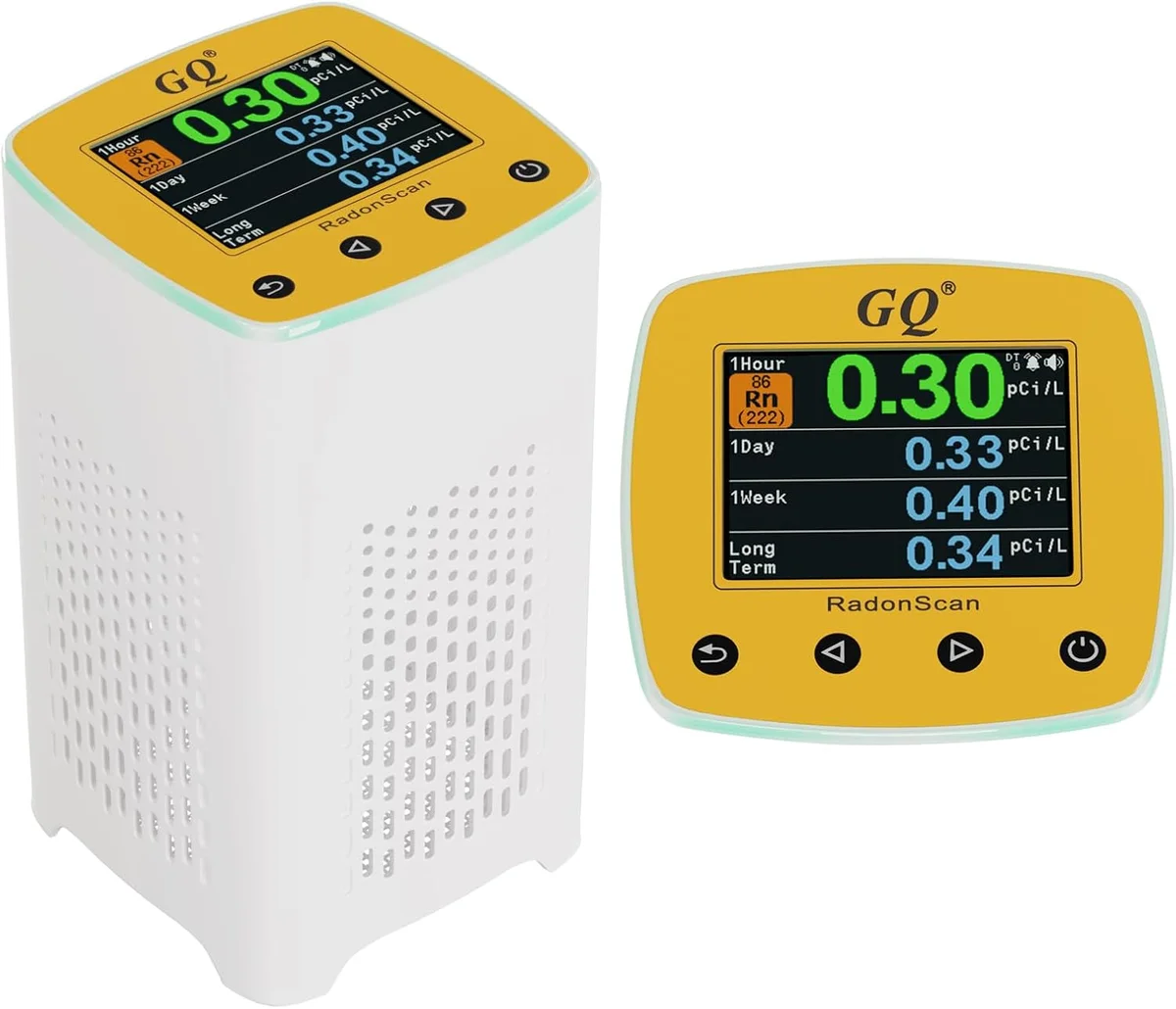
Monitor
First reading: Within 5 minutes
Monitor
First reading: Within 5 minutes
MonitorINKBIRD
First reading: Within 24 hours
MonitorKidde
Method: Semiconductor sensor
First reading: Within 12 hours
MonitorPYZYCKYH
Method: Semiconductor sensor
First reading: Within 6 hours
MonitorSafetySiren
First reading: Within 48 hours
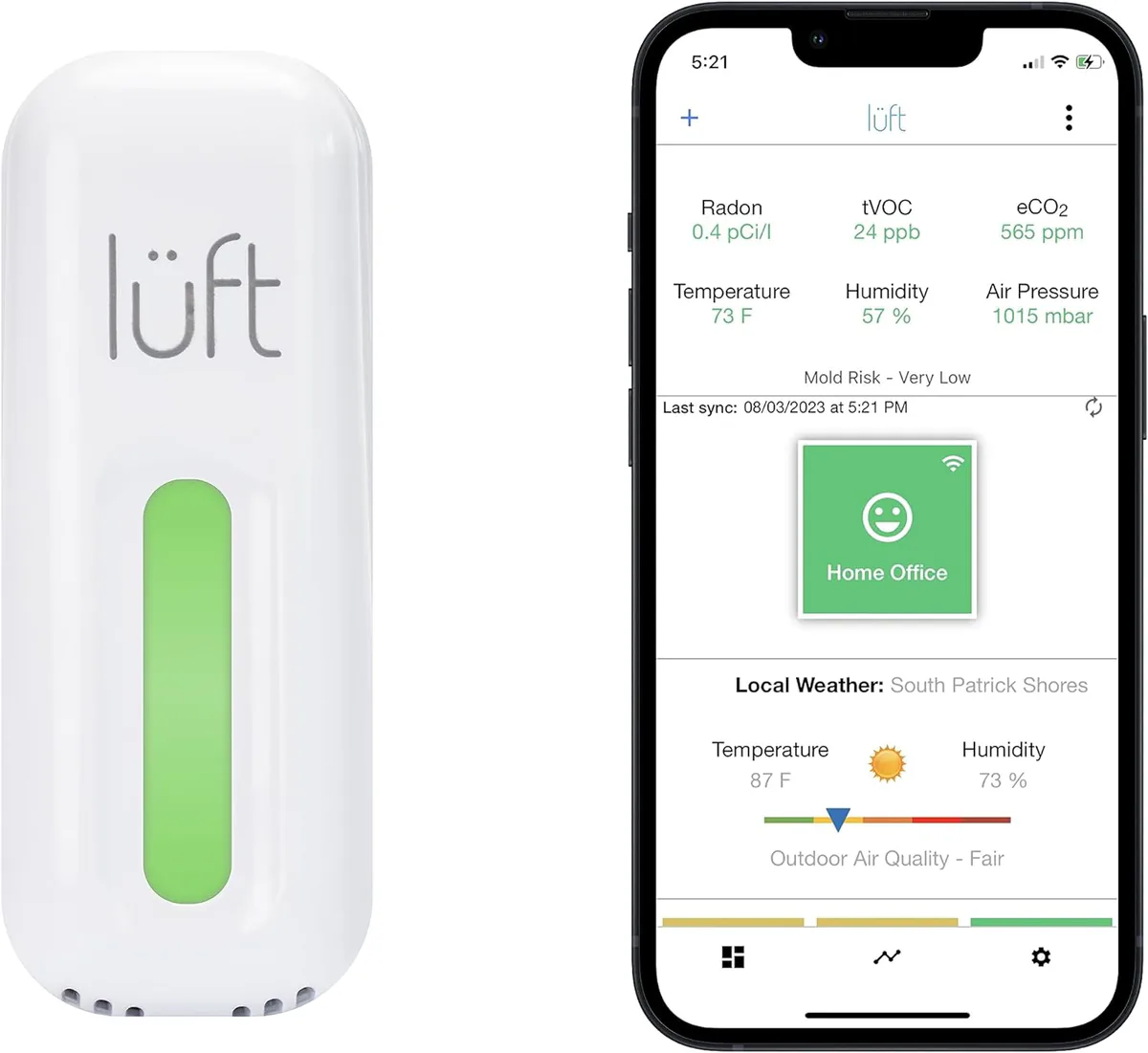
Monitor
First reading: Within 90 minutes
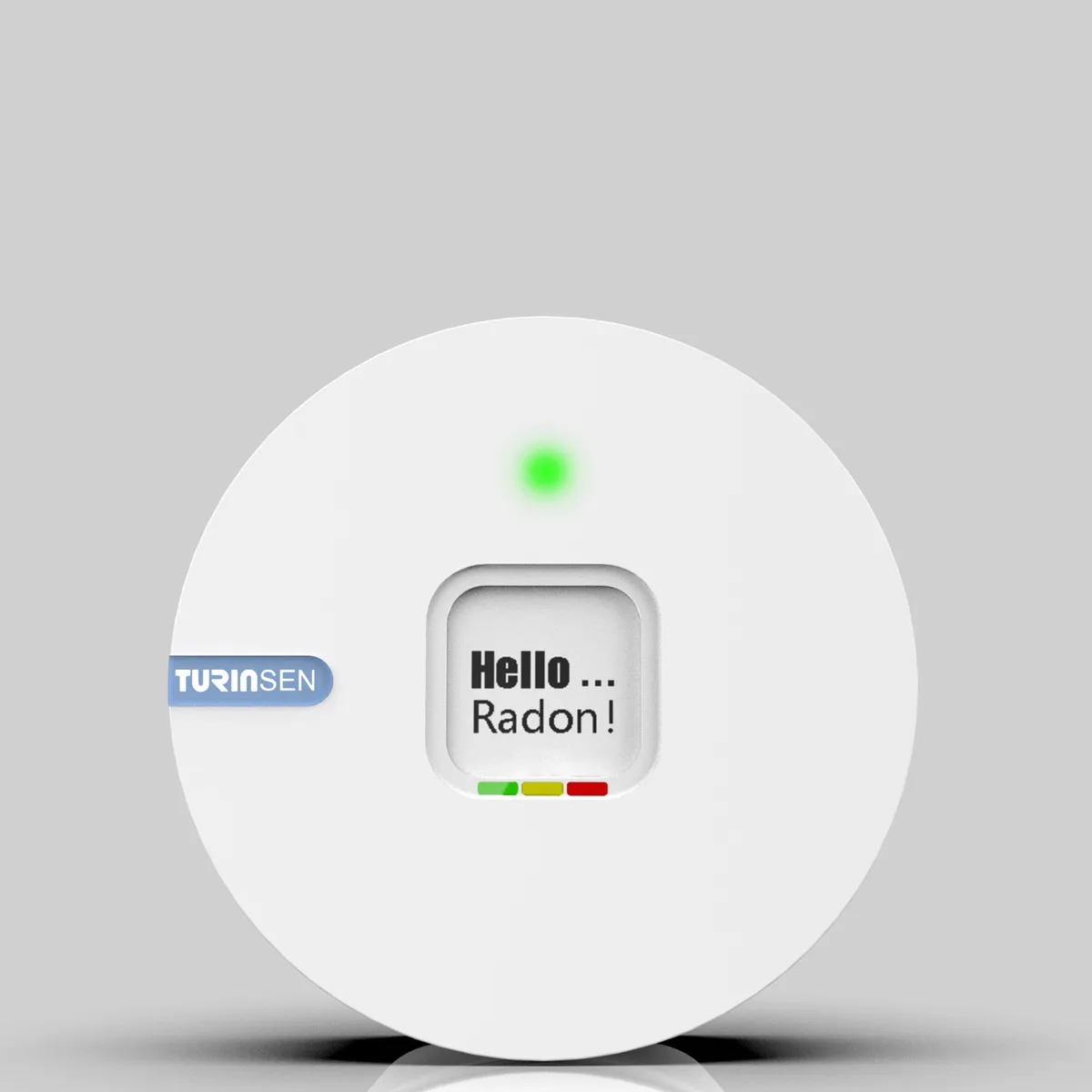
Monitor
Method: Alpha spectrometry
First reading: Within 24 hours
MonitorX-Sense
Method: Alpha spectrometry
First reading: Within 24 hours
MonitorX-Sense
Method: Alpha spectrometry
First reading: Within 24 hours
More home radon monitors: 1 of 31
Questions
5 questions about the X-Sense XR0A-SR, answered
X-Sense gives 4 to 24 hours for reliable data, faster at higher radon levels, and recommends testing for at least 7 days. The short-term average then updates every hour and the long-term average every 24 hours.
X-Sense lists the same sampling method, measurement method, sensitivity, range and batteries for both. The XR0B-SR is sold as a radon alarm, with a built-in alarm and rolling 1, 7, 30 and 90-day averages; the XR0A-SR is the standalone detector with short-term and long-term averages and a one-button reset.
No. X-Sense marks it as incompatible with the SBS50 base station; it is a standalone detector, with its readings on its own screen.
It was not included in C-NRPP's 2024/25 consumer monitor evaluation, so there is no C-NRPP result for it either way.
X-Sense rates three replaceable AA alkaline batteries for 2 years, and gives a warranty period of 5 years for the detector.
Updated October 4, 2026