
MonitorAEGTEST
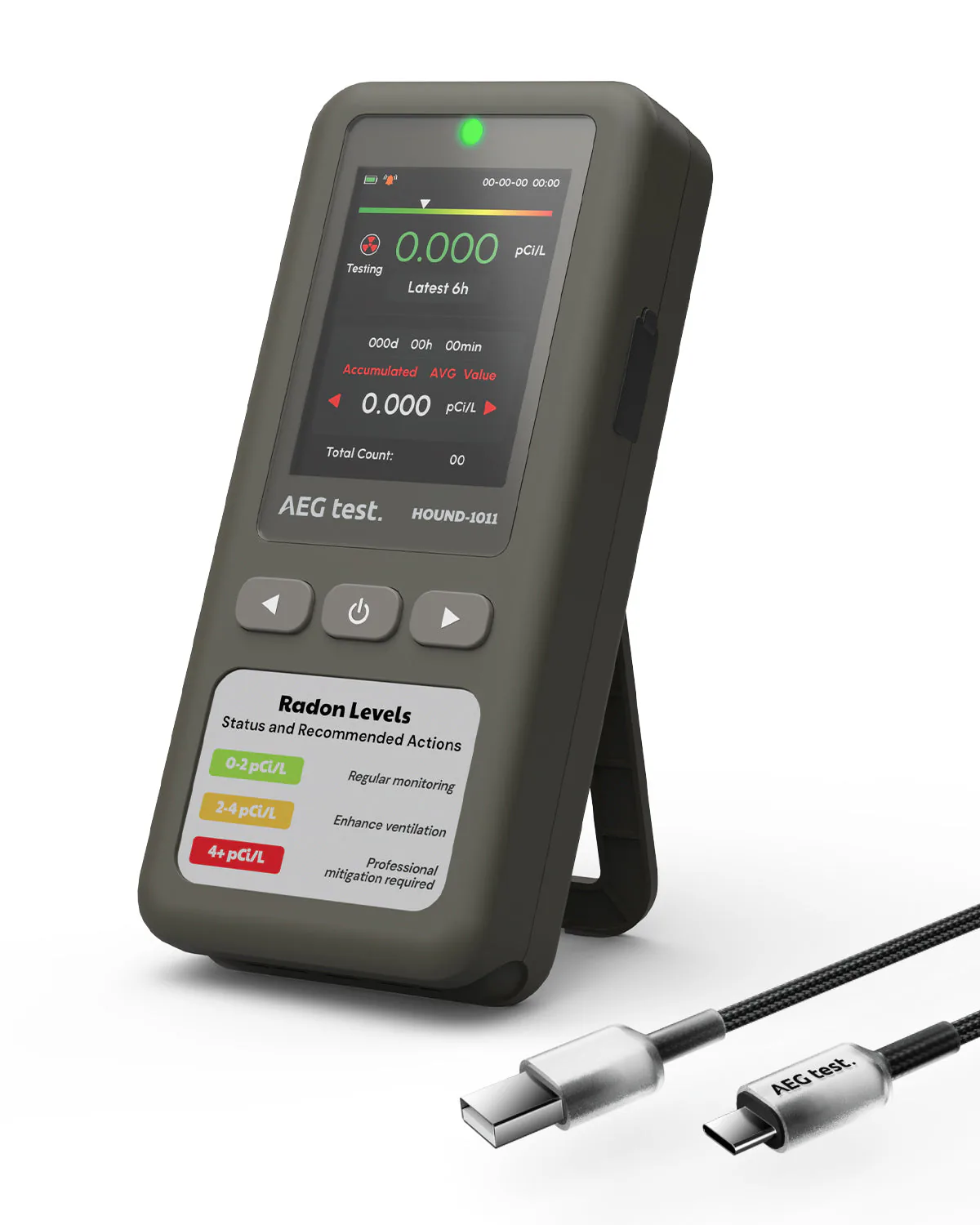
HOUND-1011 rechargeable radon detector with a screen
- C-NRPP 2024/25: Not included
- Battery
- Alarm
- Screen
Method: Semiconductor sensor
First reading: Within 6 hours
X-Sense
Wi-Fi battery radon detector with a screen
Best for you if
Skip it if
Photos: X-Sense
 (opens in a new tab)Check price on Amazon (opens in a new tab)
As an Amazon Associate, Radon411 earns from qualifying purchases.
Amazon and the Amazon logo are trademarks of Amazon.com, Inc. or its affiliates.
See ratings and reviews on Amazon (opens in a new tab)As X-Sense states it
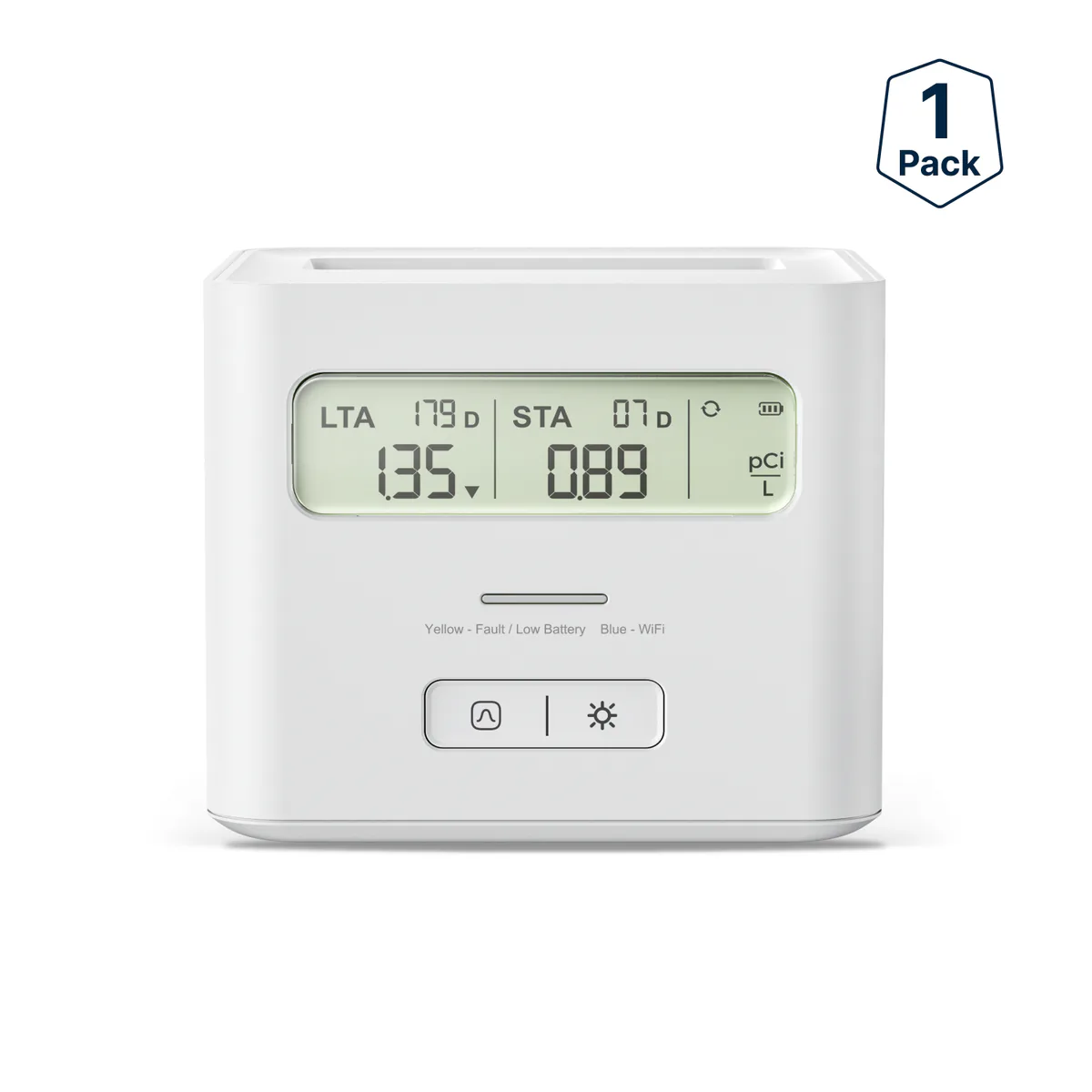
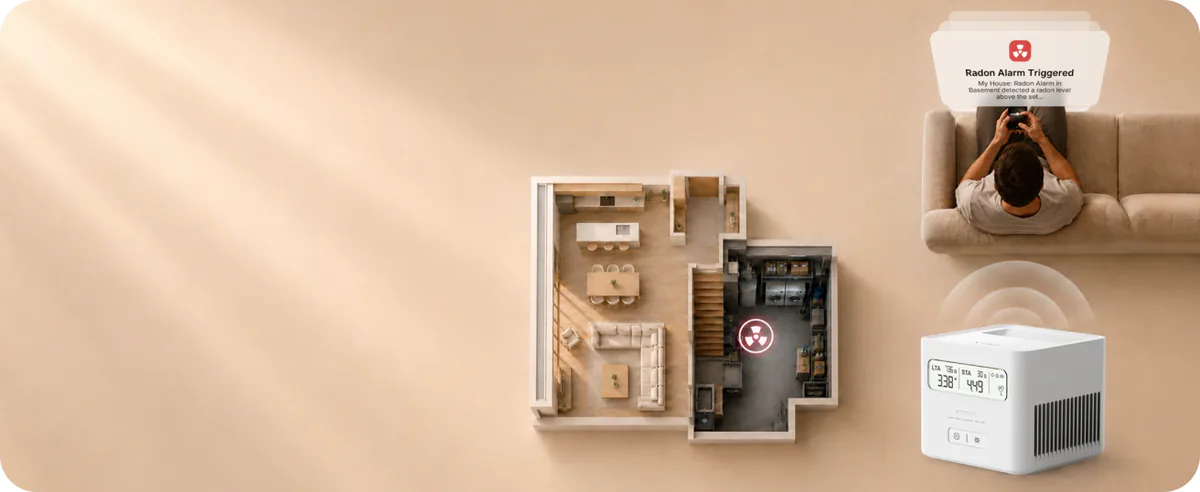
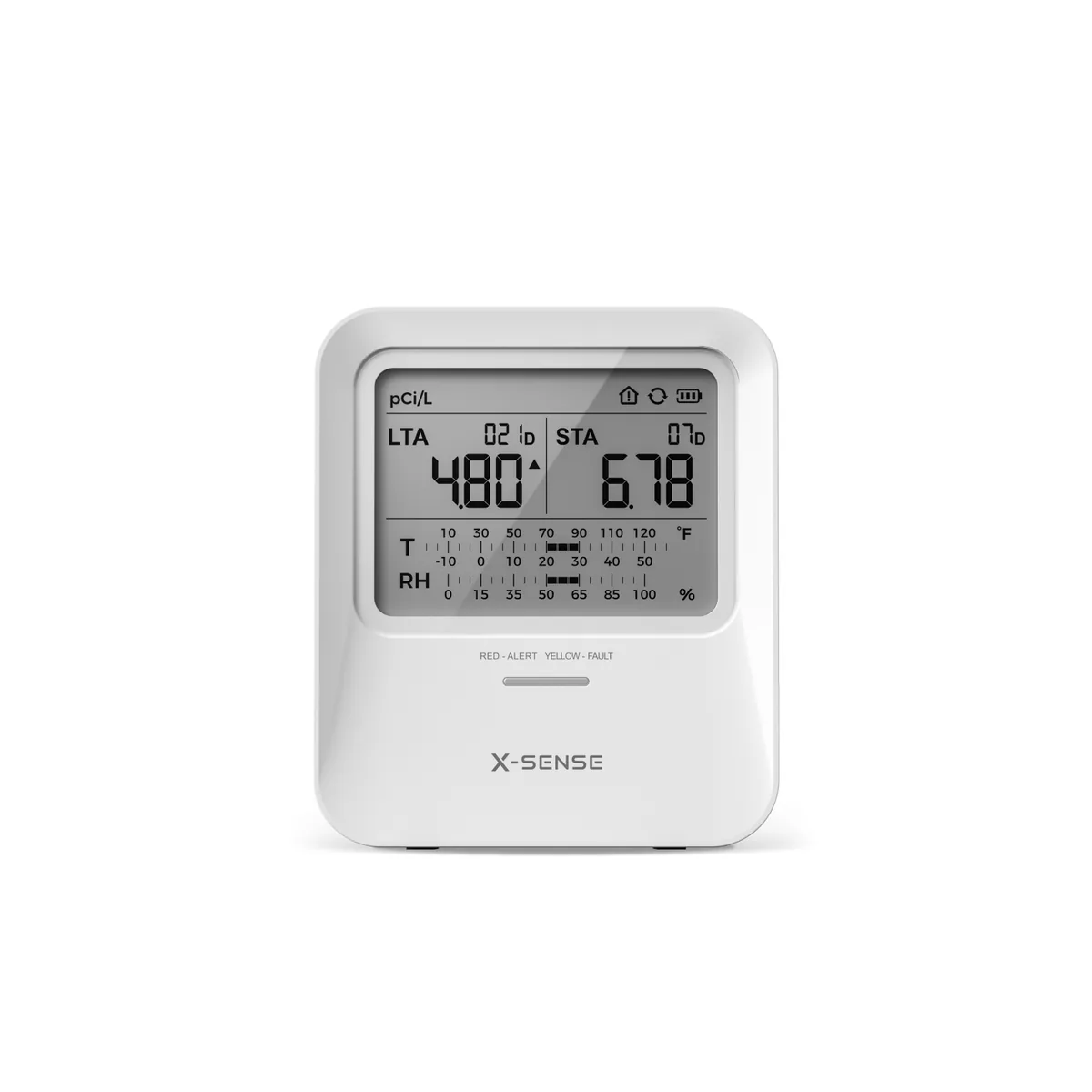
The XR0A-iR is X-Sense's Wi-Fi radon detector: the same passive diffusion chamber and continuous alpha spectrometry X-Sense lists for its other radon detectors, a digital display, three AA batteries, and remote readings and alerts in the X-SENSE Home Security app. It was not included in C-NRPP's 2024/25 evaluation.
X-Sense sells it as a 1-pack on its US store and lists the power supply as three replaceable 1.5 V AA alkaline batteries, with a warranty period of 5 years and a 30-day money-back guarantee. The app is X-Sense's own X-SENSE Home Security app.
In the box and running costsHow it works
The sensor, the sampling and the readings, then who has checked it
In our words, from the maker's documents
X-Sense lists the sampling method as a passive diffusion chamber and the measurement method as continuous alpha spectrometry. Air drifts into the chamber without a fan or pump, and the sensor counts the alpha particles given off as radon and its decay products break down. X-Sense rates the sensor's sensitivity at 1.25 counts per hour for each pCi/L, or for each 37 Bq/m³.
A low count rate is why a first number takes time. X-Sense lists detection results within 24 hours, so plan on a day before the first figure means much, and on longer before you lean on an average. Like X-Sense's other radon detectors, it shows several short-term and long-term averages rather than one reading, and has a one-button reset for moving it from room to room.
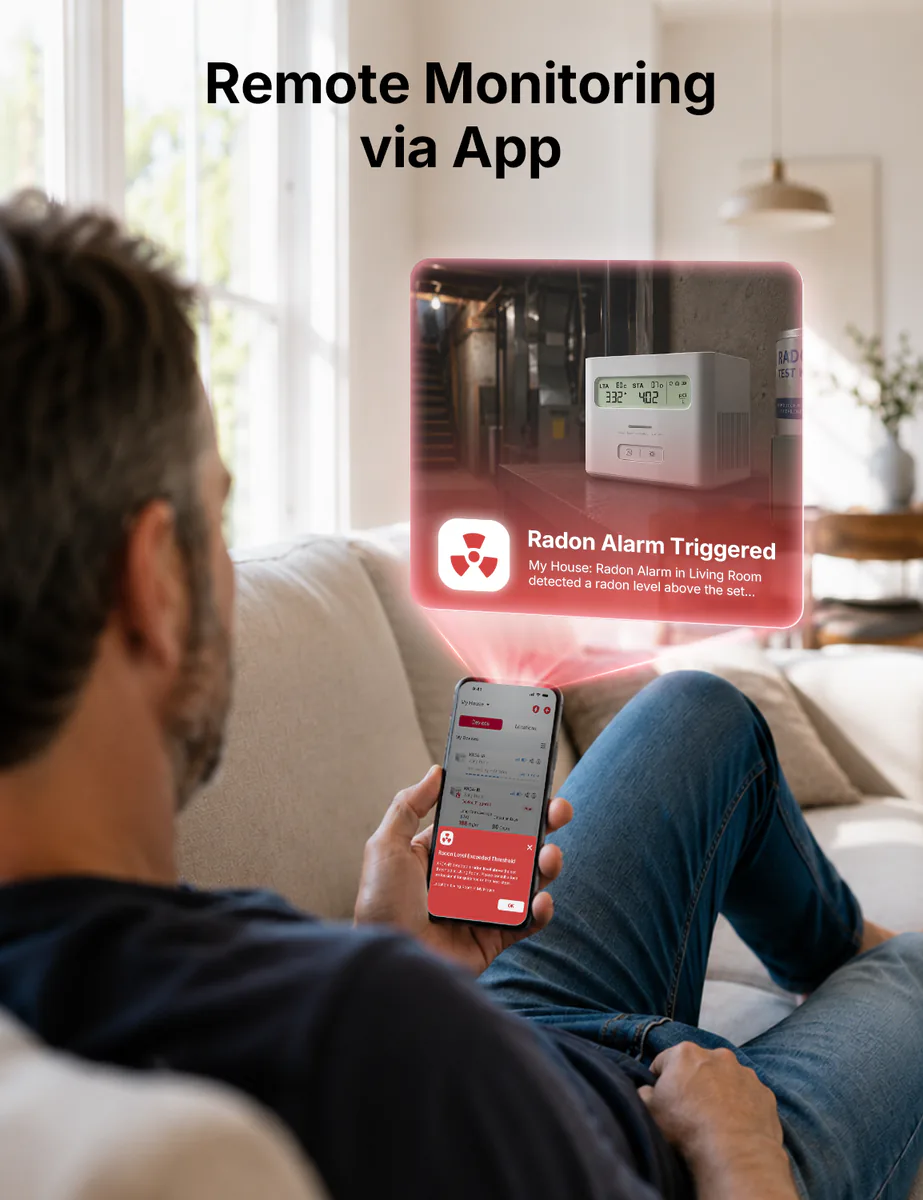
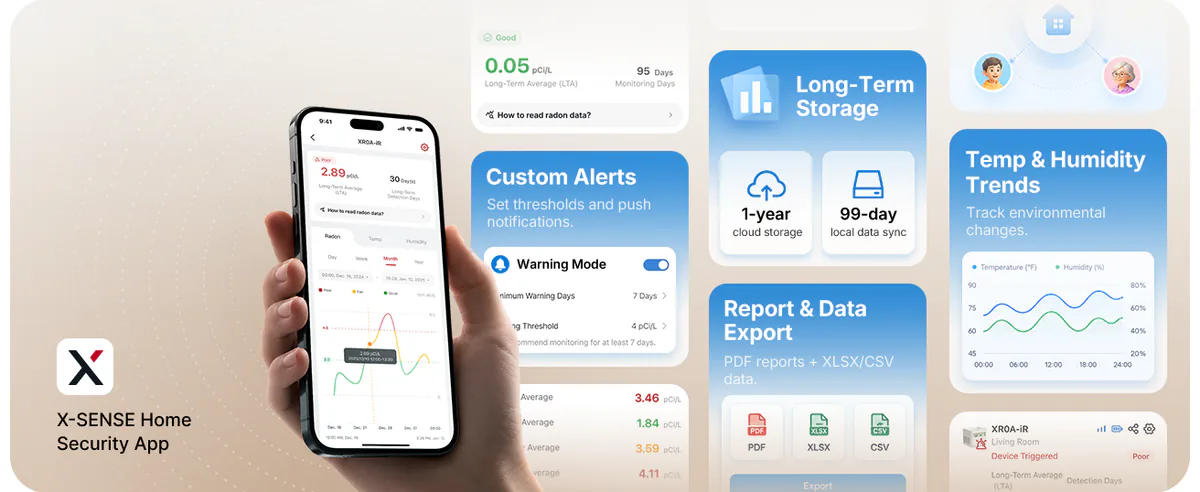
What sets it apart is the connection. X-Sense says the XR0A-iR joins the X-SENSE Home Security app over Wi-Fi, for remote access to the readings and app notifications when you are away from it, while the digital display shows the current reading on the device. Its page points to the app for checking trends in detail.
X-Sense lists a detection range of 0 to 500 pCi/L, or 0 to 9,999 Bq/m³. The detector also reads temperature, from 14 to 122°F, and humidity, from 0 to 100%, which X-Sense rates to within 0.9°F and 5% relative humidity. It is a standalone Wi-Fi device: X-Sense marks it as incompatible with its SBS50 base station.
X-Sense's description frames it as a continuous monitor for following radon over time in bedrooms, living areas and basements, so changes show up and you can judge when further investigation or action may be appropriate, rather than relying on occasional manual testing.
X-Sense's own statements, attributed
These are X-Sense's own statements, attributed to it. They are not our findings, and we have not tested this product ourselves.
C-NRPP 2024/25, recalls and studies
The Canadian National Radon Proficiency Program's 2024/25 comparison of consumer monitors did not include X-Sense XR0A-iR. That is a fact about which devices took part, not a finding about this one: no result from that program exists for it either way.
C-NRPP is the Canadian National Radon Proficiency Program. Its 2024/25 results were published in May 2025.
X-Sense XR0A-iR
Check price on Amazon (opens in a new tab)Specifications
Every figure as the maker states it
X-Sense sells it as a 1-pack on its US store and lists the power supply as three replaceable 1.5 V AA alkaline batteries, with a warranty period of 5 years and a 30-day money-back guarantee. The app is X-Sense's own X-SENSE Home Security app.
There is no lab fee and no hub to buy. The running cost is three AA alkaline batteries, which X-Sense rates for 2 years, plus the home Wi-Fi network the app connection relies on. Because it is a standalone Wi-Fi device, there is no base station to add for it to work.
Fit and setup
The fit, then setup and placement as the guidance asks
Good fit if, and look elsewhere if
Good fit if
Look elsewhere if
4 steps
How C-NRPP says to use any consumer monitor
For where any radon test or monitor should sit in a home, see where to place a radon test.
Compare
The same three rows for each, and the one difference that matters
This page
X-Sense XR0A-iR
This page: The XR0A-iR is X-Sense's Wi-Fi radon detector: the same passive diffusion chamber and continuous alpha spectrometry X-Sense lists for its other radon detectors, a digital display, three AA batteries, and remote readings and alerts in the X-SENSE Home Security app.
Airthings
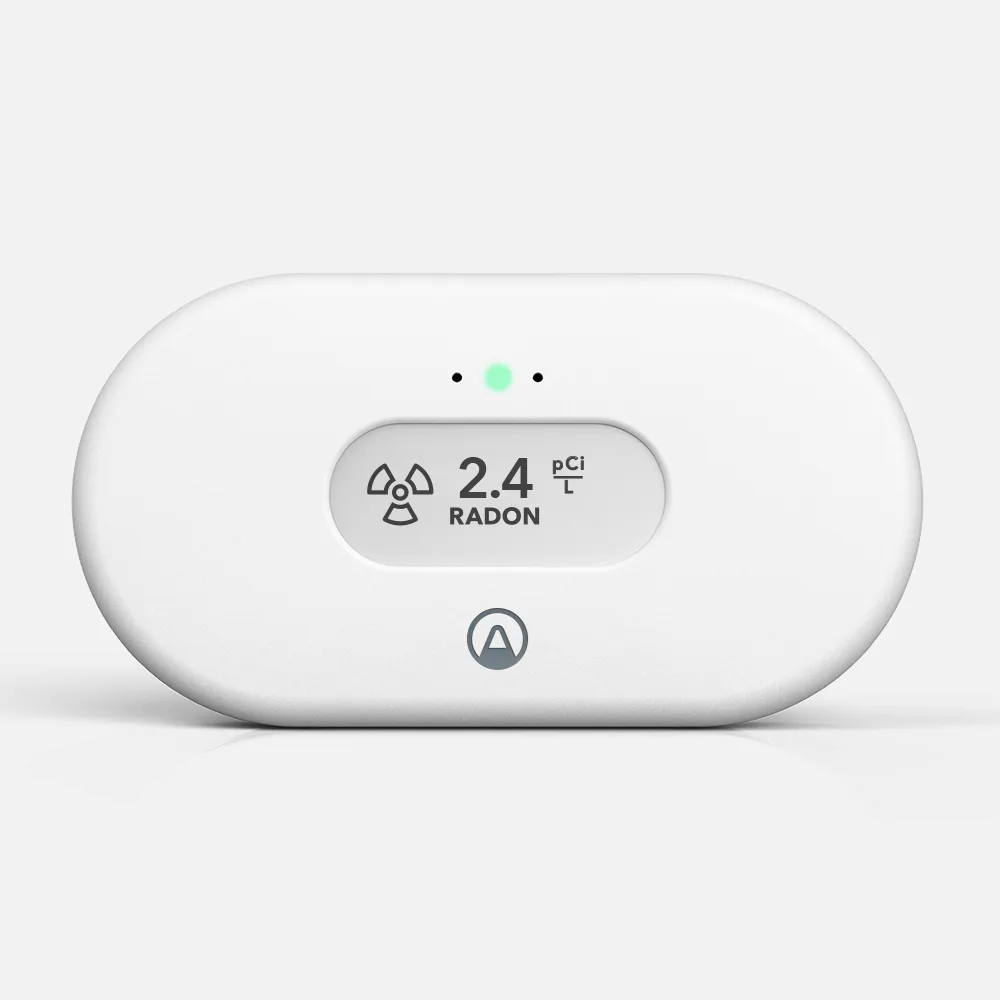
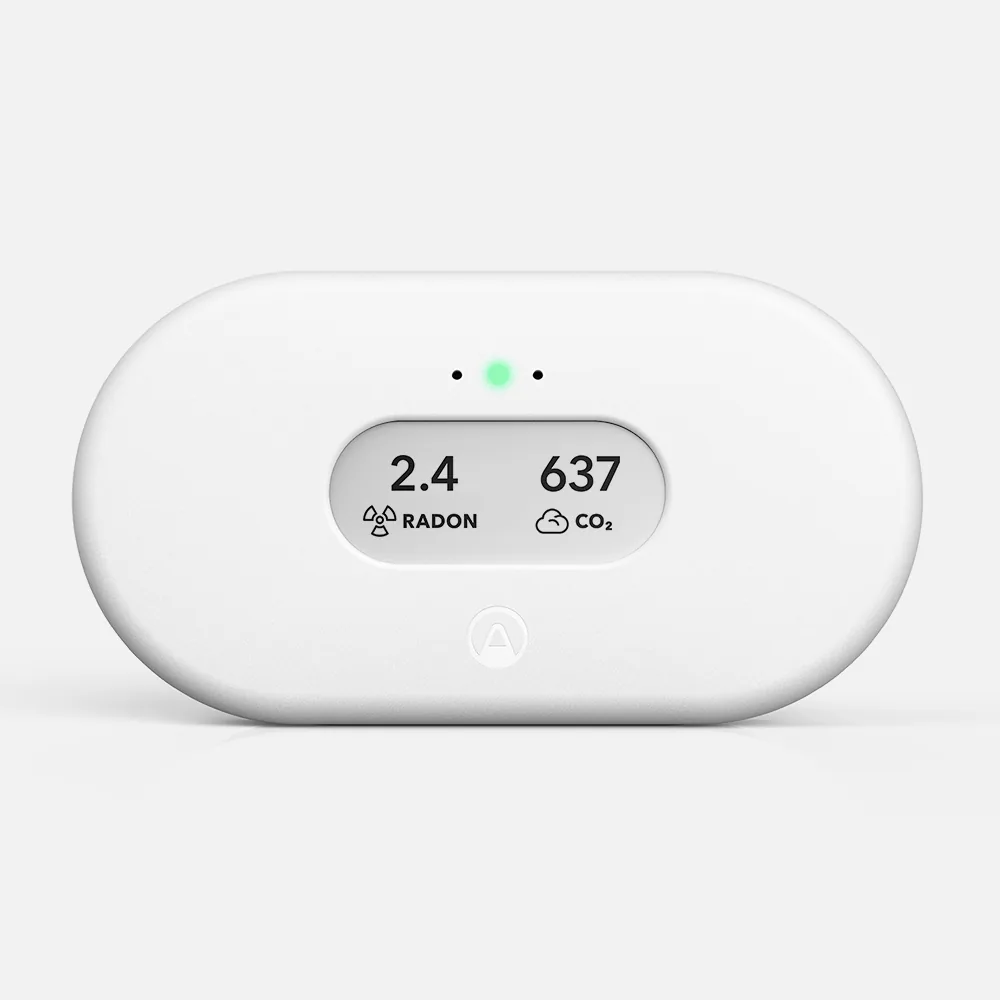
The difference: Also a Wi-Fi radon monitor with a screen, on 6 AA batteries or a USB cable; approved in C-NRPP's 2024/25 evaluation as the Airthings View.
Airthings
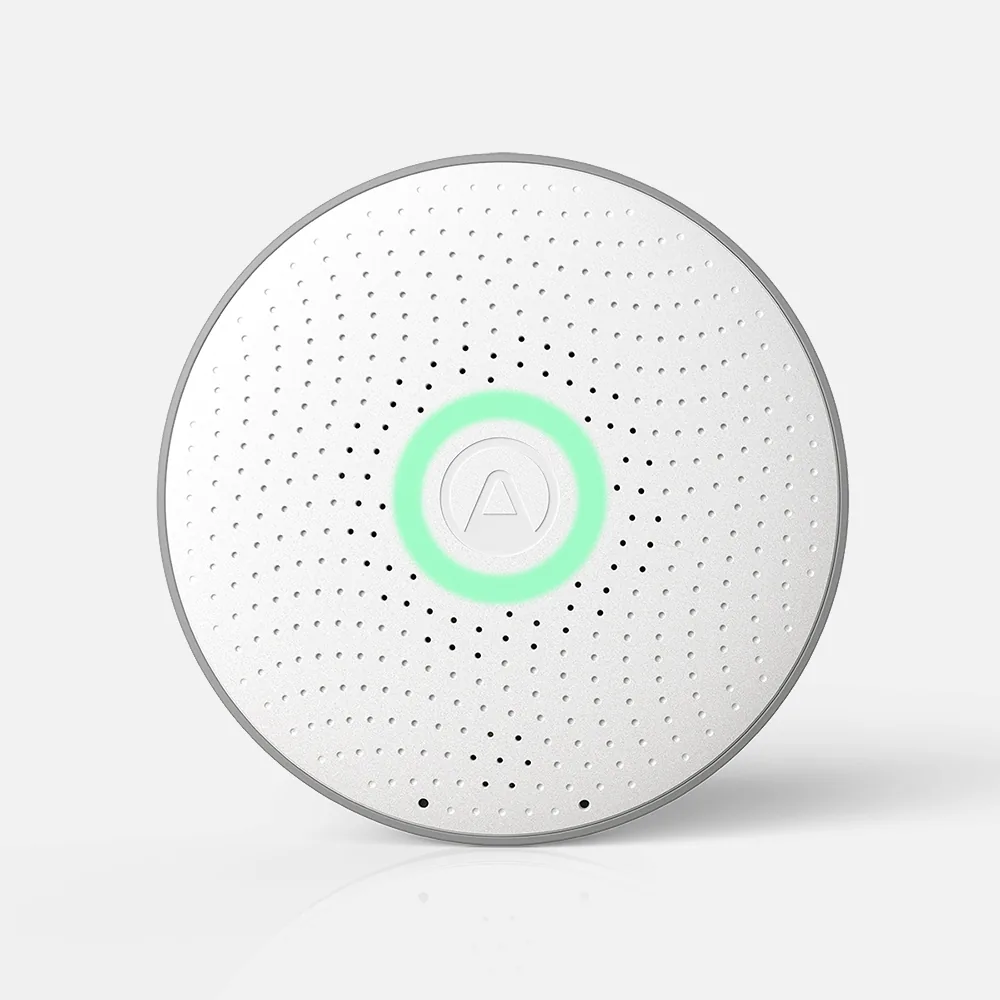
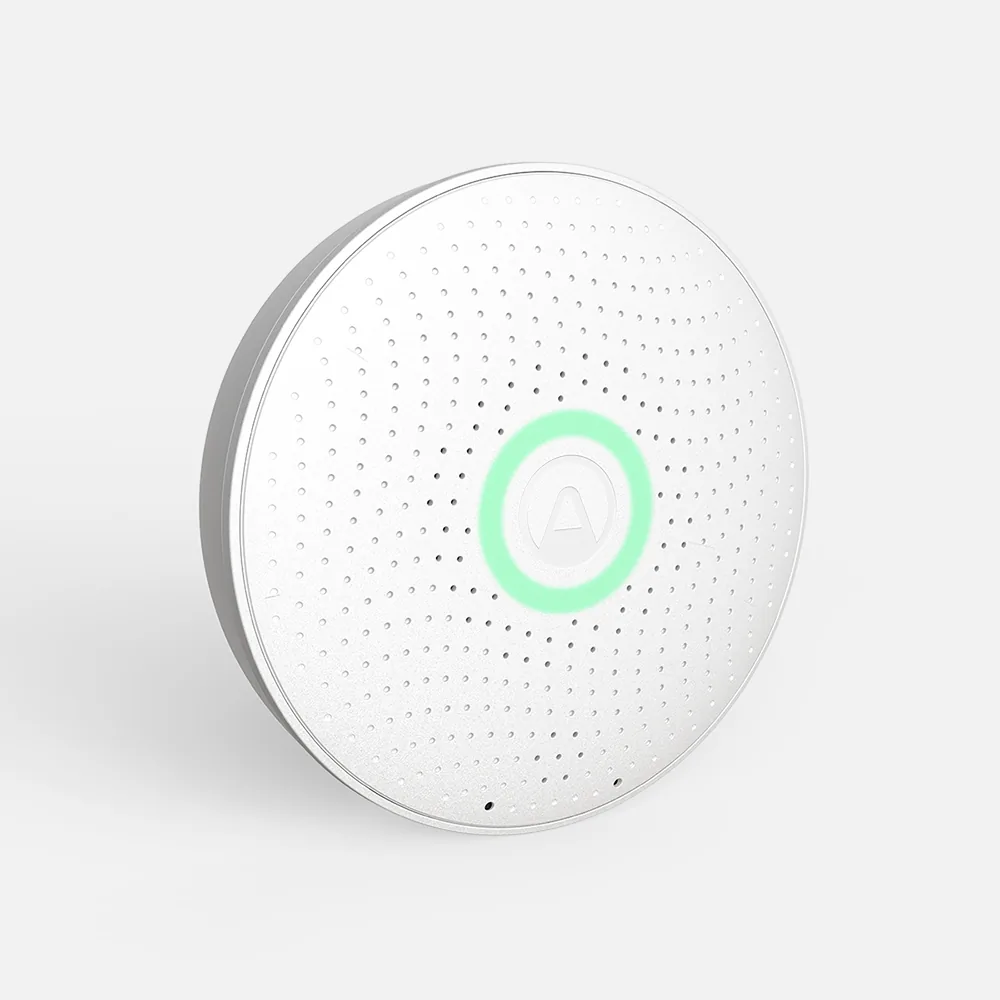
The difference: A battery radon monitor that syncs to its app over Bluetooth rather than Wi-Fi, with green, yellow and red light alerts instead of a numeric screen.
X-Sense
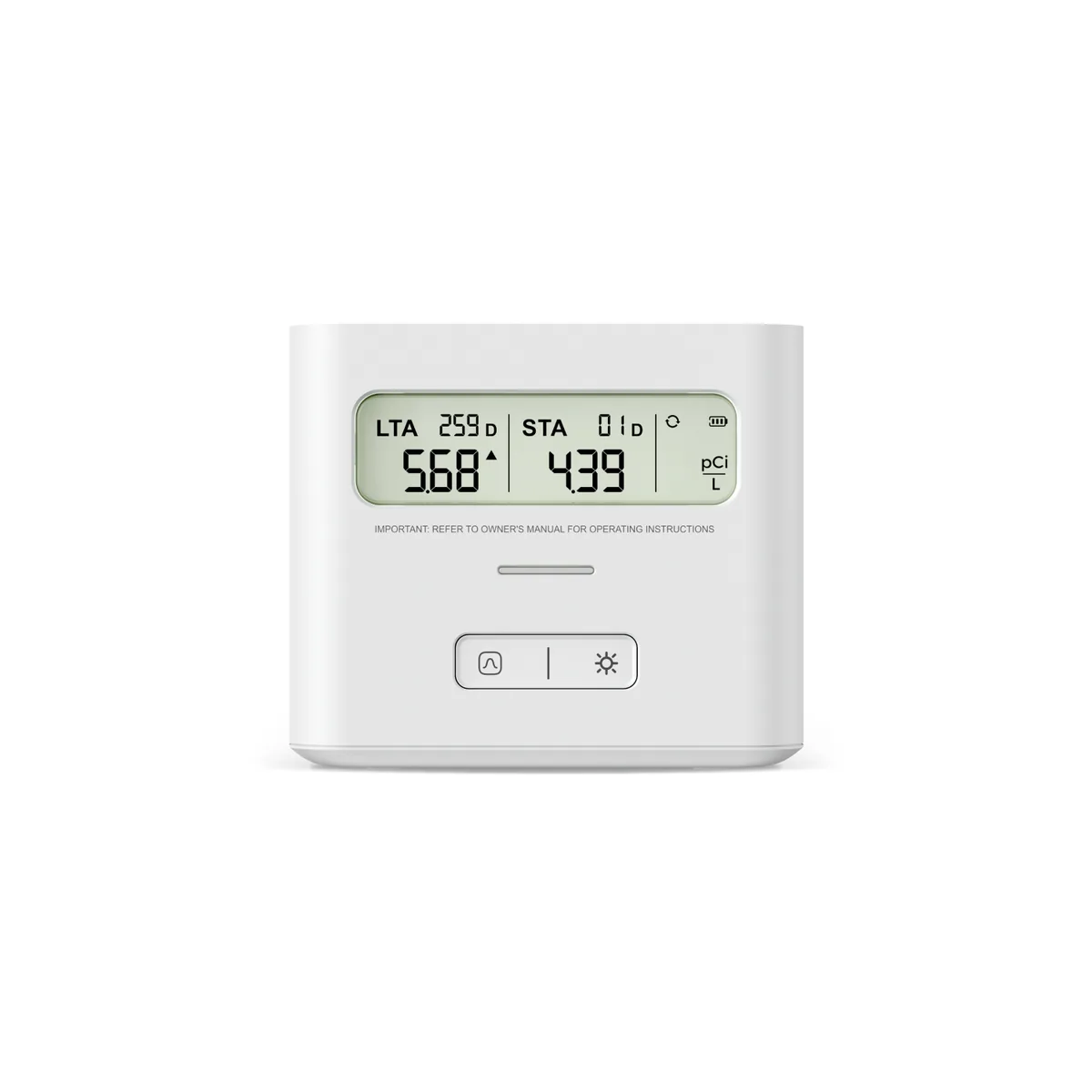
The difference: X-Sense's standalone battery detector: the same listed chamber, method, range and batteries, with no Wi-Fi and its readings on its own screen.
Compared with similar products: 1 of 4
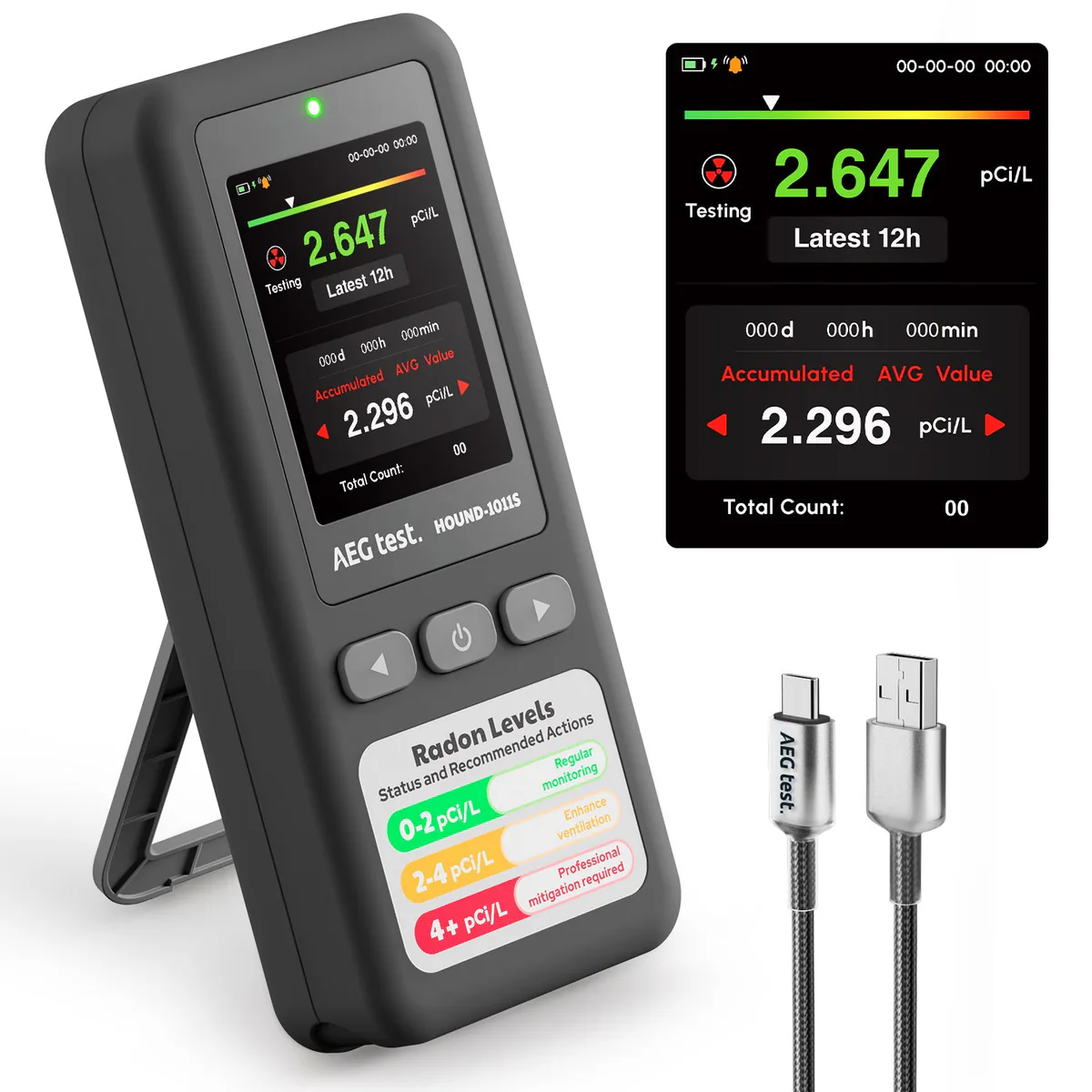
MonitorAEGTEST
Method: Semiconductor sensor
First reading: Within 6 hours
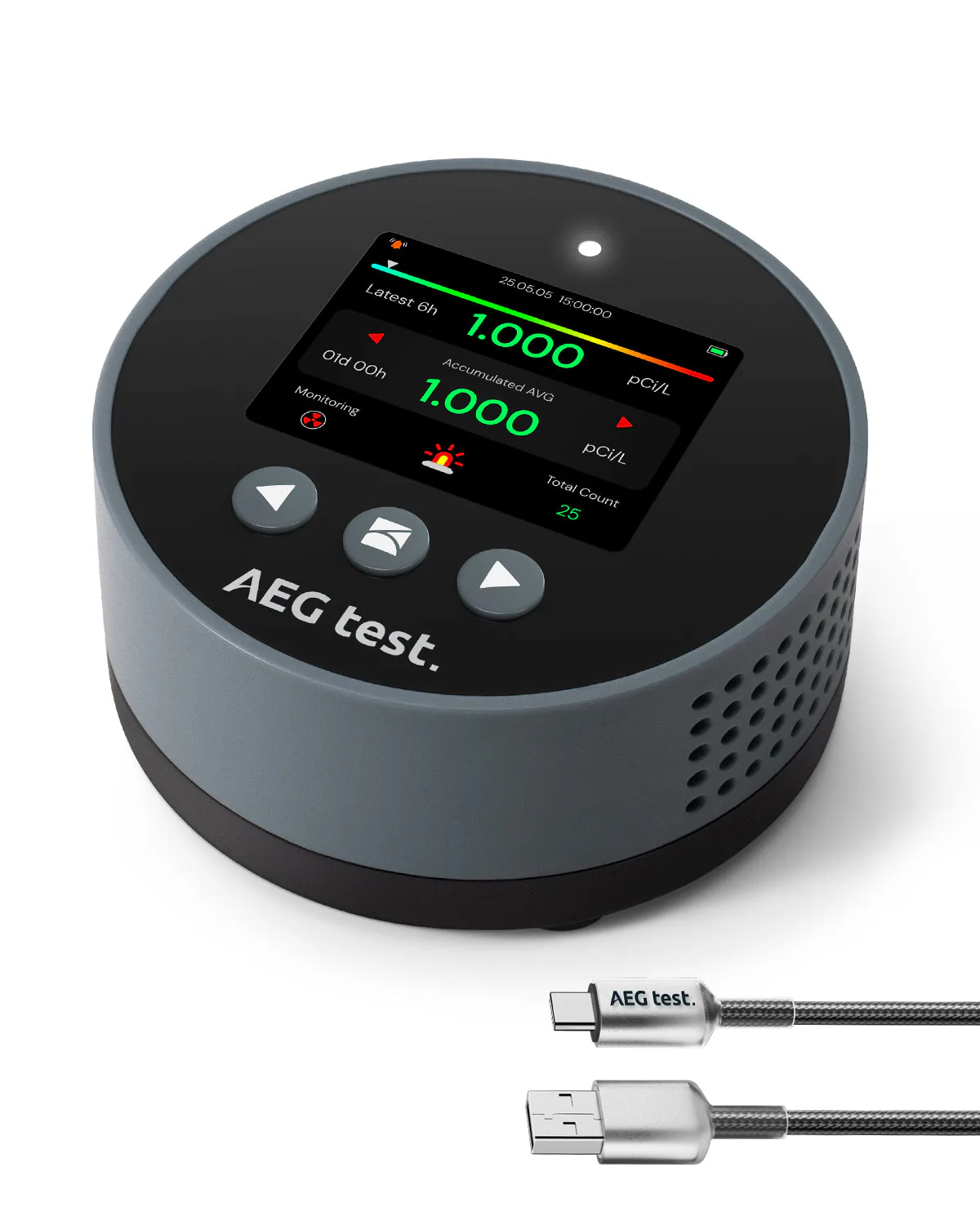
MonitorAEGTEST
Method: Semiconductor sensor
First reading: Within 12 hours
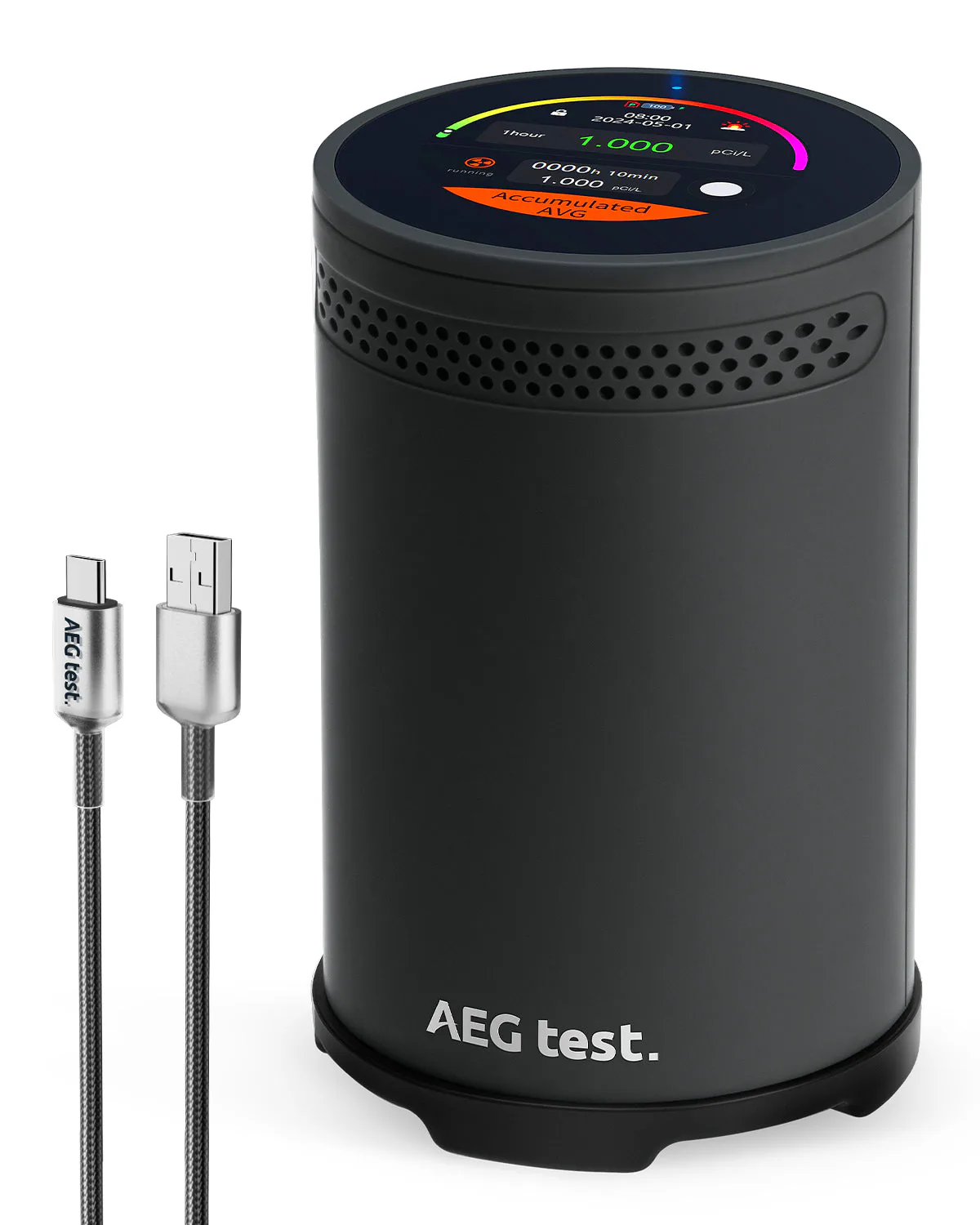
MonitorAEGTEST
Method: Semiconductor sensor
First reading: Within 6 hours
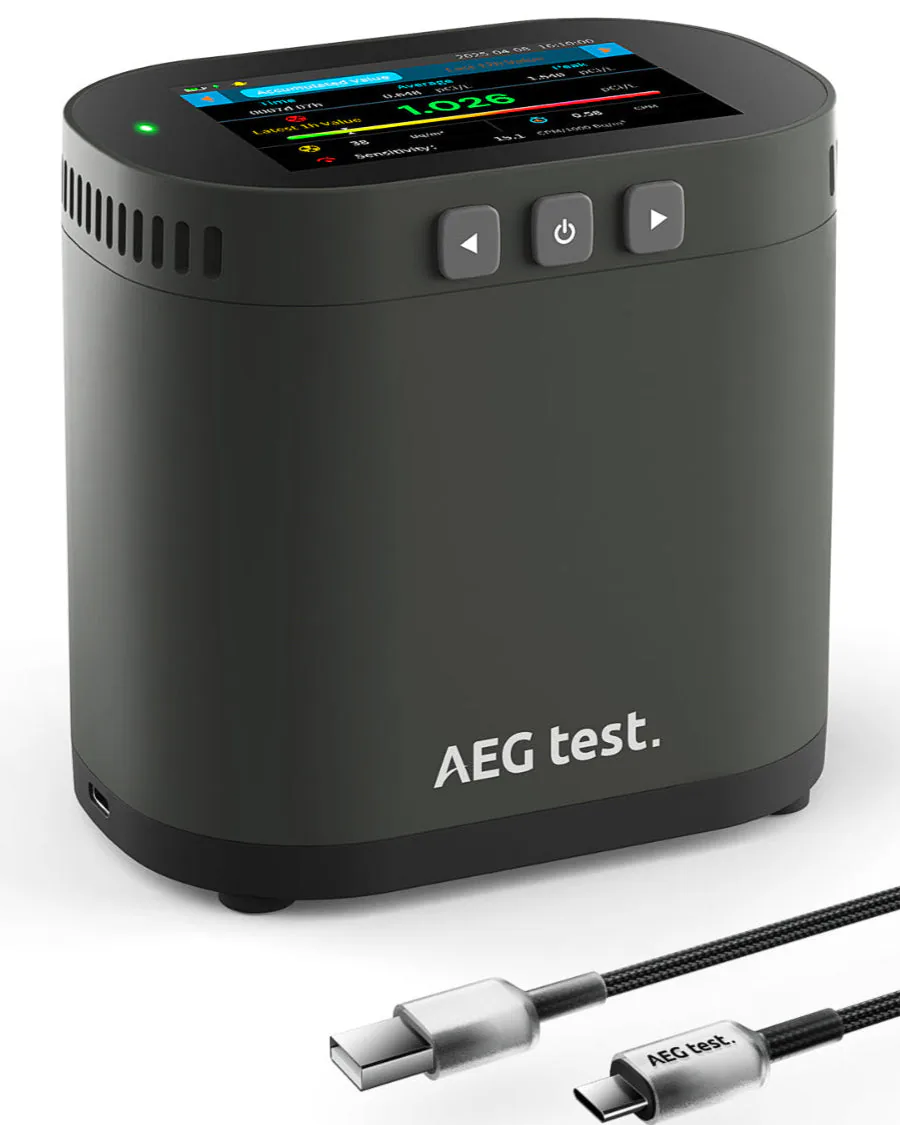
MonitorAEGTEST
First reading: Within 1 hour
MonitorAEGTEST
Method: Ion chamber
First reading: Within 10 minutes
Monitor
Method: Semiconductor sensor
Monitor
Method: Semiconductor sensor
First reading: Within 6 hours
Monitor
Method: Alpha spectrometry
Monitor
Method: Alpha spectrometry
Readings: Every 60 minutes
Monitor
Method: Alpha spectrometry
Monitor
Method: Alpha spectrometry
Readings: Every 60 minutes
Monitor
Method: Alpha spectrometry
Monitor
Method: Alpha spectrometry
MonitorAranet
Method: Ion chamber
First reading: Within 10 minutes
MonitorAranet
Method: Ion chamber
First reading: Within 10 minutes
Monitor
Method: Ion chamber
First reading: Within 10 minutes
Monitor
Method: Ion chamber
First reading: Within 10 minutes
Monitor
Method: Ion chamber
First reading: Within 15 minutes
Monitor
Method: Ion chamber
First reading: Within 10 minutes
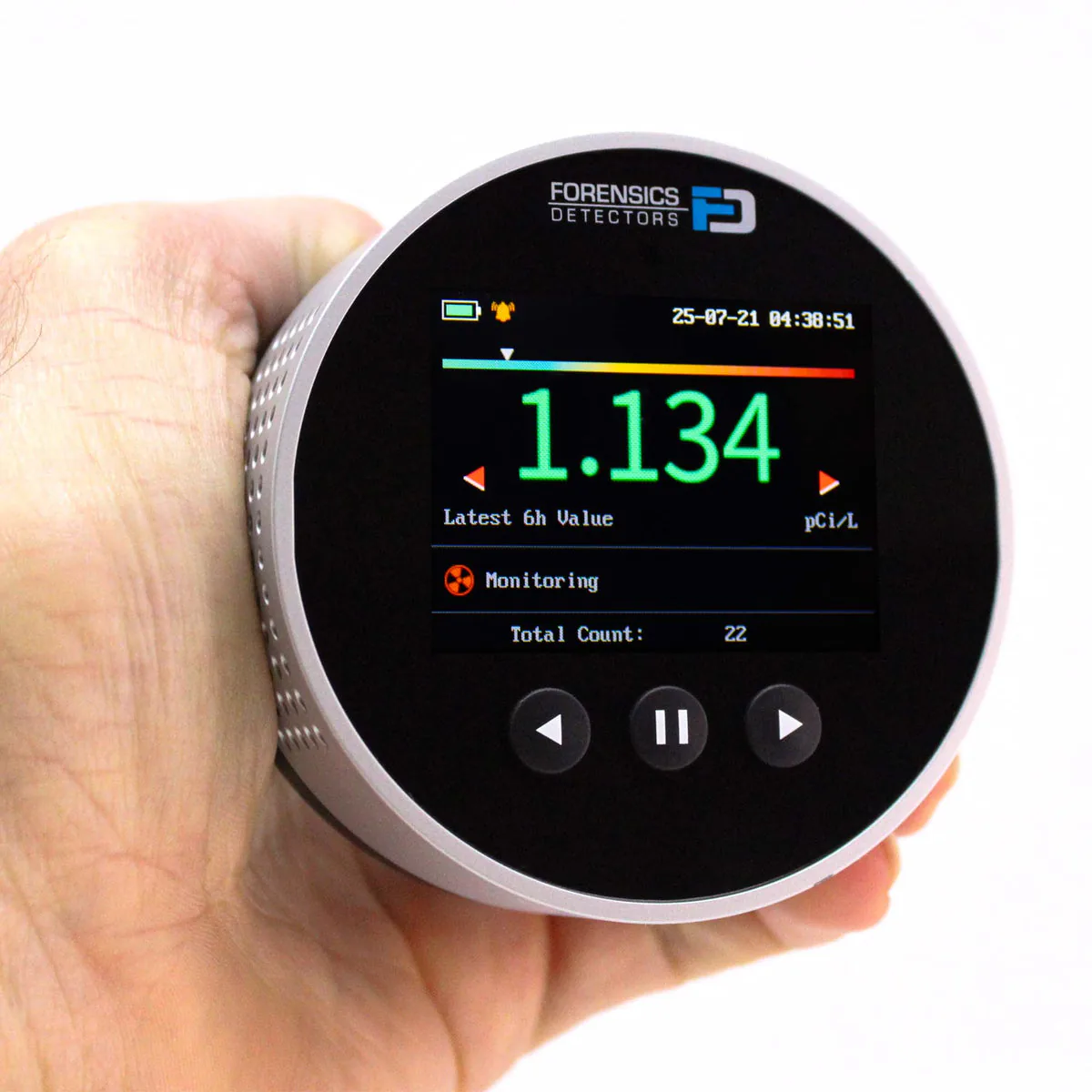
MonitorForensics Detectors
Method: Semiconductor sensor
First reading: Within 6 hours
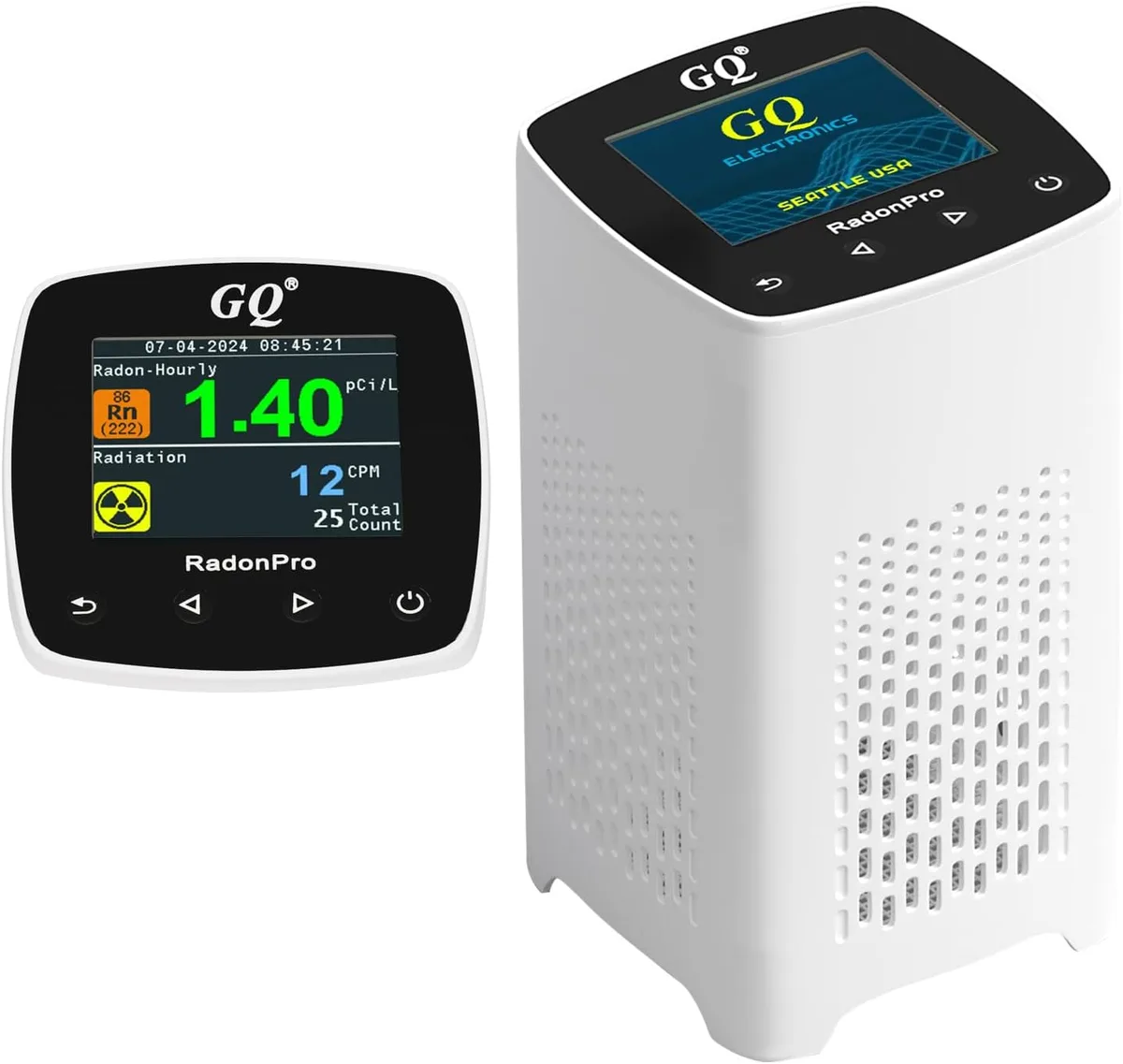
Monitor
First reading: Within 5 minutes
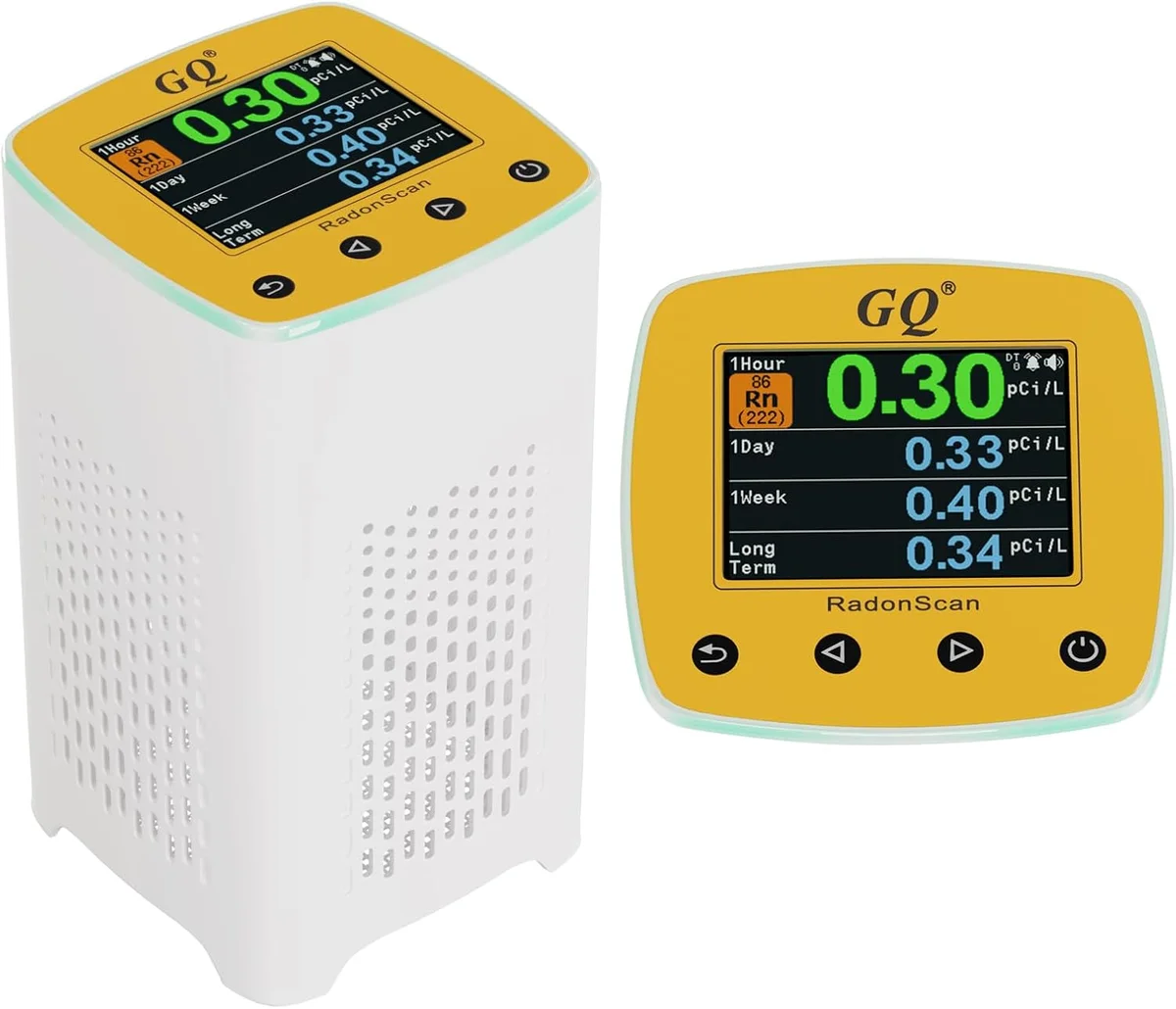
Monitor
First reading: Within 5 minutes
Monitor
First reading: Within 5 minutes
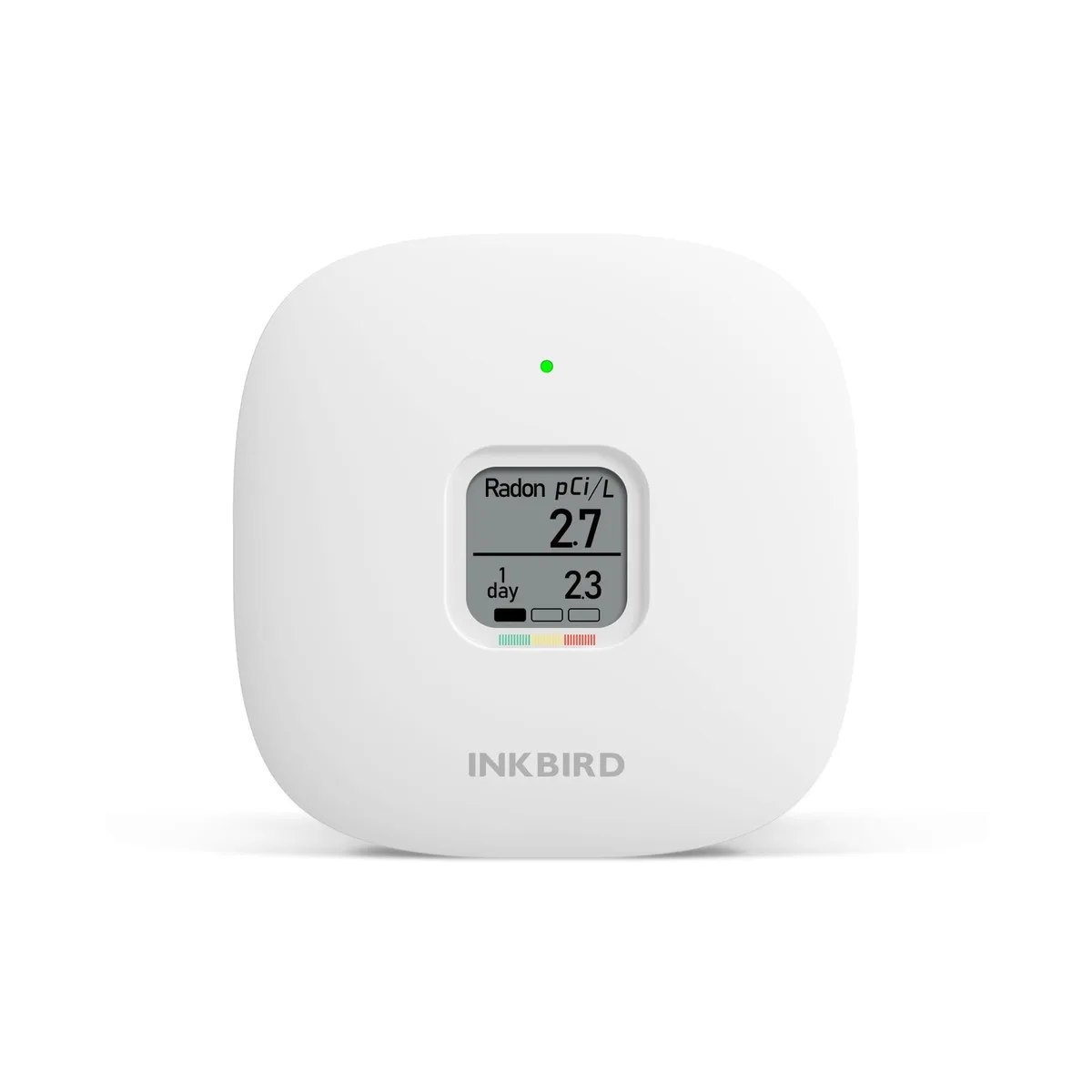
MonitorINKBIRD
First reading: Within 24 hours
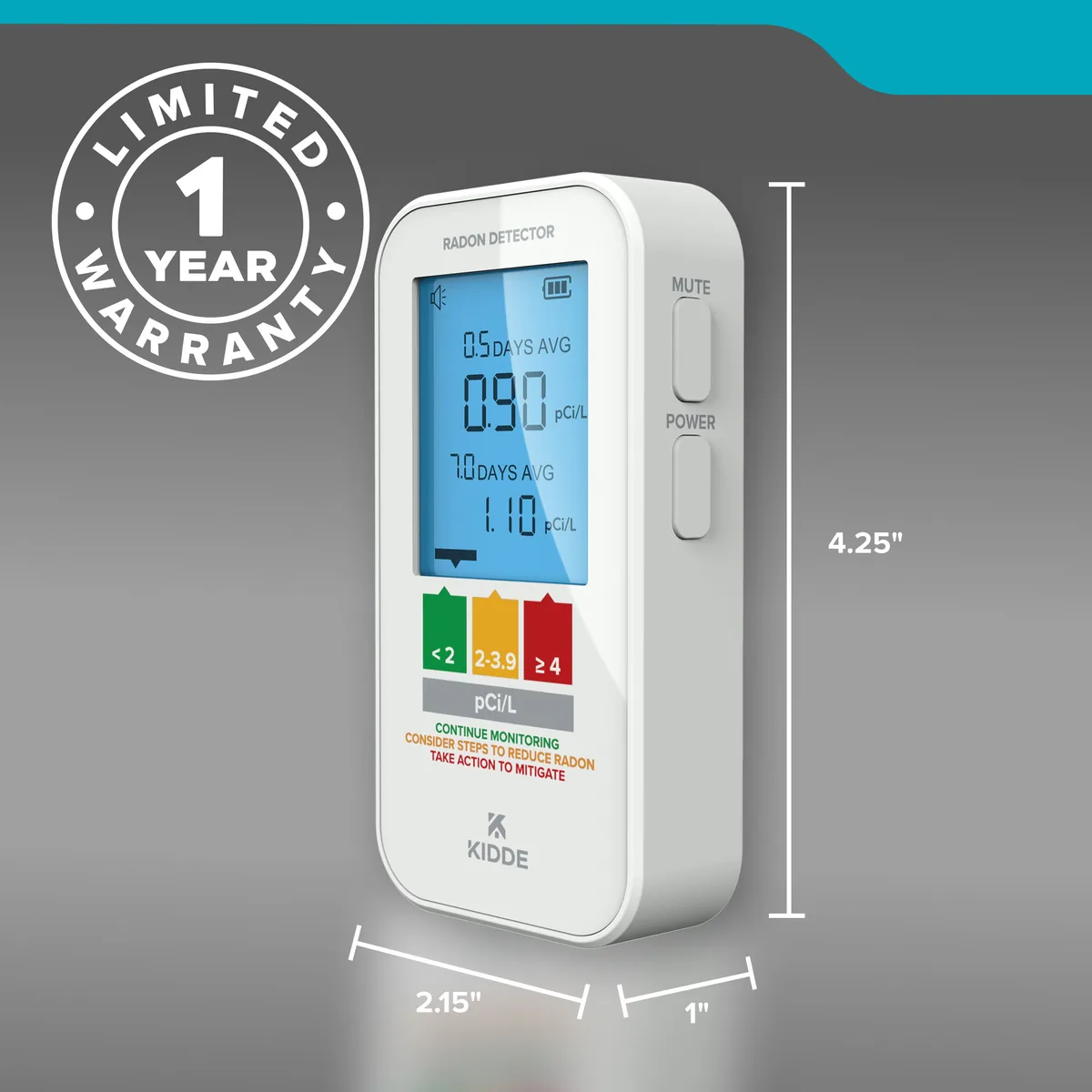
MonitorKidde
Method: Semiconductor sensor
First reading: Within 12 hours
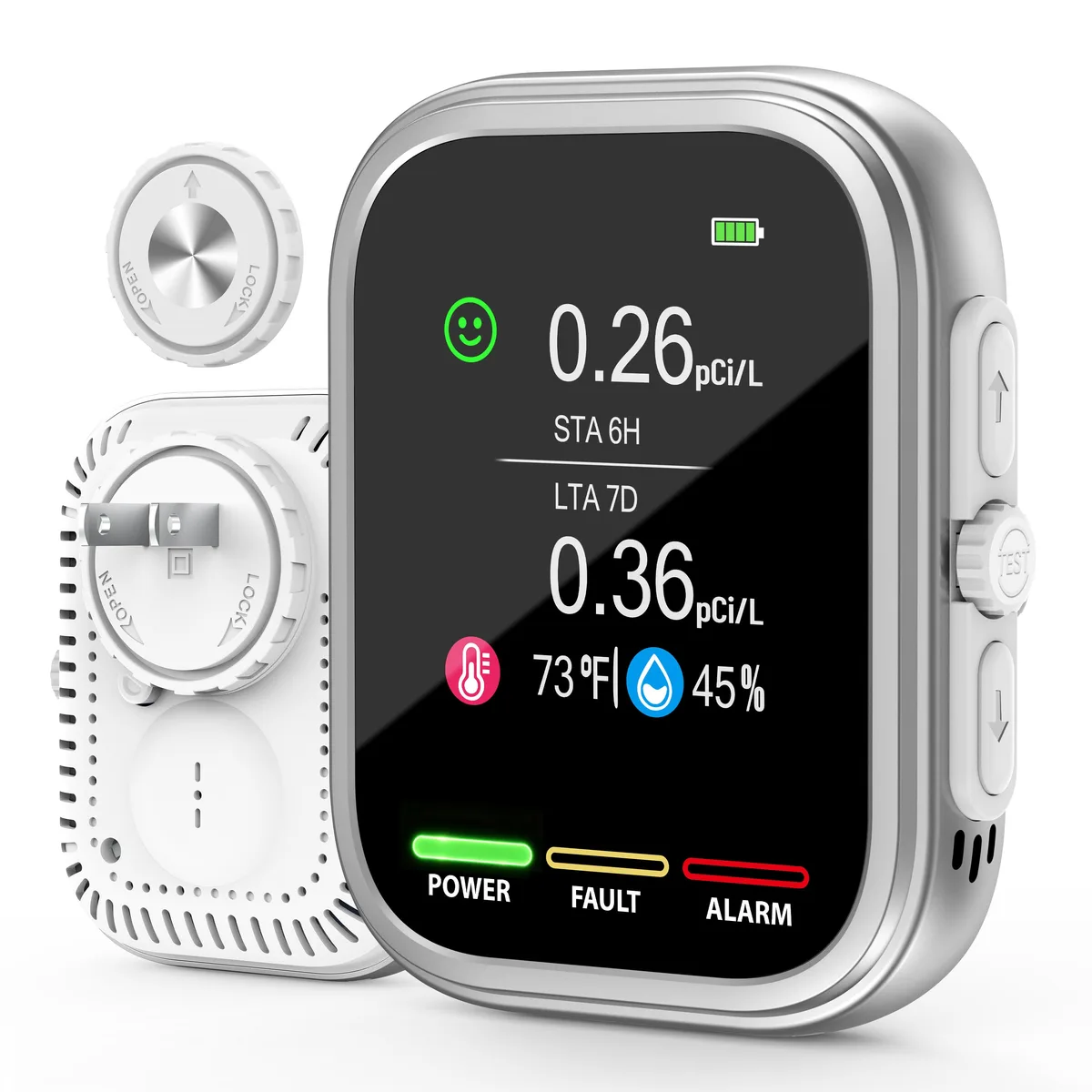
MonitorPYZYCKYH
Method: Semiconductor sensor
First reading: Within 6 hours
MonitorSafetySiren
First reading: Within 48 hours
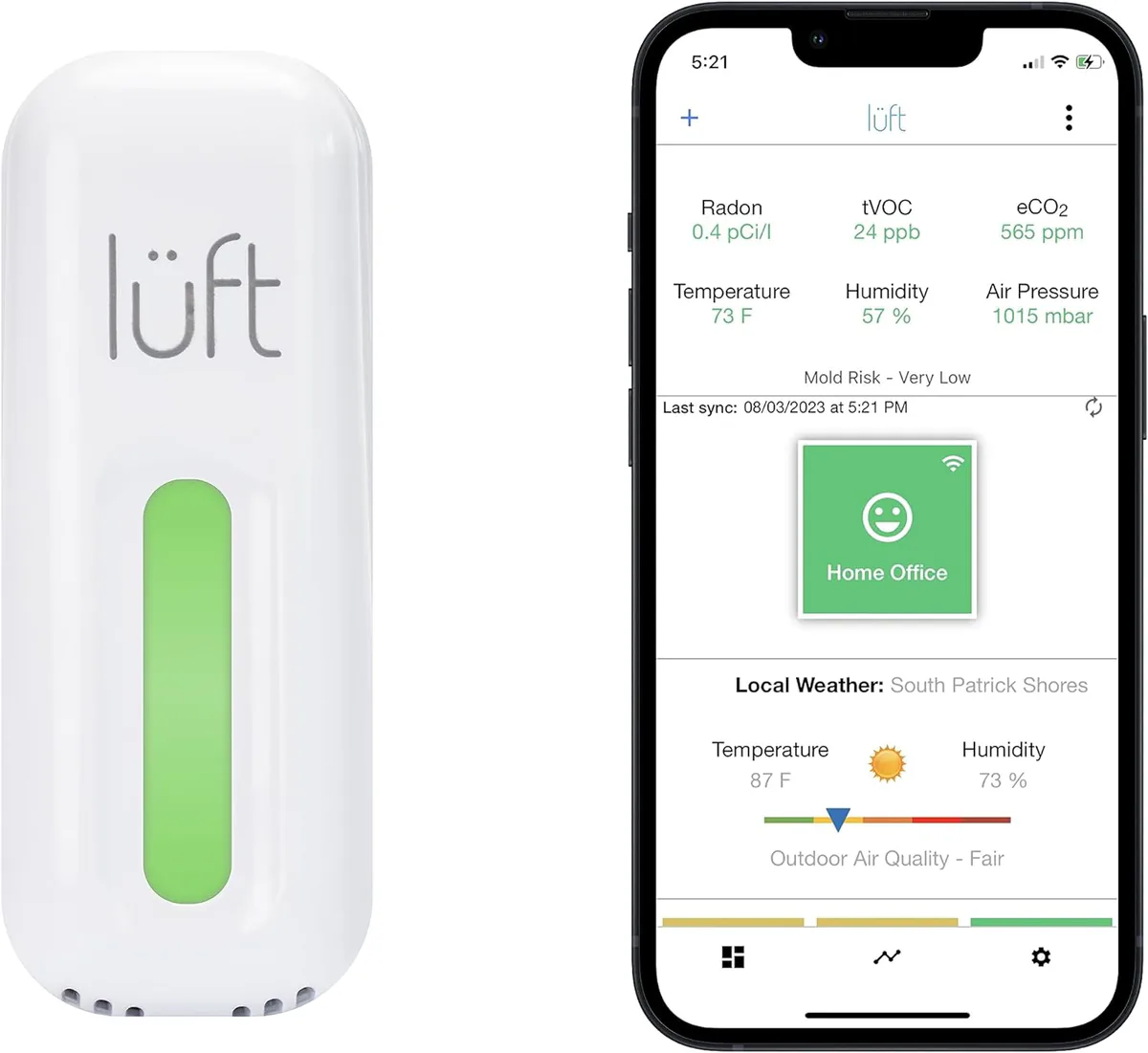
Monitor
First reading: Within 90 minutes
Monitor
Method: Alpha spectrometry
First reading: Within 24 hours
MonitorX-Sense
Method: Alpha spectrometry
First reading: Within 24 hours
MonitorX-Sense
Method: Alpha spectrometry
First reading: Within 24 hours
More home radon monitors: 1 of 31
Questions
6 questions about the X-Sense XR0A-iR, answered
X-Sense lists detection results within 24 hours. As with any alpha spectrometry detector, a week or more of averages says more than the first figure, and C-NRPP's advice for a decision is three months.
X-Sense lists the same sampling method, measurement method, sensitivity, range and AA batteries for both. The XR0A-iR adds Wi-Fi, the X-SENSE Home Security app with app notifications, and temperature and humidity readings; the XR0A-SR is standalone, with its readings on its own screen.
No. X-Sense marks it as incompatible with the SBS50 base station; it connects to the app over your home Wi-Fi.
It was not included in C-NRPP's 2024/25 consumer monitor evaluation, so there is no C-NRPP result for it either way.
Yes, temperature and humidity. X-Sense lists a temperature range of 14 to 122°F (-10 to 50°C) and a humidity range of 0 to 100%, with sensor accuracy of ±0.9°F (0.5°C) and ±5% relative humidity. They are context for the radon reading, not a substitute for it.
X-Sense rates three replaceable 1.5 V AA alkaline batteries for 2 years, and gives a warranty period of 5 years for the detector.
Updated October 6, 2026