
MonitorAEGTEST
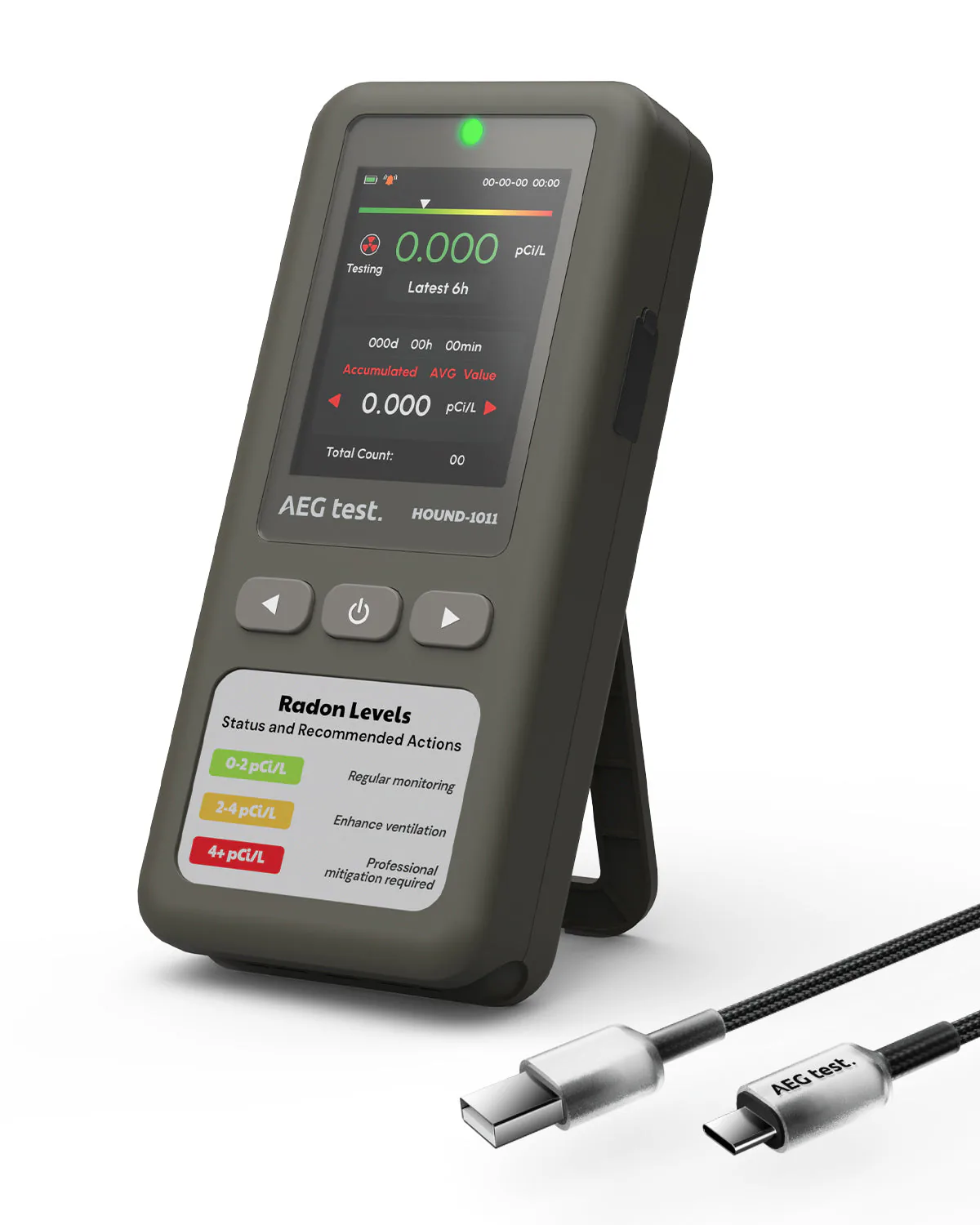
HOUND-1011 rechargeable radon detector with a screen
- C-NRPP 2024/25: Not included
- Battery
- Alarm
- Screen
Method: Semiconductor sensor
First reading: Within 6 hours
 Airthings
Wi-Fi radon monitor with an e-paper display
Best for you if
Skip it if
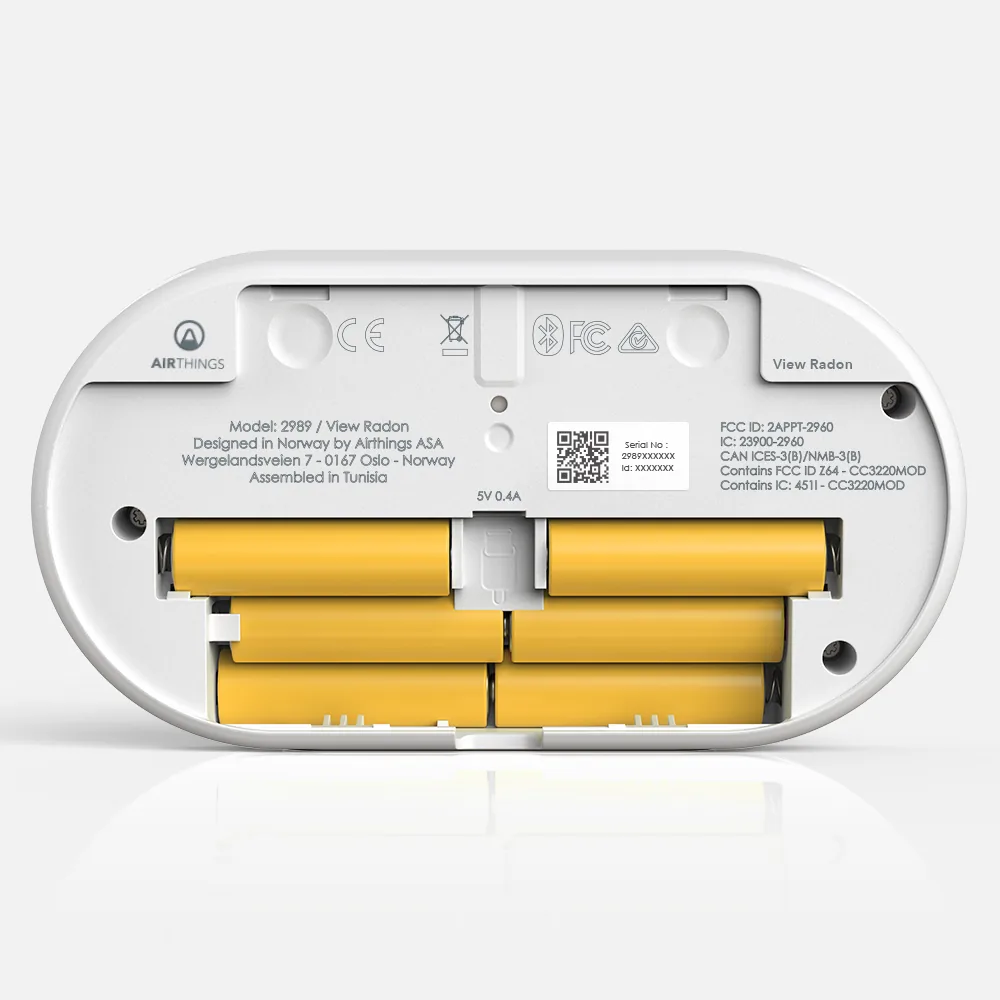
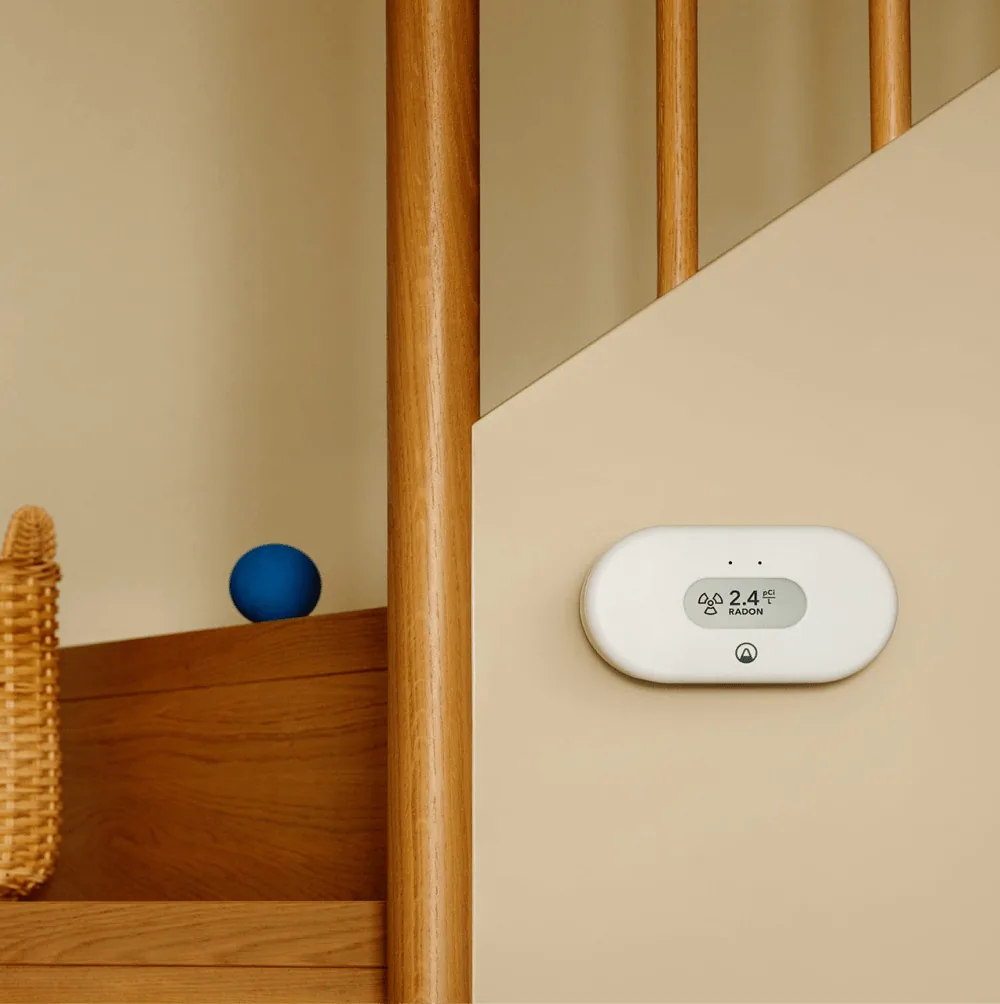
Photos: Airthings
 (opens in a new tab)Check price on Amazon (opens in a new tab)
As an Amazon Associate, Radon411 earns from qualifying purchases.
Amazon and the Amazon logo are trademarks of Amazon.com, Inc. or its affiliates.
See ratings and reviews on Amazon (opens in a new tab)As Airthings states it
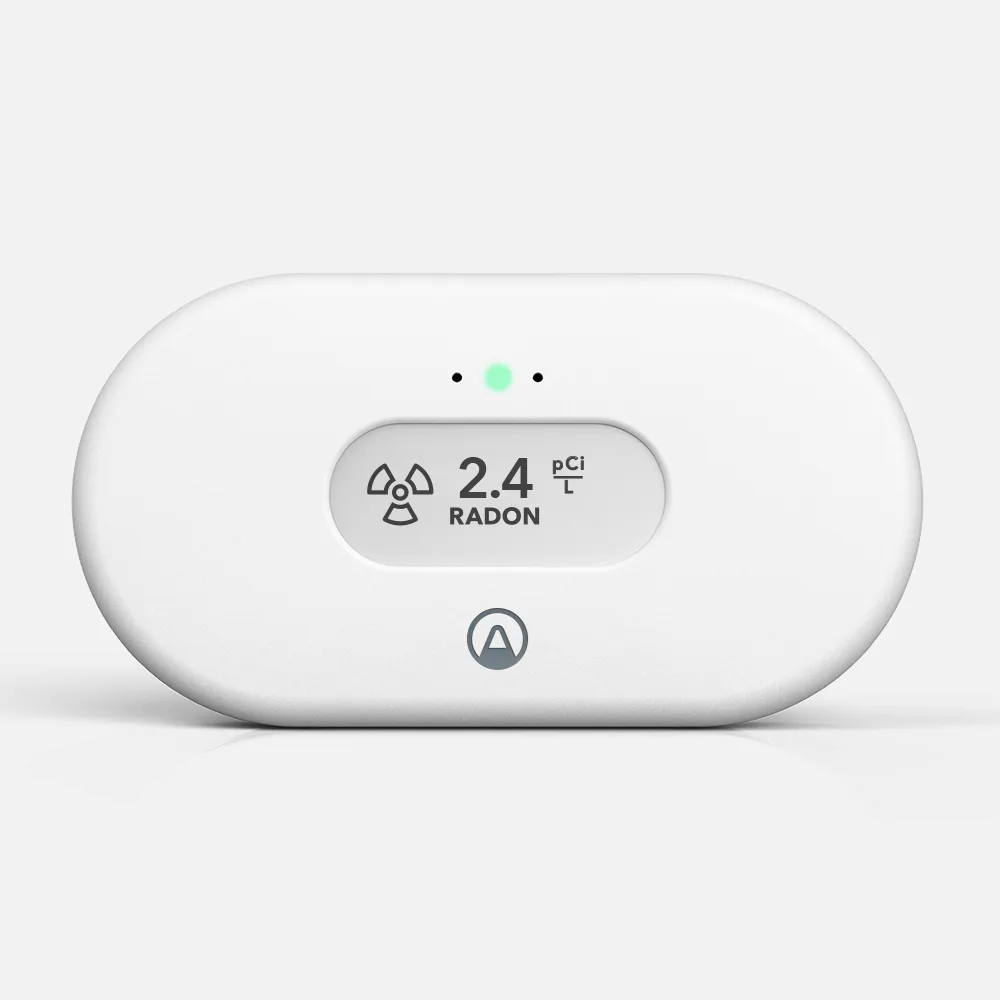
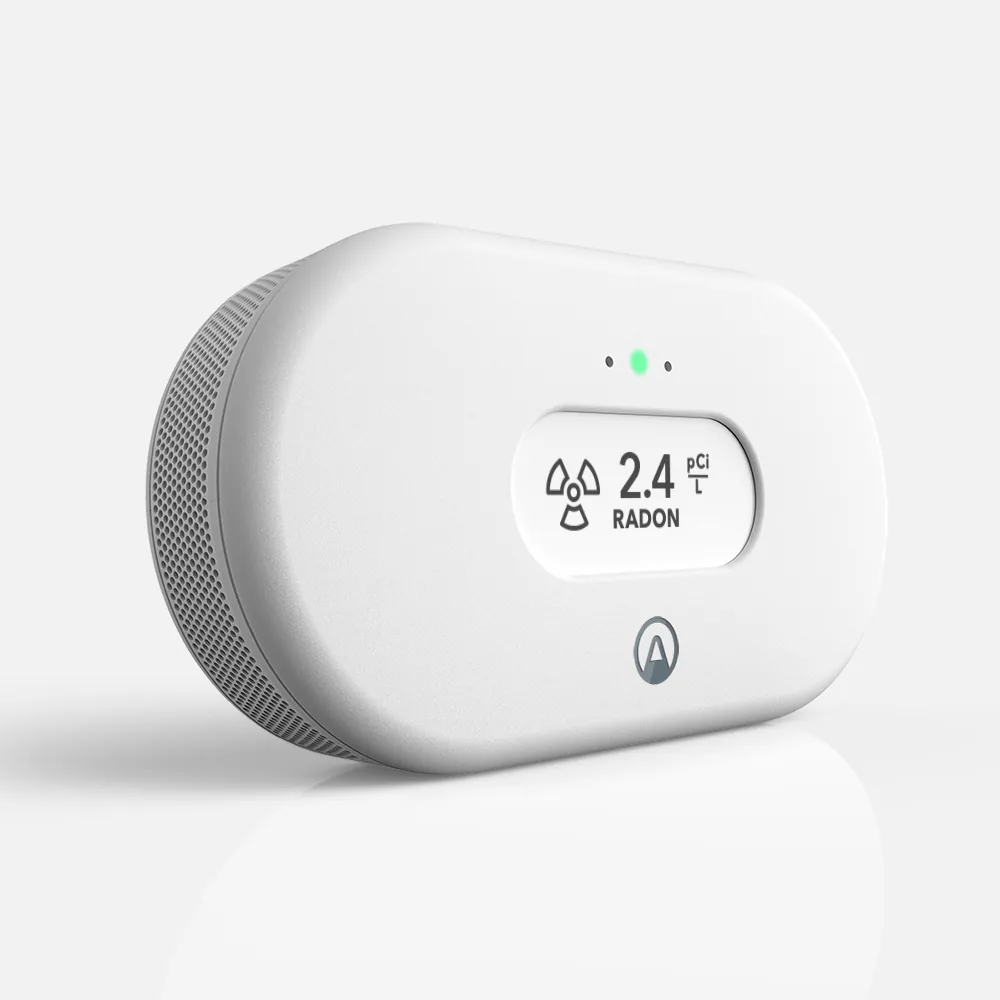
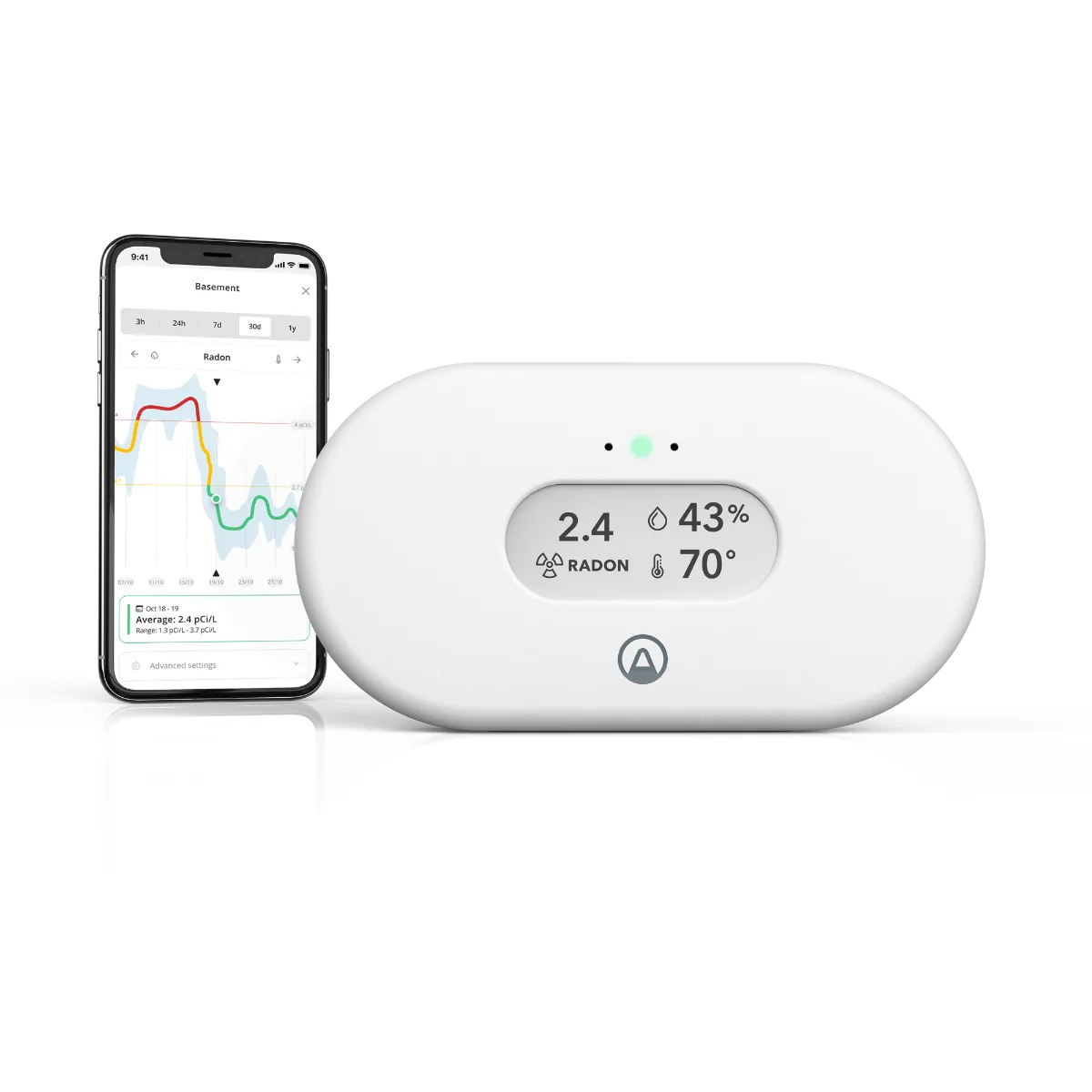
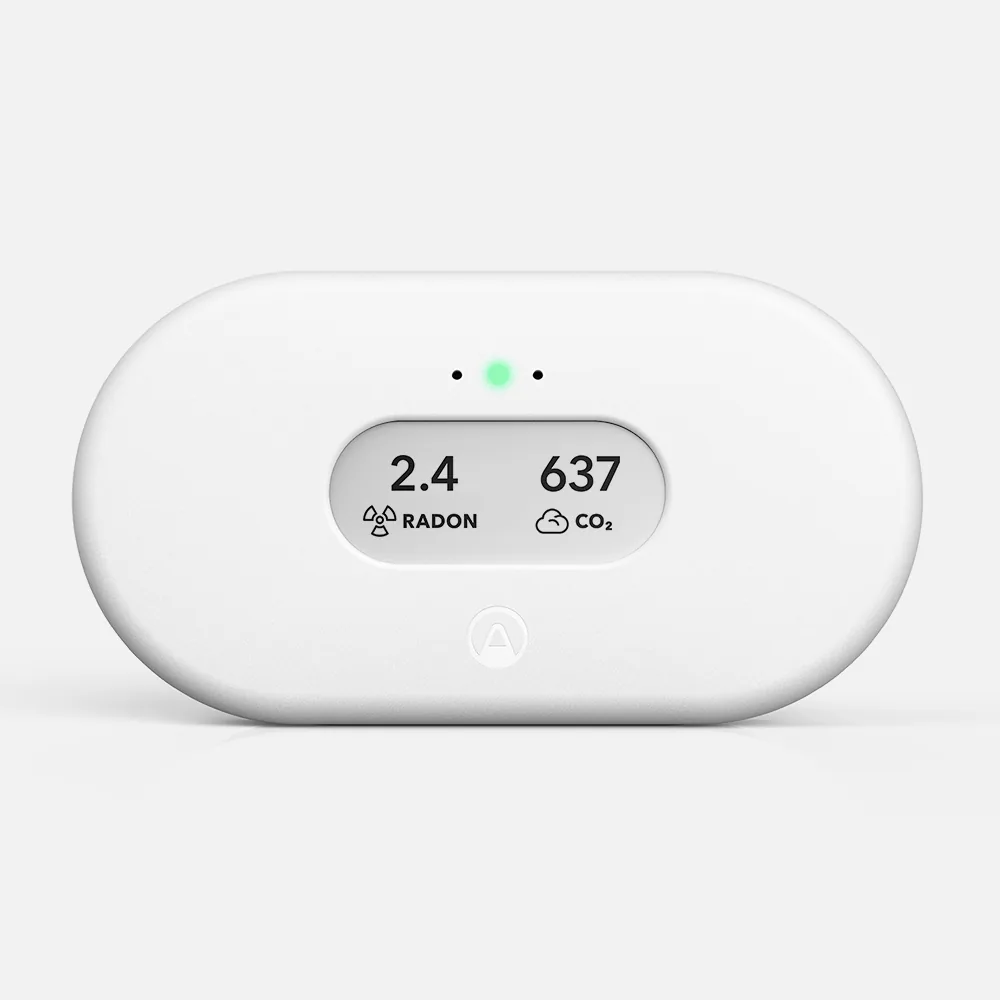
The View Radon is Airthings' Wi-Fi radon monitor: an alpha spectrometry sensor, a 2.9-inch e-paper display, a red, yellow or green glow, and the choice of six AA batteries or a USB cable. C-NRPP's 2024/25 evaluation approved a device it lists as the Airthings View, linking Airthings' View Radon page, with grades of B, C, B and B across its four rounds.
The box holds six AA batteries, a USB cable and a quick start guide with the monitor, which weighs 11.4 oz (323 g) with batteries and measures 6.7 by 3.5 by 1.3 inches. A free 5-year extended warranty is available if you register within 30 days of purchase, in addition to the standard warranty.
In the box and running costsHow it works
The sensor, the sampling and the readings, then who has checked it
In our words, from the maker's documents
Airthings describes the View Radon's radon technology as a passive diffusion chamber with alpha spectrometry as the detection method, sampling radon every 60 minutes. Temperature and humidity are sampled every 5 minutes. The 2024 comparison in Sensors lists a photodiode with alpha spectrometry as the detection principle of the View Plus, the View Radon's sibling, which the study tested alongside it.
Airthings publishes a measurement range of 0 to 500 pCi/L, or 0 to 20,000 Bq/m³. The display is a 2.9-inch ePaper screen that you can set to show the readings you check most, and a glow indicator turns green, yellow or red. Airthings' thresholds for that glow are below 2.7 pCi/L, from 2.7 to under 4 pCi/L, and 4 pCi/L or more. The EPA's own reference points are different: it says to fix a home at 4 pCi/L or more and to consider fixing between 2 and 4 pCi/L.
The View Radon connects over 2.4 GHz Wi-Fi, with Bluetooth for setup and Airthings SmartLink for linking other Airthings devices. With Wi-Fi and the USB cable connected, it can act as the hub that brings Airthings Wave monitors online, so readings and notifications reach the app away from home.
Airthings' advice in the app matches C-NRPP's: pay attention to the long-term average, because temporary spikes may be nothing to worry about, and look for a cause, such as a closed basement door or ventilation turned off, when they happen.
Airthings's own statements, attributed
These are Airthings's own statements, attributed to it. They are not our findings, and we have not tested this product ourselves.
C-NRPP 2024/25, recalls and studies
Listed by C-NRPP as "Airthings View". Results published May 2025.
C-NRPP grades each round by measurement error: A is 10% or less, B more than 10% and up to 20%, C more than 20% and up to 30%. It recommends devices that average B or better.
C-NRPP's 2023 report listed “Airthings View Plus” as having passed its performance test.
C-NRPP is the Canadian National Radon Proficiency Program. Its 2024/25 results were published in May 2025.
Airthings View Radon
Check price on Amazon (opens in a new tab)Specifications
Every figure as the maker states it
The box holds six AA batteries, a USB cable and a quick start guide with the monitor, which weighs 11.4 oz (323 g) with batteries and measures 6.7 by 3.5 by 1.3 inches. A free 5-year extended warranty is available if you register within 30 days of purchase, in addition to the standard warranty.
No lab fee, and the Airthings app is free. On batteries, the cost is six AA cells every couple of years, depending on how often it samples and on your Wi-Fi router; on the USB cable it runs from the cable, and from its batteries if the cable is removed.
Fit and setup
The fit, then setup and placement as the guidance asks
Good fit if, and look elsewhere if
Good fit if
Look elsewhere if
3 steps
How C-NRPP says to use any consumer monitor
For where any radon test or monitor should sit in a home, see where to place a radon test.
Compare
The same three rows for each, and the one difference that matters
This page
Airthings View Radon
This page: The View Radon is Airthings' Wi-Fi radon monitor: an alpha spectrometry sensor, a 2.9-inch e-paper display, a red, yellow or green glow, and the choice of six AA batteries or a USB cable.
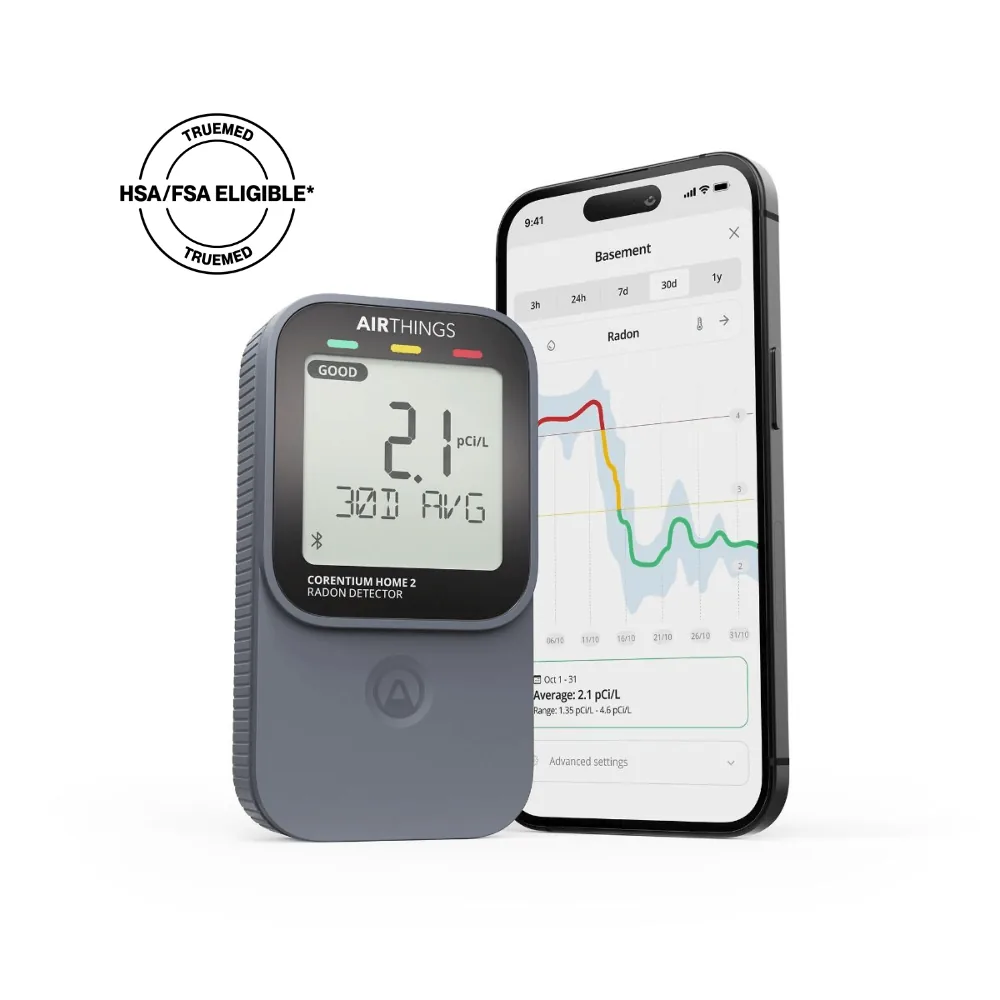
Airthings
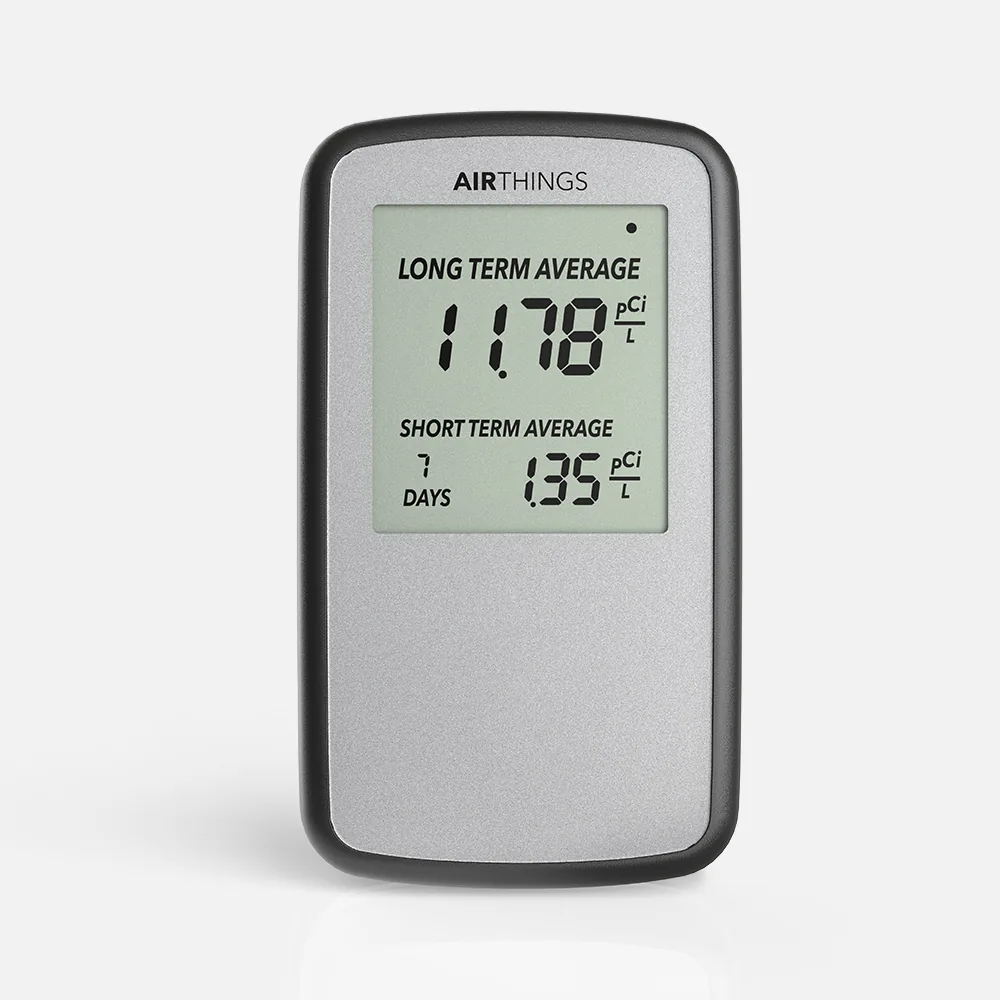
The difference: Same maker and sensor type, smaller and on two AA batteries, with an LCD of averages and Bluetooth only; not part of C-NRPP's 2024/25 evaluation.
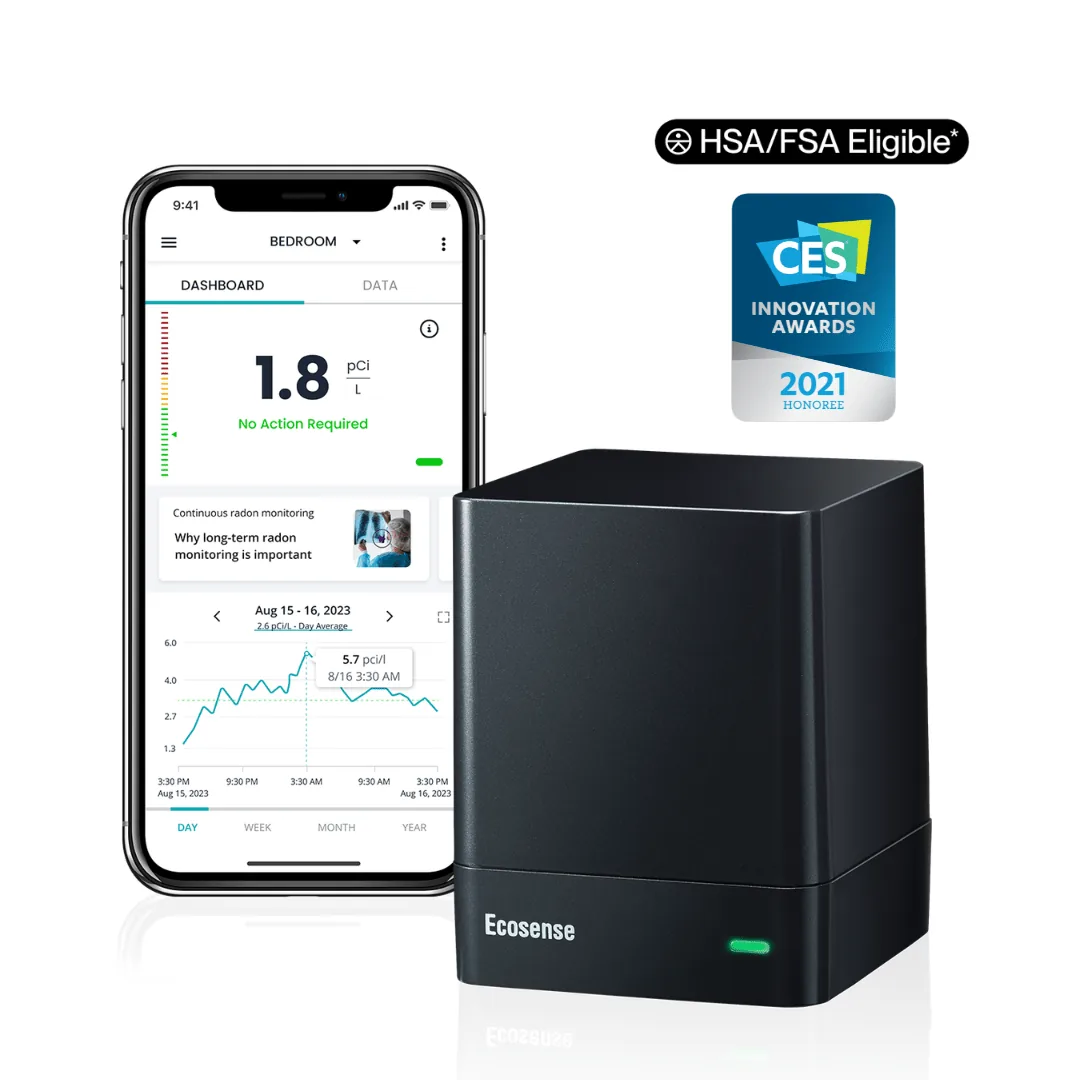
Ecosense
The difference: Also Wi-Fi, but plug-in only, with a pulsed ionization chamber that measures every 10 minutes and a colored light rather than a screen.
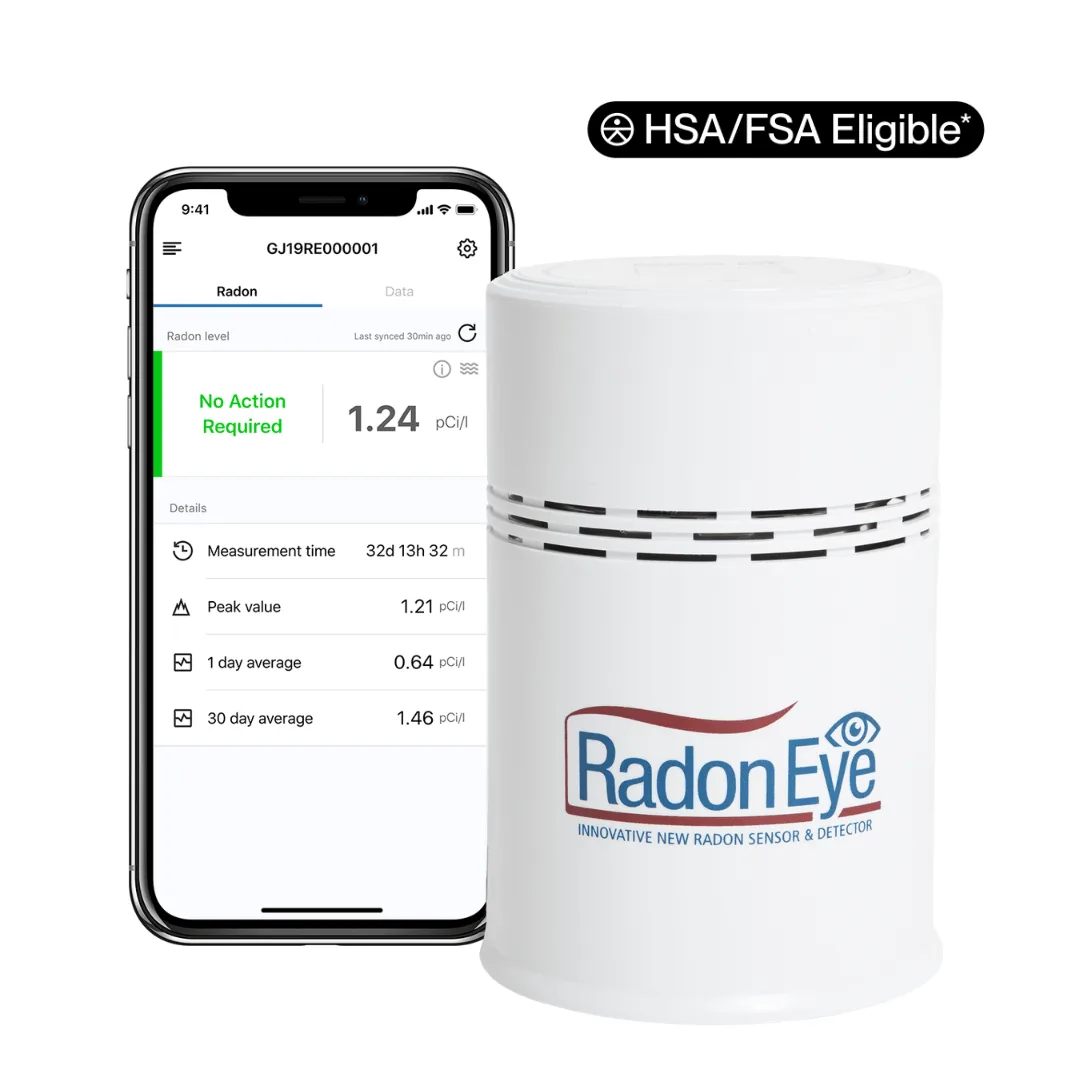
Ecosense
The difference: Plug-in with a number display and Bluetooth, measuring every 10 minutes; graded A in all four C-NRPP 2024/25 rounds.
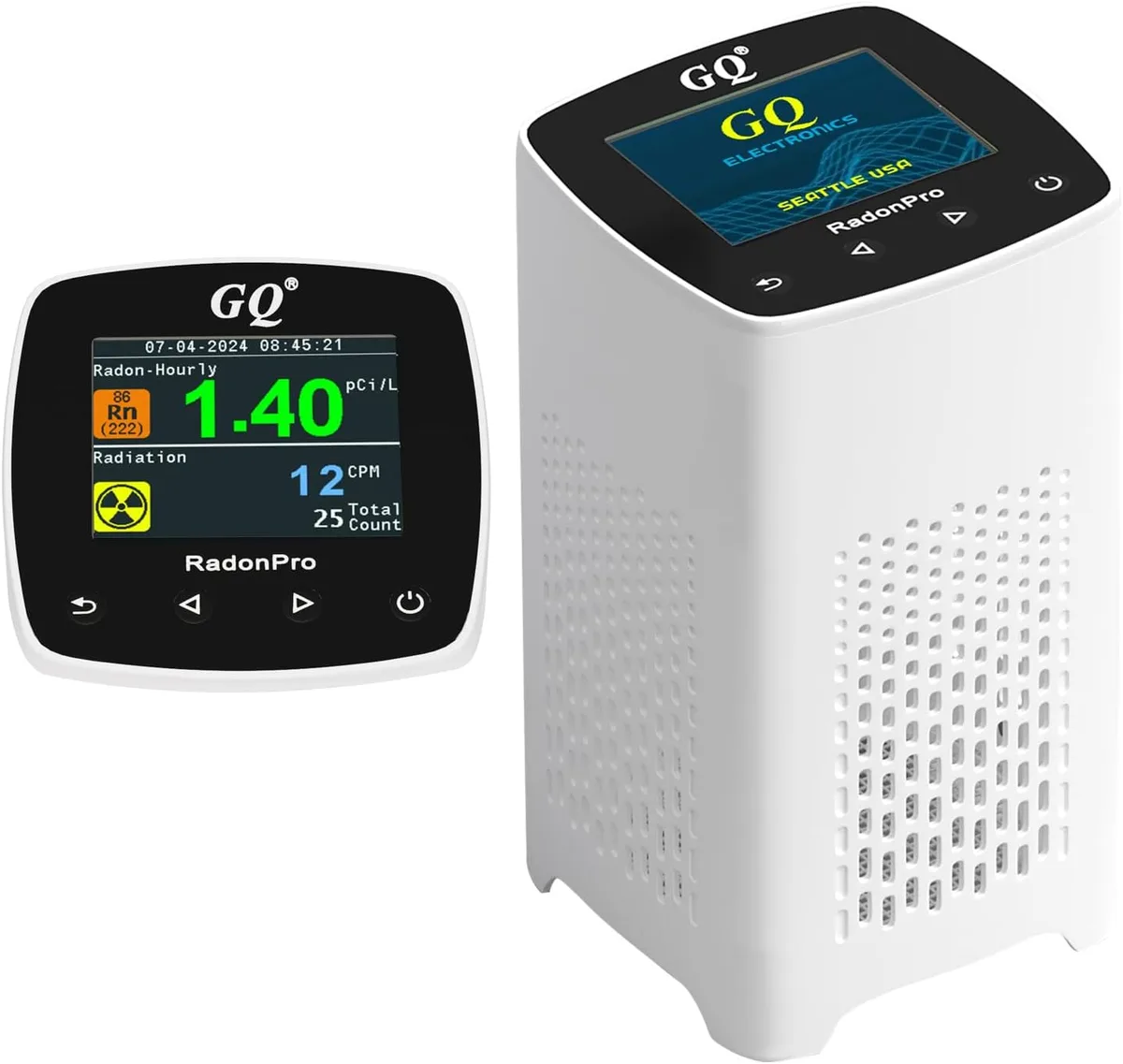
GQ Electronics
The difference: GQ's RadonPro also pairs a color screen with Wi-Fi and an app, but runs on USB power only, with no battery, and adds a Geiger counter that counts general radiation in CPM, not radon; GQ does not name its radon sensor type or state an accuracy figure.
Compared with similar products: 1 of 5
MonitorAEGTEST
Method: Semiconductor sensor
First reading: Within 6 hours
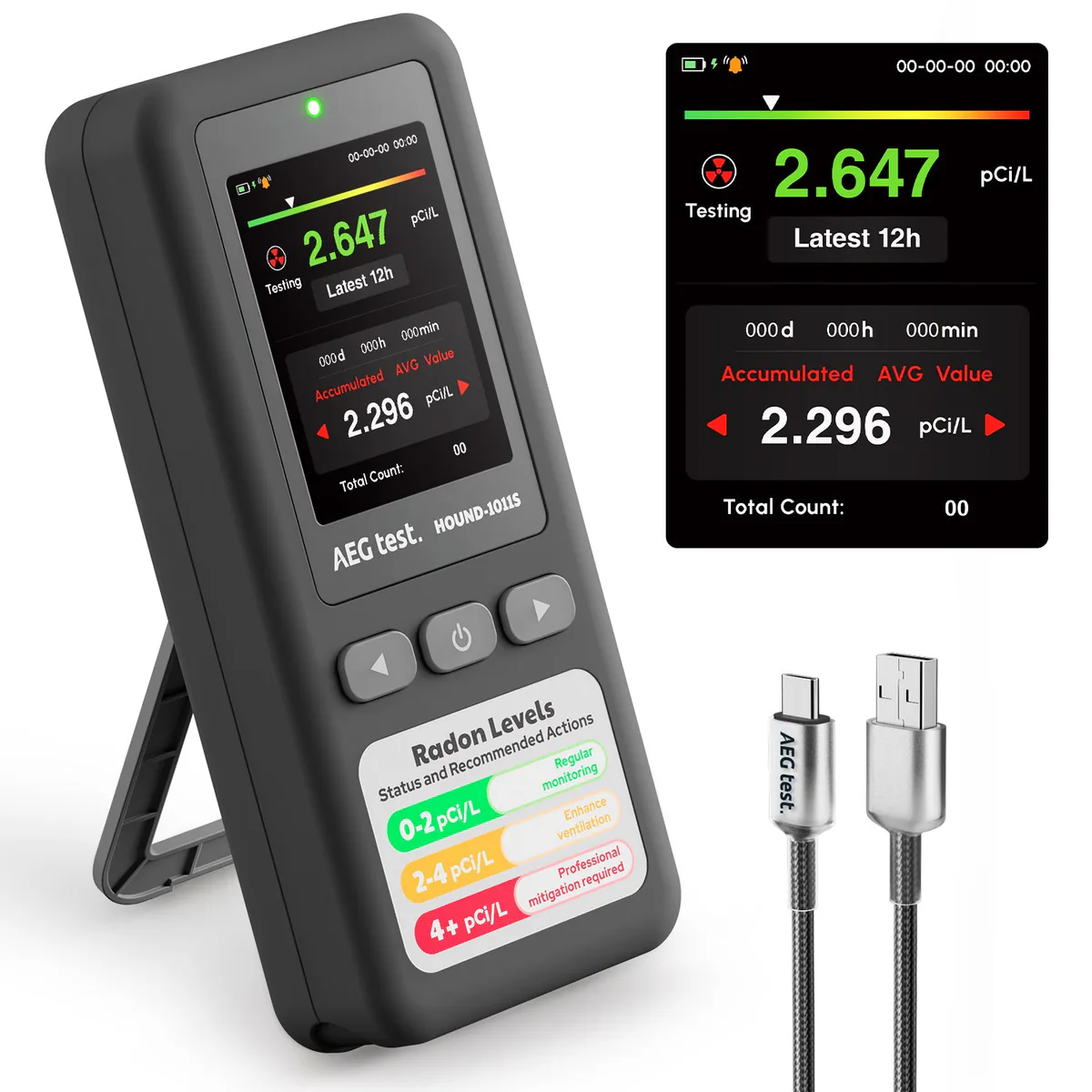
MonitorAEGTEST
Method: Semiconductor sensor
First reading: Within 12 hours
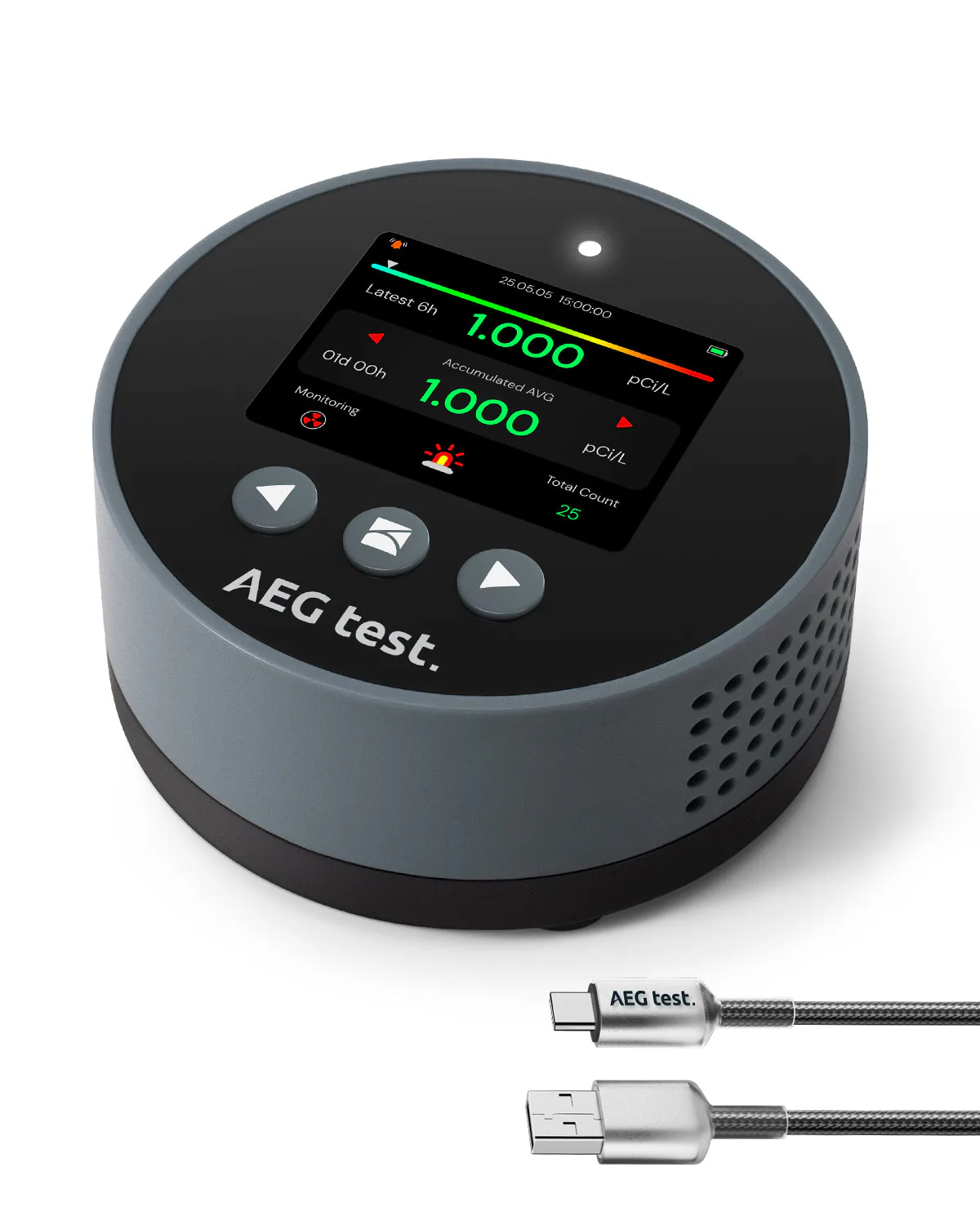
MonitorAEGTEST
Method: Semiconductor sensor
First reading: Within 6 hours
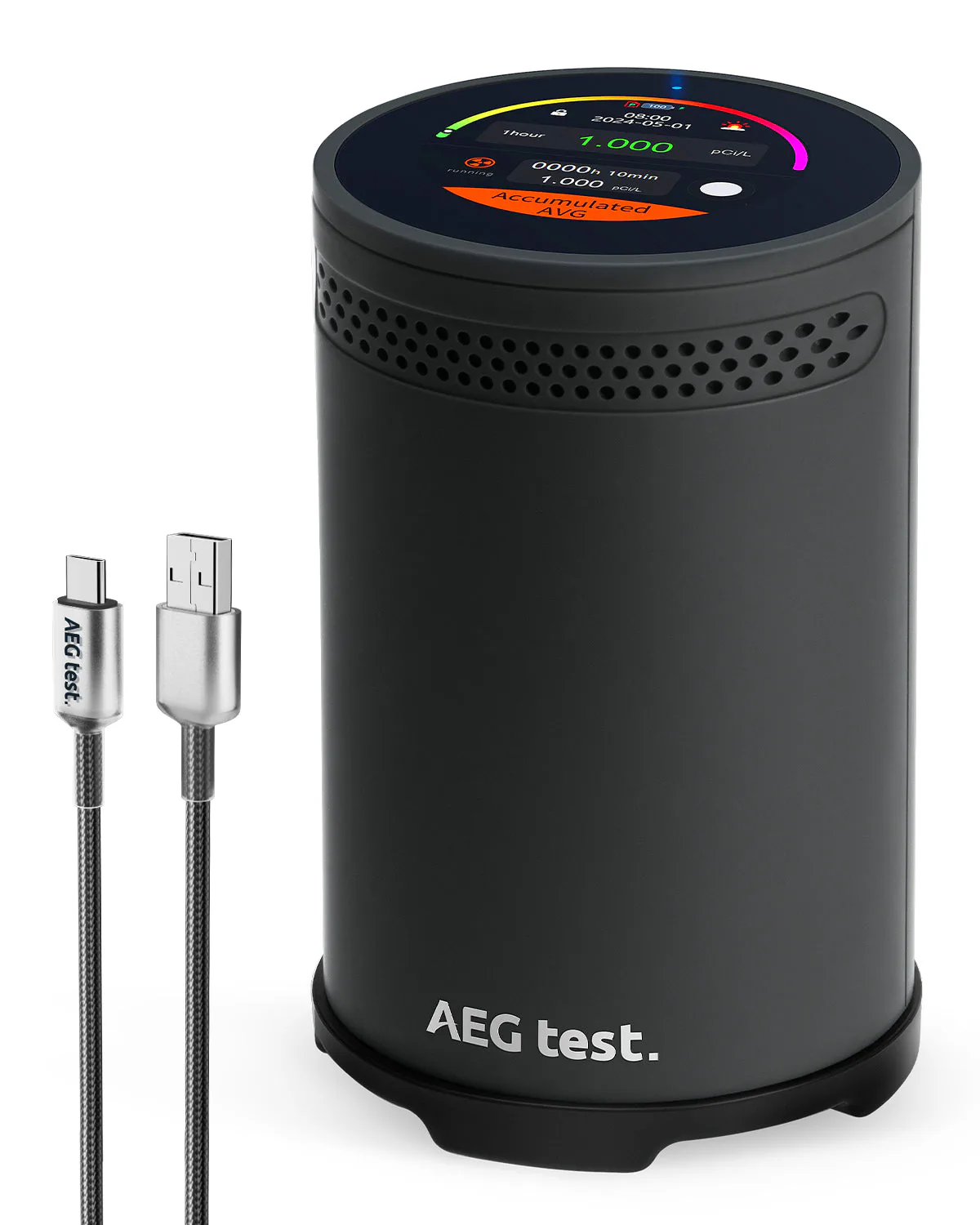
MonitorAEGTEST
First reading: Within 1 hour
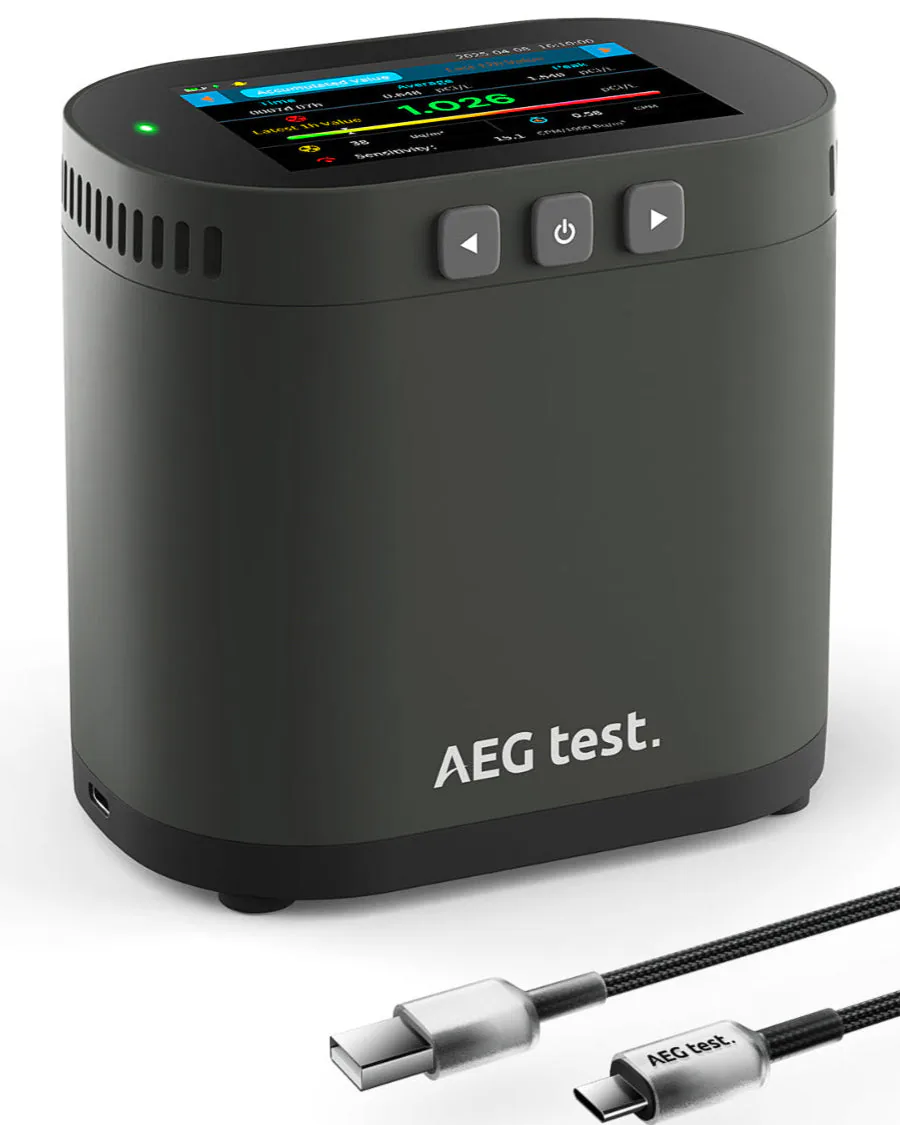
MonitorAEGTEST
Method: Ion chamber
First reading: Within 10 minutes
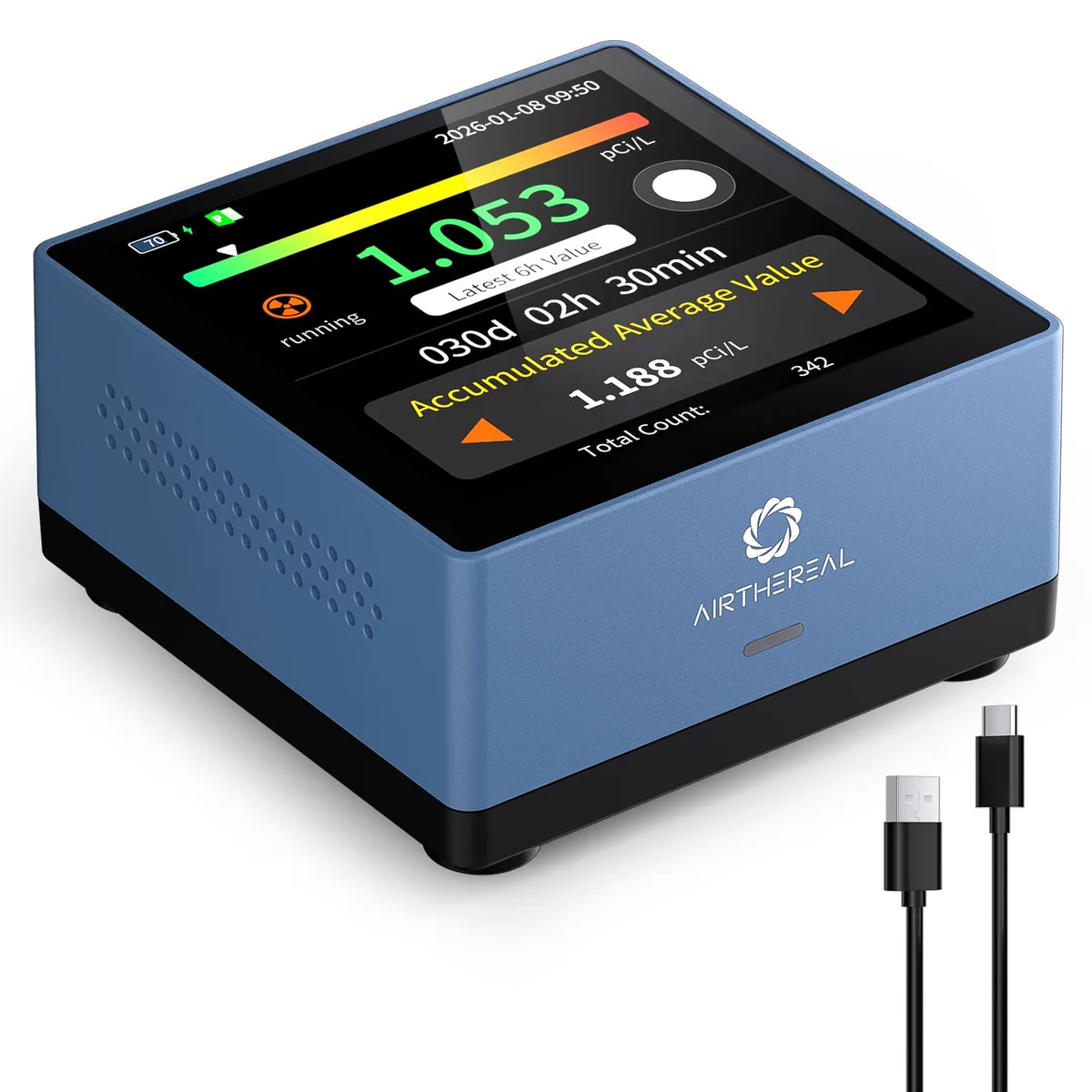
Monitor
Method: Semiconductor sensor
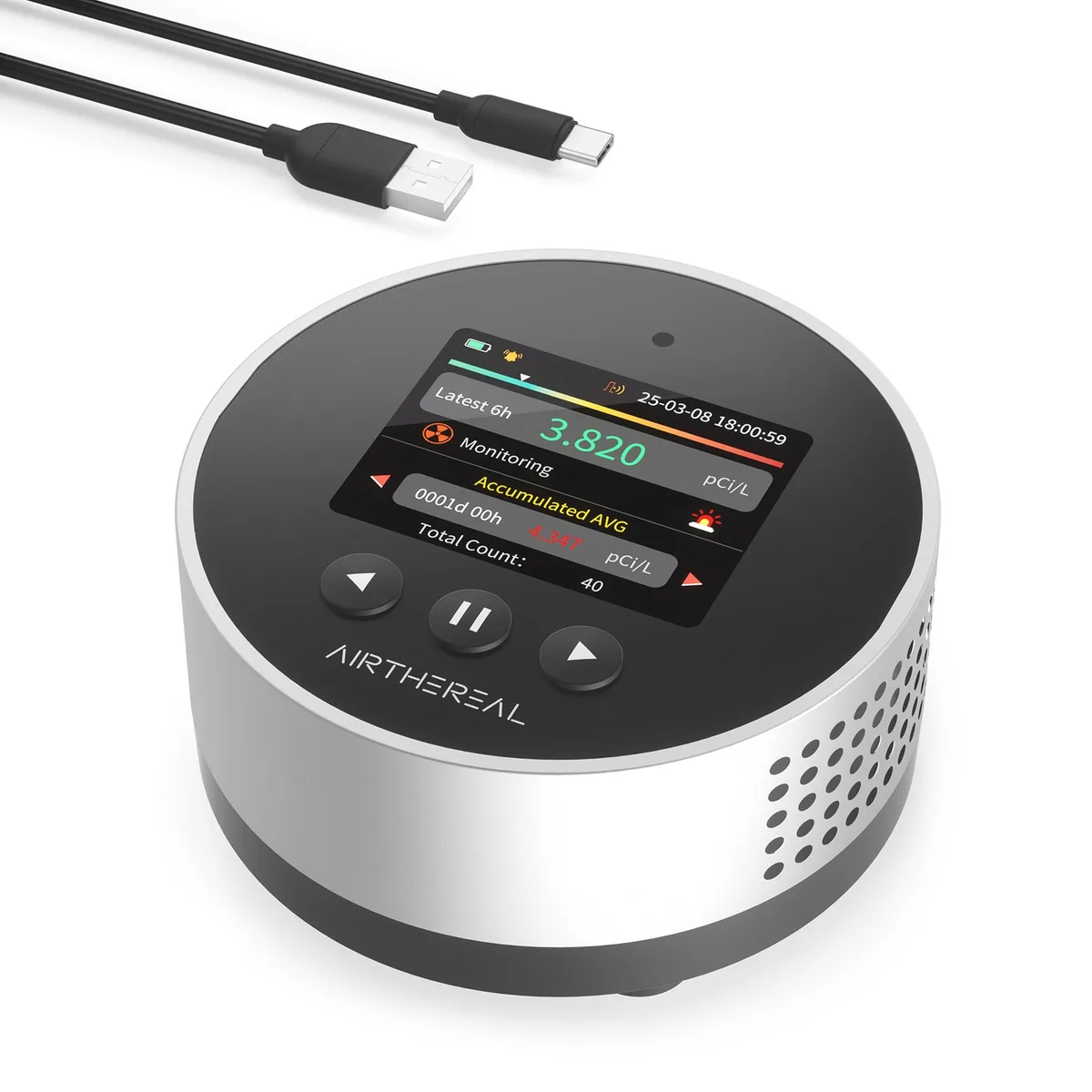
Monitor
Method: Semiconductor sensor
First reading: Within 6 hours
Monitor
Method: Alpha spectrometry
Monitor
Method: Alpha spectrometry
Readings: Every 60 minutes
Monitor
Method: Alpha spectrometry
Monitor
Method: Alpha spectrometry
Monitor
Method: Alpha spectrometry
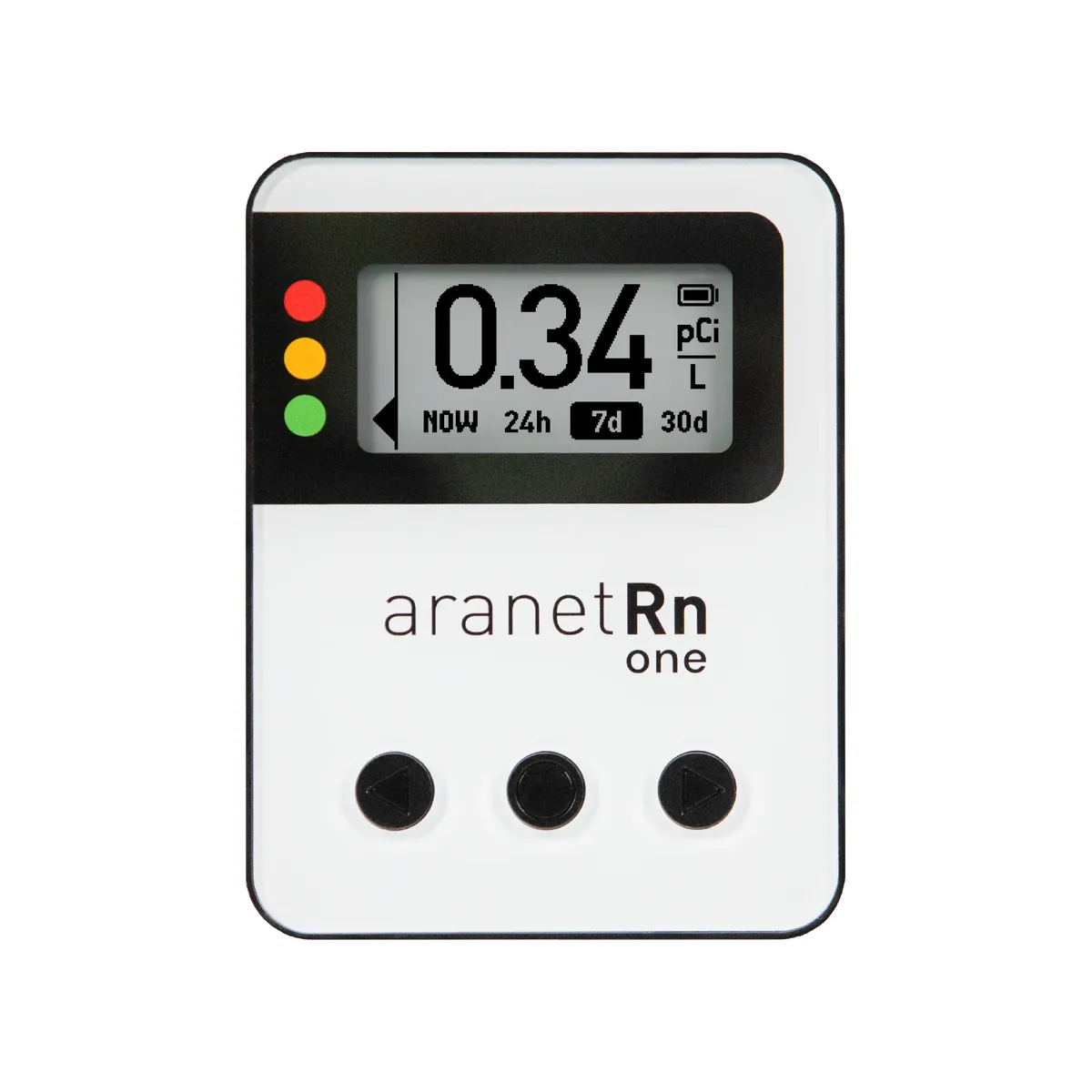
MonitorAranet
Method: Ion chamber
First reading: Within 10 minutes
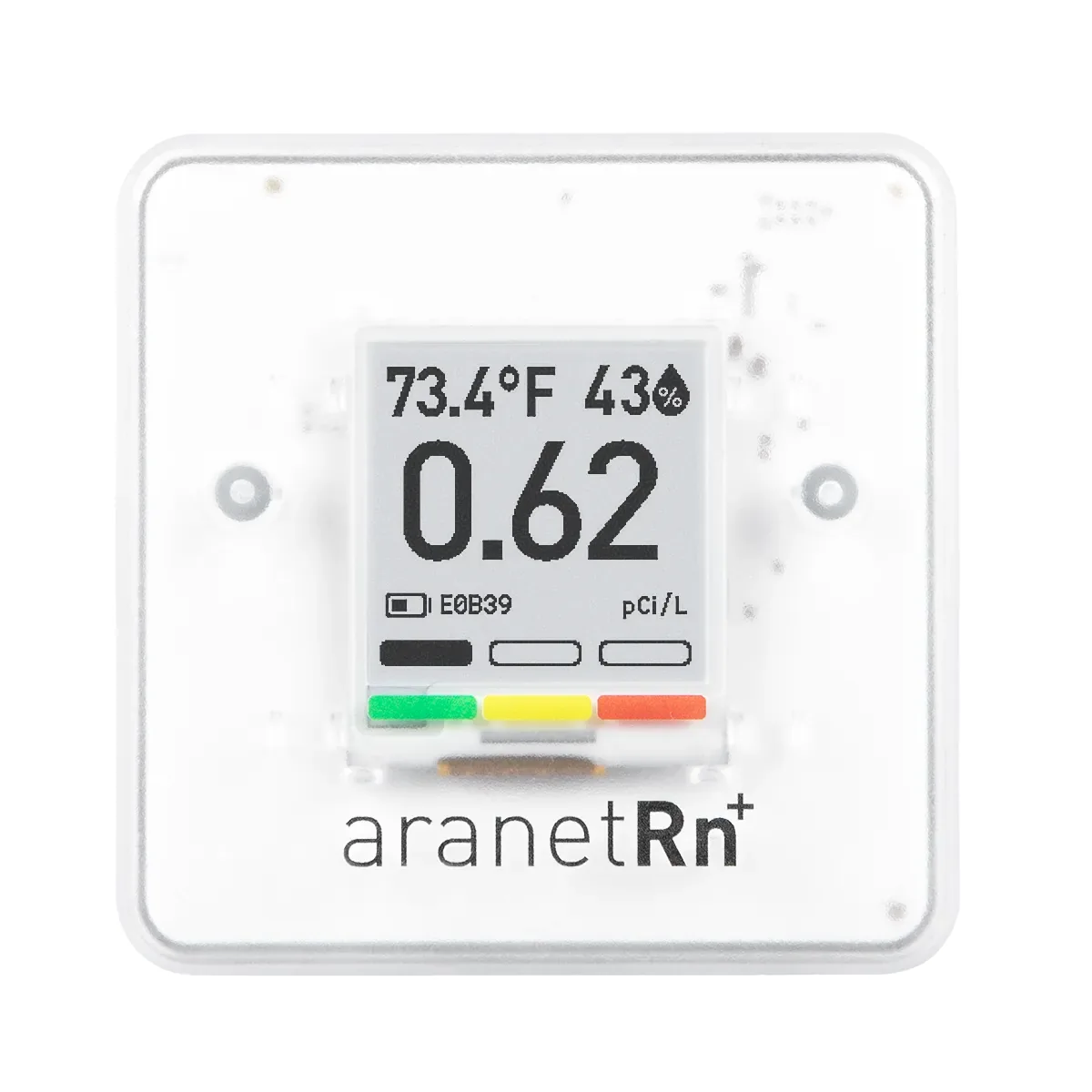
MonitorAranet
Method: Ion chamber
First reading: Within 10 minutes
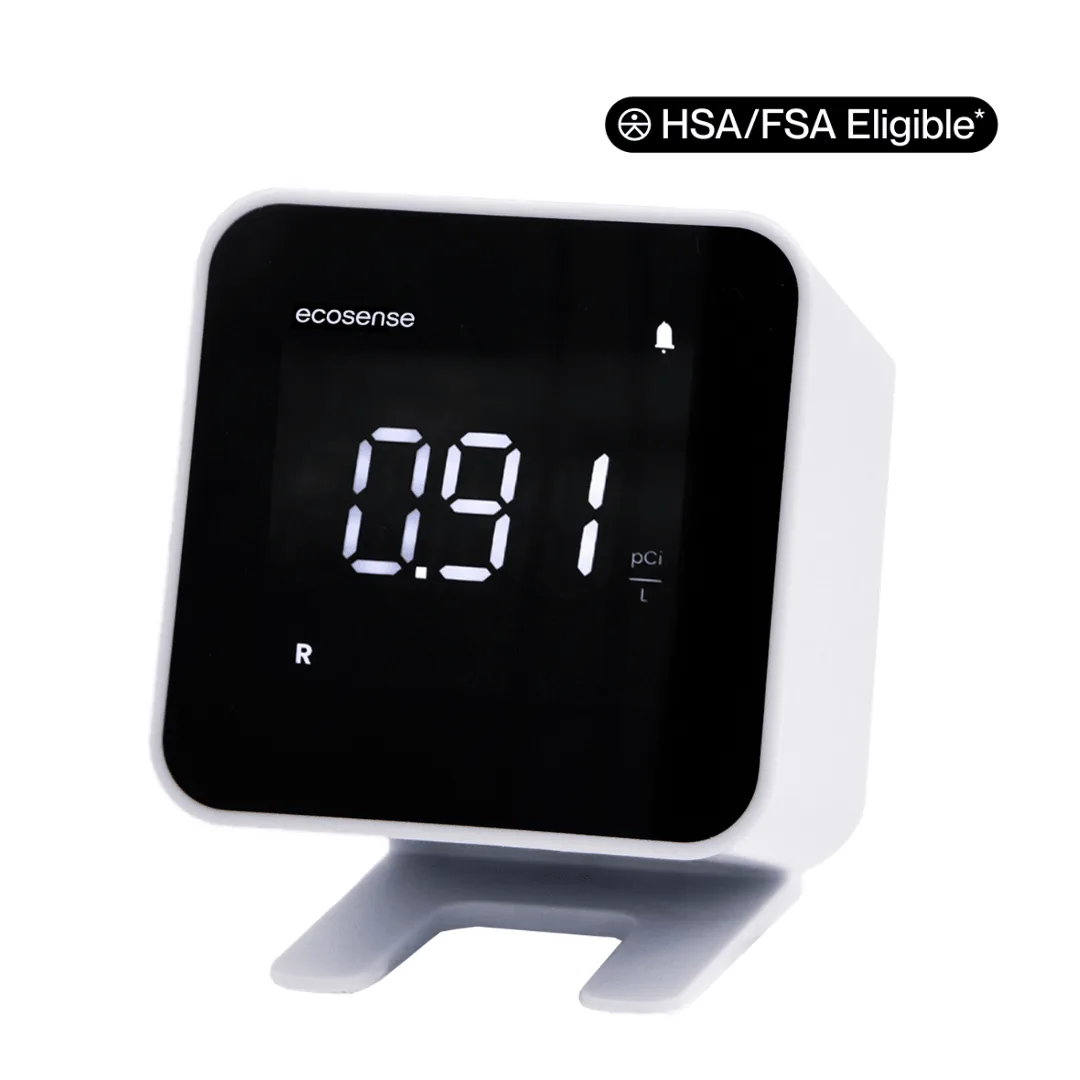
Monitor
Method: Ion chamber
First reading: Within 10 minutes
Monitor
Method: Ion chamber
First reading: Within 10 minutes
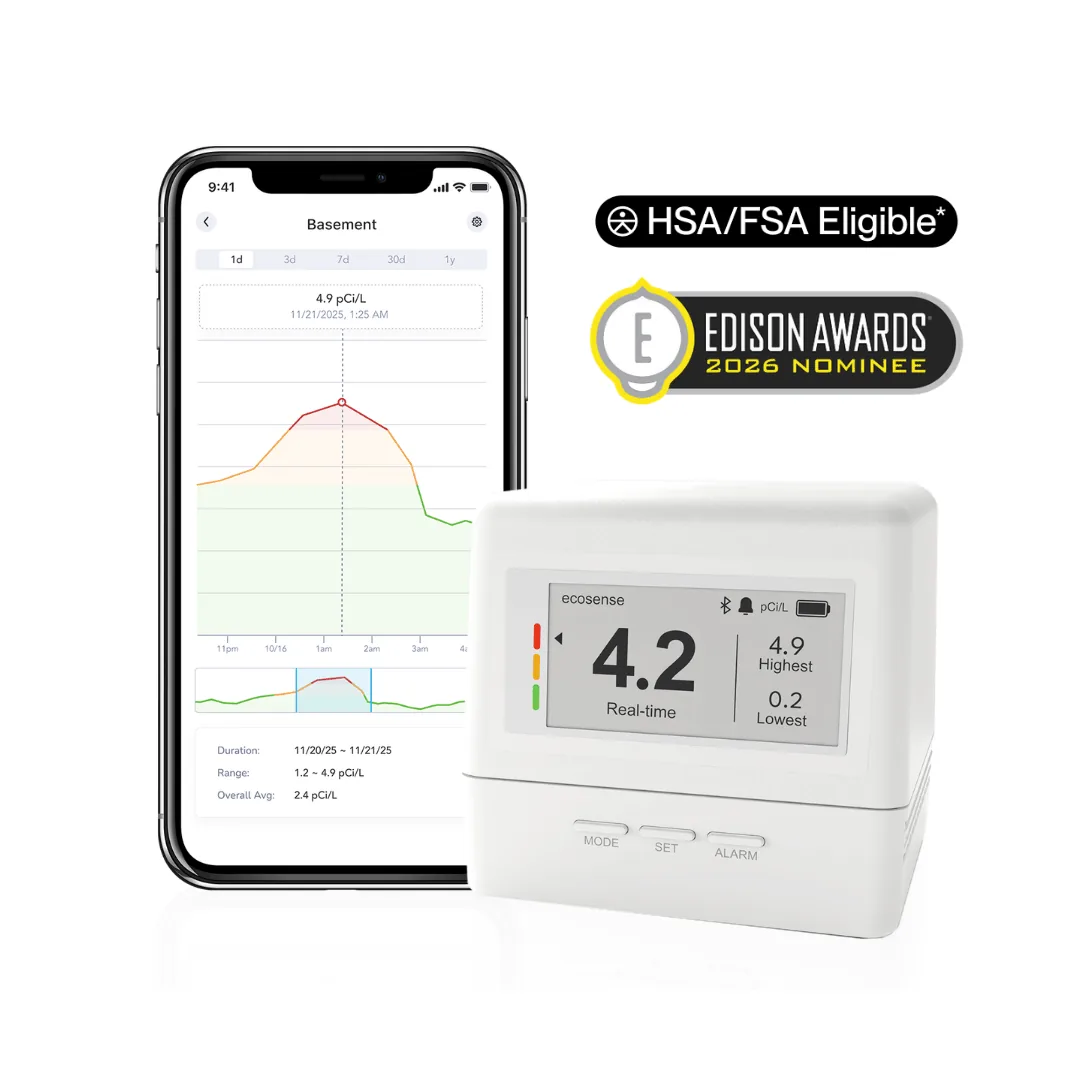
Monitor
Method: Ion chamber
First reading: Within 15 minutes
Monitor
Method: Ion chamber
First reading: Within 10 minutes
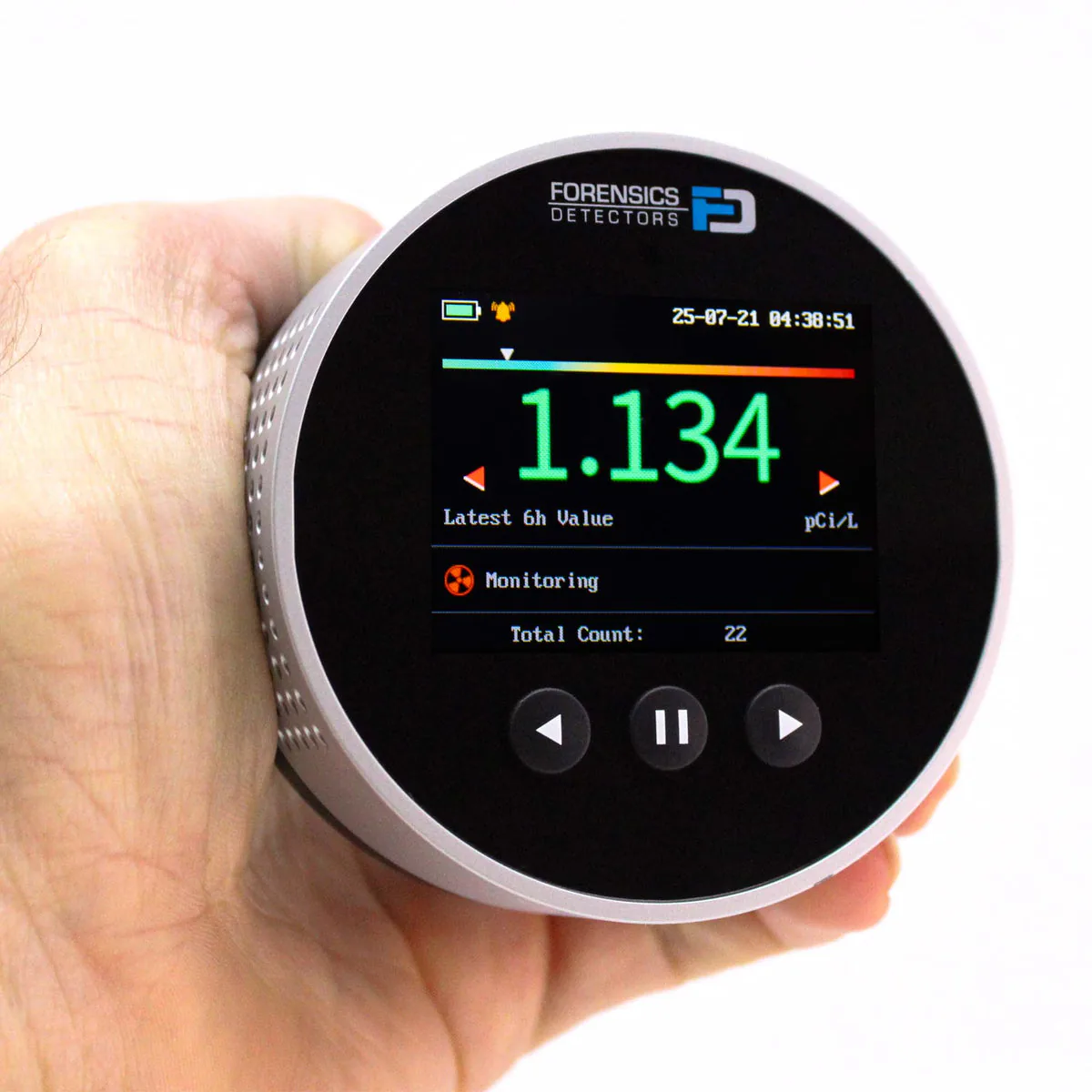
MonitorForensics Detectors
Method: Semiconductor sensor
First reading: Within 6 hours
Monitor
First reading: Within 5 minutes
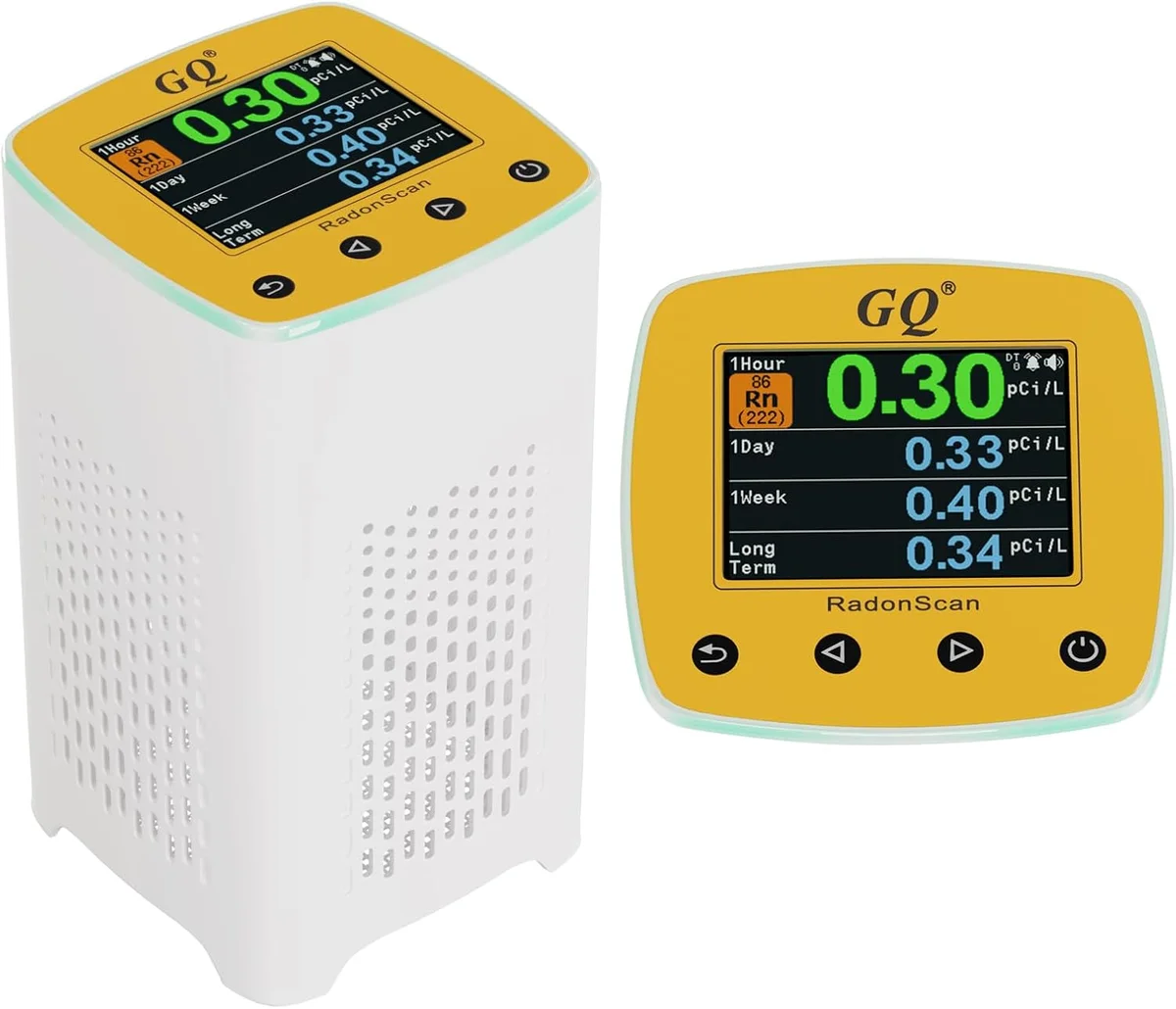
Monitor
First reading: Within 5 minutes
Monitor
First reading: Within 5 minutes
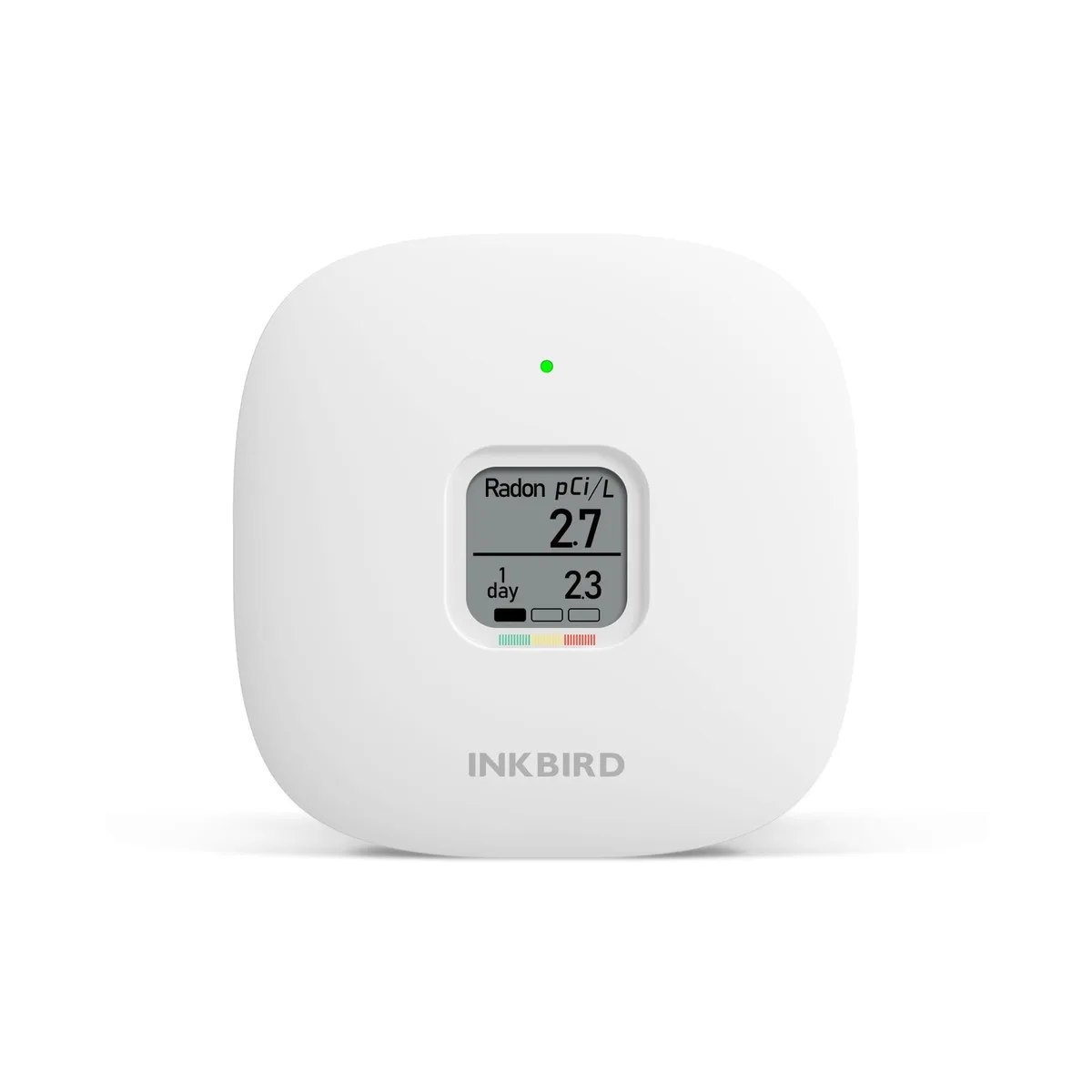
MonitorINKBIRD
First reading: Within 24 hours
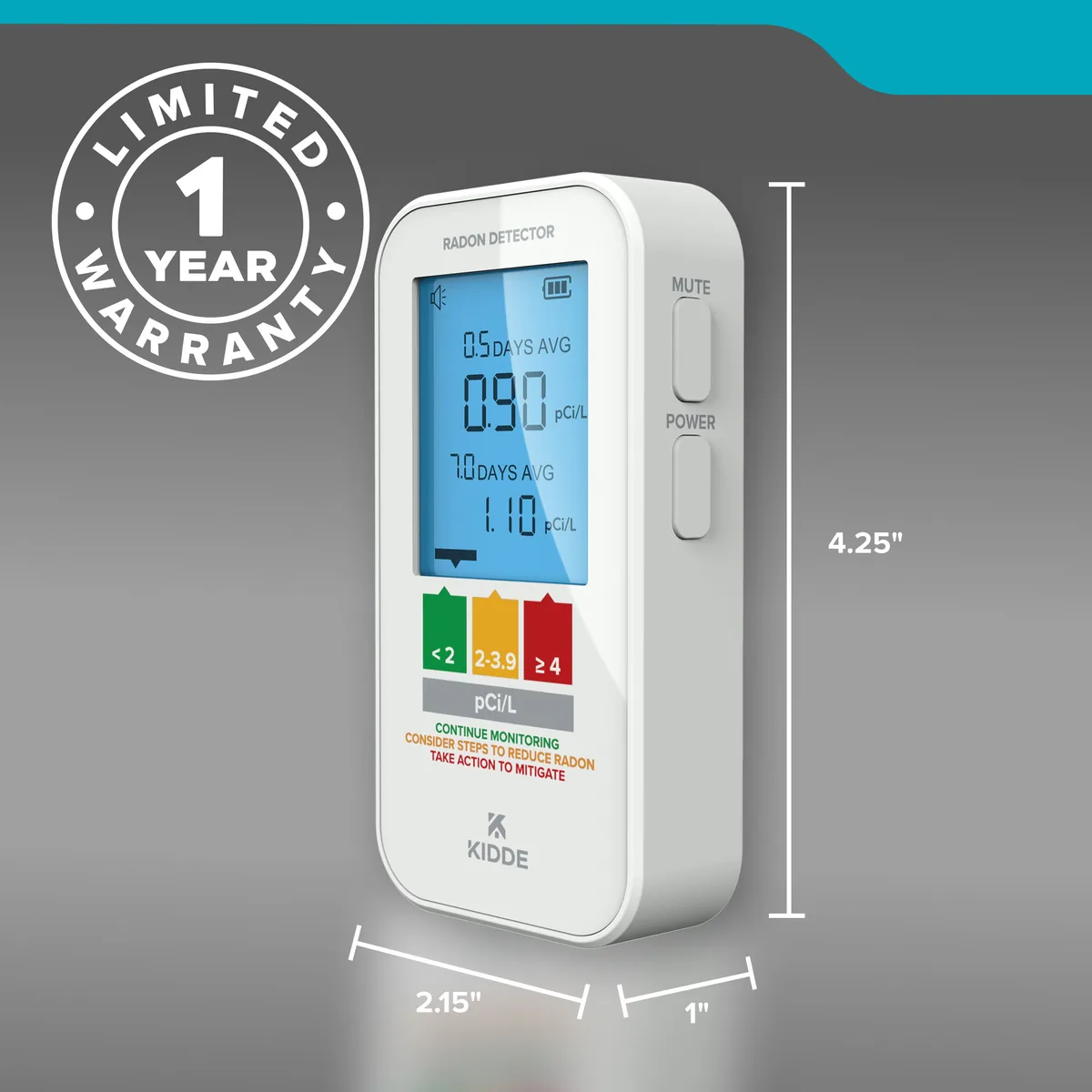
MonitorKidde
Method: Semiconductor sensor
First reading: Within 12 hours
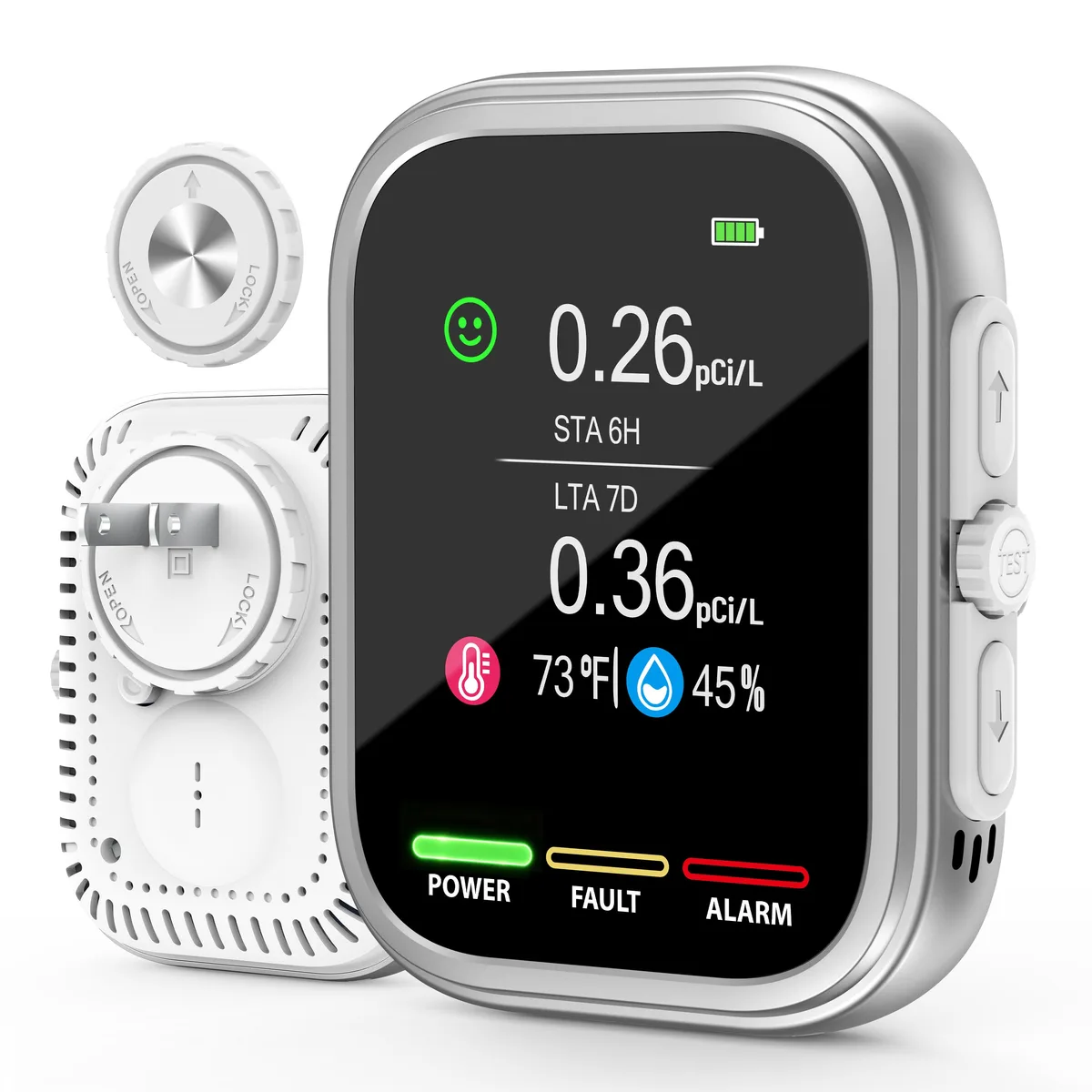
MonitorPYZYCKYH
Method: Semiconductor sensor
First reading: Within 6 hours
MonitorSafetySiren
First reading: Within 48 hours
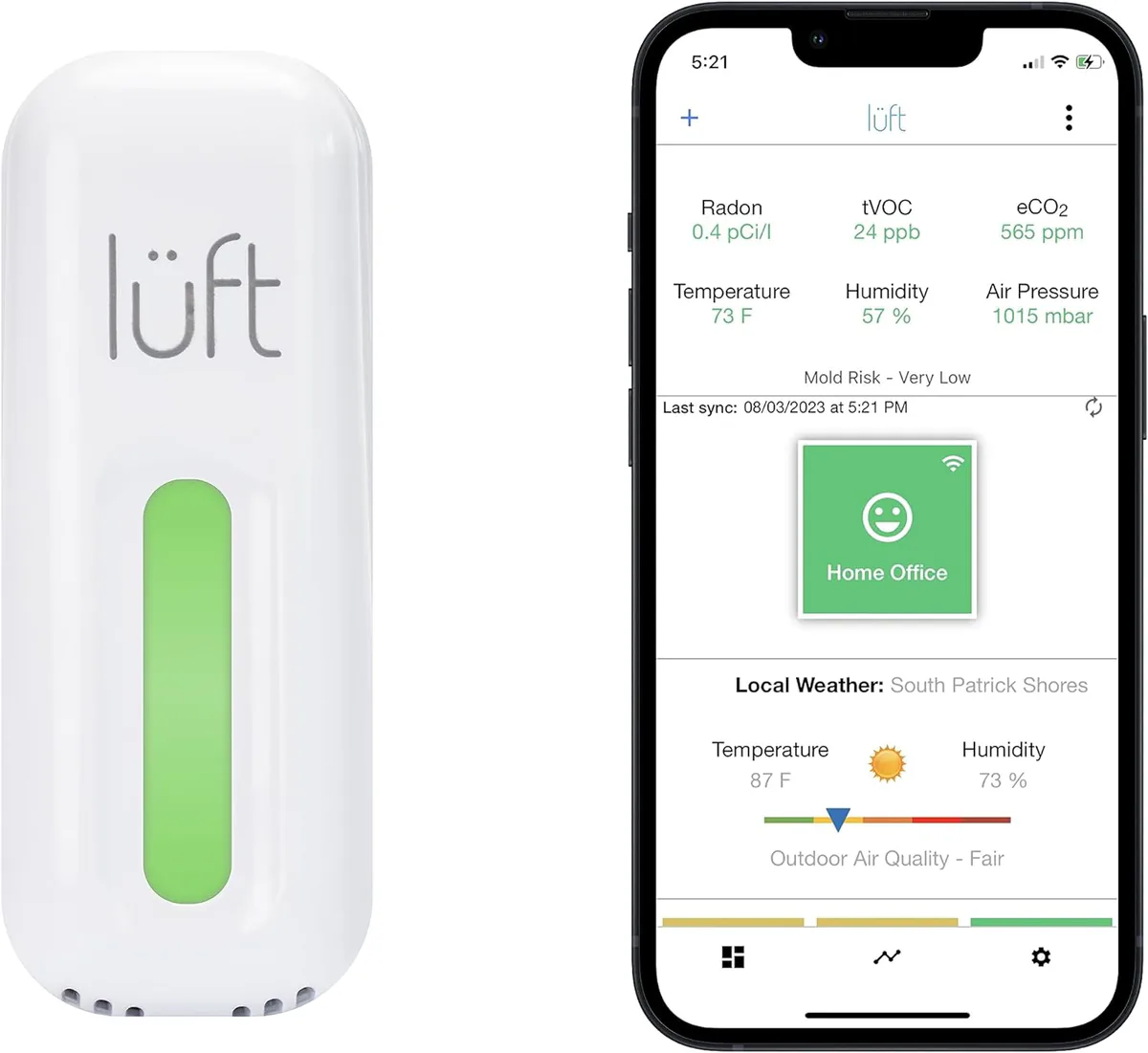
Monitor
First reading: Within 90 minutes
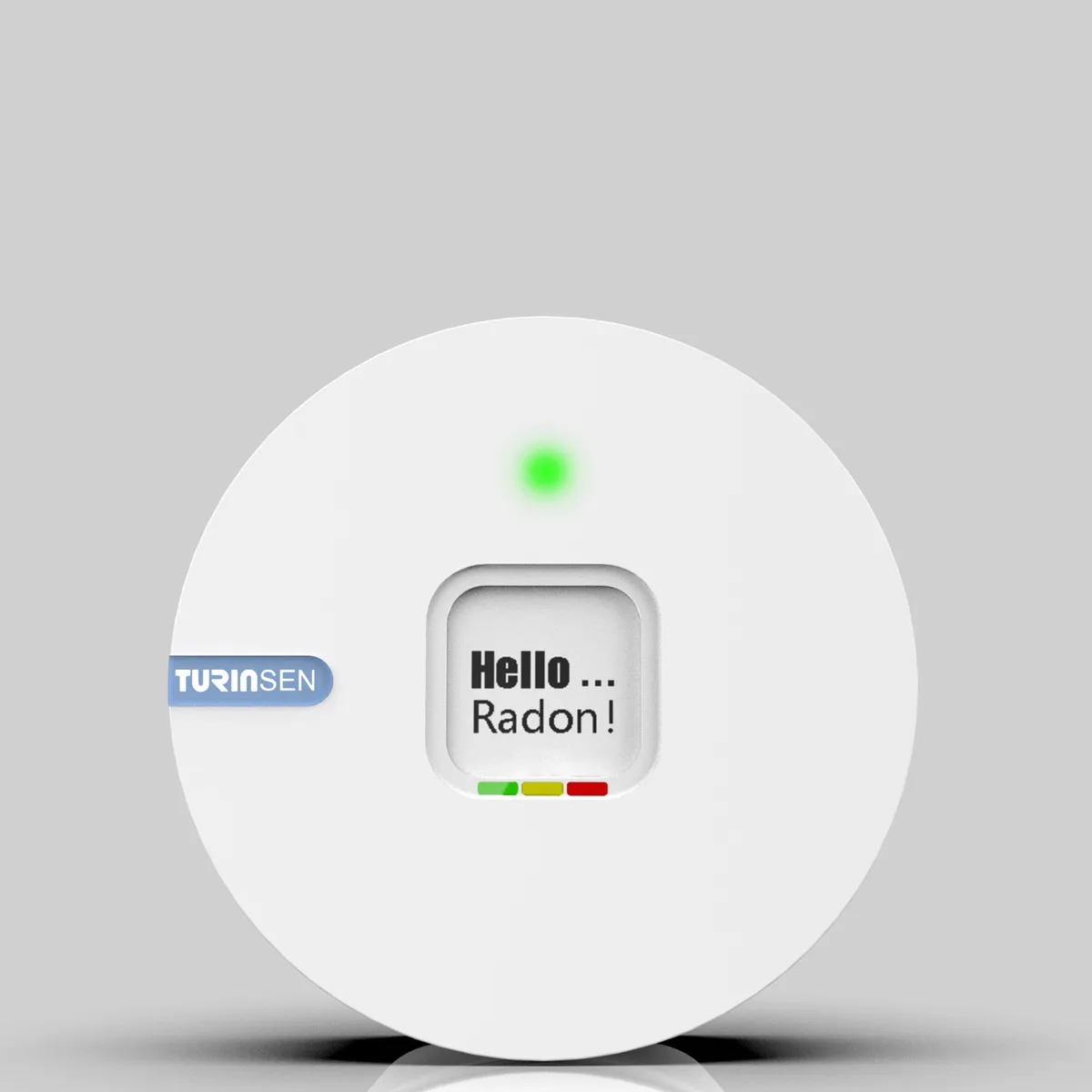
Monitor
Method: Alpha spectrometry
First reading: Within 24 hours
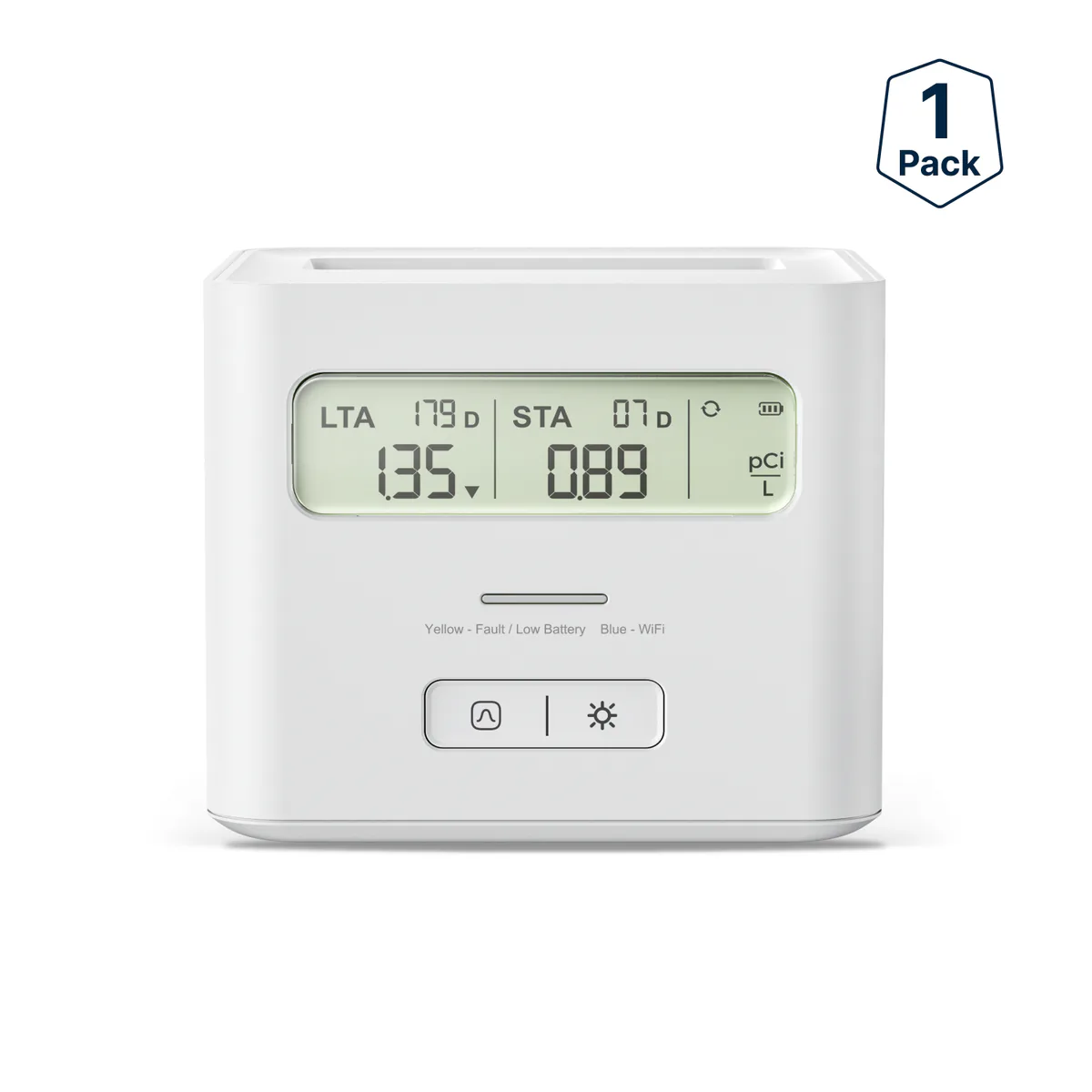
MonitorX-Sense
Method: Alpha spectrometry
First reading: Within 24 hours
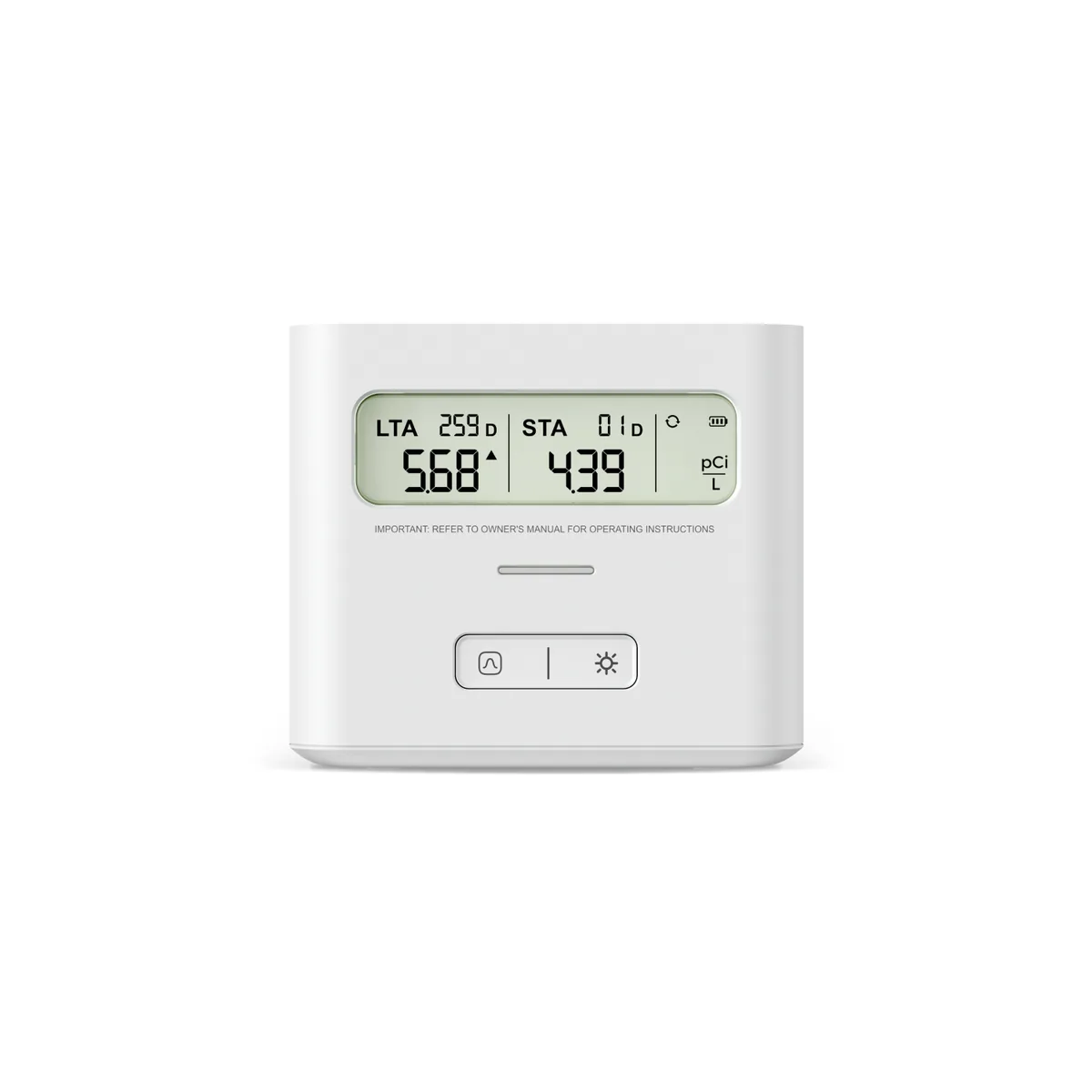
MonitorX-Sense
Method: Alpha spectrometry
First reading: Within 24 hours
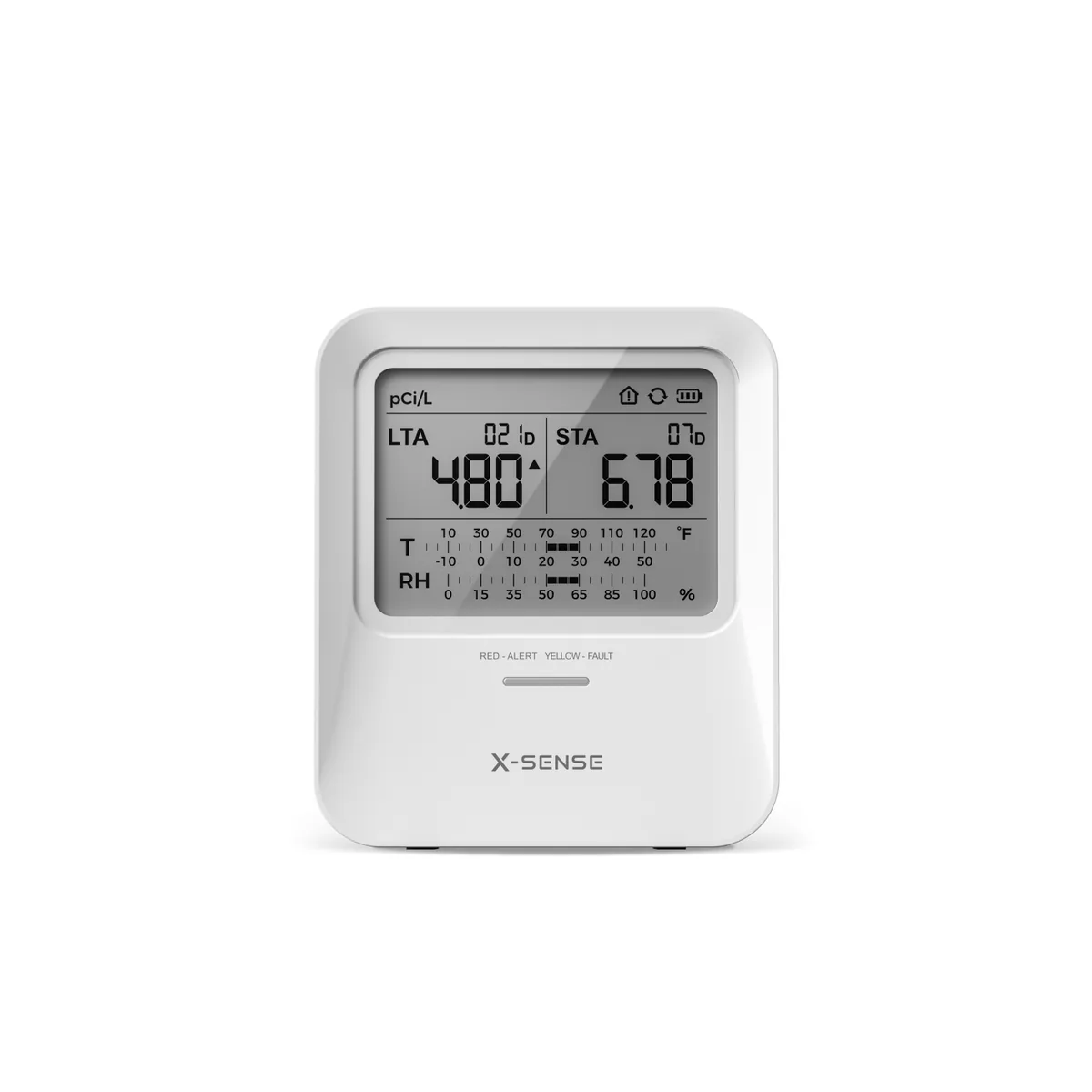
MonitorX-Sense
Method: Alpha spectrometry
First reading: Within 24 hours
More home radon monitors: 1 of 31
Questions
6 questions about the Airthings View Radon, answered
C-NRPP's 2024/25 evaluation approved a device it names the Airthings View and links to Airthings' View Radon page. It does not say which View model it tested, and its 2023 report listed the View Plus. Its detailed results show grades of B, C, B and B across the four rounds; C-NRPP recommends devices that average B or better.
In a 54-day field comparison in Spain in 2023, published in Sensors in 2024, the View Radon's average was 10.0 percent above a calibrated reference monitor's. In the study's test of a sharp rise, it reached only the 10 percent level of the change, not the 50 or 90 percent levels.
Airthings lists 2.4 GHz Wi-Fi, Airthings SmartLink and Bluetooth Low Energy. Bluetooth is for onboarding and daily configuration; Wi-Fi is what gives live readings and notifications away from home.
Airthings sets green below 2.7 pCi/L, yellow from 2.7 to under 4 pCi/L, and red at 4 pCi/L or more, and says red means it may be time to seek advice from a radon mitigation professional. A color reflects recent readings; decisions rest on the long-term average.
Airthings suggests basements and ground floors, where radon levels are usually highest, on a wall or a table. The EPA adds the lowest lived-in level, a room used regularly but not the kitchen or bathroom, at least 20 inches above the floor and away from drafts and exterior walls.
Airthings sells both as View monitors with the same display style. The View Radon measures radon, temperature and humidity; Airthings' View Plus page describes 7 sensors, including radon, particulate matter and VOCs.
Updated October 1, 2026