
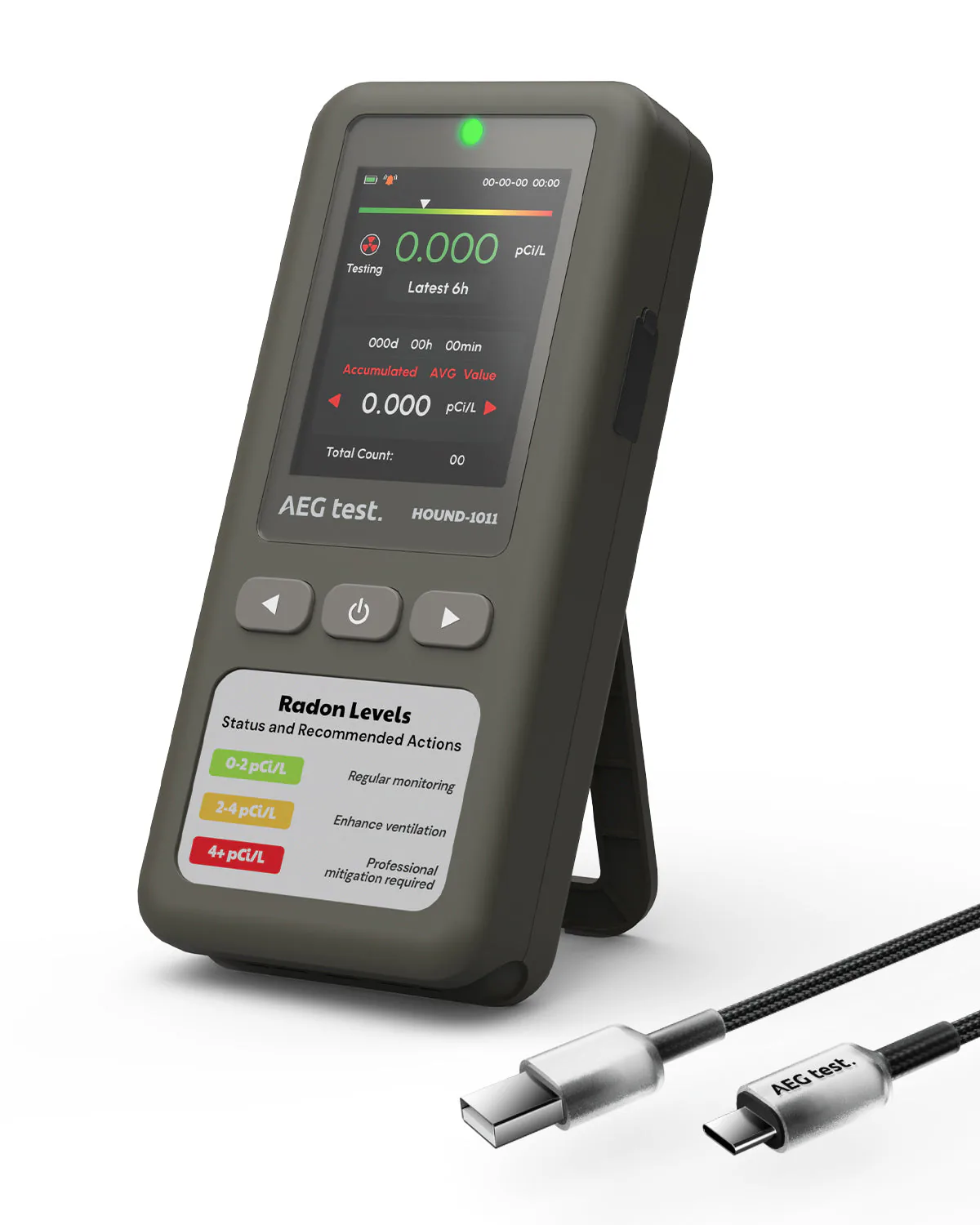
MonitorAEGTEST
HOUND-1011 rechargeable radon detector with a screen
- C-NRPP 2024/25: Not included
- Battery
- Alarm
- Screen
Method: Semiconductor sensor
First reading: Within 6 hours
 Ecosense
Battery digital radon monitor with an e-ink screen
Best for you if
Skip it if
Photos: Ecosense
 (opens in a new tab)Check price on Amazon (opens in a new tab)
As an Amazon Associate, Radon411 earns from qualifying purchases.
Amazon and the Amazon logo are trademarks of Amazon.com, Inc. or its affiliates.
See ratings and reviews on Amazon (opens in a new tab)As Ecosense states it
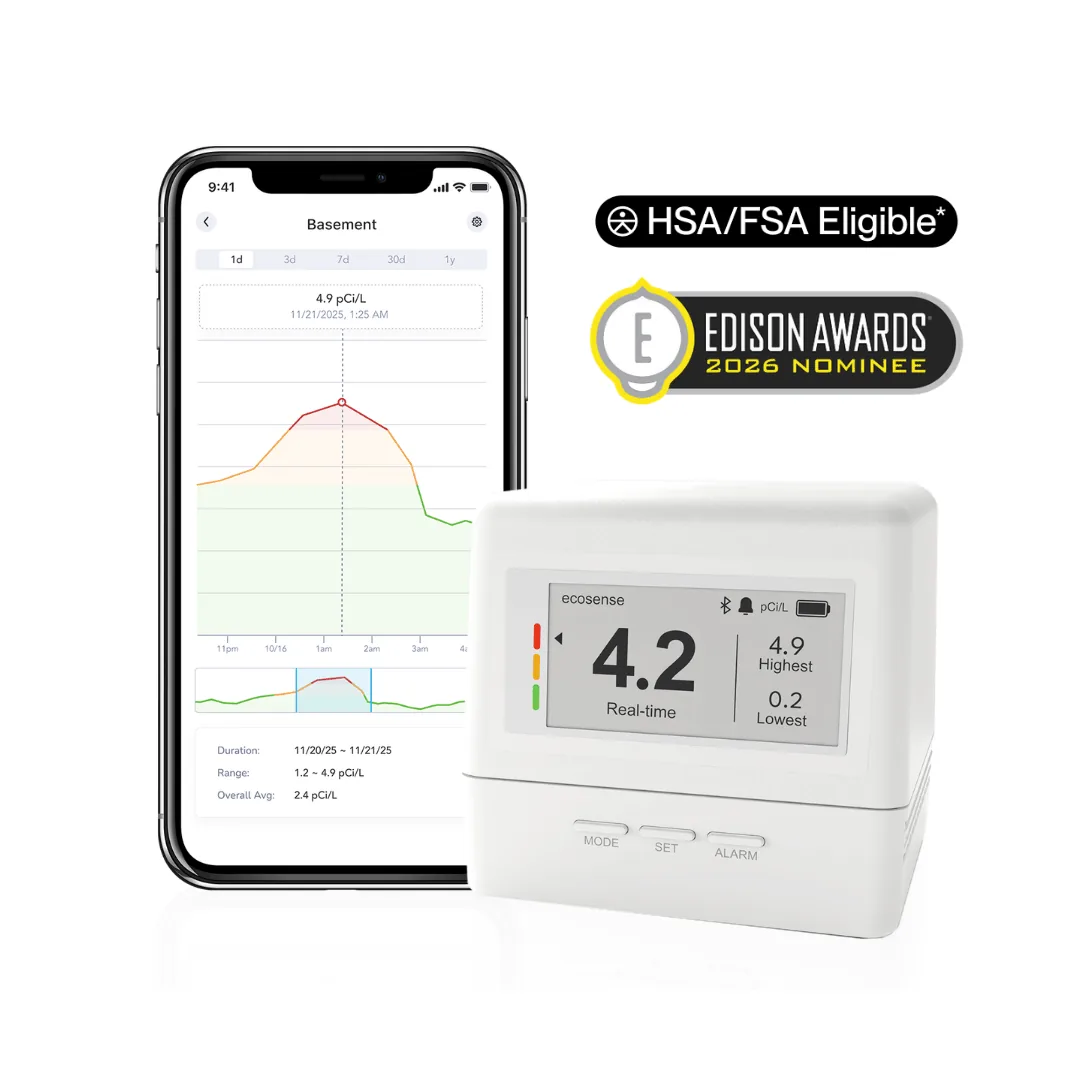
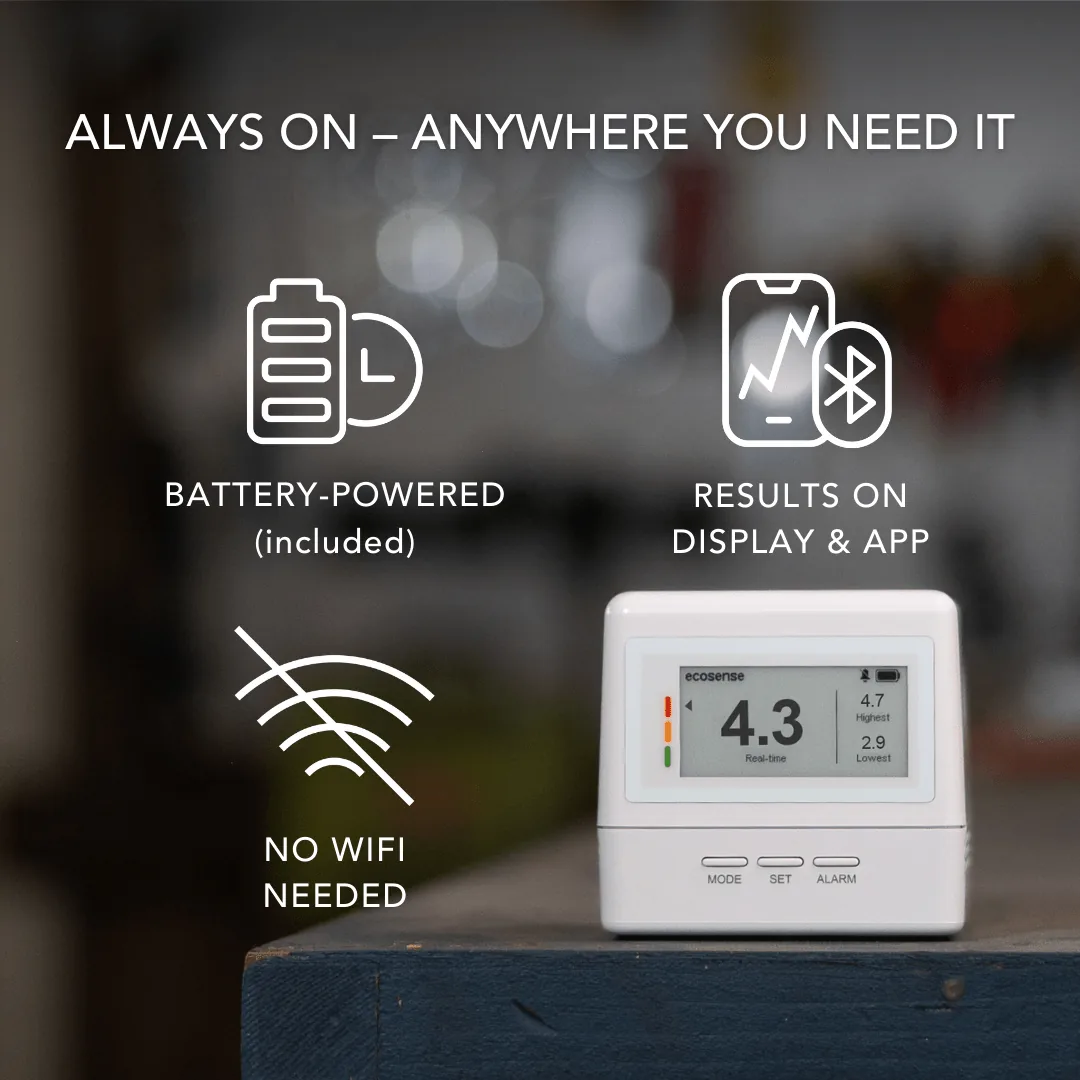
The EcoQube Flex is Ecosense's battery-powered radon monitor: the same pulsed ionization chamber design as its plug-in RadonEye and EcoQube, in a portable unit with an always-on E-Ink screen, Bluetooth to the Ecosense app and two AA batteries. It was not included in C-NRPP's 2024/25 evaluation.
Ecosense lists the box contents as the EcoQube Flex, two AA batteries and a quick start guide, with an online user guide. It measures 3.14 by 3.14 by 2.95 inches and weighs 0.518 lb with batteries. Ecosense gives a one-year limited warranty, extended by a further year if you register the device within 30 days.
In the box and running costsHow it works
The sensor, the sampling and the readings, then who has checked it
In our words, from the maker's documents
Ecosense lists the detection technology as a pulsed ionization chamber, with a sensitivity of 30 counts per hour per 1 pCi/L (37 Bq/m³), the same sensor and sensitivity it lists for its plug-in RadonEye RD200 and EcoQube. Air reaches the chamber through vents on the device, which Ecosense asks you not to block.
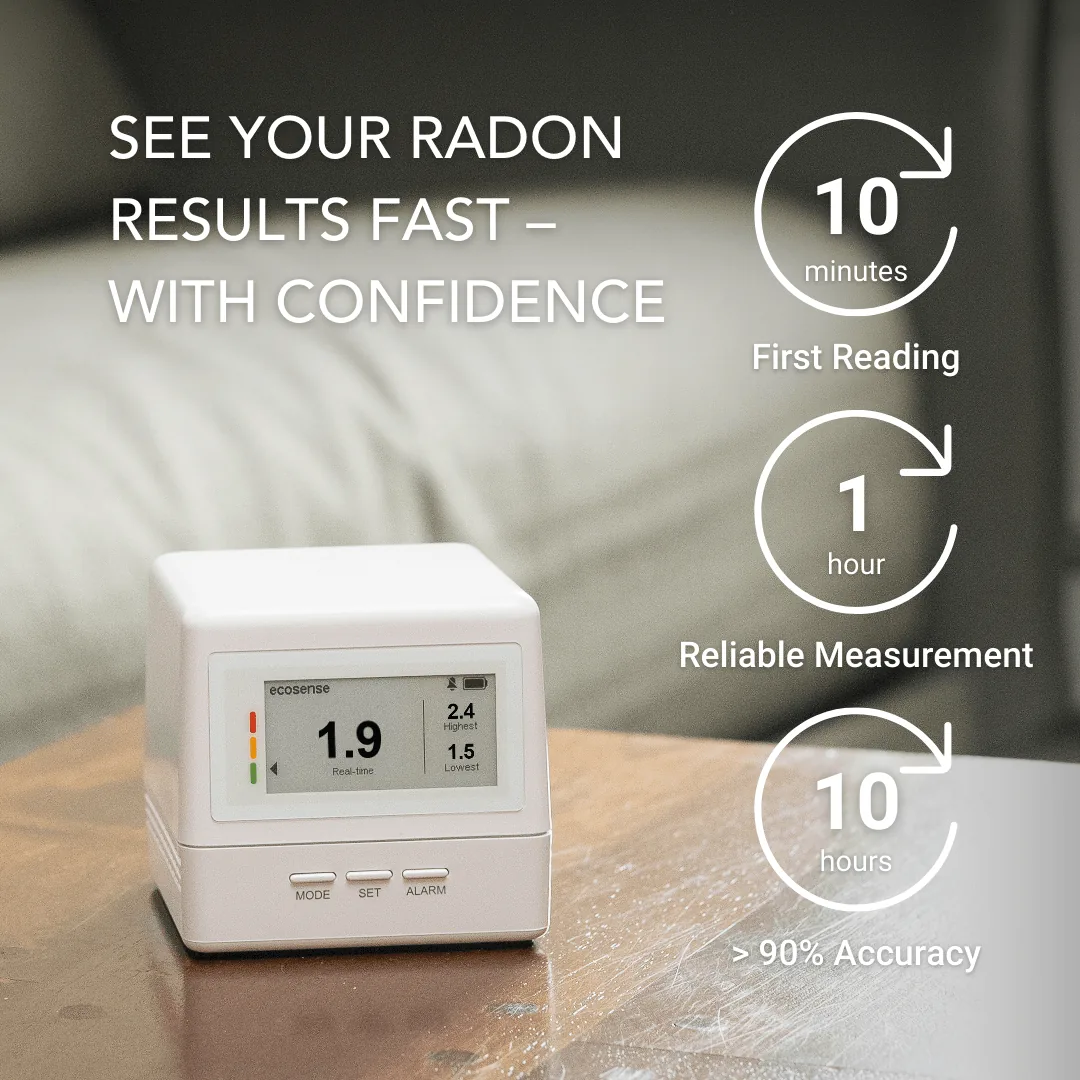
The first reading appears within 10 to 15 minutes of putting the batteries in, and Ecosense gives the first reliable result as within an hour. The reading updates every 10 minutes as a 60-minute rolling average. Ecosense states a measurement range of 0.2 to 99.9 pCi/L (7 to 3,700 Bq/m³).
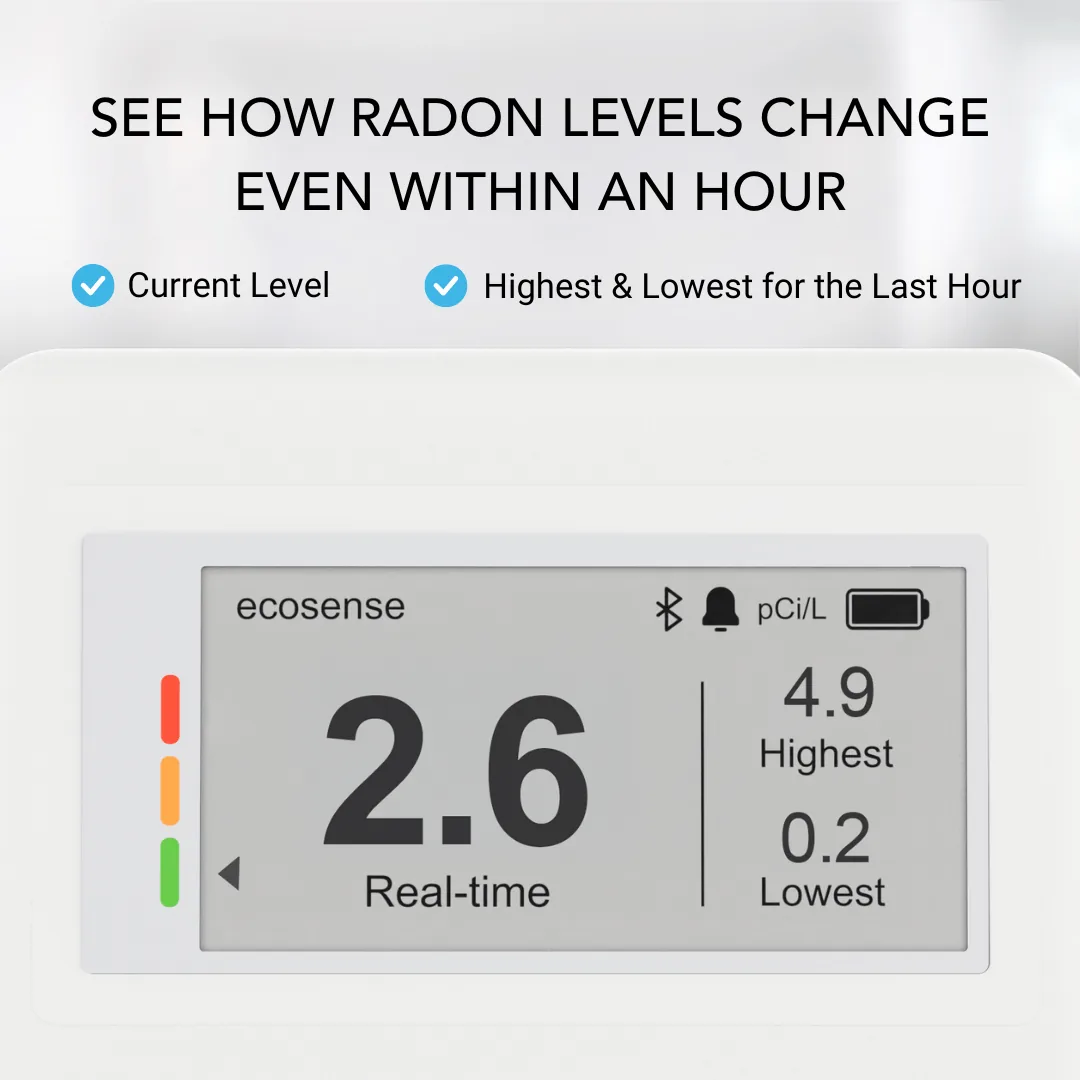
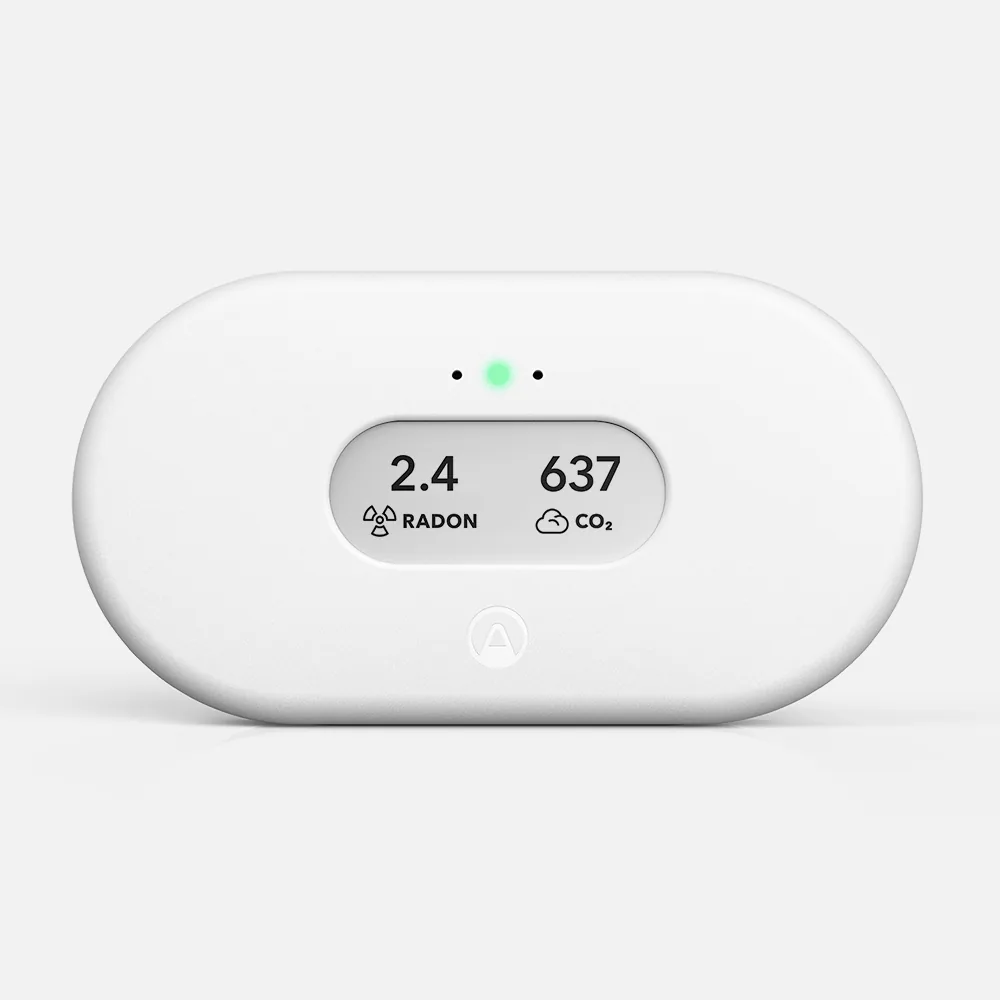
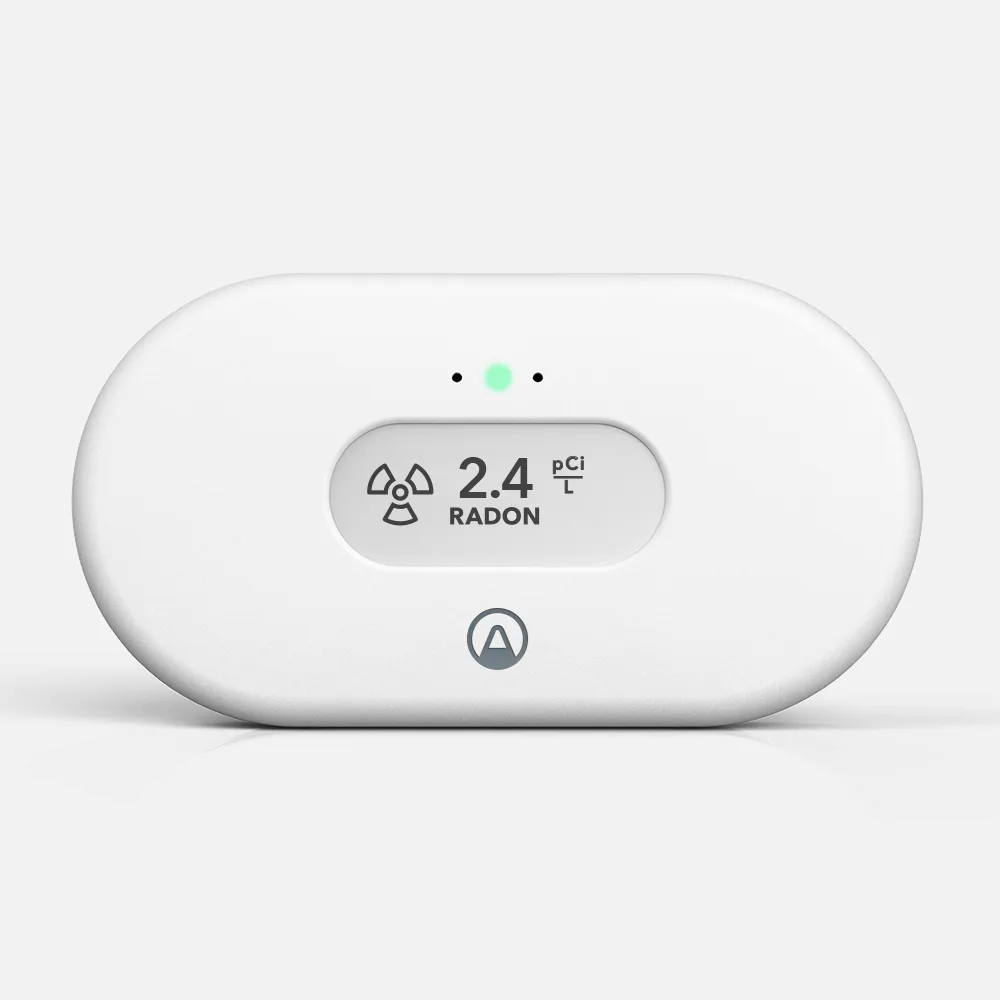
What sets it apart from Ecosense's plug-in monitors is the screen and the power. The always-on E-Ink display shows the radon level with a green, orange or red guide bar, and for each of six modes (real-time, 24-hour, 72-hour, weekly, monthly and long-term, up to a year) it also shows the highest and lowest readings in that period. The MODE button steps through them, and a Days Measured view shows how long the monitor has been running.
Ecosense notes a detail worth knowing before you move it: the real-time, 24-hour, 72-hour, weekly and monthly views reset if the device loses power, while the long-term average stays unless the device is factory reset. The device stores a year of data, and the Ecosense app over Bluetooth Low Energy adds cloud backup, charts and room-by-room records.
Because it runs on batteries, Ecosense designs it to be carried from room to room: you can save readings by room, floor or property in the app and compare a room again later. It works as a standalone device with no Wi-Fi, so there is no access from away from home; the app collects the readings when your phone is nearby.
Ecosense's own statements, attributed
These are Ecosense's own statements, attributed to it. They are not our findings, and we have not tested this product ourselves.
C-NRPP 2024/25, recalls and studies
The Canadian National Radon Proficiency Program's 2024/25 comparison of consumer monitors did not include Ecosense EcoQube Flex. That is a fact about which devices took part, not a finding about this one: no result from that program exists for it either way.
C-NRPP is the Canadian National Radon Proficiency Program. Its 2024/25 results were published in May 2025.
Ecosense EcoQube Flex
Check price on Amazon (opens in a new tab)Specifications
Every figure as the maker states it
Ecosense lists the box contents as the EcoQube Flex, two AA batteries and a quick start guide, with an online user guide. It measures 3.14 by 3.14 by 2.95 inches and weighs 0.518 lb with batteries. Ecosense gives a one-year limited warranty, extended by a further year if you register the device within 30 days.
There is no lab fee and the Ecosense app is free to use. The running cost is two AA batteries, whose life Ecosense puts at up to 7 years offline or about 2 years with regular app syncing. There is no subscription.
Fit and setup
The fit, then setup and placement as the guidance asks
Good fit if, and look elsewhere if
Good fit if
Look elsewhere if
4 steps
How C-NRPP says to use any consumer monitor
For where any radon test or monitor should sit in a home, see where to place a radon test.
Compare
The same three rows for each, and the one difference that matters
This page
Ecosense EcoQube Flex
This page: The EcoQube Flex is Ecosense's battery-powered radon monitor: the same pulsed ionization chamber design as its plug-in RadonEye and EcoQube, in a portable unit with an always-on E-Ink screen, Bluetooth to the Ecosense app and two AA batteries.
Aranet
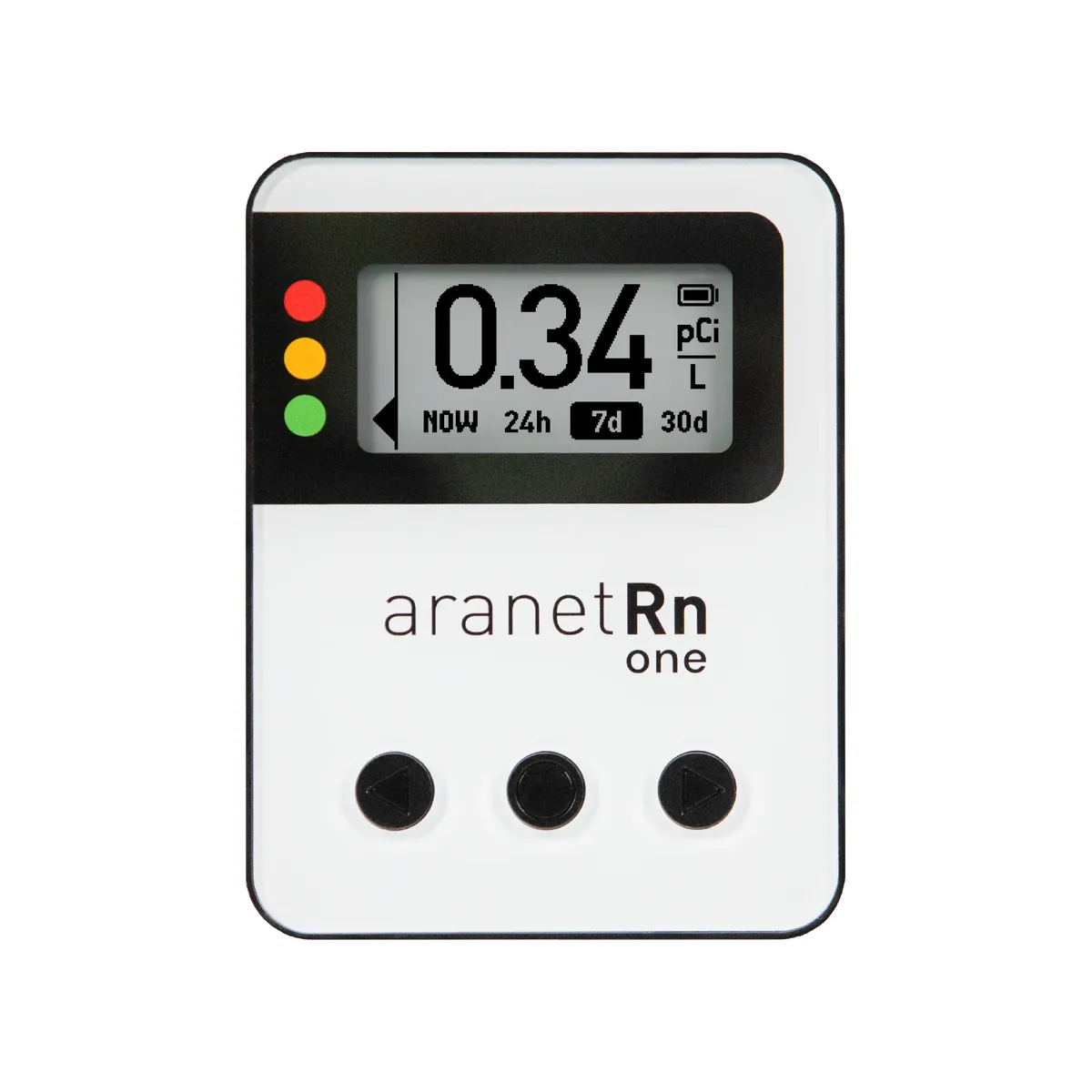
The difference: Also battery-powered with an E-Ink screen and Bluetooth; an ionization chamber with a stated ±10% for its 24-hour to 30-day averages.
Ecosense
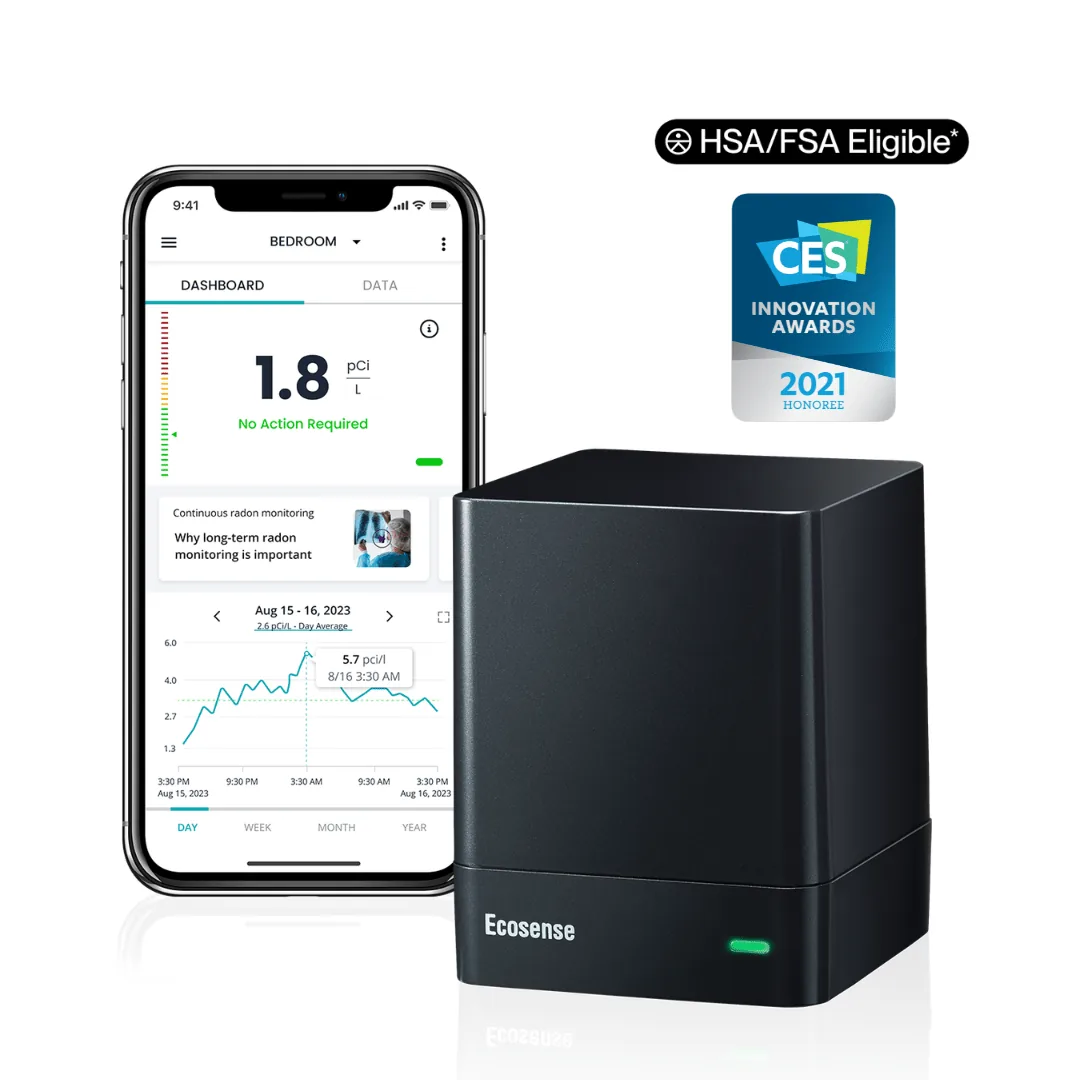
The difference: The same sensor in a plug-in unit with a colored light instead of a screen and 2.4 GHz Wi-Fi for access from anywhere; approved in C-NRPP's 2024/25 evaluation.
Ecosense
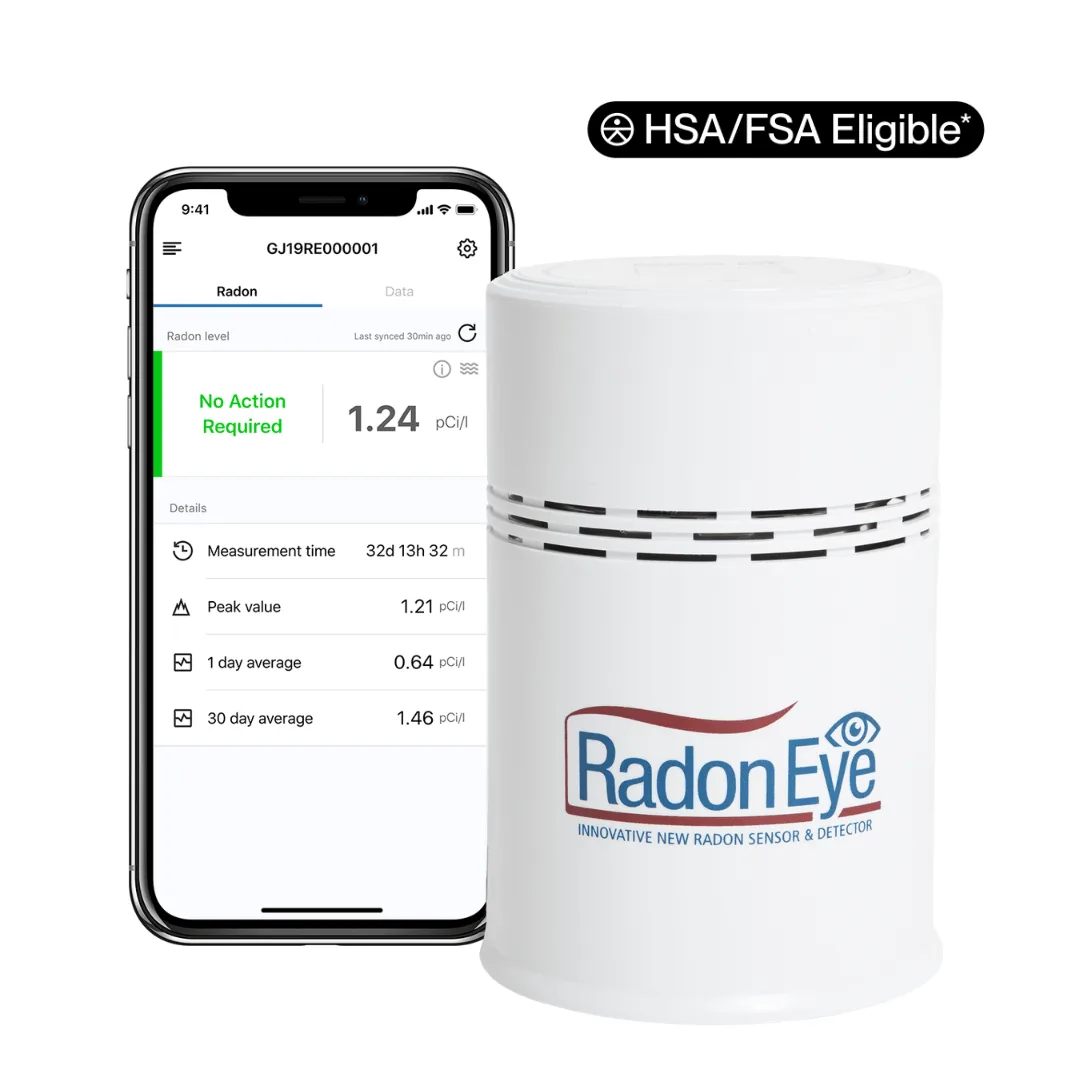
The difference: The same sensor in a plug-in unit with an OLED number display and Bluetooth; approved in C-NRPP's 2024/25 evaluation.
Compared with similar products: 1 of 4
MonitorAEGTEST
Method: Semiconductor sensor
First reading: Within 6 hours
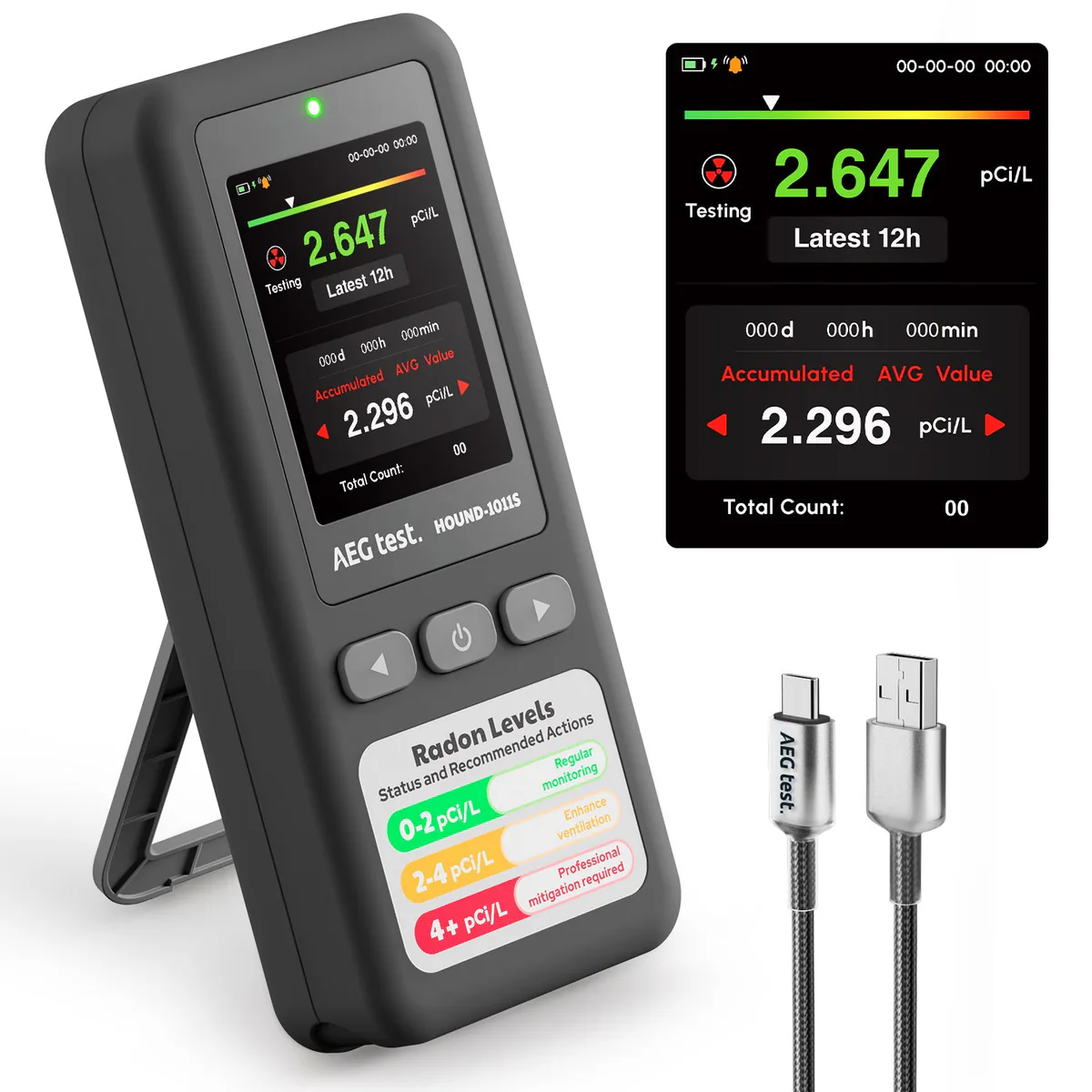
MonitorAEGTEST
Method: Semiconductor sensor
First reading: Within 12 hours
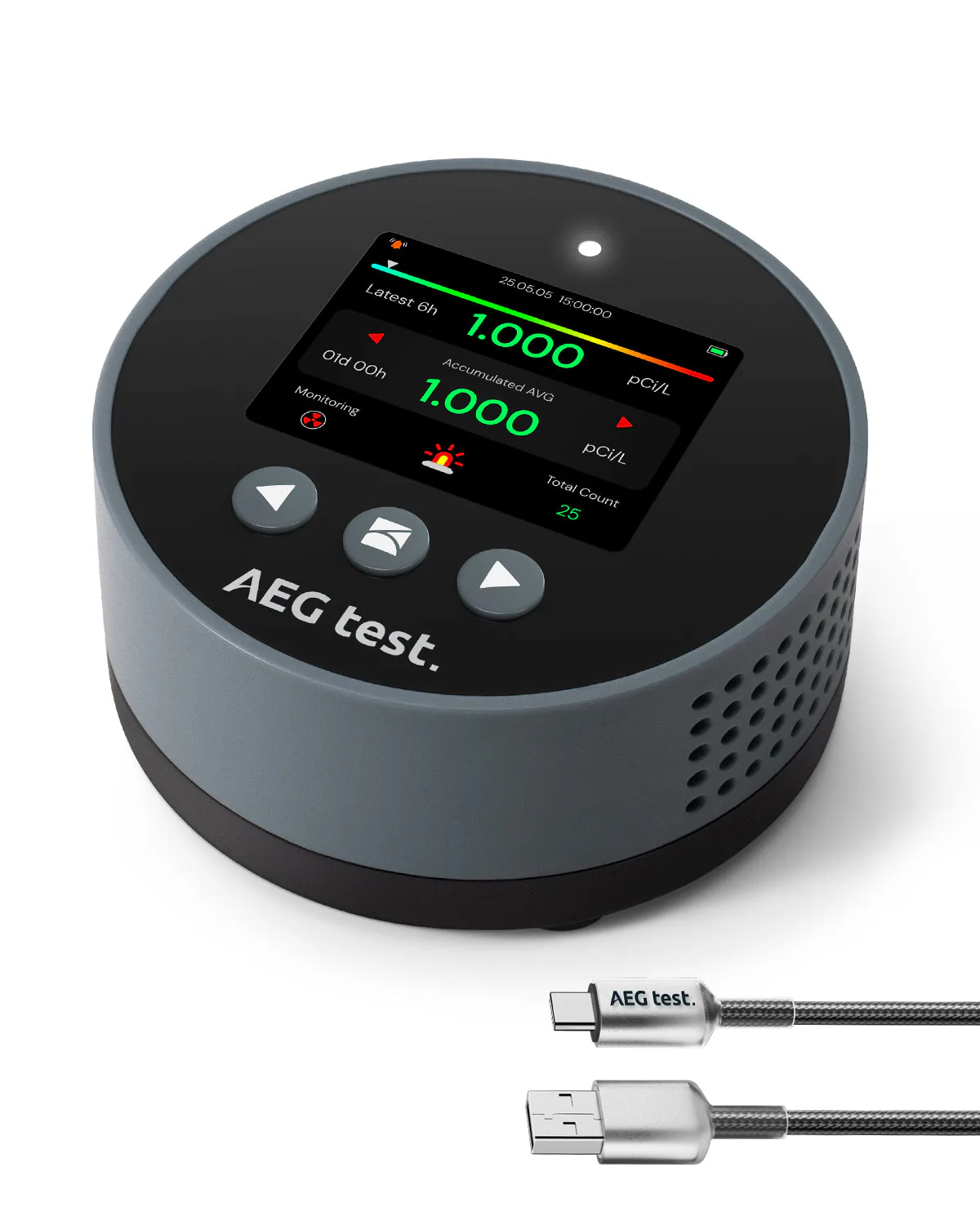
MonitorAEGTEST
Method: Semiconductor sensor
First reading: Within 6 hours
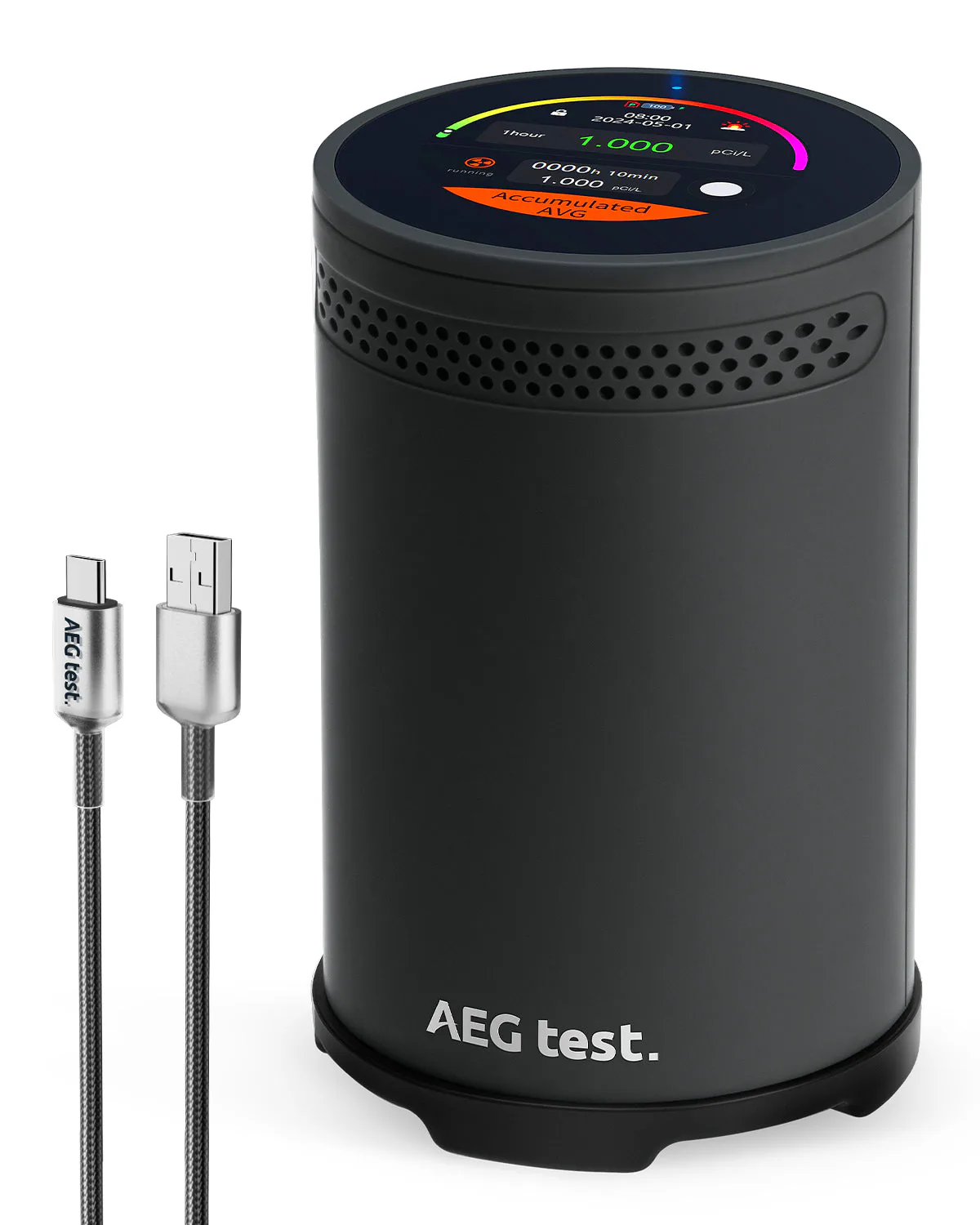
MonitorAEGTEST
First reading: Within 1 hour
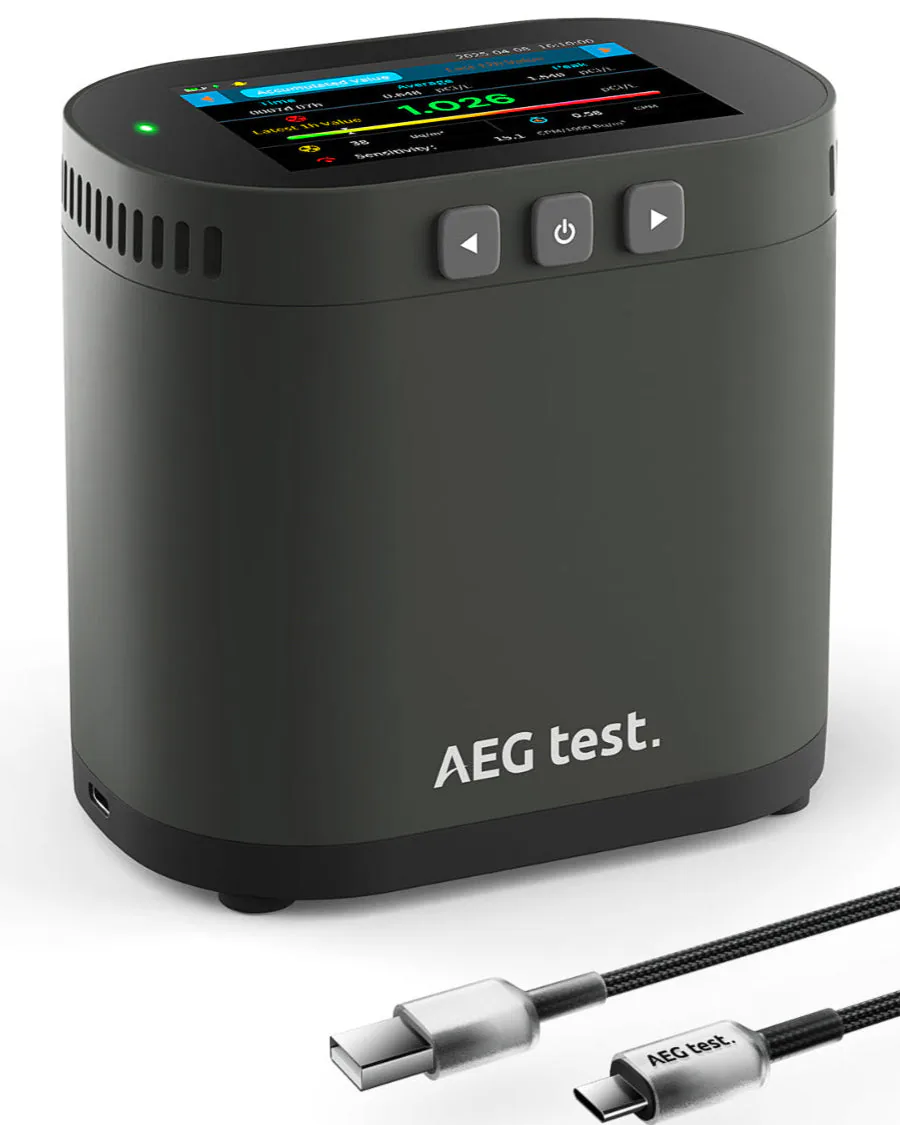
MonitorAEGTEST
Method: Ion chamber
First reading: Within 10 minutes
Monitor
Method: Semiconductor sensor
Monitor
Method: Semiconductor sensor
First reading: Within 6 hours
Monitor
Method: Alpha spectrometry
Monitor
Method: Alpha spectrometry
Readings: Every 60 minutes
Monitor
Method: Alpha spectrometry
Monitor
Method: Alpha spectrometry
Readings: Every 60 minutes
Monitor
Method: Alpha spectrometry
Monitor
Method: Alpha spectrometry
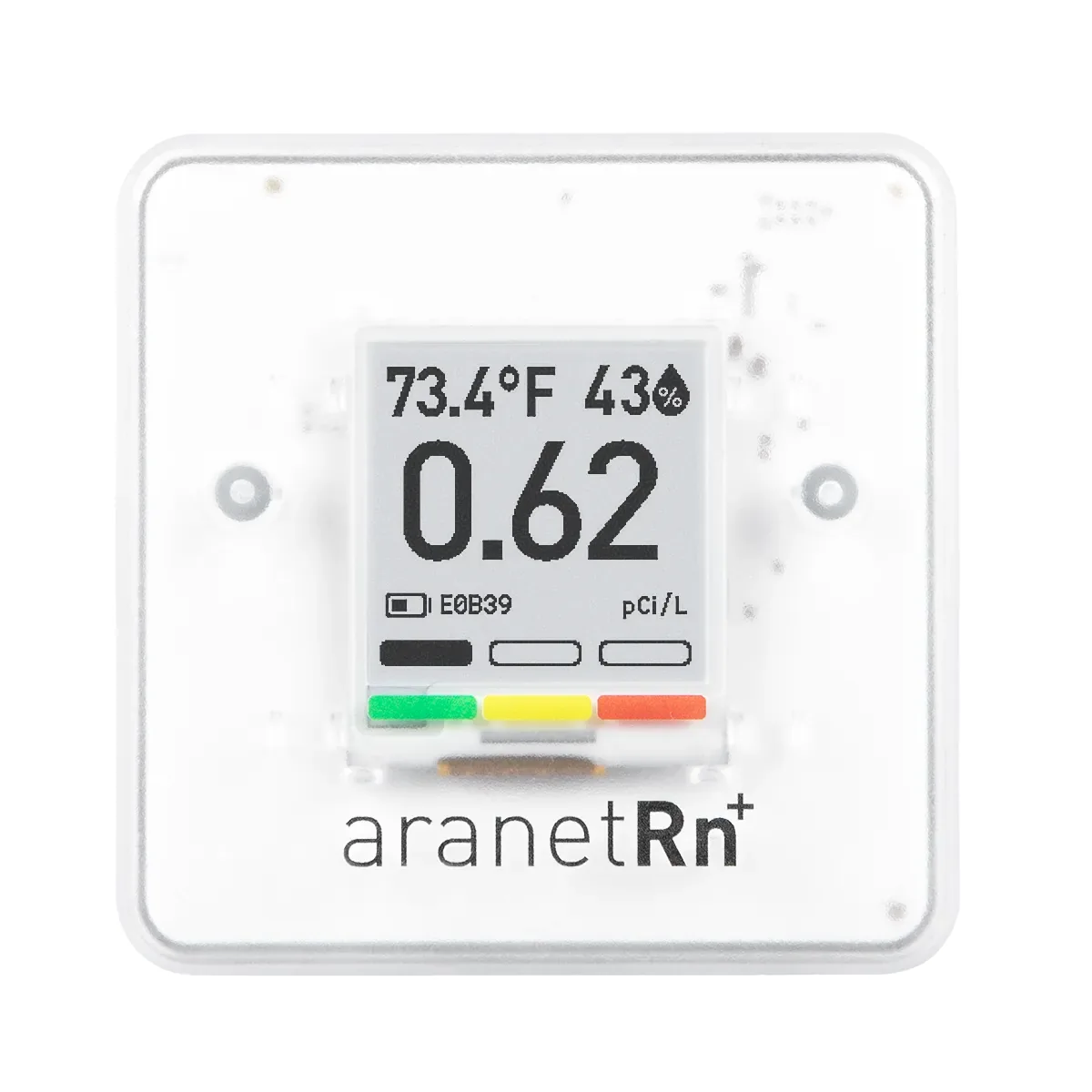
MonitorAranet
Method: Ion chamber
First reading: Within 10 minutes
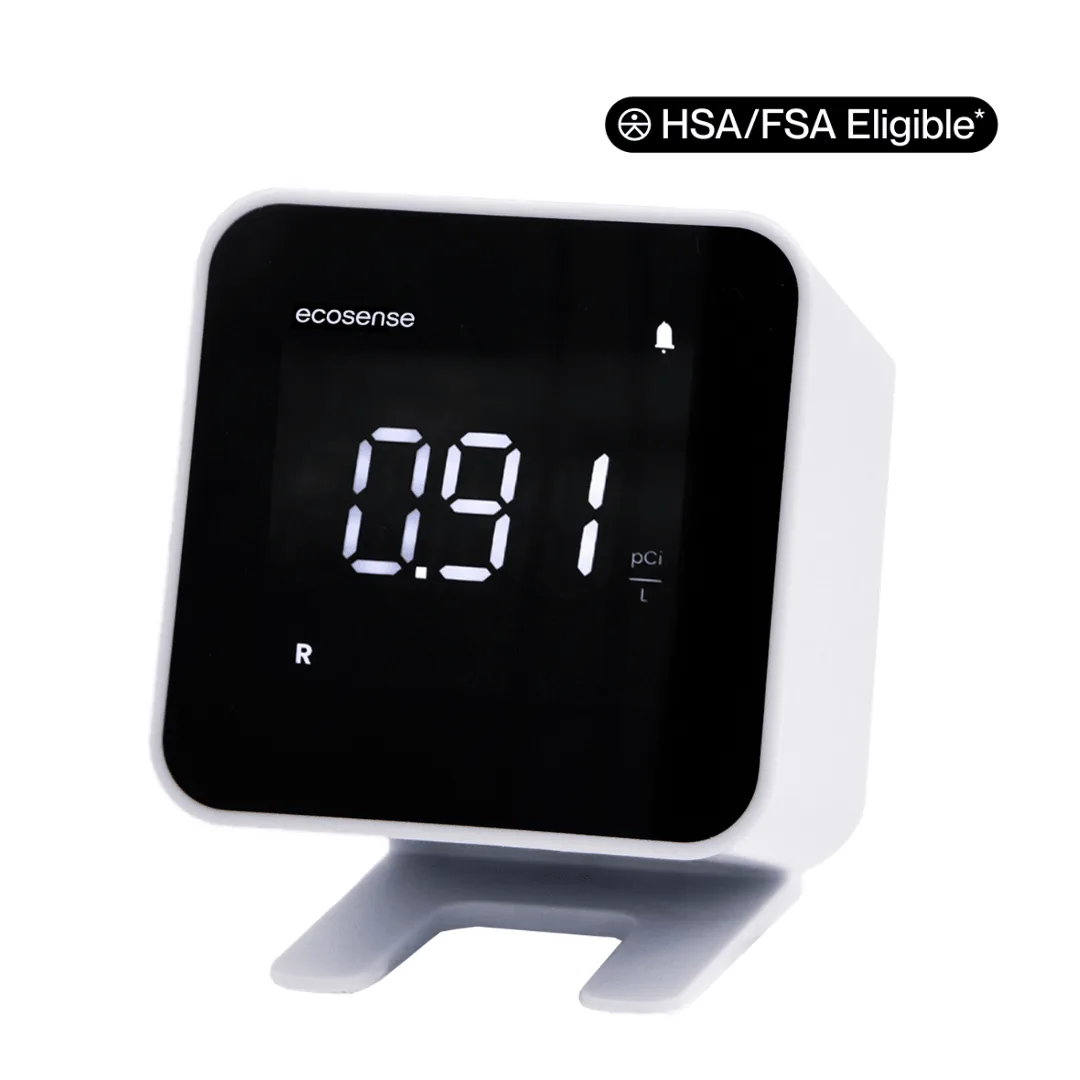
MonitorAranet
Method: Ion chamber
First reading: Within 10 minutes
Monitor
Method: Ion chamber
First reading: Within 10 minutes
Monitor
Method: Ion chamber
First reading: Within 10 minutes
Monitor
Method: Ion chamber
First reading: Within 10 minutes
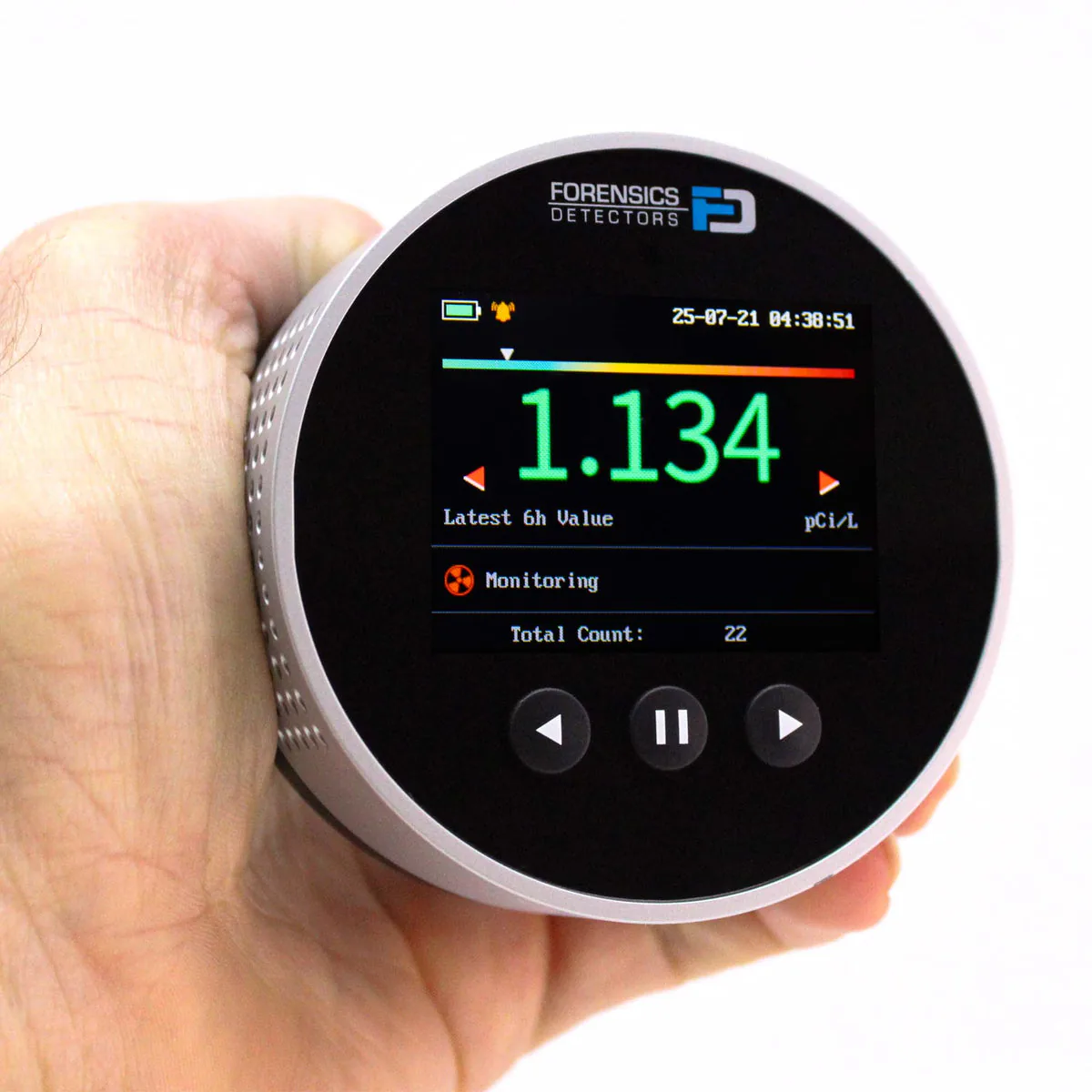
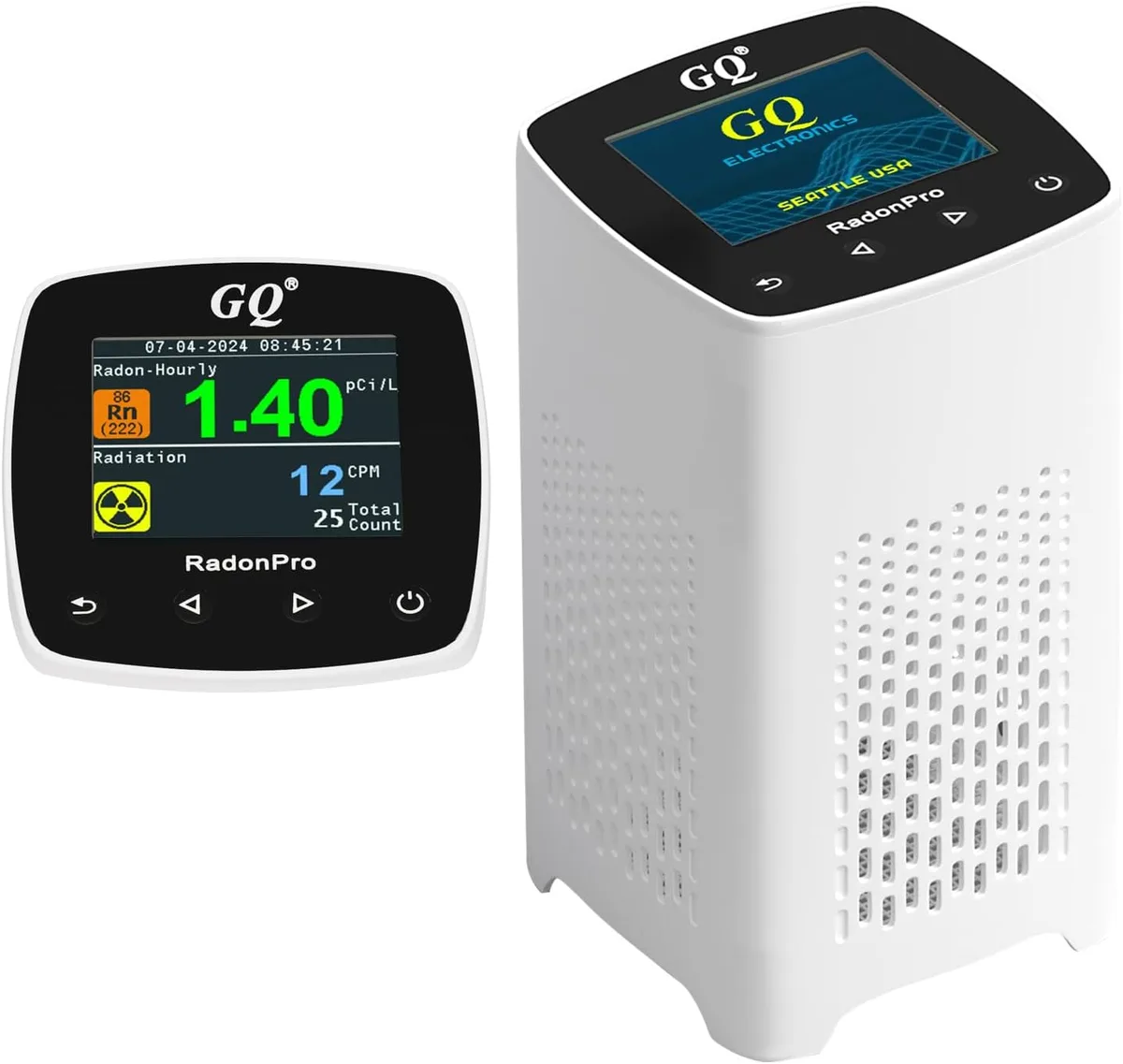
MonitorForensics Detectors
Method: Semiconductor sensor
First reading: Within 6 hours
Monitor
First reading: Within 5 minutes
Monitor
First reading: Within 5 minutes
Monitor
First reading: Within 5 minutes
MonitorINKBIRD
First reading: Within 24 hours
MonitorKidde
Method: Semiconductor sensor
First reading: Within 12 hours
MonitorPYZYCKYH
Method: Semiconductor sensor
First reading: Within 6 hours
MonitorSafetySiren
First reading: Within 48 hours
Monitor
First reading: Within 90 minutes
Monitor
Method: Alpha spectrometry
First reading: Within 24 hours
MonitorX-Sense
Method: Alpha spectrometry
First reading: Within 24 hours
MonitorX-Sense
Method: Alpha spectrometry
First reading: Within 24 hours
MonitorX-Sense
Method: Alpha spectrometry
First reading: Within 24 hours
More home radon monitors: 1 of 31
Questions
6 questions about the Ecosense EcoQube Flex, answered
Both use Ecosense's pulsed ionization chamber. The EcoQube Flex runs on two AA batteries, has an always-on E-Ink screen with highs and lows, and connects over Bluetooth. The EcoQube plugs in, shows a colored light instead of a number, and connects over 2.4 GHz Wi-Fi for access from anywhere.
It was not included in C-NRPP's 2024/25 evaluation, so there is no C-NRPP result for it either way. Ecosense's plug-in EcoQube and RadonEye RD200, which use the same kind of sensor, were approved in that evaluation.
The first reading appears within 10 to 15 minutes, and Ecosense gives the first reliable result as within an hour. After that the reading updates every 10 minutes as a 60-minute rolling average.
No. It works offline as a standalone device and connects to the Ecosense app over Bluetooth Low Energy for history, charts and cloud storage when your phone is nearby.
Ecosense says up to 7 years in offline mode, or about 2 years with regular Bluetooth connectivity and app syncing, on two AA batteries.
Ecosense says the real-time, 24-hour, 72-hour, weekly and monthly views reset when the device loses power, and the long-term average stays unless you factory reset it. Sync with the app before starting a new session.
Updated October 4, 2026