
Long-term kit
RL116 long-term radon test kit
- Lab fee extra
Method: Alpha track
In home: 90 days to 12 months
ProductsCompare
Short answer
A charcoal kit absorbs radon for 2 to 7 days and is mailed to a laboratory for one average, while a digital monitor measures radon continuously and shows running averages for as long as it runs. Neither is more accurate by type: a kit suits a quick, low-cost first answer, and a monitor suits watching a home for months.
| Compared | Charcoal test kit | Digital radon monitor |
|---|---|---|
| Kind of device | Passive: needs no power | Active: needs a battery or a plug |
| How it records radon | Activated carbon absorbs radon gas | A detector in a chamber registers alpha particles from radon and its decay products |
| Exposure time | 2 to 7 days, depending on the maker | Continuous, for as long as it runs |
| Who produces the number | A laboratory, after you mail the kit | The device, on its screen or app |
| What you get | One average for the test period | Running averages: hourly, daily, weekly and longer, by model |
| Independent check | The laboratory must be qualified | C-NRPP's consumer monitor results, for models entered |
| Reusable | No; one kit, one test | Yes |
An activated charcoal detector uses activated carbon, which binds gases strongly, to absorb radon from the room air. It sits open in the room for the exposure time, are resealed, and go back to a laboratory for analysis. The charcoal does not tell you anything on its own; the lab works out the level.
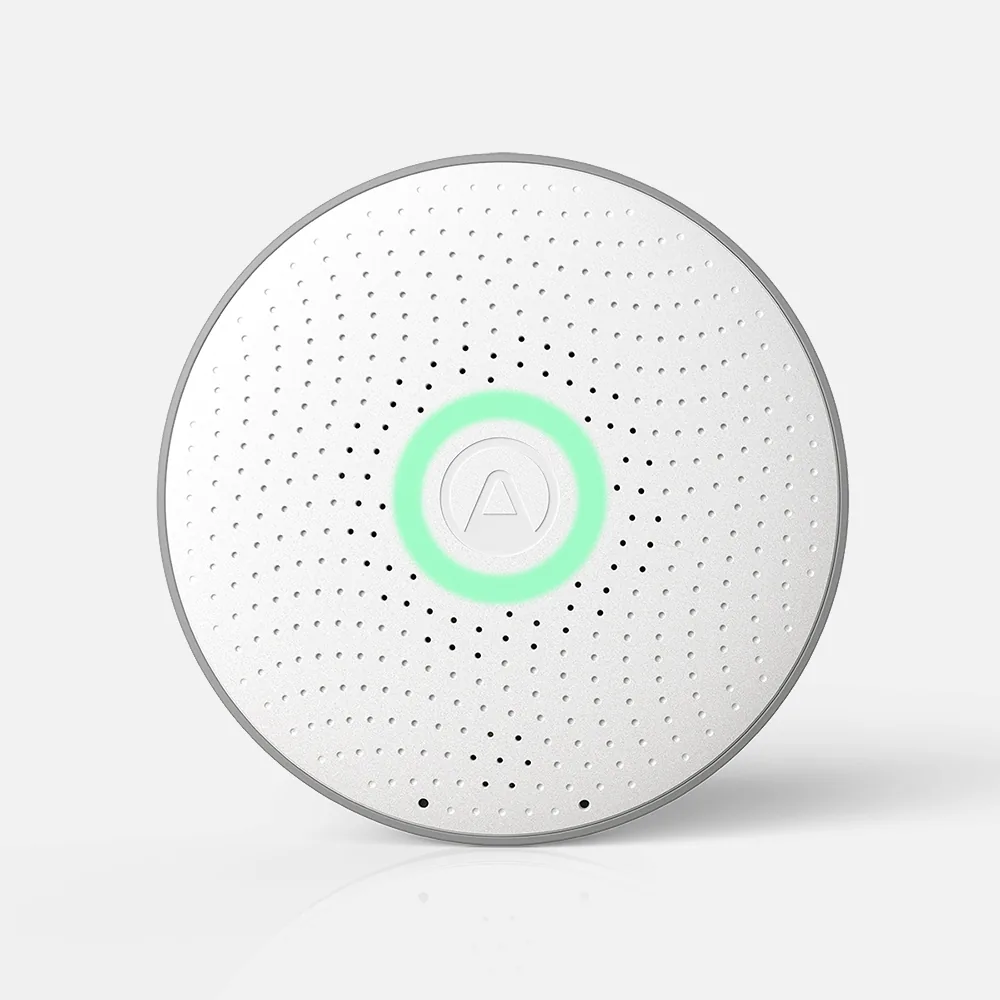
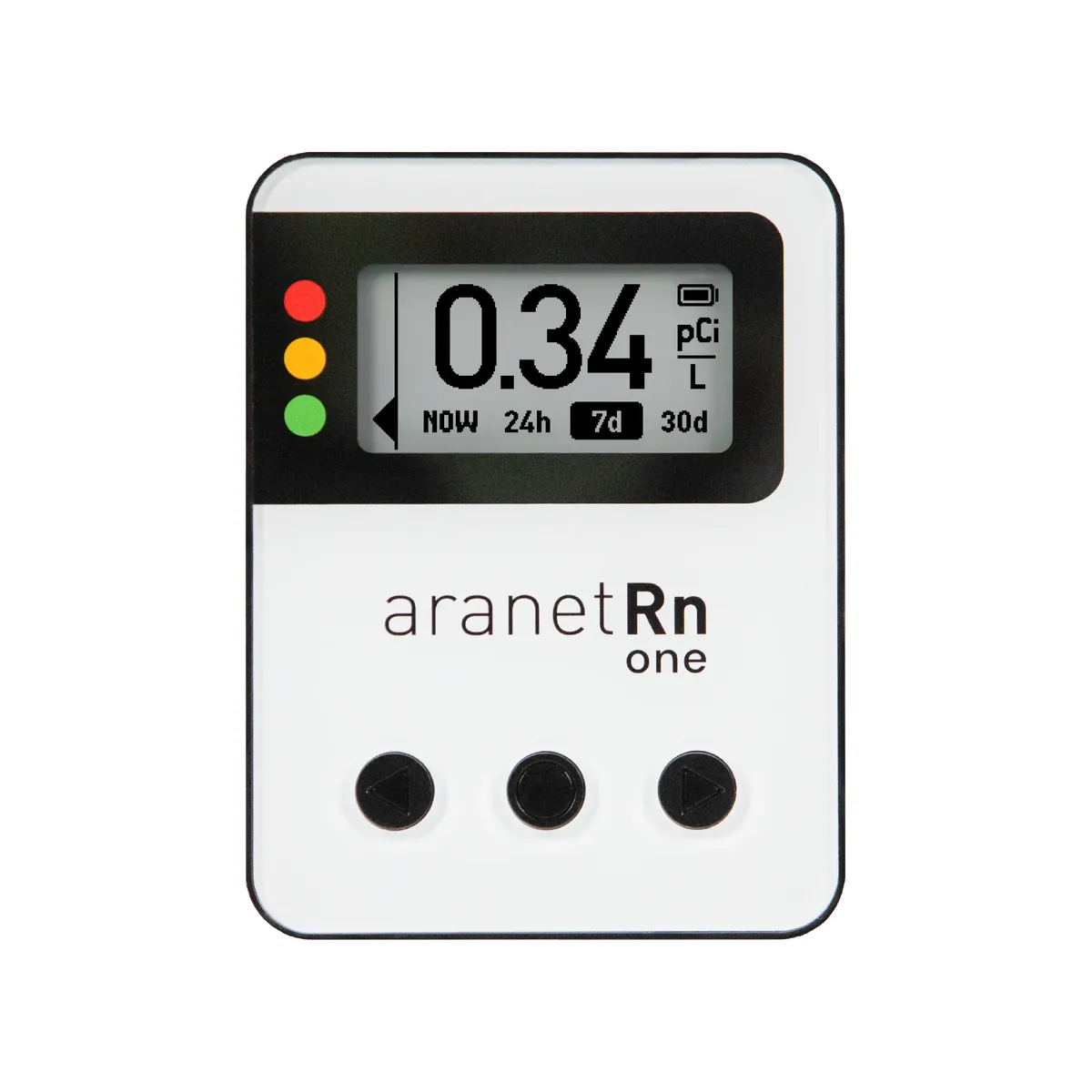
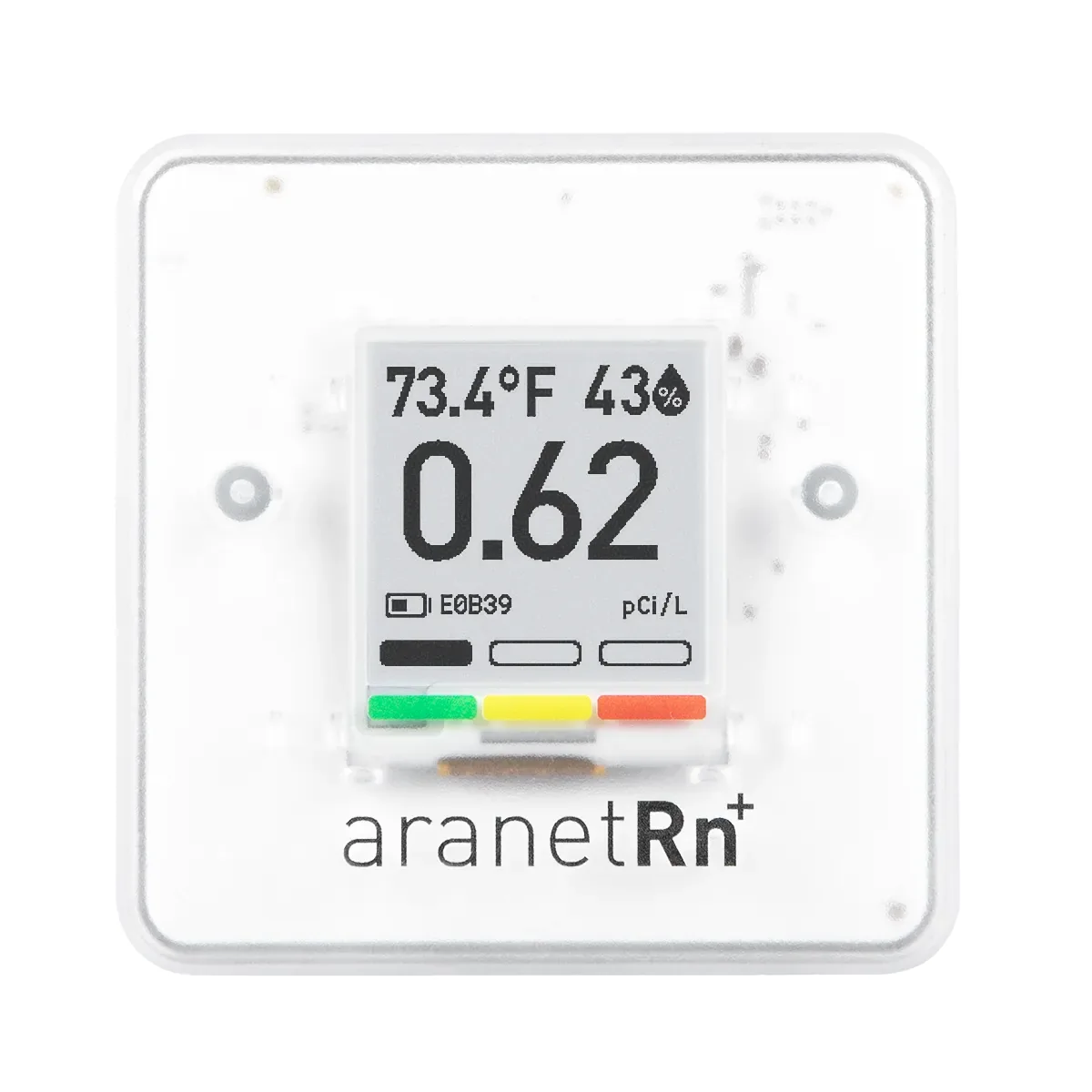
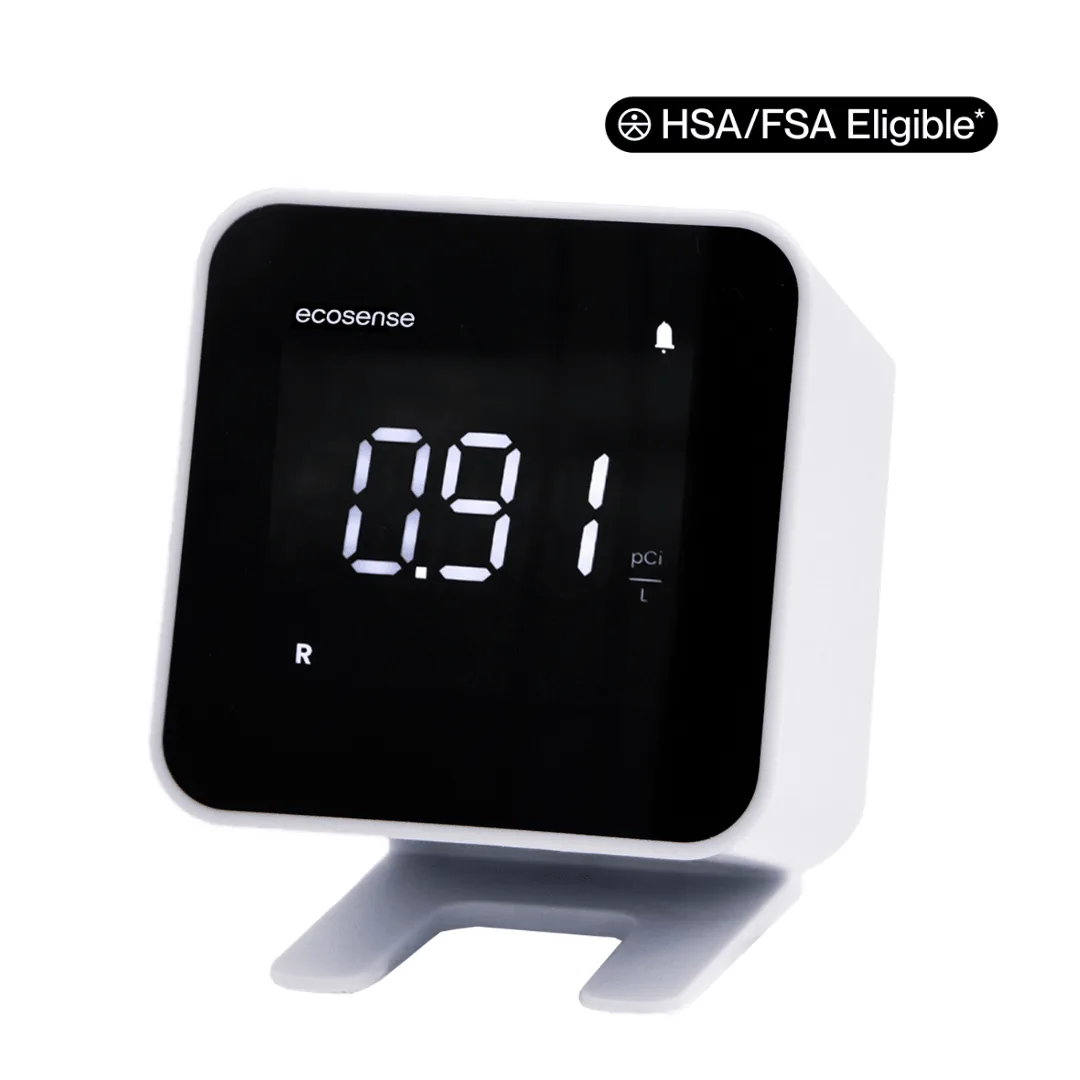
A digital monitor, also called an electronic radon monitor, works the other way round. Air reaches a detection chamber by diffusion or a small pump, and a detector there registers alpha particles emitted by radon and its decay products. The monitor's electronics turn those counts into a radon level and keep updating it, so the result is on the device, not at a lab.
Long-term kit
Method: Alpha track
In home: 90 days to 12 months

Long-term kit
Method: Alpha track
In home: 90 days to 12 months
Short-term kit
Method: Charcoal
In home: 48 to 96 hours
No Amazon listing on file
See details of the AccuStar PicoCan
Short-term kit
Method: Charcoal
In home: 2 to 7 days

Short-term kitempowerDX
Method: Passive sampler
In home: 48 to 96 hours

Short-term kitFirst Alert
Method: Charcoal
In home: 2 to 4 days
Short-term kitKidde
Method: Charcoal
In home: 3 days
No Amazon listing on file
See details of the Kidde 442020
Short-term kit
Method: Liquid scintillation
In home: 48 to 96 hours

Short-term kit
Method: Liquid scintillation
In home: 48 to 96 hours
Short-term kit
In home: 72 to 168 hours
No Amazon listing on file
See details of the RadonAway Air Chek Short-TermThe test kits we cover: 1 of 10
As an Amazon Associate, Radon411 earns from qualifying purchases.
This is the difference most people feel first, and it is less simple than it looks. A charcoal kit needs its 2 to 7 days in the house, then the post, then the lab; results come within a few days or weeks, and you can ask for expedited service. A monitor shows a first reading much sooner: the models C-NRPP approved give first readings from 90 minutes to 24 hours.
But a first reading is not an answer. A short reading can sit well above or well below your real average, so run a monitor for at least 3 months before deciding, and follow up with a long-term radon test if you have less than 91 days of data. A charcoal kit is itself a
| Step | Charcoal test kit | Digital radon monitor |
|---|---|---|
| First number | After 2 to 7 days in the house, plus post and lab time | From 90 minutes to 24 hours, for the models C-NRPP approved |
| A number for a decision | A follow-up test if the first is high: a long-term test, or a second short-term test if you need results quickly | At least 3 months of data, preferably in the heating season |
| For a home sale | Two kits, side by side or one after the other, at least 48 hours each | A continuous monitor for at least 48 hours is one of the accepted options; check what your sale accepts |
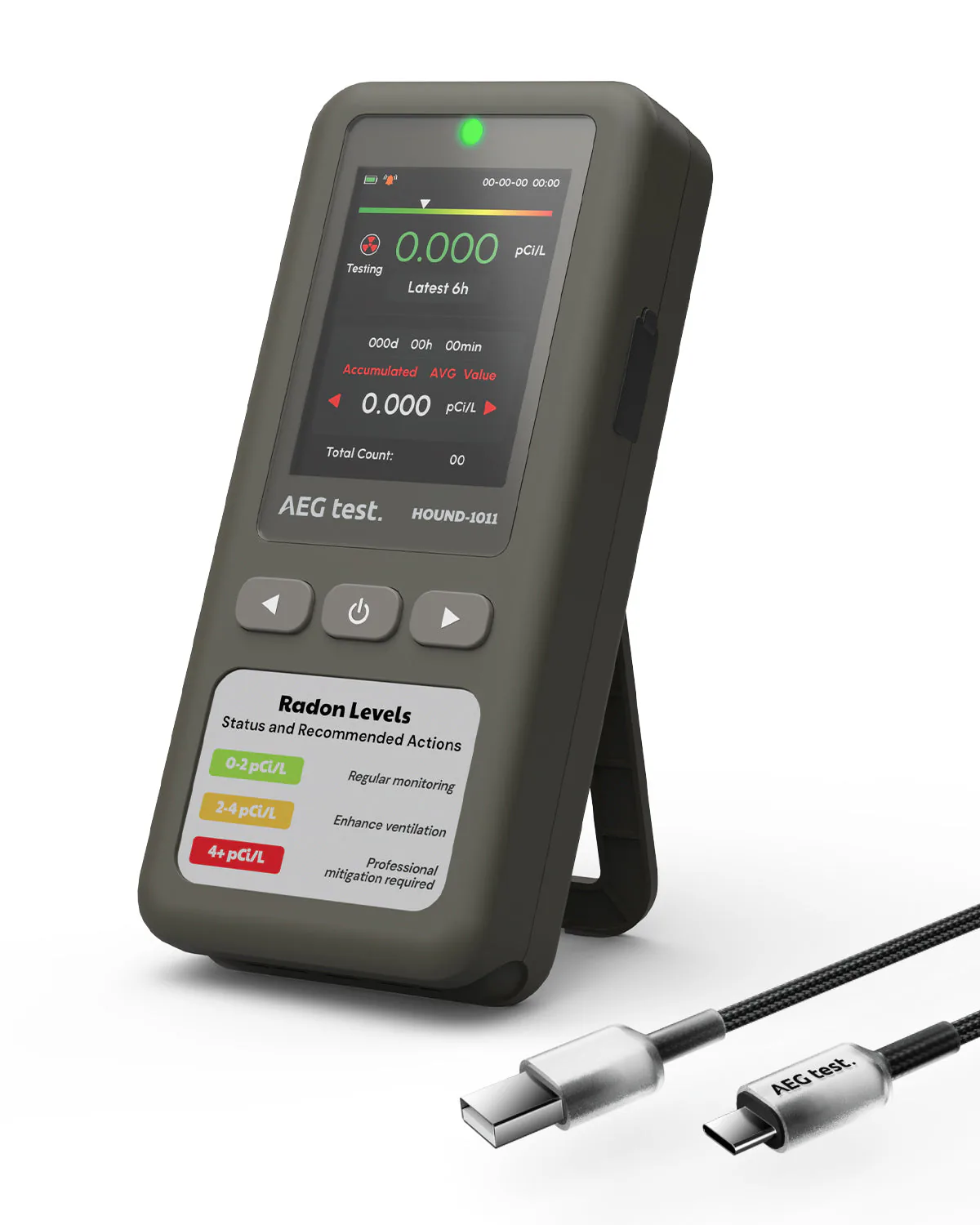
MonitorAEGTEST
Method: Semiconductor sensor
First reading: Within 6 hours
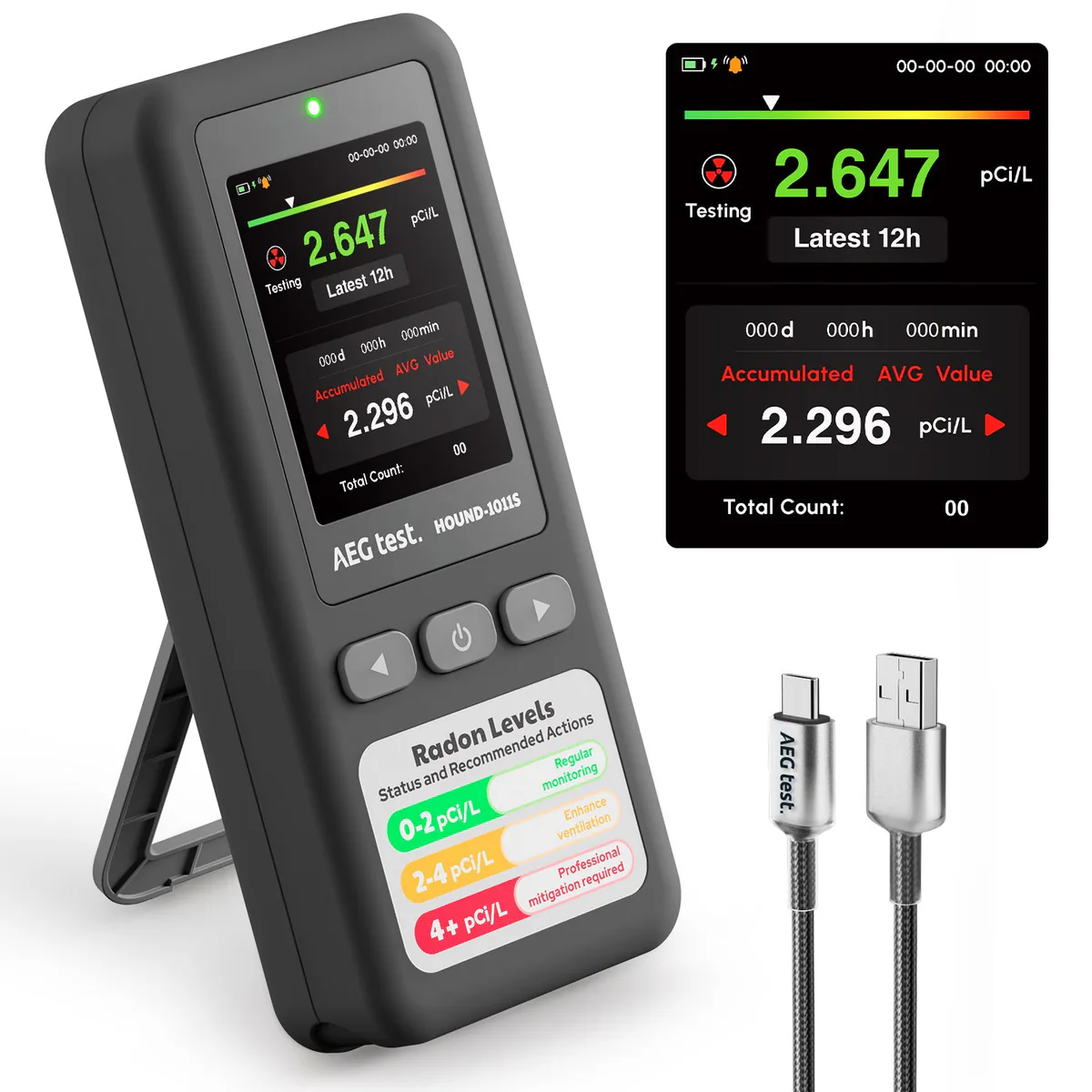
MonitorAEGTEST
Method: Semiconductor sensor
First reading: Within 12 hours
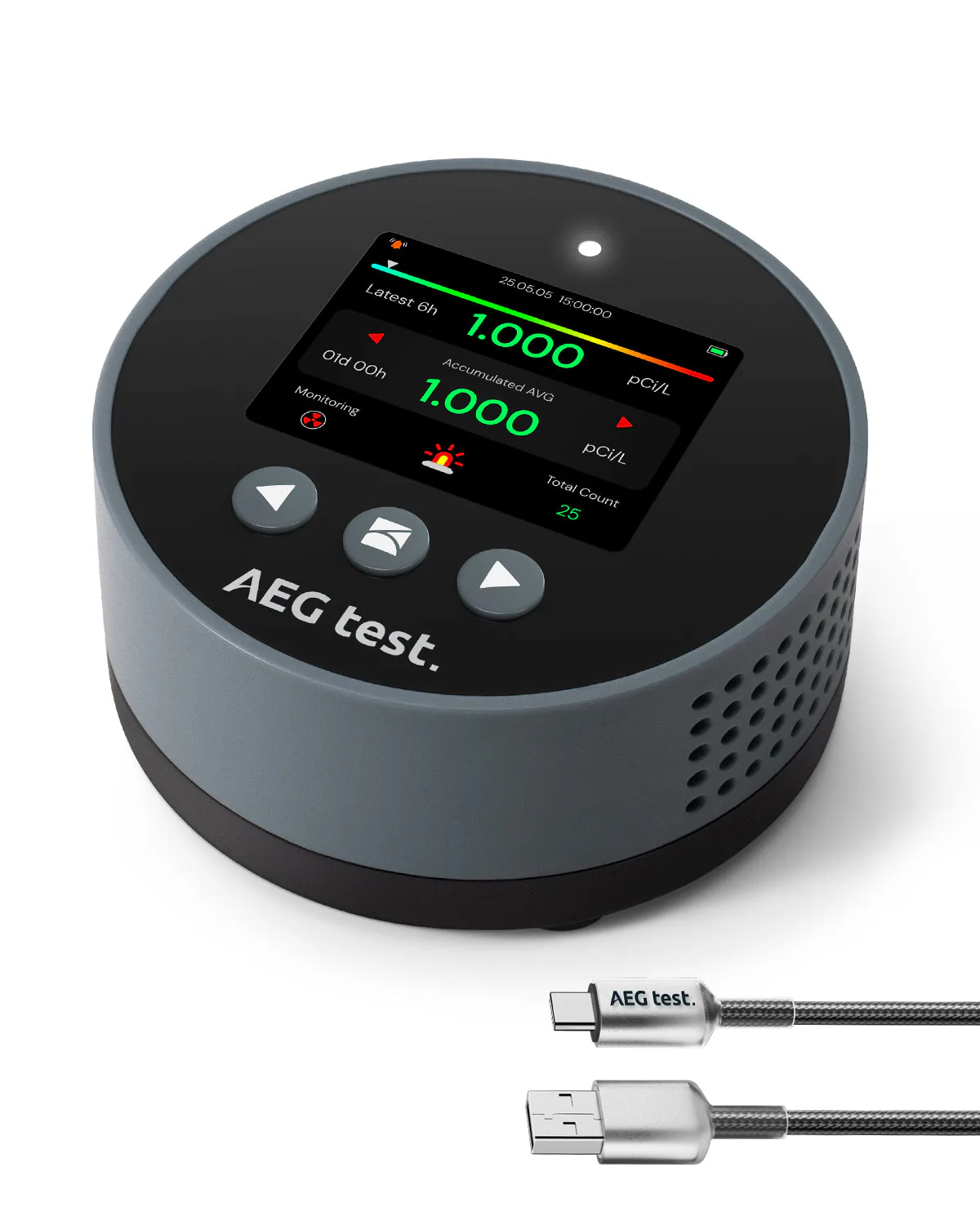
MonitorAEGTEST
Method: Semiconductor sensor
First reading: Within 6 hours
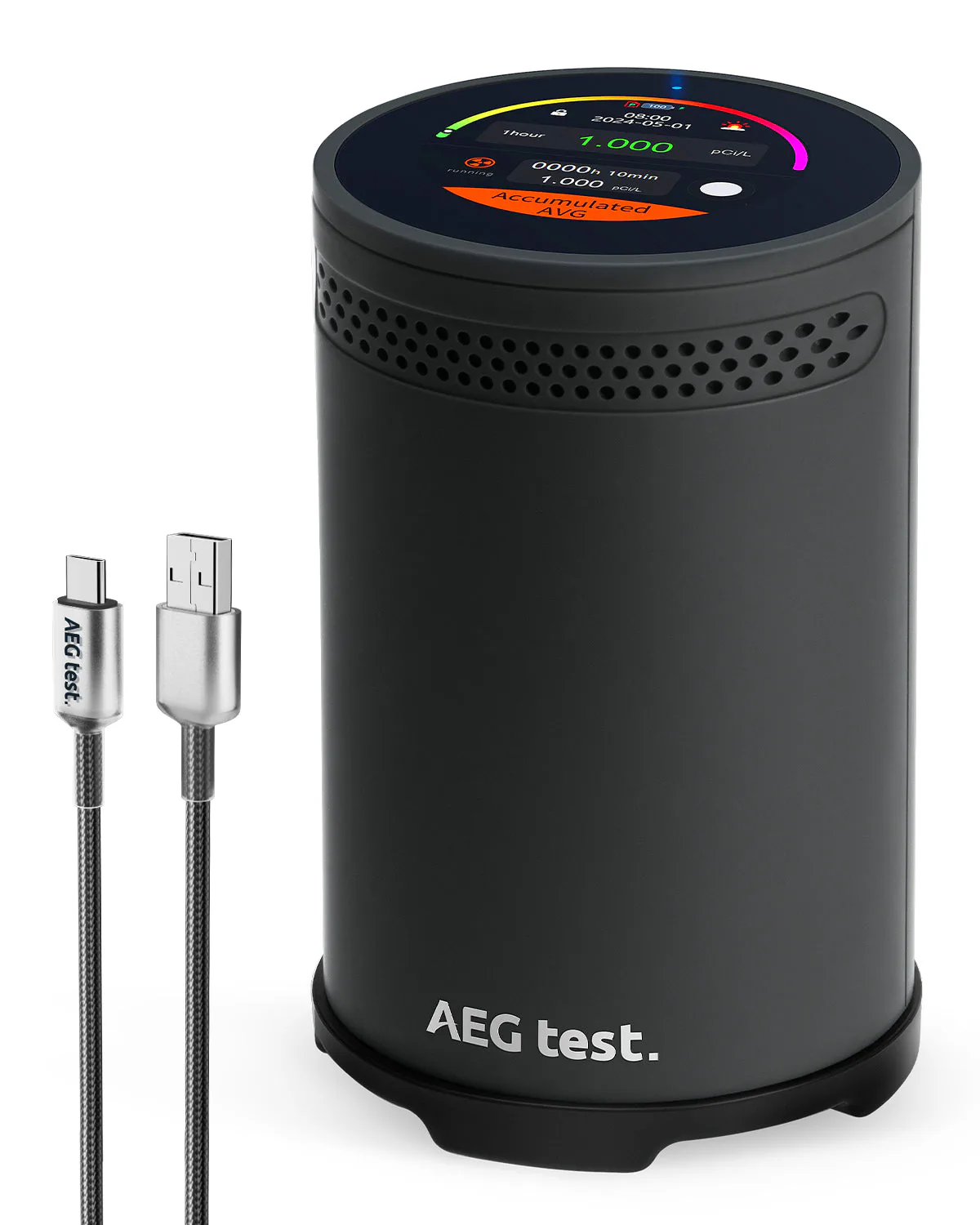
MonitorAEGTEST
First reading: Within 1 hour
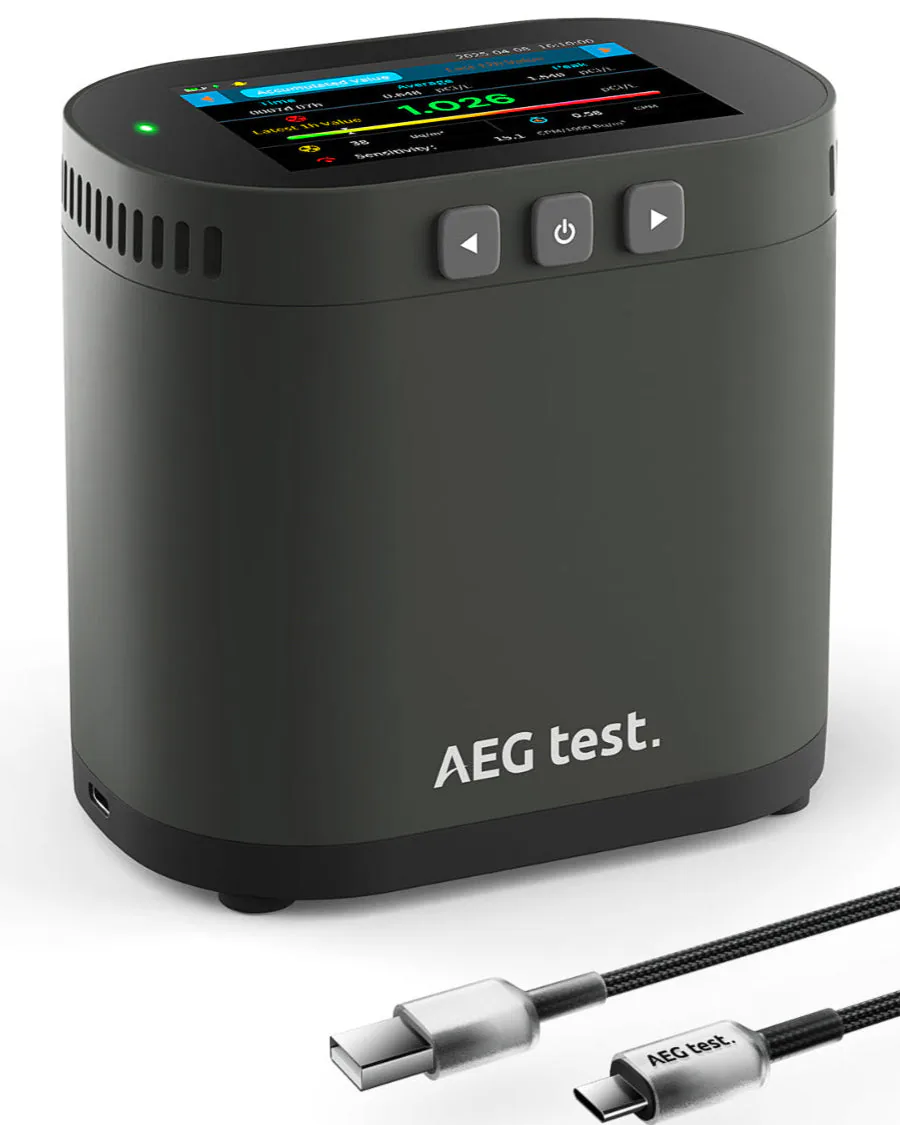
MonitorAEGTEST
Method: Ion chamber
First reading: Within 10 minutes
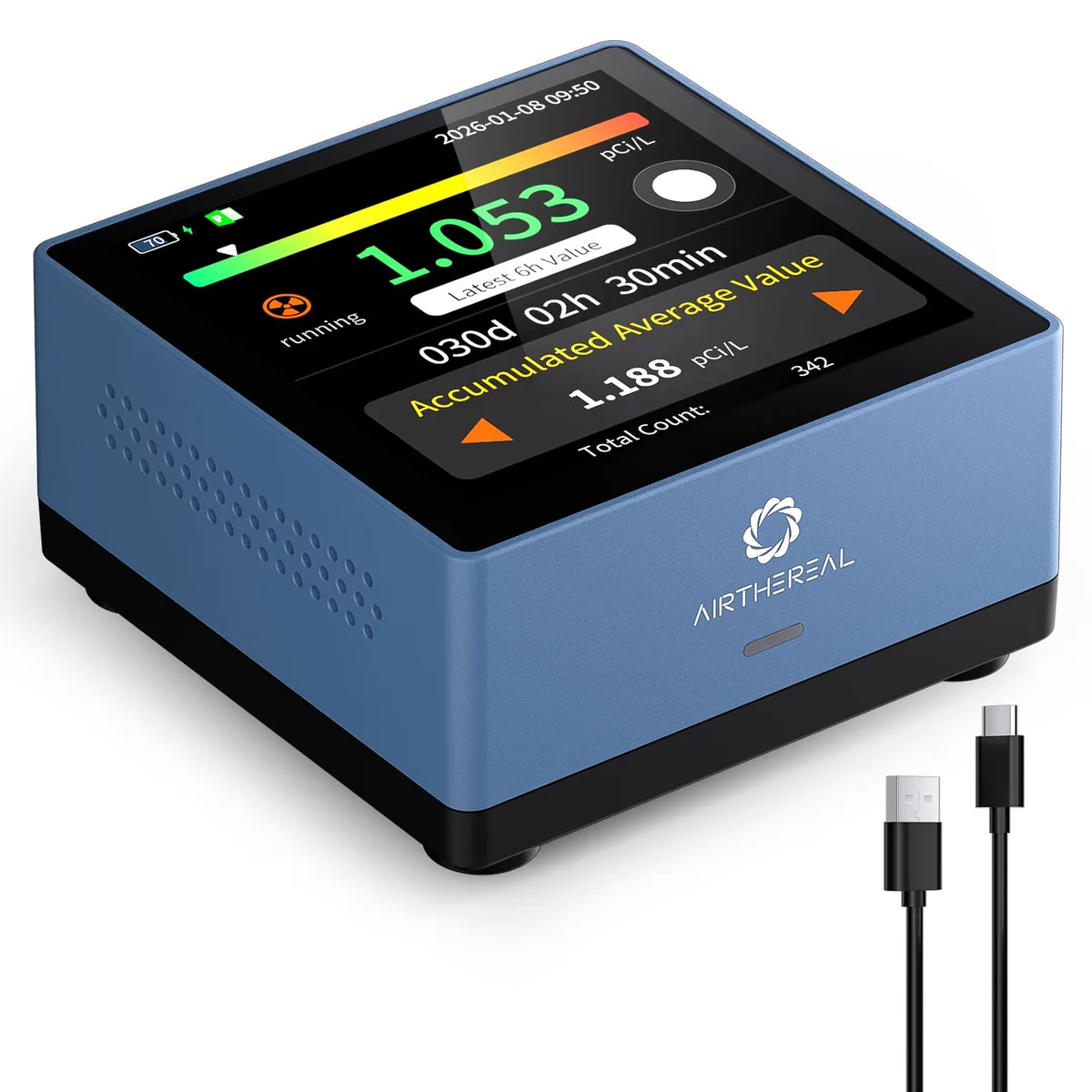
Monitor
Method: Semiconductor sensor
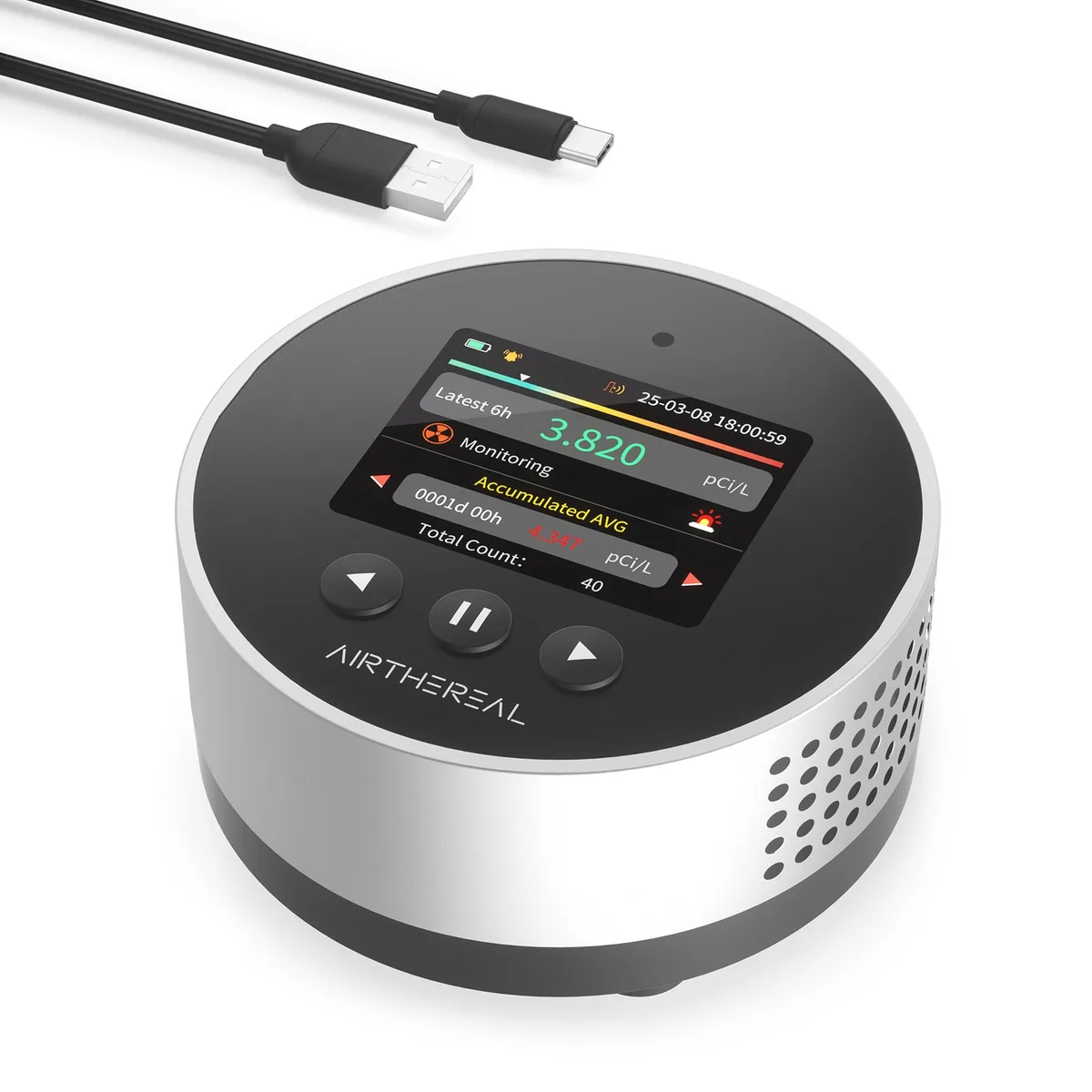
Monitor
Method: Semiconductor sensor
First reading: Within 6 hours
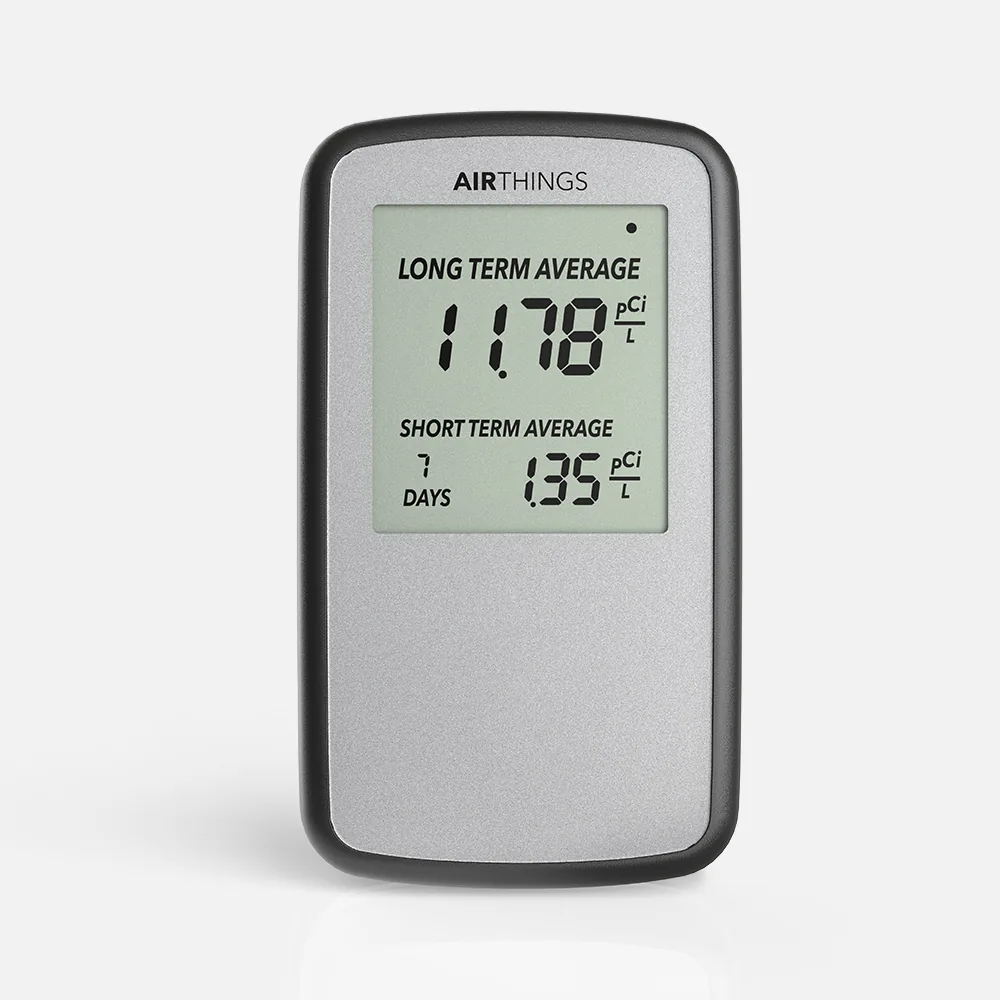
Monitor
Method: Alpha spectrometry
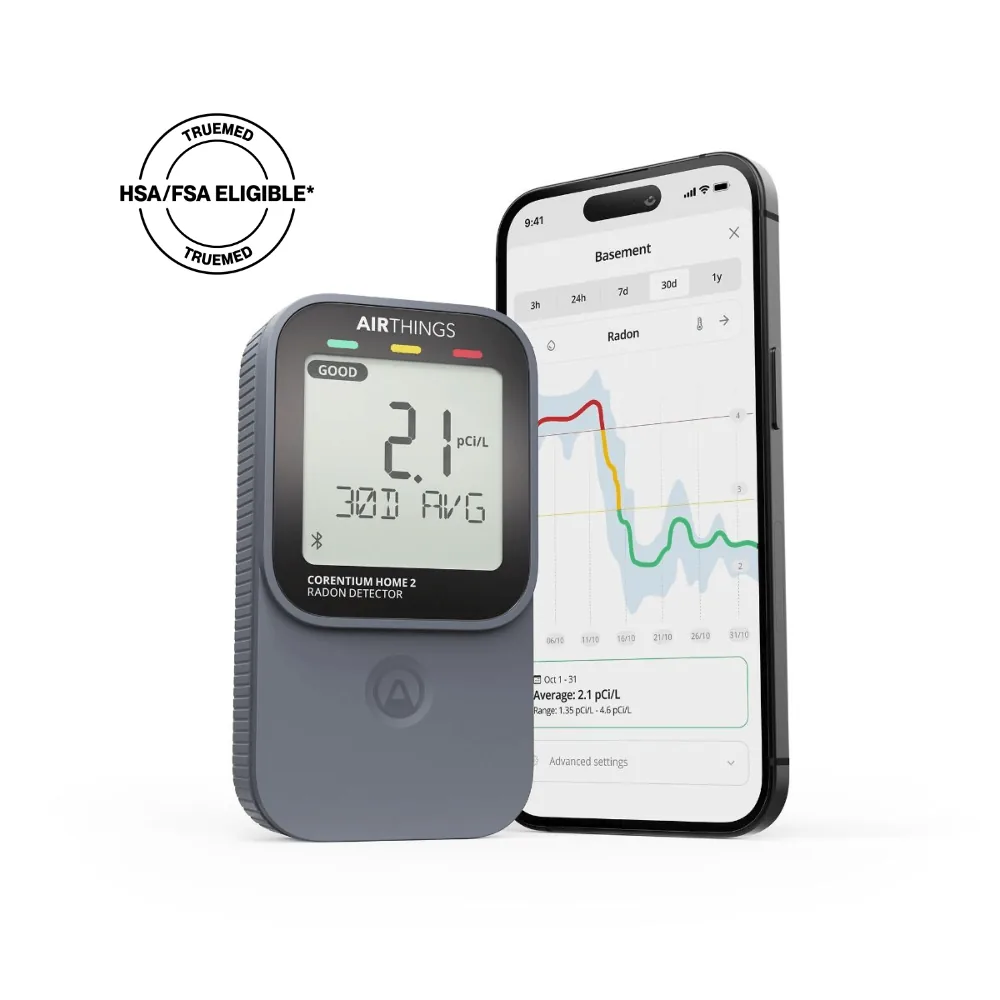
Monitor
Method: Alpha spectrometry
Readings: Every 60 minutes
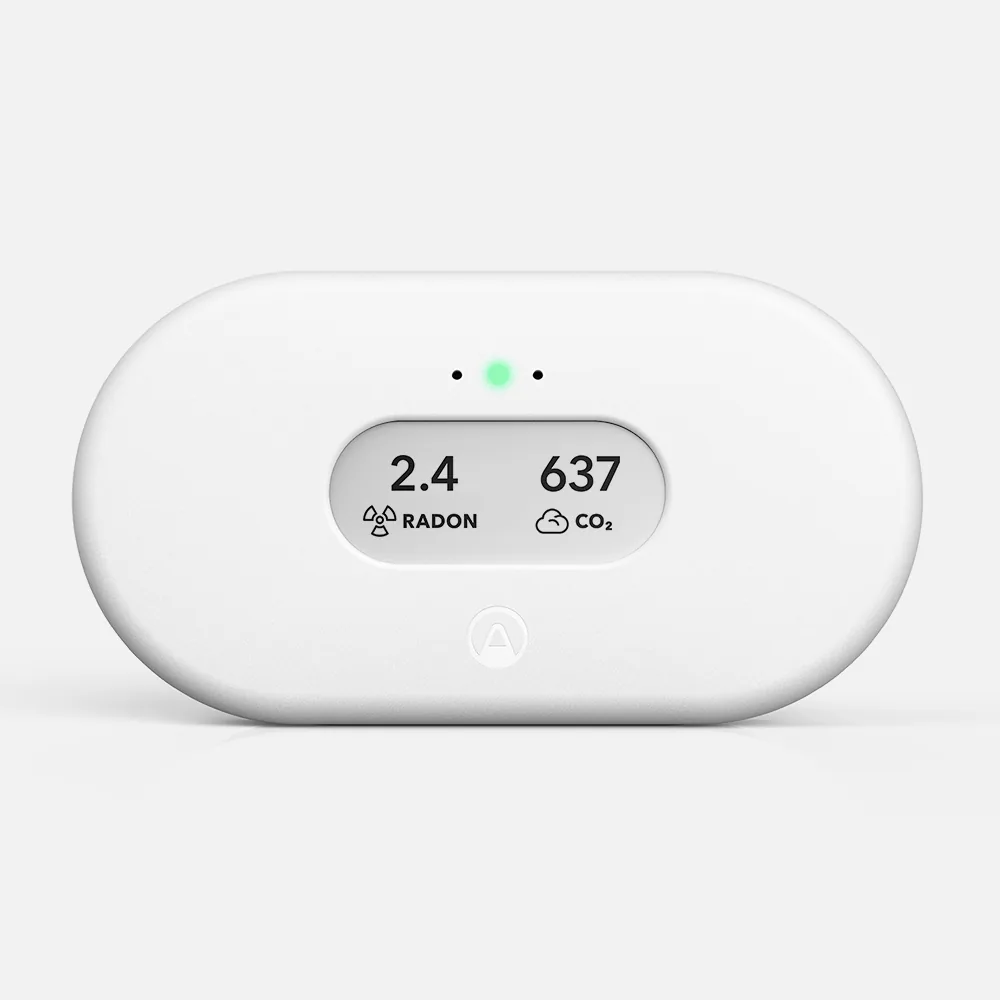
Monitor
Method: Alpha spectrometry
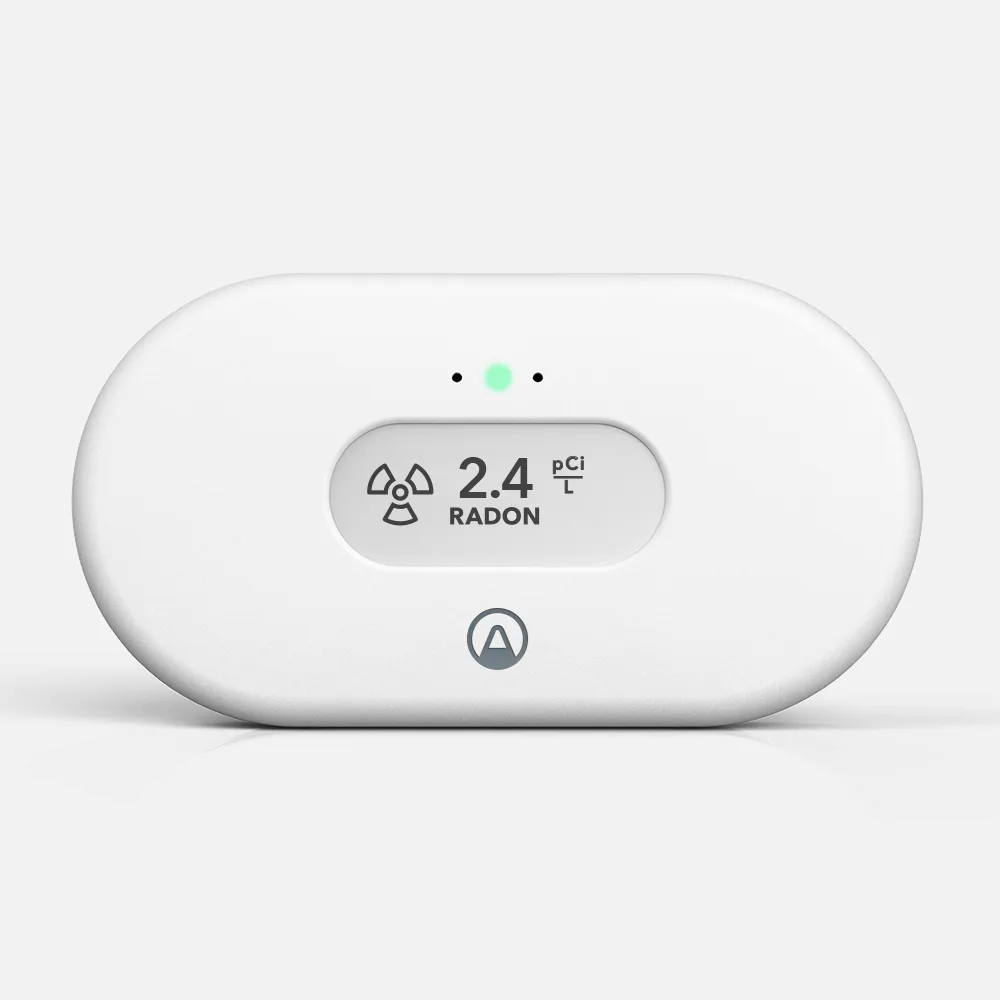
Monitor
Method: Alpha spectrometry
Readings: Every 60 minutes
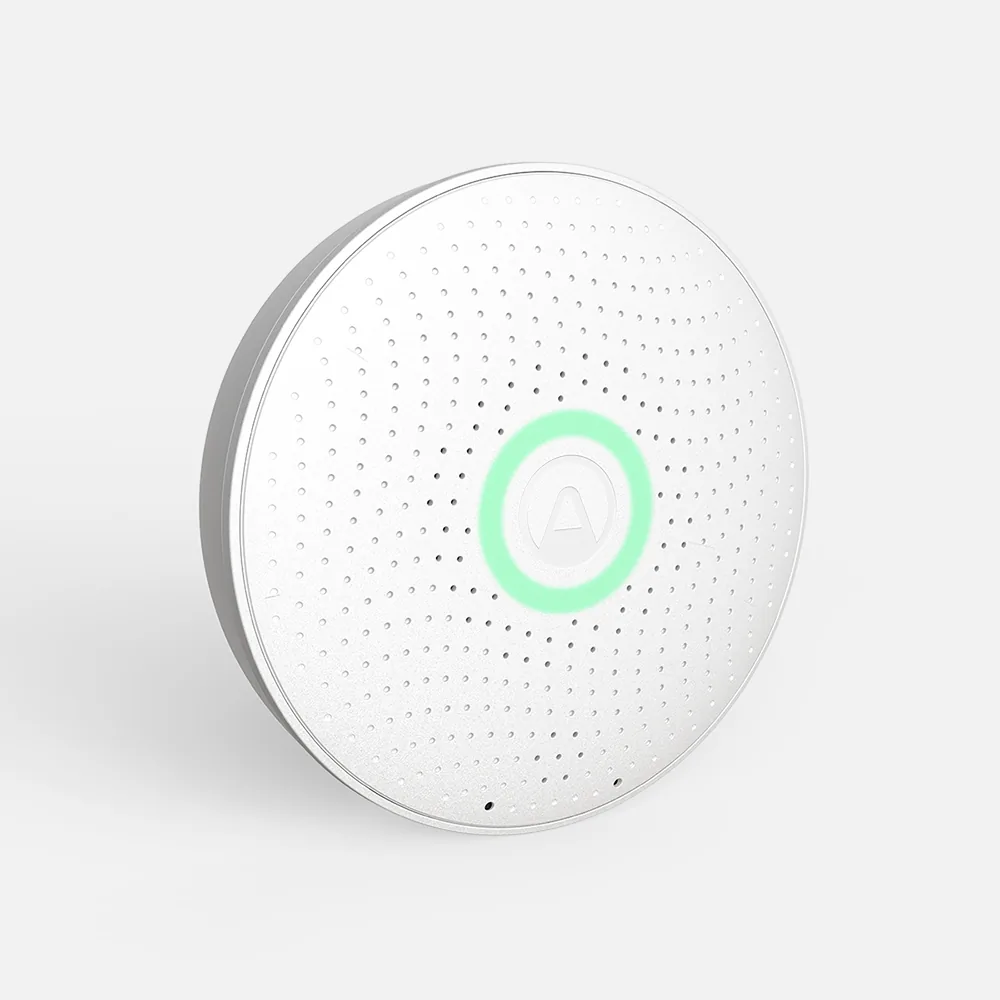
Monitor
Method: Alpha spectrometry
Monitor
Method: Alpha spectrometry
MonitorAranet
Method: Ion chamber
First reading: Within 10 minutes
MonitorAranet
Method: Ion chamber
First reading: Within 10 minutes
Monitor
Method: Ion chamber
First reading: Within 10 minutes
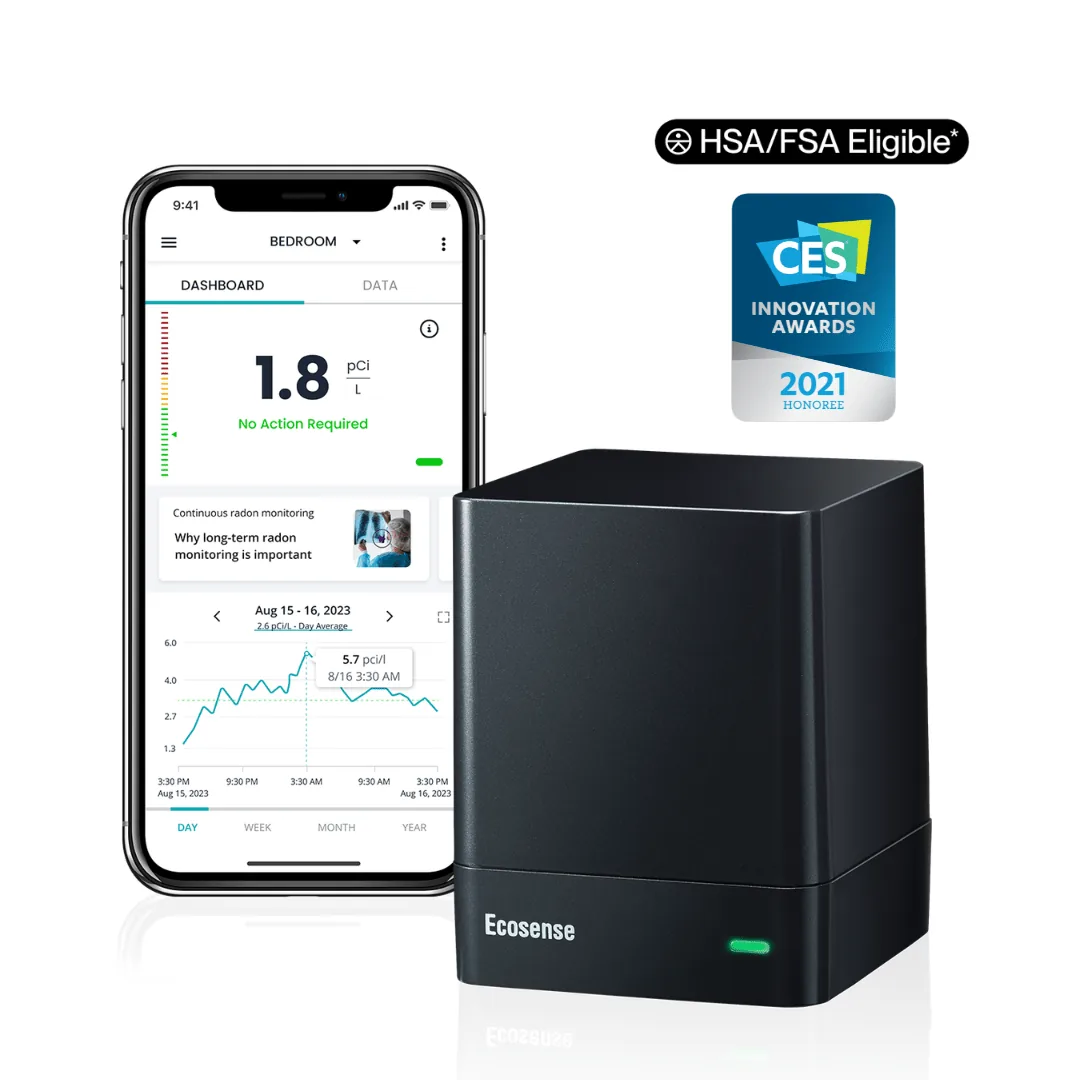
Monitor
Method: Ion chamber
First reading: Within 10 minutes
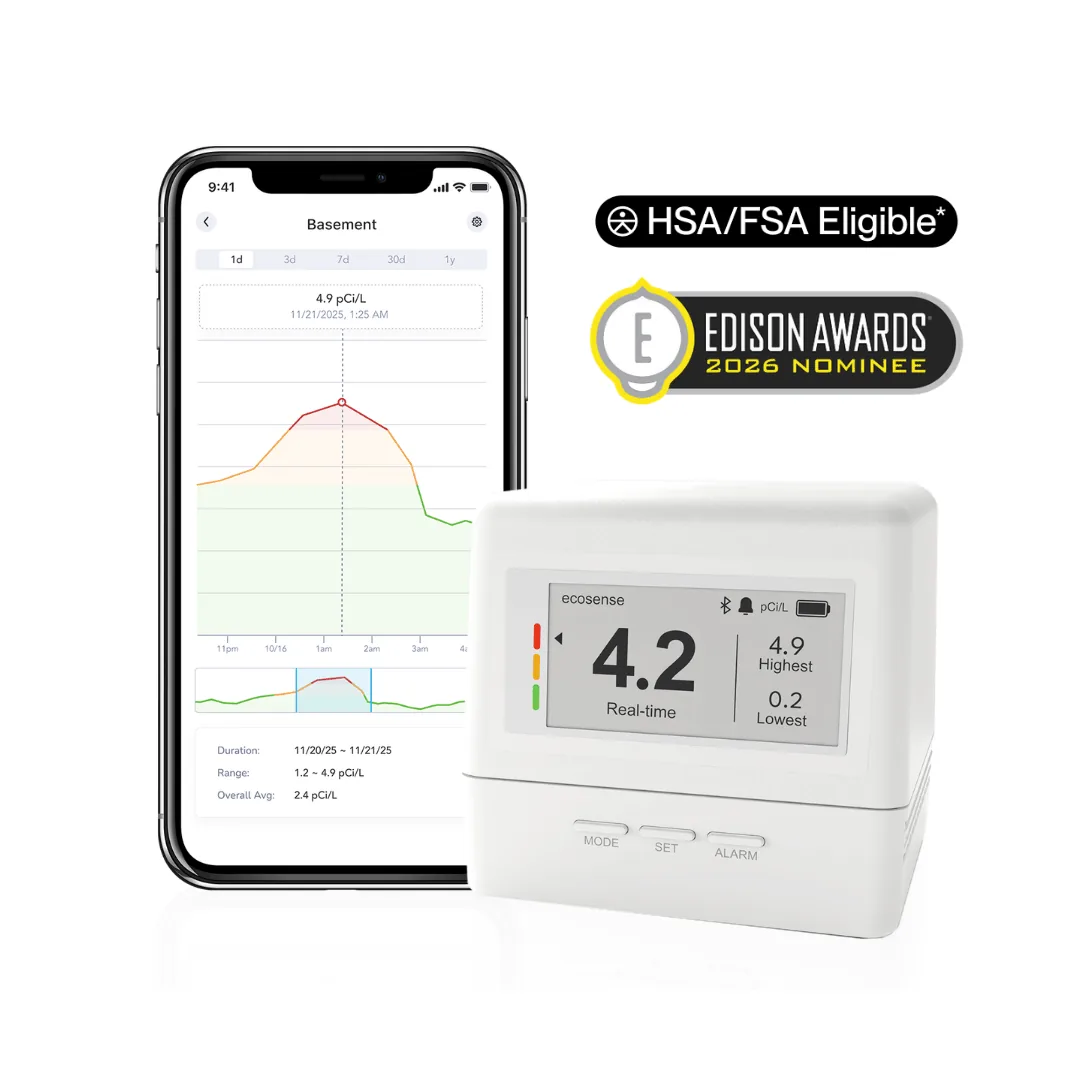
Monitor
Method: Ion chamber
First reading: Within 15 minutes
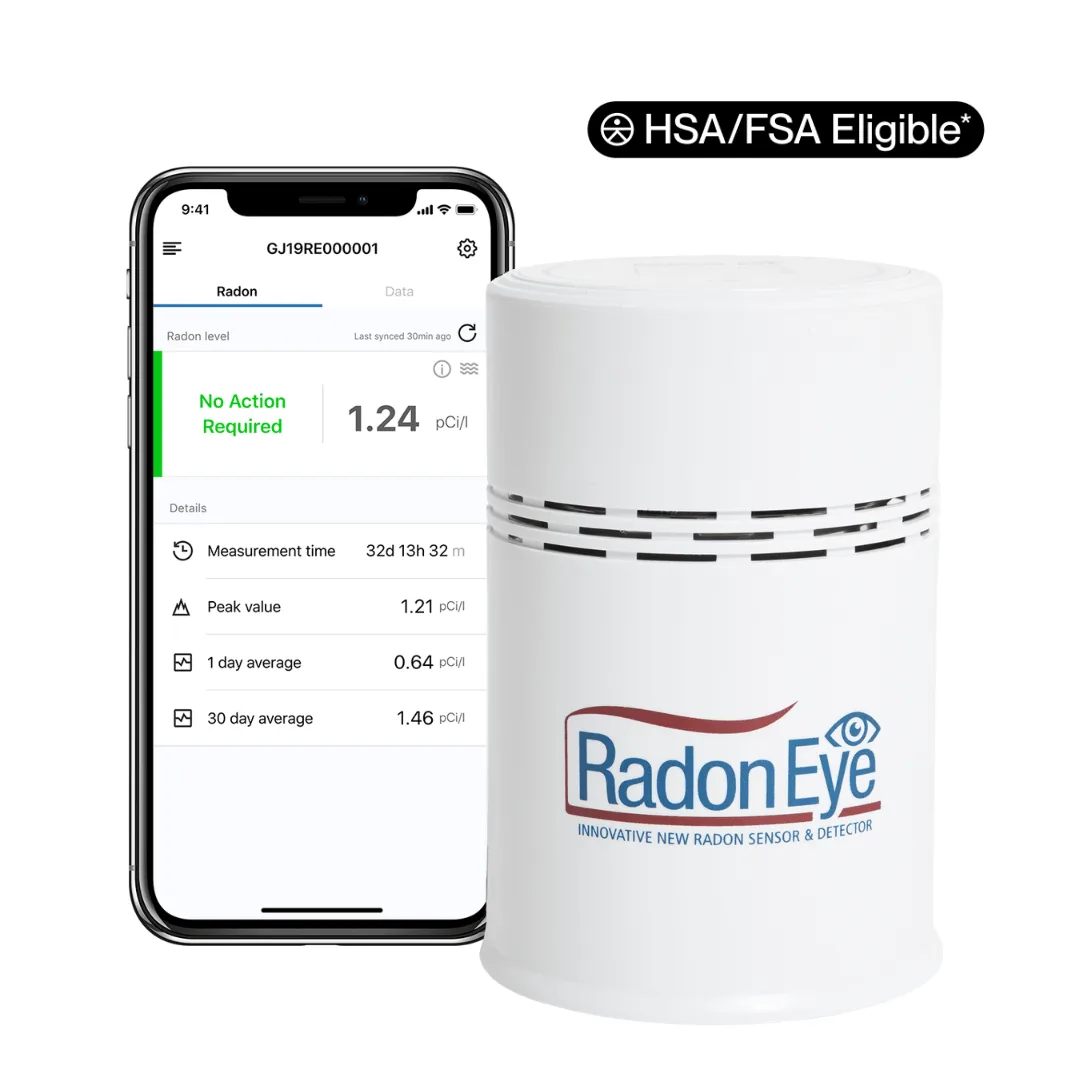
Monitor
Method: Ion chamber
First reading: Within 10 minutes
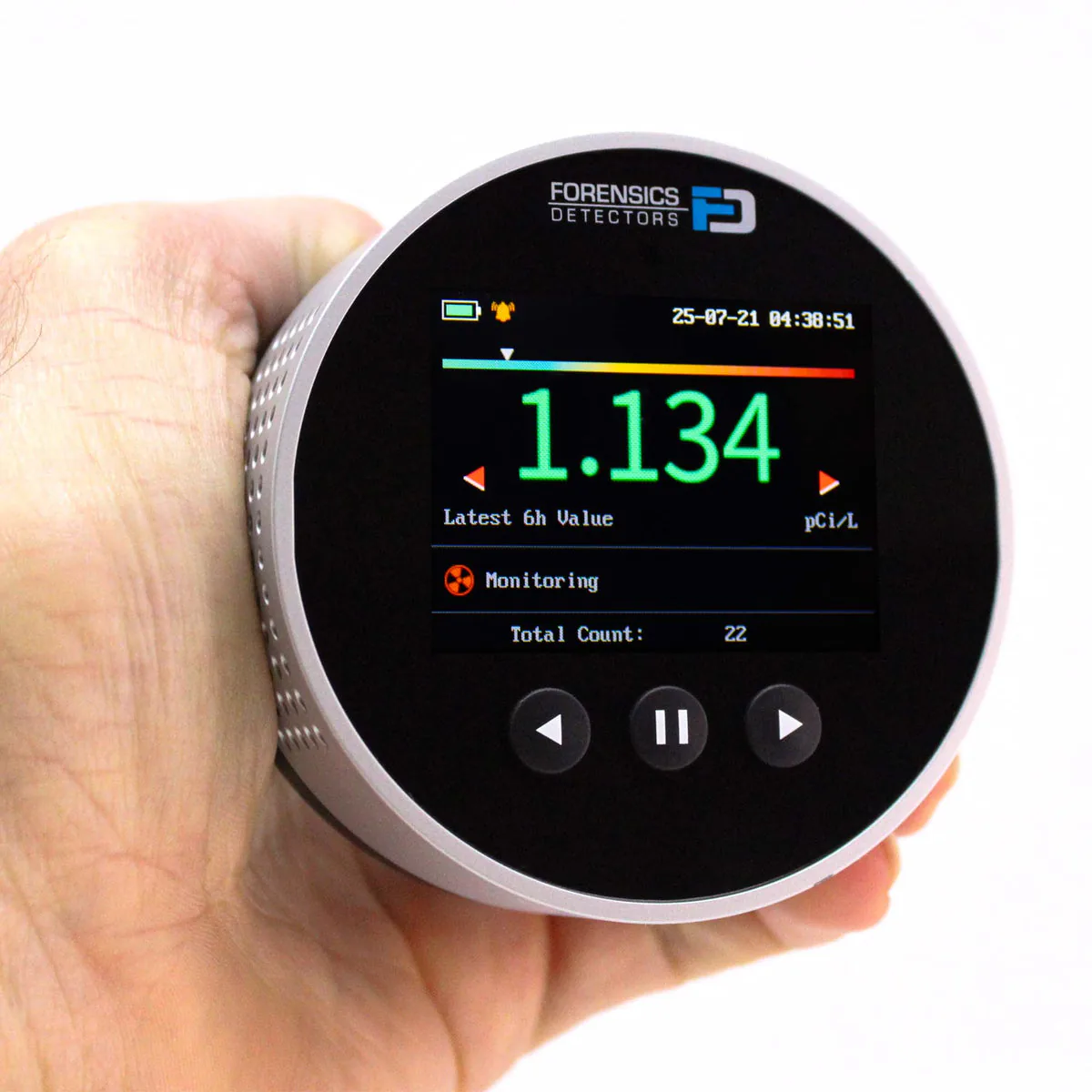
MonitorForensics Detectors
Method: Semiconductor sensor
First reading: Within 6 hours
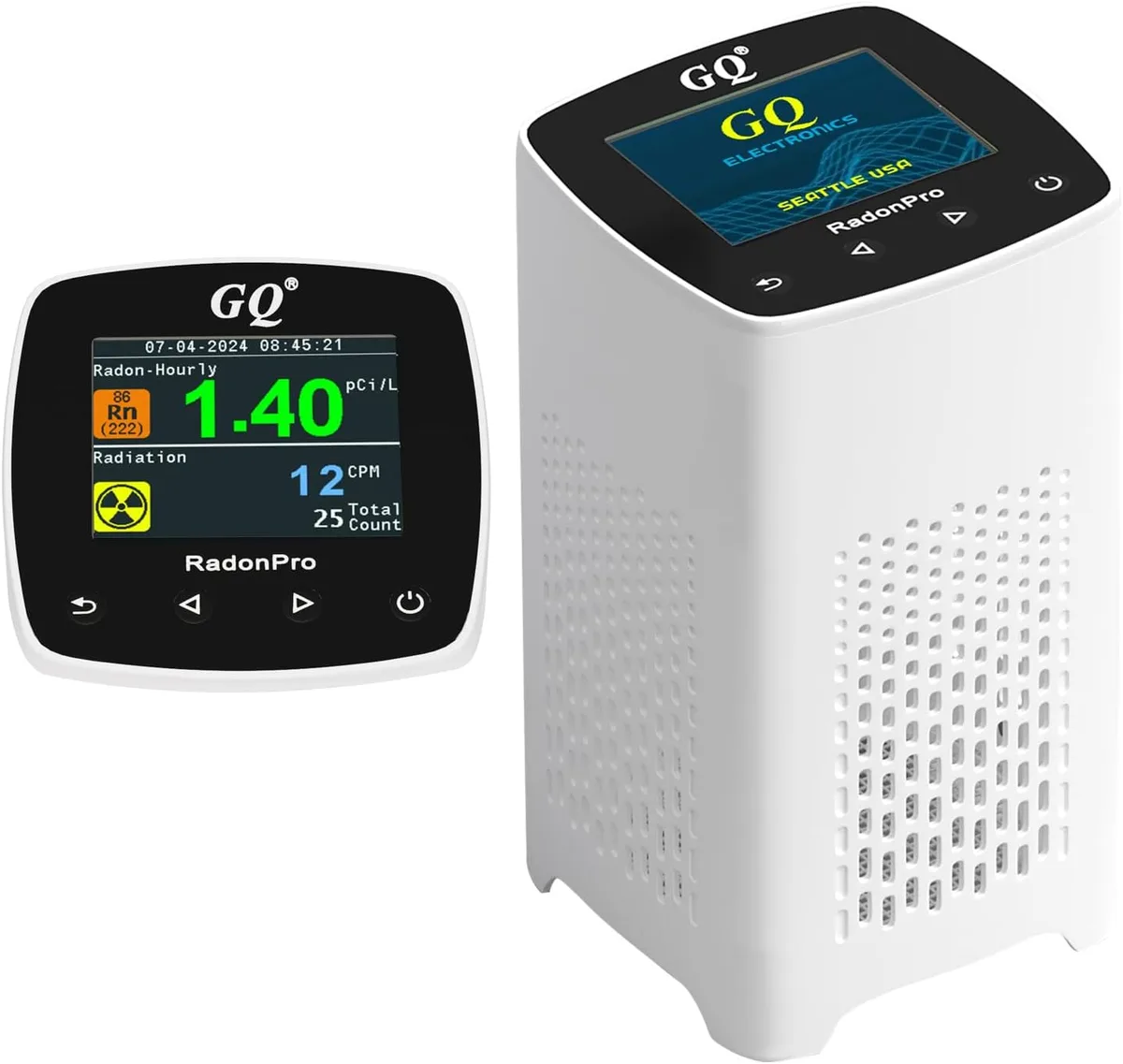
Monitor
First reading: Within 5 minutes
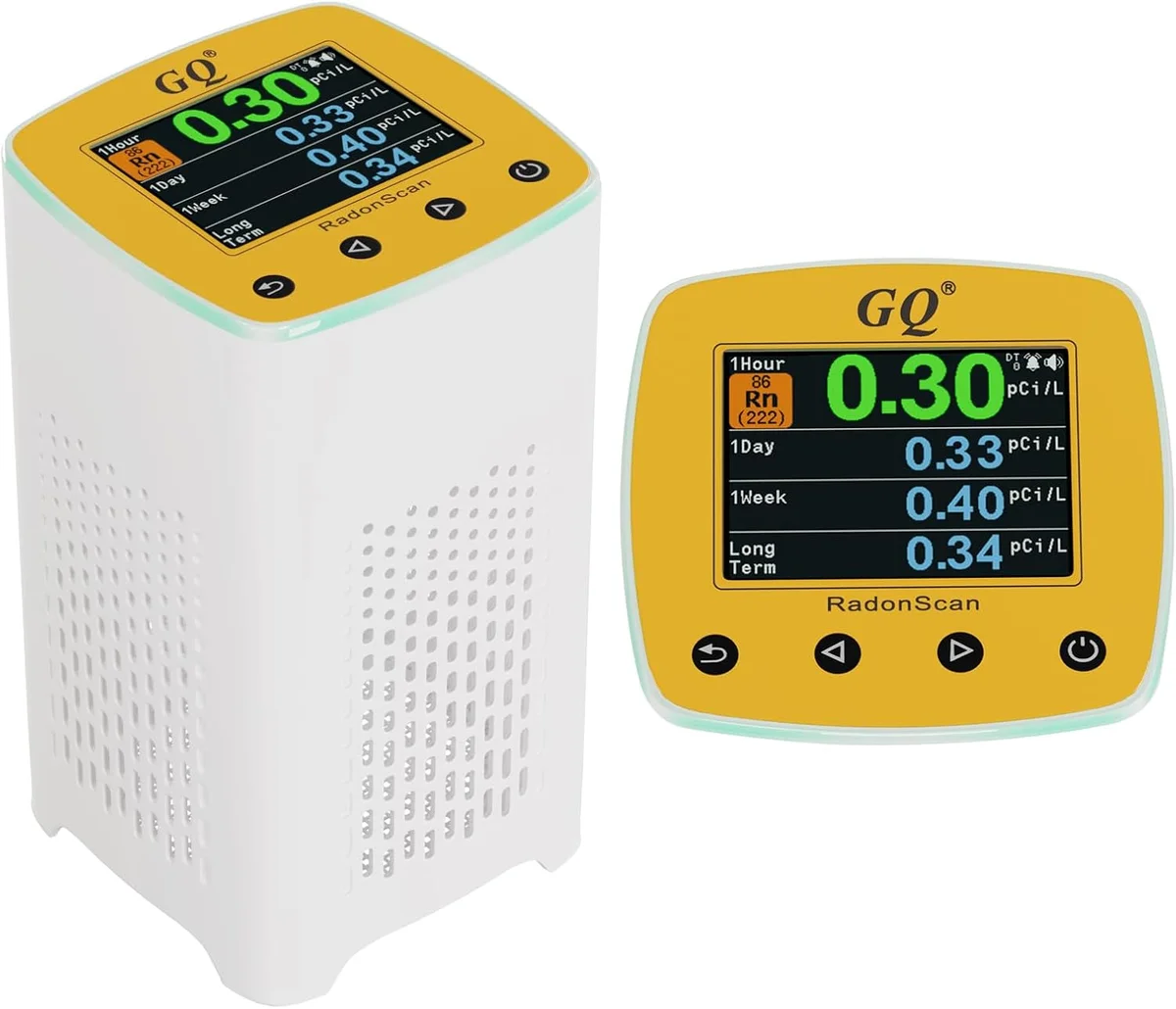
Monitor
First reading: Within 5 minutes
Monitor
First reading: Within 5 minutes
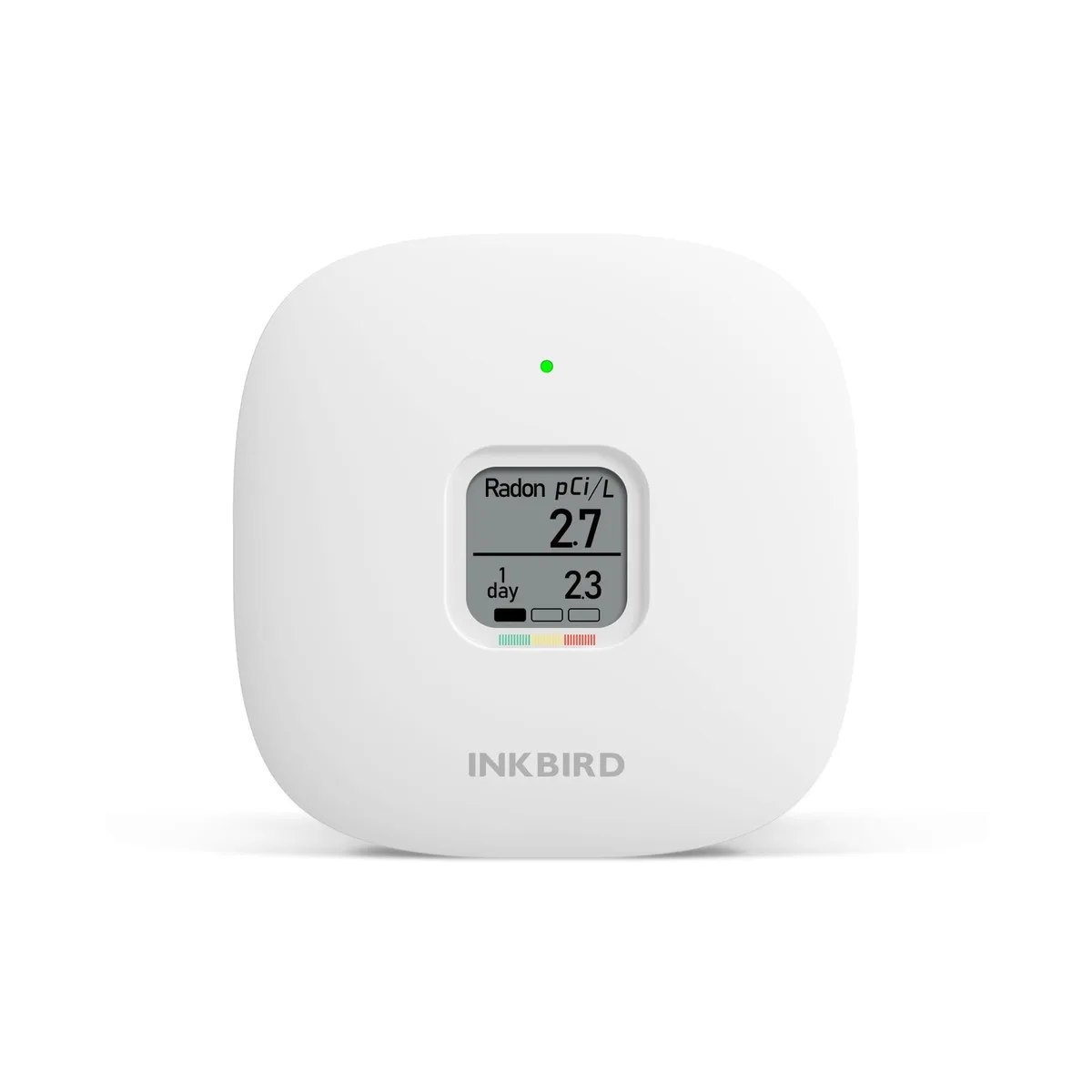
MonitorINKBIRD
First reading: Within 24 hours
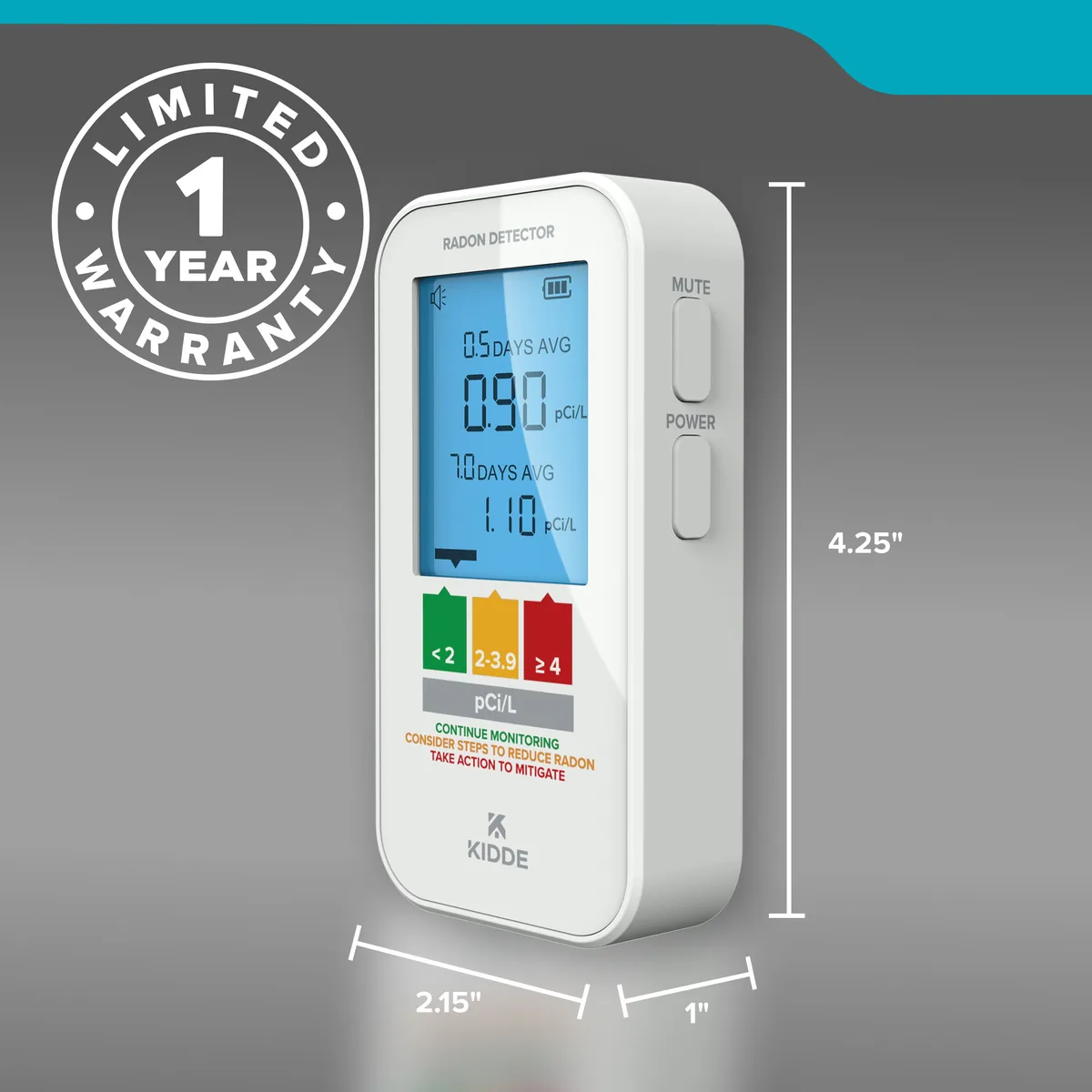
MonitorKidde
Method: Semiconductor sensor
First reading: Within 12 hours
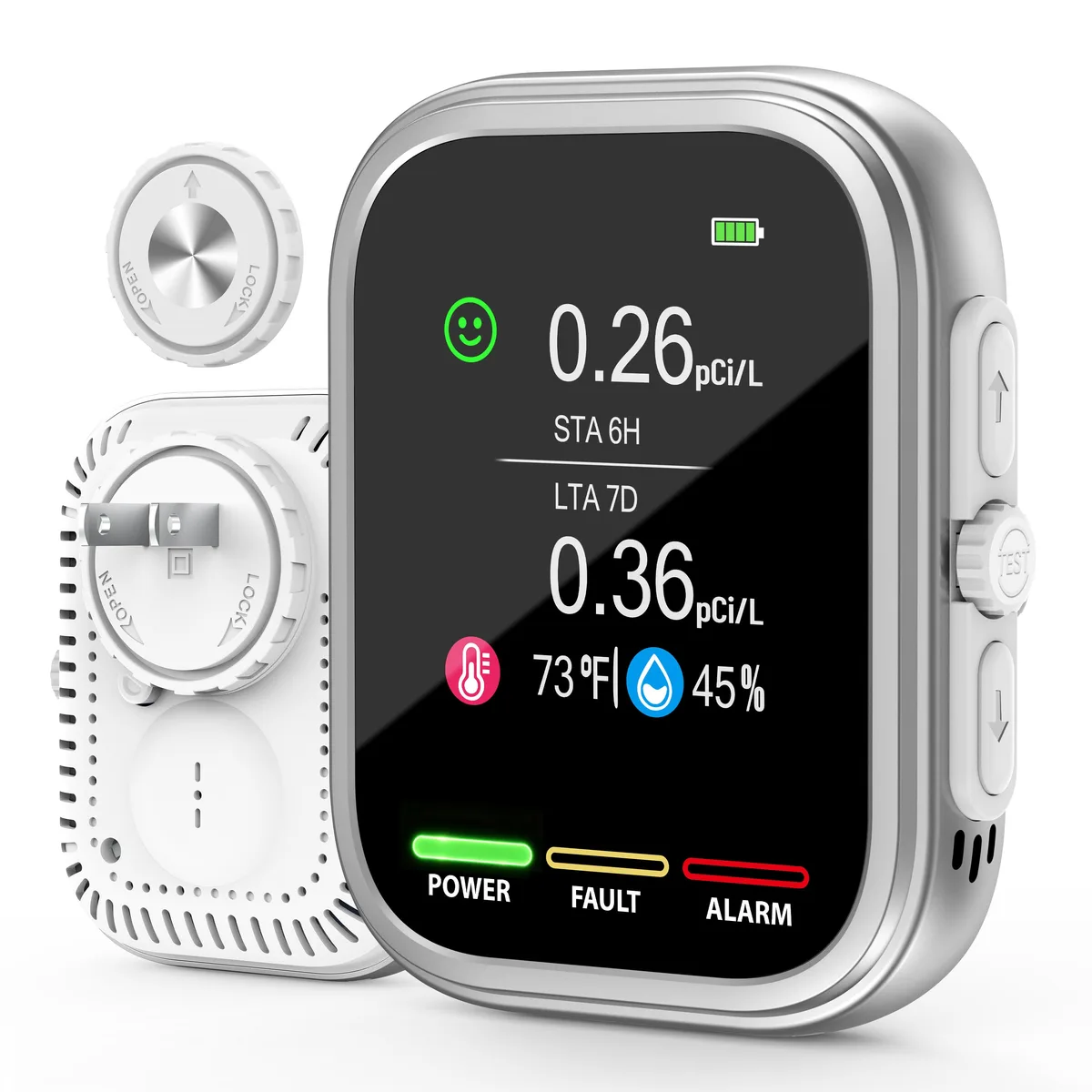
MonitorPYZYCKYH
Method: Semiconductor sensor
First reading: Within 6 hours
MonitorSafetySiren
First reading: Within 48 hours
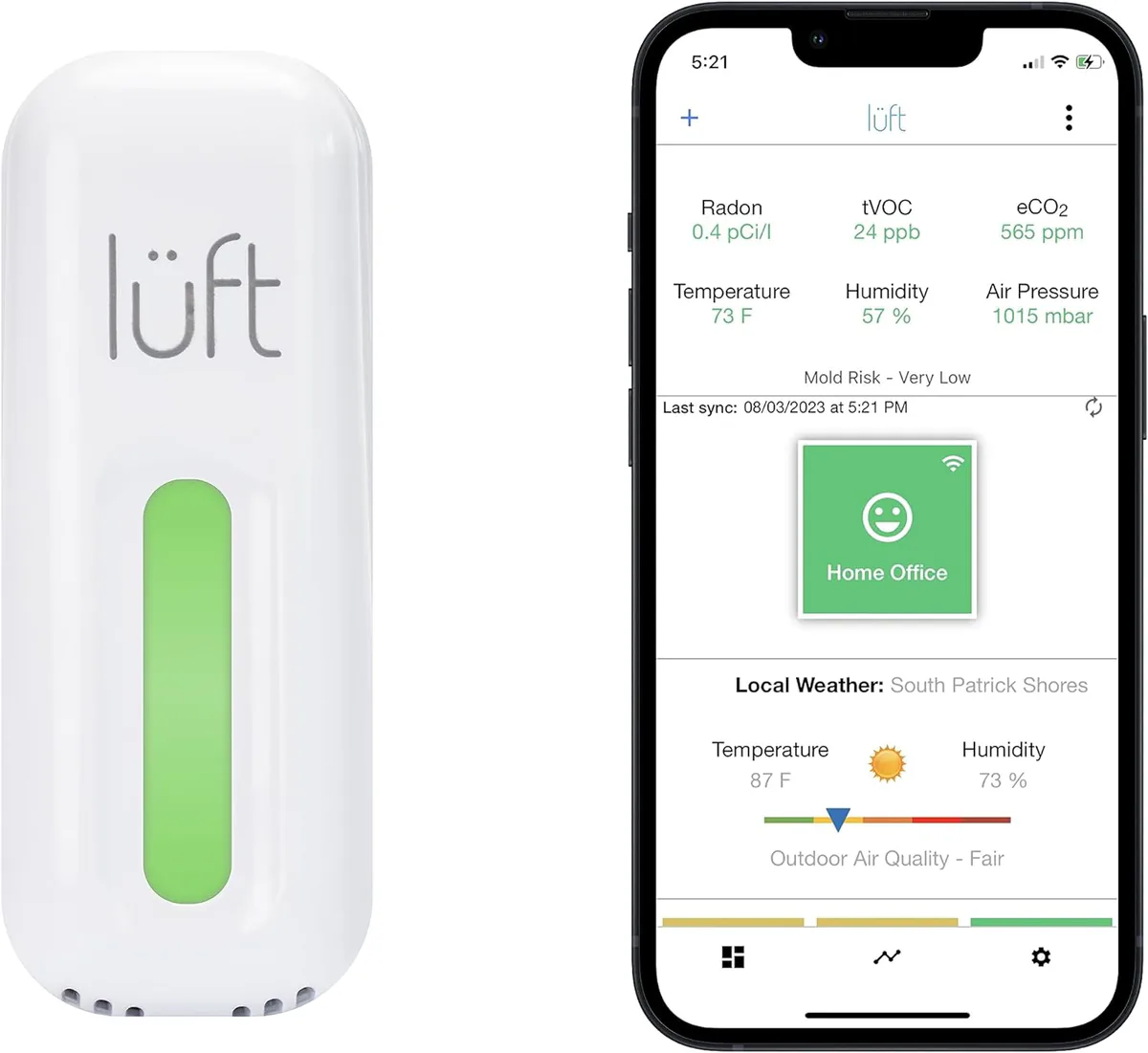
Monitor
First reading: Within 90 minutes
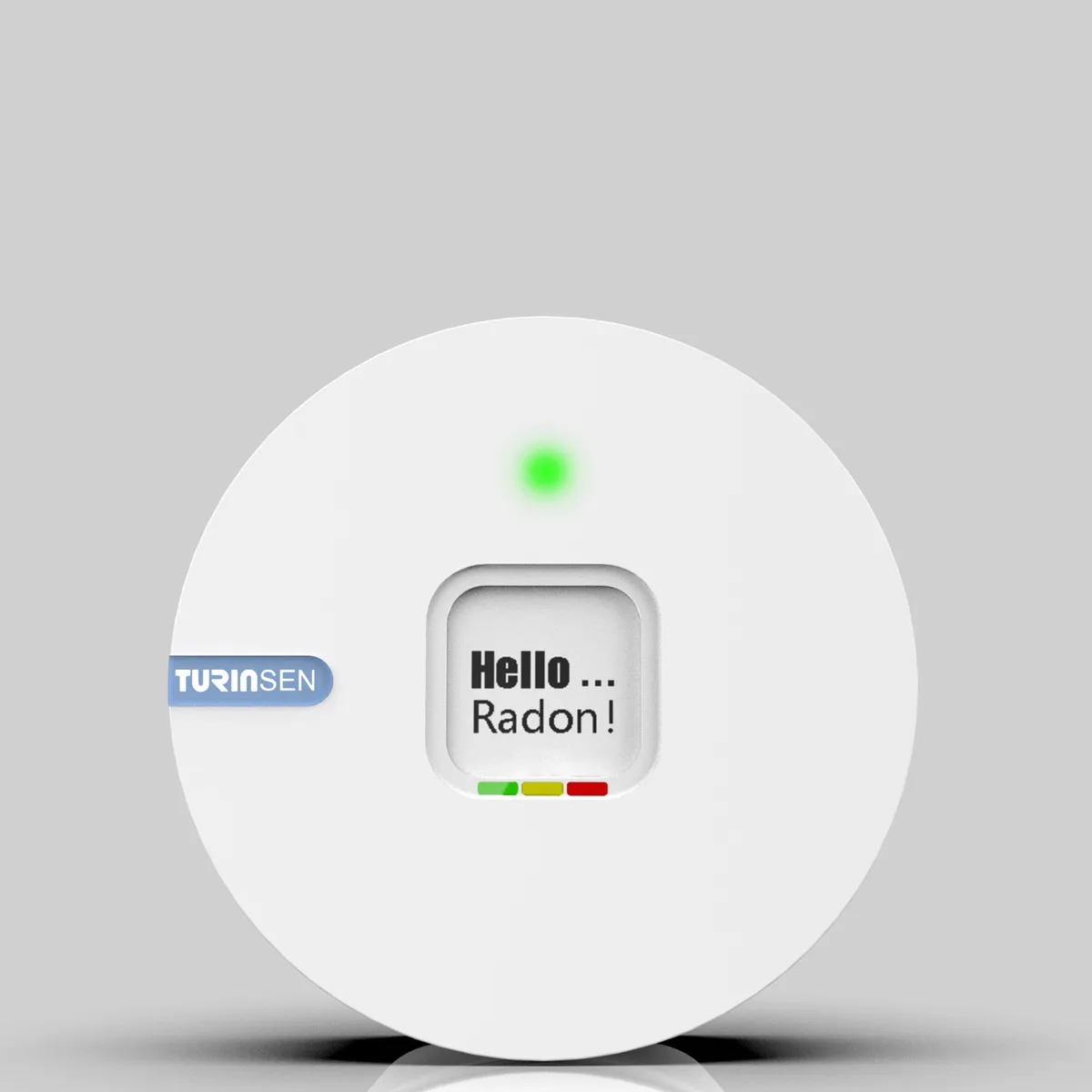
Monitor
Method: Alpha spectrometry
First reading: Within 24 hours
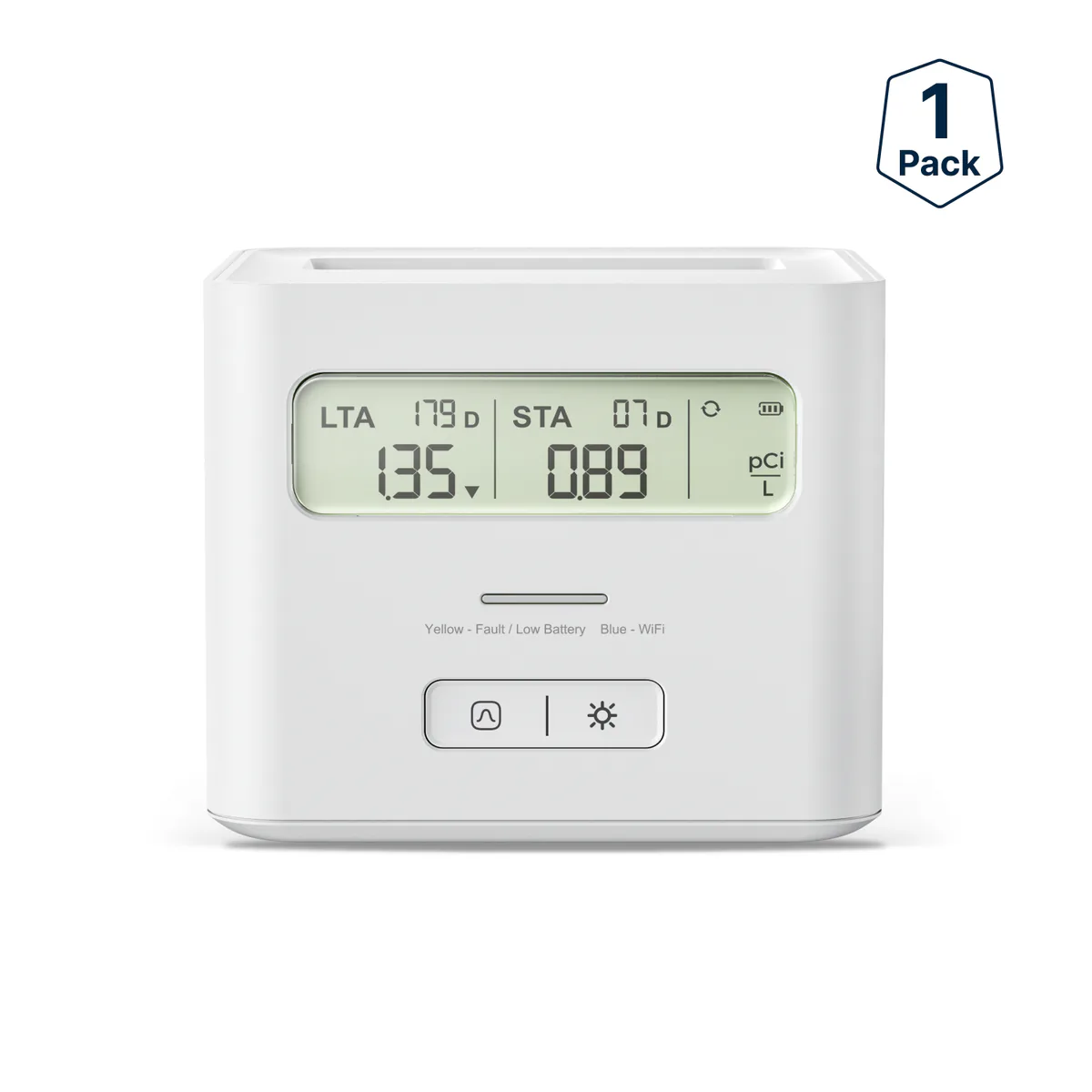
MonitorX-Sense
Method: Alpha spectrometry
First reading: Within 24 hours
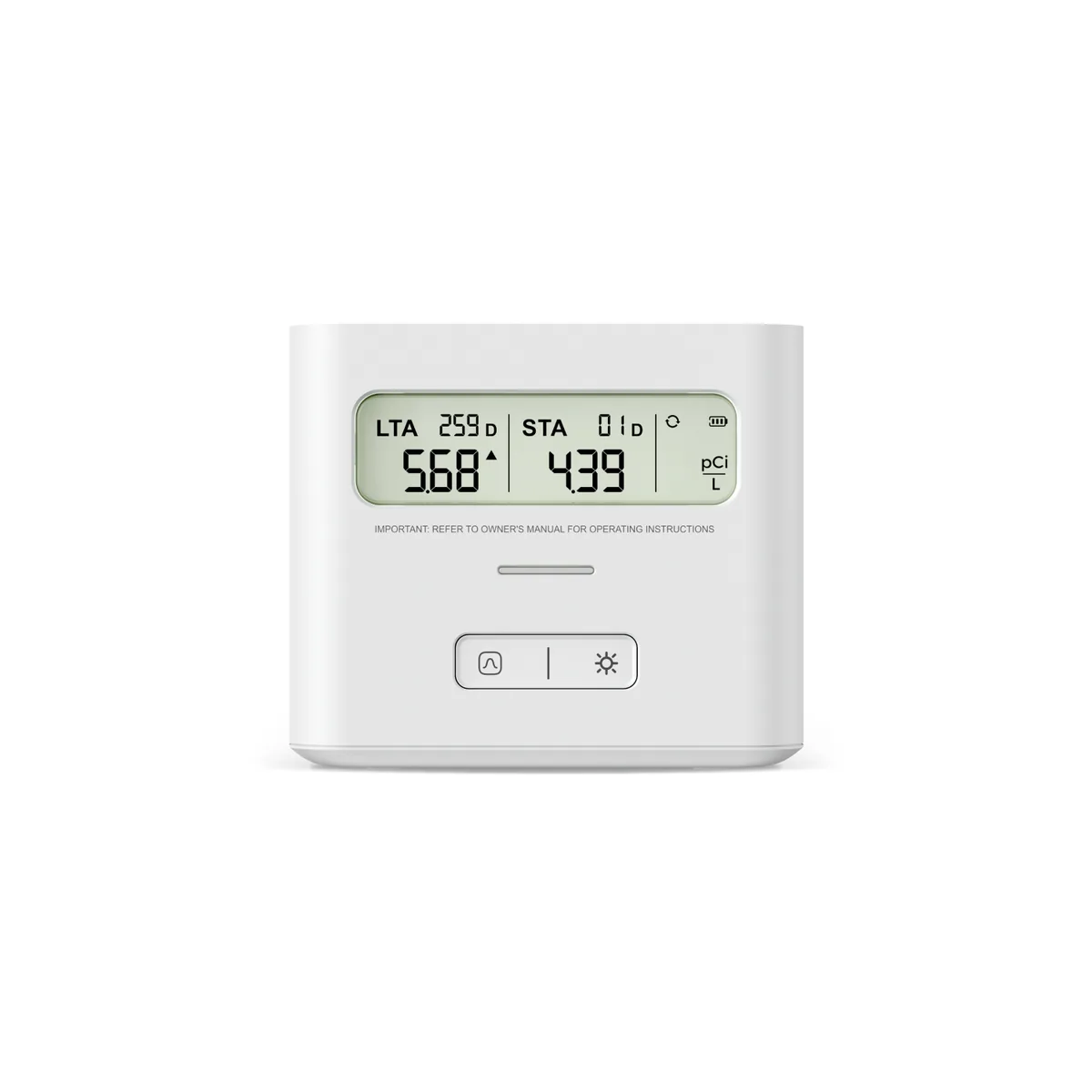
MonitorX-Sense
Method: Alpha spectrometry
First reading: Within 24 hours
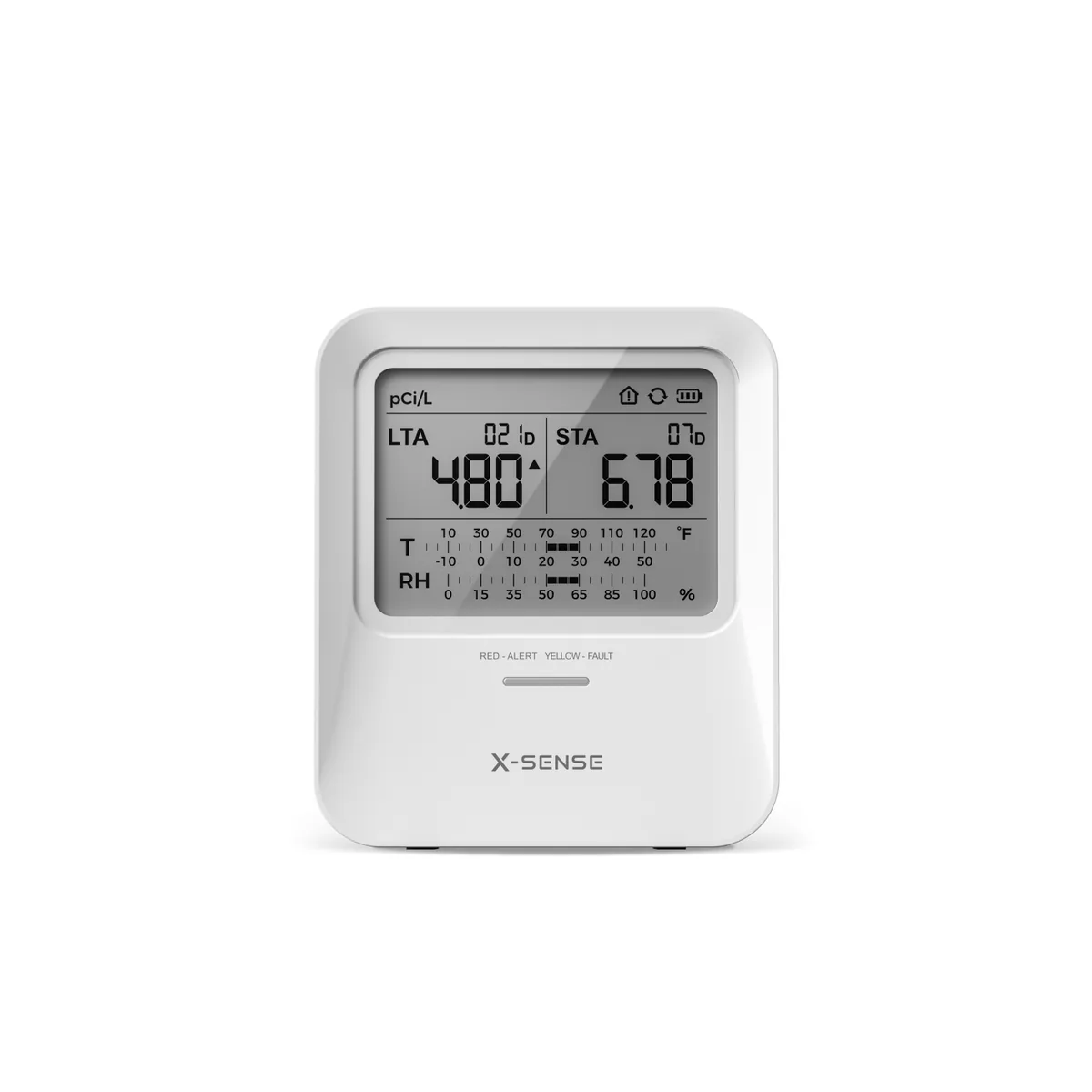
MonitorX-Sense
Method: Alpha spectrometry
First reading: Within 24 hours
The home monitors we cover: 1 of 32
Both passive and active devices can measure accurately when used to protocol. What differs is where accuracy comes from. A kit's result is only as good as the laboratory that reads it, which is why you should use a device from a qualified laboratory, and why your state may list do-it-yourself devices from qualified labs. A monitor's accuracy belongs to the model: C-NRPP tests consumer monitors against a reference radon chamber, but only models whose makers enter, and Health Canada has recalled several monitors for reading radon inaccurately.
Both can be spoiled by how they are used, and improper testing gives inaccurate results. For a charcoal kit that means
| Compared | Charcoal test kit (short-term) | Digital radon monitor |
|---|---|---|
| Where | Lowest level that could be used regularly; not a kitchen, bathroom, laundry, closet or crawl space | A room used at least 4 hours a day on the lowest lived-in level |
| How high | At least 20 inches above the floor | Off the floor |
| Keep away from | Drafts, high heat, high humidity, exterior walls | Exterior walls, sunlight, vents, doors, fans, windows, electronic or network devices |
| House rules | Windows and outside doors closed except for normal entry and exit; from 12 hours before for tests under four days | For a long-term test, live normally |
| When it ends | Record the stop time, reseal, post right away | Keep it running; read the long-term average |
For more on choosing a spot for either one, see where to place a radon test.
We do not print prices in our copy, because they change; current prices, where we have them, appear only from the retailer's own data with the time they were checked. The shape of the cost is different, though, and worth knowing before you buy:
Neither test comes out ahead; each fits some questions better. Each list has five points.
| Compared | A charcoal kit fits if | A digital monitor fits if |
|---|---|---|
| How soon | You want a low-cost first answer this week | You want to watch your level through a whole heating season |
| During the test | You can keep the house closed for a few days | You want to see the effect of a mitigation system over time |
| Cost and supply | You can get a free kit from your state or county | You want to test several rooms, one after another |
| The result | You want a laboratory-read result to keep on file | You want to see daily and seasonal patterns, not one number |
| Your timeline | You need two matched tests for a home sale | You are willing to wait at least 3 months before deciding |

| Test | How long it runs | What it is for |
|---|---|---|
| Short-term test | Stays in the home from 2 to 90 days, depending on the device, and for a minimum of 48 hours. | A faster screening result. Because radon levels vary from day to day and season to season, it is less likely than a long-term test to tell you the year-round average. |
| Long-term test | Stays in the home for more than 90 days. | It is more likely than a short-term test to tell you the home's year-round average radon level. |
| Continuous monitor | Logs readings for the whole test, run as a short-term or a long-term test under the same durations in EPA guidance. | Logs a graph over time, so you can see trends and spot anomalies rather than a single number. |
Whichever you use, read the result the same way. EPA recommends fixing a home when the radon level is 4 pCi/L or higher. EPA recommends considering a fix when the level is between 2 and 4 pCi/L. Every kit we cover is on radon test kits, and every monitor, with its independent evidence, is on radon detectors and monitors.
Not by type. Both passive and active devices can give accurate measurements when used to protocol. A kit relies on a qualified laboratory; a monitor relies on the model, so check its independent results.
A monitor shows a first reading sooner, within 90 minutes to 24 hours for the models C-NRPP approved. But for a decision, run a monitor for at least 3 months, while a short-term kit gives a lab result within days or weeks of a 2 to 7 day test.
For your own home, yes, if it is an independently tested model and you run it for at least 3 months. For a home sale, check what the contract and your state accept; consumer monitors are not approved for use by measurement professionals in C-NRPP's program.
Closed-house conditions are a rule for short-term tests. For a long-term measurement, do not change how you live. A monitor run for months should see your normal home.
They usually measured different periods. Radon varies from day to day and season to season, so a 3-day kit and a monitor's hourly or weekly figure will rarely match. Compare the monitor's average over the same days as the kit, or both against a long-term average.
As a first step, yes. A short-term result at or above 4 pCi/L should be followed by a second test, long-term or short-term, before you decide.
A single kit costs less up front; a monitor costs more once and then little per test. Free state kits can make a first test cost nothing. See radon testing cost.
Yes. A kit can give a first lab-read answer, and a monitor can then watch the level through the year or after a fix.
In C-NRPP's 2024/25 evaluation, six consumer models were approved. See independent accuracy results explained for the list and what the grades mean.
Charcoal exposure times are between 2 and 7 days depending on the maker, and every radon test should run at least 48 hours. Add post and lab time to that.