MonitorAEGTEST
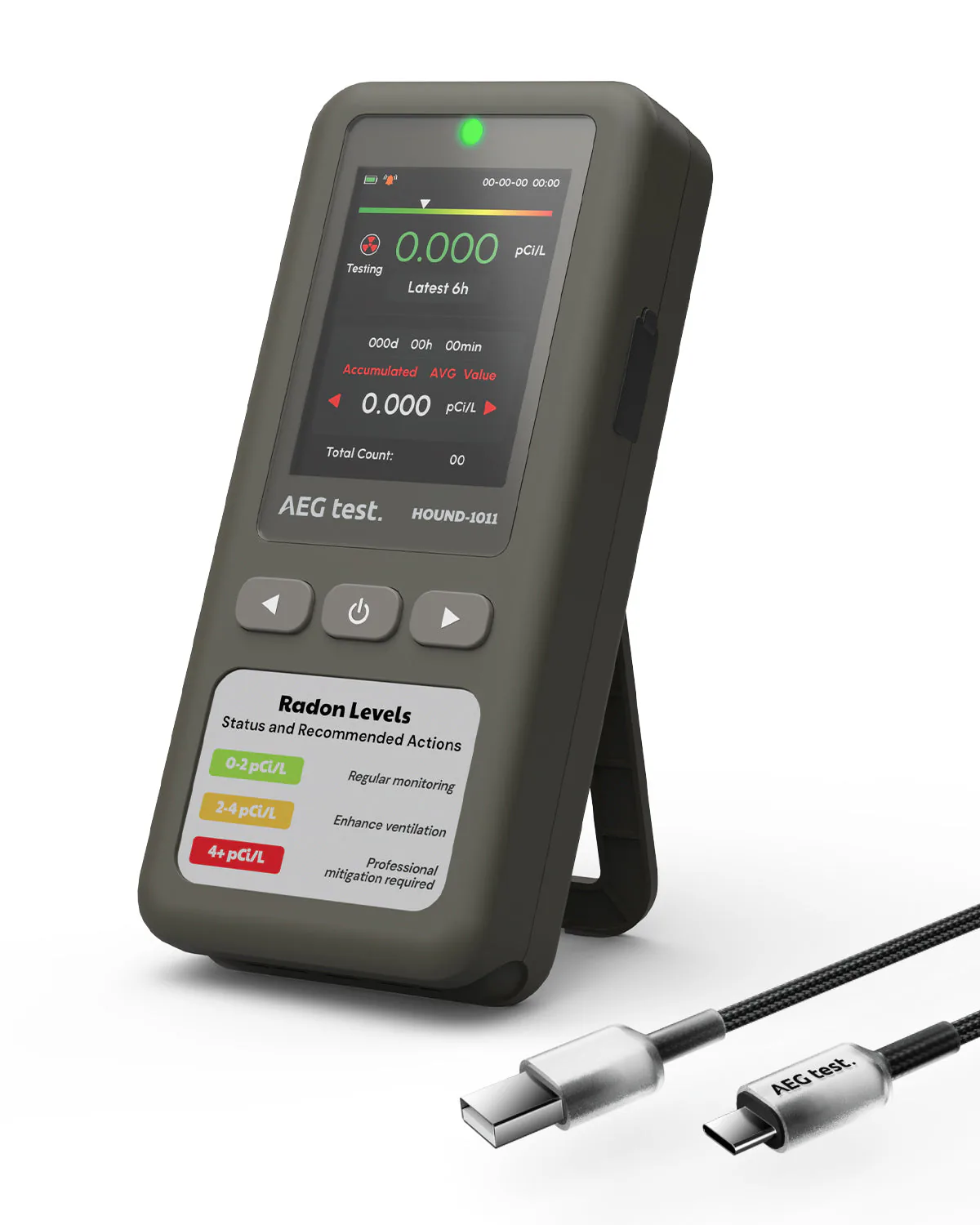
HOUND-1011 rechargeable radon detector with a screen
- C-NRPP 2024/25: Not included
- Battery
- Alarm
- Screen
Method: Semiconductor sensor
First reading: Within 6 hours
ProductsExplained
Short answer
A radon alarm is either a detector that sounds when the radon average passes a level, or a warning device that tells you a mitigation system's fan has stopped. Detector alarms work from averages because radon's risk builds over years, and the EPA says every active system needs a warning device you can see or hear.
If you searched for a radon alarm, you probably want one of two things: a device that tells you when the radon level in your home is high, or a device that tells you when your radon system has stopped working. This page covers both. It lists the radon detectors whose makers state a built-in alarm, in their own words, then the warning devices that belong on every active system. It does not pick a product.
| Kind | What it watches | What sets it off | Who needs one |
|---|---|---|---|
| Radon detector with an alarm | The radon level in the room | An average above a threshold the maker sets or you choose | Anyone who wants a sound, not just a number, when radon is high |
| Mitigation system alarm | The suction in the system's pipe | The fan stopping or losing suction | Every home with an active radon system |
A smoke or carbon monoxide alarm warns of danger in minutes. Radon is different: the EPA's guidance is to fix a home with a radon level of 4 or more and to consider fixing between 2 and 4 pCi/L, and that guidance is about the level over time, not a single hour. C-NRPP's advice for any consumer monitor is to test for at least 3 months, preferably in the heating season, and to decide on the long-term average.
That is why detector alarms are built on averages. Kidde's RAB, for example, sounds once the average radon concentration over the past day has exceeded its threshold, not on a single reading, and Kidde's guide notes that because radon decay is random, two units can read slightly differently and an average over 7 days or more is the better reference. Indoor radon also changes between day and night, so a single alarm is a reason to keep watching and to look at the long-term average, not a reason to leave the house.
These are the detectors we cover whose makers state an audible alarm. Each maker describes its alarm differently, so the table keeps to what each one says: whether you can set the level, how the alarm sounds, and how you silence it. Where a maker does not state something, the table says so rather than guessing.
| Detector | Power | Alarm, as the maker states it | Level you can set |
|---|---|---|---|
| AEGTEST HOUND-1011 | Built-in battery, Type-C cable (AEGTEST's earlier store listed a 2000 mAh lithium battery with Type-C charging) | AEGTEST's earlier store listed audible and visual alarms when radon exceeds the safety threshold; its current store says the alarm can be muted in the Eco menu | Not stated |
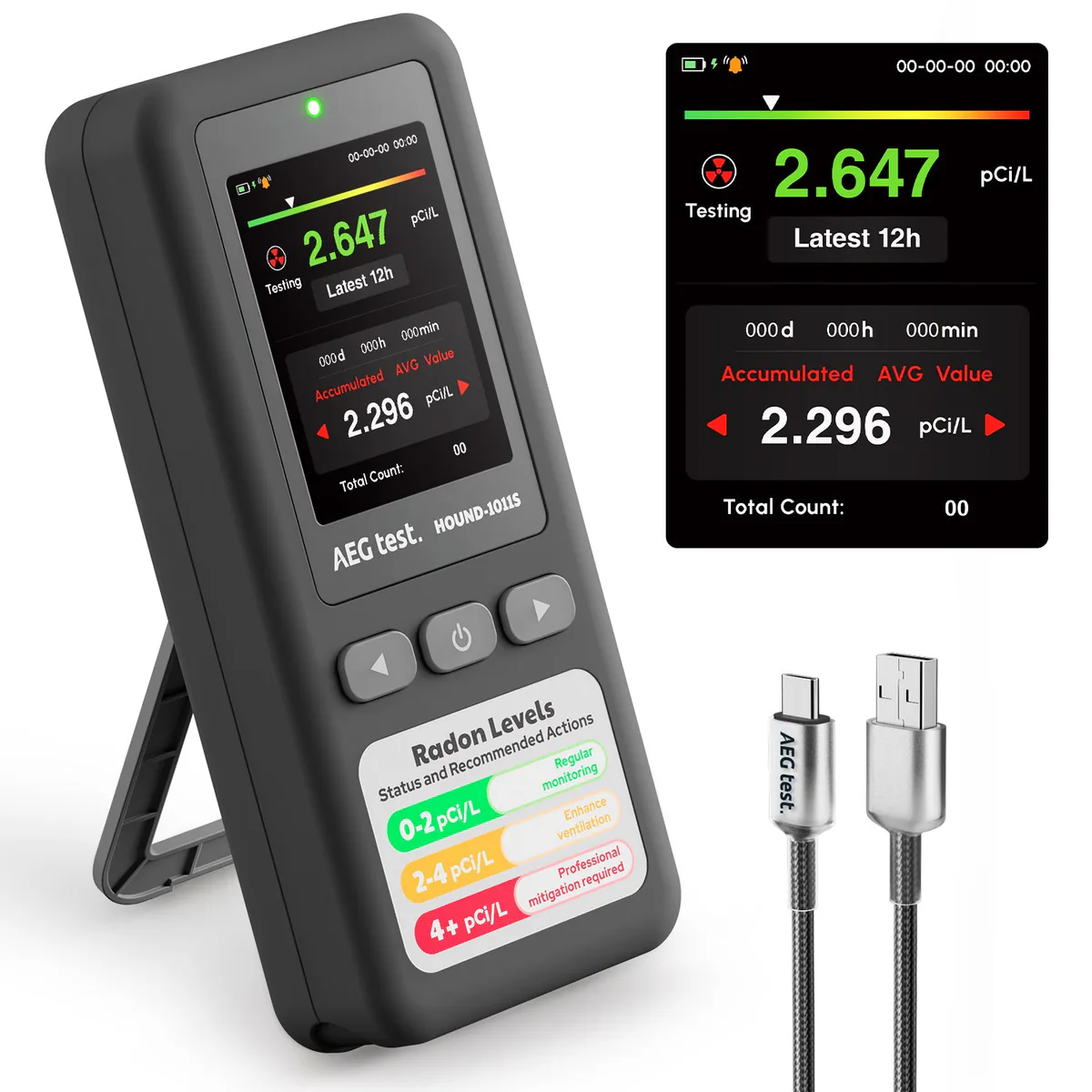
| AEGTEST HOUND-1011S | Built-in battery, Type-C cable | Audible and visual alarms, named only in the browser title of AEGTEST's product page; its product text does not describe them | Not stated |
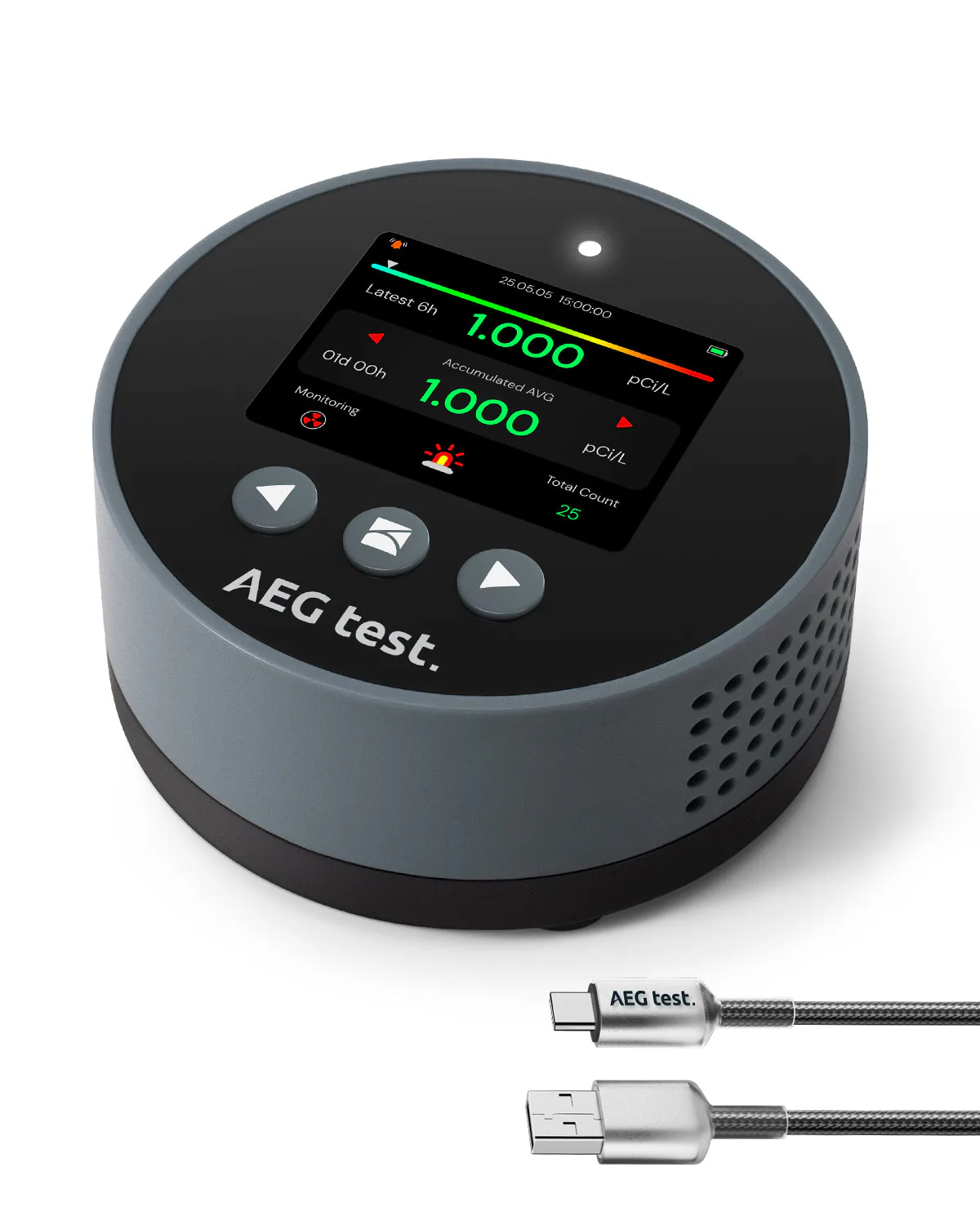
| AEGTEST HOUND-1085 | Rechargeable, 3.5 hours to recharge (AEGTEST's earlier store listed a 2500mAh lithium battery) | Color-coded bars with customizable sound alerts for elevated concentrations | Not stated |
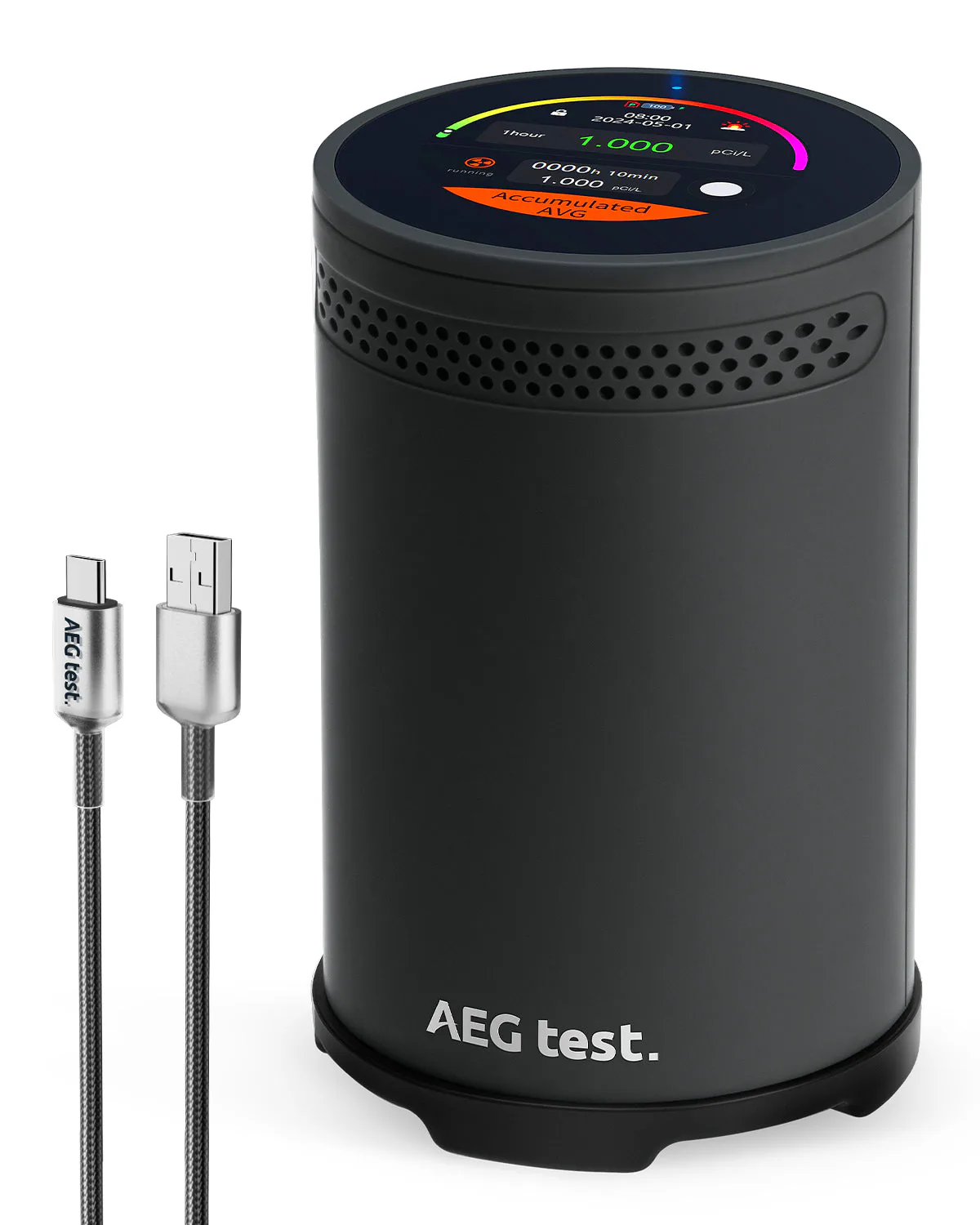
| AEGTEST HOUND-3699 | Charging data cable in the box (AEGTEST's earlier store listed a 5000 mAh lithium battery) | Visual and audible alarms | Yes, AEGTEST says the alert thresholds are customizable |
| AEGTEST HOUND-3786 | Rechargeable battery | Customizable audible alarms with flashing LED indicators and color-coded bars | Not stated |
| Airthereal RM-63Pro | Built-in rechargeable battery (2000mAh, USB-C) | Built-in audible alarm when radon exceeds the threshold you set; sounds for 20 seconds every 10 minutes | Yes, Airthereal says the threshold is yours to set |
| Airthereal RM-65 | Built-in rechargeable battery (USB-C) | Red light and buzzer together; sounds for 20 seconds every hour while over the limit; the sound can be switched off from the main menu | Yes, seven steps from 100 to 800 Bq/m³; 148 Bq/m³ (4 pCi/L) by default |
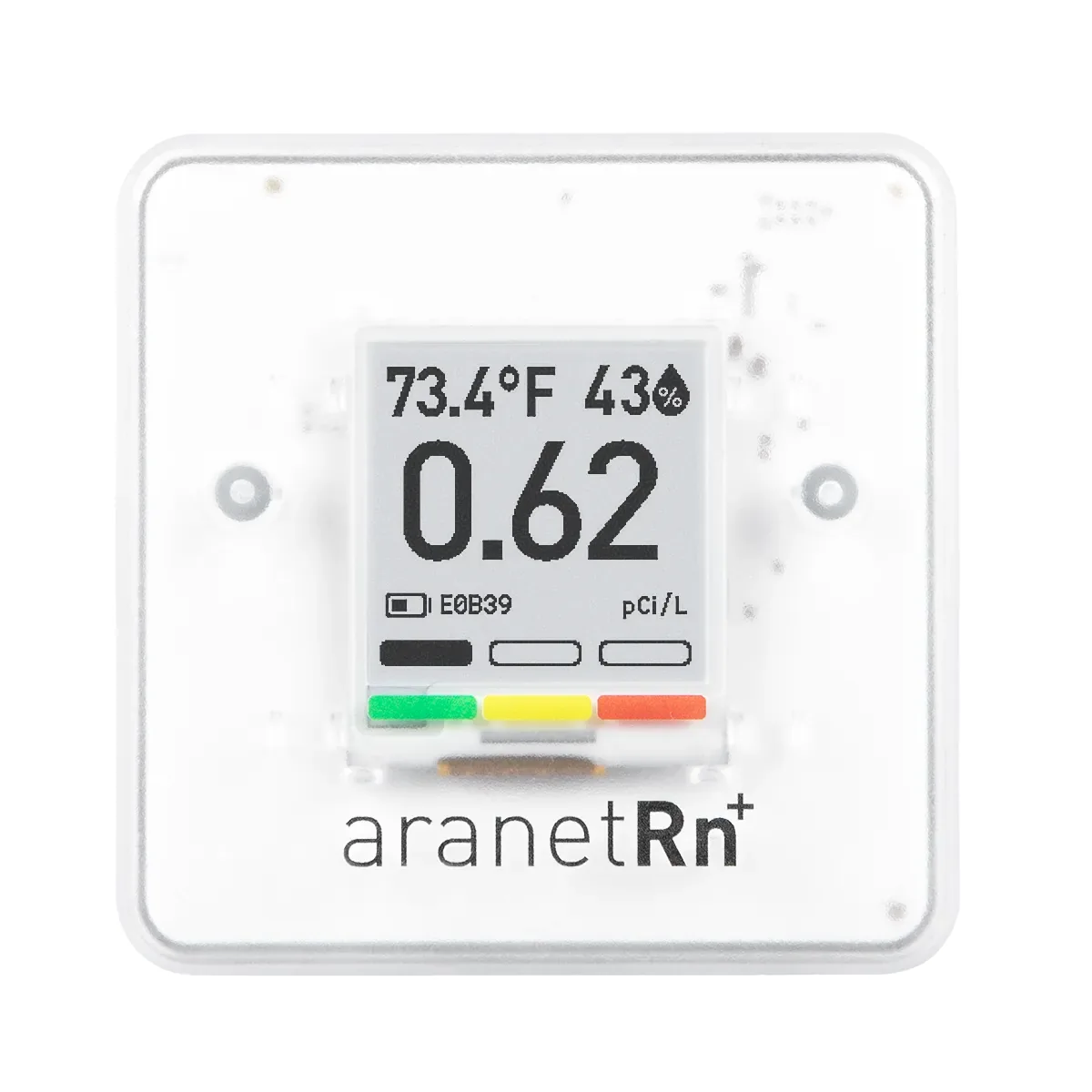
| Aranet Radon One | 2 AA batteries | A buzzer Aranet calls an audio alarm; off by default, switched on in the device's menu or the Aranet Home app | Thresholds adjustable in the Aranet Home app; the level that sounds the buzzer is not stated |
| Aranet Radon Plus | 2 AA batteries | A buzzer Aranet calls an audio alarm; switched on or off in the device's menu or the Aranet Home app | Thresholds adjustable in the Aranet Home app; the level that sounds the buzzer is not stated |
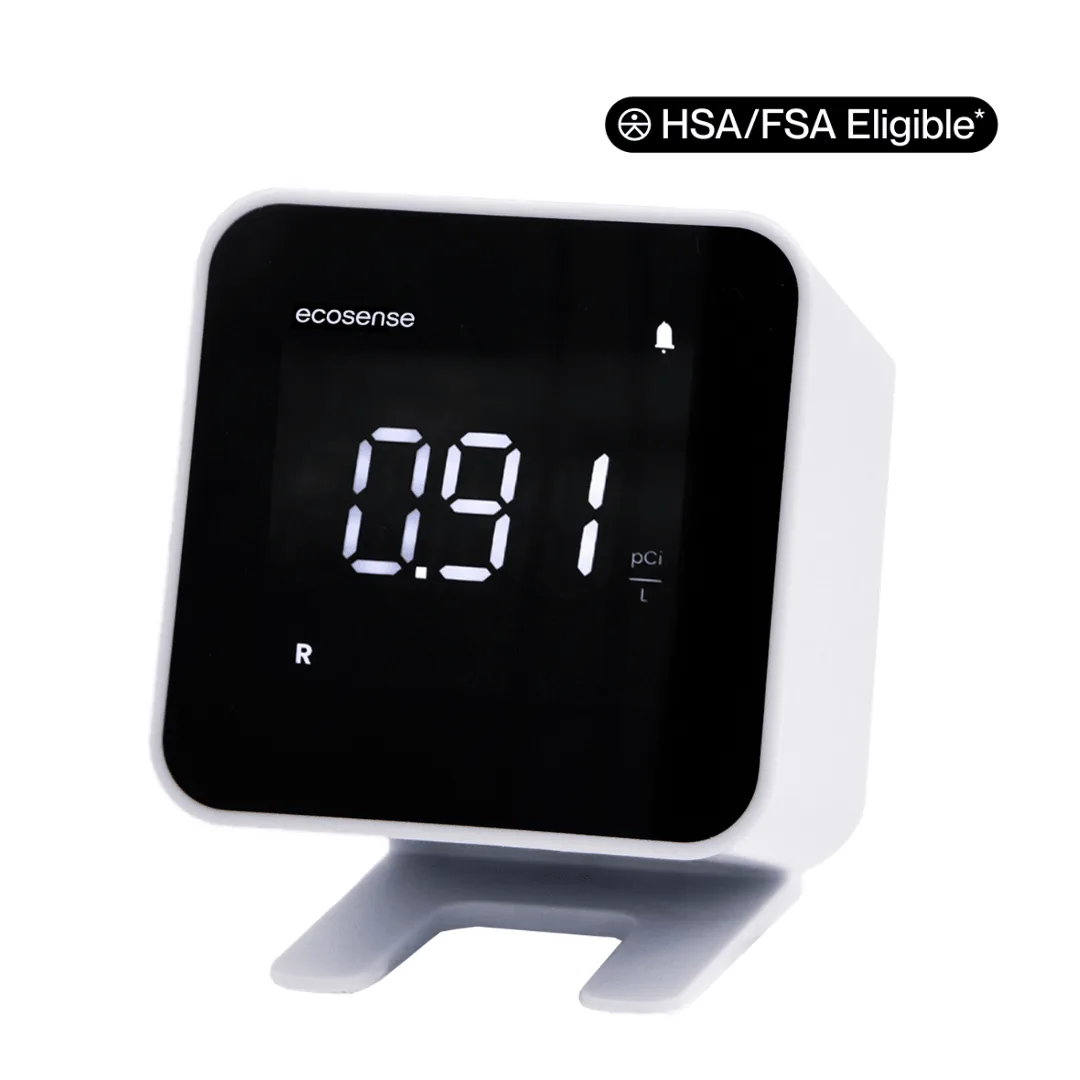
| Ecosense EcoBlu | Plug-in | Integrated audio alarm with a visual LED | Yes, configurable to a radon level you set |
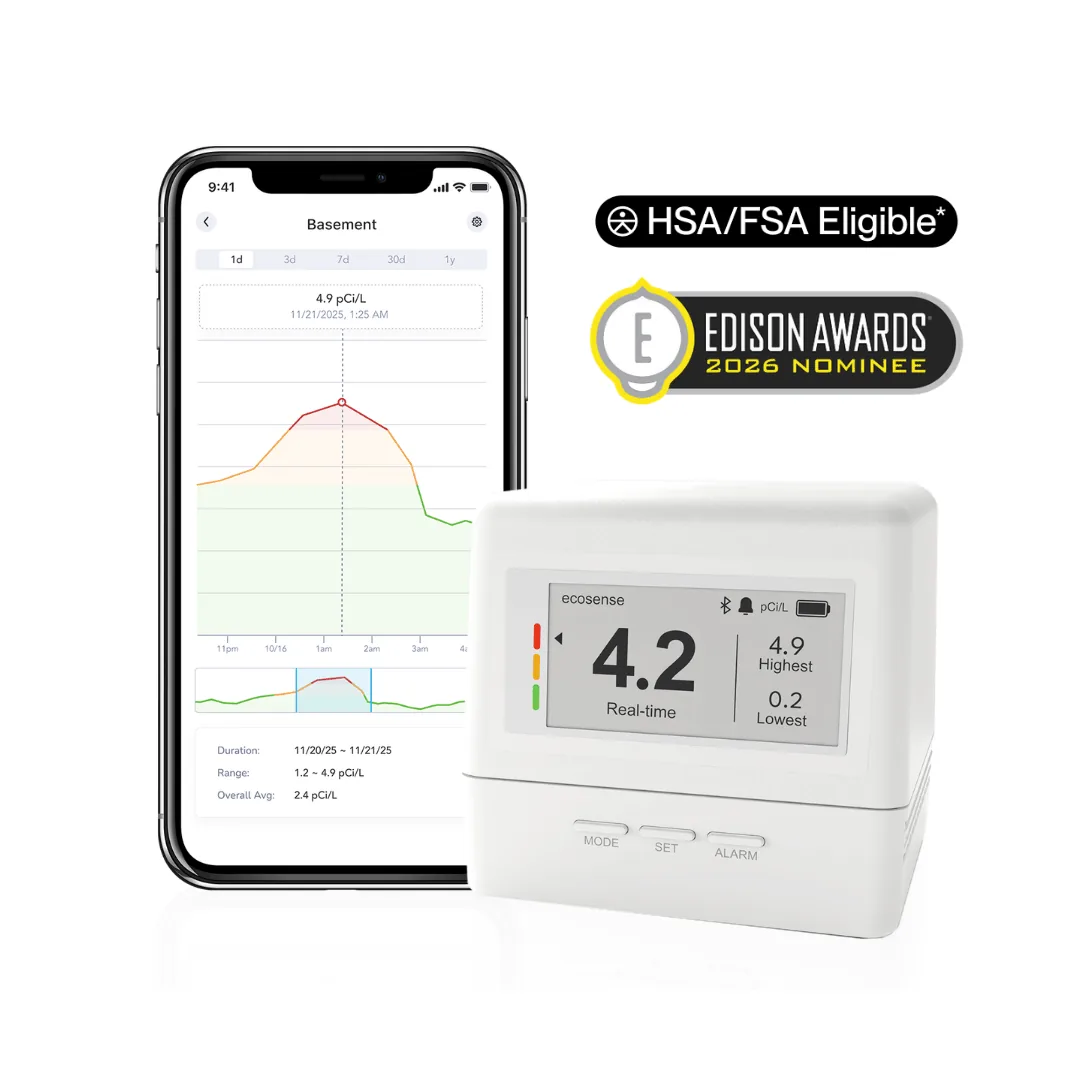
| Ecosense EcoQube Flex | 2 AA batteries | Audio alarm that beeps when the level exceeds the threshold you set; 4.0 pCi/L by default in the U.S. | Yes, 1.0 to 27 pCi/L, by holding the ALARM button for 3 seconds |
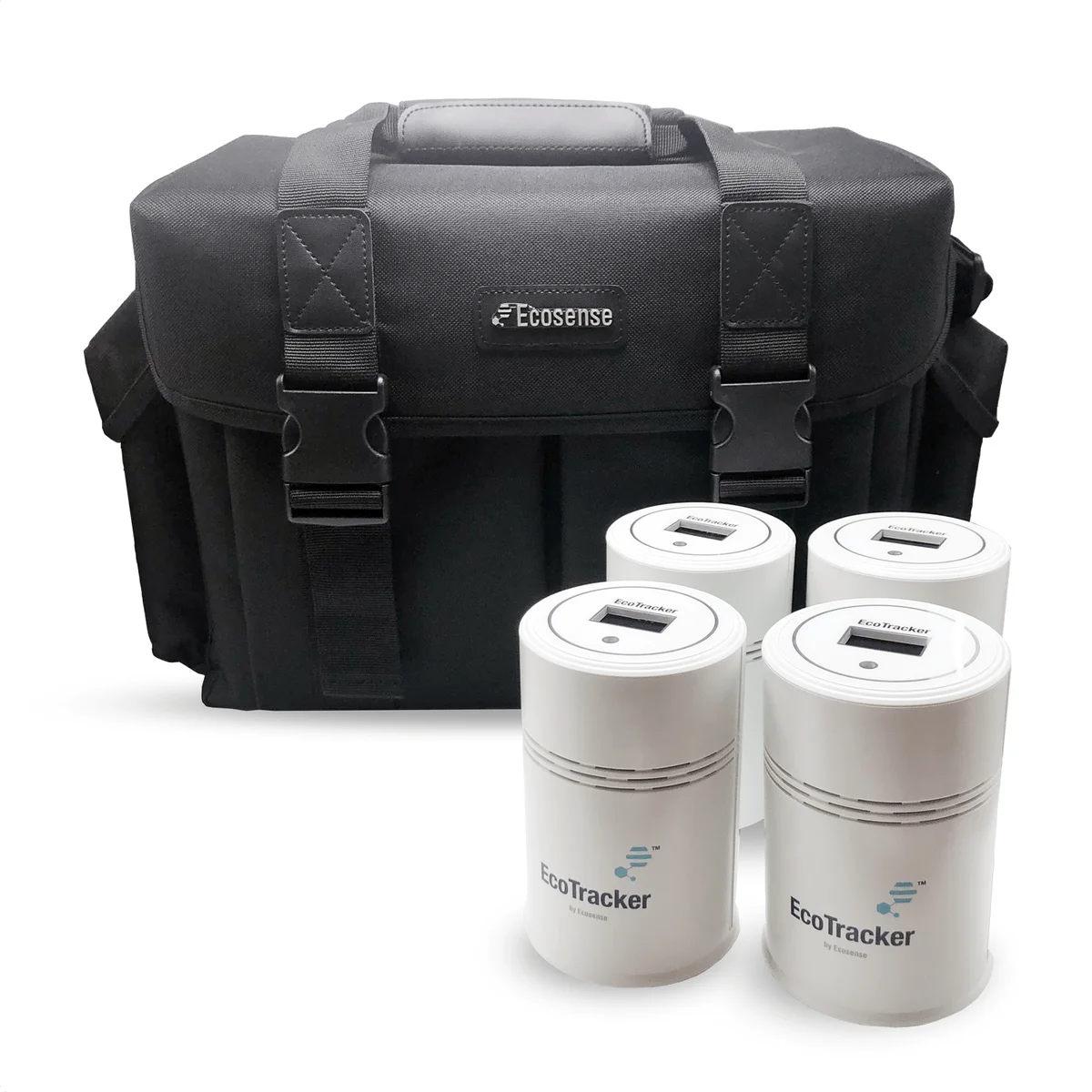
| Ecosense EcoTracker | Plug-in (a set of four monitors, each with its own power adapter) | An audio alarm on each monitor, turned on or off in the EcoTracker by Ecosense app | Yes, a threshold and interval set in the app |
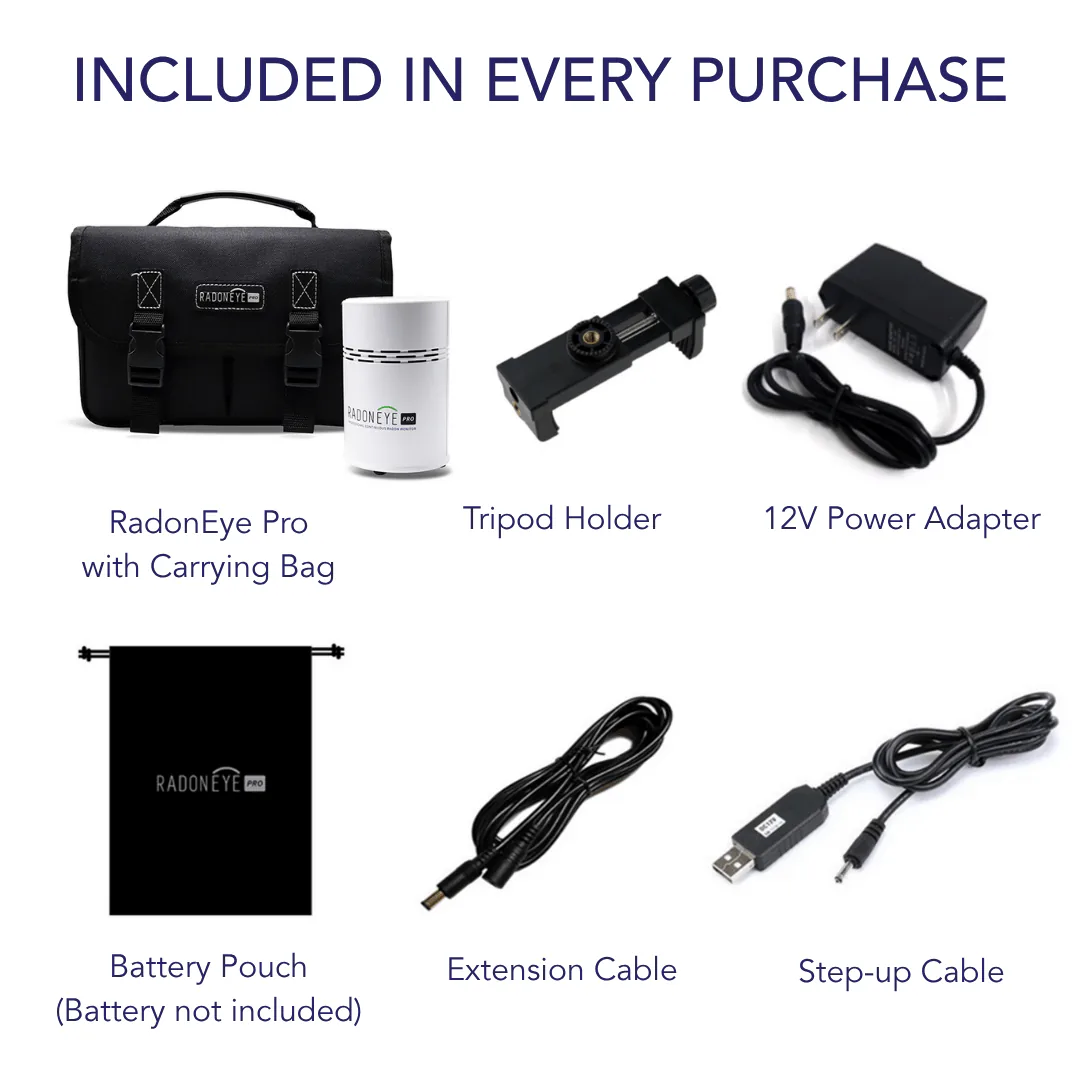
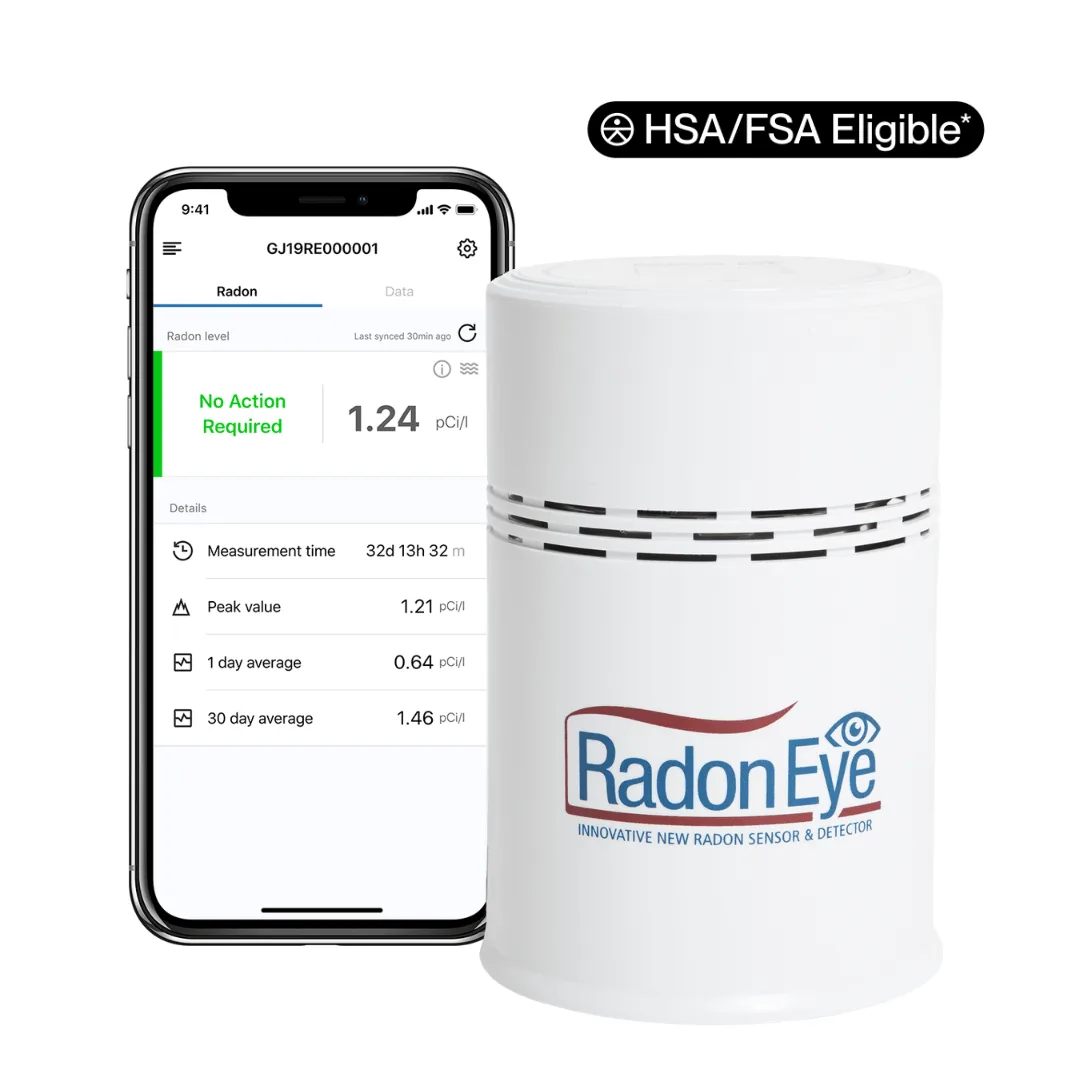
| Ecosense RadonEye Pro | 12-volt adapter or a battery pack; no battery back-up | Beeps and an alarm threshold set in the Ecosense app | Yes, an alarm threshold set in the app |
| Ecosense RadonEye RD200 | Plug-in | Integrated audio alarm | Not stated on its product page |
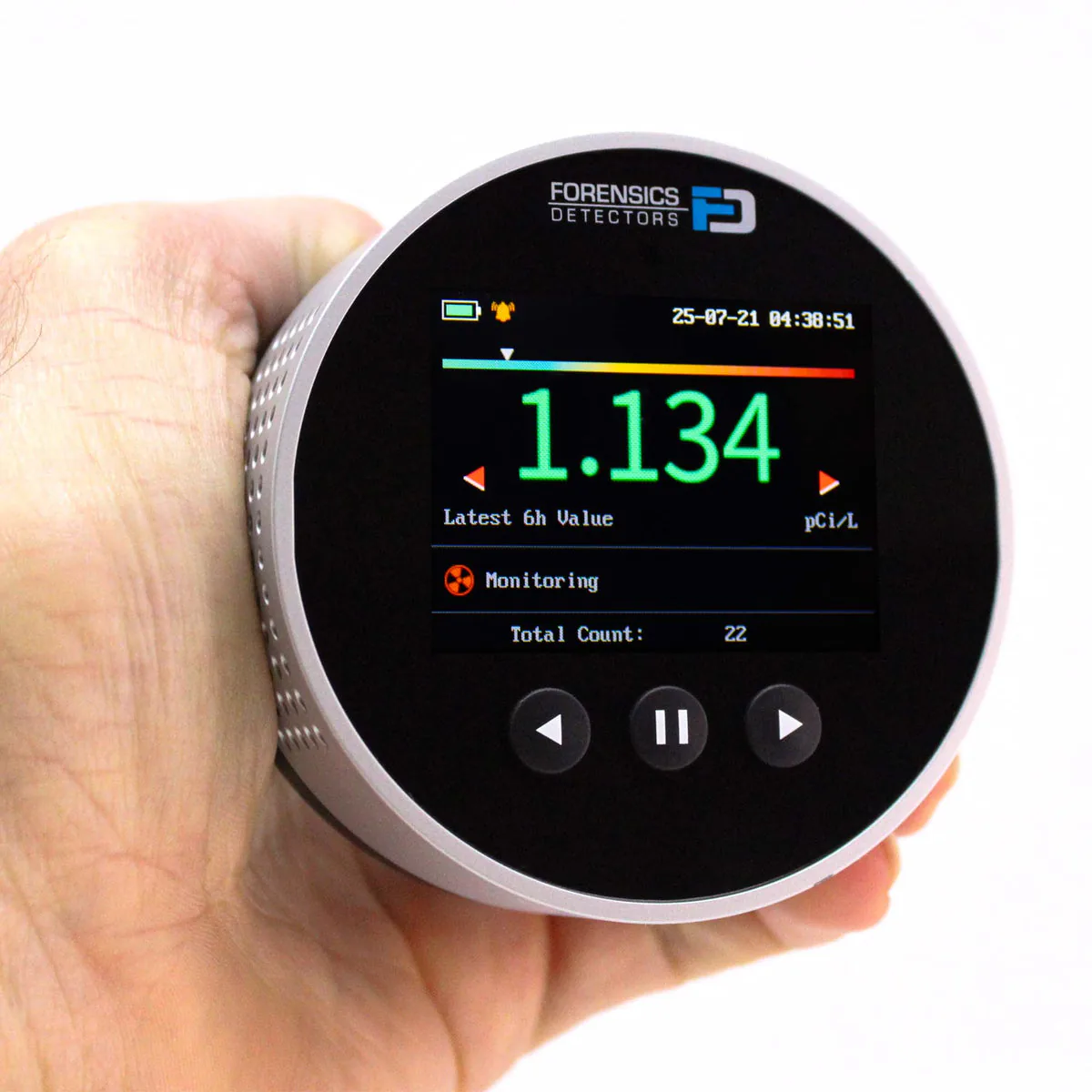
| Forensics Detectors FD-65-RADON | Built-in rechargeable battery, charged over USB-C | 75 dB ticking for 20 seconds every hour once the reading exceeds the limit; the value flashes with an alarm icon | Yes, low and high alarm points in the settings menu |
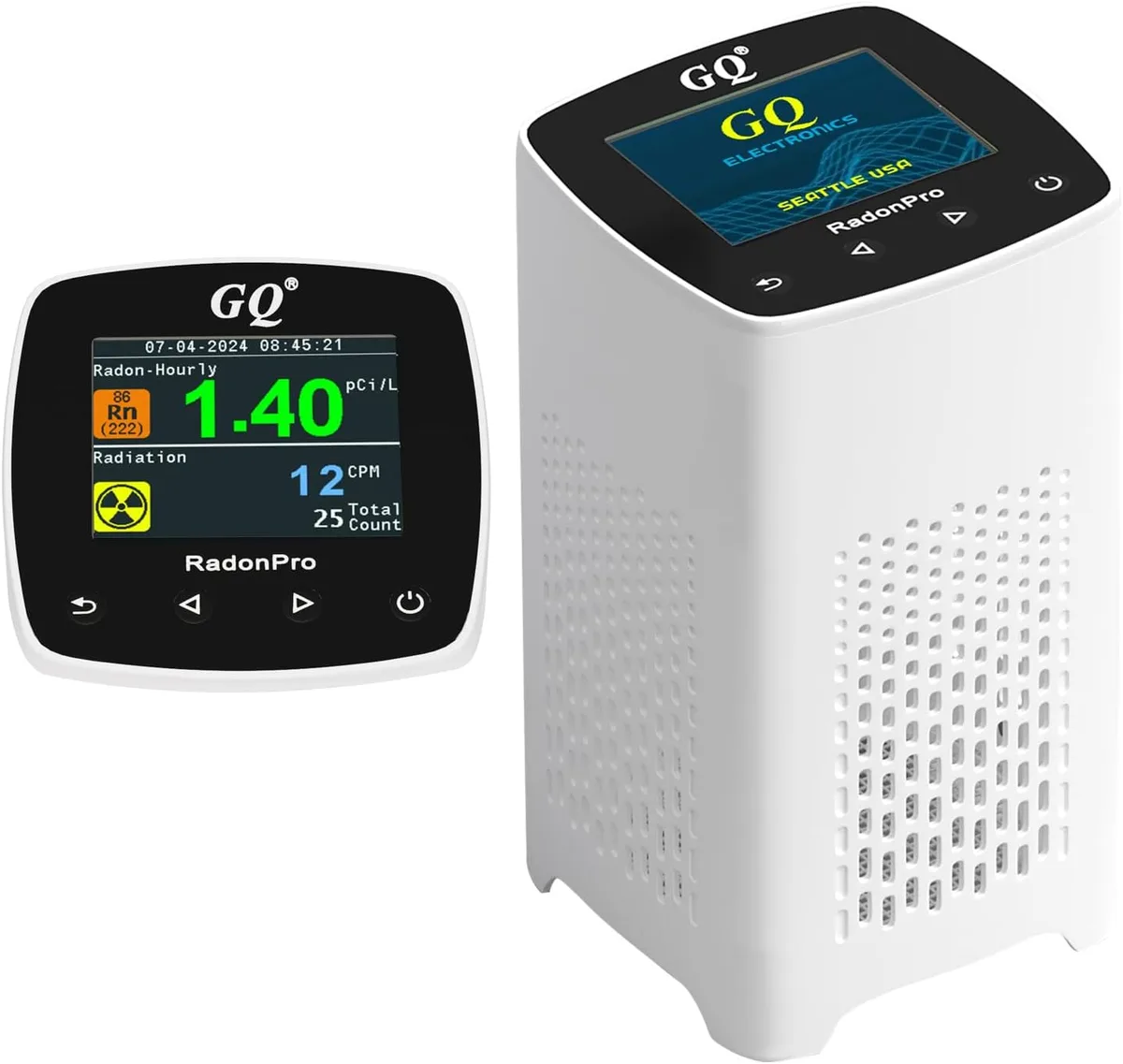
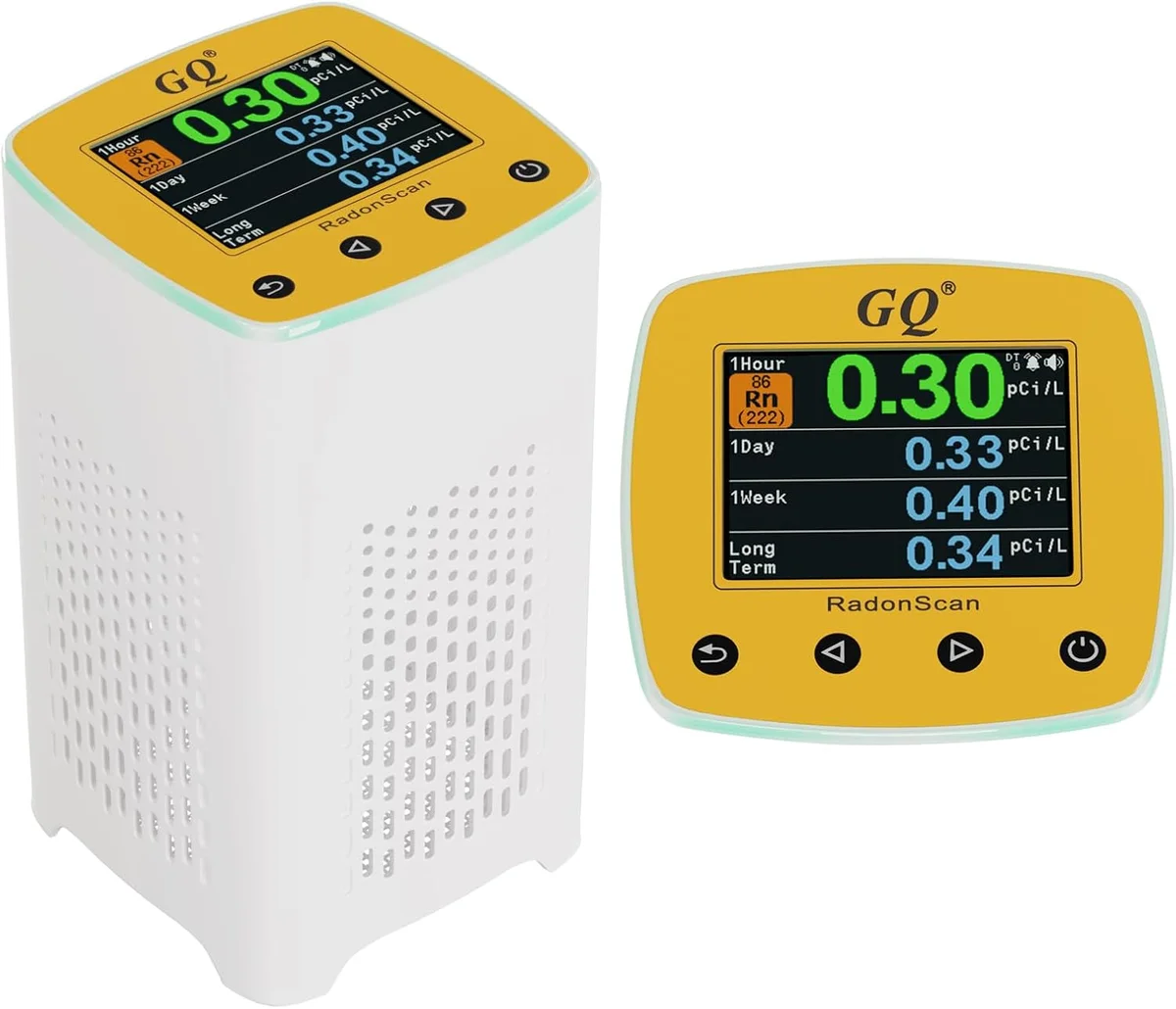
| GQ Electronics RadonPro | USB power (Type-C, adapter in the box), no battery | Buzzer plus front and rear LEDs (green normal, yellow medium, red high); Alarm Mode sets radon, radiation or both; any key silences the beep until the reading drops below the threshold or the unit is powered off | Yes, radon 0 to 99 pCi/L (radiation alarm separately by CPM, µSv/h or mR/h) |
| GQ Electronics RadonScan | USB power (Type-C, adapter in the box) | Buzzer plus front and rear LEDs; any key silences the beep until the reading drops below the threshold or the unit is powered off | Yes, 0 to 99 pCi/L |
| GQ Electronics RadonScan-Plus | USB power (Type-C), no battery | Buzzer with an adjustable beep volume, plus front and rear LEDs (green normal, yellow medium, red high); pressing any key silences the beep until the reading drops below the threshold | Yes, 0 to 99 pCi/L, and you choose which reading triggers it |
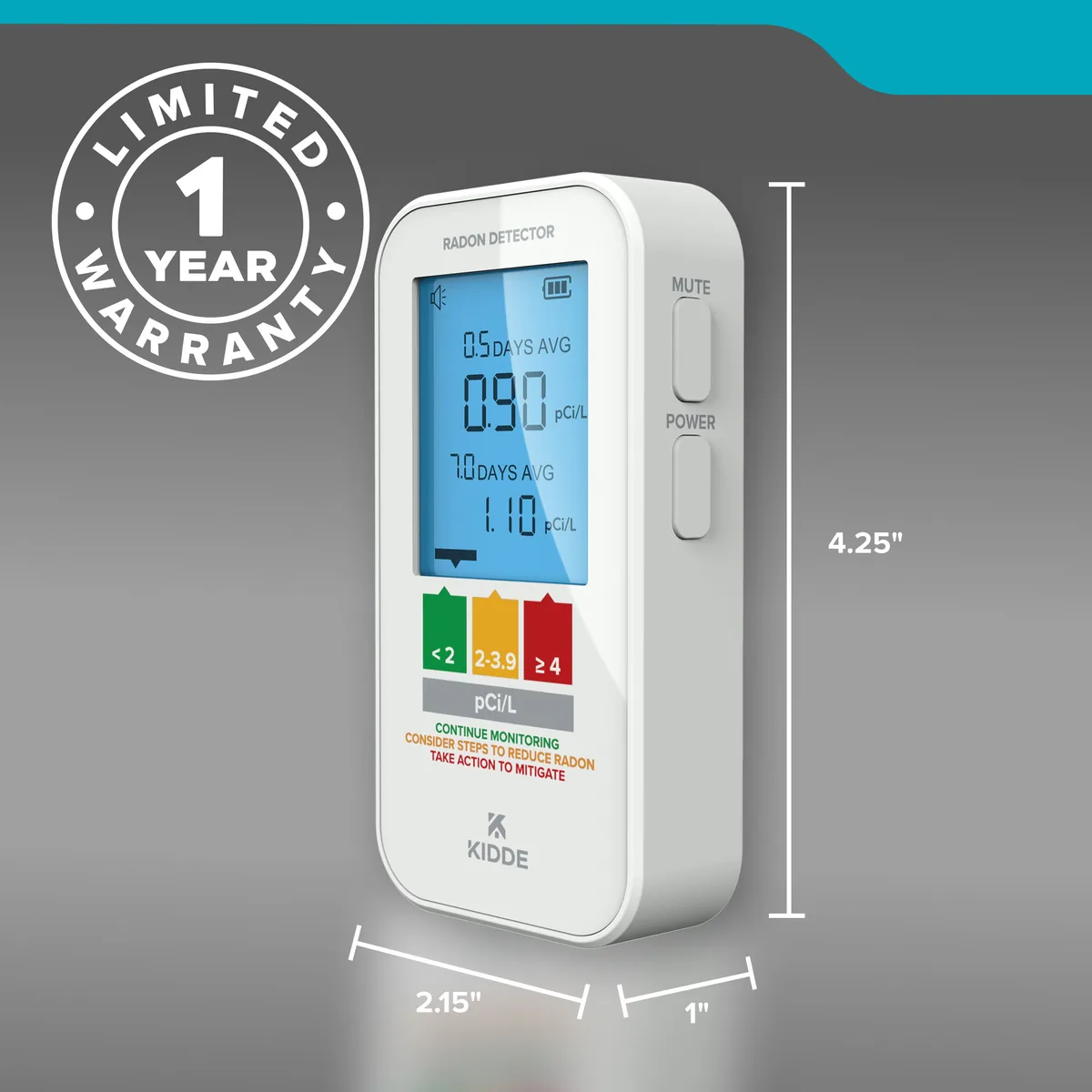
| Kidde Radon Detector (RAB) | 3 AAA batteries | Sounds for 20 seconds every hour once the past day's average exceeds the threshold; enabled by default | Not stated |
| PYZYCKYH RD17 | Plugs into a wall outlet, or runs from its built-in 1000 mAh rechargeable battery | An 85 dB+ audible alert with visual warnings and status lights for detection, fault and alarm conditions | Not stated |
| SafetySiren Pro4 | Plug-in (standard 120-volt outlet, supplied power cord) | 85 dB at 10 cm; 4 short chirps, repeated every hour until the level drops below the action level or you mute it (OFF30 or OFF90) | No, preset by the manufacturer for the model you buy; the US EPA's 4.0 pCi/L is one of the listed levels |
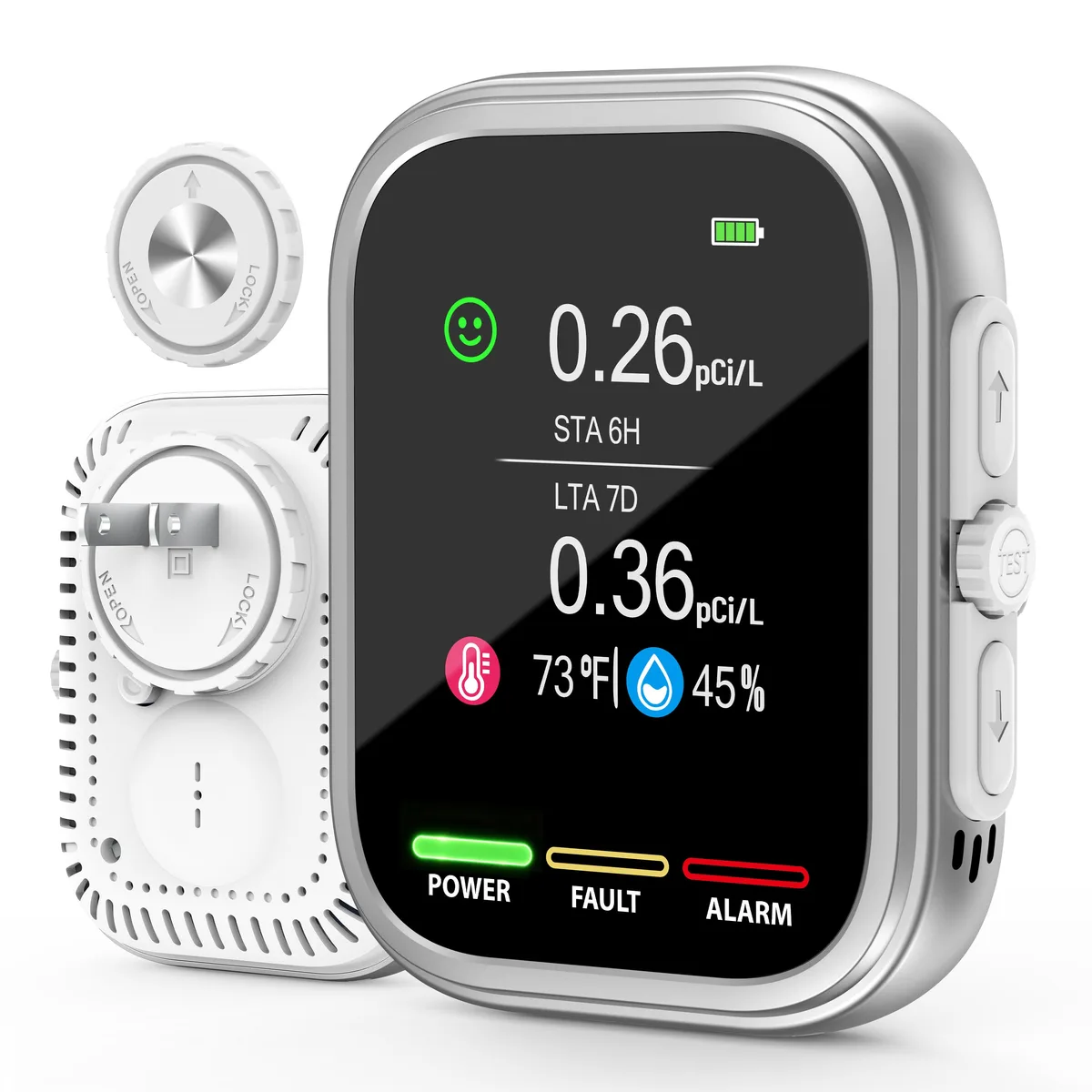
| X-Sense XR0B-SR | 3 AA batteries | Built-in alarm triggers and the light flashes red every 10 seconds when radon exceeds the threshold; a button press silences it | Not stated |
Two practical differences stand out. The Airthereal and GQ models, the FD-65-RADON, the AEGTEST HOUND-3699 and the Ecosense EcoBlu, EcoQube Flex, EcoTracker and RadonEye Pro let you choose the level, which matters if you want a warning below 4 pCi/L, inside the EPA's consider-fixing range. And the battery models can sit in any room without an outlet: the Aranet Radon One and Radon Plus, the EcoQube Flex, Kidde RAB and XR0B-SR on disposable cells, and the Airthereal RM-63Pro and RM-65, the FD-65-RADON and the AEGTEST HOUND-1011, HOUND-1011S, HOUND-1085, HOUND-3699 and HOUND-3786 on rechargeable ones. For the HOUND-3699, AEGTEST's current store lists a charging data cable and the battery is in its earlier store's listing. The PYZYCKYH RD17 plugs into a wall outlet or runs from its built-in rechargeable battery. The EcoBlu, EcoTracker, RD200 and SafetySiren Pro4 plug in, the RadonEye Pro runs from a 12-volt adapter or a battery pack, and the three GQ models run on USB power without batteries. The Pro4's alarm level is preset by the manufacturer for the model you buy, and PYZYCKYH does not say what level sets off the RD17's alert. X-Sense also lets you switch the XR0B-SR's audio and visual indicators off in its settings, and its alarm clears on its own once the level drops. Aranet's buzzer is switched on or off on the device or in its app, and the Radon One's buzzer ships switched off; Aranet says its threshold bars can be changed in the app but does not say which level sounds the buzzer.
These detectors take time to settle. Kidde says the RAB's first reading takes 12 hours, X-Sense gives 4 to 24 hours for the XR0B-SR's first reading, Airthereal gives 6 hours for the RM-65's first data and Forensics Detectors 6 hours for the FD-65-RADON's first measurement, PYZYCKYH gives about 6 hours for the RD17's first radon reading and Family Safety Products 48 hours for the SafetySiren Pro4's. AEGTEST gives 6 hours for the first results of the HOUND-1011 and HOUND-1085, up to 12 hours for the HOUND-1011S, 1-hour detection for the HOUND-3699, and a first reading in 10 minutes with stable data within 1 hour for the HOUND-3786. GQ says its monitors show the background radon level within about 5 minutes of being switched on, the Ecosense monitors show a first reading within an hour or less, and Aranet says its two show a first measurement after 10 minutes and reach full accuracy after 1 hour, so an alarm in the first day says little.
MonitorAEGTEST
Method: Semiconductor sensor
First reading: Within 6 hours
MonitorAEGTEST
Method: Semiconductor sensor
First reading: Within 12 hours
MonitorAEGTEST
Method: Semiconductor sensor
First reading: Within 6 hours
MonitorAEGTEST
First reading: Within 1 hour
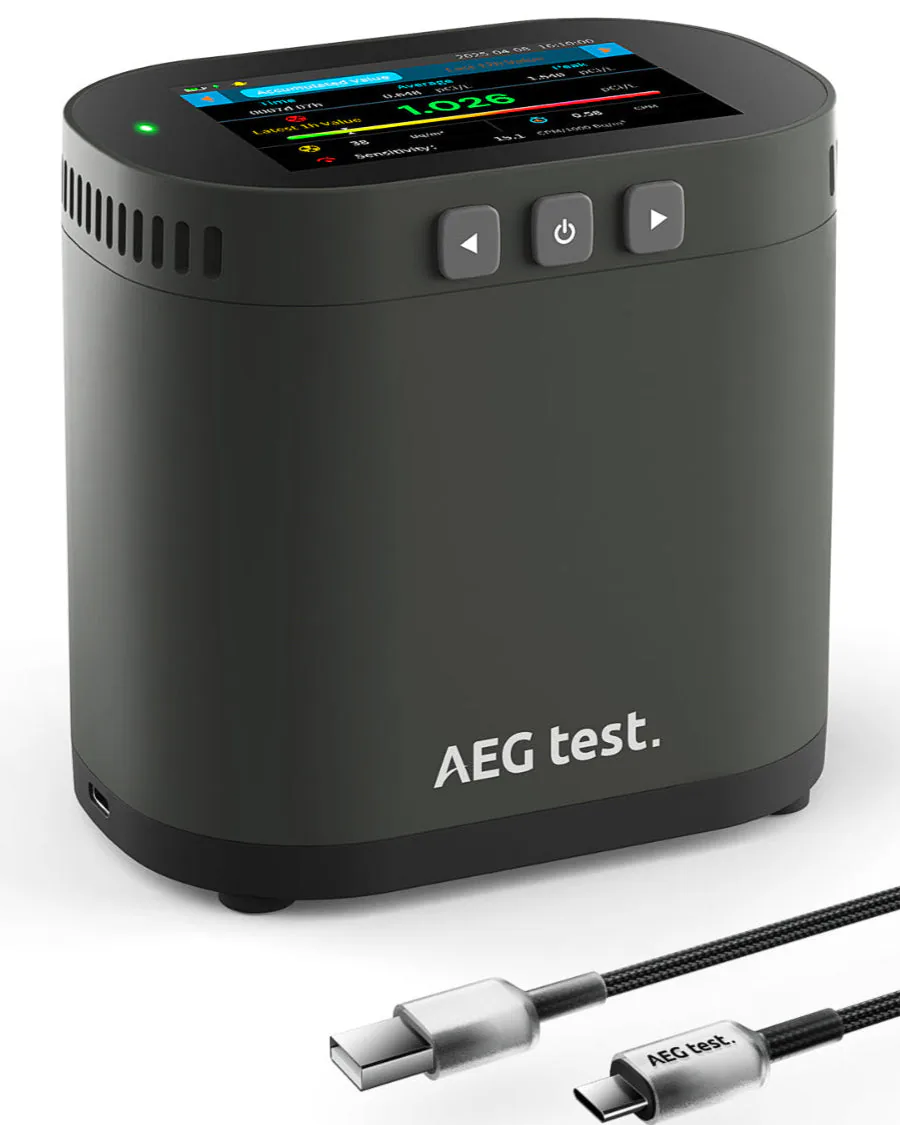
MonitorAEGTEST
Method: Ion chamber
First reading: Within 10 minutes
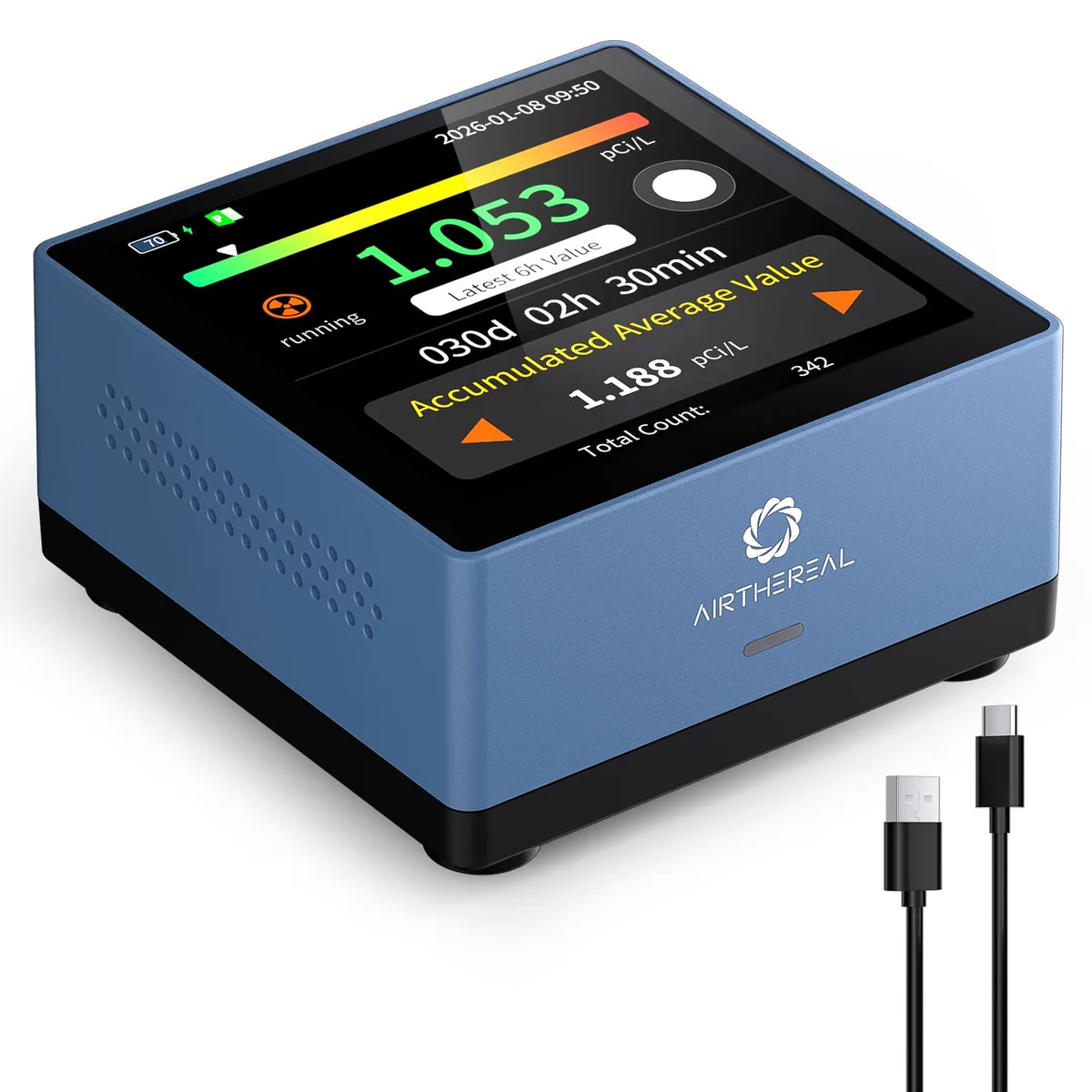
Monitor
Method: Semiconductor sensor
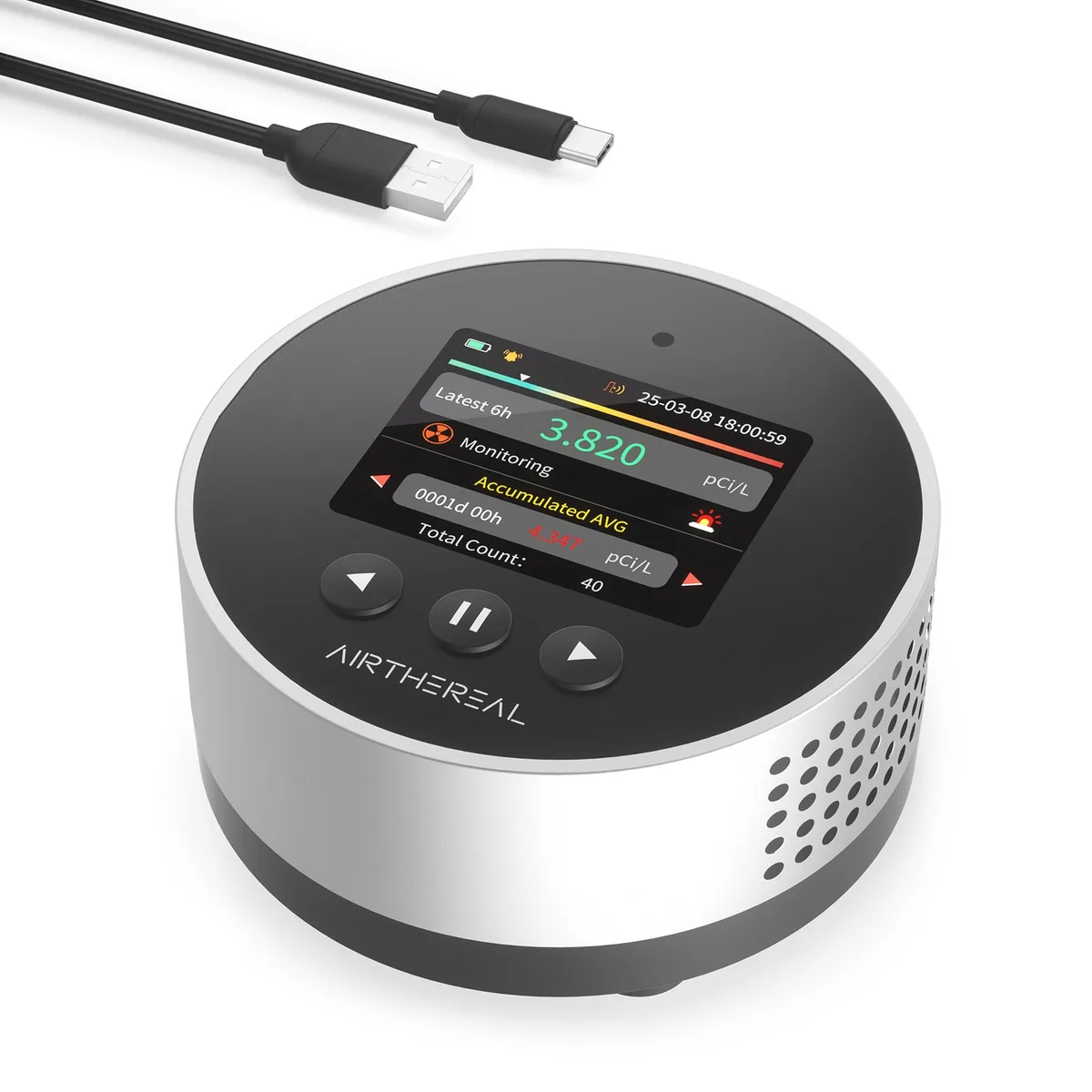
Monitor
Method: Semiconductor sensor
First reading: Within 6 hours
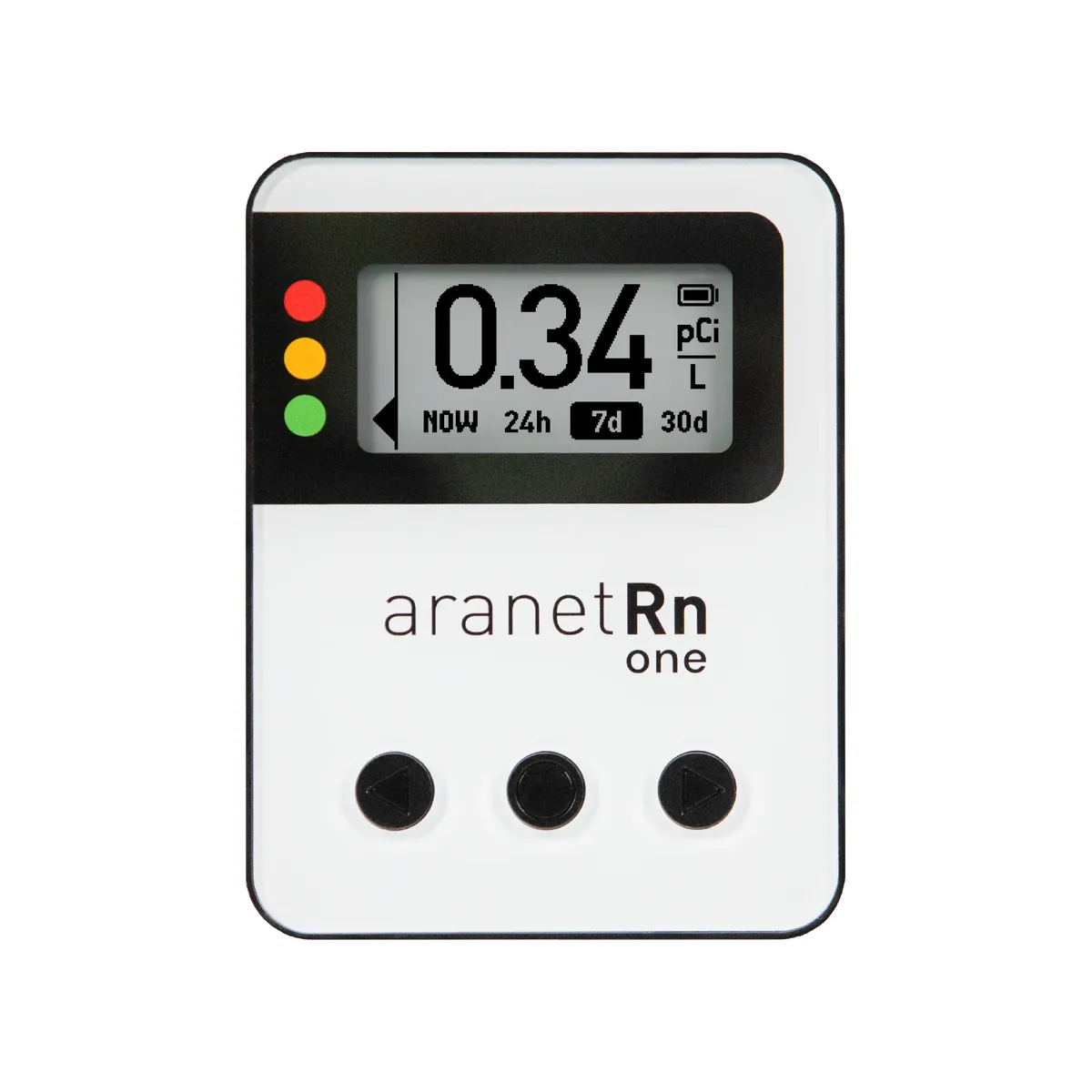
MonitorAranet
Method: Ion chamber
First reading: Within 10 minutes
MonitorAranet
Method: Ion chamber
First reading: Within 10 minutes
Monitor
Method: Ion chamber
First reading: Within 10 minutes
Monitor
Method: Ion chamber
First reading: Within 15 minutes
Pro monitor
First reading: Within 5 minutes
Pro monitor
Method: Ion chamber
First reading: Within 1 hour
Monitor
Method: Ion chamber
First reading: Within 10 minutes
MonitorForensics Detectors
Method: Semiconductor sensor
First reading: Within 6 hours
Monitor
First reading: Within 5 minutes
Monitor
First reading: Within 5 minutes
Monitor
First reading: Within 5 minutes
MonitorKidde
Method: Semiconductor sensor
First reading: Within 12 hours
MonitorPYZYCKYH
Method: Semiconductor sensor
First reading: Within 6 hours
MonitorSafetySiren
First reading: Within 48 hours
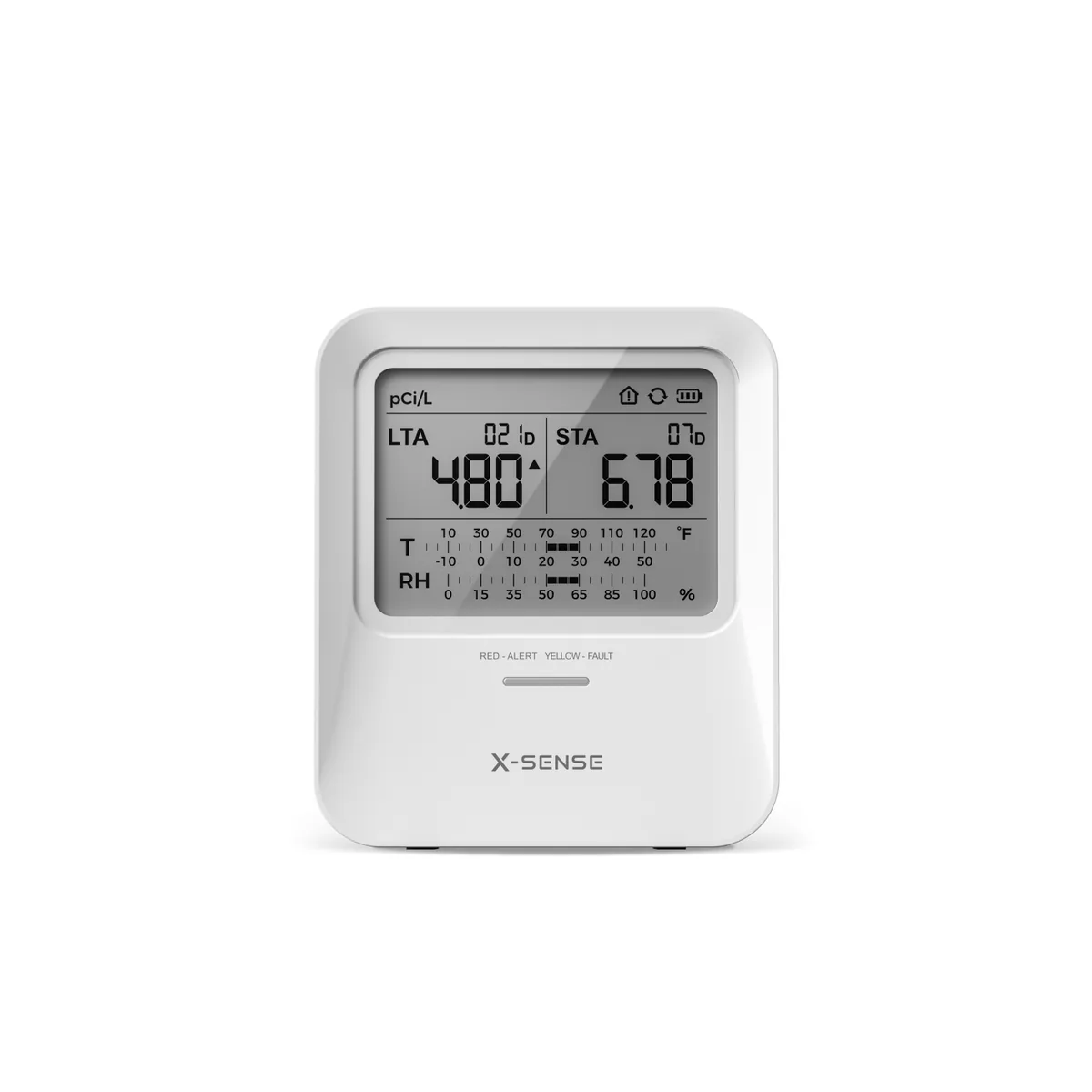
MonitorX-Sense
Method: Alpha spectrometry
First reading: Within 24 hours
The monitors in this section: 1 of 22
As an Amazon Associate, Radon411 earns from qualifying purchases.
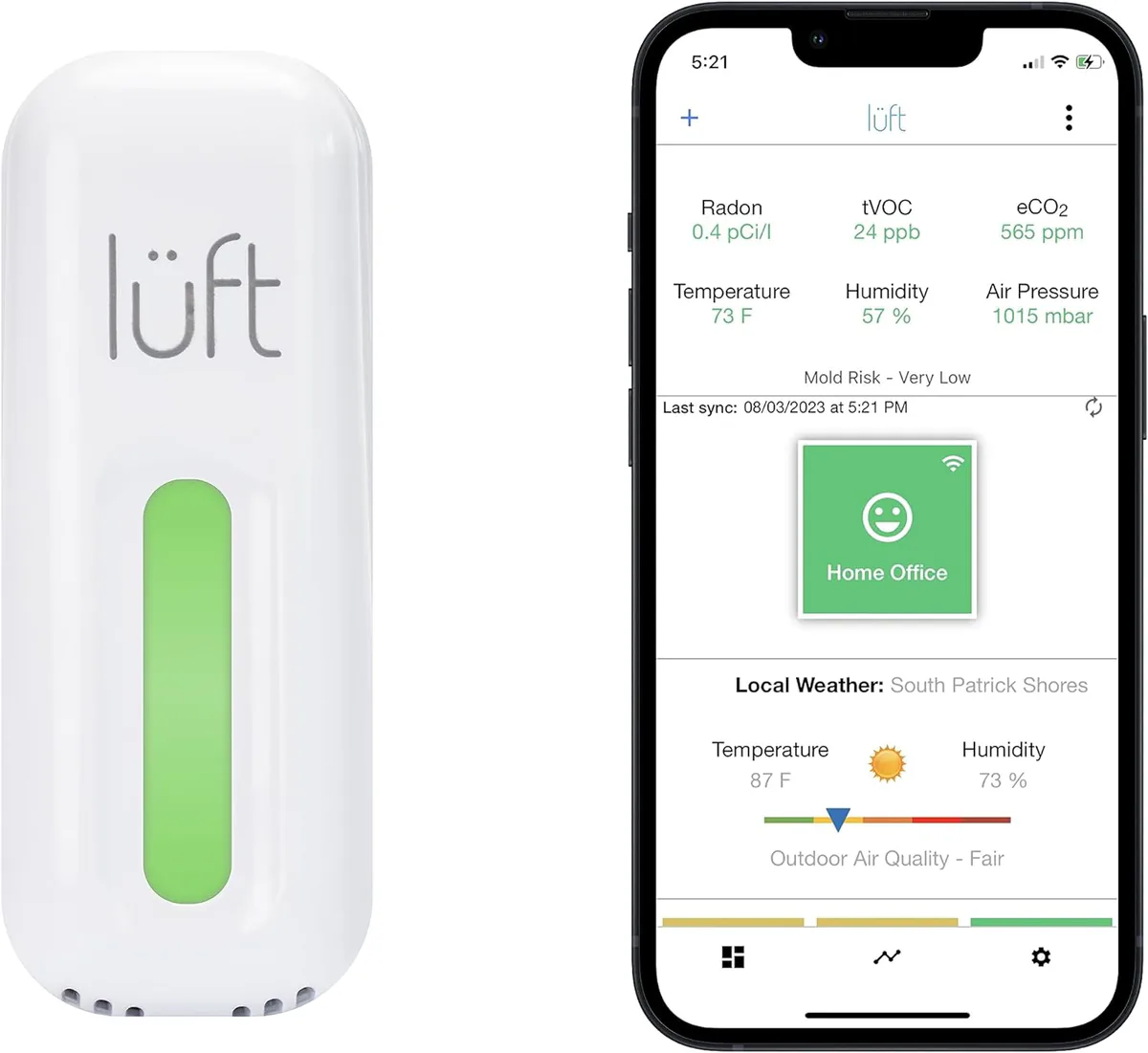
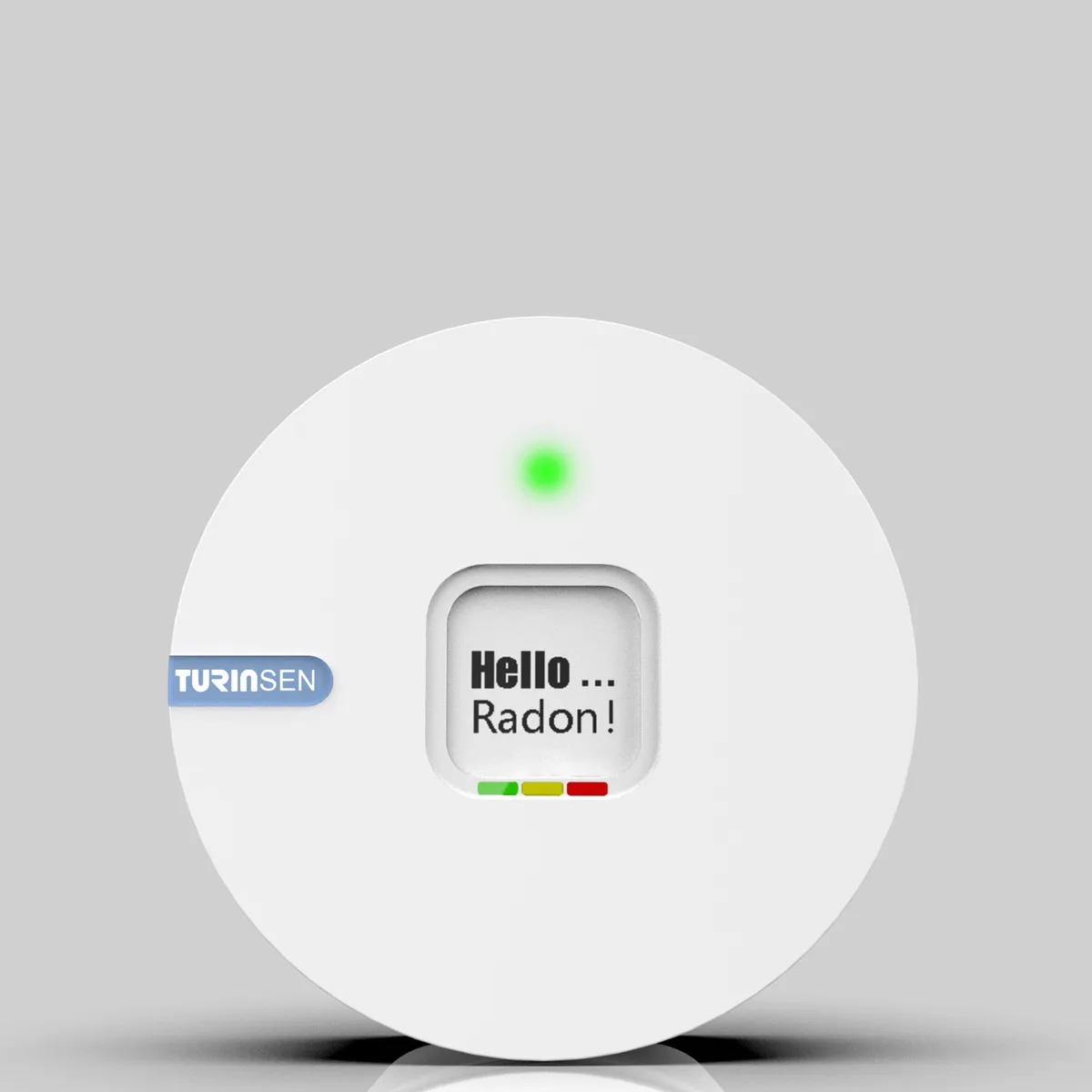
Several monitors have no buzzer but still warn you. Airthings' Wave Radon glows green, yellow or red, and Airthings sets red at 4 pCi/L and above; its View Radon uses the same colors on its display, and Airthings says red means it may be time to seek advice from a radon mitigation professional. X-Sense's XR0A-iR connects over Wi-Fi to the X-SENSE Home Security app, which gives remote access to its readings and app notifications when you are away from it. SunRADON's lüft turns its front light yellow or red when any of its six sensors reaches a warning or alert threshold, which can be changed in its app, and sends alerts when levels rise past your limits. INKBIRD's INK-RD3 has no buzzer or app; INKBIRD describes an LED light and three-colour bars on the device, yellow from 2.7 pCi/L and red at 4 pCi/L and above. TurinSen's Hello Radon C lists no sound alarm or app either: a color-coded LED that flashes once per minute and a color-coded bar on its e-ink screen, with no levels given for the colors.
| Monitor | How it warns |
|---|---|
| Airthings View Radon | Red, yellow or green glow indicator; red at 4 pCi/L and above |
| Airthings Wave Radon | Green, yellow or red glow; red at 4 pCi/L and above; numbers in the app |
| INKBIRD INK-RD3 | LED light and three-colour bars on the device: yellow from 2.7 pCi/L, red at 4 pCi/L and above; no app |
| TurinSen Hello Radon C | Color-coded LED that flashes once per minute and a color-coded bar on its e-ink screen; no levels given for the colors; no app |
| SunRADON lüft | Yellow or red front light when any of its six sensors reaches a warning or alert threshold set in the app; app alerts over Wi-Fi |
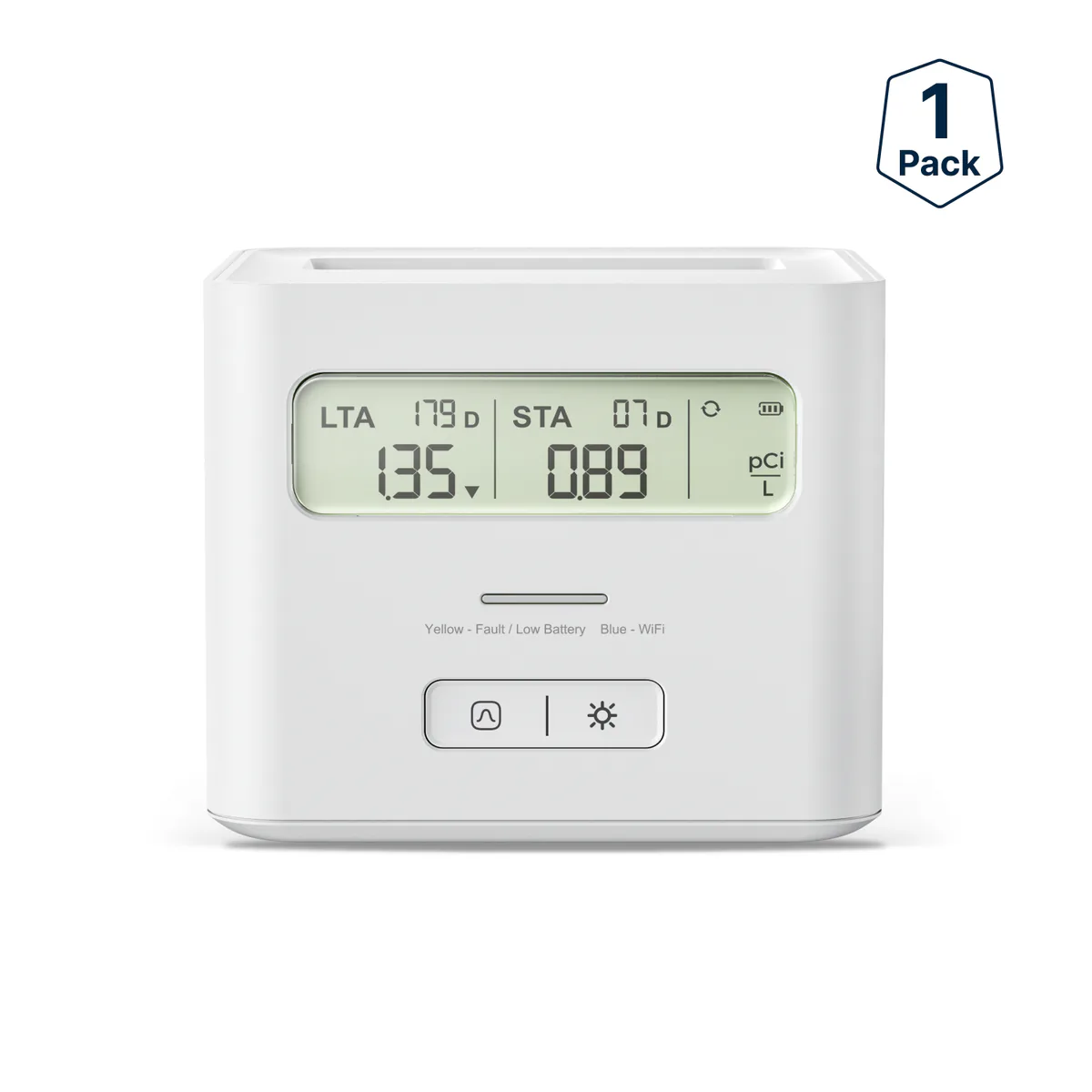
| X-Sense XR0A-iR | App notifications over Wi-Fi in the X-SENSE Home Security app; readings on its own screen |
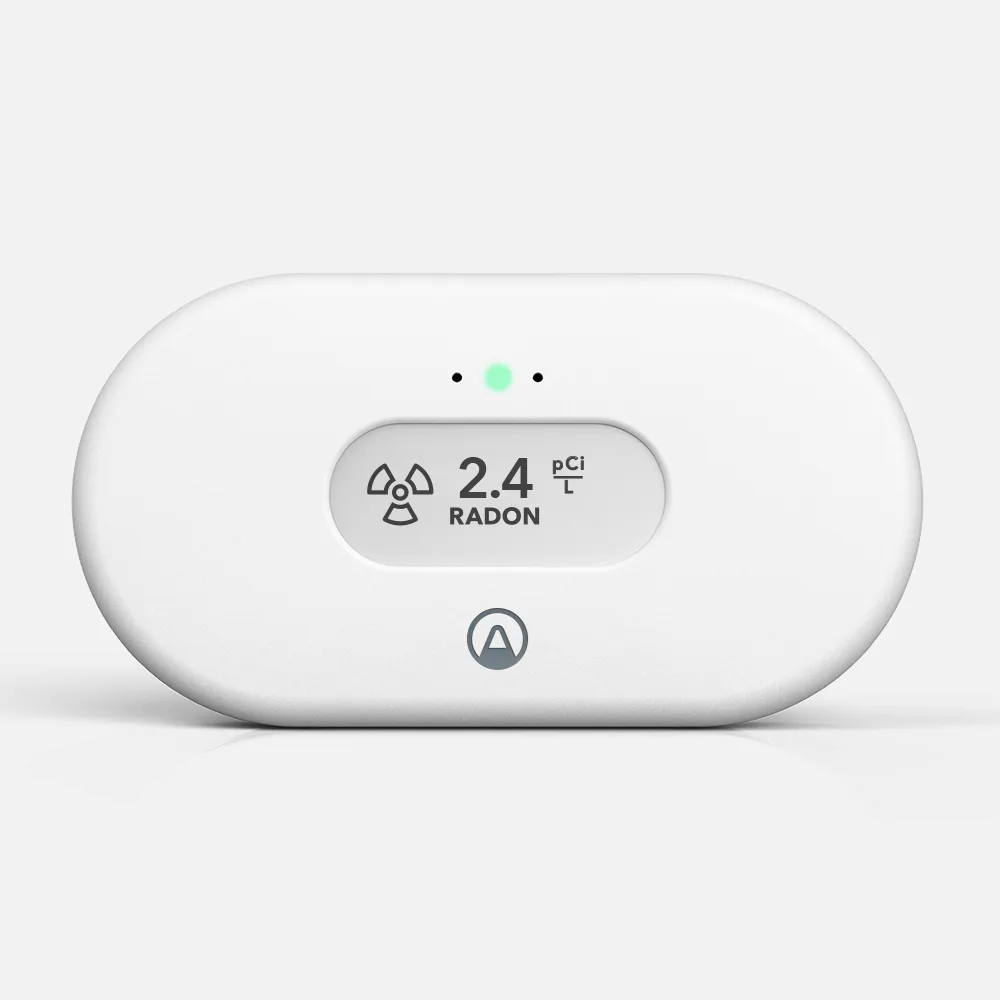
Monitor
Method: Alpha spectrometry
Readings: Every 60 minutes
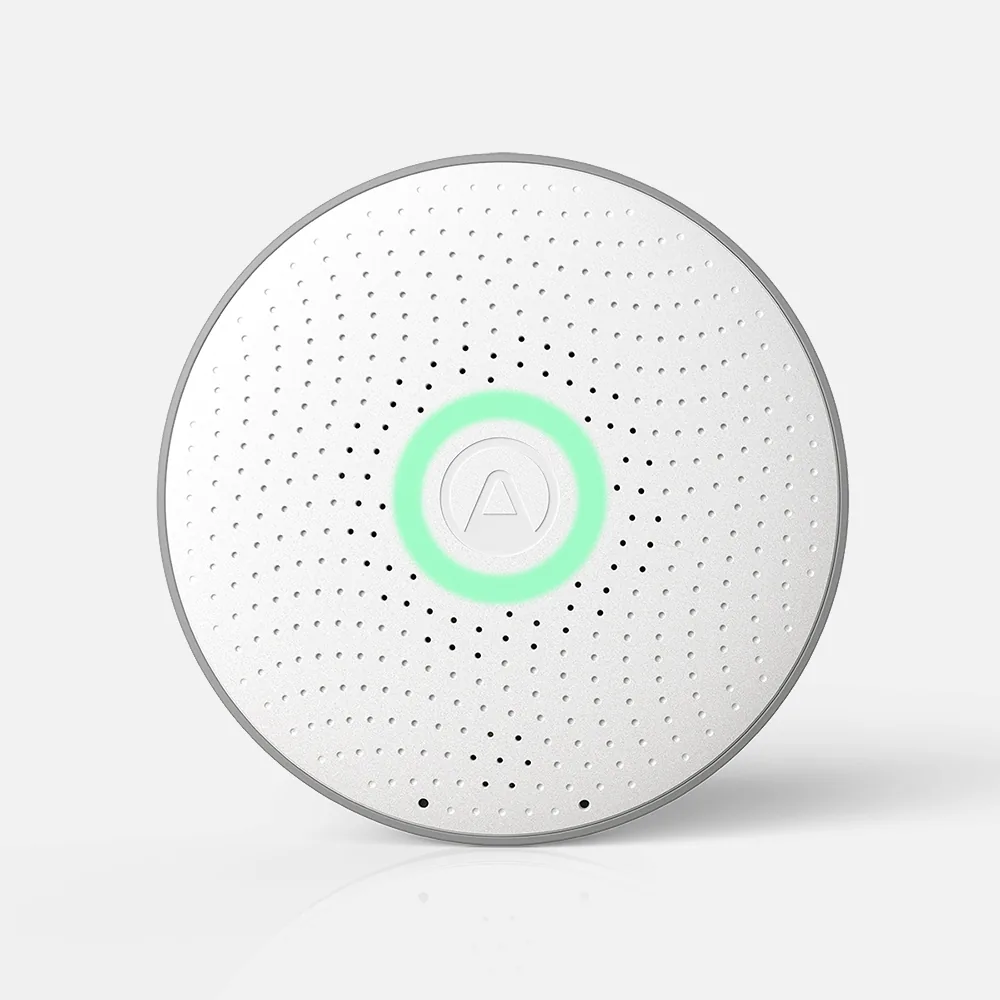
Monitor
Method: Alpha spectrometry
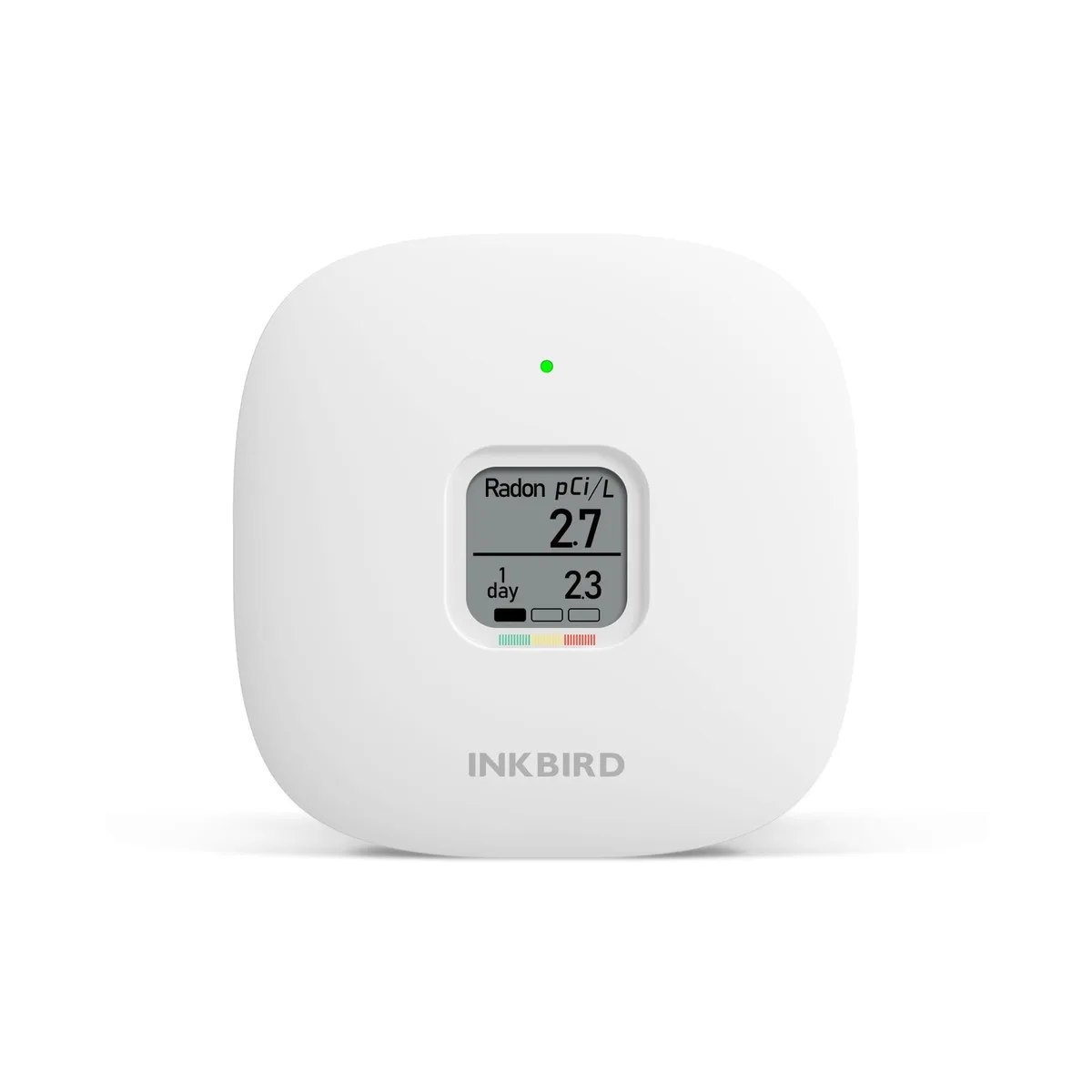
MonitorINKBIRD
First reading: Within 24 hours
Monitor
First reading: Within 90 minutes
Monitor
Method: Alpha spectrometry
First reading: Within 24 hours
MonitorX-Sense
Method: Alpha spectrometry
First reading: Within 24 hours
The monitors in this section: 1 of 6
The other kind of radon alarm guards the fix, not the air. The EPA says a warning device must be installed to alert you if an active system stops working properly, and that it must be placed where it can be seen or heard easily. Its guide to radon-resistant construction adds that, unless the indicator is part of the fan's power supply, an audible or visual alarm should be on a separate circuit so it still works if the fan loses power.
The usual warning device is a manometer, a U-shaped tube on the vent pipe: Pennsylvania's guidance says the fan is running if the fluid levels on each side are uneven, and that even levels mean the fan may not be working or may be off. Minnesota goes further and requires every mitigation system to have two fan monitors: a U-tube manometer and an active notification monitor that alerts you with a light or a sound if the system stops working, with the installed manometer reading written on a sticker beside it.
Step 1 of 4:
Check the warning device
The EPA says to look at your warning device, usually a manometer, regularly to make sure the system is working.
Step 2 of 4:
Know the installed reading
Where the installer wrote the manometer reading on a sticker, compare against it; even fluid levels mean the fan may be off.
Step 3 of 4:
Keep the fan on
The EPA says the fan should never be turned off; it must run continuously for the system to work.
Step 4 of 4:
Retest anyway
The EPA suggests retesting at least every two years, alarm or no alarm.
If a detector's alarm sounds, look at its averages rather than its latest reading, and give it time: a single high day is not a long-term level. If the long-term average is 4 pCi/L or more, the EPA's guidance is to fix the home; between 2 and 4 pCi/L, it says to consider fixing. Find a certified installer in radon mitigation professionals, and read your number with the radon level interpreter.
If a system alarm sounds, the fan has most likely stopped or lost suction. Check that it has power, then call the installer; the EPA notes fans may last five years or more, and manufacturer warranties tend not to exceed five years. Until it runs again, the system is not reducing radon. The fans themselves are compared on radon fan models, and every monitor we cover is on radon detectors and monitors.
Yes. Among the detectors we cover, the AEGTEST HOUND-1011, HOUND-1011S, HOUND-1085, HOUND-3699 and HOUND-3786, the Airthereal RM-63Pro and RM-65, the Aranet Radon One and Radon Plus, the Ecosense EcoBlu, EcoQube Flex, EcoTracker, RadonEye Pro and RadonEye RD200, the Forensics Detectors FD-65-RADON, the GQ Electronics RadonPro, RadonScan and RadonScan-Plus, the Kidde RAB, the PYZYCKYH RD17, the SafetySiren Pro4 and the X-Sense XR0B-SR have a built-in audible alarm, by their makers' account.
It depends on the device. Ecosense sets the EcoQube Flex's alert threshold at 4.0 pCi/L by default in the U.S. and lets you choose 1.0 to 27 pCi/L; the EcoBlu's level is also configurable, the EcoTracker and RadonEye Pro take an alarm threshold set in Ecosense's app, and the FD-65-RADON's menu sets low and high alarm points. Kidde's RAB sounds once the past day's average exceeds its threshold. Airthereal sets the RM-65's alarm at 148 Bq/m³ (4 pCi/L) by default, with steps from 100 to 800 Bq/m³, and GQ's guide gives its monitors an alarm level of 0 to 99 pCi/L. Family Safety Products says the model of SafetySiren Pro4 you buy sets which action level is preset, with the US EPA's 4.0 pCi/L among them. AEGTEST says the HOUND-3699's alert thresholds are customizable, without a default or a range, and names no level for its other HOUND detectors. Aranet does not say which level sounds the buzzer on its Radon One and Radon Plus, and PYZYCKYH does not say which level sets off the RD17's alert.
Not in the way a smoke alarm means danger. Radon's risk comes from exposure over years. Look at the averages, keep the detector running, and act on the long-term average: the EPA says to fix a home at 4 pCi/L or more.
Usually. X-Sense says a press of the XR0B-SR's button silences it until the warning clears and that its indicators can be switched off in settings; Kidde's RAB alarm is enabled by default, and a short press of its Mute button turns the sound on or off. GQ says pressing any key while its monitors' alarm sounds silences the beep until the reading drops below the threshold, and AEGTEST says the HOUND-1011's alarm can be muted in the Eco menu. The SafetySiren Pro4's menu mutes its alarm for 30 or 90 days (OFF30 or OFF90) and counts down to when it switches back on. Aranet's buzzer is switched on or off on the device or in the Aranet Home app. Turning off a mitigation system's alarm is a different matter: the EPA says the system needs a working warning device.
No. Kidde's guide says radon detectors are not designed to detect smoke, fire, carbon monoxide or any other gas. Keep separate smoke and carbon monoxide alarms.
A warning device on an active mitigation system that alerts you if the fan stops or loses suction. The EPA says one must be installed where it can be seen or heard easily; a manometer is the most common, and some systems add an active notification monitor that lights or sounds.
It is a warning device, but a silent one: you have to look at it. Minnesota requires both a U-tube manometer and an active notification monitor that alerts with a light or a sound.
Not a buzzer. The Wave Radon and View Radon show green, yellow or red, with red at 4 pCi/L and above, and the numbers and notifications are in the Airthings app.
That is your choice where the device allows it. The EPA says to consider fixing a home between 2 and 4 pCi/L, so some people set a lower level to get an earlier prompt; the decision still rests on the long-term average.