
MonitorAEGTEST
HOUND-1011 rechargeable radon detector with a screen
- C-NRPP 2024/25: Not included
- Battery
- Alarm
- Screen
Method: Semiconductor sensor
First reading: Within 6 hours
SafetySiren
Plug-in radon detector with a display and alarm
 (opens in a new tab)Check price on Amazon (opens in a new tab)
As an Amazon Associate, Radon411 earns from qualifying purchases.
Amazon and the Amazon logo are trademarks of Amazon.com, Inc. or its affiliates.
See ratings and reviews on Amazon (opens in a new tab)As SafetySiren states it
The SafetySiren Pro4 Series is a plug-in radon detector from Family Safety Products of Grandville, Michigan: a diffused-junction photodiode sensor, a display with short-term and long-term averages that update every hour, and an 85 dB alarm that chirps when radon stays at the preset action level. Its first reading takes 48 hours. It was not included in C-NRPP's 2024/25 evaluation, so there is no independent result for it either way.
The manual mentions the supplied power cord, with a 100 to 240 V switching power supply that feeds the detector 5.0 V at up to 1.0 A, but it does not list the package contents, so they are not stated by the maker. The detector measures 4 5/8 by 3 3/8 by 2 inches. Its serial number and maker information are on a label on the underside, and one screen shows the model number and firmware version.
In the box and running costsHow it works
The sensor, the sampling and the readings, then who has checked it
In our words, from the maker's documents
Family Safety Products lists the sensor as a state-of-the-art diffused-junction photodiode, run at 250 V DC. The detector reads the room air that passes through its ventilation slots: the manual says a proper airflow must be kept through the detector to get an air sample representative of the room, and that the detector must be kept dust free.
When it is first plugged in, the display shows CAL with running dashes for about a minute while the detector runs a self-test and calibrates to its surroundings, and the alarm sounds four beeps. The radon readings then show two dashes until enough samples are in: the manual says samples are taken for 2 days (48 hours) before an accurate reading can be displayed, and a shield icon blinks through those first 48 hours. It asks you to treat the first 48-hour average as an indication only, because radon varies from day to day and season to season.
The home screen shows two averages. The short-term figure covers the past 48 to 168 hours, at most 7 days; the long-term figure covers the time since the detector was powered up or its memory last cleared, up to 365 days. Both are rolling averages, and both update once an hour. A second screen shows how long each has been running, in hours for the short term and days for the long term.
Each detector shows one unit, fixed by the model: pCi/L or Bq/m³. The pCi/L model reads from 0.0 to 9999.9. A single menu button steps through six screens; the first tap lights the display, the backlight goes off after 25 seconds without a press, and the display returns to the home screen after 15 seconds. The detector repeats its self-test every 24 hours and flashes a wrench icon with an error code if one fails.
When the detector reaches its alarm state, preset by the manufacturer, the buzzer sounds 4 short chirps and repeats them every hour until the level drops below the action level or you mute it, while a warning icon flashes beside the high reading. It alarms on the long-term average at or above the action level once the first 168 hours have passed, or on the short-term average at or above it for 30 consecutive days. The menu offers two mute settings, OFF30 and OFF90, and a test mode that sounds the alarm on demand.
SafetySiren's own statements, attributed
These are SafetySiren's own statements, attributed to it. They are not our findings, and we have not tested this product ourselves.
C-NRPP 2024/25, recalls and studies
The Canadian National Radon Proficiency Program's 2024/25 comparison of consumer monitors did not include SafetySiren Pro4. That is a fact about which devices took part, not a finding about this one: no result from that program exists for it either way.
C-NRPP is the Canadian National Radon Proficiency Program. Its 2024/25 results were published in May 2025.
Specifications
Every figure as the maker states it
The manual mentions the supplied power cord, with a 100 to 240 V switching power supply that feeds the detector 5.0 V at up to 1.0 A, but it does not list the package contents, so they are not stated by the maker. The detector measures 4 5/8 by 3 3/8 by 2 inches. Its serial number and maker information are on a label on the underside, and one screen shows the model number and firmware version.
The warranty is a one-year limited warranty to the original retail purchaser, not transferable, from the date of retail purchase; a unit found defective within it is repaired or replaced free of charge. A return needs a return authorization (RA) number from Family Safety Products and a copy of the original purchase receipt. The warranty does not cover the cost of shipping the product to Family Safety Products, normal wear, damage from misuse or tampering, including removing the back cover, or damage from not following the manual.
There is no lab fee, subscription, app or battery: the Pro4 runs from a wall outlet through its power supply. Family Safety Products publishes no sensor lifespan, calibration service or replacement schedule in the manual, so those are not stated by the maker. C-NRPP notes that consumer radon monitors cannot be professionally calibrated.
Warranty service, by the manual, goes through Family Safety Products in Grandville, Michigan, by phone, email or mail with a return authorization number, and shipping the detector to them is at your cost. The manual's pages are dated 2020, so ask the seller who handles warranty claims now before you buy.
Fit and setup
The fit, then setup and placement as the guidance asks
Good fit if, and look elsewhere if
Good fit if
Look elsewhere if
5 steps
How C-NRPP says to use any consumer monitor
For where any radon test or monitor should sit in a home, see where to place a radon test.
Compare
The same three rows for each, and the one difference that matters
This page
SafetySiren Pro4
This page: The SafetySiren Pro4 Series is a plug-in radon detector from Family Safety Products of Grandville, Michigan: a diffused-junction photodiode sensor, a display with short-term and long-term averages that update every hour, and an 85 dB alarm that chirps when radon stays at the preset action level.
Ecosense
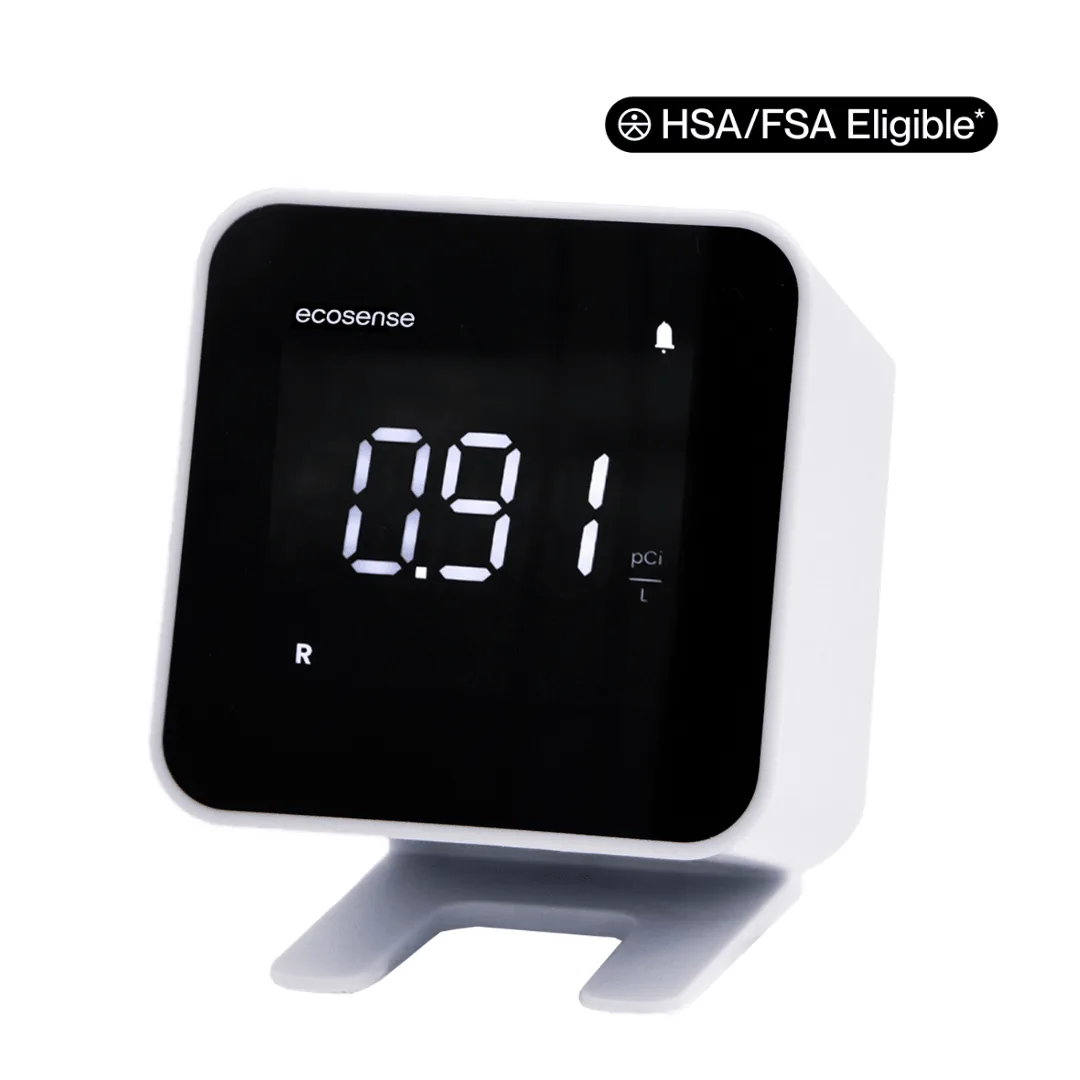
The difference: Also a plug-in detector with a built-in audio alarm and a visual LED, but Ecosense gives a first reading in 10 minutes and lets you configure the alarm level.
Ecosense
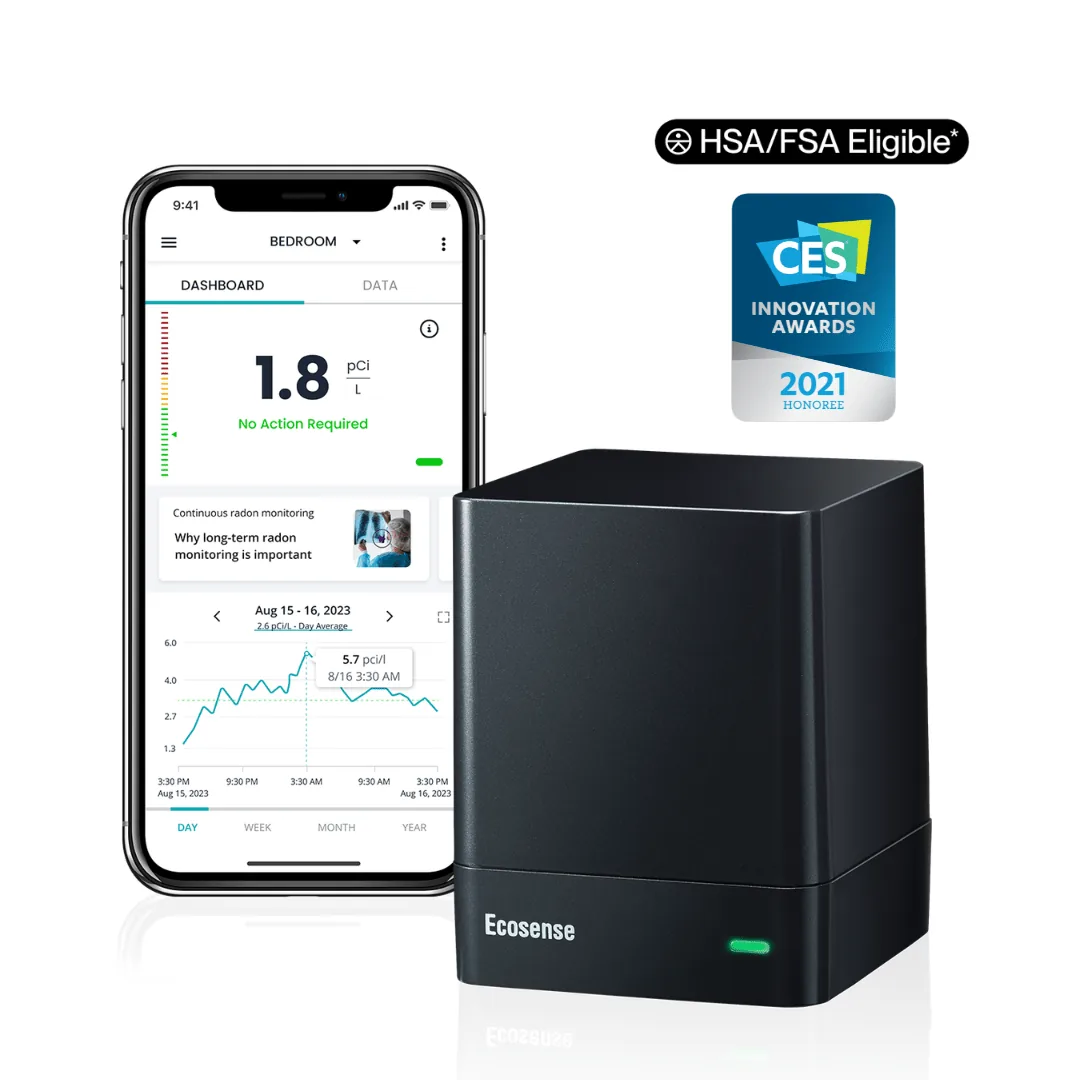
The difference: Another plug-in monitor, approved in C-NRPP's 2024/25 evaluation, that shows hourly levels on an LED and keeps short-term and long-term averages in its mobile app.
Ecosense
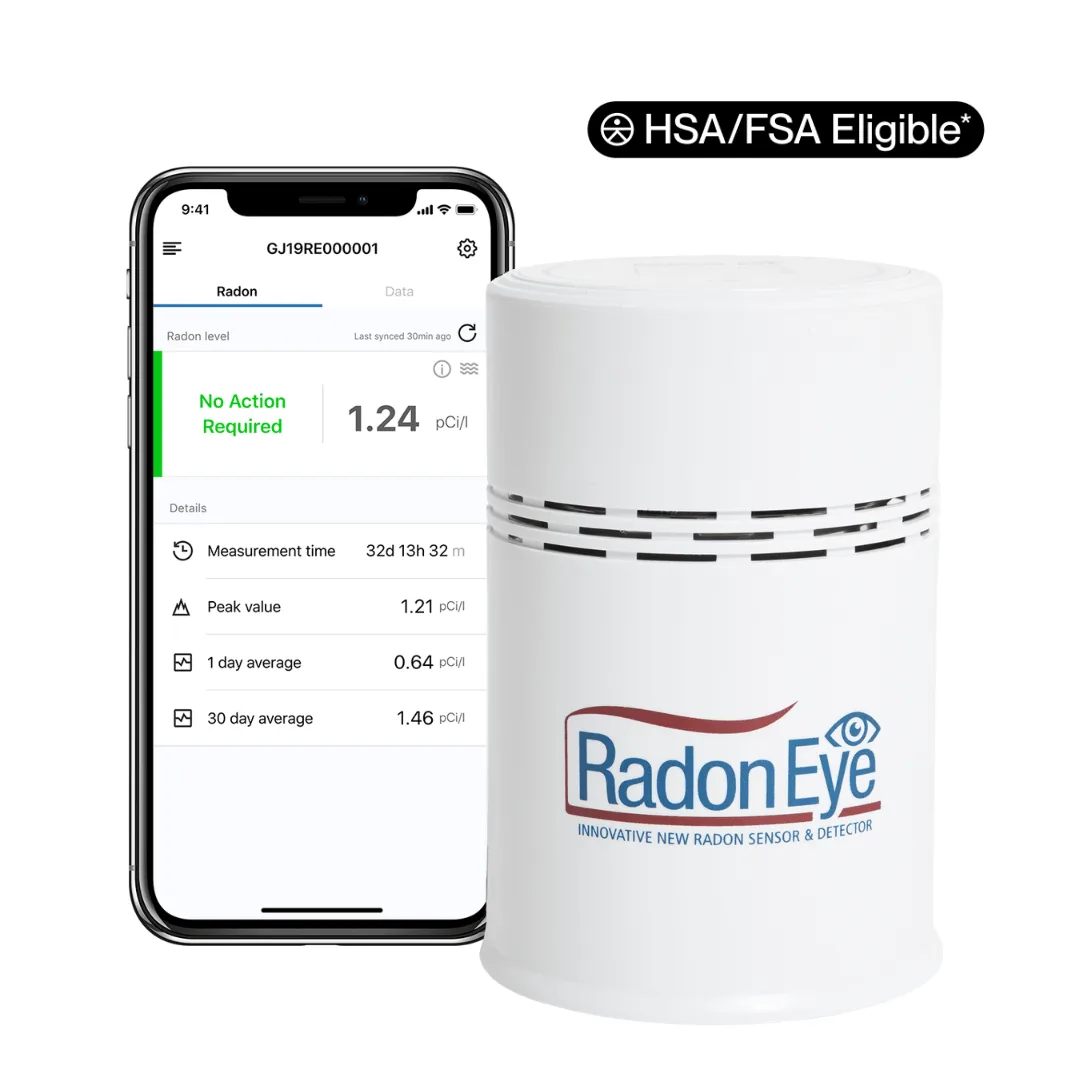
The difference: Also plug-in with an integrated audio alarm, with a first reading in 10 minutes, and approved in C-NRPP's 2024/25 evaluation.
Compared with similar products: 1 of 4
MonitorAEGTEST
Method: Semiconductor sensor
First reading: Within 6 hours
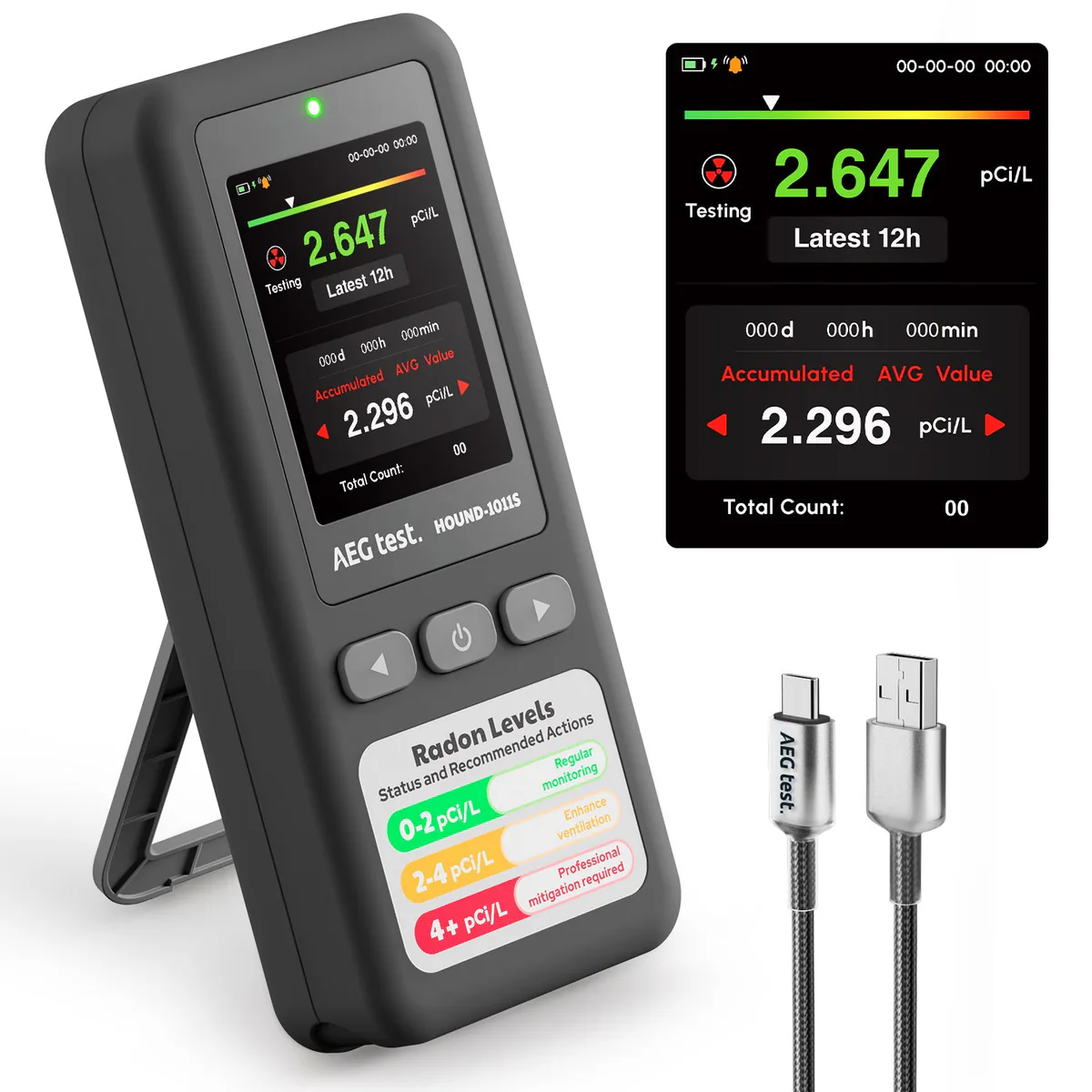
MonitorAEGTEST
Method: Semiconductor sensor
First reading: Within 12 hours
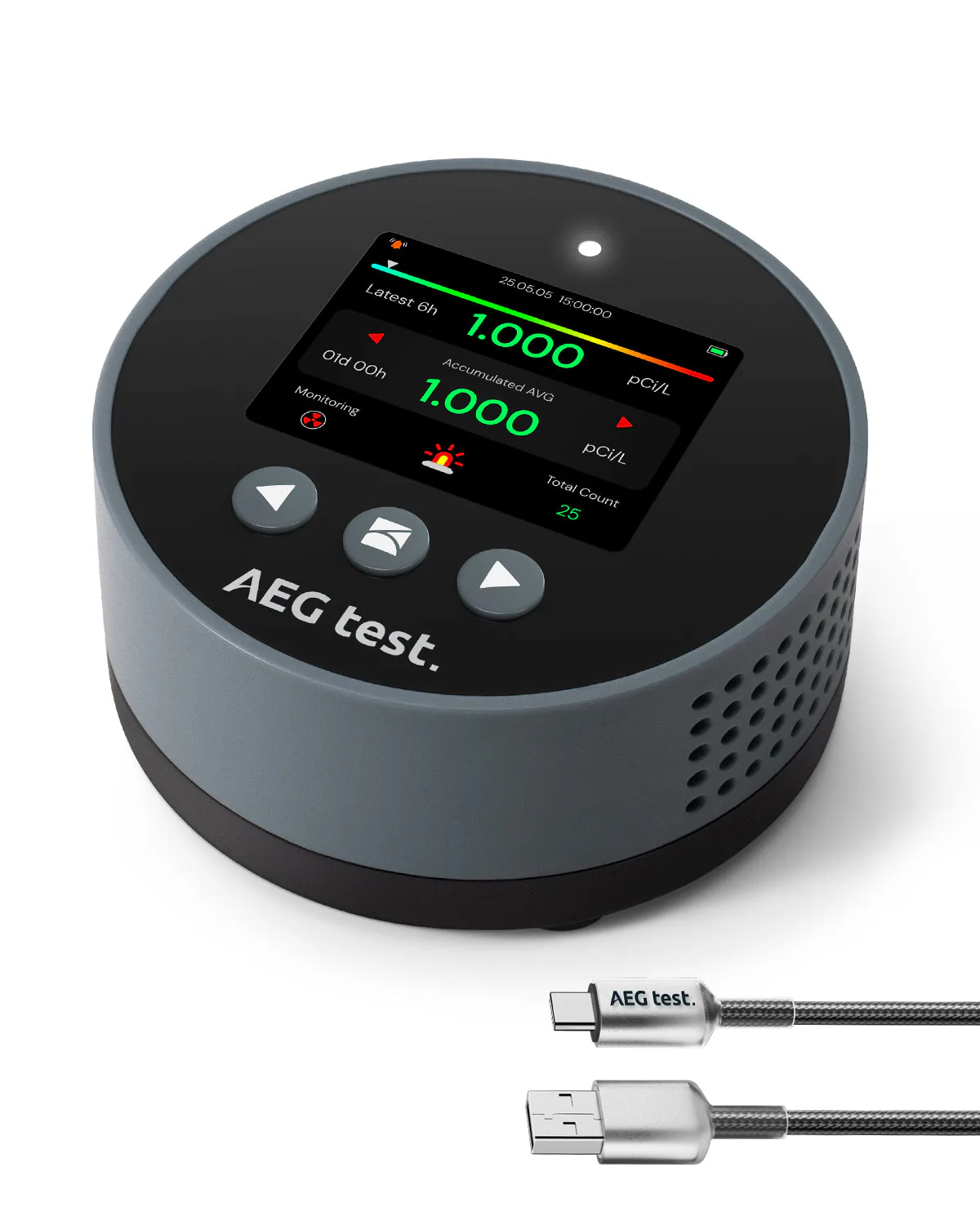
MonitorAEGTEST
Method: Semiconductor sensor
First reading: Within 6 hours
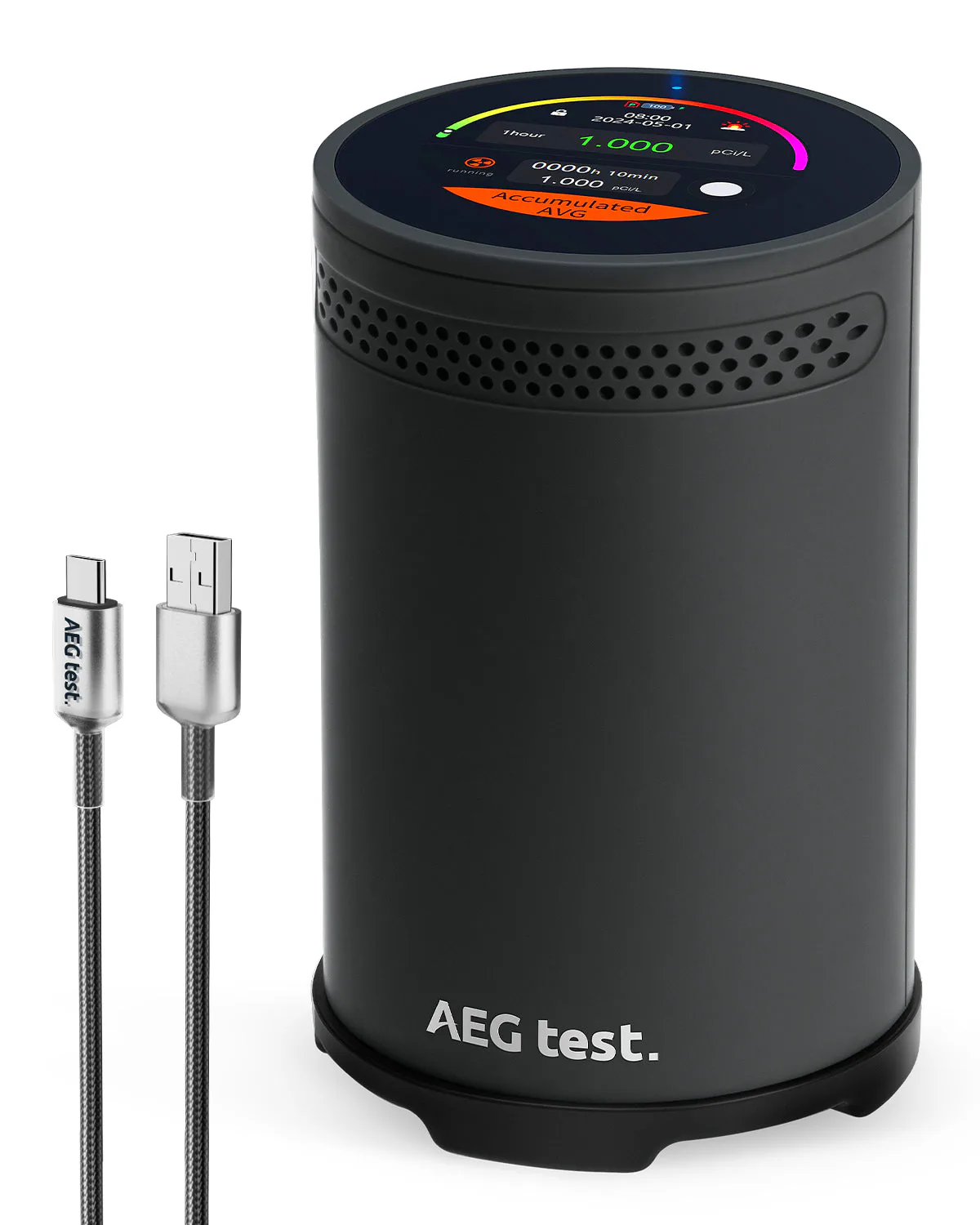
MonitorAEGTEST
First reading: Within 1 hour
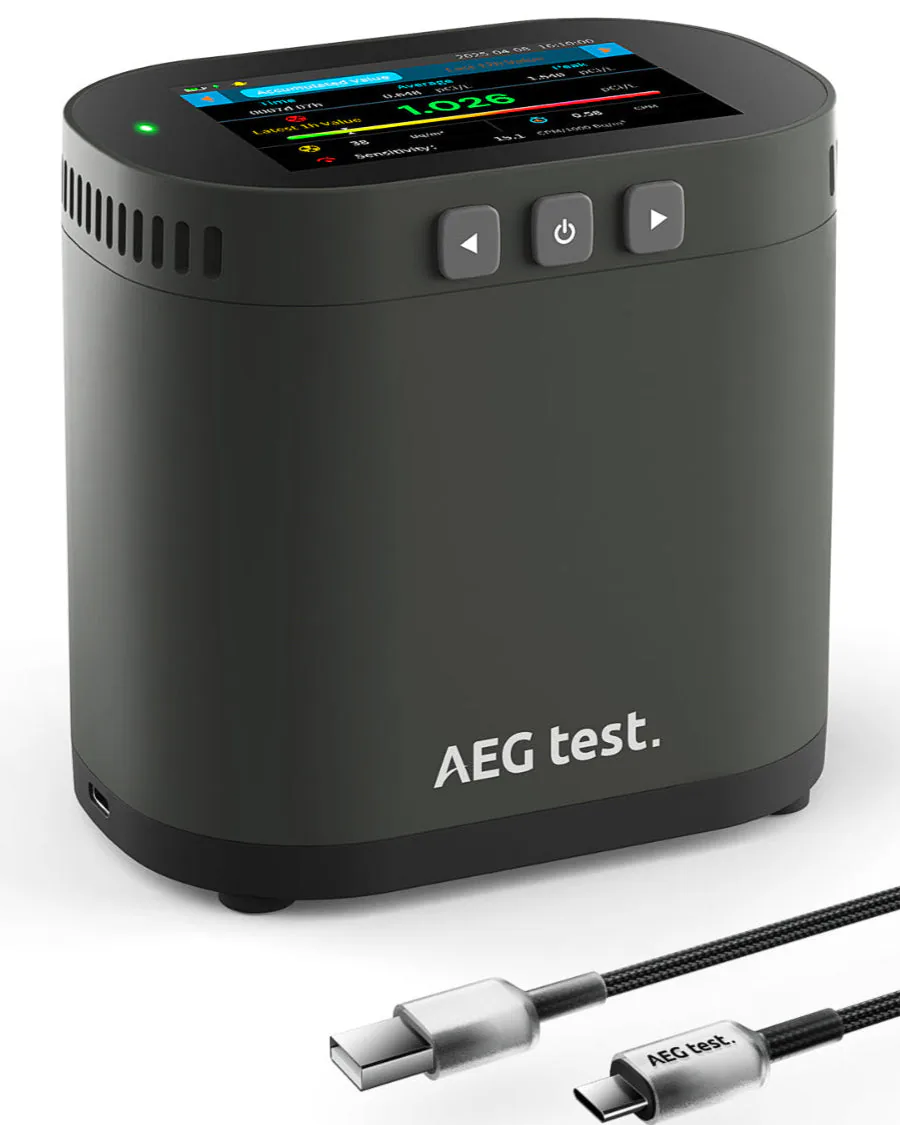
MonitorAEGTEST
Method: Ion chamber
First reading: Within 10 minutes
Monitor
Method: Semiconductor sensor
Monitor
Method: Semiconductor sensor
First reading: Within 6 hours
Monitor
Method: Alpha spectrometry
Monitor
Method: Alpha spectrometry
Readings: Every 60 minutes
Monitor
Method: Alpha spectrometry
Monitor
Method: Alpha spectrometry
Readings: Every 60 minutes
Monitor
Method: Alpha spectrometry
Monitor
Method: Alpha spectrometry
MonitorAranet
Method: Ion chamber
First reading: Within 10 minutes
MonitorAranet
Method: Ion chamber
First reading: Within 10 minutes
Monitor
Method: Ion chamber
First reading: Within 10 minutes
Monitor
Method: Ion chamber
First reading: Within 10 minutes
Monitor
Method: Ion chamber
First reading: Within 15 minutes
Monitor
Method: Ion chamber
First reading: Within 10 minutes
MonitorForensics Detectors
Method: Semiconductor sensor
First reading: Within 6 hours
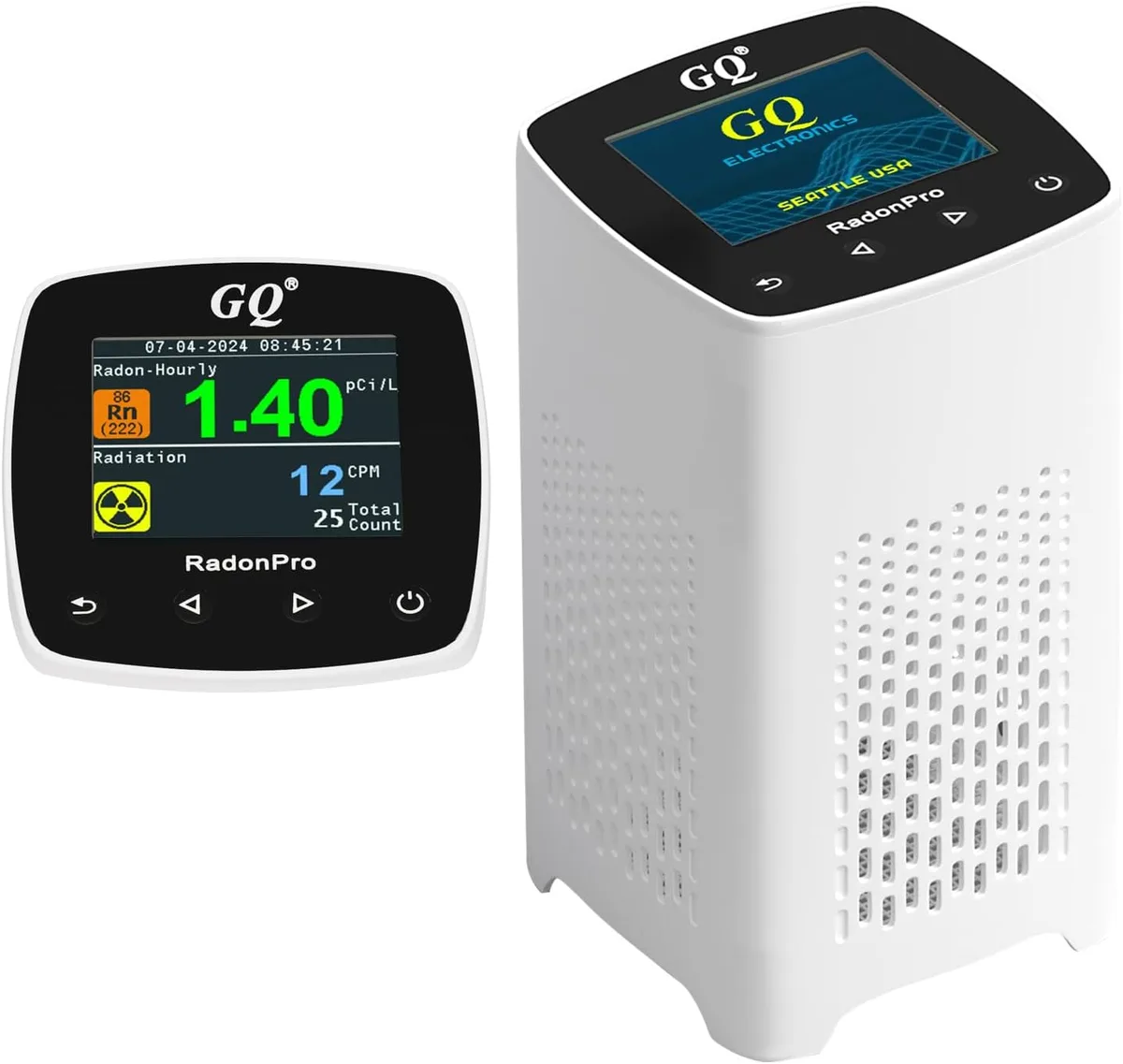
Monitor
First reading: Within 5 minutes
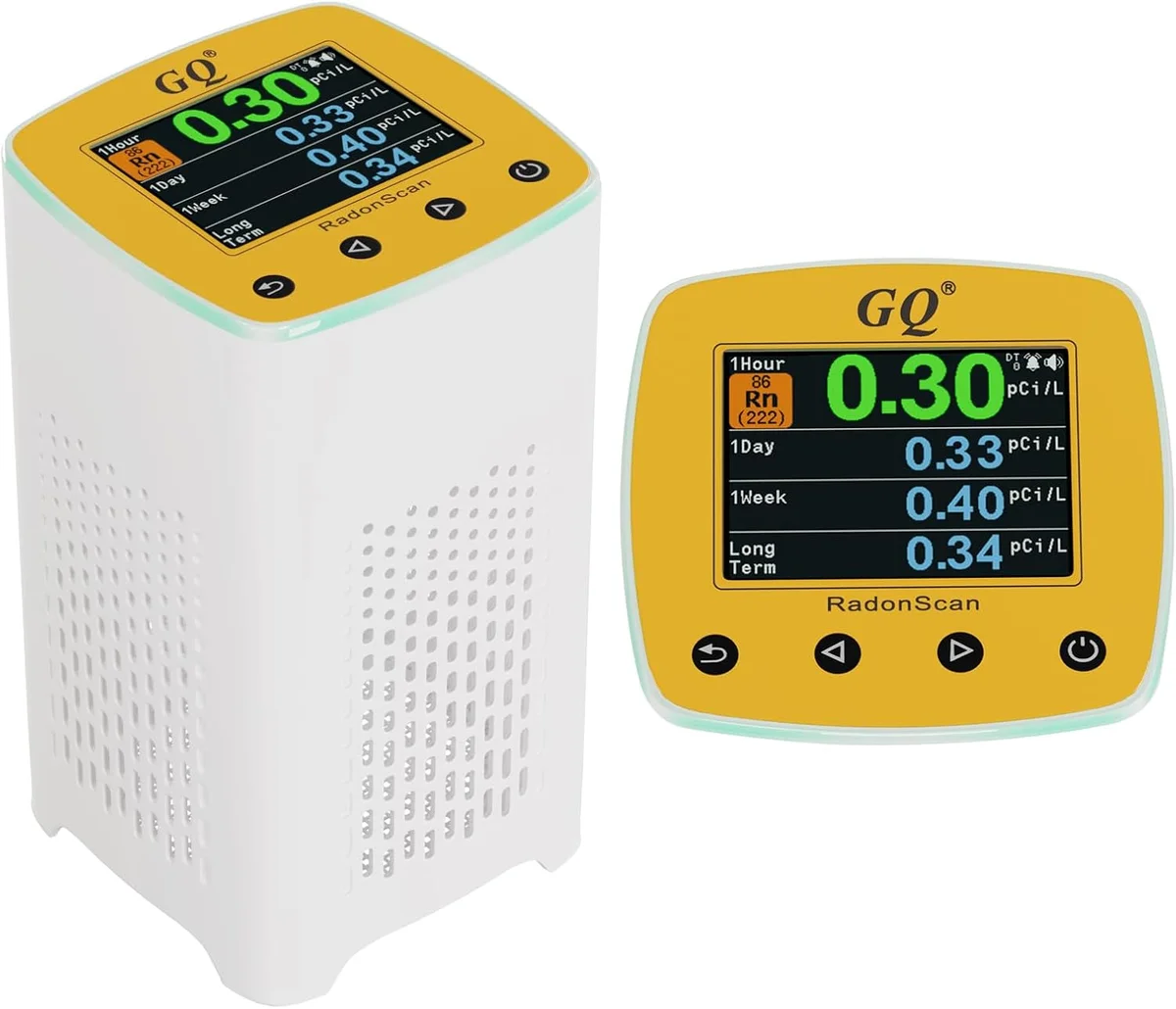
Monitor
First reading: Within 5 minutes
Monitor
First reading: Within 5 minutes
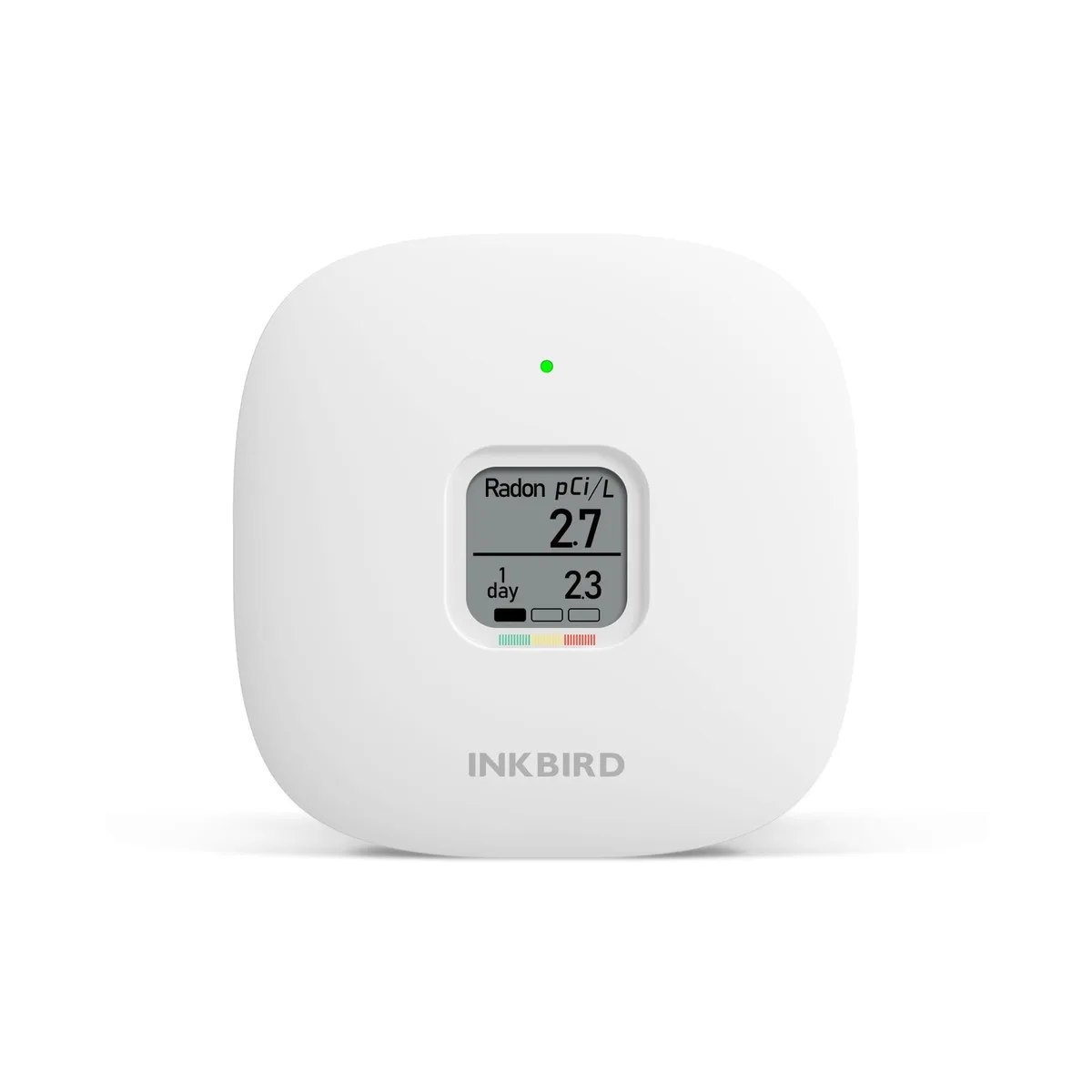
MonitorINKBIRD
First reading: Within 24 hours
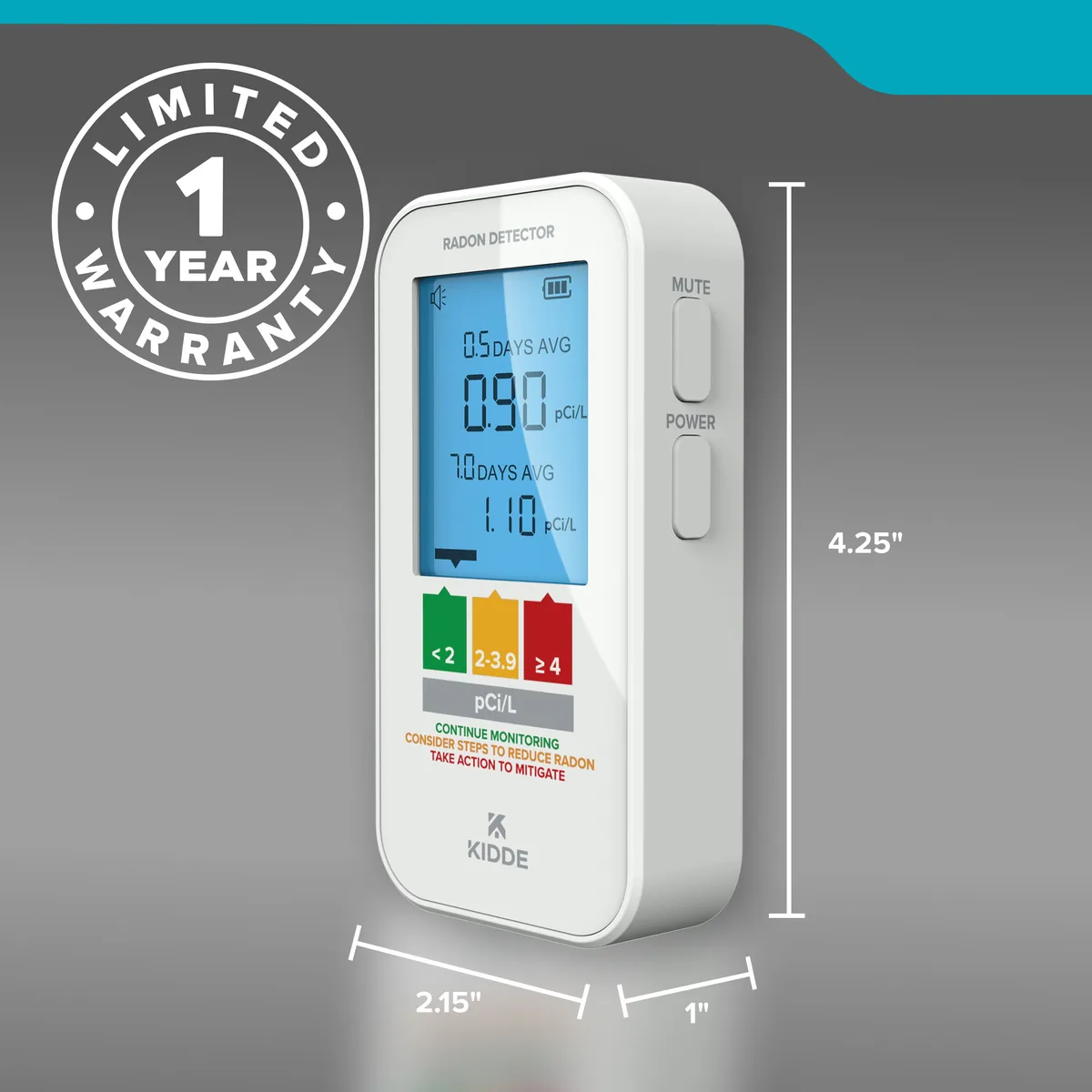
MonitorKidde
Method: Semiconductor sensor
First reading: Within 12 hours
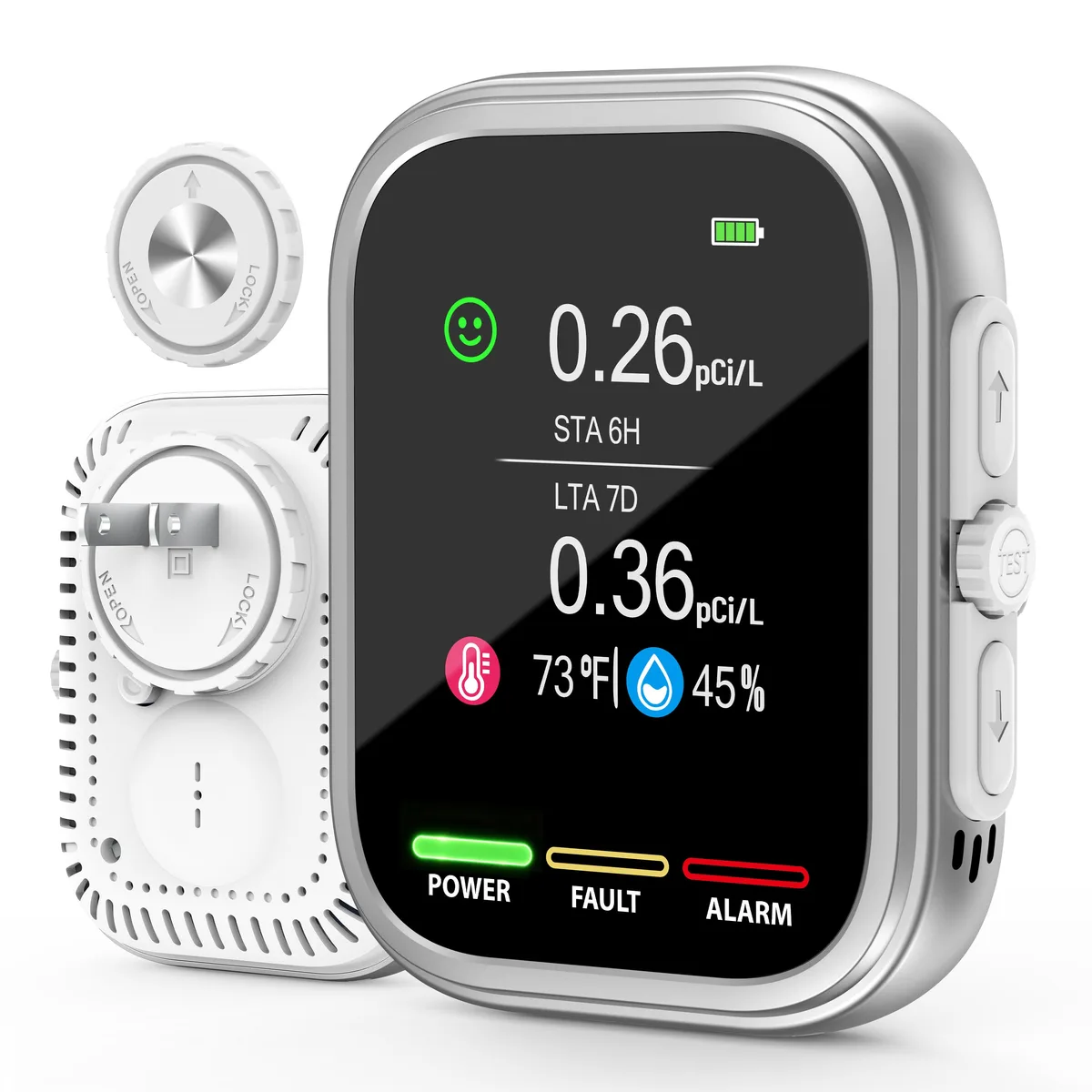
MonitorPYZYCKYH
Method: Semiconductor sensor
First reading: Within 6 hours
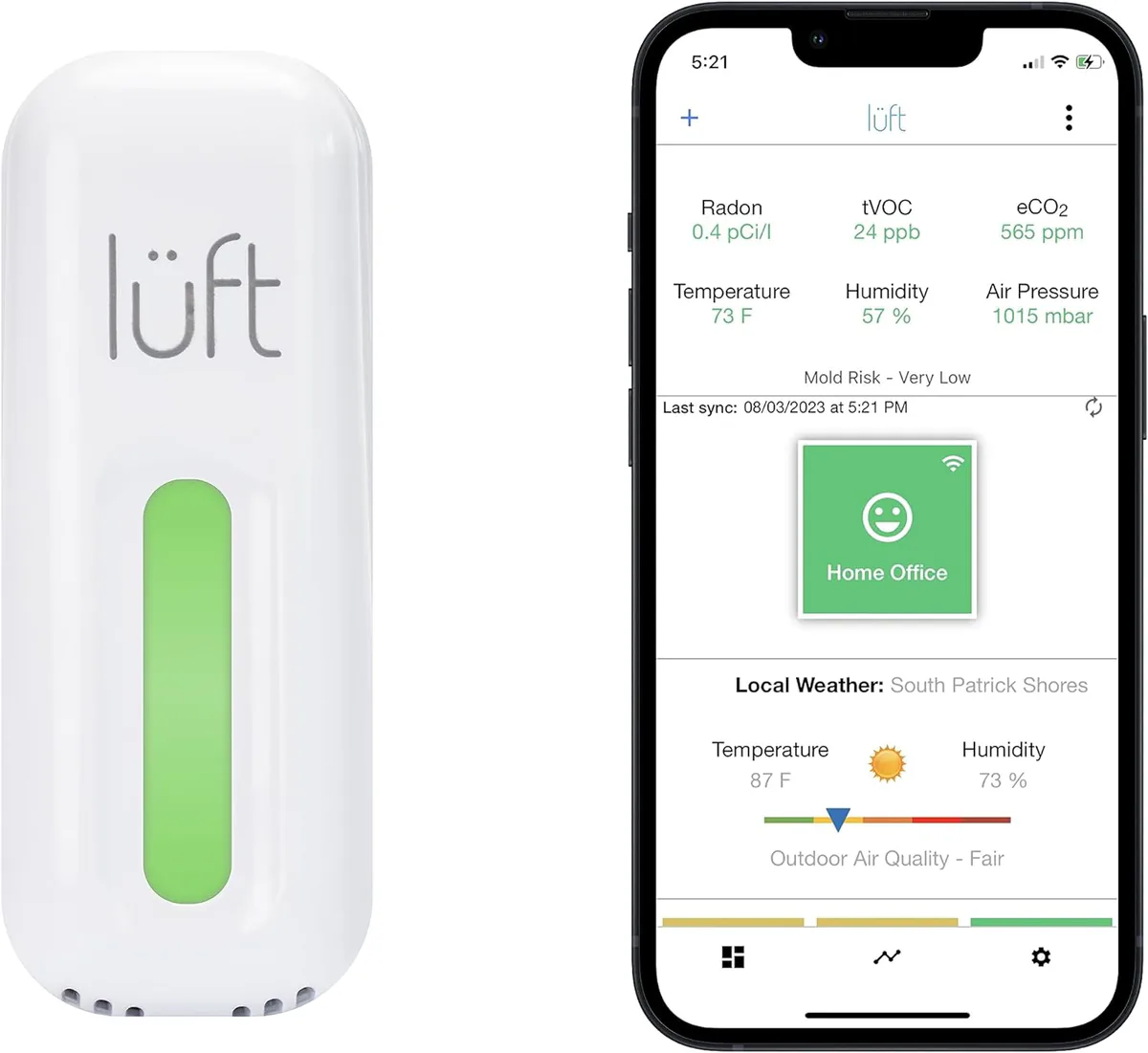
Monitor
First reading: Within 90 minutes
Monitor
Method: Alpha spectrometry
First reading: Within 24 hours
MonitorX-Sense
Method: Alpha spectrometry
First reading: Within 24 hours
MonitorX-Sense
Method: Alpha spectrometry
First reading: Within 24 hours
MonitorX-Sense
Method: Alpha spectrometry
First reading: Within 24 hours
More home radon monitors: 1 of 31
Questions
6 questions about the SafetySiren Pro4, answered
Two days. The manual says samples are taken for 48 hours before an accurate reading is displayed; until then the readings show two dashes and a shield icon blinks. After that the averages update every hour, and the manual asks you to read the first 48-hour figure as an indication only.
When the detector reaches its preset alarm state: the long-term average at or above the action level after the first 168 hours, or the short-term average at or above it for 30 consecutive days. The buzzer then gives 4 short chirps every hour until the level falls below the action level or you mute it. The manual says the model you buy determines which action level is preset, and lists the US EPA's 4.0 pCi/L among them.
Yes, for a while. Holding the menu button on the alarm screen chooses between the alarm on and two mute settings, OFF30 and OFF90. A mute icon then shows at the top of the screen, and the detector counts down the days until the alarm switches back on.
No. The manual describes a detector that plugs into a standard 120-volt household outlet with the supplied power cord, and it mentions no battery. Unplugging it and plugging it back in is also how the manual has you power-cycle it after an error message.
One or the other, fixed by the model: the manual says the display unit is a fixed feature that depends on the model purchased. The pCi/L model reads from 0.0 to 9999.9 pCi/L.
It was not included in C-NRPP's 2024/25 consumer monitor evaluation, so there is no C-NRPP result for it either way.
Updated October 8, 2026